Why Cats Meow Differently at You Than at Other People, Explained
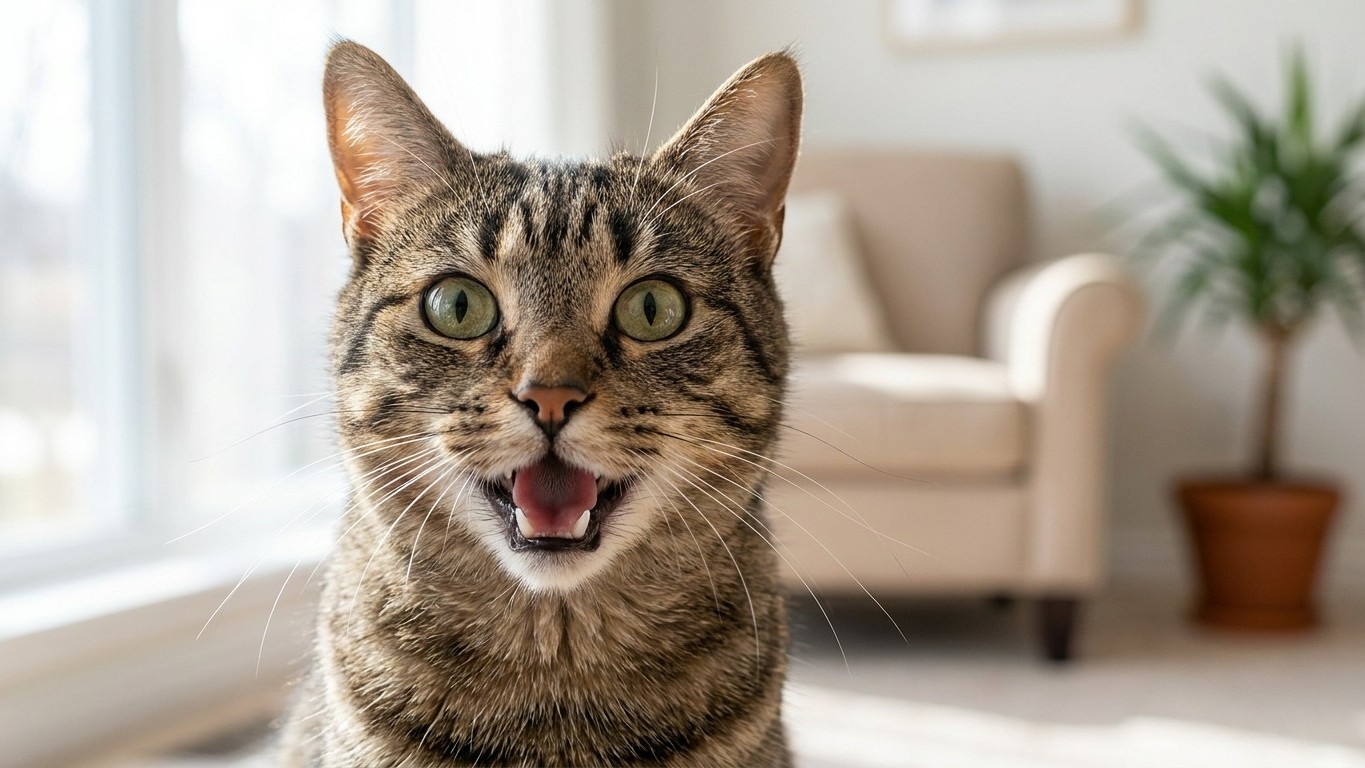
Why Your Cat Meows Differently at You Than Everyone Else — Scientists Finally Explain

Scientists have discovered that cats meow twice as much when male owners come home compared to female owners—and it’s not random. New research reveals cats strategically adjust their vocalizations based on how responsive each person is, suggesting feline communication is far more intelligent and purposeful than we ever realized.

Why Your Cat Hides During May Lawn Mowing and Should Stay Inside

Why Your Cat Vanishes Every May When You Mow the Lawn — And Why You Should Keep Them Inside

Every May, cats mysteriously vanish when the lawnmower starts — but it’s not random feline weirdness. A cat’s heightened hearing makes the mower sound like an unbearable assault, triggering instant flight. Beyond the noise, freshly mowed lawns hide real dangers: toxic chemicals, sharp grass seeds that burrow into skin, and unpredictable machinery.

Cat Curling Up in One Spot May Signal Illness or Pain

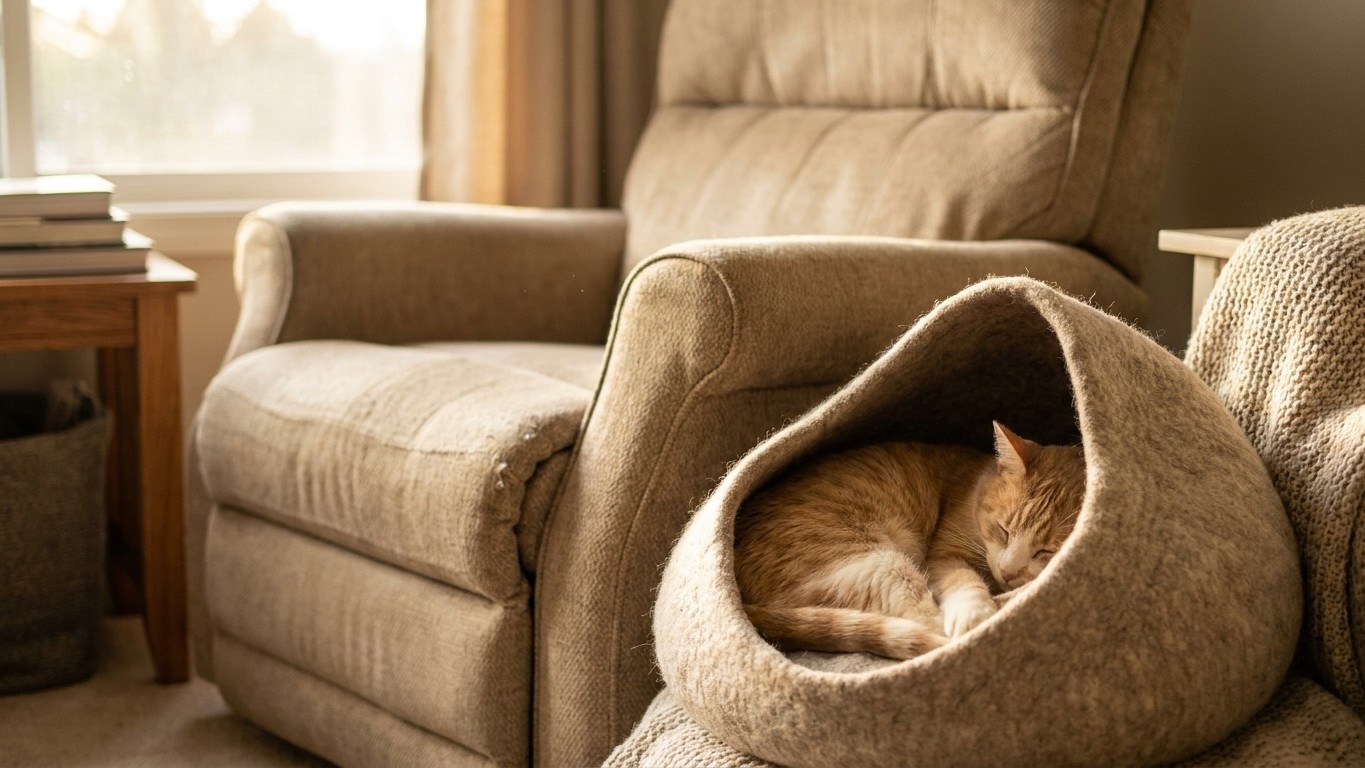
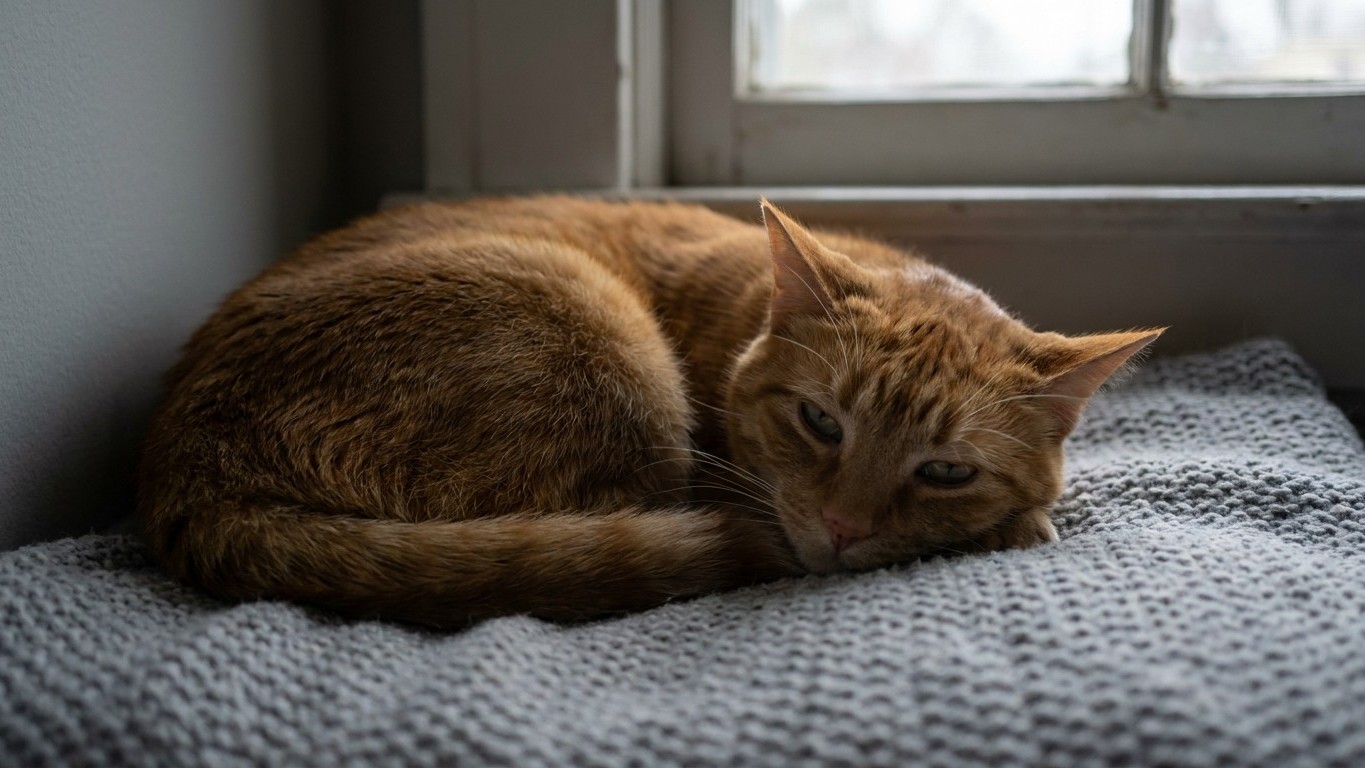
Why Your Cat's Favorite Curled-Up Spot May Be a Hidden Cry for Help

Your cat’s favorite curled-up spot might not be comfort at all — it could be a subtle sign of chronic pain or illness that vets see far too late. Cats are masters at hiding discomfort, and what owners interpret as aging or contentment is often the early stage of serious conditions like arthritis. Understanding the difference between a relaxed cat and one in pain could save your pet’s life.

How Tilted Windows Can Suffocate Cats in Minutes

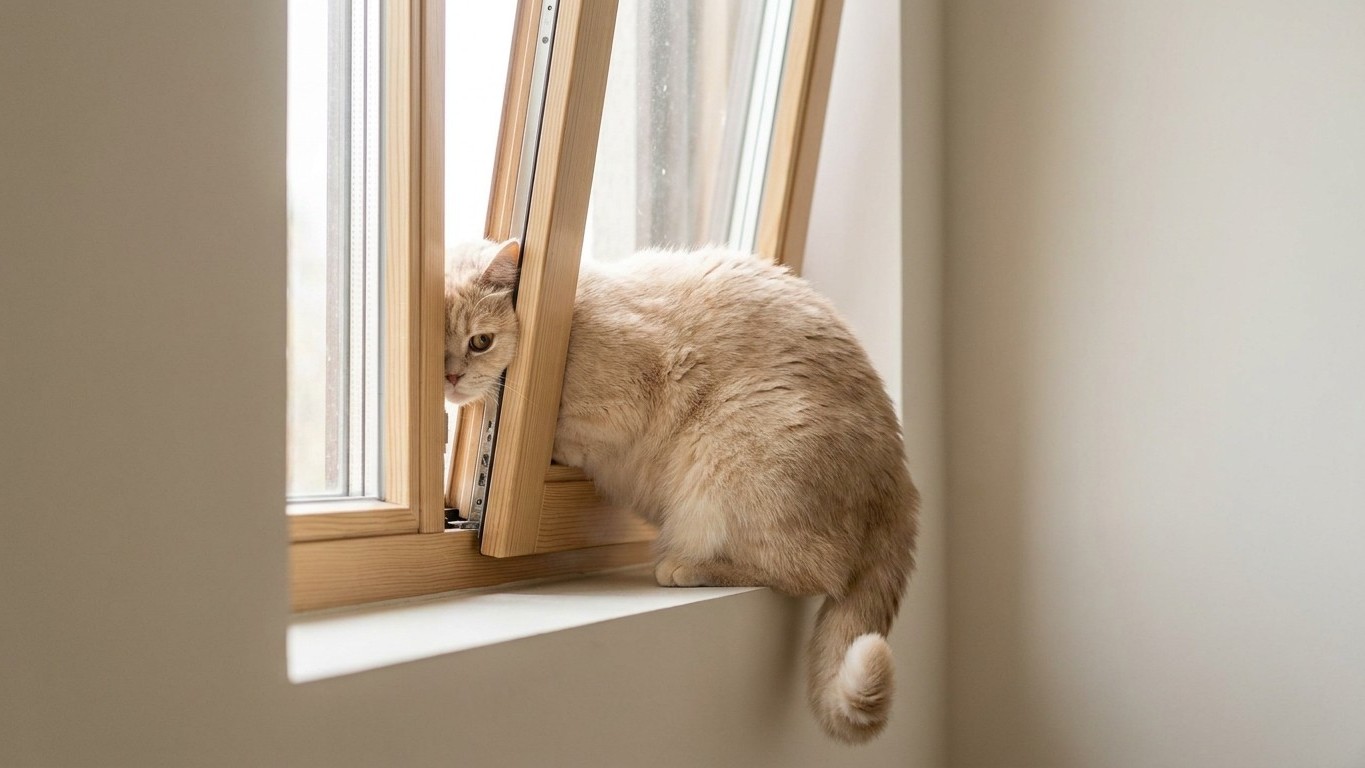
The Silent Killer in Your Home: How Tilted Windows Suffocate Cats in Minutes

Every May, veterinary surgeries across the UK brace for a preventable emergency: cats becoming fatally trapped in tilted windows. The seemingly innocent gap that provides ventilation can compress a cat’s chest, causing asphyxiation or internal injuries within minutes. Understanding this hidden danger could save your cat’s life.

Why Summer Heat Makes Cat Litter Box Ammonia Worse

Why Your Cat's Litter Box Becomes a Health Hazard in Summer: The Ammonia Problem Nobody Talks About

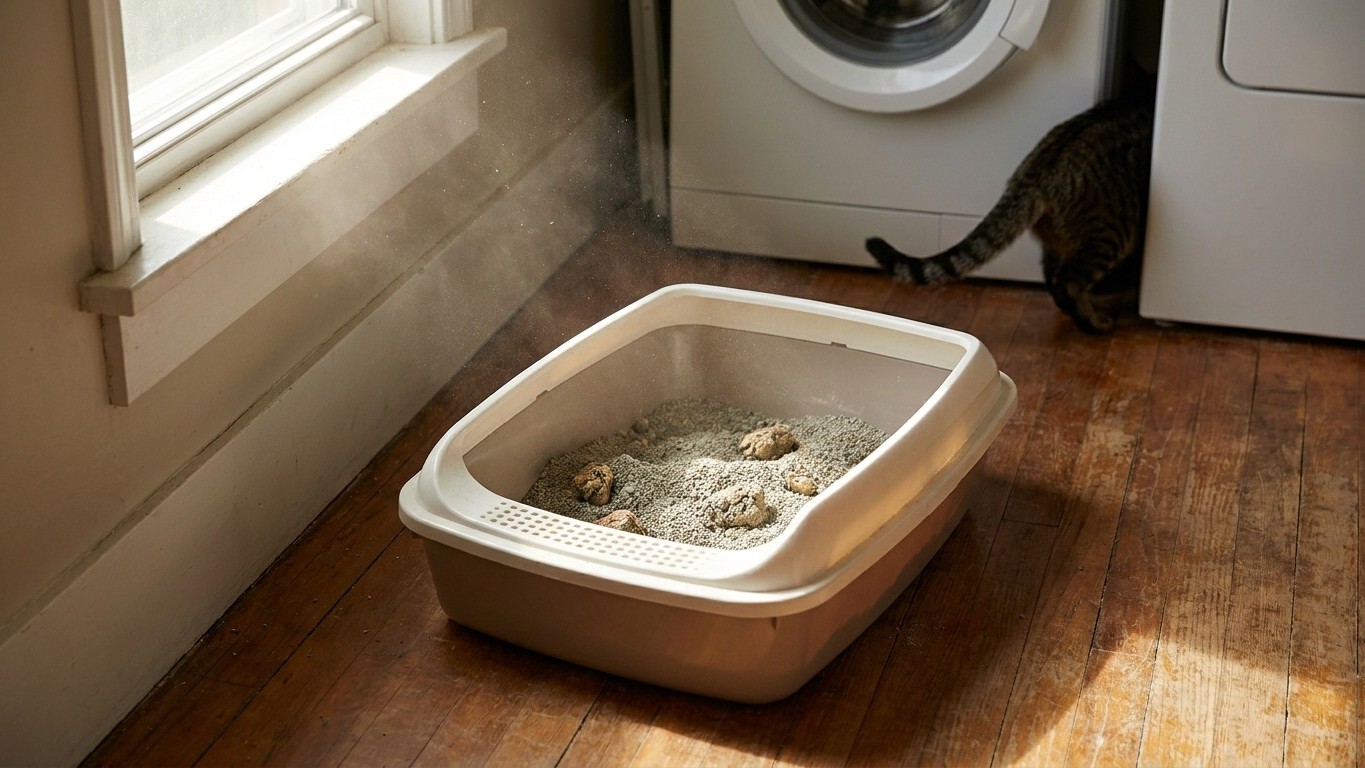
Between May and September, heat transforms cat litter boxes into sources of dangerous ammonia gas that can trigger respiratory problems in both cats and humans. A once-daily scooping routine that works fine in winter becomes dangerously insufficient when temperatures rise above 24°C, accelerating bacterial enzyme activity that converts urine into harmful ammonia concentrations.

Why Your Cat Goes Wild in May: Hormone Surge Explained

Why Your Cat Goes Wild in May: It's Not Spring Energy—It's a Hormone Surge

Your cat’s wild May behavior isn’t about spring excitement—it’s a hormonal response triggered by increasing daylight that suppresses melatonin and surges sex hormones. Scientists have discovered that even neutered cats experience this seasonal shift, while hidden pollen allergies may compound the chaos. Understanding the biology behind the madness helps you manage it.

Why Your Cat Stopped Burying Its Waste, According to Vets

Why Your Cat Stopped Burying Its Waste: What Vets Say It Really Means

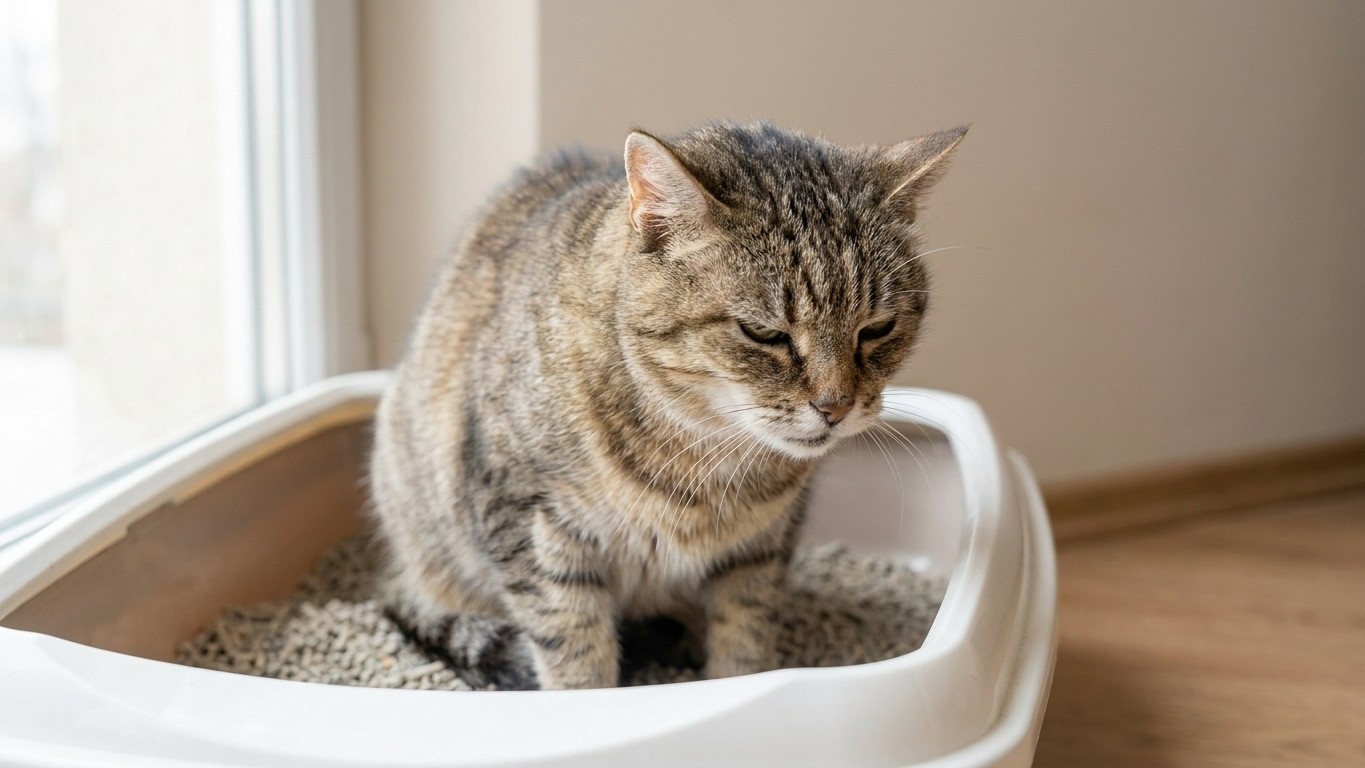
You’ve noticed your cat leaving waste uncovered in the litter box, and you assumed stubbornness. But veterinarians and animal behaviorists reveal this sudden change often signals something medically serious—from arthritis to cognitive dysfunction. Understanding what your cat’s litter box habits reveal about their health could be the key to catching hidden illnesses early.