
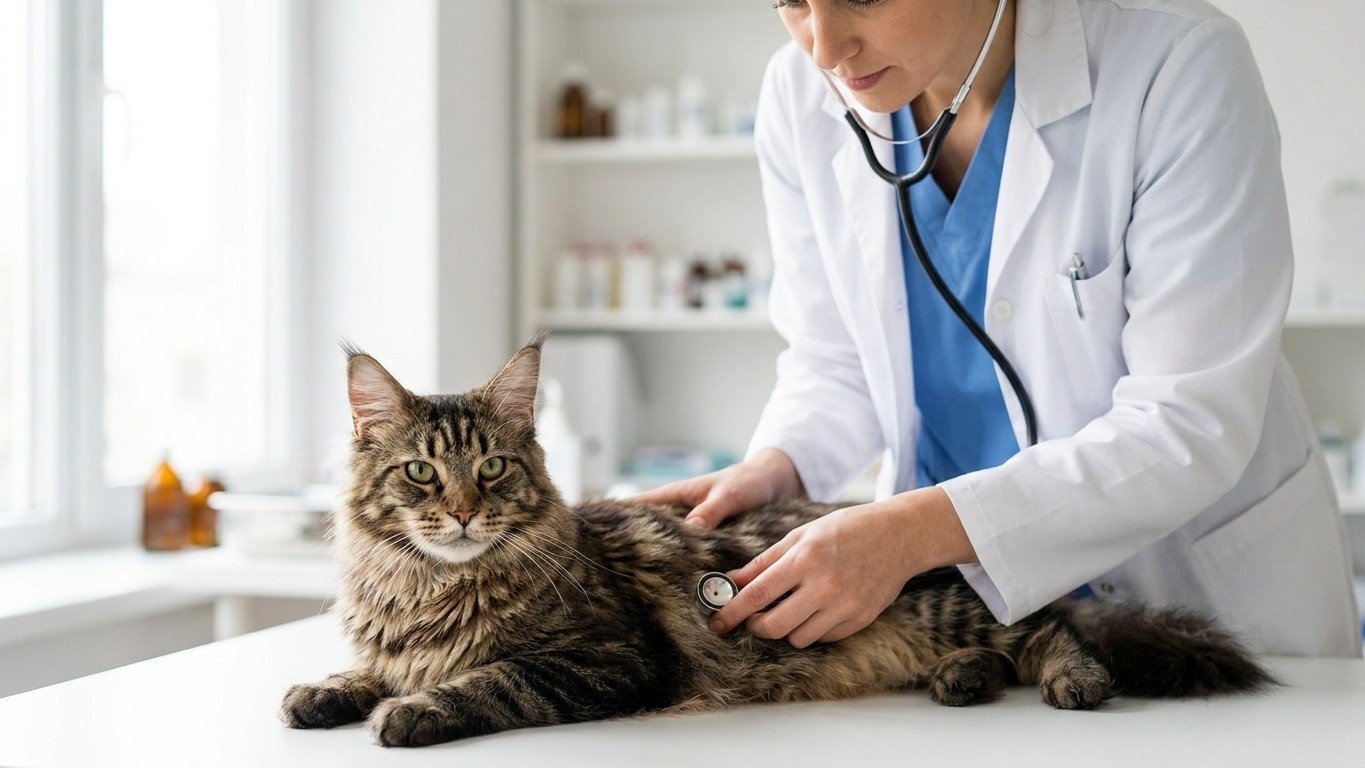
For months, brushing the cat right after dinner felt like the ideal routine, a calm moment after the evening meal, a chance to bond and keep the coat in good shape. Then a vet visit changed everything. What was being found inside the cat’s stomach wasn’t just the odd hairball. It was a growing, compacted mass of fur mixed with food residue and digestive juices, quietly building up session after session. Timing, it turns out, matters a great deal.
Key takeaways
- A vet uncovered a dangerous accumulation inside a cat’s stomach caused by a seemingly harmless daily habit
- Brushing after dinner coincides with your cat’s natural post-meal grooming instinct, multiplying hairball risk
- One simple timing change could prevent costly surgery and protect your cat’s digestive health
Why the post-dinner brush is a problem hiding in plain sight
Cats have a powerful instinct to groom themselves after eating. In the wild, they needed to protect themselves from predators, a tasty meal could attract danger, especially if the scent remained on the cat’s coat. As a result, they naturally groom thoroughly after eating, removing any residual food scent. Your indoor cat still follows this deep-wired behaviour, even if the nearest predator is the neighbour’s spaniel.
The problem starts when you brush your cat straight after dinner. You’re loosening a large quantity of dead fur from the coat at precisely the moment your cat is most motivated to lick and groom herself. As she grooms, she swallows a lot of loose hair, because the tiny backward-slanted projections (papillae) on her tongue propel the hair down her throat and into her stomach. Brushing beforehand means you’ve already removed much of that loose fur. Brushing after dinner means you’ve freshly loosened a whole new batch, just in time for her to swallow it during her post-meal grooming session.
Over time, these hair strands bind together with saliva and sometimes small amounts of partially digested food. The resulting mass can be coated with mucus and bile, and once it solidifies, it typically must be expelled by vomiting. That’s what the vet was pointing at on the scan. Not a single dramatic hairball, but a recurring, worsening accumulation, made worse by an apparently caring daily habit.
What hairballs actually do inside your cat
The main structural component of hair is a tough, insoluble protein called keratin, which is completely indigestible. While most swallowed hair eventually passes through the digestive tract and gets excreted in the faeces, some remains in the stomach and gradually accumulates into a damp clump. Most of the time, the cat brings it up. Unpleasant, but manageable. The real risk lies in what happens when she can’t.
The wad of matted hair can pose a serious health threat if it grows too large to pass through the narrow sphincters leading either from the oesophagus to the stomach or from the stomach to the intestinal tract. If a hairball gets stuck, it can block the stomach or intestines, requiring surgery. Repeated attempts to expel hairballs may also lead to inflammation of the stomach lining. Surgery for a condition that often begins with a well-intentioned grooming habit, that’s a sobering thought.
Older cats spend more time grooming than younger cats and are therefore more prone to developing hairballs. Cats shed all year round, but spring and autumn are peak shedding seasons, which correlate with an increase in hairball occurrence. Long-haired breeds such as Persians and Maine Coons may be at greater risk than short-haired breeds. But make no mistake, any cat, any coat length, can end up in trouble if hair is swallowing in excess.
There’s also a symptom owners frequently misread. A hairball, instead of being regurgitated, can pass from the stomach into the intestine and create a potentially life-threatening blockage. Or the frequent hacking may have nothing to do with hairballs at all. It may instead be a sign that the animal is suffering from a serious respiratory ailment, such as asthma, in which case emergency treatment would be necessary. If your cat is retching repeatedly without producing anything, don’t assume it’s a stuck hairball and wait it out, get her seen.
Changing the timing (and the habits that go with it)
The fix is simpler than you’d expect. Starting grooming sessions when your cat is relaxed, perhaps after a meal, is fine, but what matters is doing it before the post-meal grooming frenzy kicks in, not during it. The ideal time to brush is before feeding, or well before your cat’s scheduled dinner, so you’re removing loose fur when she’s not about to self-groom anyway.
The more fur you remove from your cat, the less will end up as hairballs in her stomach. Combing or brushing daily can be an effective way to minimise hairballs, and it also provides a way to bond with your cat. The frequency matters too. For short-haired cats, brushing two to three times per week is usually sufficient, while long-haired breeds benefit from daily brushing sessions.
Diet plays a supporting role. If your cat brings up hairballs regularly, consider switching to a food specifically formulated to help reduce the issue. Many brands offer a hairball-control product, and these formulas typically include increased fibre, oil, minerals, and vitamins that help swallowed hair pass through the digestive system naturally. Always check with your vet before changing your cat’s diet, what’s right for a senior Persian won’t necessarily suit a two-year-old domestic shorthair.
Hydration is another underestimated tool. Encouraging your cat to drink more water supports healthy digestion and helps prevent hair from accumulating in the stomach. Pet fountains are often a good way to entice cats to drink more.
When to stop waiting and call the vet
Many cats will cough up a hairball once every week or two, and this is generally considered normal. But if your cat is vomiting hairballs more than once a week, or if the process seems painful or prolonged, it may be time to talk to your vet. Recurring hairballs over a short period can also indicate that your cat is over-grooming, which may be a sign of stress, allergies, pain, or an underlying health condition.
The warning signs that require prompt veterinary attention include: loss of appetite lasting more than a day, repeated unproductive retching, lethargy, and any sign of abdominal discomfort. Diagnosis of intestinal blockage is based on physical examination, bloodwork, X-rays, and possibly ultrasound, alongside a history of the animal’s hairball pattern. None of that is something to manage with a home remedy from the internet, please see your vet.
One thing genuinely worth knowing: skipping brush sessions entirely also carries its own risks, it leads to more hairballs and can cause matting in long-haired cats. Mats, which can be extremely painful as matted hair pulls on a cat’s delicate skin, may be difficult to remove without the help of a groomer or vet. The goal isn’t to stop brushing. It’s to brush smarter. Pre-meal grooming, consistent frequency, good hydration — three small changes that genuinely shift what’s building up inside her stomach.
Sources : yalesvillevet.com | quora.com