Why Your Cat Meows Differently at You Than Everyone Else — Scientists Finally Explain

Why Your Cat Meows Differently at You Than Everyone Else — Scientists Finally Explain

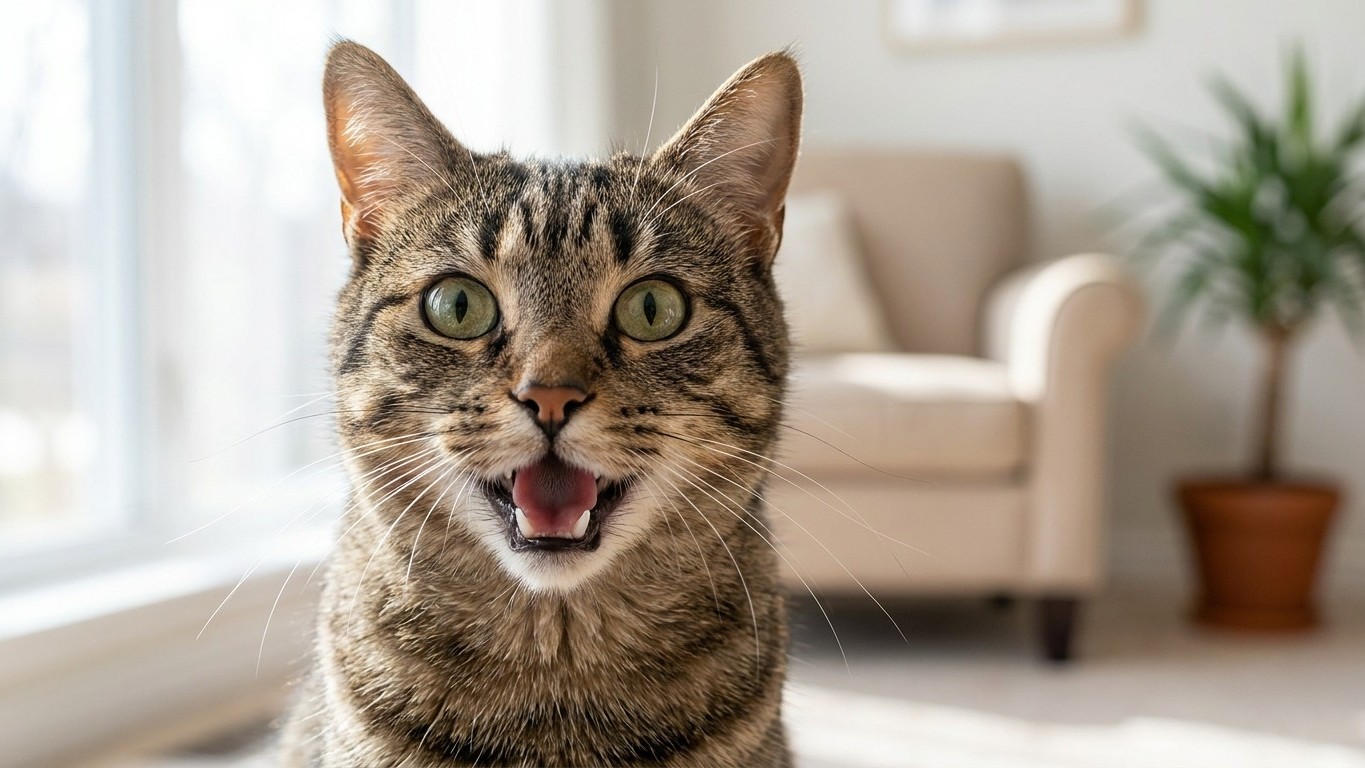
Scientists have discovered that cats meow twice as much when male owners come home compared to female owners—and it’s not random. New research reveals cats strategically adjust their vocalizations based on how responsive each person is, suggesting feline communication is far more intelligent and purposeful than we ever realized.

Why Your Cat Won’t Stop Crying at Night—And What You’re Actually Doing Wrong

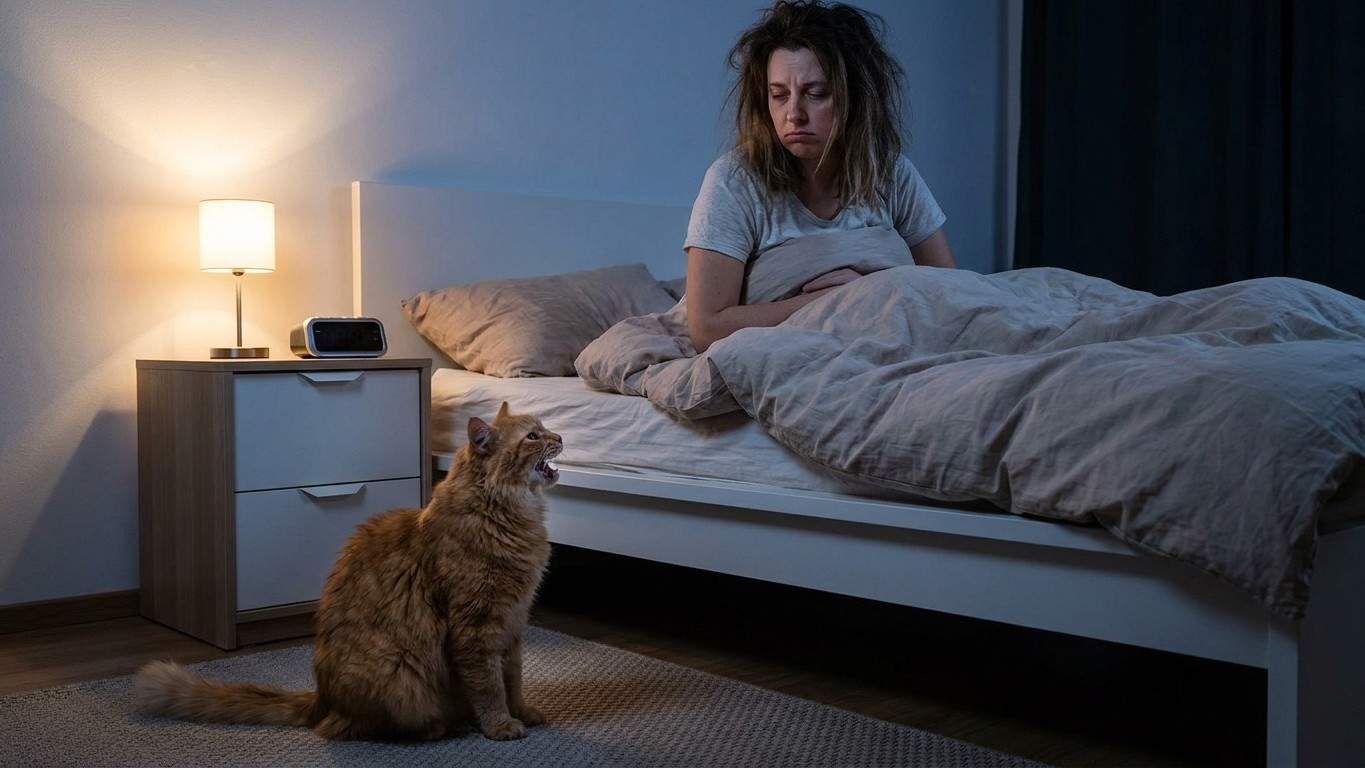
Why Your Cat Won't Stop Crying at Night—And What You're Actually Doing Wrong

Your cat’s 3am wailing isn’t random—it’s perfectly calculated communication shaped by your responses. Every time you get up to comfort them, you’re inadvertently training them to cry louder and longer. Understanding the science behind nighttime meowing and breaking this behavioral cycle could transform both your nights.

The Belly Trap: Why Your Cat’s Cute Roll-Over Is NOT an Invitation for Rubs

The Belly Trap: Why Your Cat's Cute Roll-Over Is NOT an Invitation for Rubs

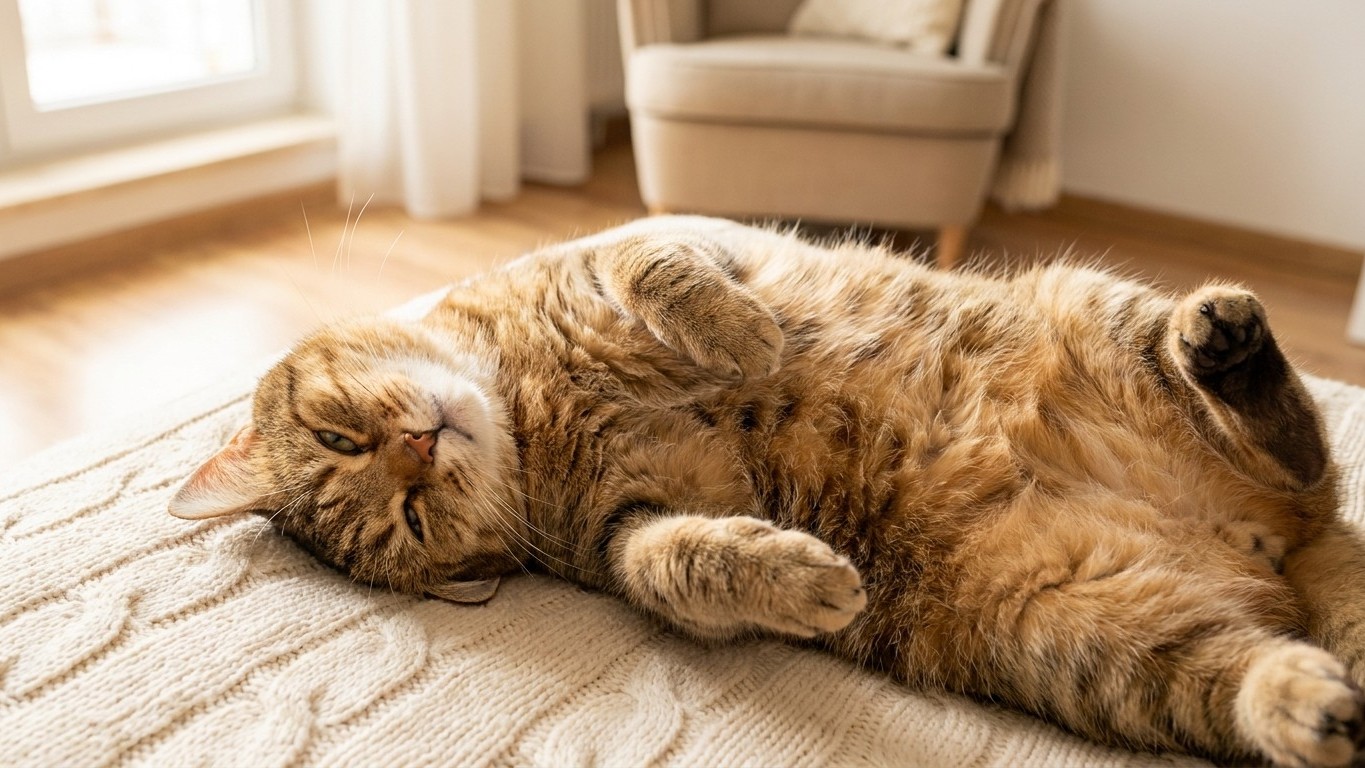
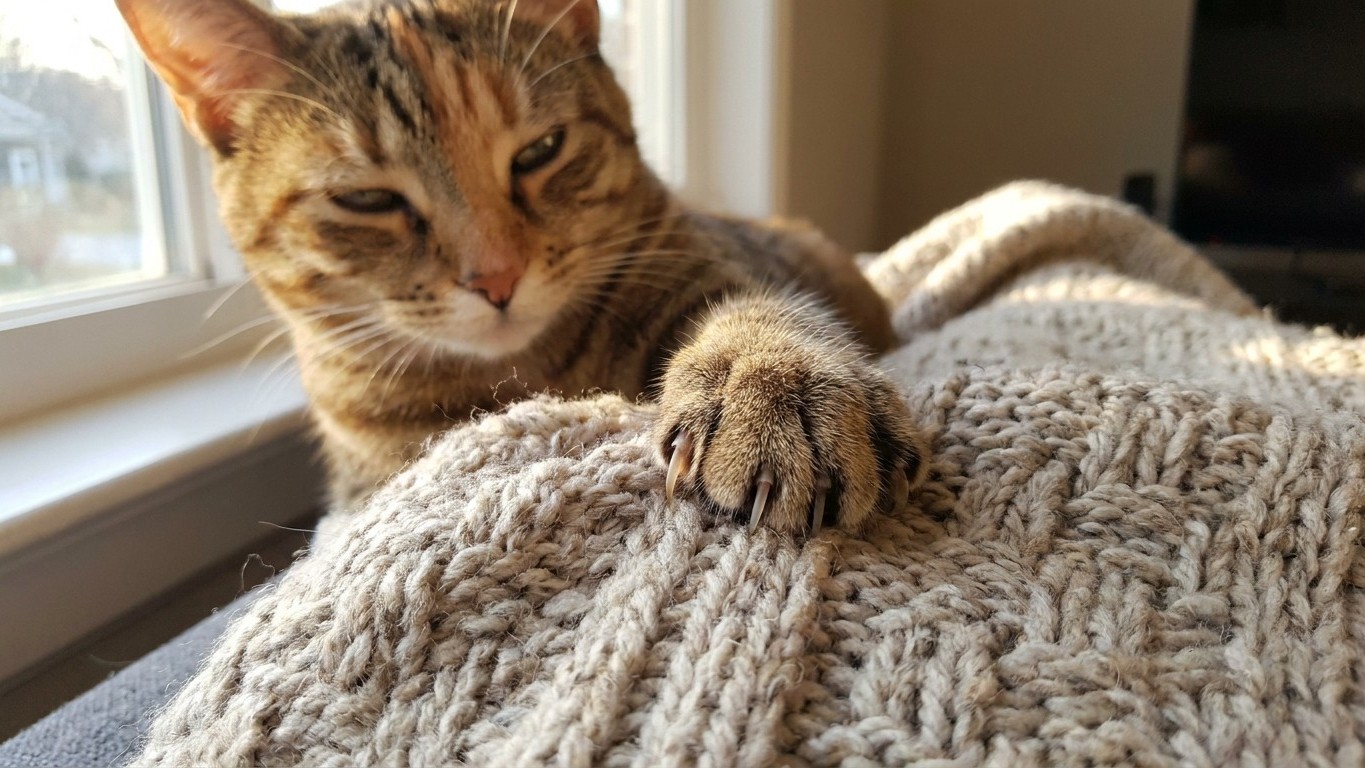
That adorable belly-up roll? It’s a sign of trust, not an invitation to rub. When your cat finally scratches you, she’s exhausted every other way of communicating her discomfort. Understanding what she’s been trying to tell you all along could transform your relationship.

Why Your Cat Stares at You From the Litter Box—And What It Really Means

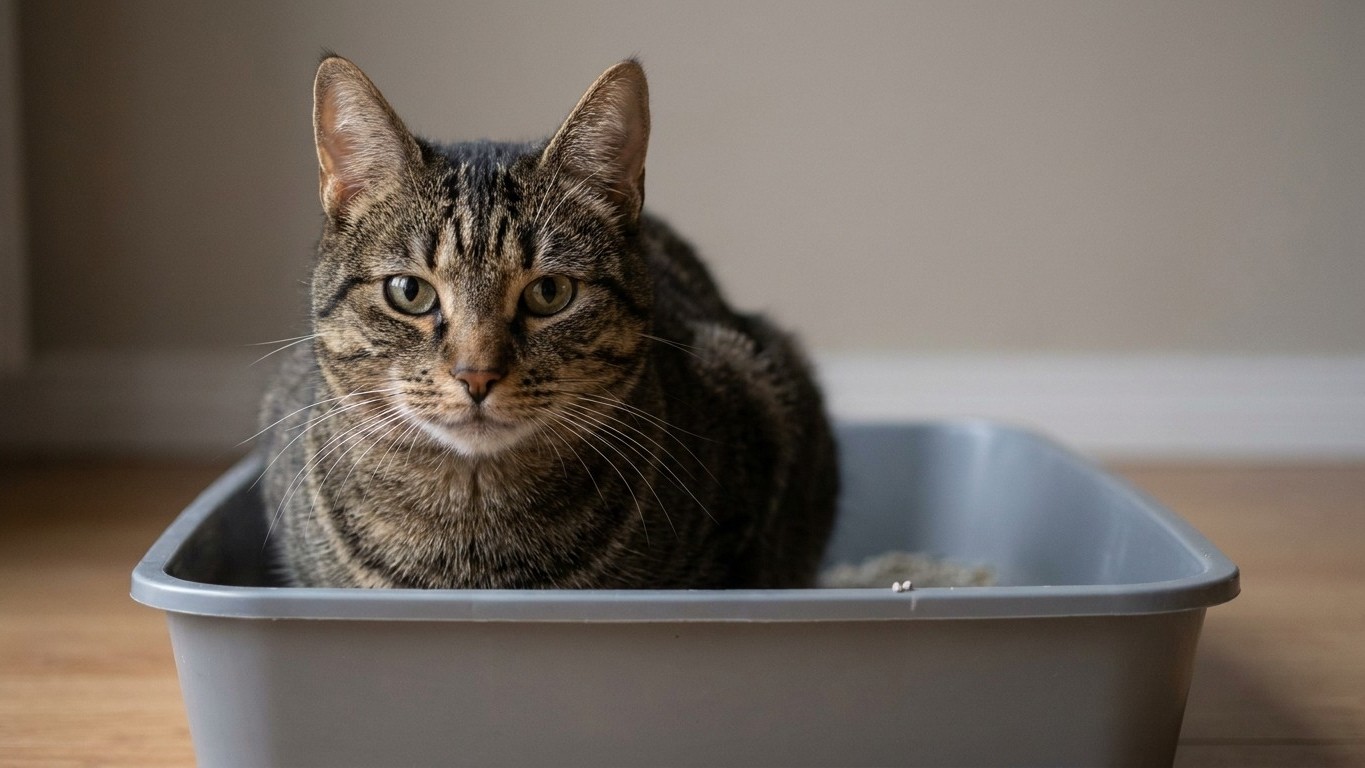
Why Your Cat Stares at You From the Litter Box—And What It Really Means

For years, cat owners have been puzzled by their feline’s unflinching gaze from the litter box. Veterinarians now reveal this behavior is a profound act of trust—your cat has appointed you as their lookout during a vulnerable moment. But not all litter box stares are created equal; some can signal serious health issues requiring immediate attention.

Why Your Cat Leaves Dead Mice (and Toys) on Your Bed at 3 AM—And What It Really Means

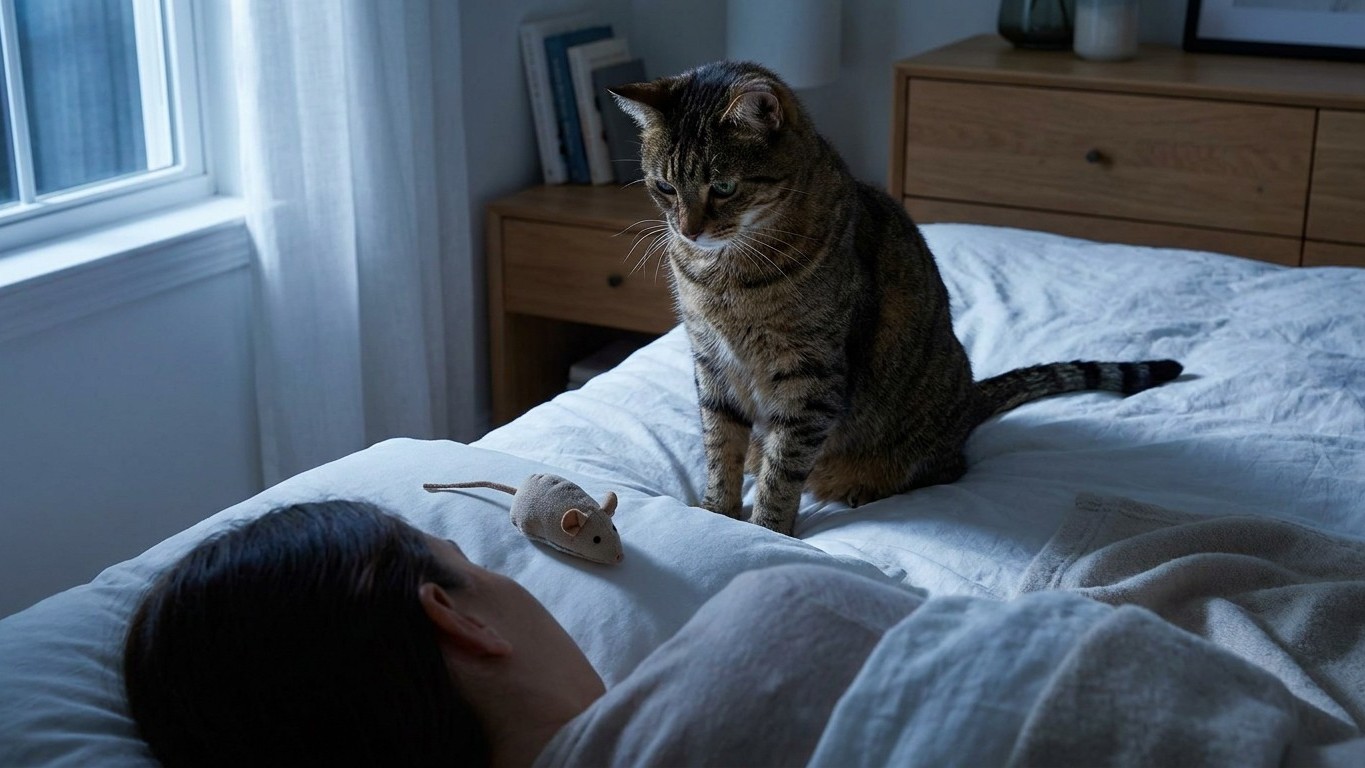
Why Your Cat Leaves Dead Mice (and Toys) on Your Bed at 3 AM—And What It Really Means

That toy mouse appearing by your pillow at 3 a.m. isn’t random—your cat believes you’re a desperately poor hunter who needs training. Rooted in deep feline instinct and family bonds, this behavior reveals how cats view you as part of their tribe.

Why Your Cat Rubs on Corners: Vets Reveal the Surprising Truth Behind This Common Behavior

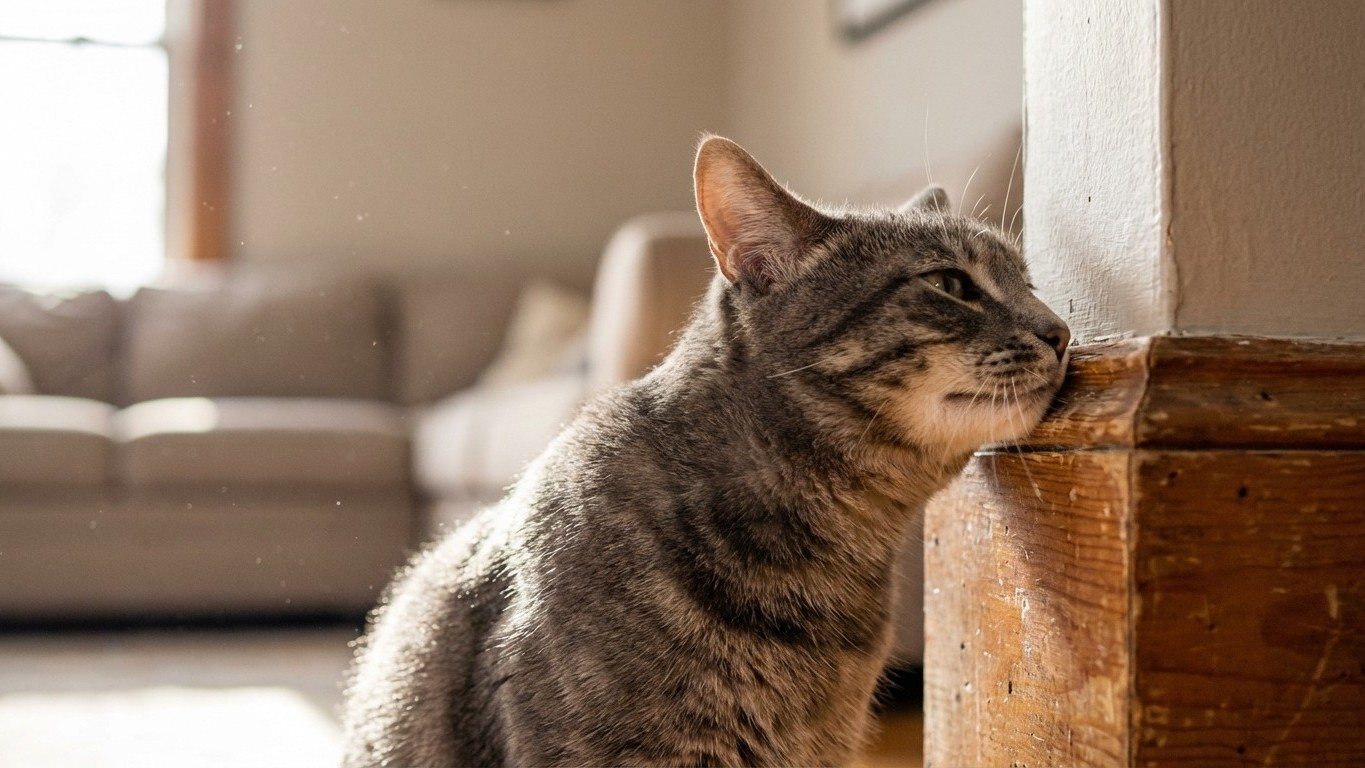
Why Your Cat Rubs on Corners: Vets Reveal the Surprising Truth Behind This Common Behavior

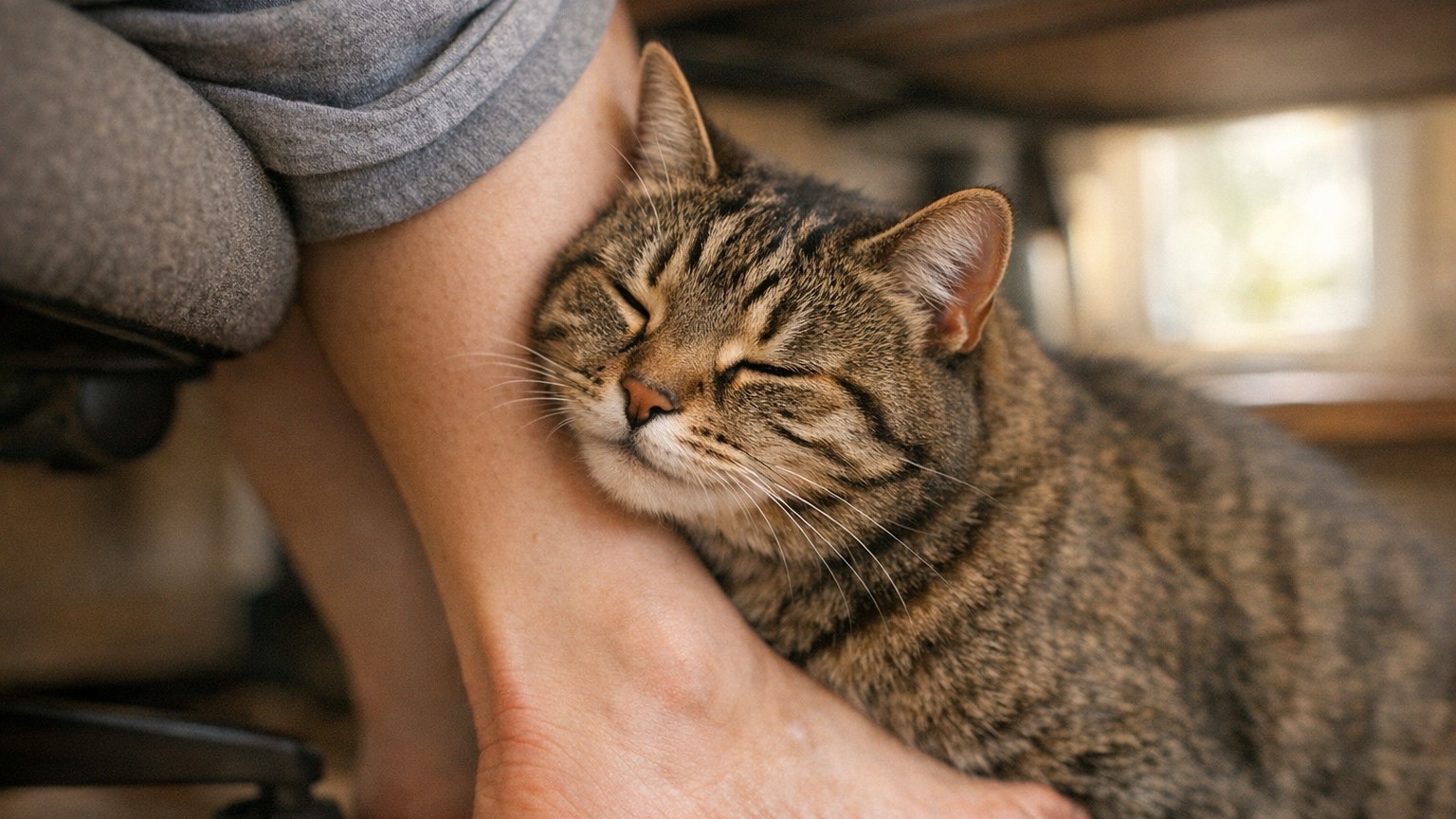
Your cat rubbing on corners isn’t a sign of affection—it’s a complex form of chemical communication called bunting. Cats use facial pheromones to mark territory, establish social hierarchies, and manage anxiety in ways we’re only now fully understanding.

Your Happy Cat Might Actually Be Miserable: What That Tail Position Really Means

Your Happy Cat Might Actually Be Miserable: What That Tail Position Really Means

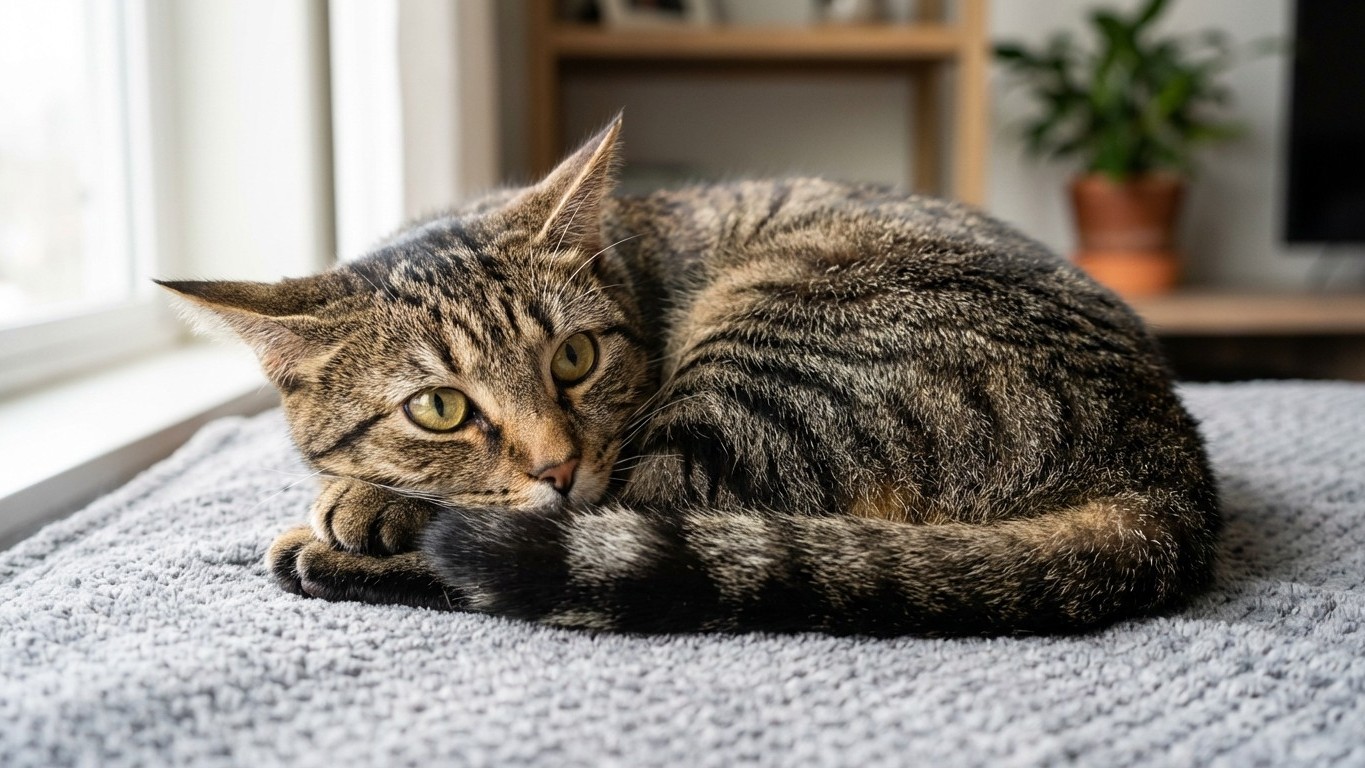
Most cat owners completely misread one specific tail position, mistaking fear and discomfort for contentment. Behaviourists explain why the tucked, wrapped tail is a distress signal—not a sign of a happy, settled cat. Understanding this one signal could transform your relationship with your pet.

The Daily Gesture That Stresses Your Cat Without You Knowing — Revelations From a Feline Behaviourist

The Daily Gesture That Stresses Your Cat Without You Knowing — Revelations From a Feline Behaviourist

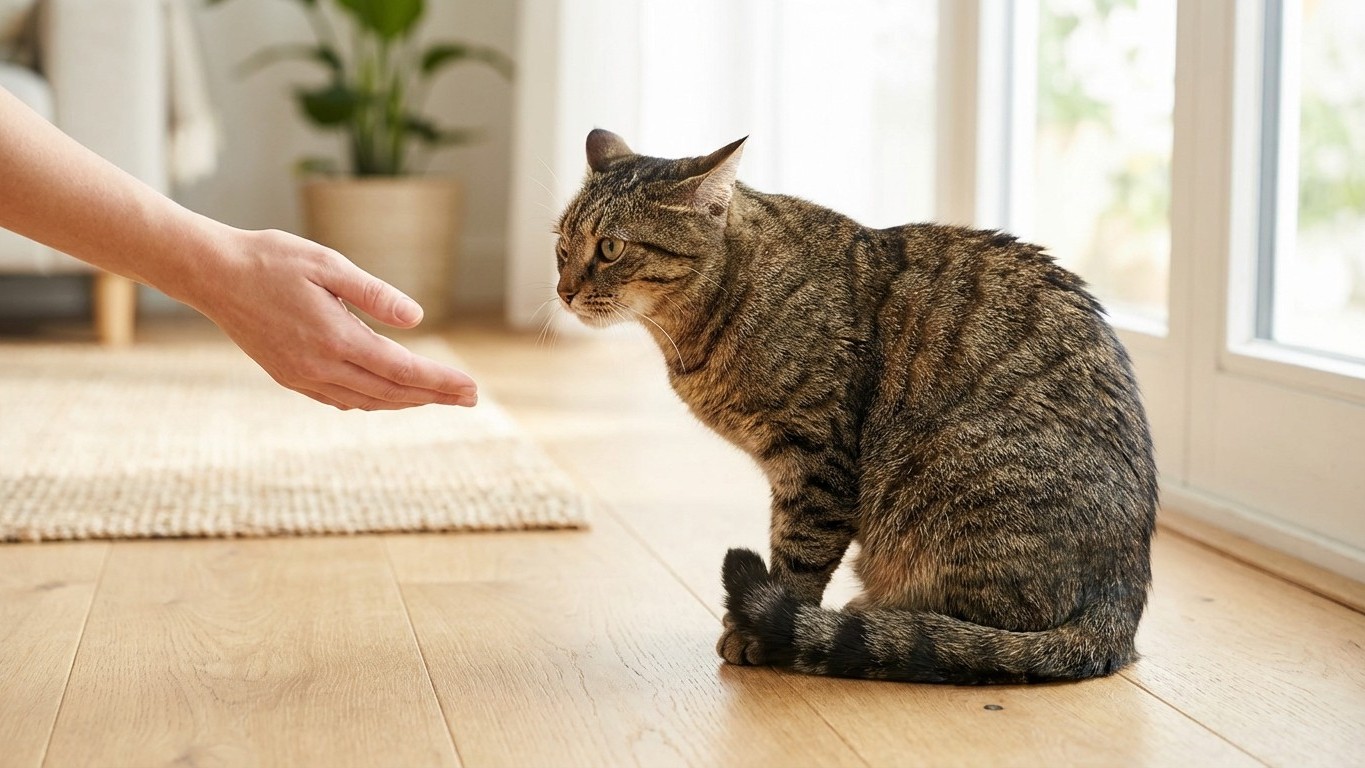
Your cat’s rigid body and sudden escape under the sofa might reveal more than you think. A feline behaviourist reveals the everyday gestures silently stressing your pet—and how to fix them with surprisingly simple changes.