How Cat Paws Bring Spring Pollen Into Your Home
Your Cat's Spring Secret: The Hidden Allergen Highway Between Garden and Sofa

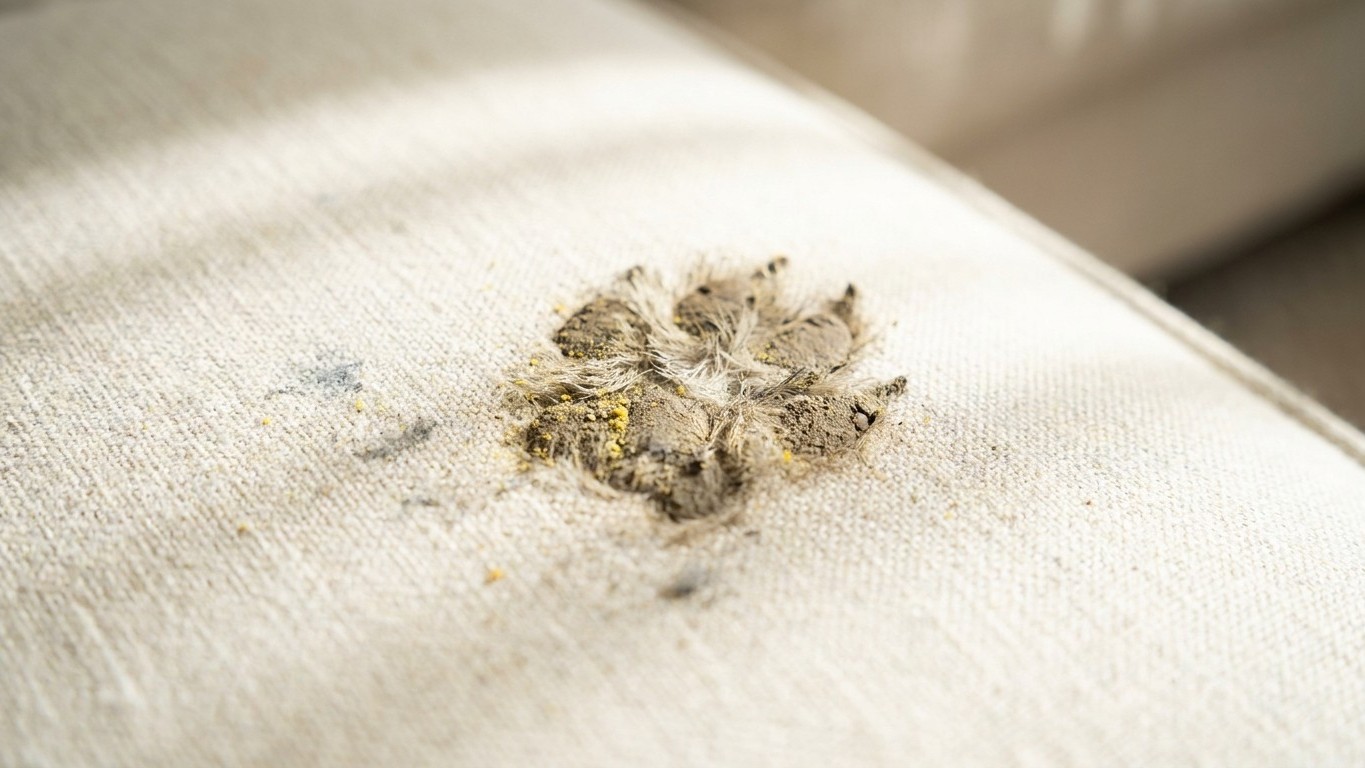
Your cat bounds in from the garden and settles on the sofa—but those innocent paws are carrying invisible allergens that could explain your April asthma struggles. Between tracked-in pollen and Fel d 1 protein naturally shed from fur, your couch becomes a double allergen delivery system. Simple daily habits can dramatically reduce your exposure.
Why Your Cat’s 3 AM Zoomies May Be a Warning Sign

Why Your Cat's 3 AM Zoomies Might Be a Warning Sign Vets Say You're Missing

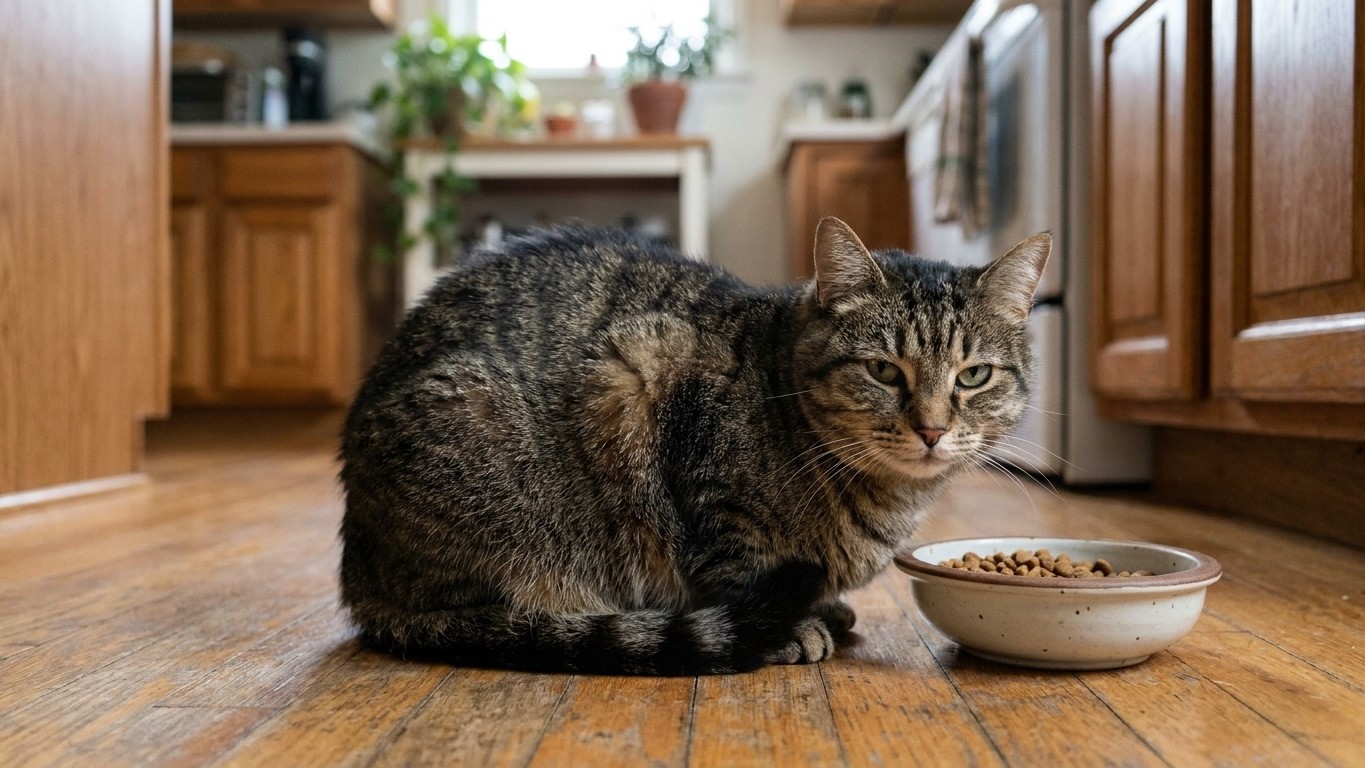
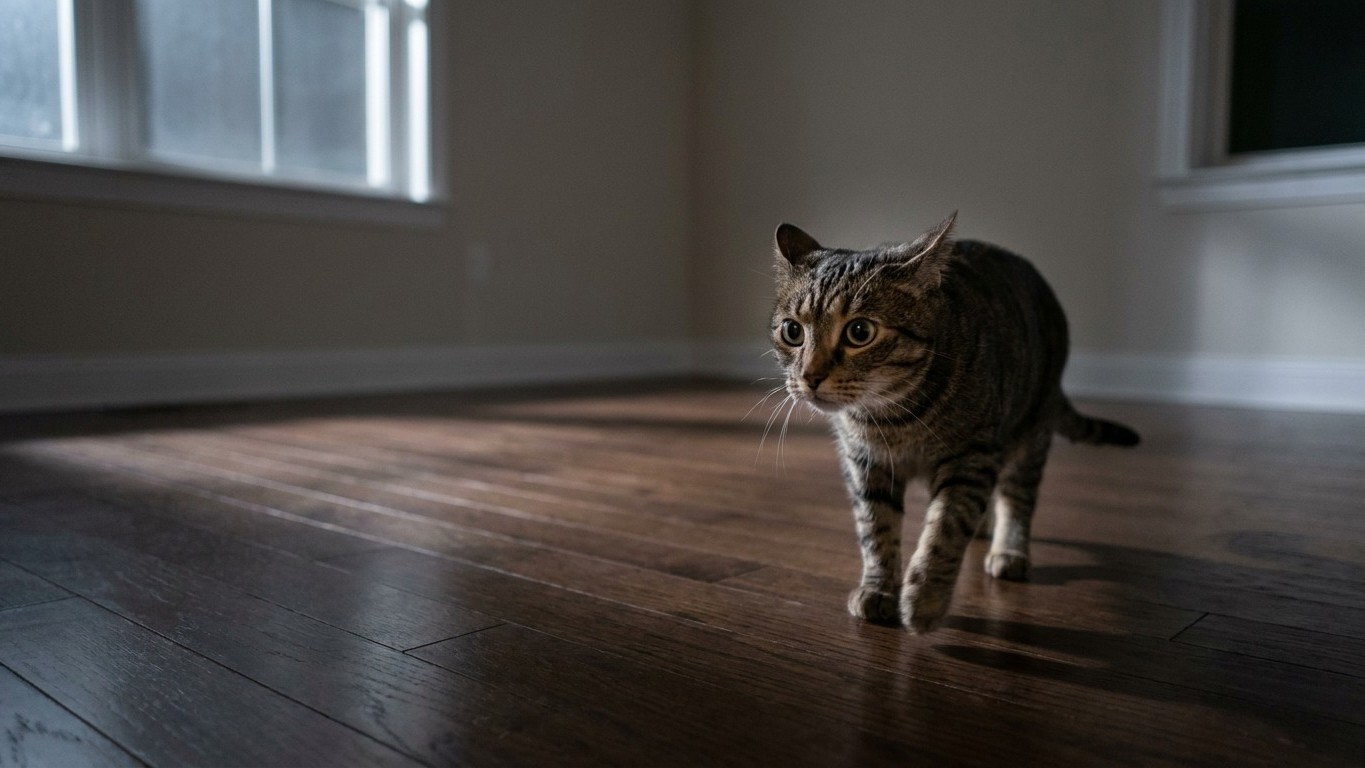
That nightly 3 AM chaos—the racing through hallways, the mysterious wall-yowling, the sudden bursts of energy—might not be playful feline madness after all. Veterinarians warn that sudden changes in nighttime behavior could signal serious health issues like hyperthyroidism, pain, cognitive dysfunction, or hypertension that most cat owners dismiss as normal. Understanding the difference between harmless zoomies and a cry for help could be crucial to your cat’s health.

How Laptop Heat Can Damage Your Cat’s Skin, Vets Warn

Laptop Cats: The Silent Heat Damage Vets Are Now Warning About

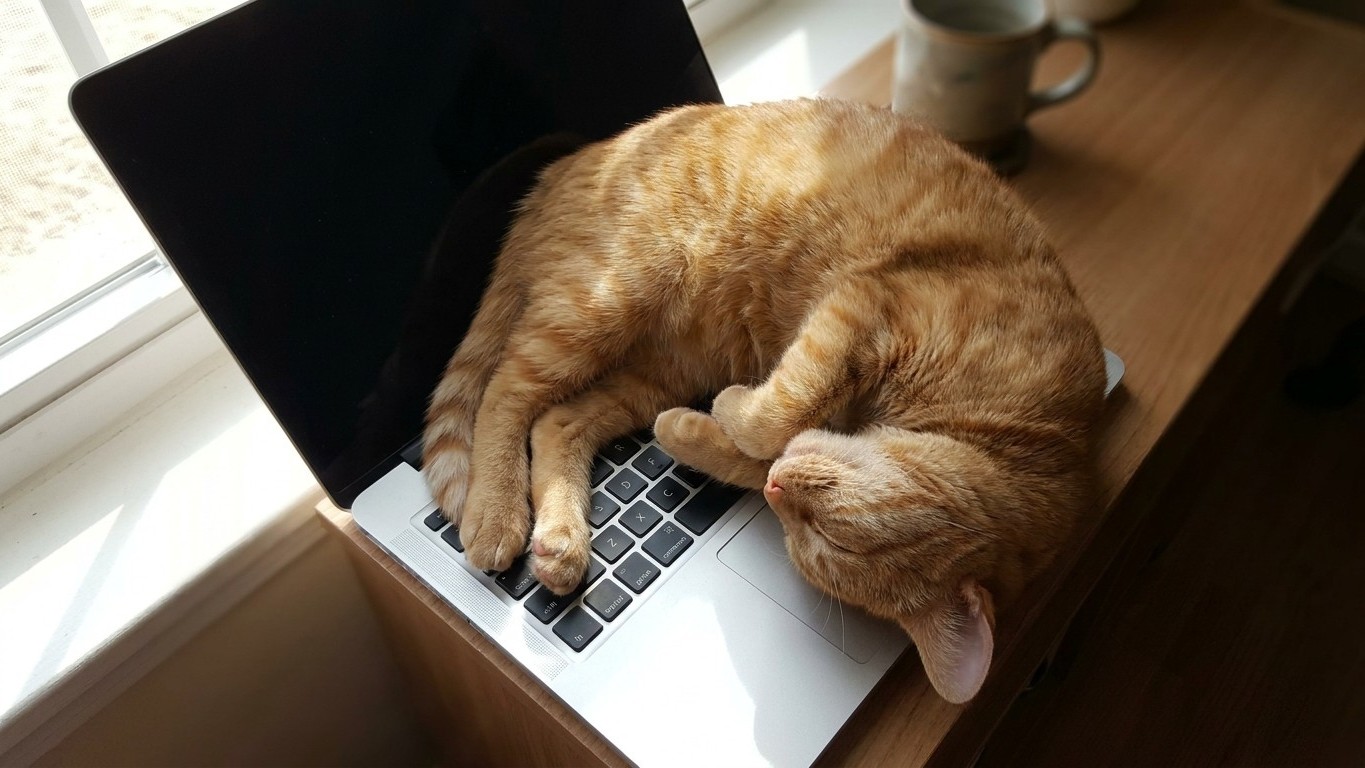
Veterinary dermatologists are raising the alarm about a dangerous condition affecting work-from-home cat owners: erythema ab igne, a heat-induced skin condition caused by cats lounging on warm laptops. The damage is silent, progressive, and often invisible until significant fur loss appears. Discover what’s really happening to your cat’s skin and how to prevent it.

New Cat Behaviors in April That Vets Say Need Attention

Your Cat's New April Behavior Could Signal a Serious Health Crisis—Here's What Vets Want You to Know

Veterinarians are urgently flagging subtle behavioral shifts in cats this spring as early warning signs of serious, treatable conditions. From increased vocalization to unusual grooming habits, these quiet changes often go dismissed until it’s too late. Understanding what your cat is really trying to tell you could add years to its life.

Why the Two-Finger Rule for Cat Collars Can Be Unsafe

The Cat Collar Safety Crisis: Why Vets' Two-Finger Rule Could Be a Death Trap

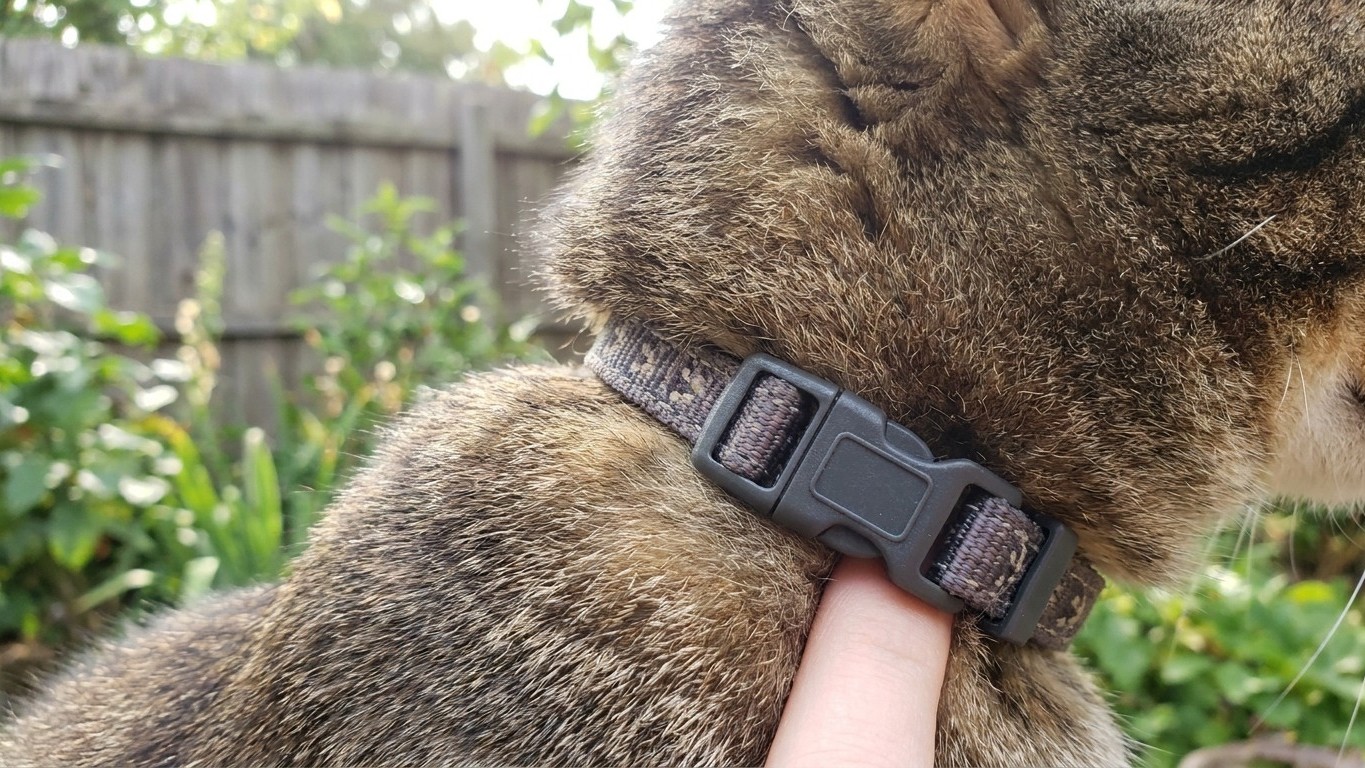
The two-finger rule for fitting cat collars feels safe, but it creates a gap that can hook onto fence posts, branches, and wire—turning a piece of advice meant to protect cats into a potential noose. Hundreds of cats are injured by collars every year, and many owners unknowingly choose designs that increase the risk. The solution exists, but most cat owners have never heard of it.

What Your Cat’s Sleeping Spot on Your Body Really Means

Where Your Cat Sleeps on You Reveals Their True Trust Level—And What You're Missing

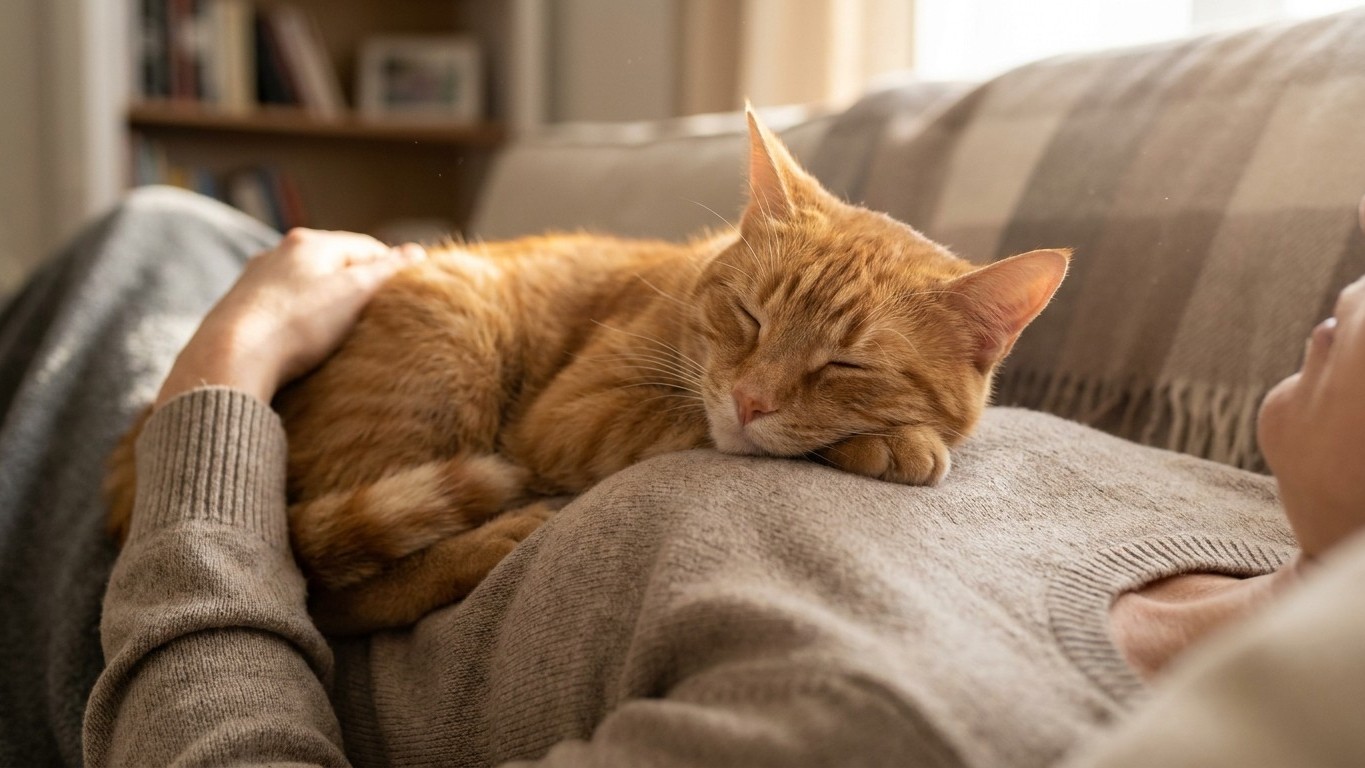
Your cat’s choice of where to sleep on you isn’t random—it’s a deliberate signal of trust, comfort, and emotional attachment. From chest to feet, each position reveals something different about your feline’s feelings, and sudden changes in sleeping habits could indicate stress or health issues worth investigating.

What vets want you to know about cats eating grass

Why Your Cat Eating Grass in April Could Be Dangerous: What Vets Don't Want You to Miss

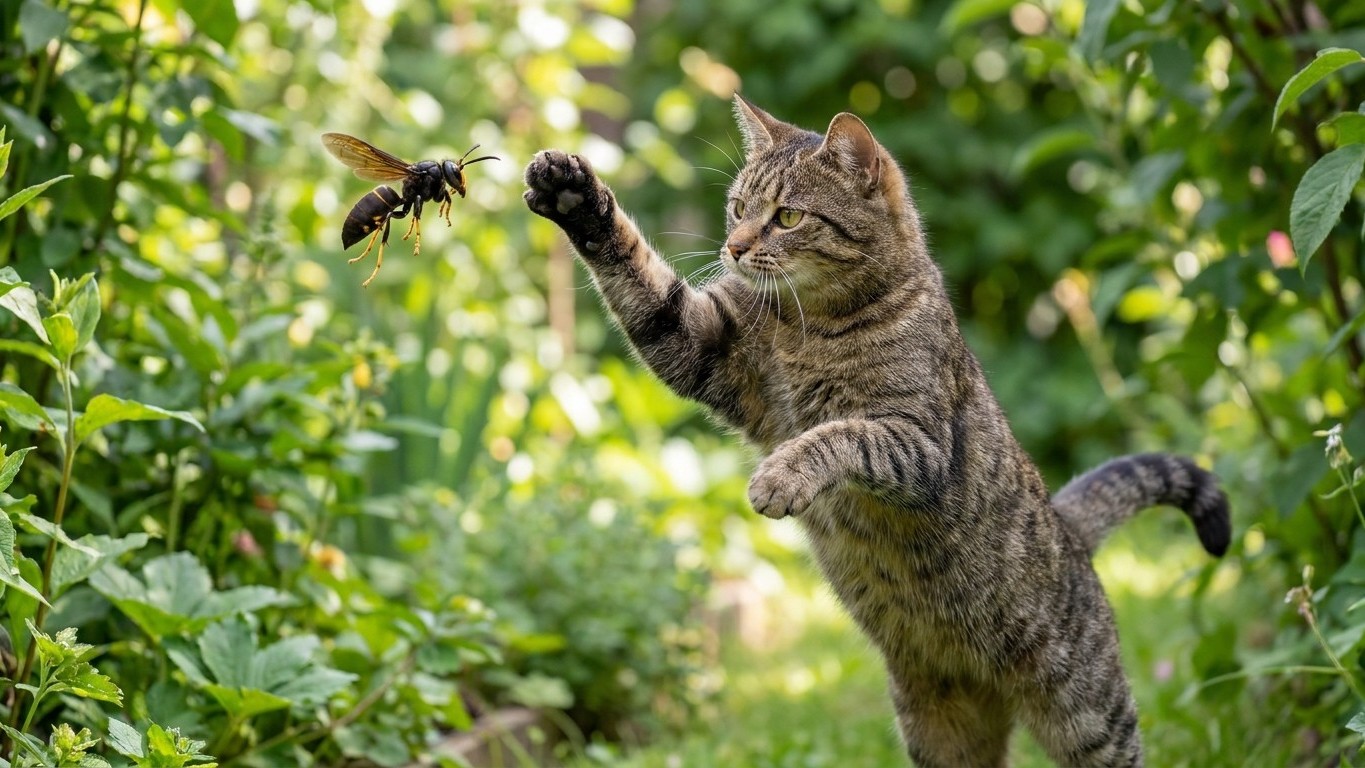
You’ve always thought your cat munching grass was harmless—until April arrives. When lawns get treated with pesticides, herbicides, and fertilizers, that innocent grass-eating habit becomes a serious health risk. Veterinarians are warning pet owners about the cocktail of chemicals and parasites lurking on every blade.

Why cats cry at night and how to stop the habit

Why Your Cat Won't Stop Crying at Night—And What You're Actually Doing Wrong

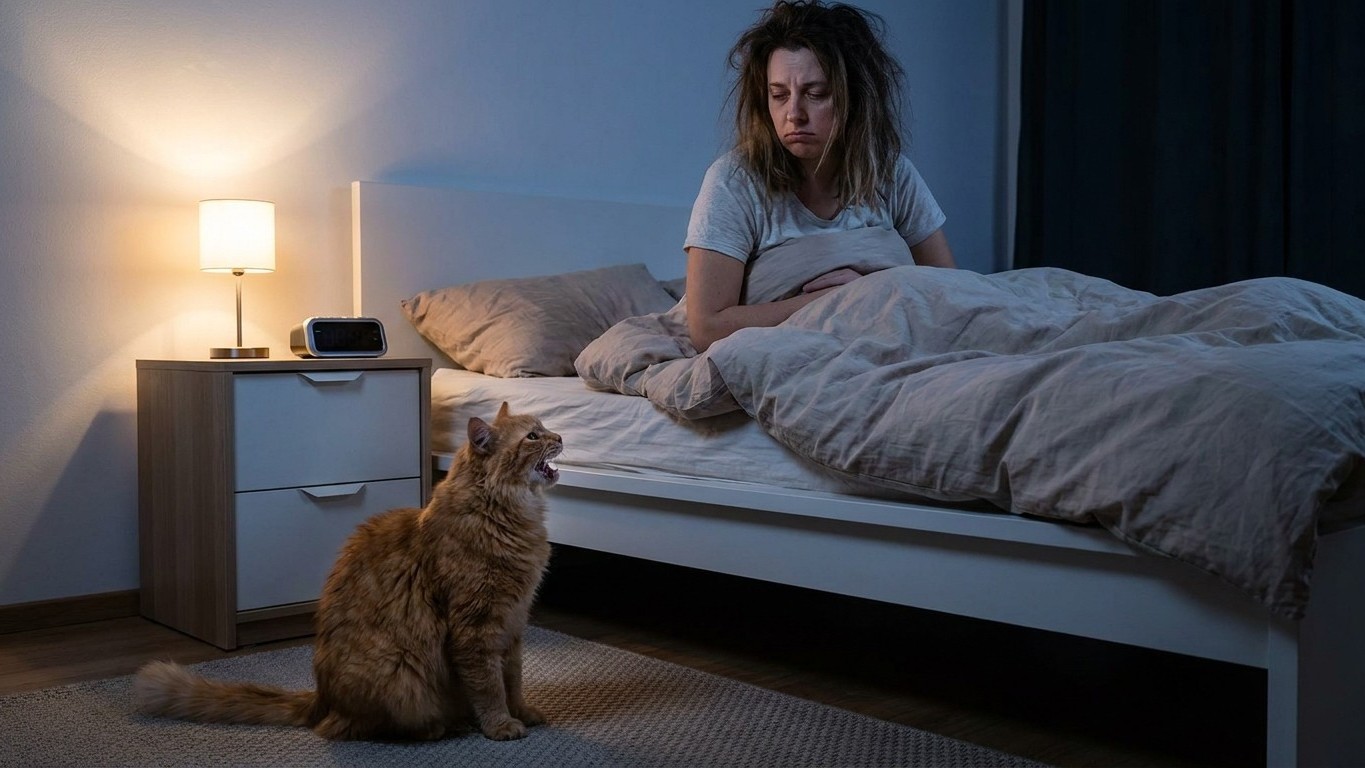
Your cat’s 3am wailing isn’t random—it’s perfectly calculated communication shaped by your responses. Every time you get up to comfort them, you’re inadvertently training them to cry louder and longer. Understanding the science behind nighttime meowing and breaking this behavioral cycle could transform both your nights.