Why Your Dog’s Kibble on the Balcony May Already Be Toxic: A Vet’s Warning About Summer Storage

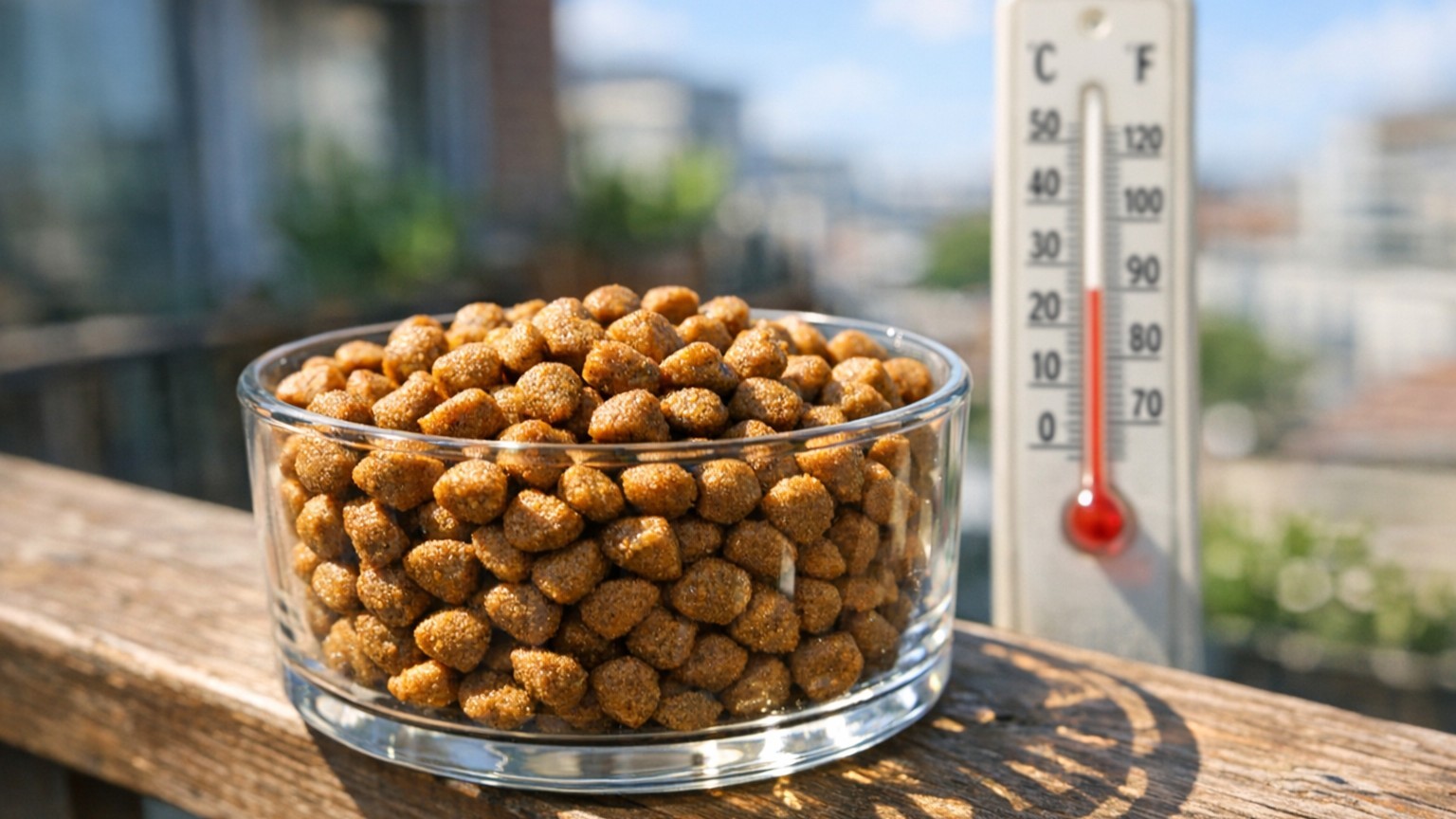
Why Your Dog's Kibble on the Balcony May Already Be Toxic: A Vet's Warning About Summer Storage

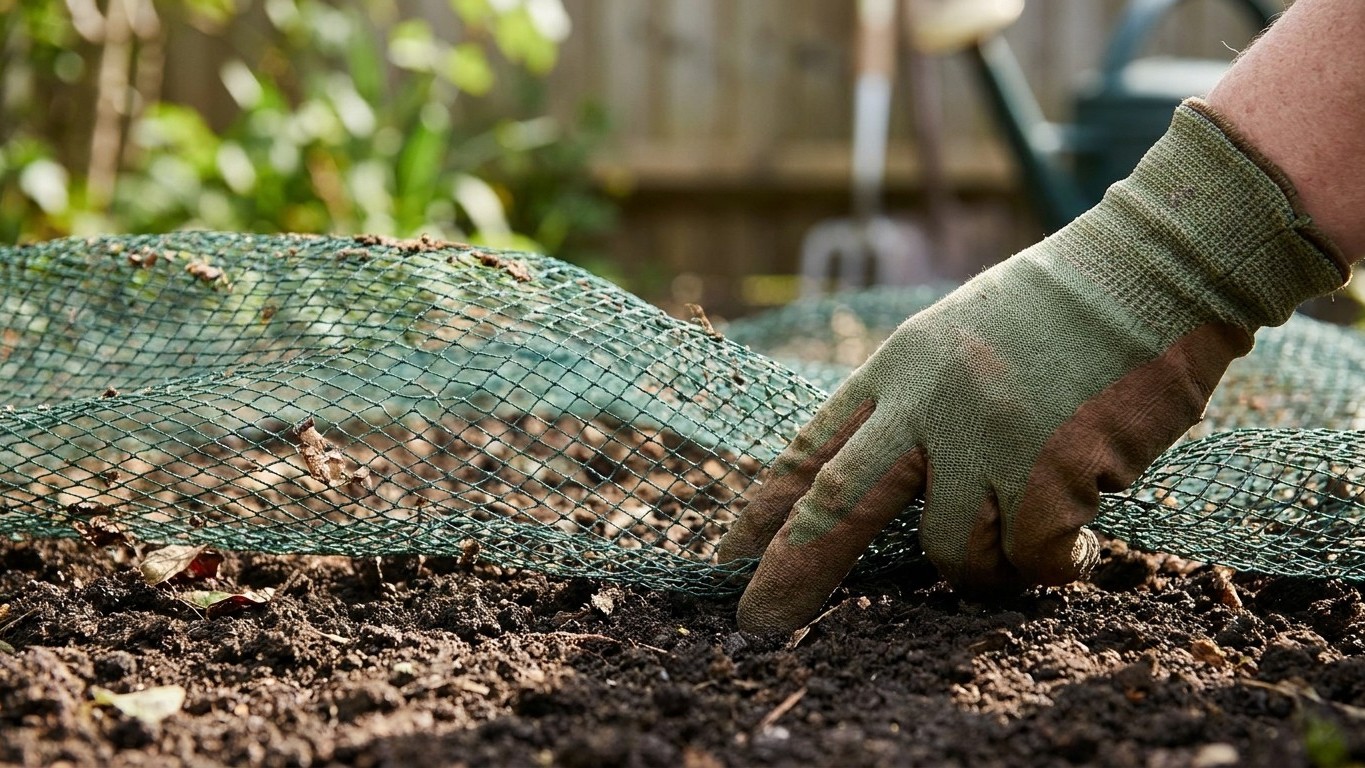
That bag of kibble left on your sunny balcony in June isn’t just going stale—it’s silently breaking down into harmful compounds your nose can’t detect. A veterinarian reveals how rancid fats, destroyed vitamins, and hidden mould toxins put your dog at risk, and exactly how to store pet food safely.

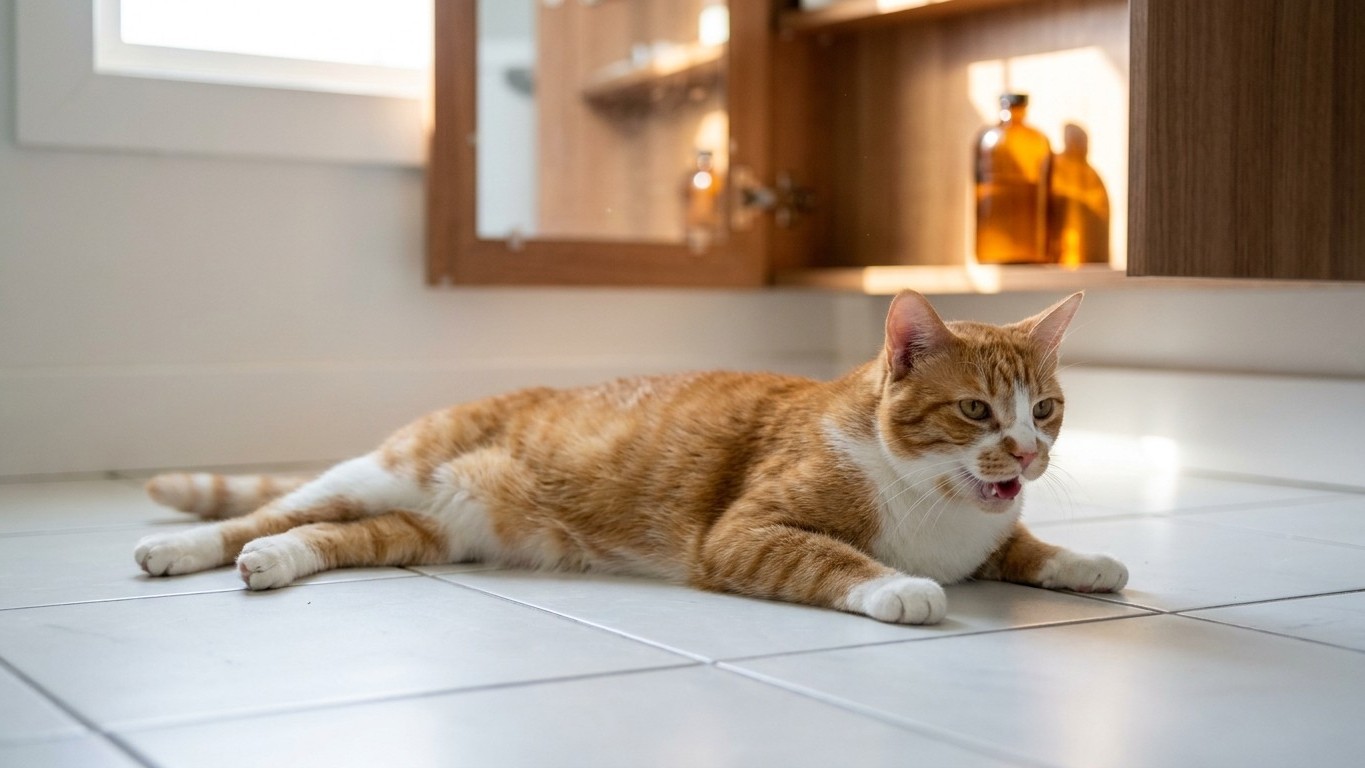
I Thought My Cat Was Just Tired From the Heat: What the Vet’s Blood Work Actually Revealed

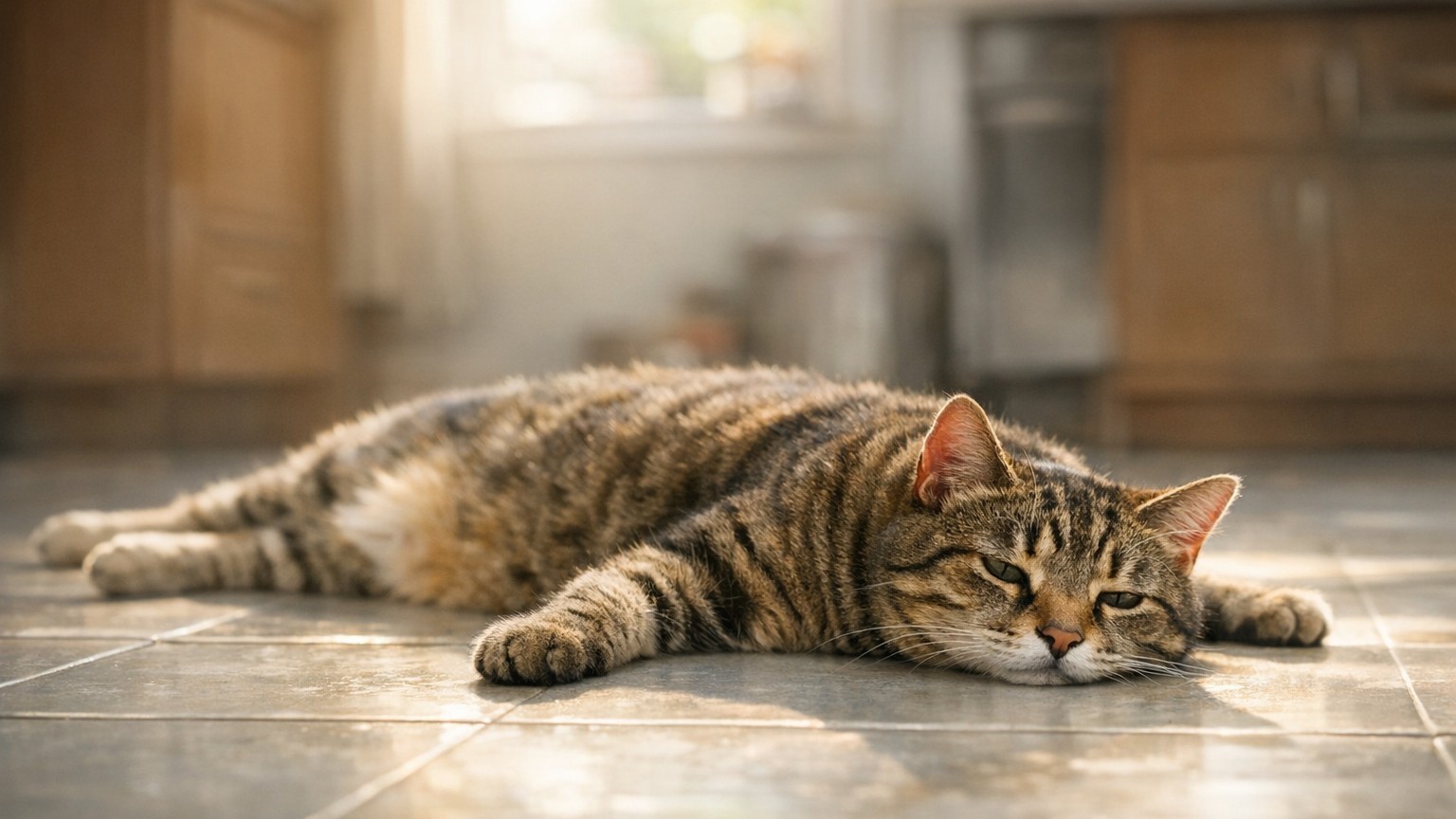
I Thought My Cat Was Just Tired From the Heat: What the Vet's Blood Work Actually Revealed

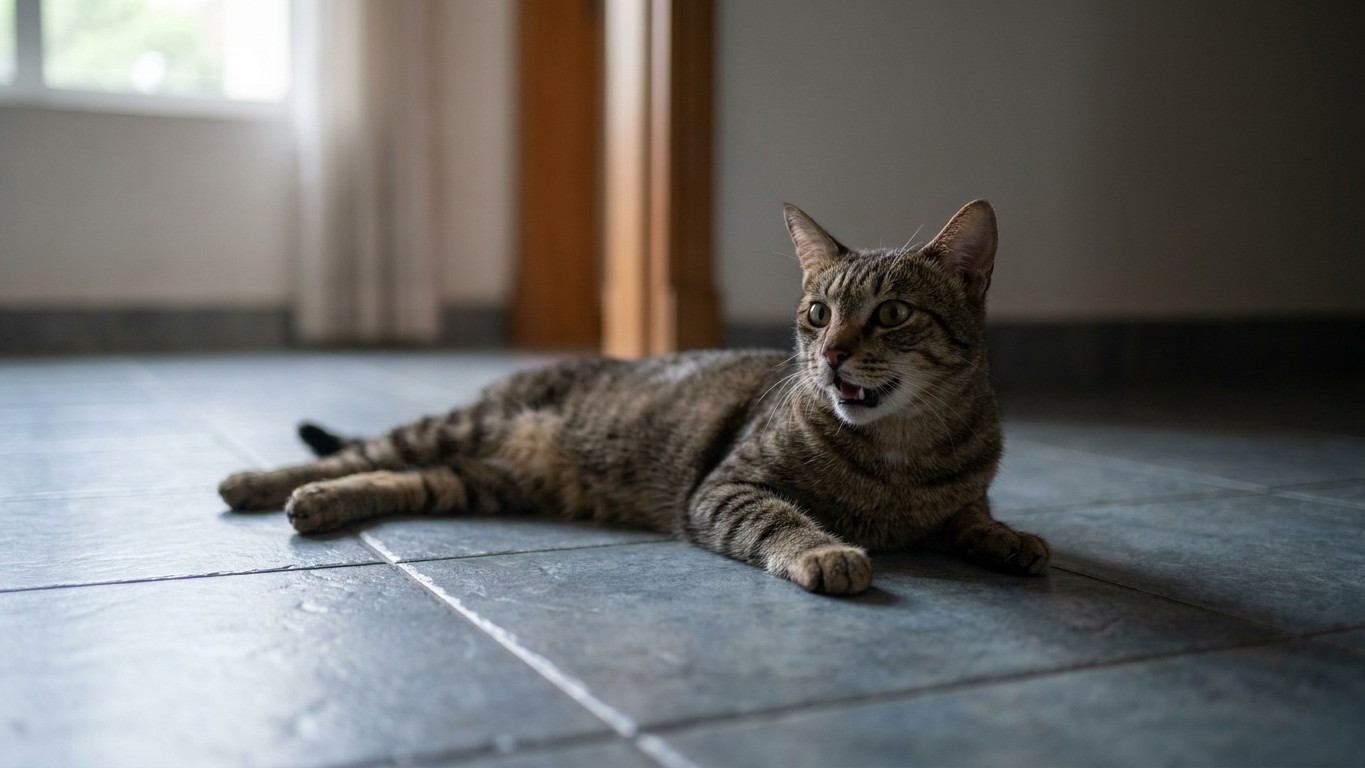
A cat lying still on hot tiles seemed perfectly normal—until blood work revealed her kidneys were under siege. Heatstroke in cats is dangerously easy to miss because cats hide their distress, but the damage unfolds rapidly at a cellular level, affecting multiple organ systems within minutes.

Why You Should Never Let Your Cat Lick Your Sunscreen: A Vet’s Warning About Zinc Oxide Poisoning

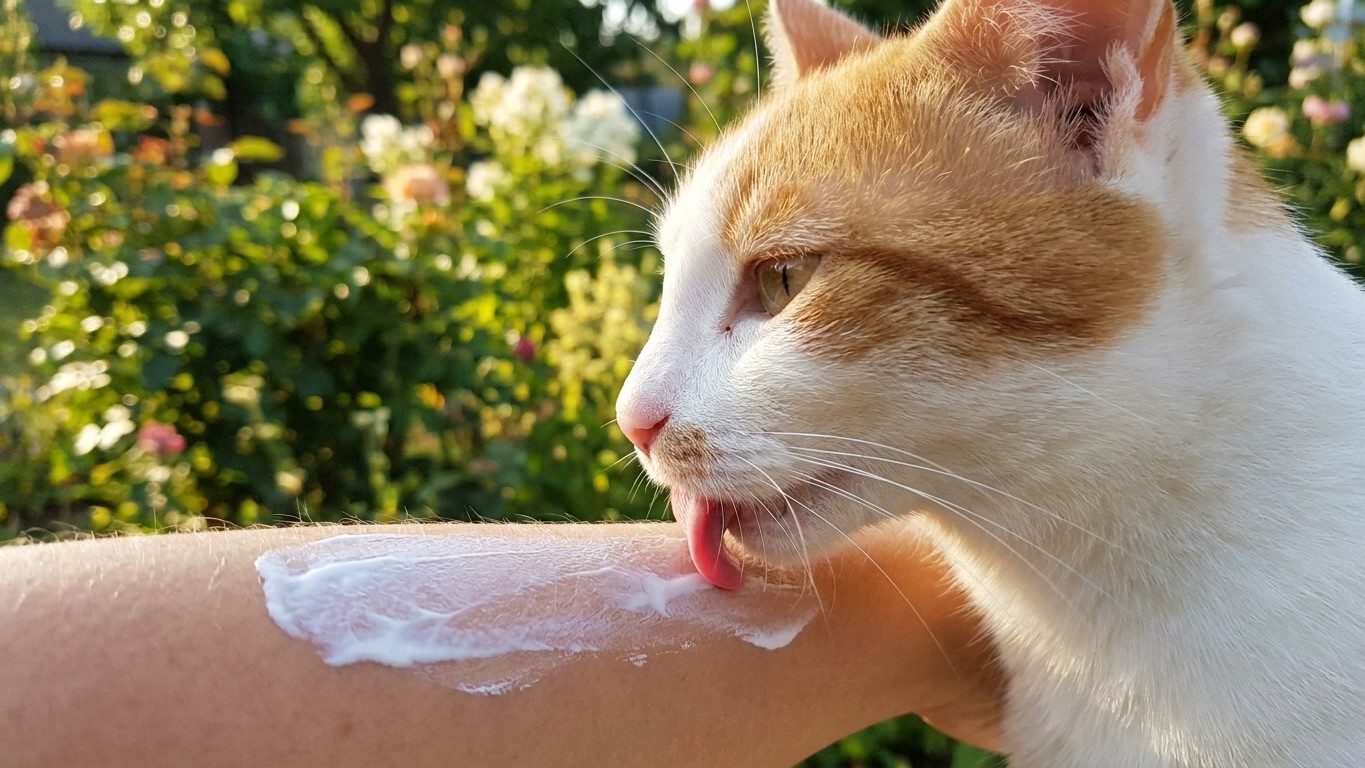
Why You Should Never Let Your Cat Lick Your Sunscreen: A Vet's Warning About Zinc Oxide Poisoning

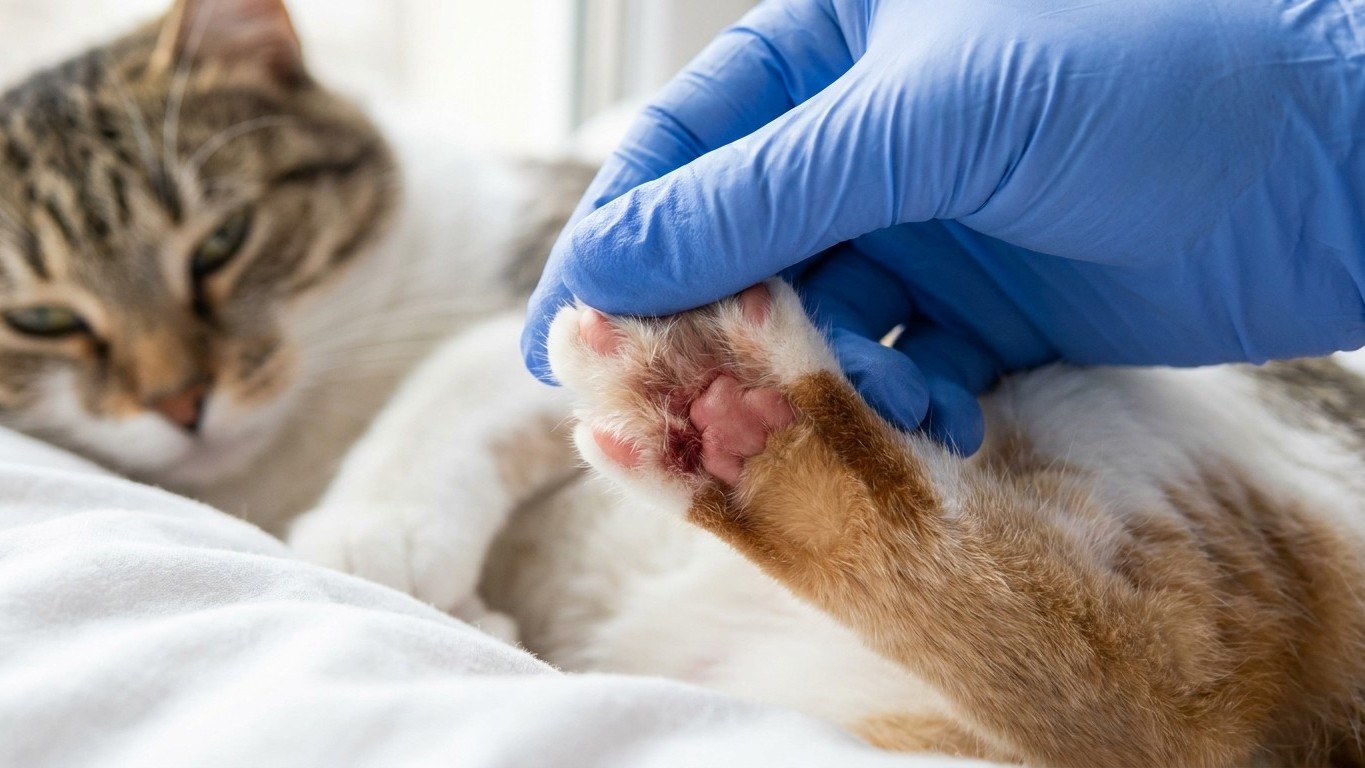
That innocent habit of letting your cat lick sunscreen off your arm could be silently poisoning them. Zinc oxide and salicylates in common sunscreens trigger serious health risks in cats, from stomach upset to anaemia, especially with repeated exposure throughout summer.

Why Your Cat’s Summer Pills Could Be Toxic: What Vets Don’t Always Tell You About Heat Storage

Why Your Cat's Summer Pills Could Be Toxic: What Vets Don't Always Tell You About Heat Storage

Every summer, pet owners unknowingly store their cat’s antiparasitic medications in ways that cause them to break down in just hours, potentially creating harmful compounds. A vet reveals the shocking science behind temperature excursions and shows you exactly where medications degrade fastest in your home.

Why Your Cat’s Litter Box Becomes a Health Hazard in Summer: The Ammonia Problem Nobody Talks About

Why Your Cat's Litter Box Becomes a Health Hazard in Summer: The Ammonia Problem Nobody Talks About

Between May and September, heat transforms cat litter boxes into sources of dangerous ammonia gas that can trigger respiratory problems in both cats and humans. A once-daily scooping routine that works fine in winter becomes dangerously insufficient when temperatures rise above 24°C, accelerating bacterial enzyme activity that converts urine into harmful ammonia concentrations.