Can cats eat tuna in brine? Brine, spring water or oil, and how often is too often
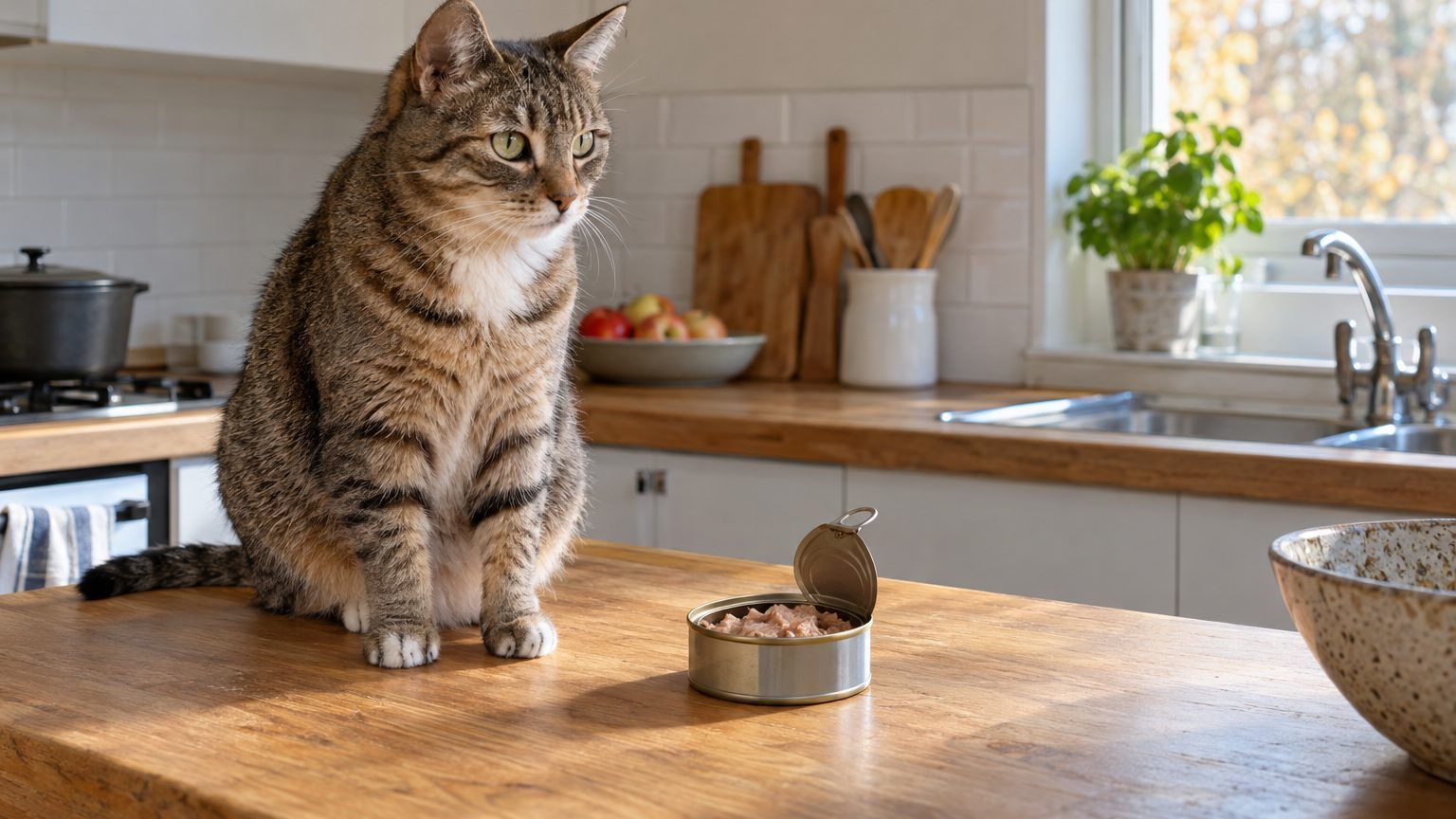
I opened a tin of tuna for my own lunch and my cat was instantly at my feet. The label said brine, and I stopped to wonder whether I should share.

I opened a tin of tuna for my own lunch and my cat was instantly at my feet. The label said brine, and I stopped to wonder whether I should share.
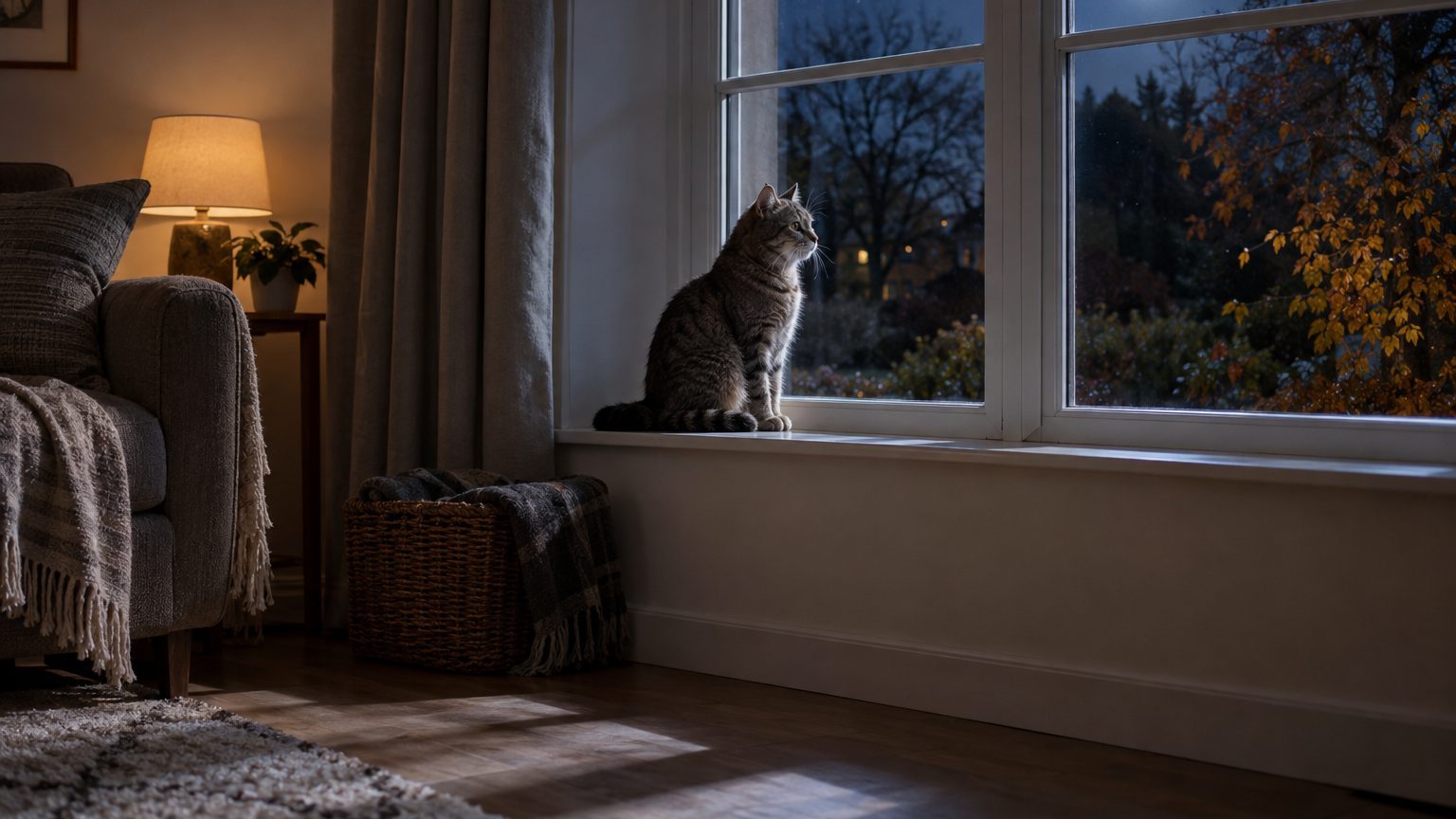
Every night at three, my old cat starts calling down the hallway, and I lie awake wondering what he wants. It took a vet visit to show me it was never really about the noise.
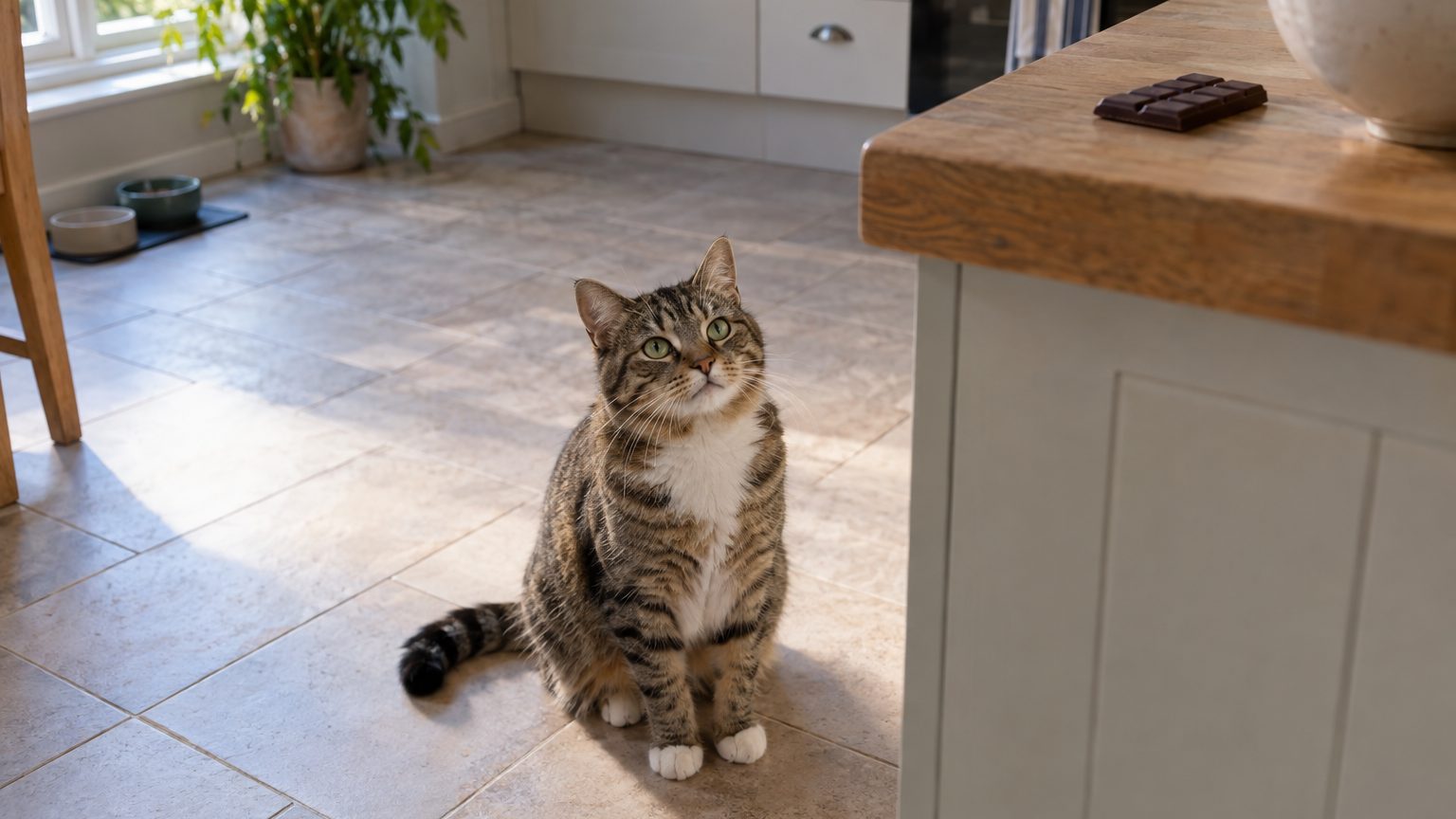
I found the torn wrapper on the kitchen floor and my cat licking her lips, looking far too pleased with herself. I had no idea how much she had eaten, or whether it mattered.
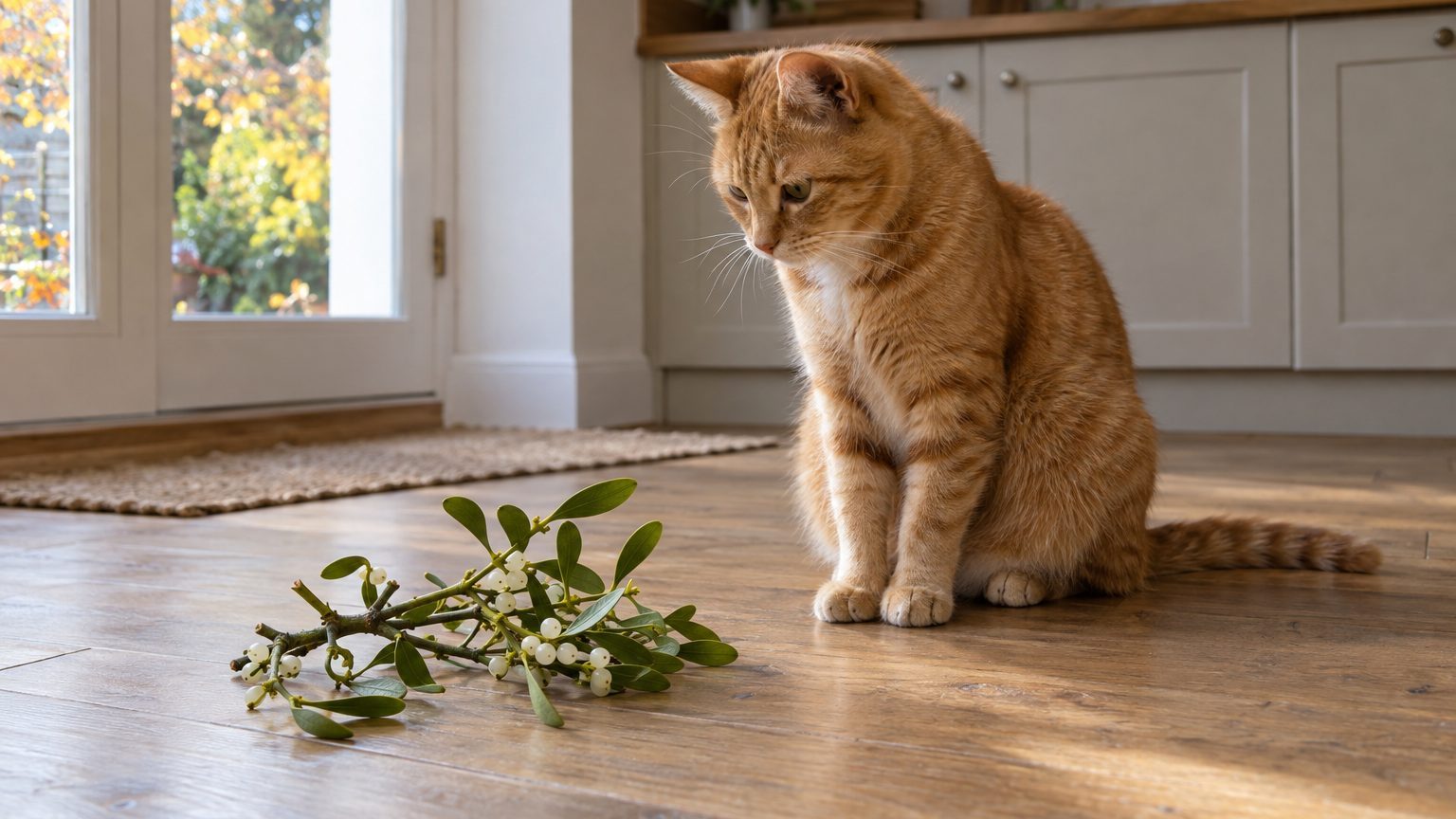
I found the stripped stems on the carpet before I found her. The berries had rolled under the sofa, and she was already drooling.
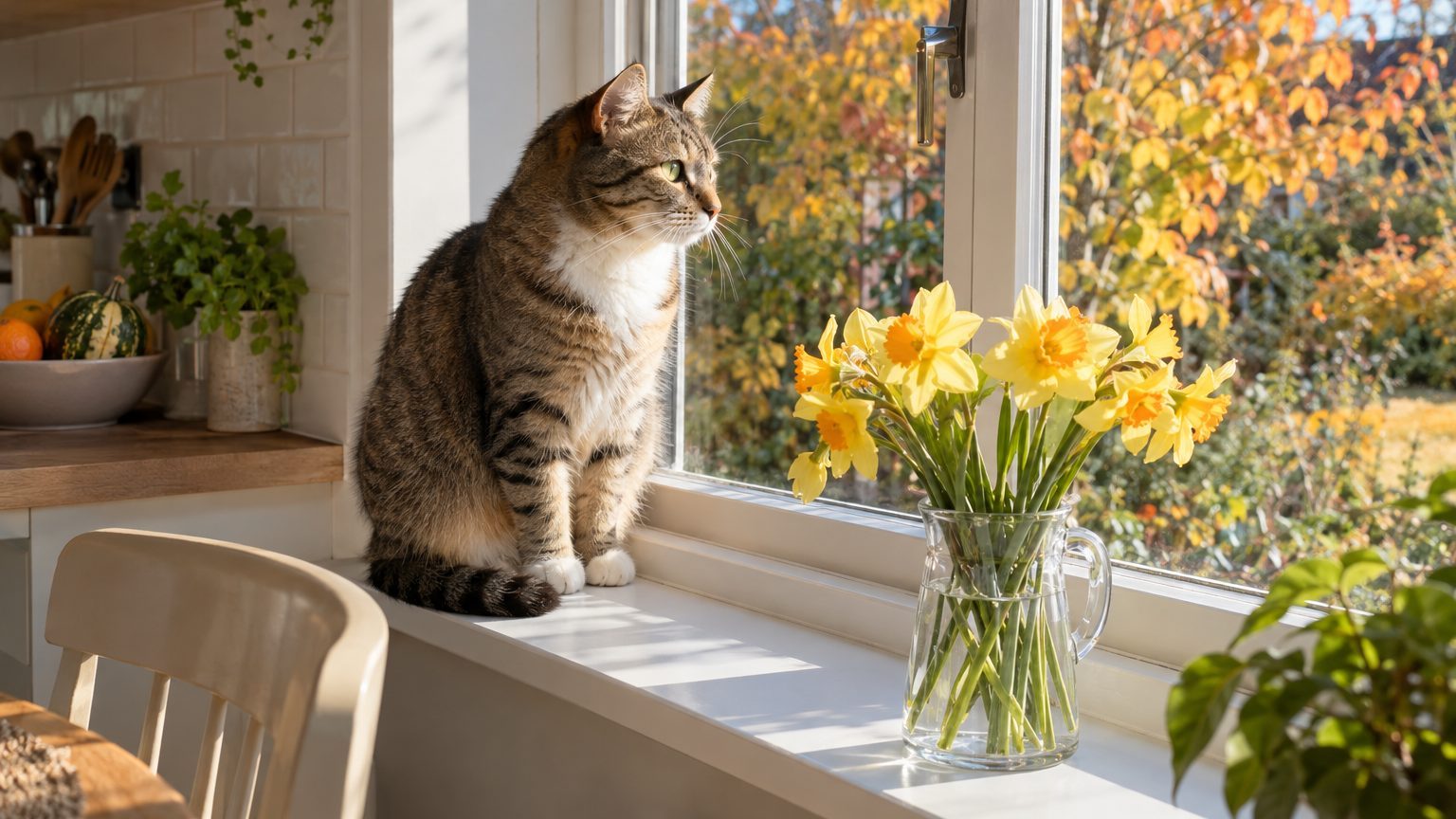
I found the bunch on the kitchen table, half-drunk water and a cat watching me from the windowsill. Something in that vase was already wrong.
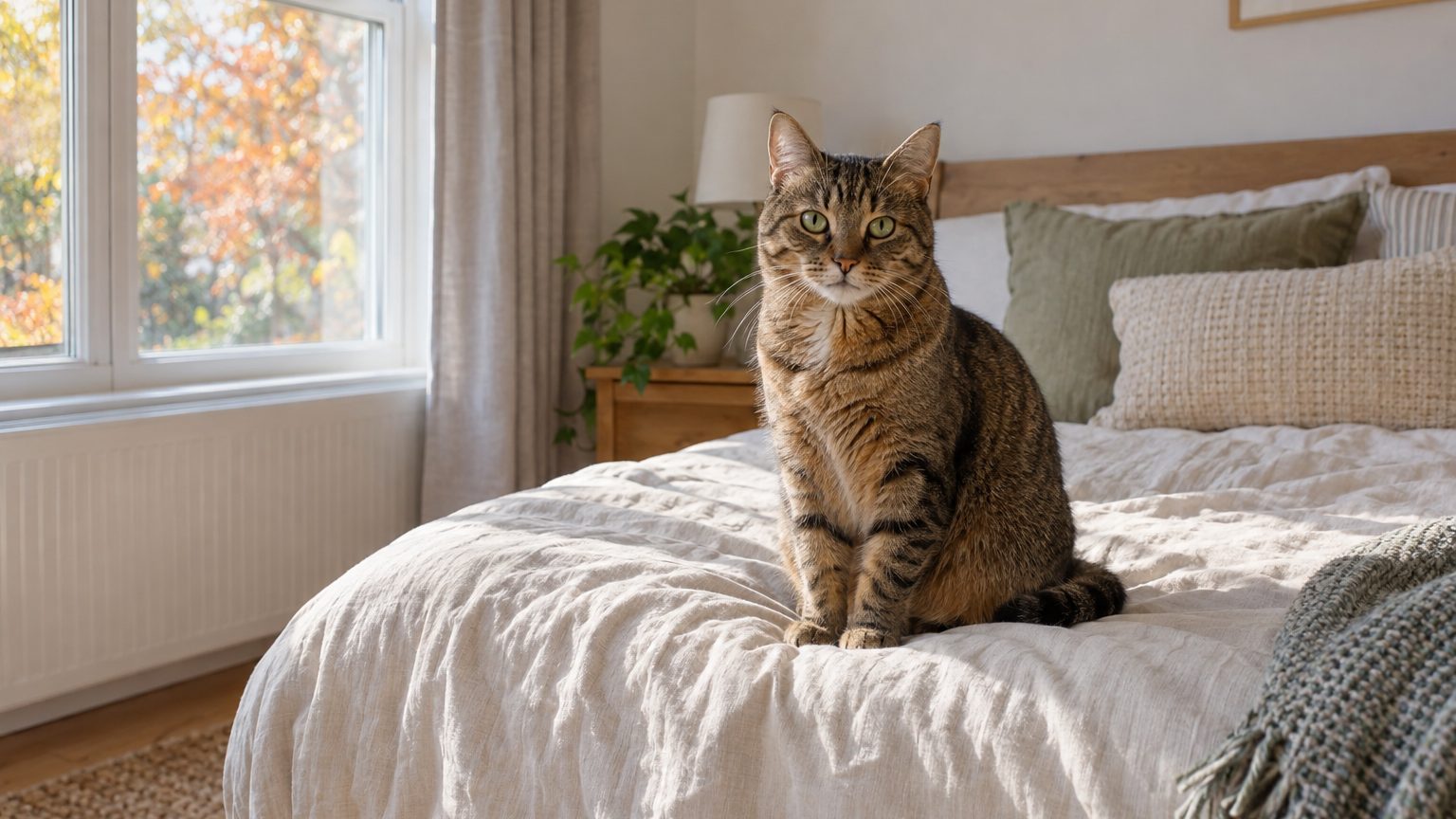
I found the wet patch on my duvet at 6 a.m., still warm, and my cat was sitting on the windowsill as if nothing had happened. She wasn’t being spiteful, I was sure of that much. But what was she trying to tell me?
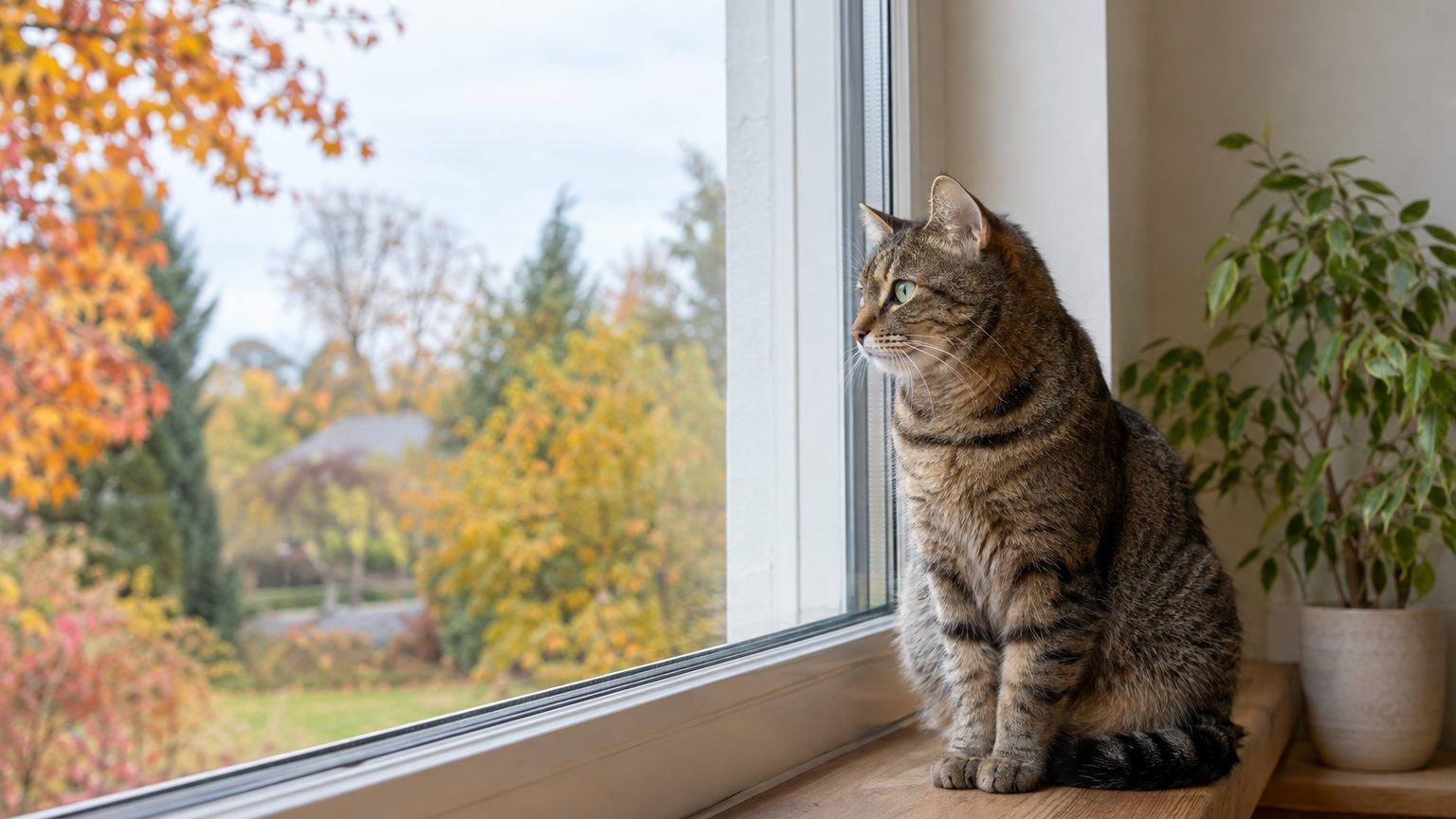
It is 4am and something hits the laminate with a crack. I lie there in the dark, waiting to find out what my cat has decided to do with my glass this time.
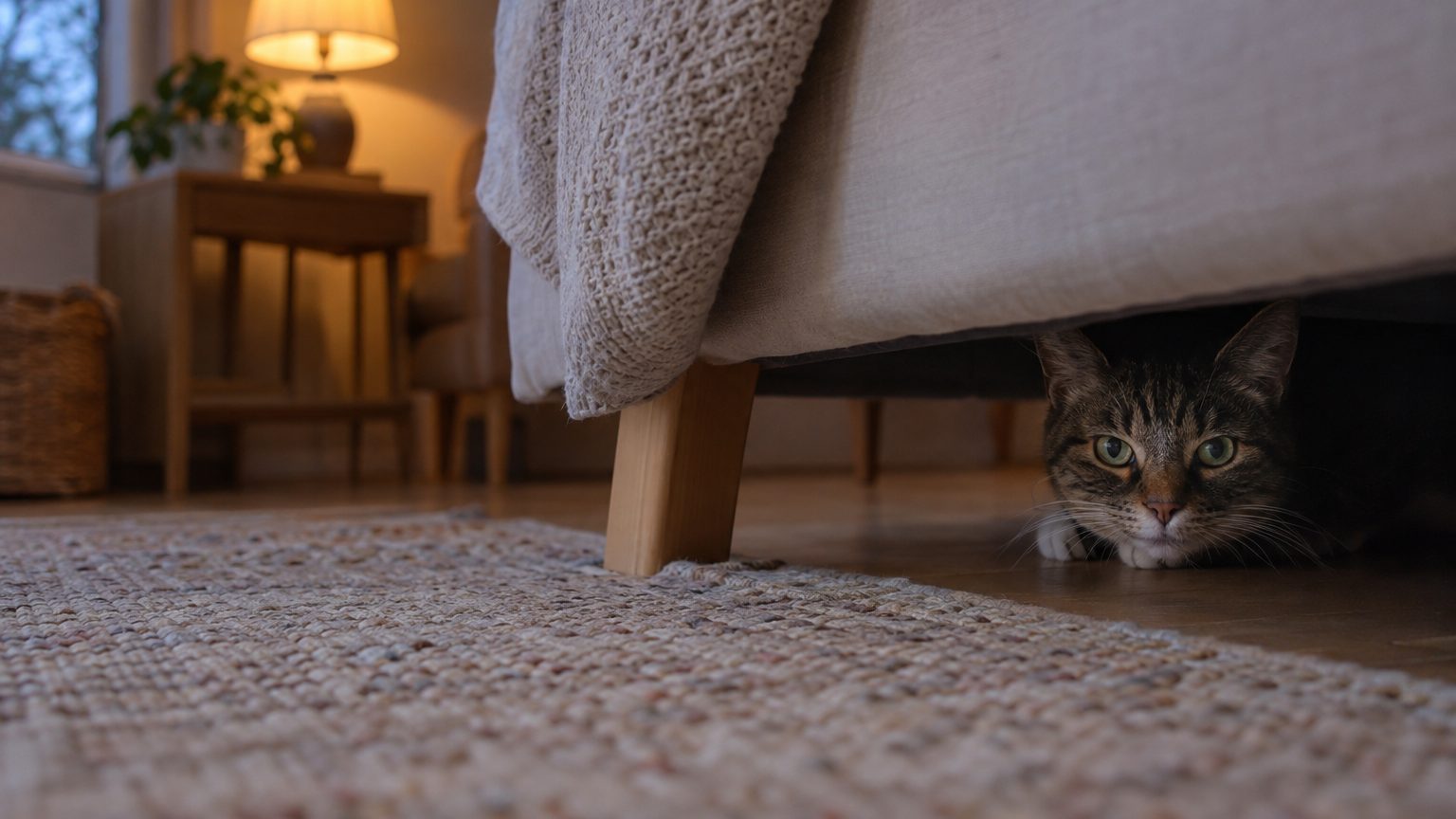
The bangs start long before the sky lights up, and by the time mine did, she had already vanished. What I did in the hour before dusk made all the difference.
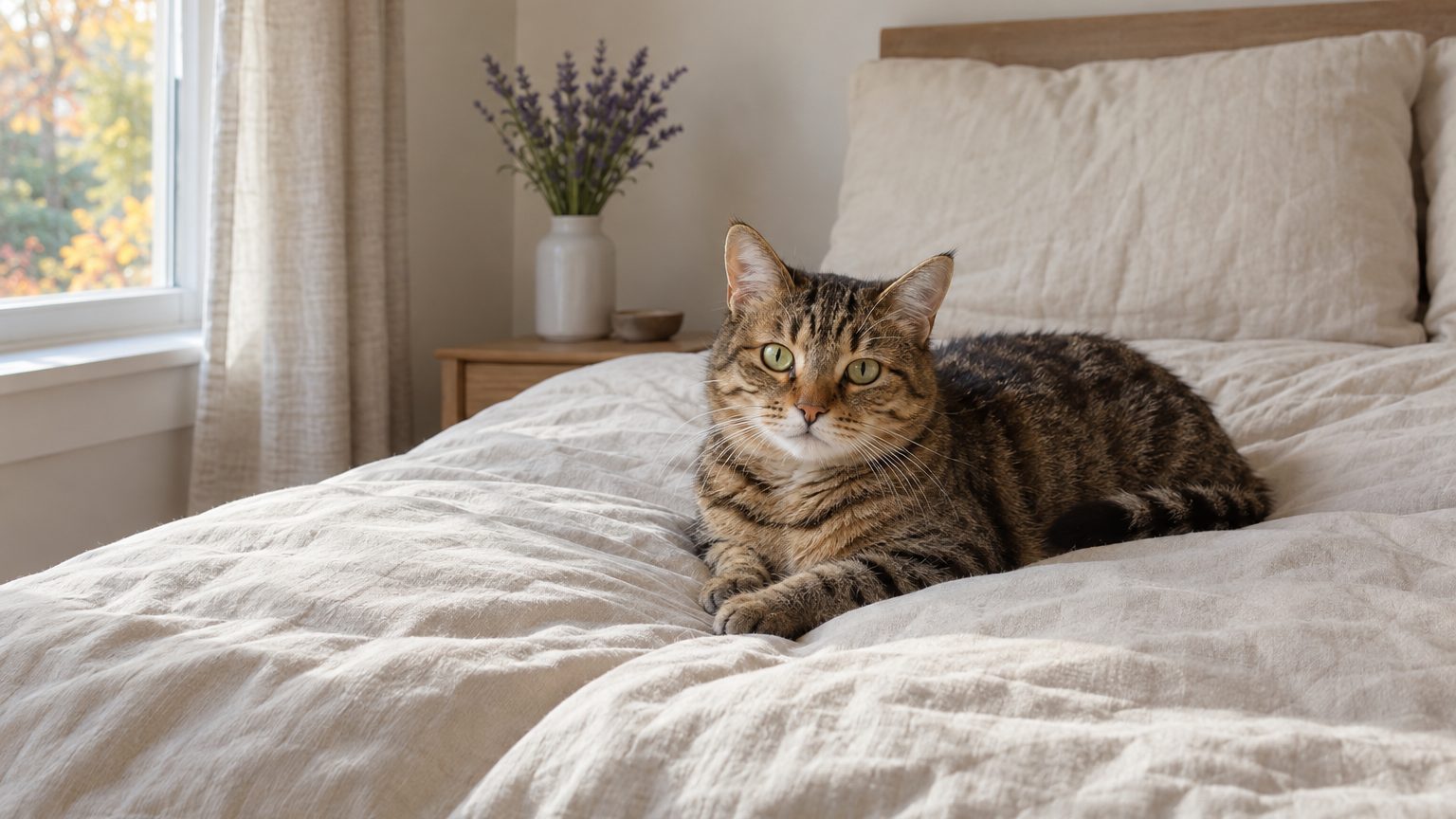
I thought my lavender-scented pillow spray was harmless, until my cat started drooling on the duvet. Here is what I learned about the danger I had been spraying every night.
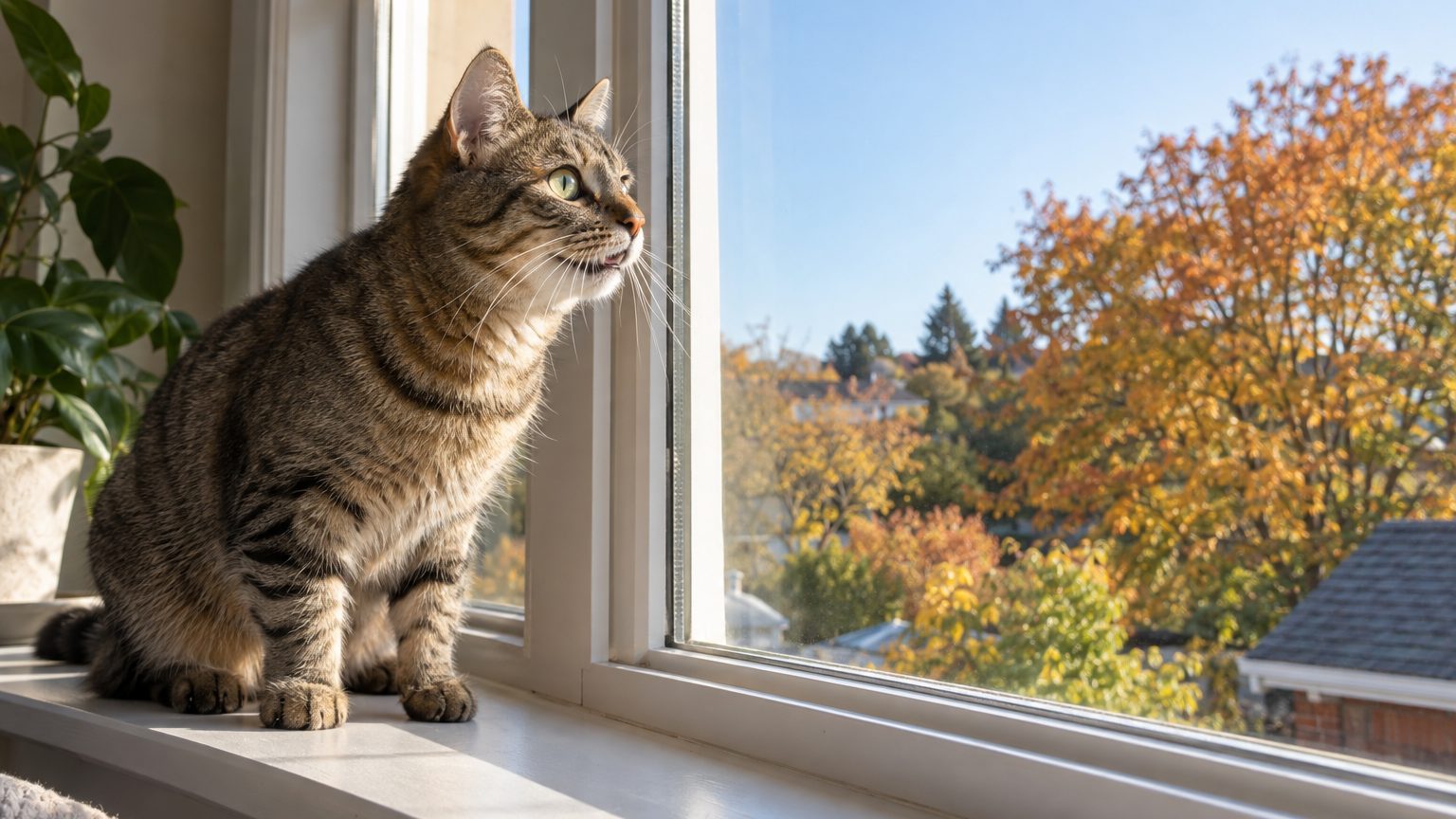
You’ve noticed it before: that rapid jaw-clicking, almost a stutter between a squeak and a bleat, whenever your cat spots a bird outside the window. Your cat has locked onto prey it cannot reach, and its brain is running through the entire hunting sequence with nowhere to send the energy.
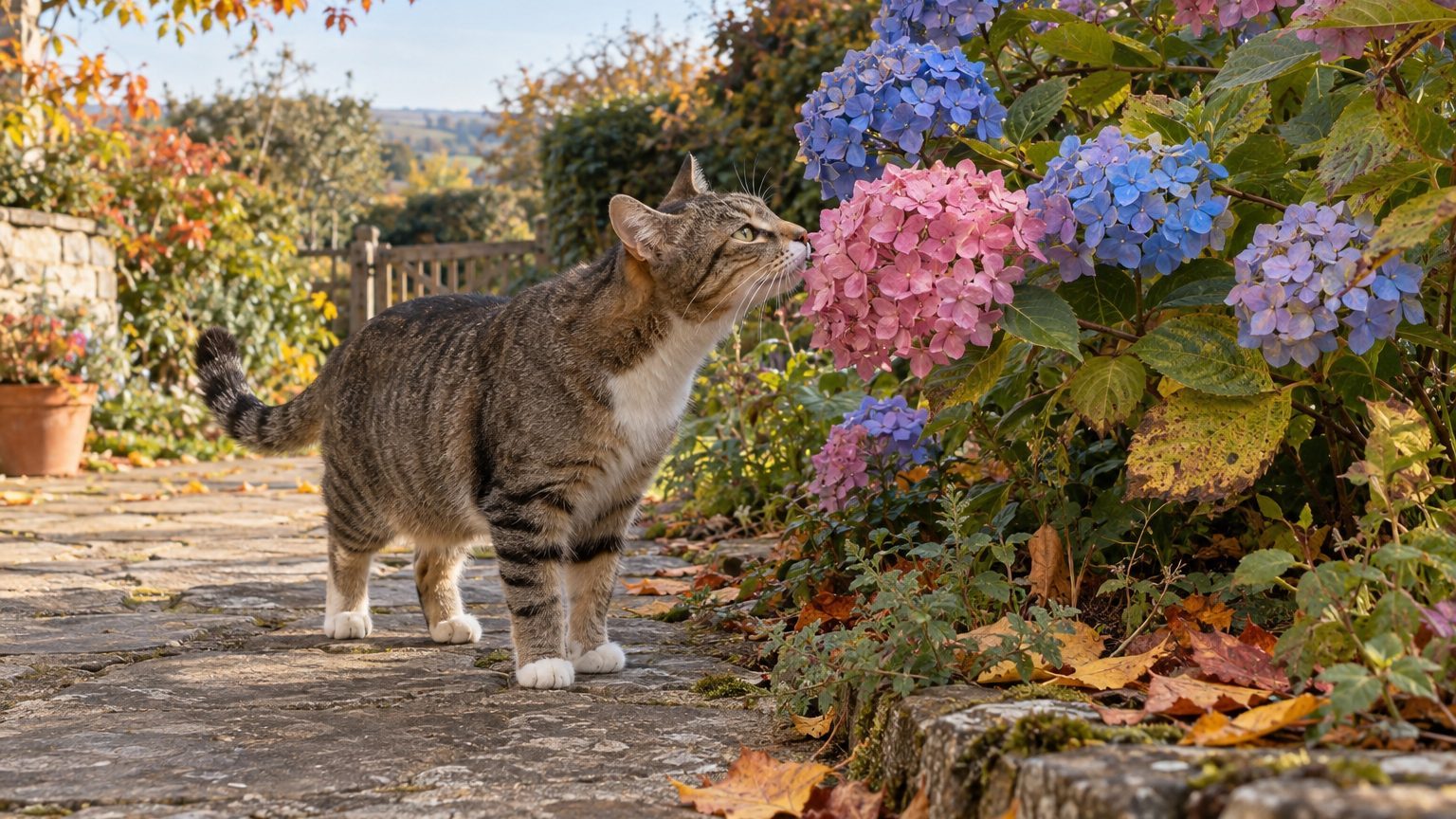
Hydrangeas contain cyanogenic glycosides that release cyanide when chewed, affecting how cells use oxygen. While serious poisoning is uncommon in cats (obligate carnivores with little interest in plants), curious kittens and indoor cats can suffer upset stomachs or worse. Every part of the plant, especially flower buds and young leaves, poses a risk and should be kept away from cats.
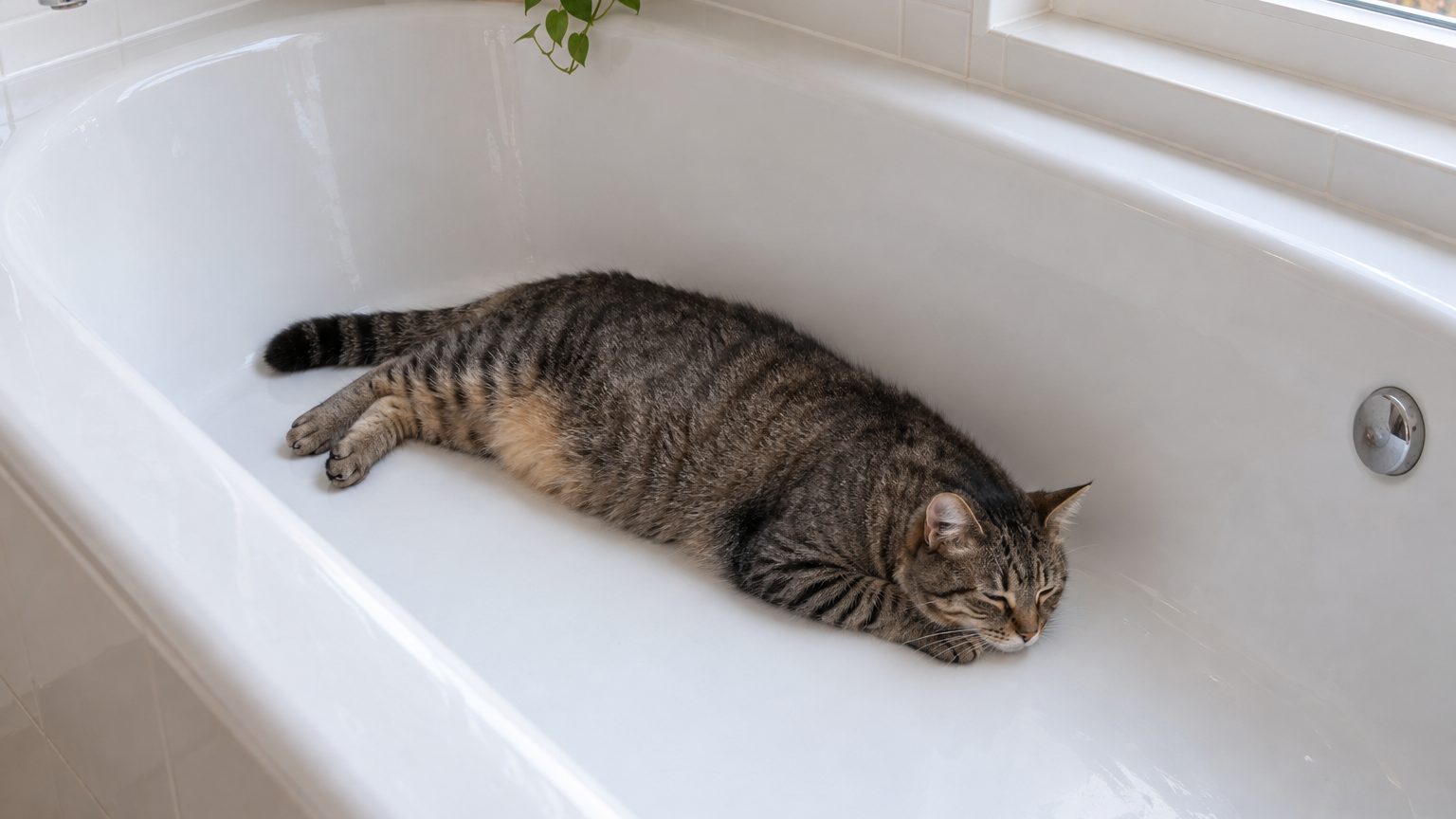
Your cat’s love of the bathtub isn’t about getting wet. From cooling down on hot days to finding a secure hideout, behaviourists identify five overlapping reasons—though one deserves closer attention from pet owners.