Why flea treatment fails: 95% of fleas live in your home, not on your cat

I kept treating my cat for fleas every single month: the day a vet told me where 95% of them actually live, I understood w...

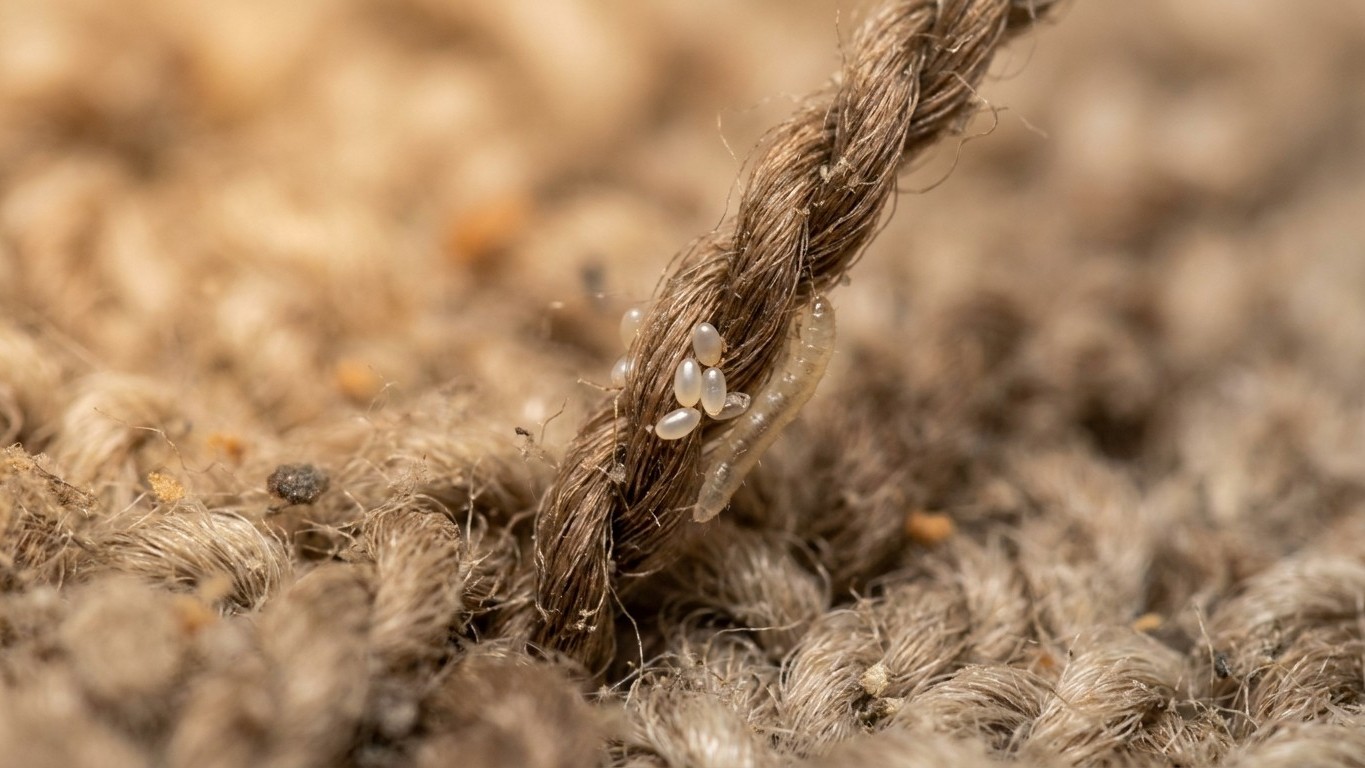
You’ve been treating your cat every month, yet fleas keep returning within weeks. A vet’s revelation changed everything: 95% of the flea population isn’t on your pet at all—it’s thriving in your carpets, furniture, and garden. Understanding the flea life cycle finally explains why spot-on treatments alone will never work.

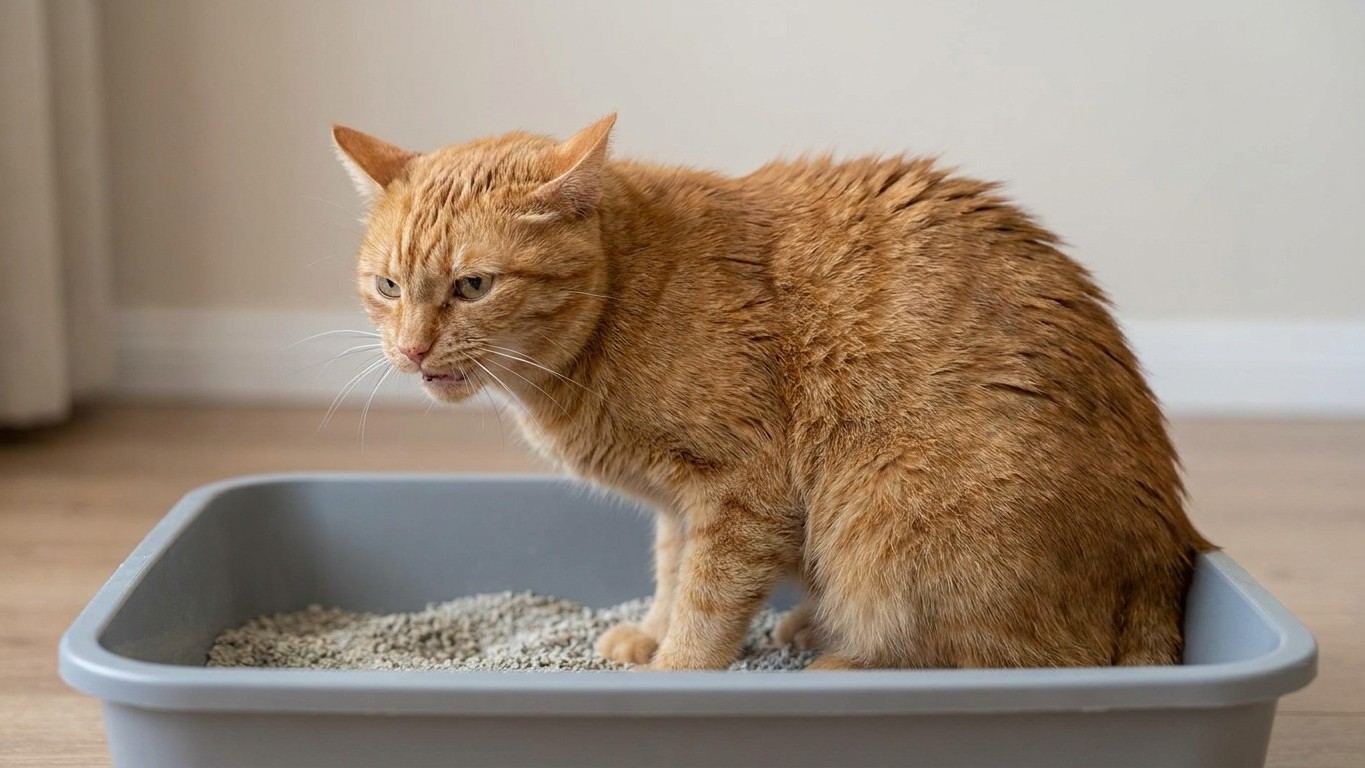
Why a male cat straining in the litter tray is urgent

'I thought he was just constipated': why a male cat straining in the tray with nothing coming out is a signal to act on im...

When your male cat strains in the litter box producing nothing, it’s likely a life-threatening urethral obstruction—not constipation. Without emergency treatment within 24-48 hours, this condition can damage kidneys, cause heart failure, and prove fatal. Understanding the difference between blocked bladders and constipation could save your cat’s life.

Why chewing a monstera leaf hurts a cat’s mouth

Your cat chews a monstera leaf and you think it's harmless: vets read a whole different story in what happens next in its ...

Your cat’s curious nibble on a monstera leaf triggers an explosive biological defence mechanism: thousands of microscopic needle-shaped crystals embed themselves in soft mouth tissue. While rarely life-threatening like true lilies, the immediate aftermath is painful—but most cats recover within 24 hours with proper care.

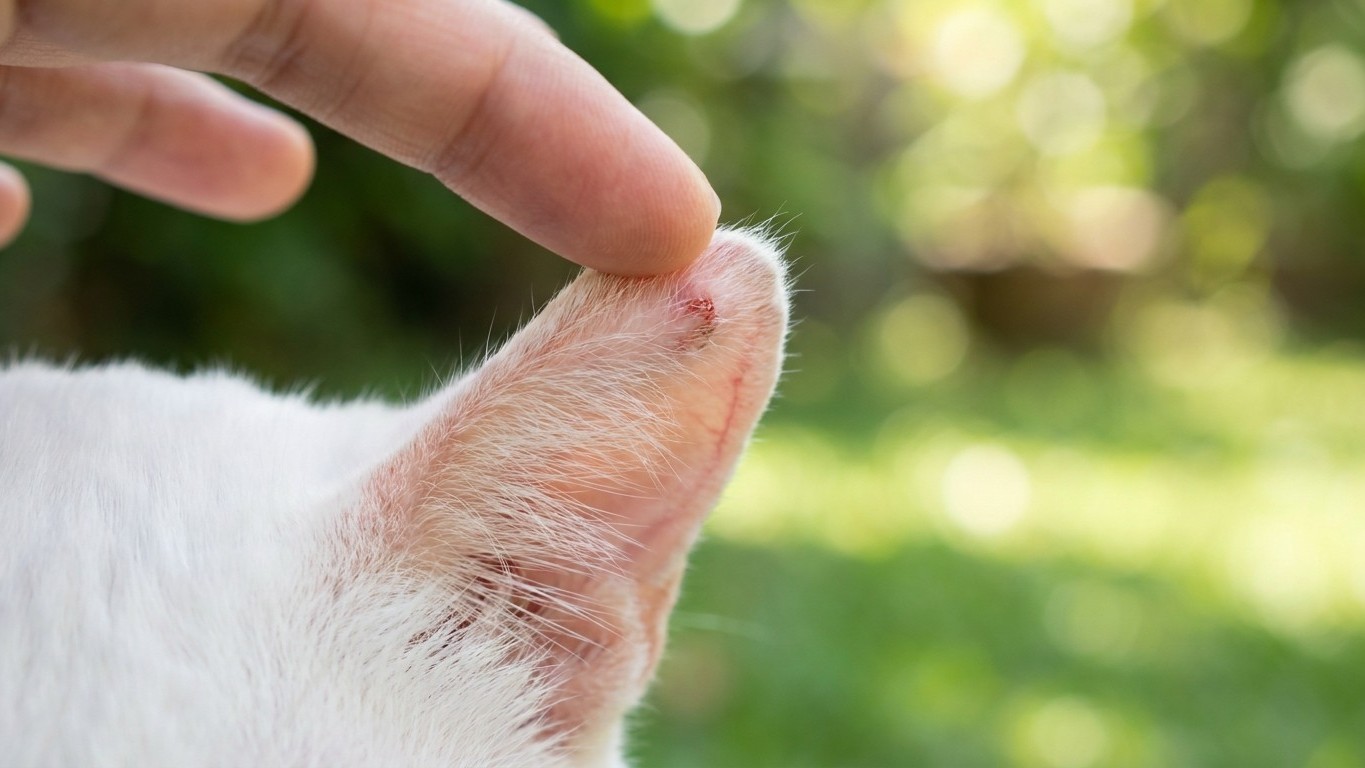
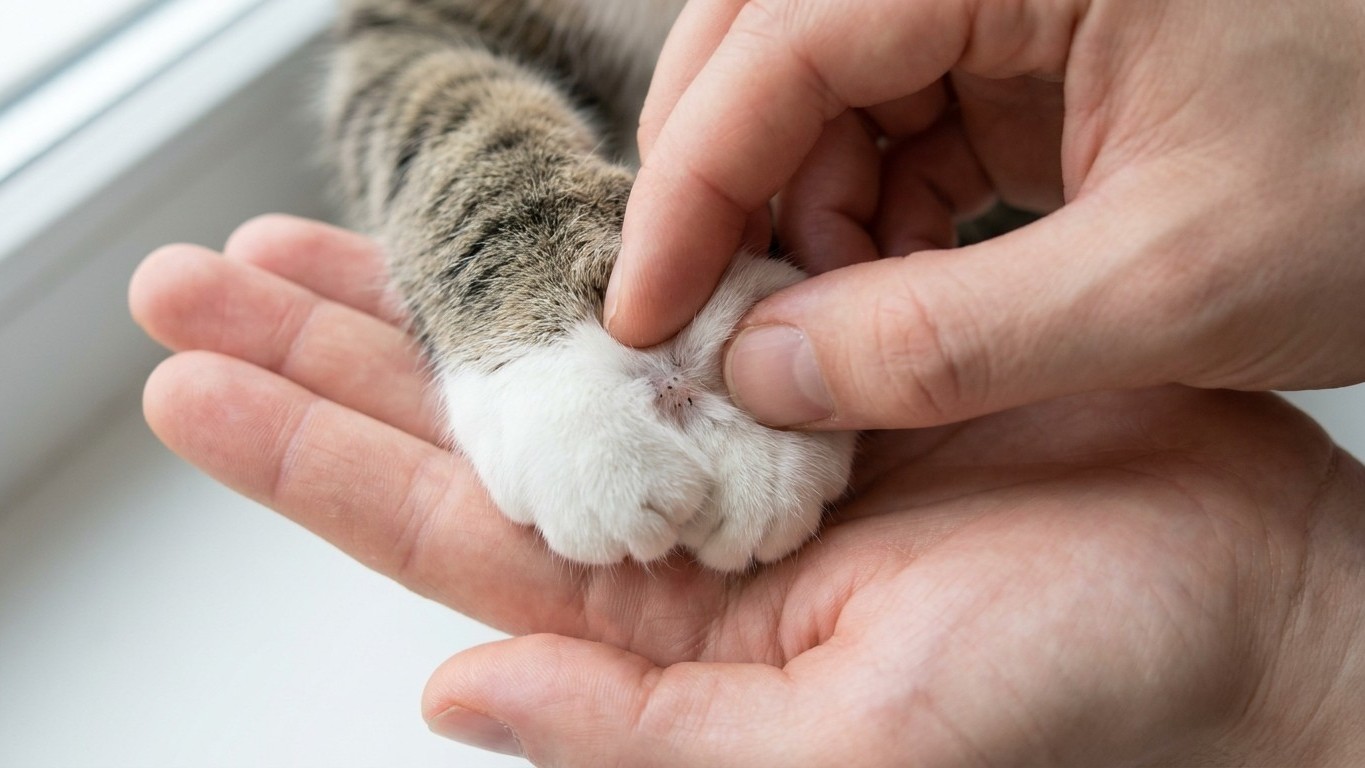
Orange dots between the toes: what harvest mites look like

We all rush to grab the flea treatment when our cat scratches in July: yet this one-second check between the toes reveals ...

When your cat scratches frantically in July, flea treatment won’t help if the culprit is actually harvest mites—tiny orange parasites hiding between the toes. A simple 30-second inspection can reveal whether you’re dealing with mites, grass seeds, or something else entirely, saving weeks of ineffective treatment.

Why tomato plants are toxic to cats and cause drooling

I let my cat wander through my tomato plants just to keep him busy: the day he started drooling and refusing his food, I u...

When a bored cat spends summer wandering through the tomato patch, those nibbled leaves and stems can accumulate dangerous toxins. Drooling and appetite loss are the first warning signs—but many owners don’t connect the dots until days later. Learn what’s actually happening inside your cat’s body and when it’s time to call the vet.

Why paracetamol is toxic to cats even in small doses

I gave my limping cat half a paracetamol tablet just to ease the pain: a vet showed me what was happening to his blood cel...

A well-meaning owner gave their limping cat half a paracetamol tablet for pain relief—and a vet revealed something shocking happening inside the cat’s blood cells within hours. What makes paracetamol so catastrophically toxic to cats, and why is this one of the most common poisoning emergencies in UK vet clinics?