Is mistletoe poisonous to cats? The berries, the symptoms and when to call the vet
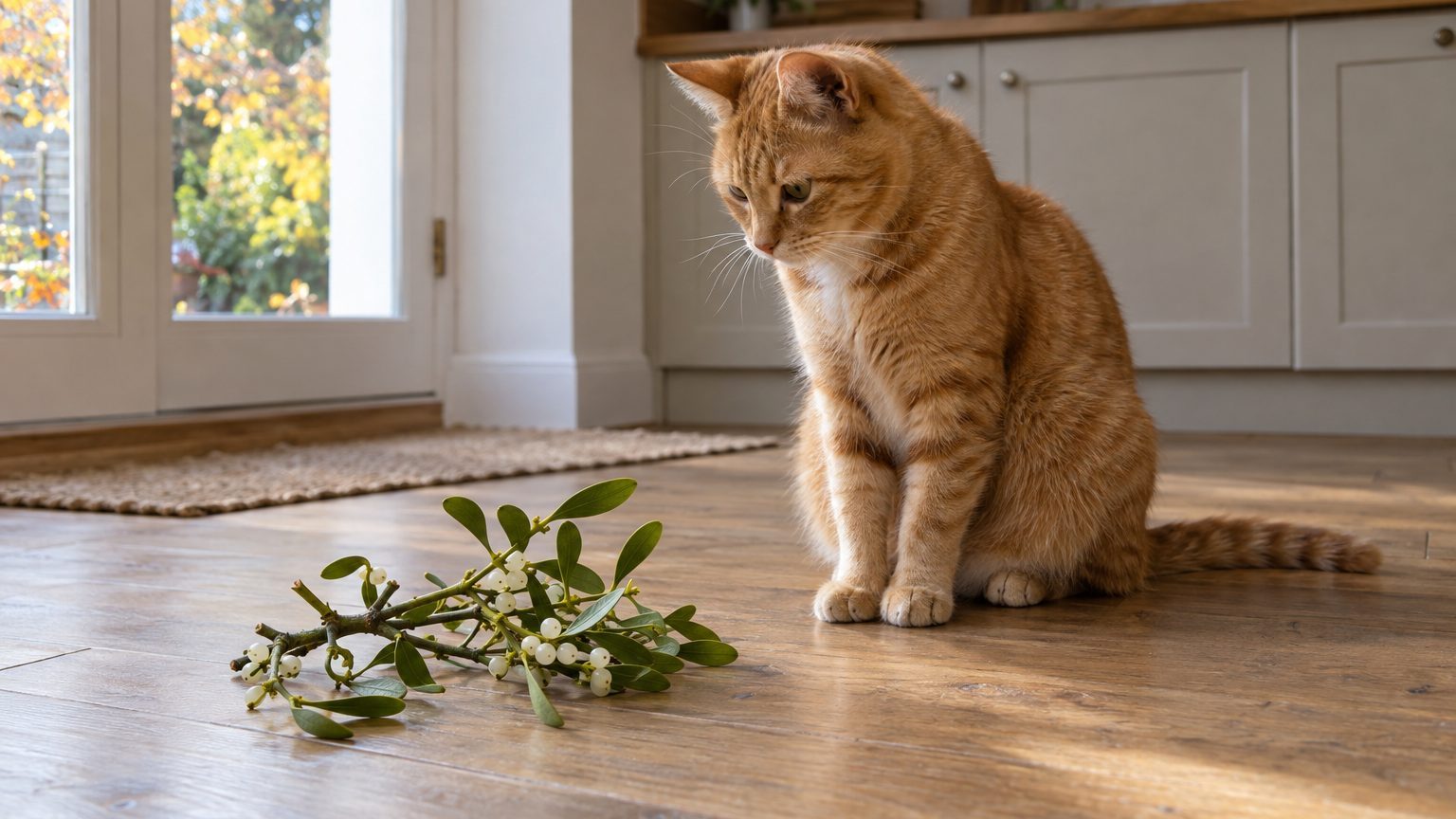
I found the stripped stems on the carpet before I found her. The berries had rolled under the sofa, and she was already drooling.

I found the stripped stems on the carpet before I found her. The berries had rolled under the sofa, and she was already drooling.
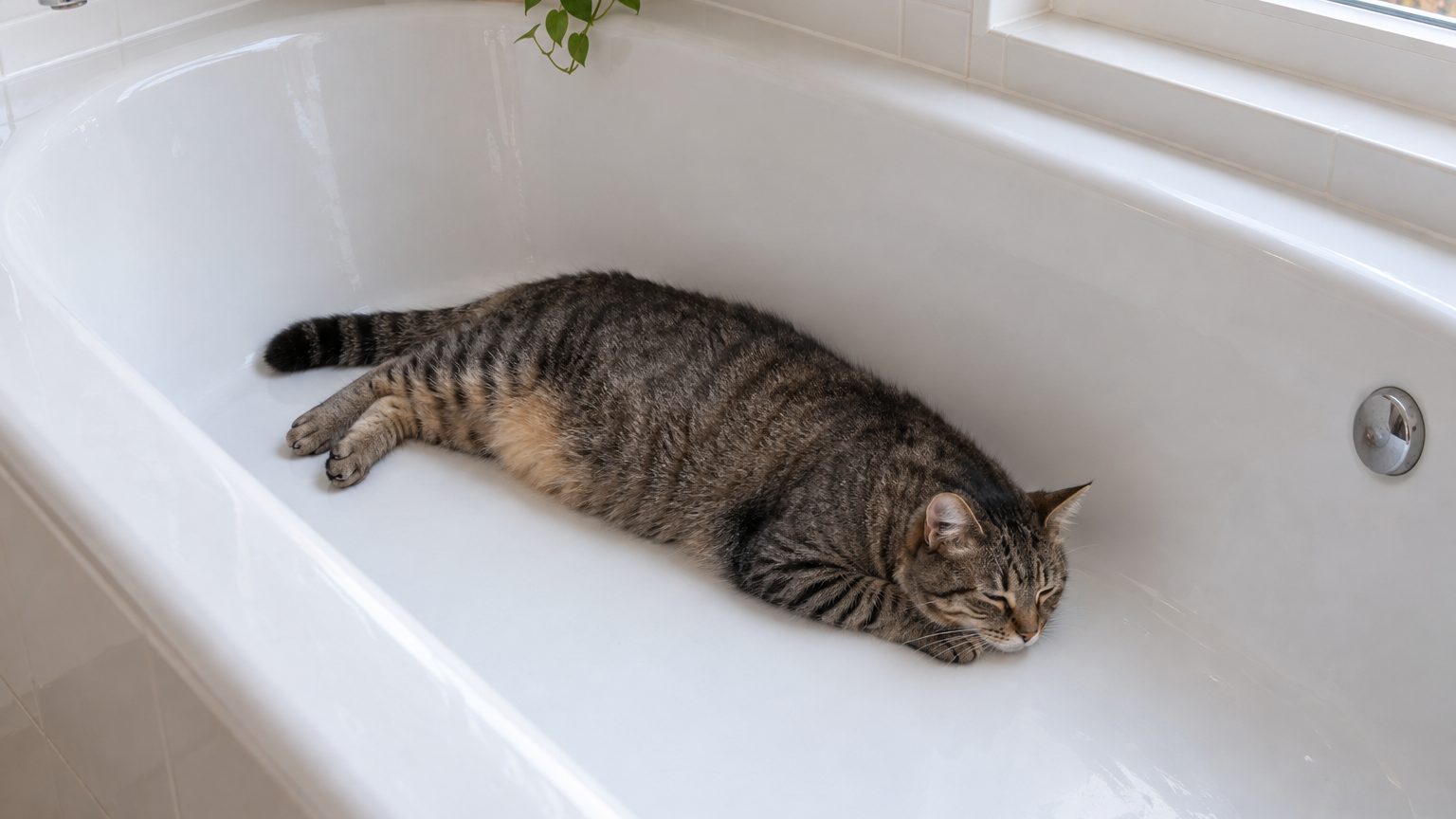
Your cat’s love of the bathtub isn’t about getting wet. From cooling down on hot days to finding a secure hideout, behaviourists identify five overlapping reasons—though one deserves closer attention from pet owners.
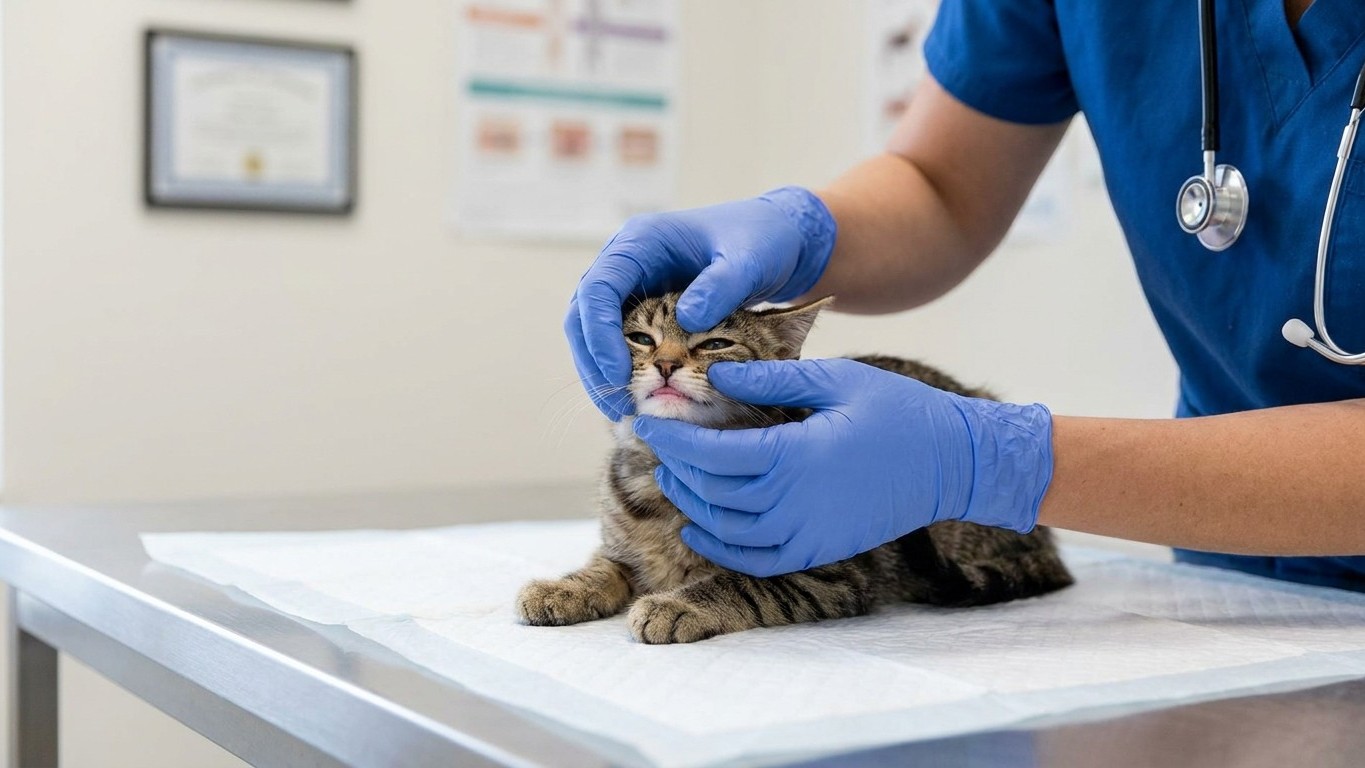
You spot fleas on your eight-week-old kitten and reach for a flea pipette—but a vet’s first move is completely different. Before treating the fleas, they’re checking gum color, pulse strength, and blood reserves. A kitten has only tablespoons of blood, and a flea infestation can trigger life-threatening anemia in minutes.
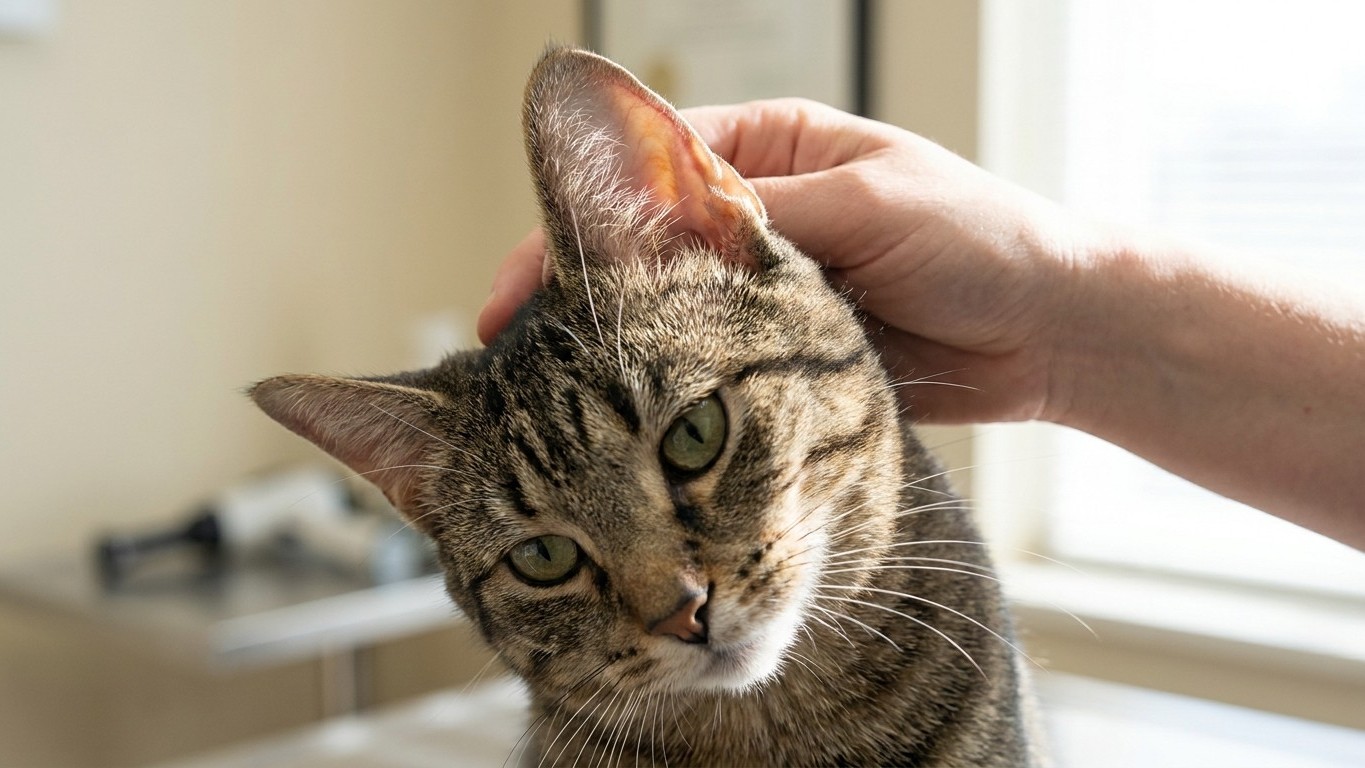
A cat owner’s desperate attempt to stop scratching by doubling flea pipette reveals a common misdiagnosis: ear mites, not fleas. That orange dust in the ear folds is a telltale sign of a completely different parasite requiring targeted treatment, not overdosed medication.
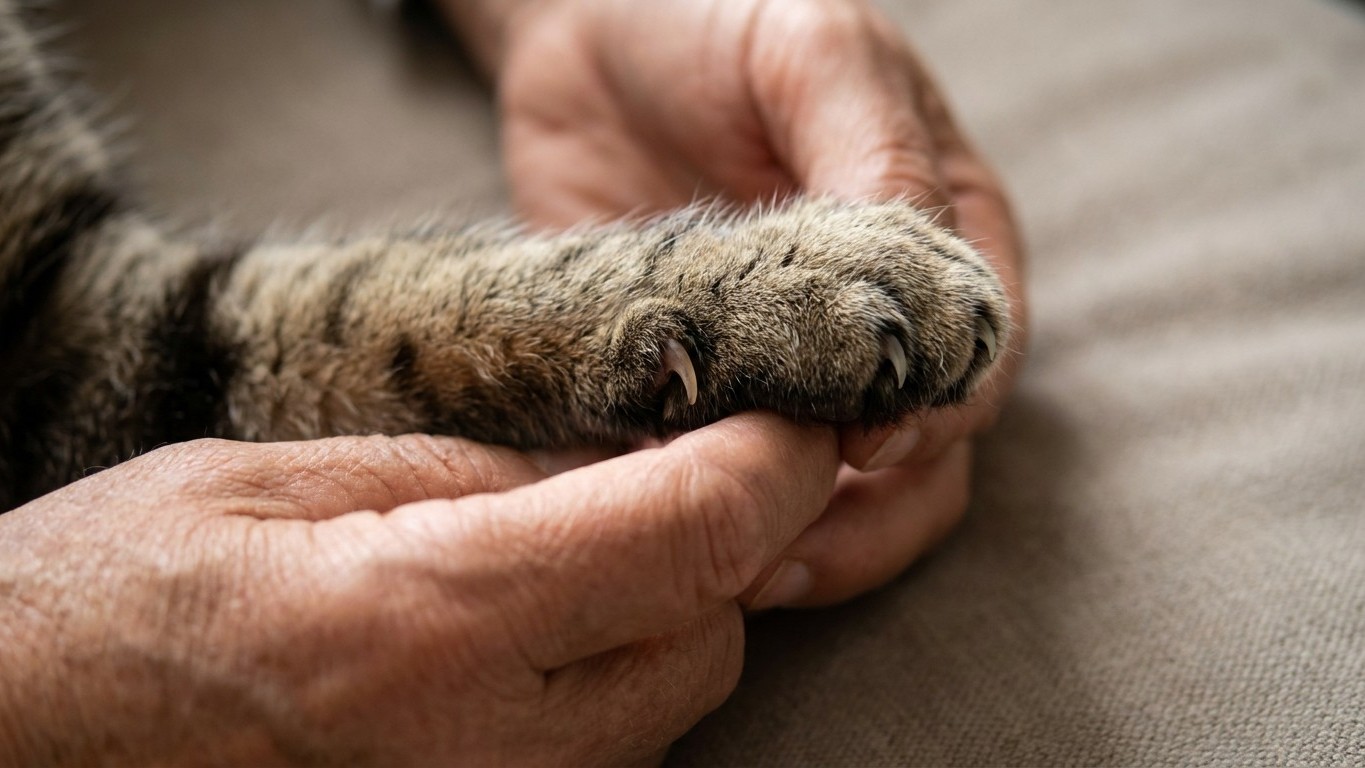
A cat owner’s costly oversight: focusing only on the four visible front claws while ignoring the hidden fifth dewclaw led to her senior cat’s painful limp. Discover what veterinarians wish every pet owner knew about senior cat nail care and how to spot trouble before it becomes an emergency.
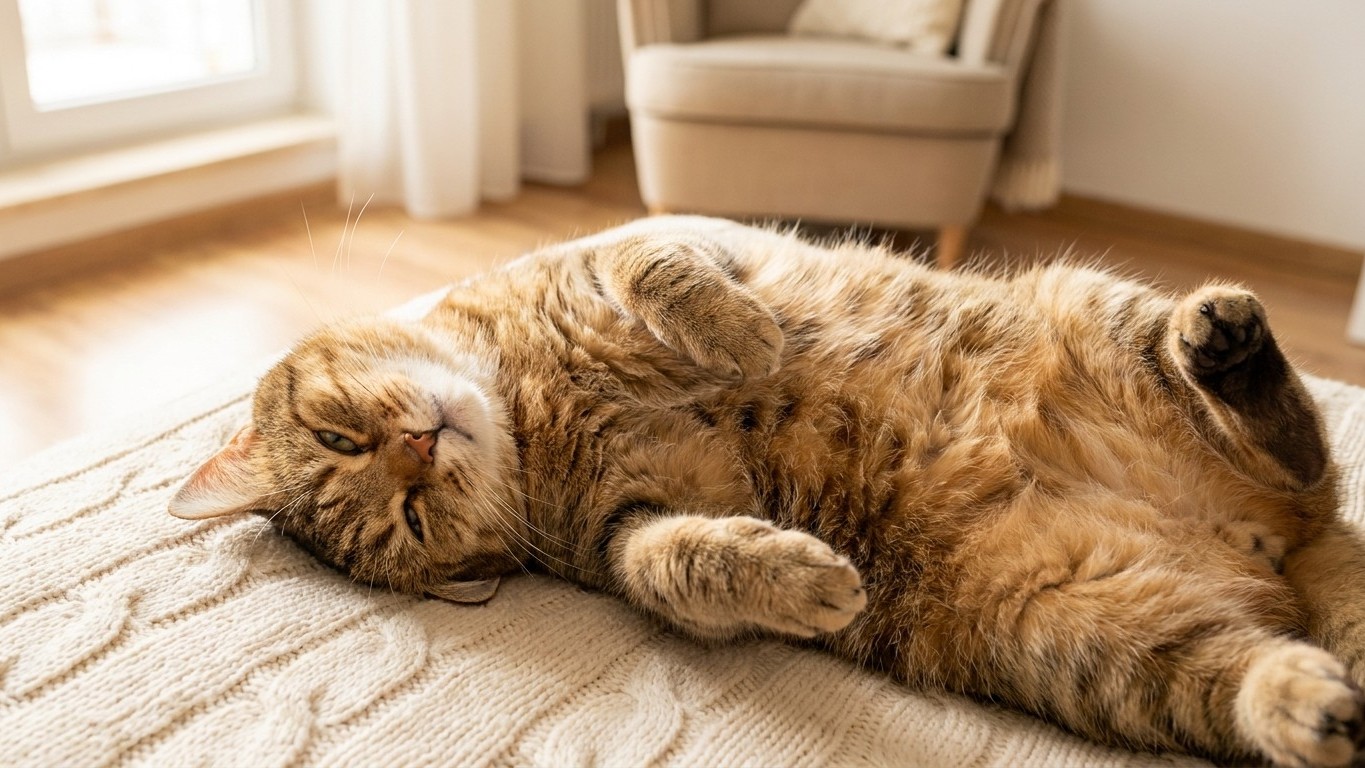
When your cat flops onto its back and shows you that soft, fluffy belly, it’s not actually asking for a rub—despite what it looks like. Vets and feline behaviorists agree this is one of the most misread signals in cat communication, rooted in trust, defense, and sometimes just temperature regulation. Understanding what your cat is actually saying could save your hands from a surprise attack.
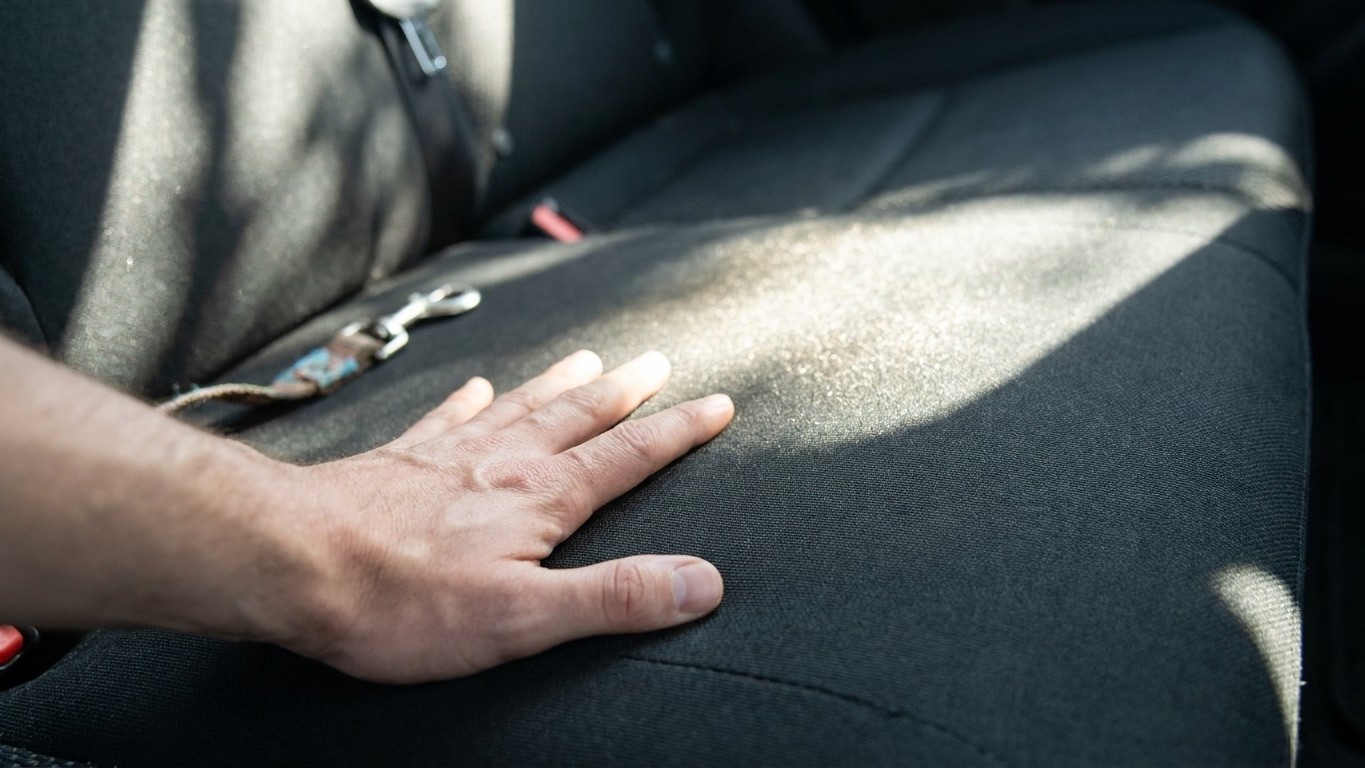
Vets are urging pet owners to perform one simple test before every summer car journey: press your palm flat on the back seat for ten seconds. If you can’t keep it there comfortably, your pet can’t either. This overlooked habit could prevent thousands of heatstroke emergencies that overwhelm surgeries every August.
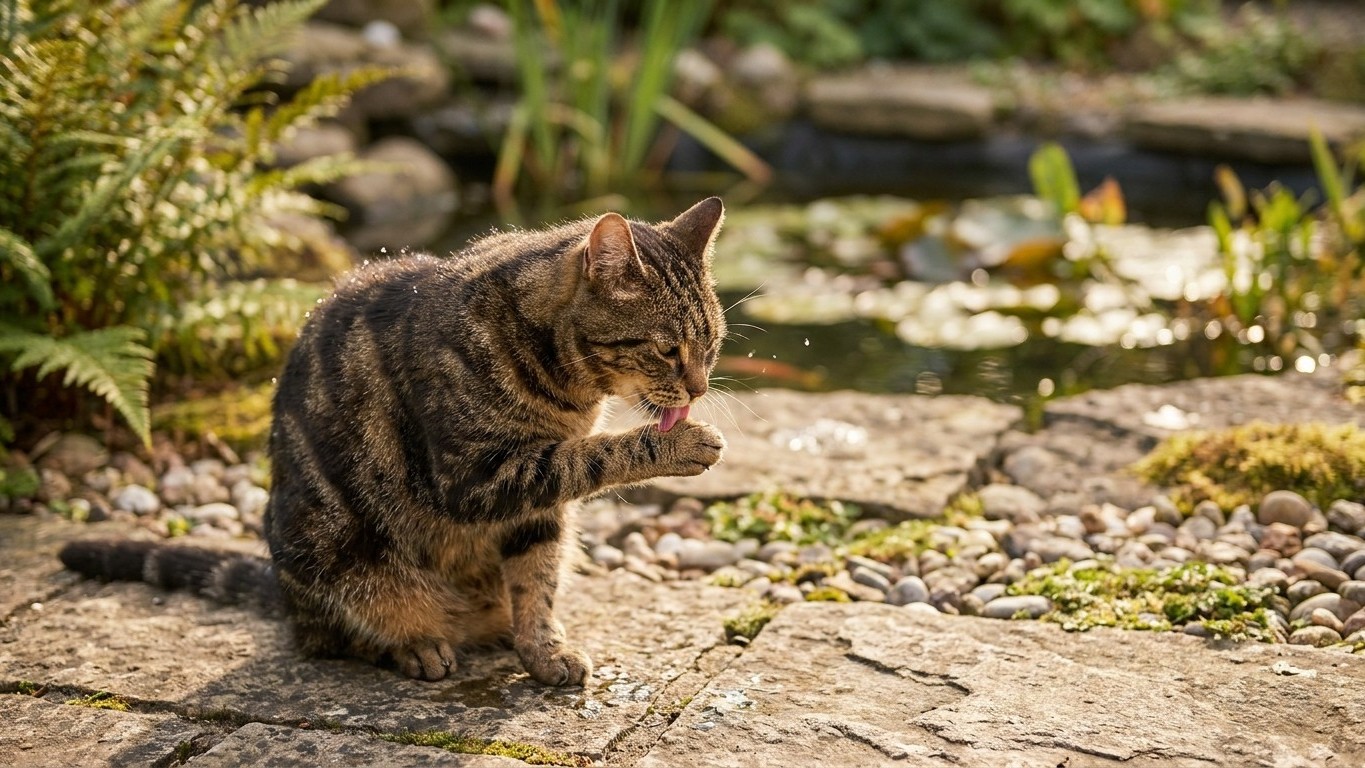
That innocent paw-licking session after your cat’s pond adventure isn’t just about hygiene. Veterinarians reveal the gesture masks potential parasites, stress responses, and scent-reclaiming behavior—plus crucial warning signs you shouldn’t ignore.
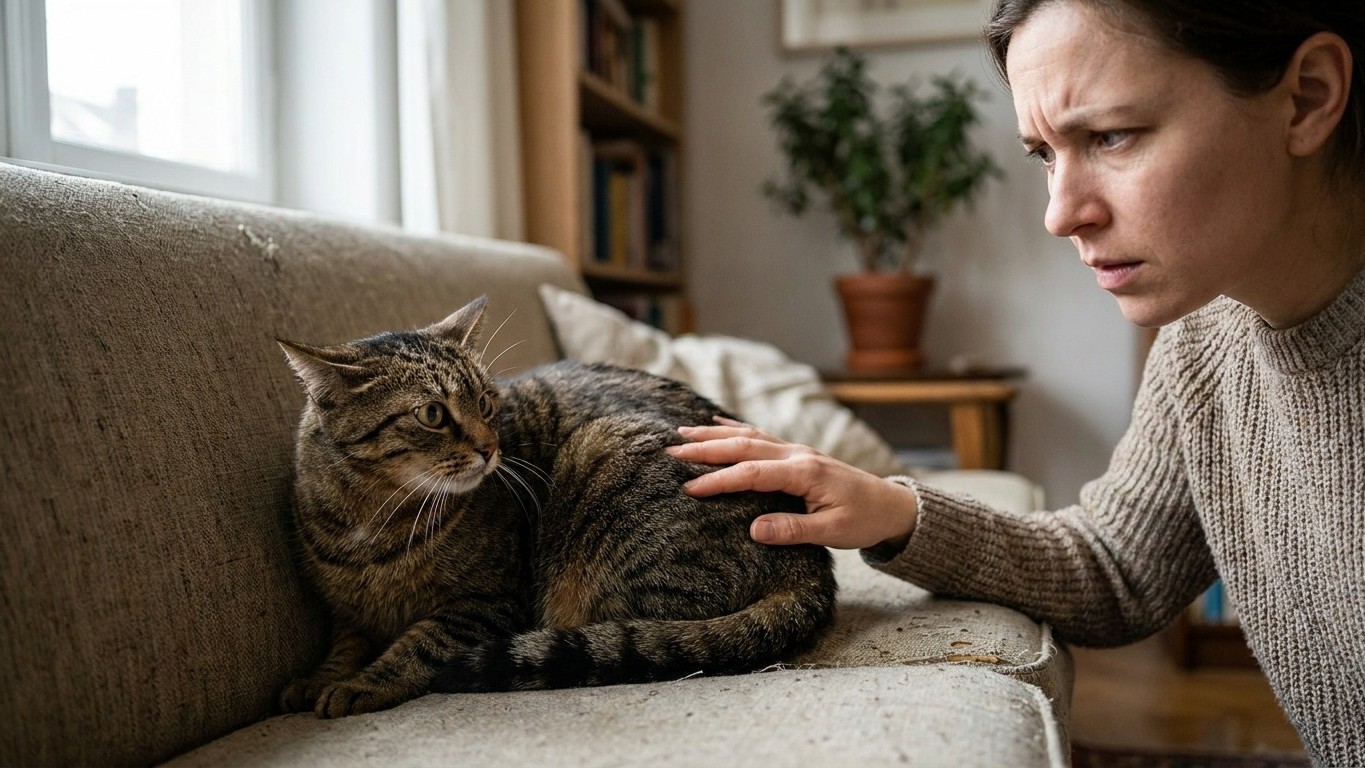
Feeding your cat tuna every day seems harmless, but veterinarians regularly diagnose a painful condition called steatitis—where the cat’s own body fat hardens and inflames—caused by unsaturated fats without adequate vitamin E. Mercury accumulation and nutritional deficiencies compound the damage, often going unnoticed for months.
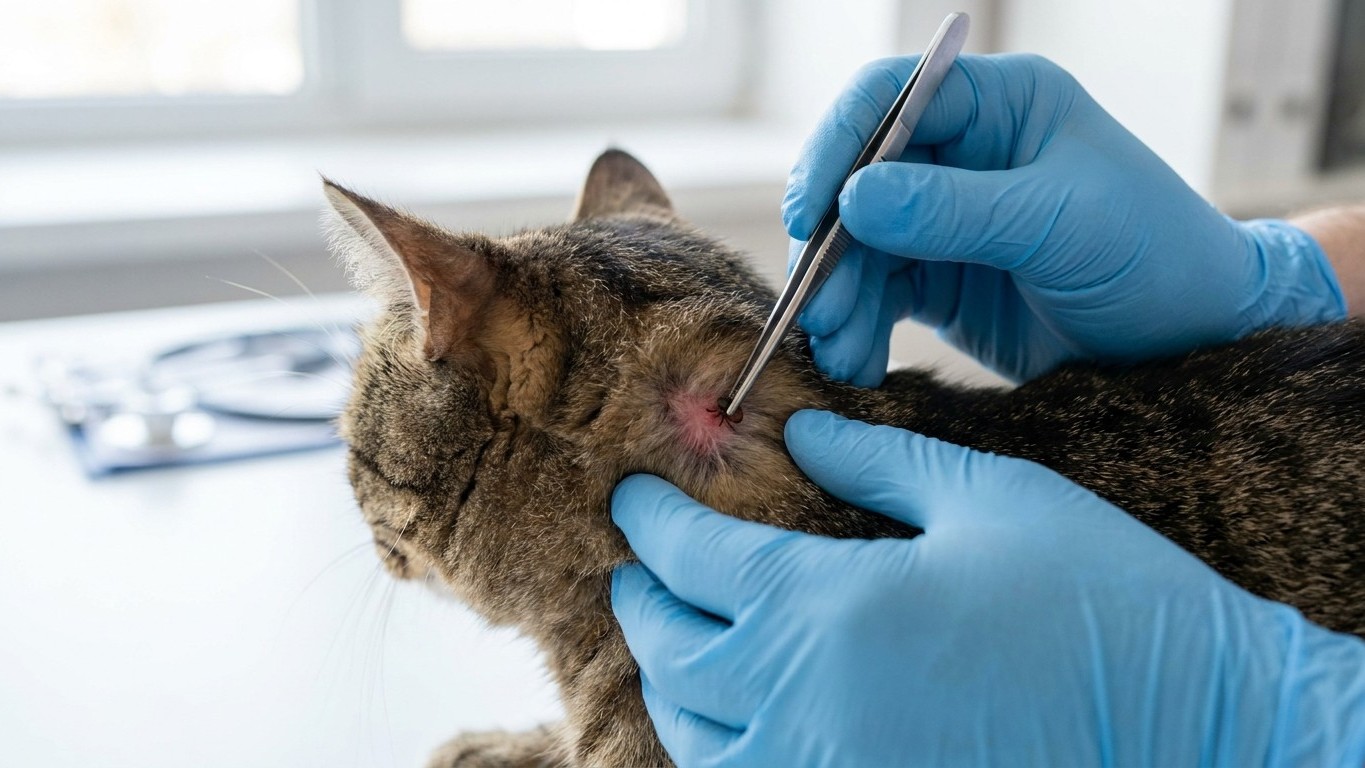
A cat owner’s routine tick removal turned into a vet visit when the tick’s barbed mouthparts remained embedded in the skin. Discover why the instinctive grab-and-yank approach fails, what proper removal looks like, and how to protect your cat during peak tick season.

That convenient combo bowl sitting in your kitchen could be why your cat “doesn’t drink much.” Vets and behaviorists reveal the surprising instincts—and health risks—behind one of the simplest pet care fixes.
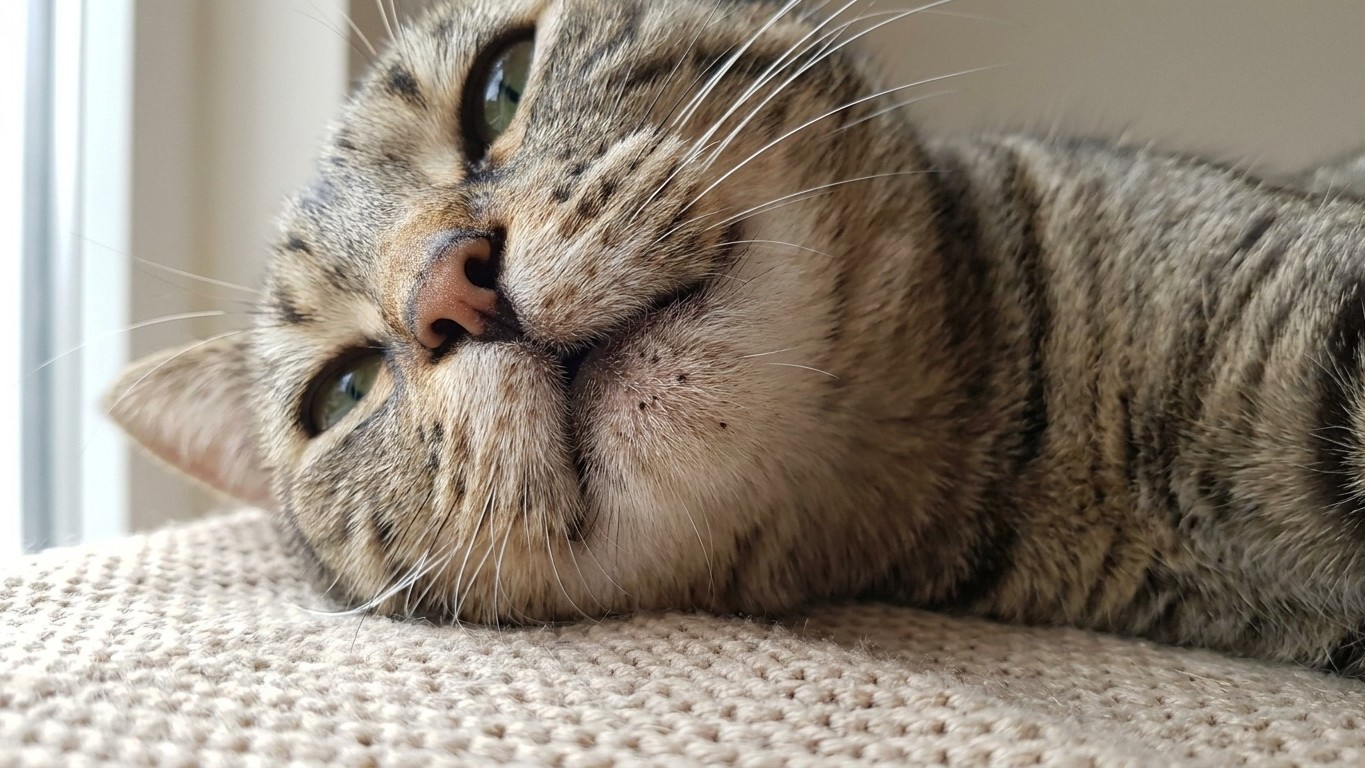
Those stubborn black specks on your cat’s chin aren’t dirt—they’re blocked hair follicles caused by feline acne. Months of scrubbing won’t help because you’re dealing with internal plugged pores, not surface grime. Here’s what vets want you to know instead.