Why Your Cat Stopped Burying Its Waste: What Vets Say It Really Means

Why Your Cat Stopped Burying Its Waste: What Vets Say It Really Means

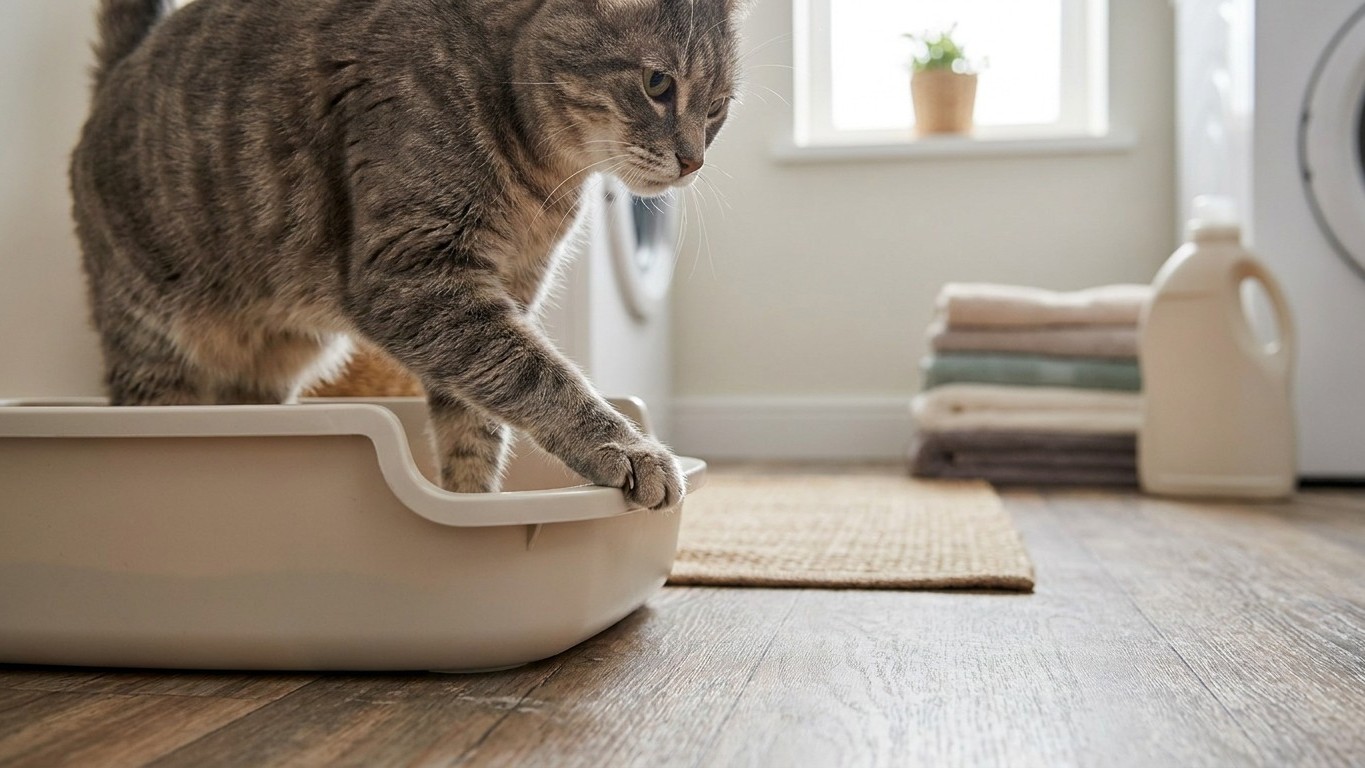
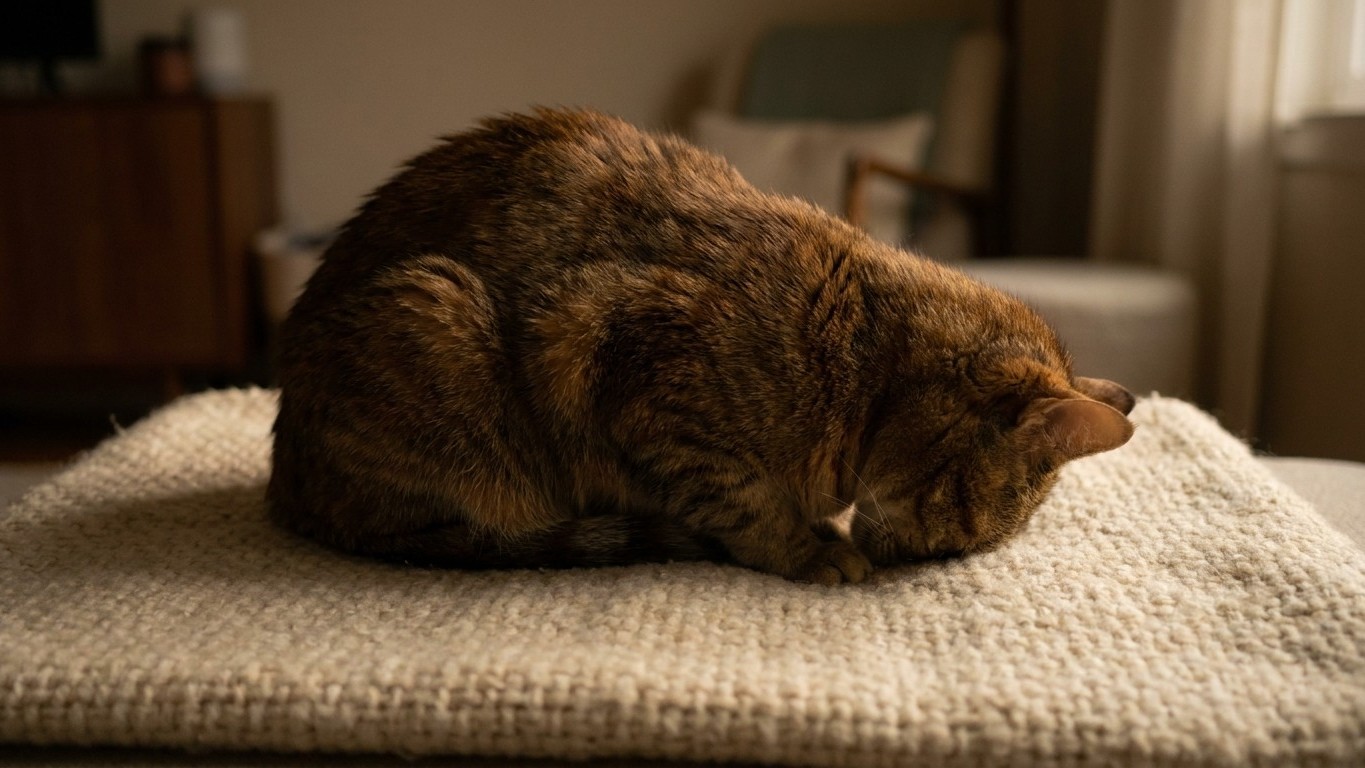
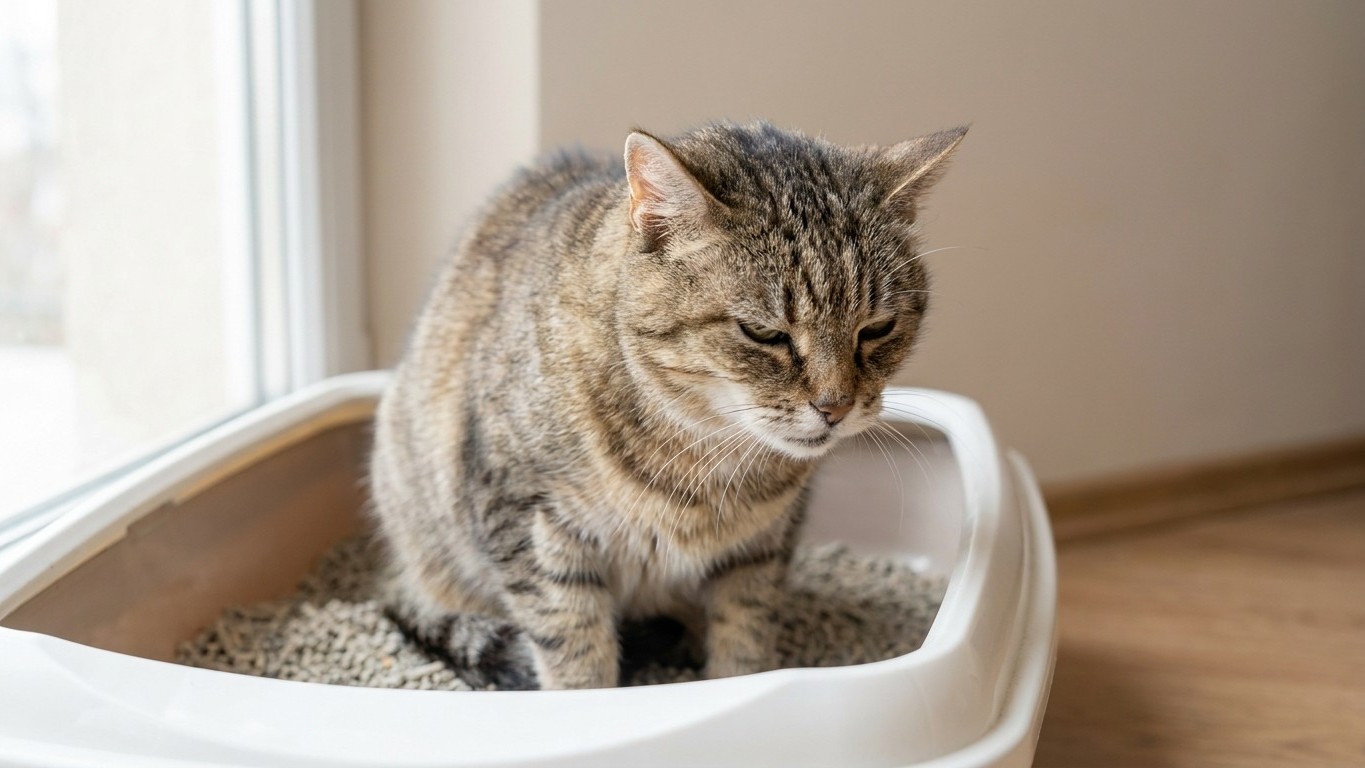
You’ve noticed your cat leaving waste uncovered in the litter box, and you assumed stubbornness. But veterinarians and animal behaviorists reveal this sudden change often signals something medically serious—from arthritis to cognitive dysfunction. Understanding what your cat’s litter box habits reveal about their health could be the key to catching hidden illnesses early.

Why Your Cat’s 3 AM Zoomies Might Be a Warning Sign Vets Say You’re Missing

Why Your Cat's 3 AM Zoomies Might Be a Warning Sign Vets Say You're Missing

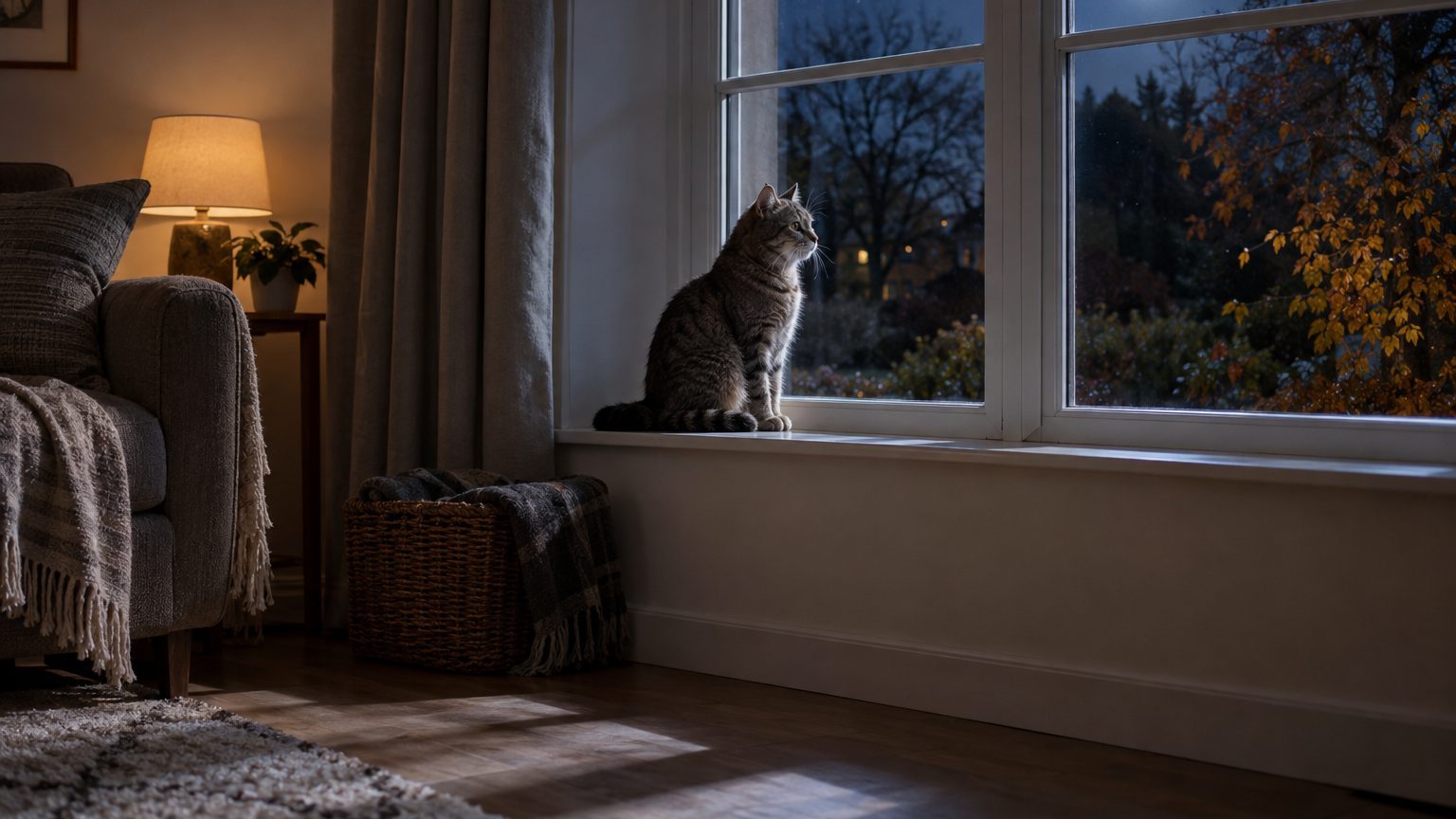
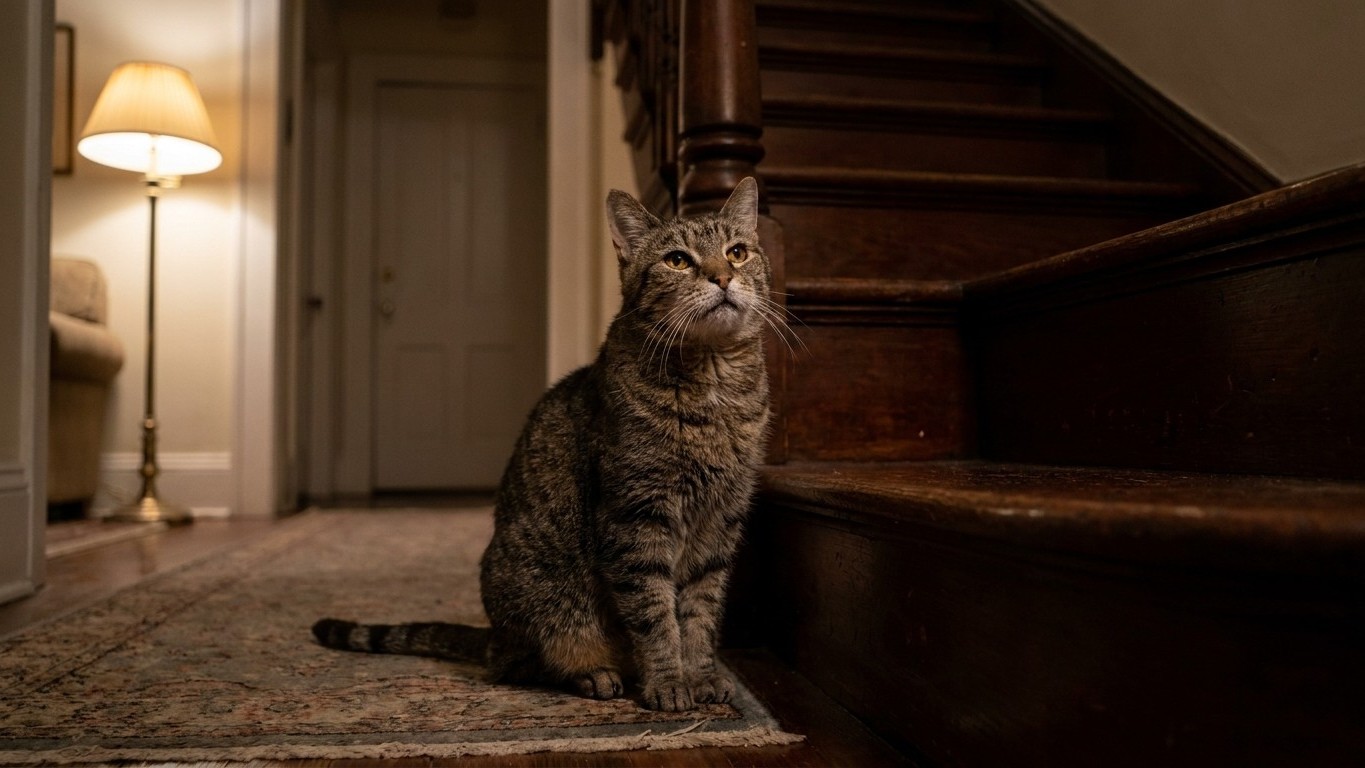
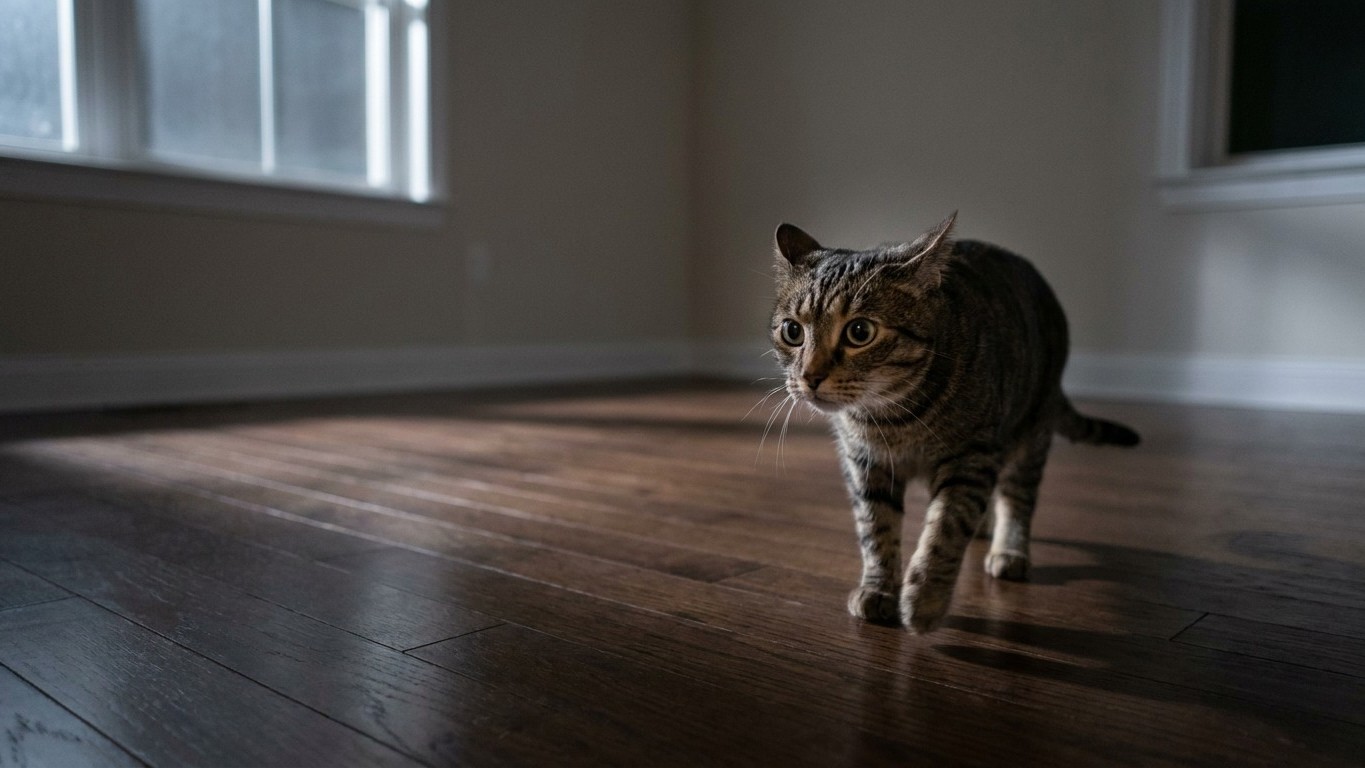
That nightly 3 AM chaos—the racing through hallways, the mysterious wall-yowling, the sudden bursts of energy—might not be playful feline madness after all. Veterinarians warn that sudden changes in nighttime behavior could signal serious health issues like hyperthyroidism, pain, cognitive dysfunction, or hypertension that most cat owners dismiss as normal. Understanding the difference between harmless zoomies and a cry for help could be crucial to your cat’s health.

Why Ammonia Breath in Cats Is a Silent Alarm Vets Say You Must Never Ignore

Why Ammonia Breath in Cats Is a Silent Alarm Vets Say You Must Never Ignore

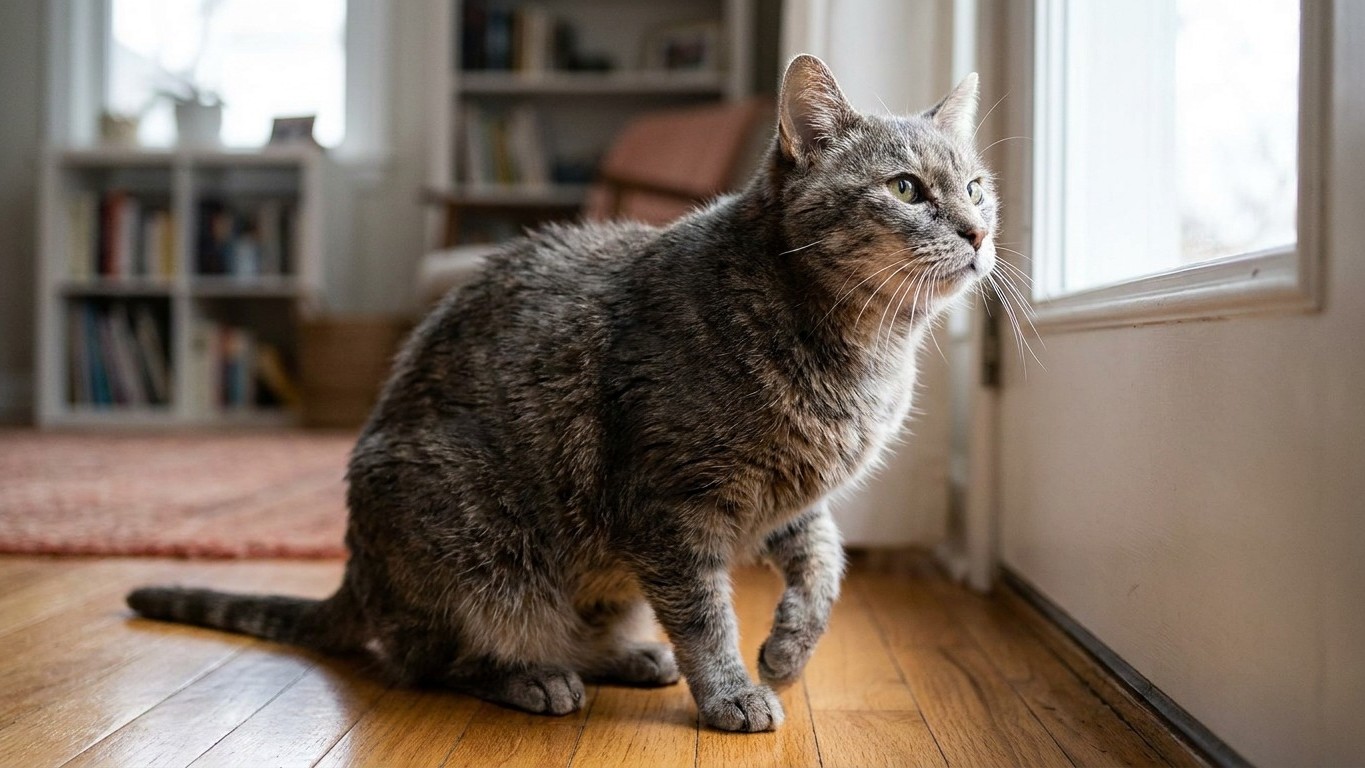
That sharp, chemical smell on your cat’s breath isn’t just bad dental hygiene—it could be a critical early warning sign of kidney disease that appears long before other symptoms. Vets consistently flag ammonia breath as a symptom that demands immediate attention, especially in senior cats, because by the time you notice it, significant organ damage may already have occurred.

Your Cat’s Nighttime Behaviour Could Signal a Hidden Health Problem — Vets Explain the Warning Signs

Your Cat's Nighttime Behaviour Could Signal a Hidden Health Problem — Vets Explain the Warning Signs

That 3am yowling and frantic pacing might seem like typical feline eccentricity, but veterinarians warn these nighttime behaviors can signal serious health issues ranging from cognitive dysfunction to hyperthyroidism. Understanding the difference between normal cat quirks and genuine distress could be crucial for your pet’s wellbeing.