Lost cat after fireworks: why it stays close and how to find it
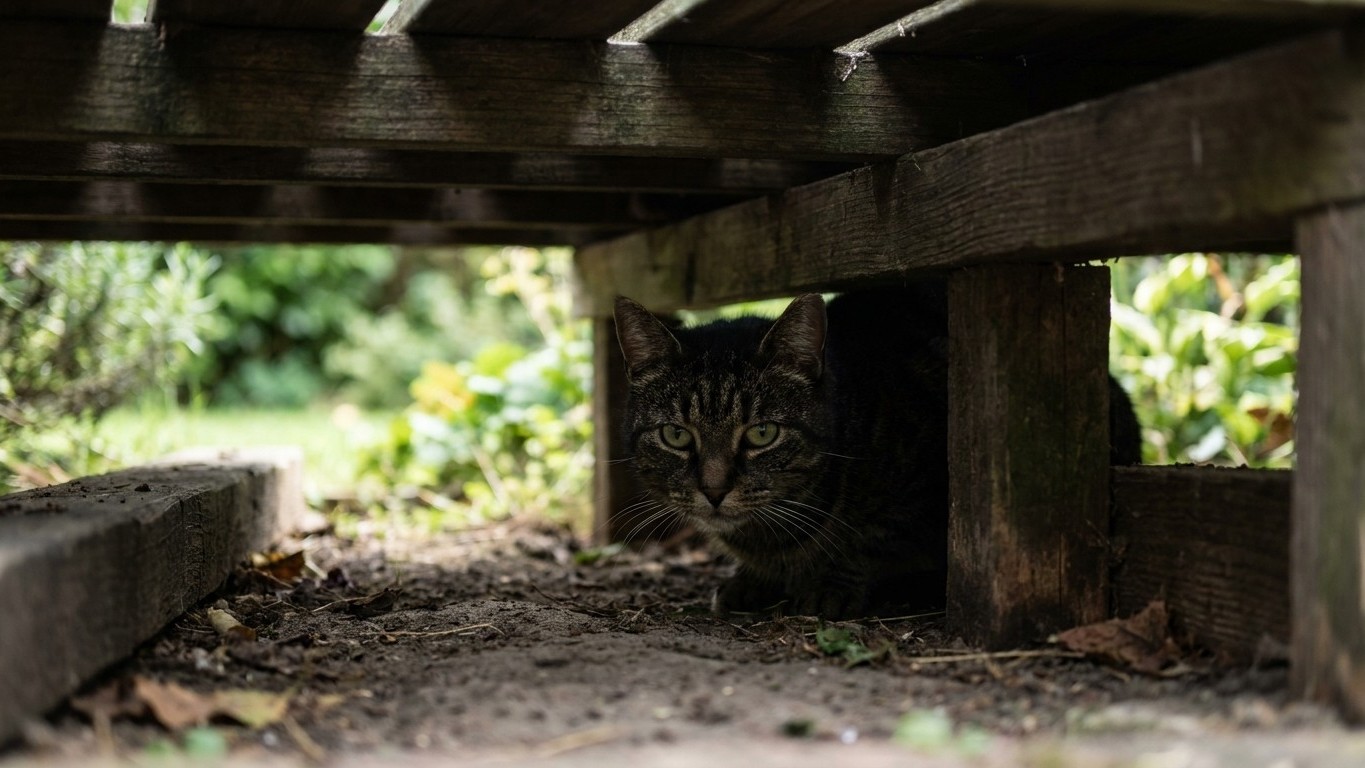
We all widen the search when a cat bolts at the first bang, yet he hasn't left the third garden and it isn't your voice th...

When fireworks send your cat running, it doesn’t dash to safety—it freezes in the nearest hiding spot, often just houses away. The shocking truth: your cat can hear you calling but won’t respond because survival instinct overrides everything else. Discover why fear silences cats and what actually works to bring them back.
What the flehmen response means when a cat curls its lip

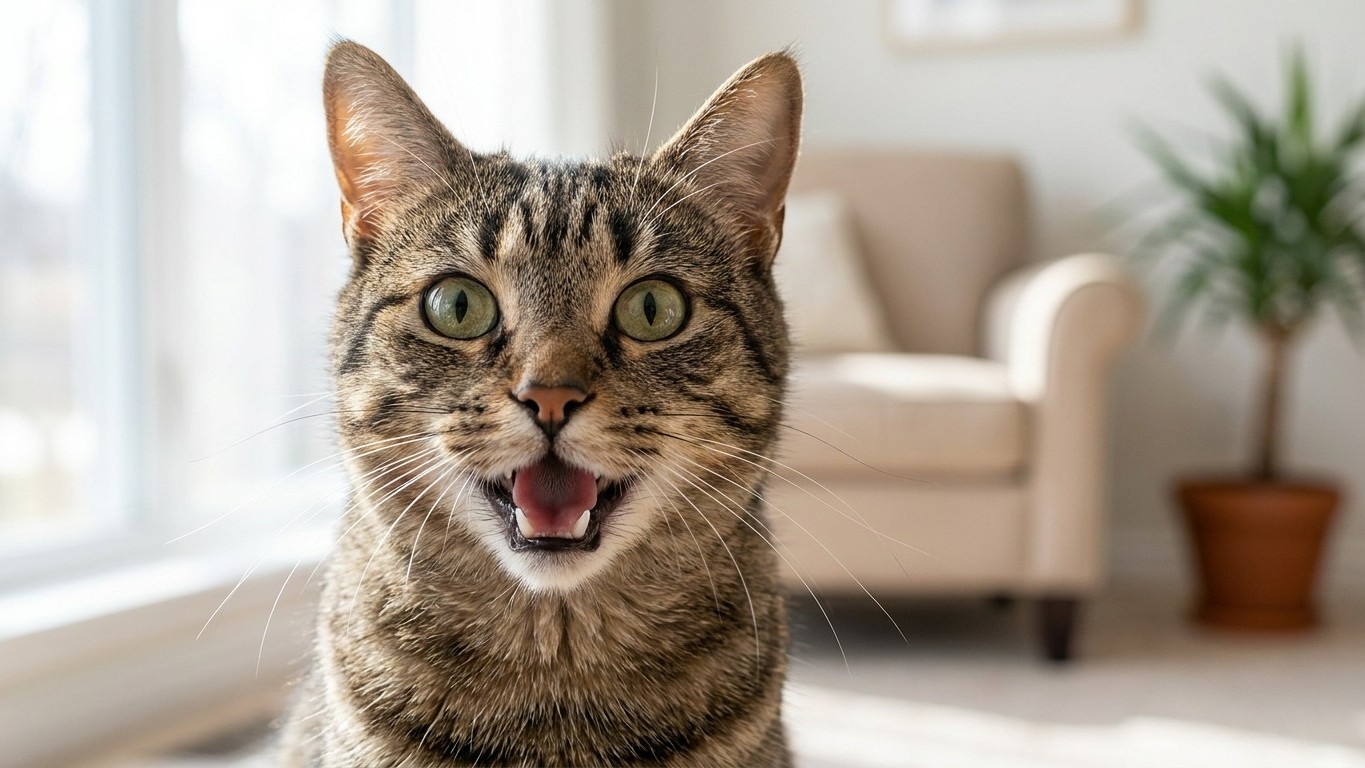
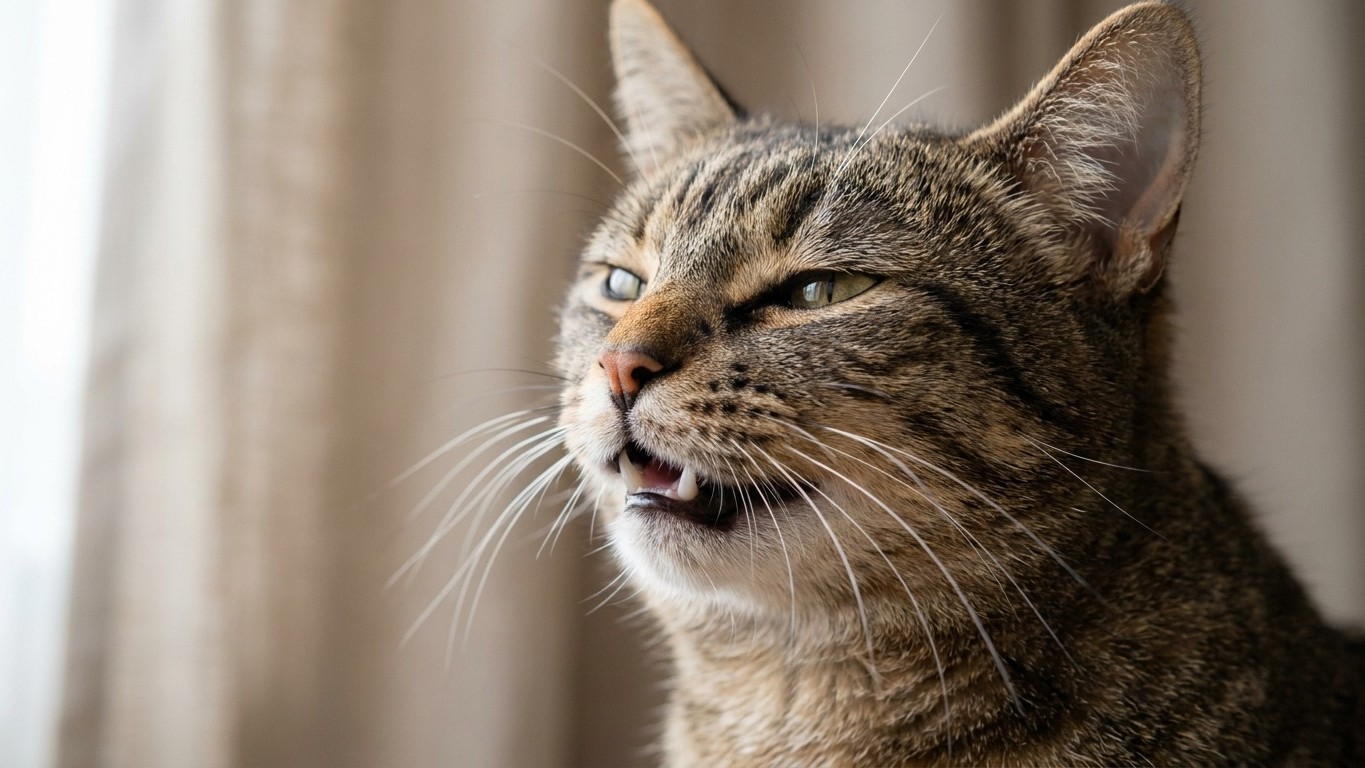
We all think our cat is disgusted when it curls its lip and gapes, yet this reflex is actually a hidden organ analyzing th...

That seemingly disgusted grimace your cat makes isn’t disgust at all—it’s the flehmen response, activating a hidden sensory organ in the roof of its mouth called the vomeronasal organ. This secret second nose allows cats to analyze pheromones and chemical signals with forensic precision, reading detailed identity cards in scent marks that humans can’t even perceive. Understanding this bizarre behavior reveals just how alien and sophisticated your pet’s sensory world truly is.

How to Tell If Your Cat’s Evening Purring Is a Pain Signal

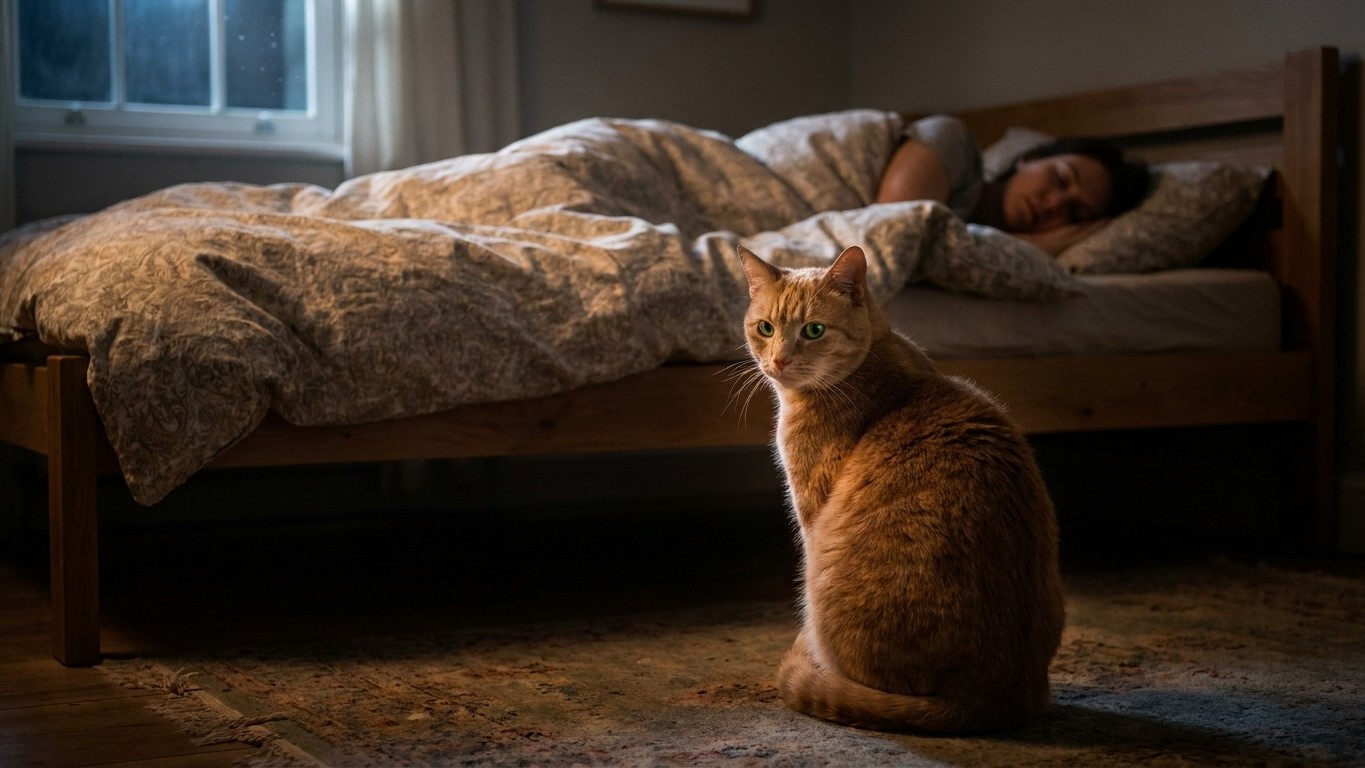
Your Cat's Evening Ritual Might Be a Pain Signal—Vets Reveal the Hidden Warning Signs You're Missing

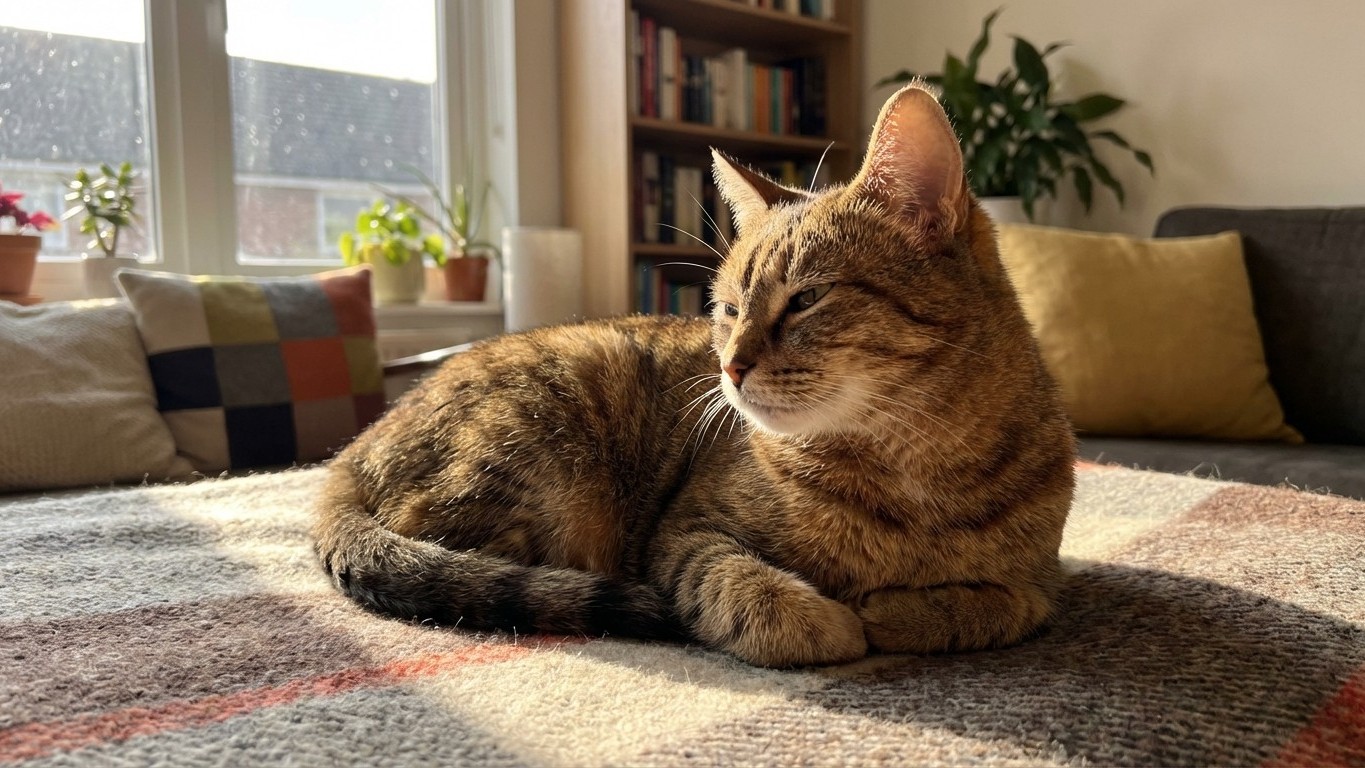
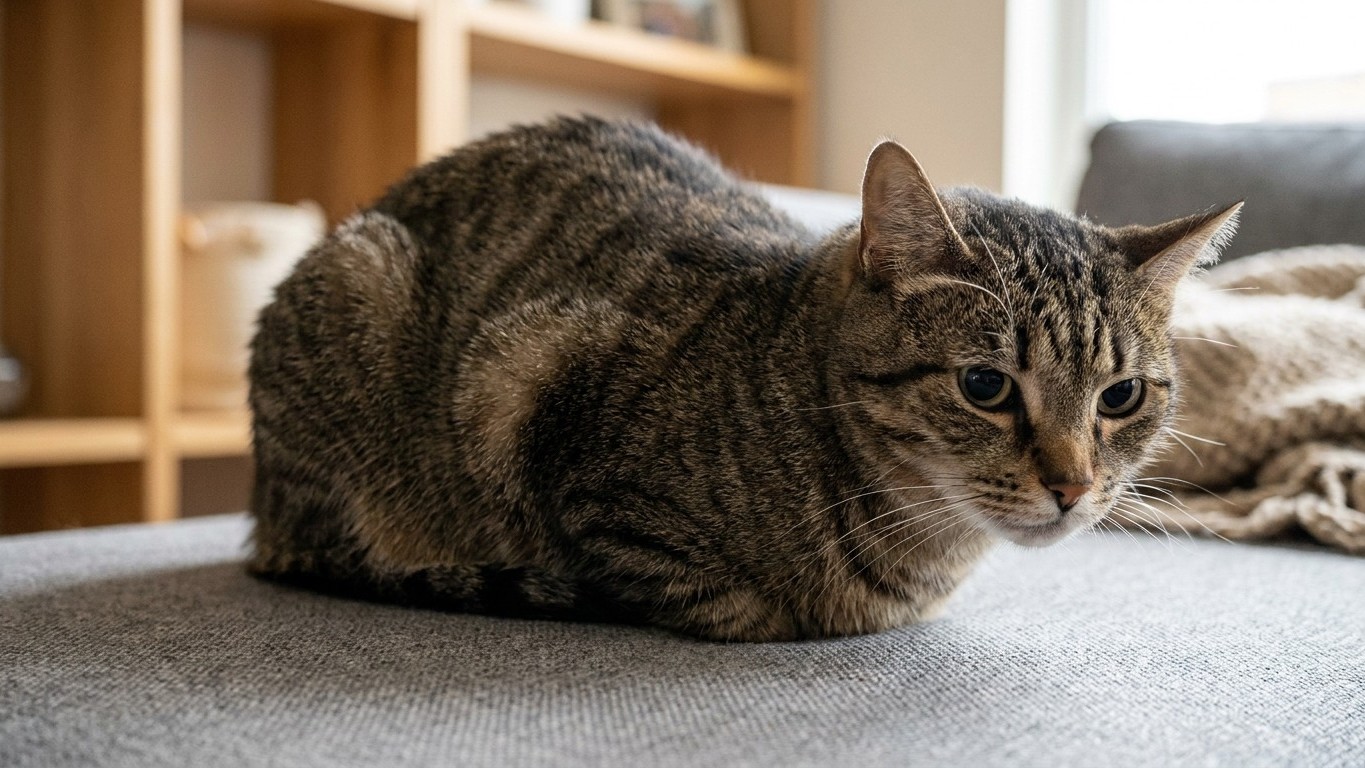
That adorable bread-loaf sitting position and soft purring you think signals contentment may actually indicate your cat is in pain. Veterinarians warn that cats are masters of disguising discomfort due to ancient survival instincts, and by the time obvious symptoms appear, pain may have persisted for weeks or months.

Why Cats Meow Differently at You Than at Other People, Explained

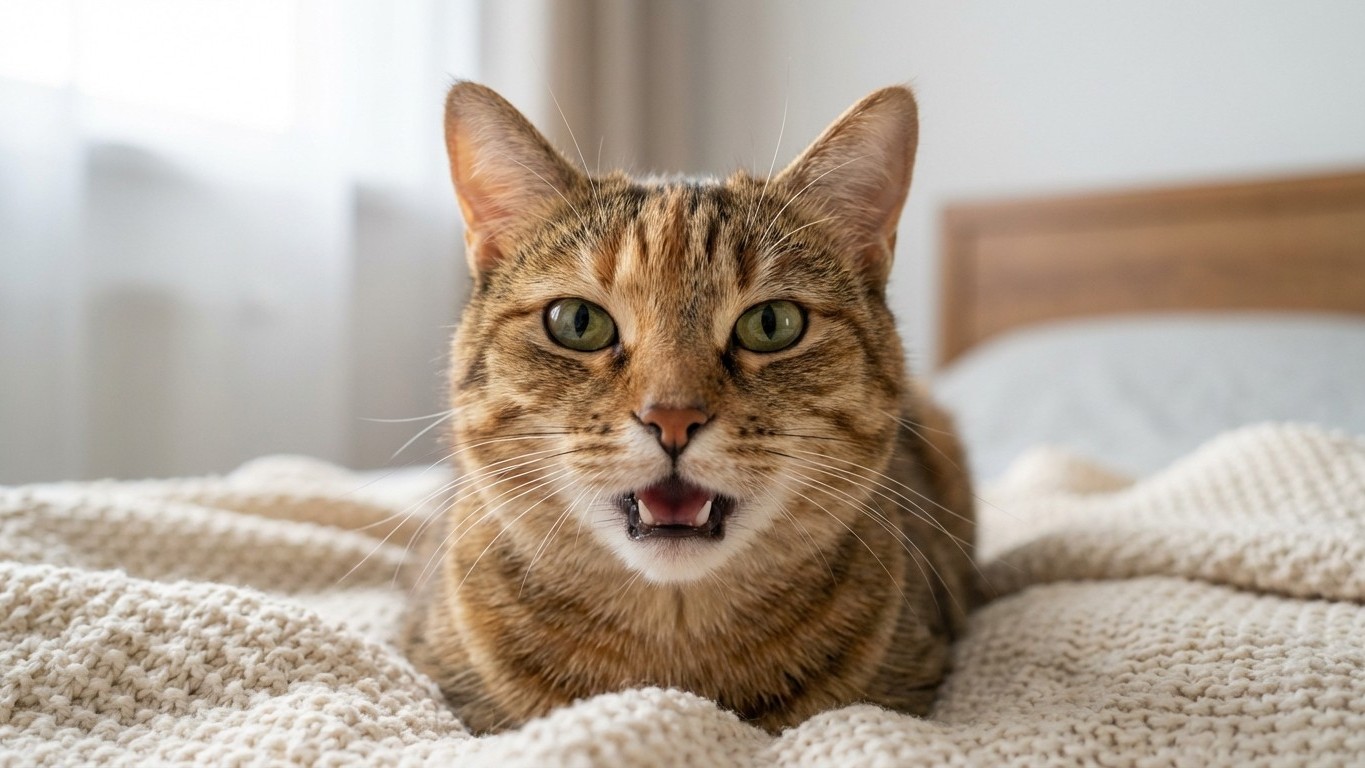
Why Your Cat Meows Differently at You Than Everyone Else — Scientists Finally Explain

Scientists have discovered that cats meow twice as much when male owners come home compared to female owners—and it’s not random. New research reveals cats strategically adjust their vocalizations based on how responsive each person is, suggesting feline communication is far more intelligent and purposeful than we ever realized.

What a cat’s trill means and how it differs from a purr

Your Cat's Trill Is Not a Purr: What That Rolling Sound Really Means

That rolling, musical sound your cat makes isn’t a purr—it’s a trill, and it carries a completely different message. Behaviourists reveal that trills are deliberate social communication with remarkably consistent positive meaning, unlike the ambiguous purr. Understanding this distinction unlocks what your cat is really trying to tell you.