Why does my cat knock things off the table? The real reasons and how to stop it

It is 4am and something hits the laminate with a crack. I lie there in the dark, waiting to find out what my cat has decided to do with my glass this time.

It is 4am and something hits the laminate with a crack. I lie there in the dark, waiting to find out what my cat has decided to do with my glass this time.
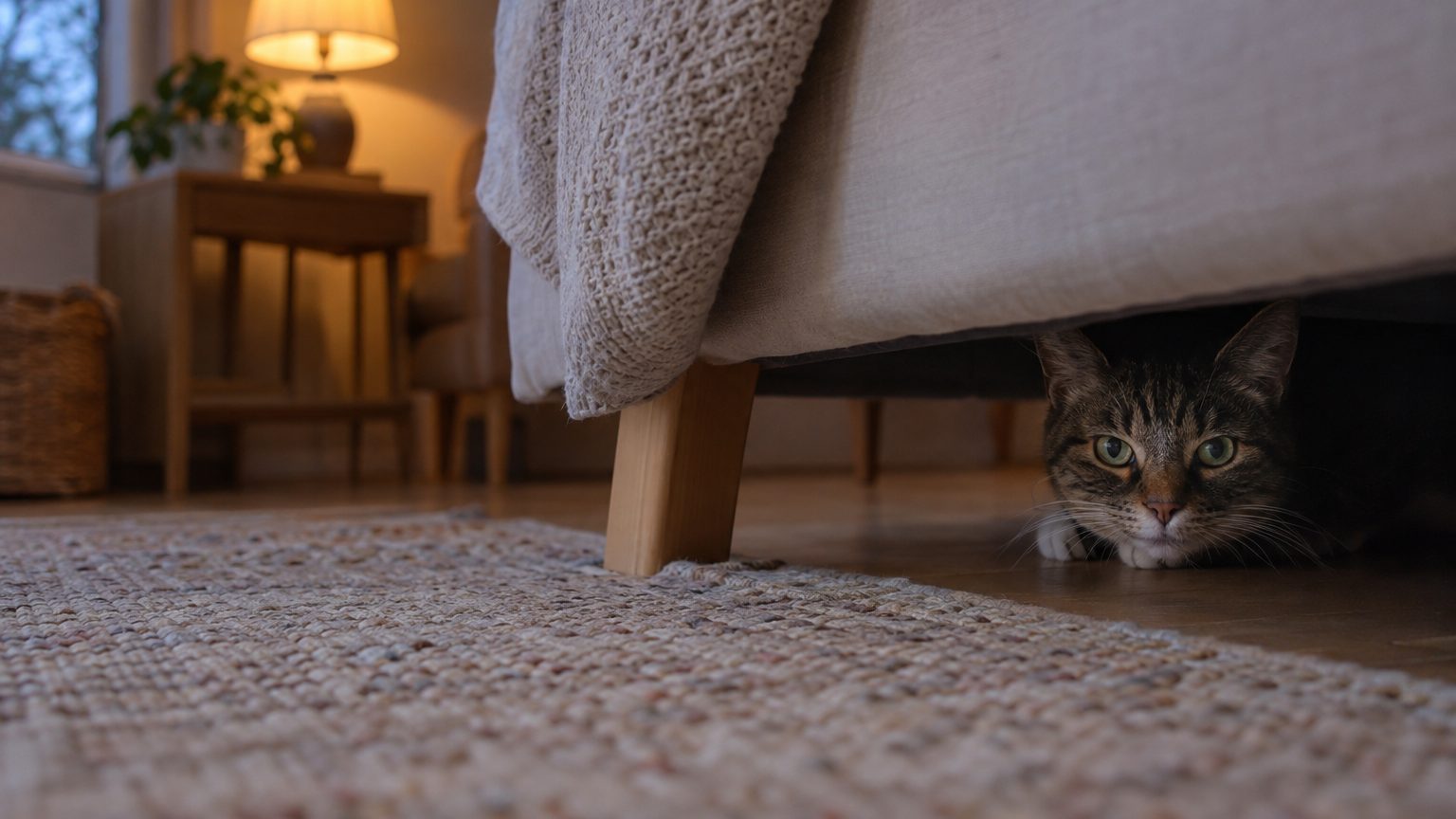
The bangs start long before the sky lights up, and by the time mine did, she had already vanished. What I did in the hour before dusk made all the difference.
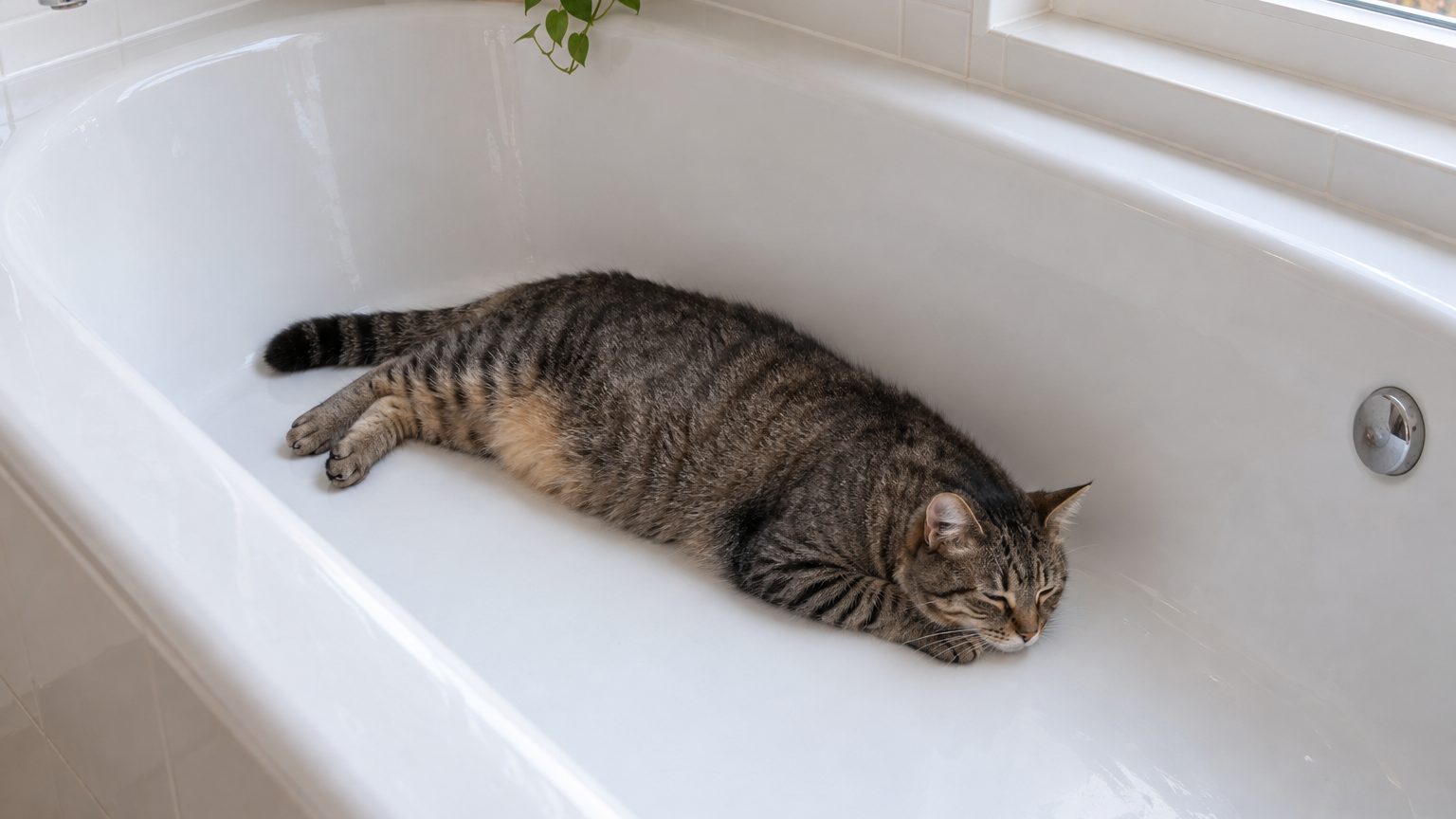
Your cat’s love of the bathtub isn’t about getting wet. From cooling down on hot days to finding a secure hideout, behaviourists identify five overlapping reasons—though one deserves closer attention from pet owners.
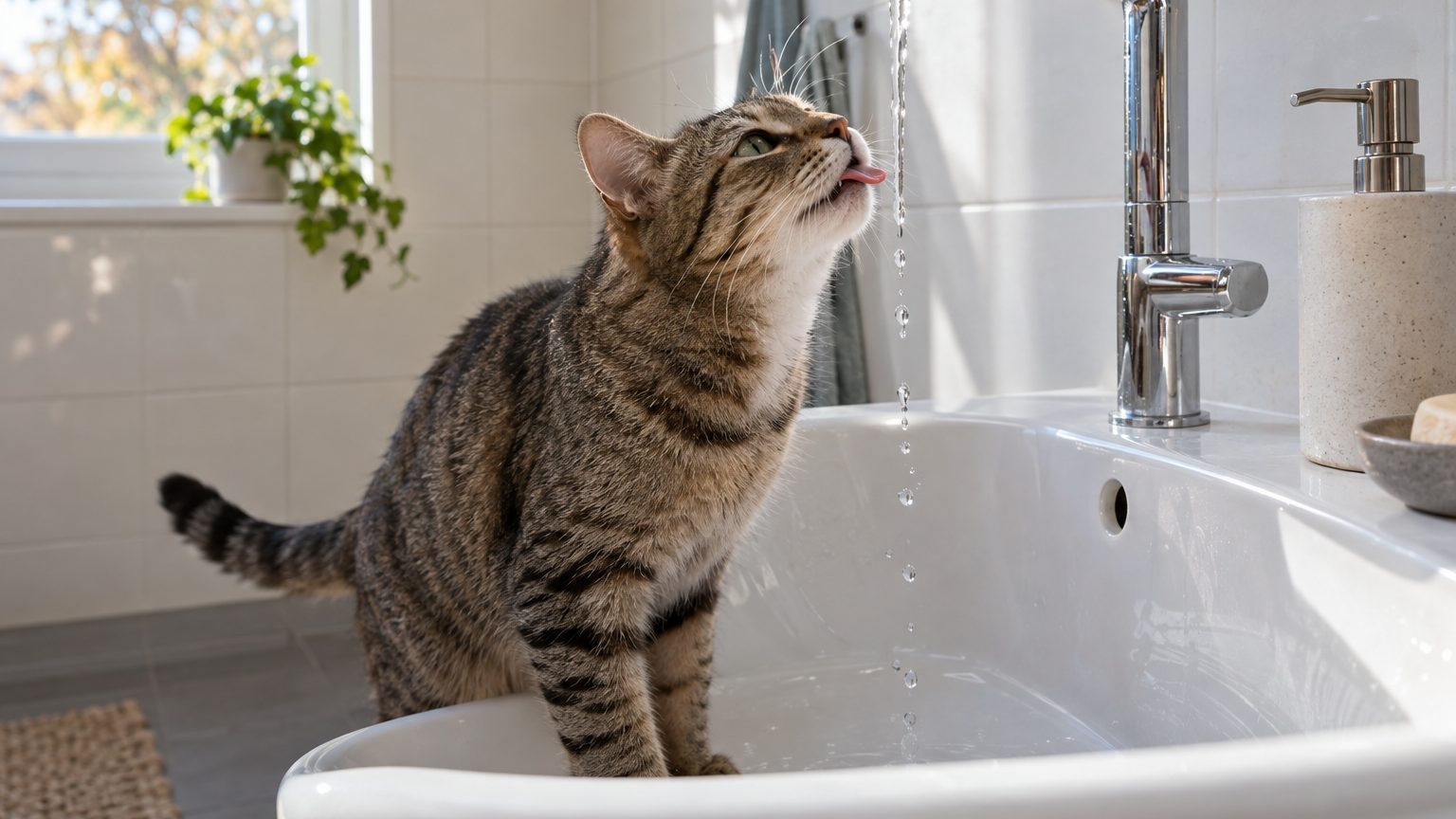
Your cat’s tap obsession isn’t stubbornness—it’s evolution. Running water signals safety to an animal whose ancestors couldn’t risk murky puddles. Discover why this habit happens and practical fixes that actually work.
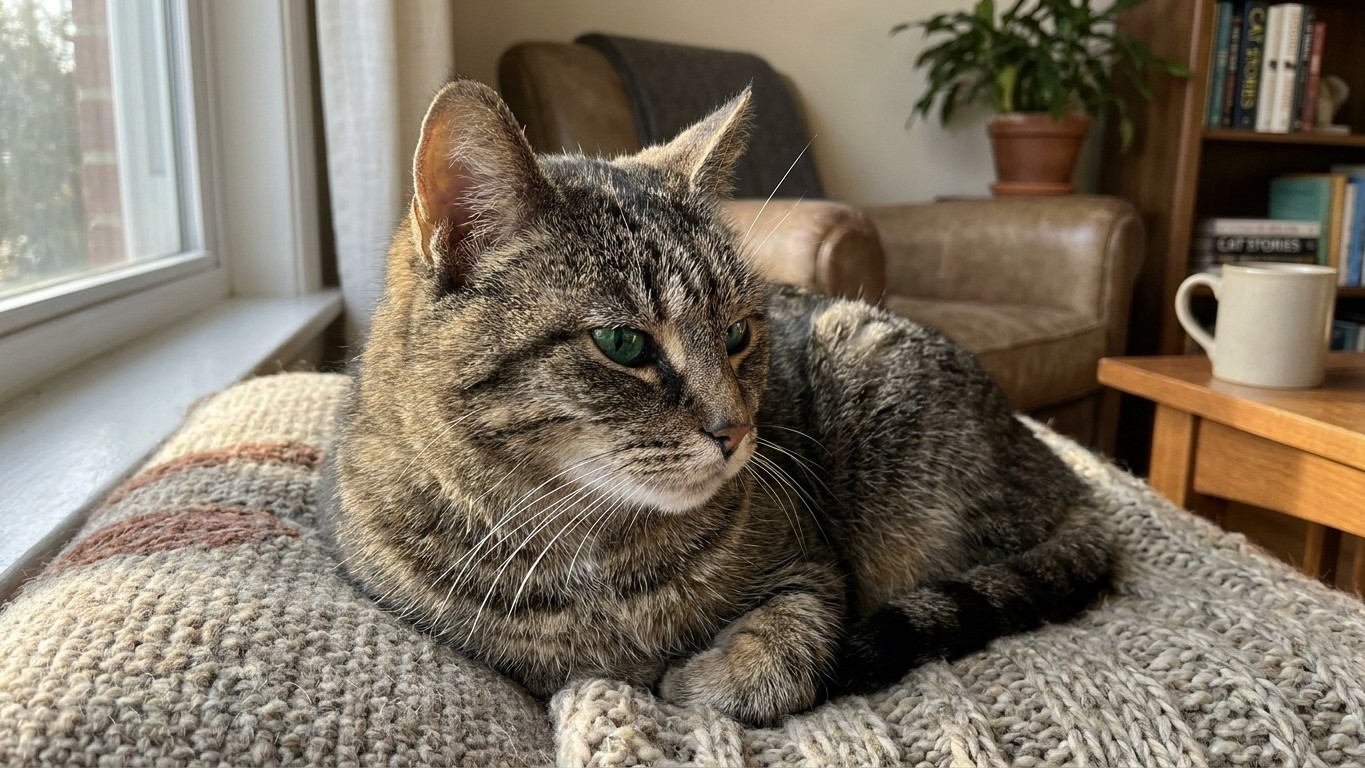
That eleven-year-old cat curled up on your sofa? She’s actually 60 in human years. Vets use the fascinating 15-9-4 rule to explain why a cat’s first year of life does more heavy lifting than any other, and why hitting this milestone changes everything about her care.
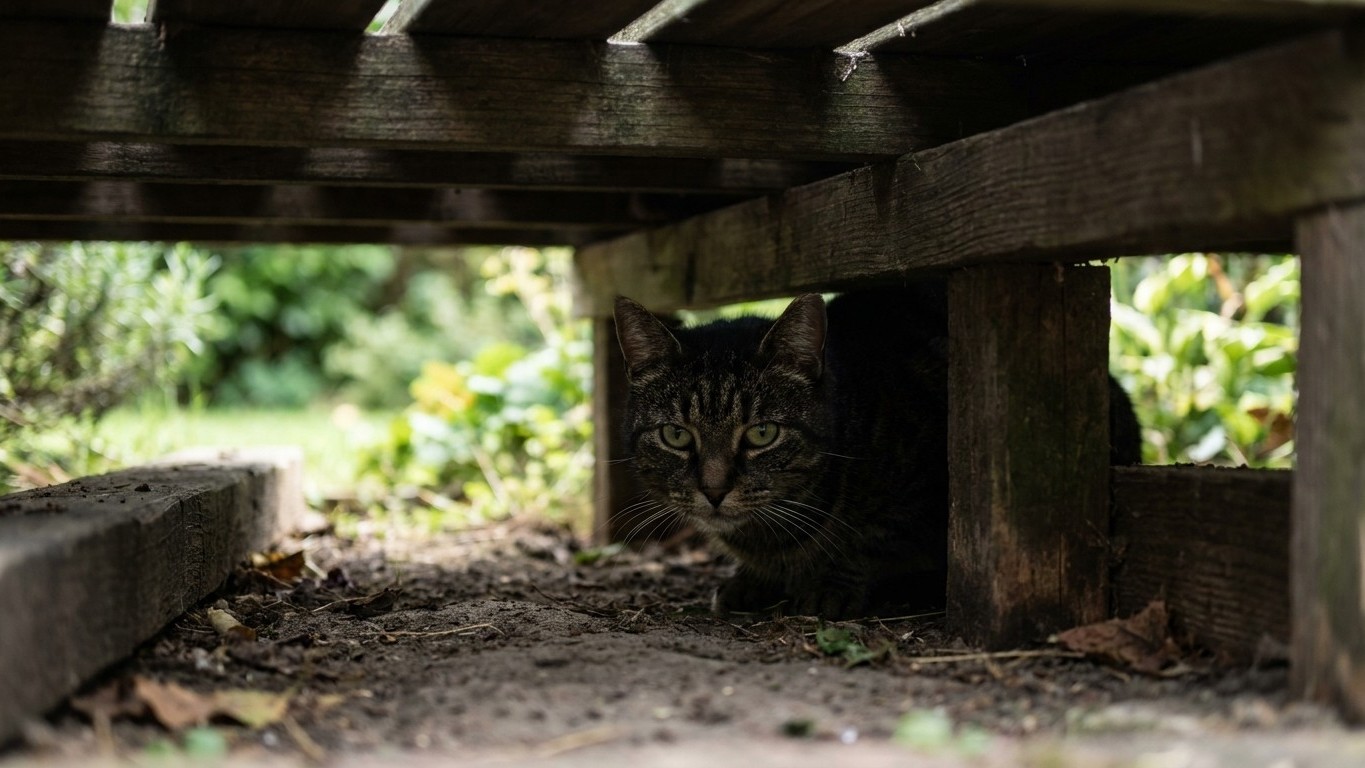
When fireworks send your cat running, it doesn’t dash to safety—it freezes in the nearest hiding spot, often just houses away. The shocking truth: your cat can hear you calling but won’t respond because survival instinct overrides everything else. Discover why fear silences cats and what actually works to bring them back.
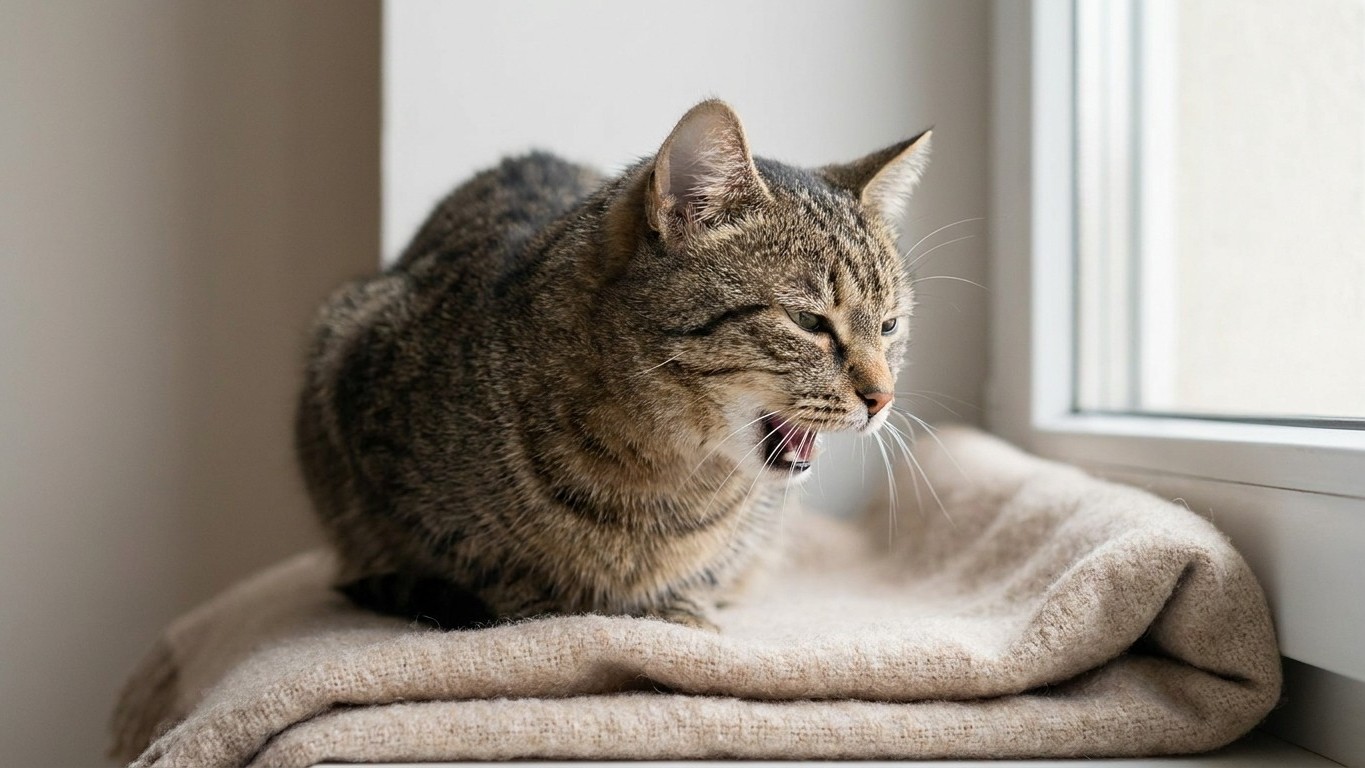
That persistent dry cough you’ve been treating with hairball paste might actually be lungworm—a parasitic infection cats pick up from slugs and snails in the garden. From the invisible life cycle to why diagnosis matters, here’s everything cat owners need to know about this overlooked respiratory threat.
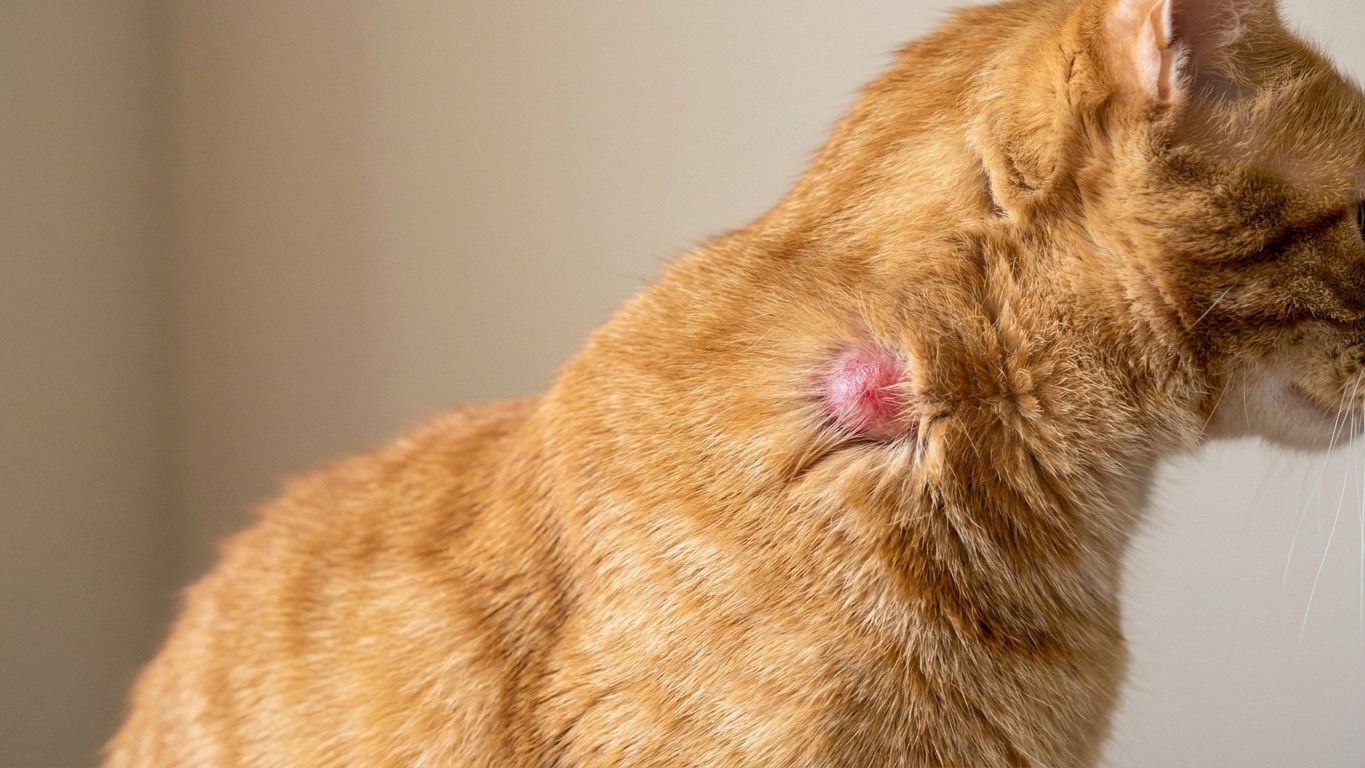
After a fight, that tiny scratch looked harmless—but four days later, a swollen shoulder revealed the real danger lurking beneath. Cat teeth are nature’s syringes, injecting bacteria deep under the skin where it multiplies unseen. Understanding how abscesses form could save your tomcat from serious complications.
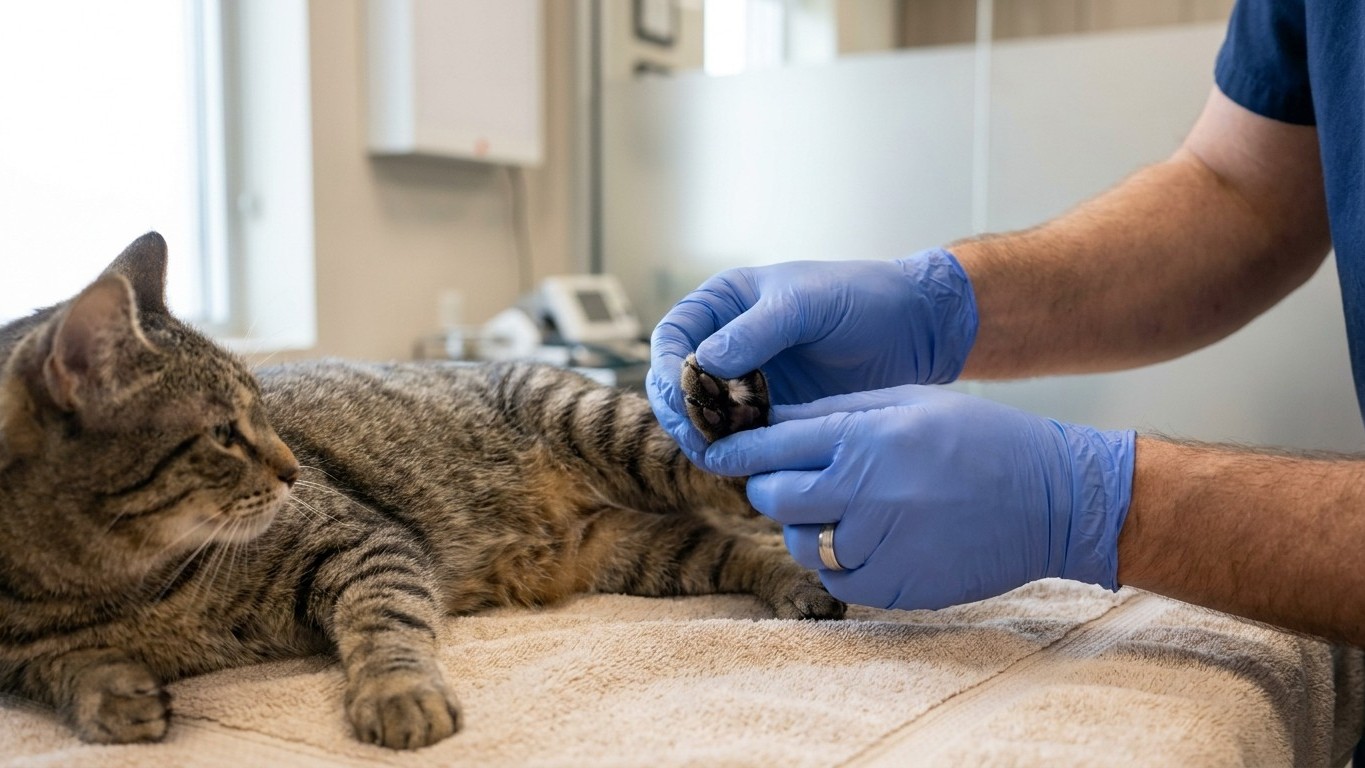
A simple 30-second check between your cat’s toes is the first thing vets do when a cat limps in from dry fields—and it could save you thousands in surgery. Grass seeds with barbed tips are perfectly designed to burrow into the warm gaps between paw pads, often disappearing under the skin within hours. Know what to look for and when to act.
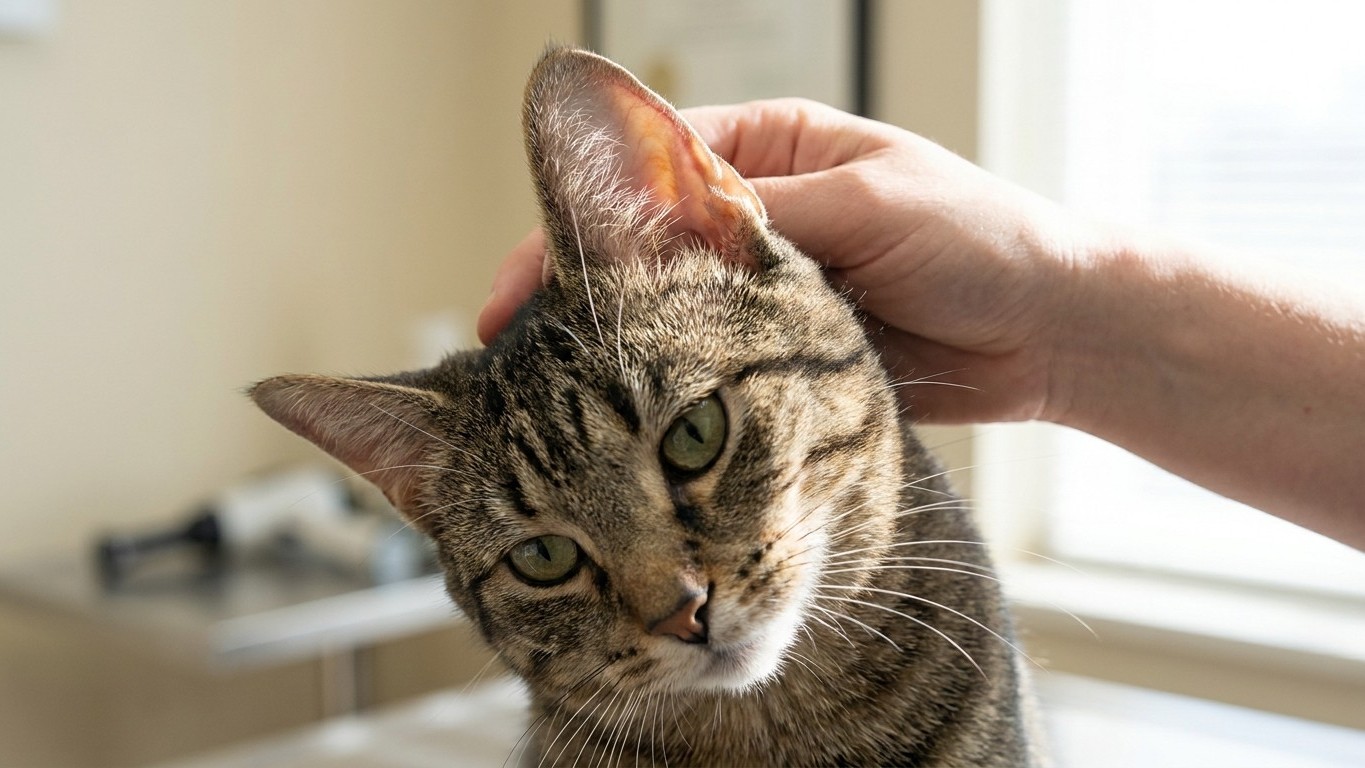
A cat owner’s desperate attempt to stop scratching by doubling flea pipette reveals a common misdiagnosis: ear mites, not fleas. That orange dust in the ear folds is a telltale sign of a completely different parasite requiring targeted treatment, not overdosed medication.
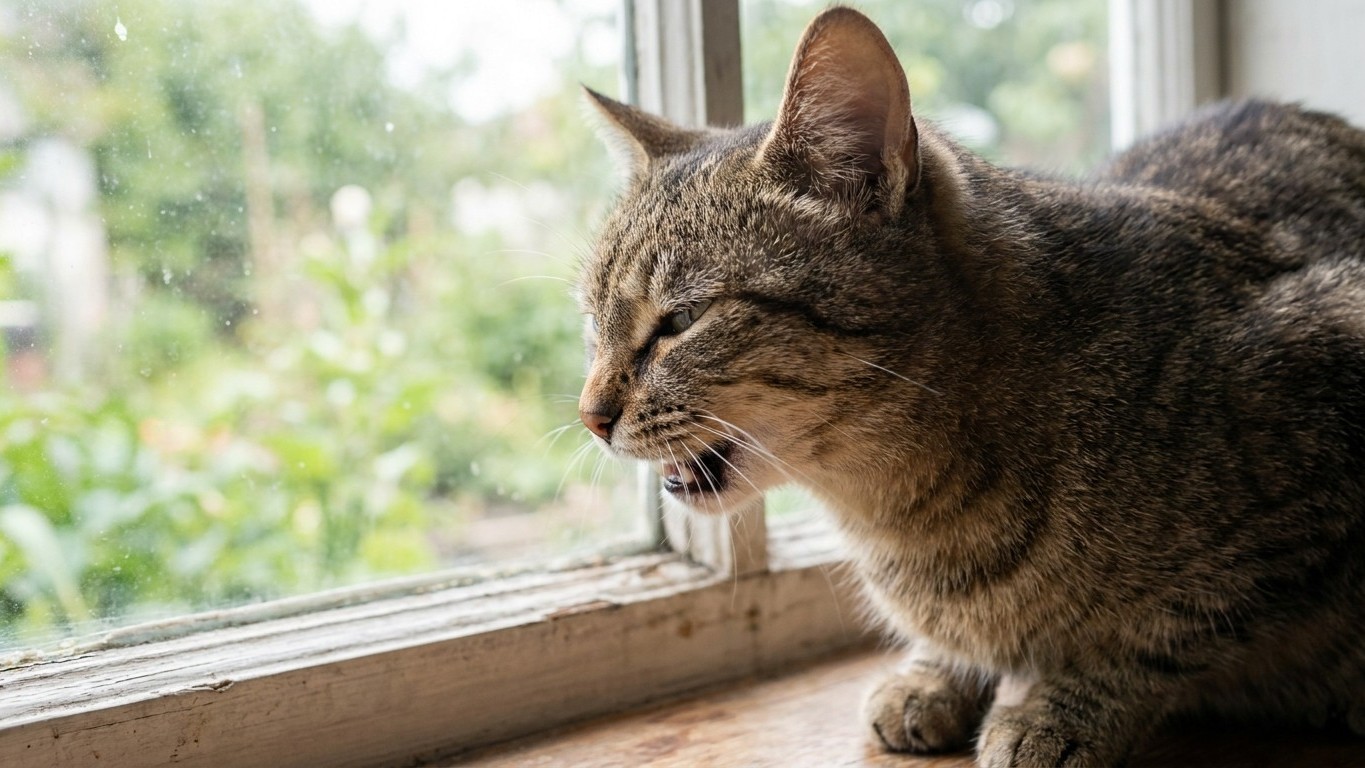
A persistent dry cough that sounds like a hairball attempt but produces nothing can mask a dangerous parasitic infection. One owner spent eight months treating the wrong condition until a stool sample revealed the truth: lungworm picked up from an unsuspecting garden snack.
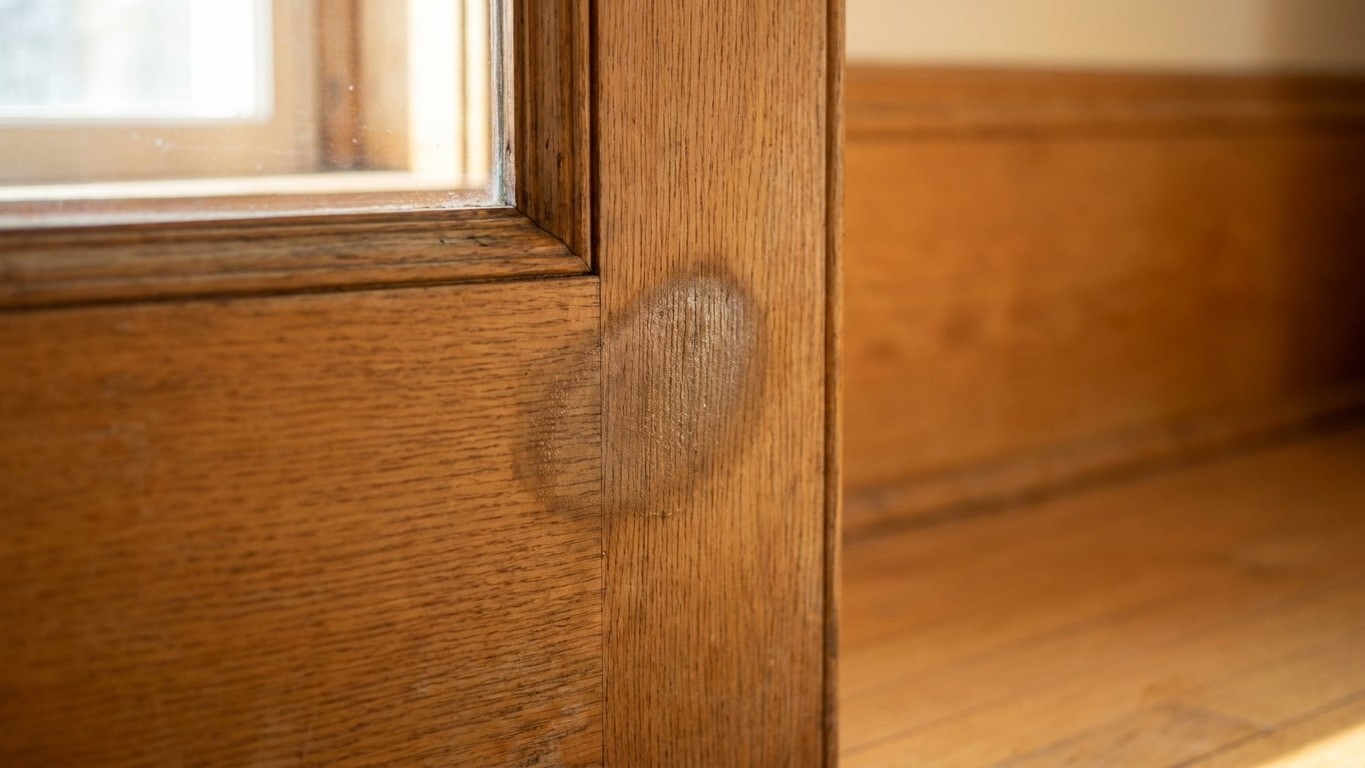
That oily smudge your cat leaves on the door frame isn’t dirt—it’s a chemical love letter loaded with pheromones. But here’s what most cat owners don’t realize: when that mark suddenly stops appearing, it might be one of the earliest warning signs that something’s seriously wrong with your feline friend.