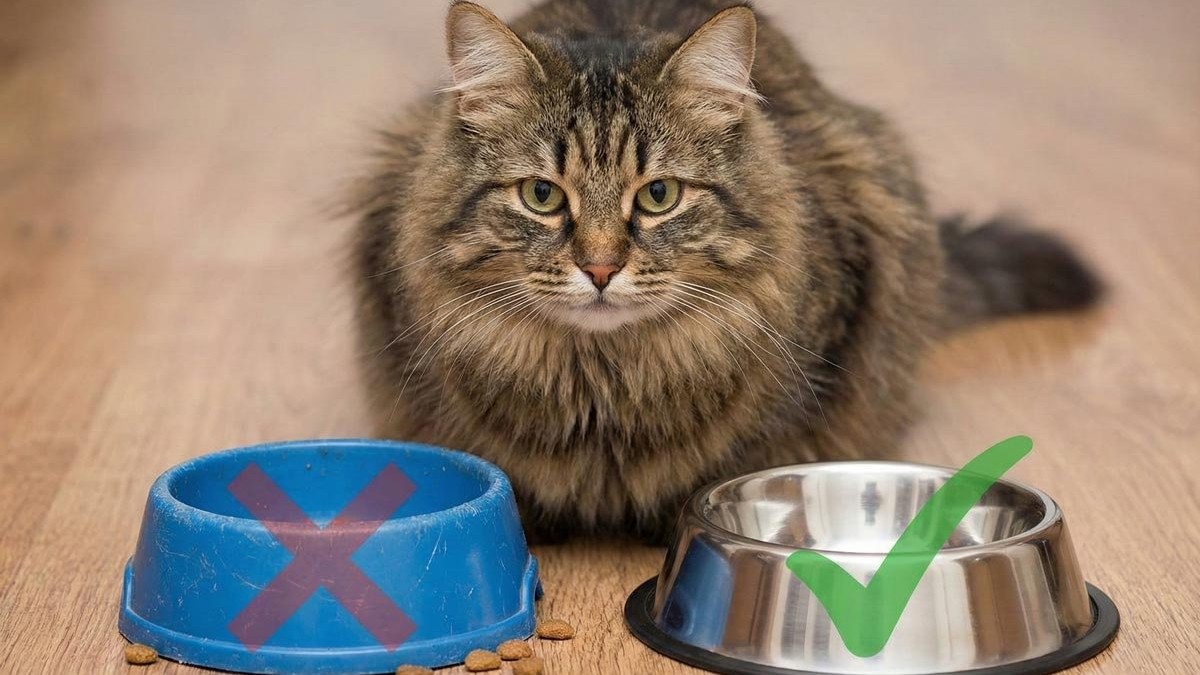
Are scratched plastic cat bowls safe to use for food?

The Hidden Danger Lurking in Your Cat's Plastic Bowl: What Scientists Found Will Shock You

That innocent-looking plastic bowl your cat eats from daily harbors bacteria, mold, and harmful chemicals that veterinarians say pose serious health risks. From feline chin acne to systemic inflammation, the consequences of using worn plastic bowls extend far beyond what meets the eye—and the solution is simpler than you think.

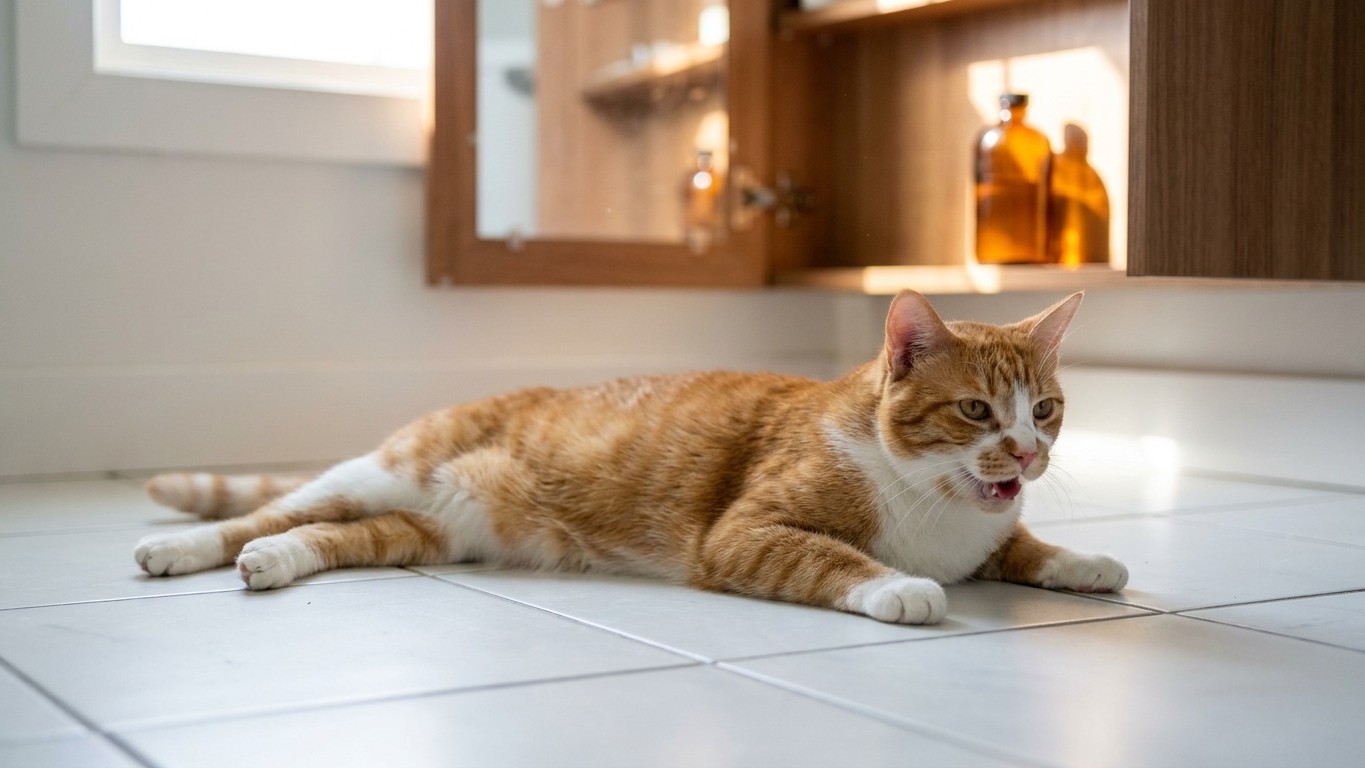
Can heat make cat flea pills and spot-on treatments toxic?

Why Your Cat's Summer Pills Could Be Toxic: What Vets Don't Always Tell You About Heat Storage

Every summer, pet owners unknowingly store their cat’s antiparasitic medications in ways that cause them to break down in just hours, potentially creating harmful compounds. A vet reveals the shocking science behind temperature excursions and shows you exactly where medications degrade fastest in your home.

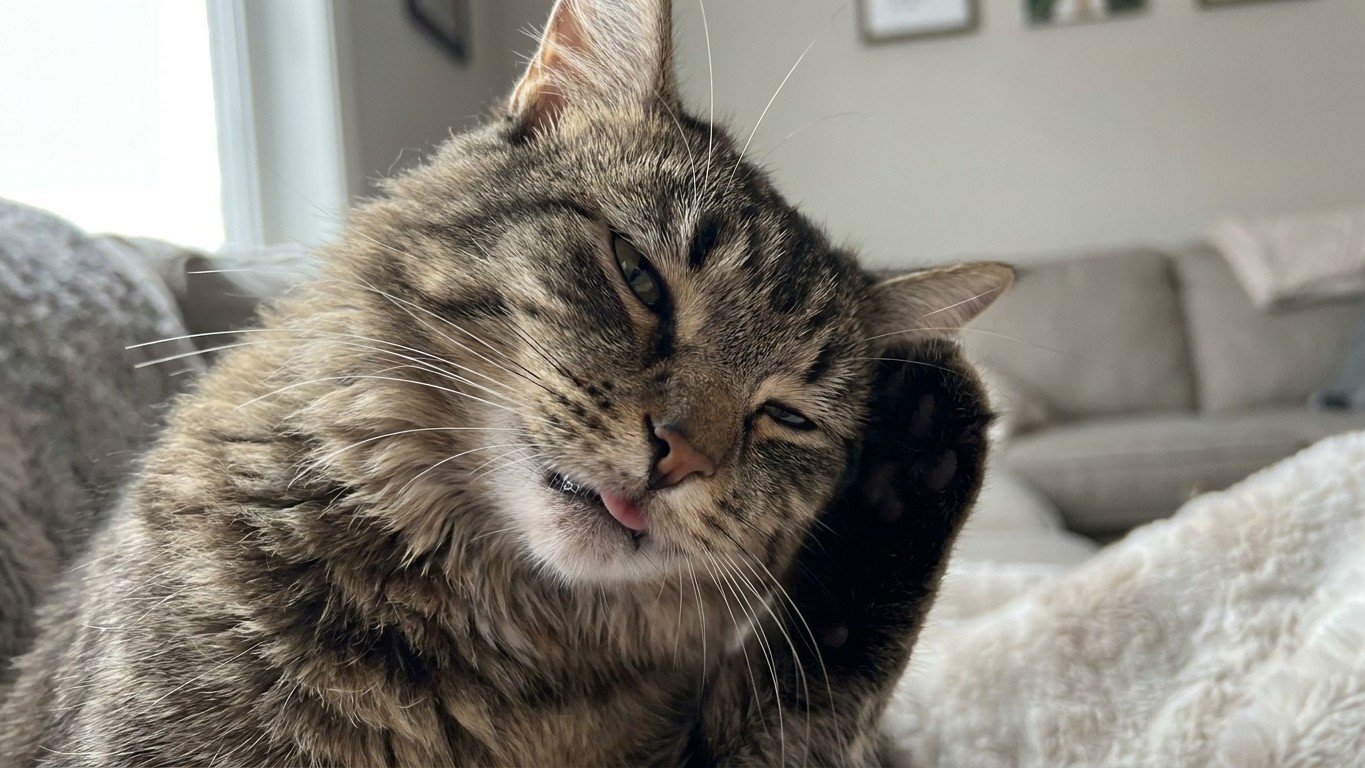
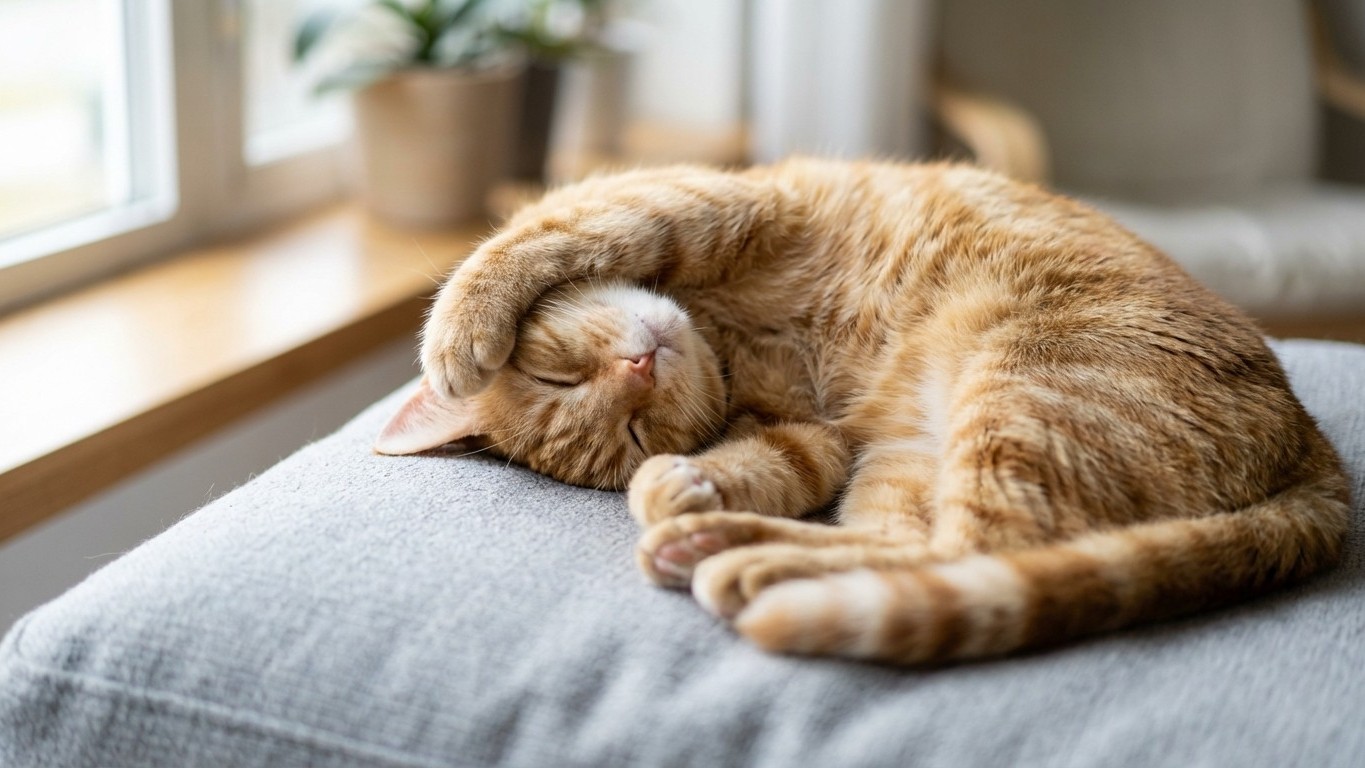
Why cats sleep with paws over their eyes and what it means

Why Your Cat Sleeps With Paws Over Their Eyes: What Vets Say It Really Means

That adorable pose of your cat sleeping with paws pressed over their eyes is more than just cute—it’s a window into their wellbeing. Veterinarians explain the surprising reasons behind this behavior, from temperature regulation to deep sleep cycles, and what it reveals about your feline friend’s comfort and emotional state.

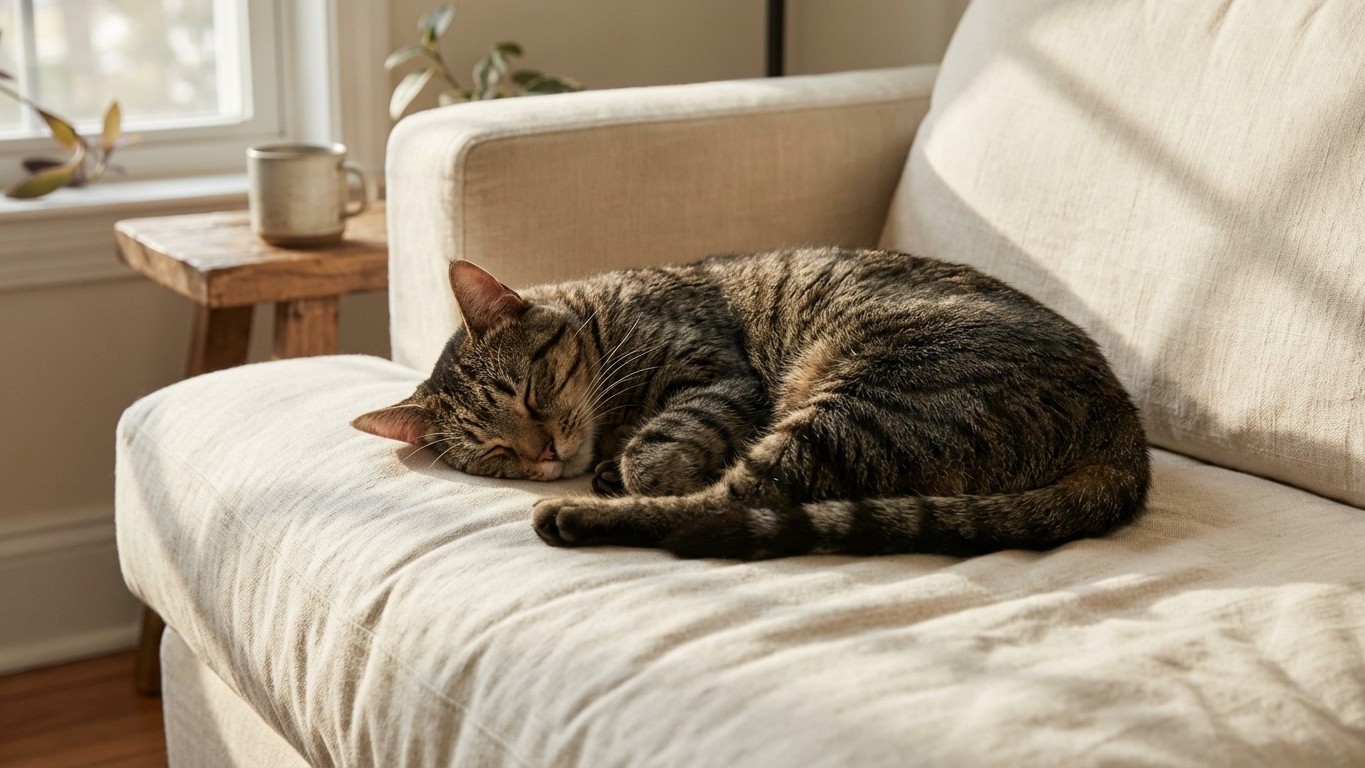
Why Waking Your Cat in the Morning Can Harm Their Health

Stop Waking Your Cat in the Morning — Here's Why It's Damaging Their Health

That sweet morning greeting with your sleeping cat might feel like bonding, but it’s actually disrupting their natural sleep patterns in ways that cause lasting stress. Cats need 12-16 hours of uninterrupted sleep daily, and waking them during dawn — their deepest rest window — can trigger behavioral problems you might not connect to sleep deprivation.