Why Your Cat Leaves Dead Mice (and Toys) on Your Bed at 3 AM—And What It Really Means

Why Your Cat Leaves Dead Mice (and Toys) on Your Bed at 3 AM—And What It Really Means

That toy mouse appearing by your pillow at 3 a.m. isn’t random—your cat believes you’re a desperately poor hunter who needs training. Rooted in deep feline instinct and family bonds, this behavior reveals how cats view you as part of their tribe.

Why Your Cat Knocked Over That Glass: It’s Not Chaos, It’s Intelligence

Why Your Cat Knocked Over That Glass: It's Not Chaos, It's Intelligence

That glass your cat just shoved off the counter wasn’t an accident—it was intentional data collection. Behind every seemingly destructive swipe lies millions of years of predatory evolution, sophisticated sensory exploration, and surprisingly clever manipulation tactics designed to get your attention.

The Hidden Spring Secret Driving Your Indoor Cat Wild: It’s Not What You Think

The Hidden Spring Secret Driving Your Indoor Cat Wild: It's Not What You Think

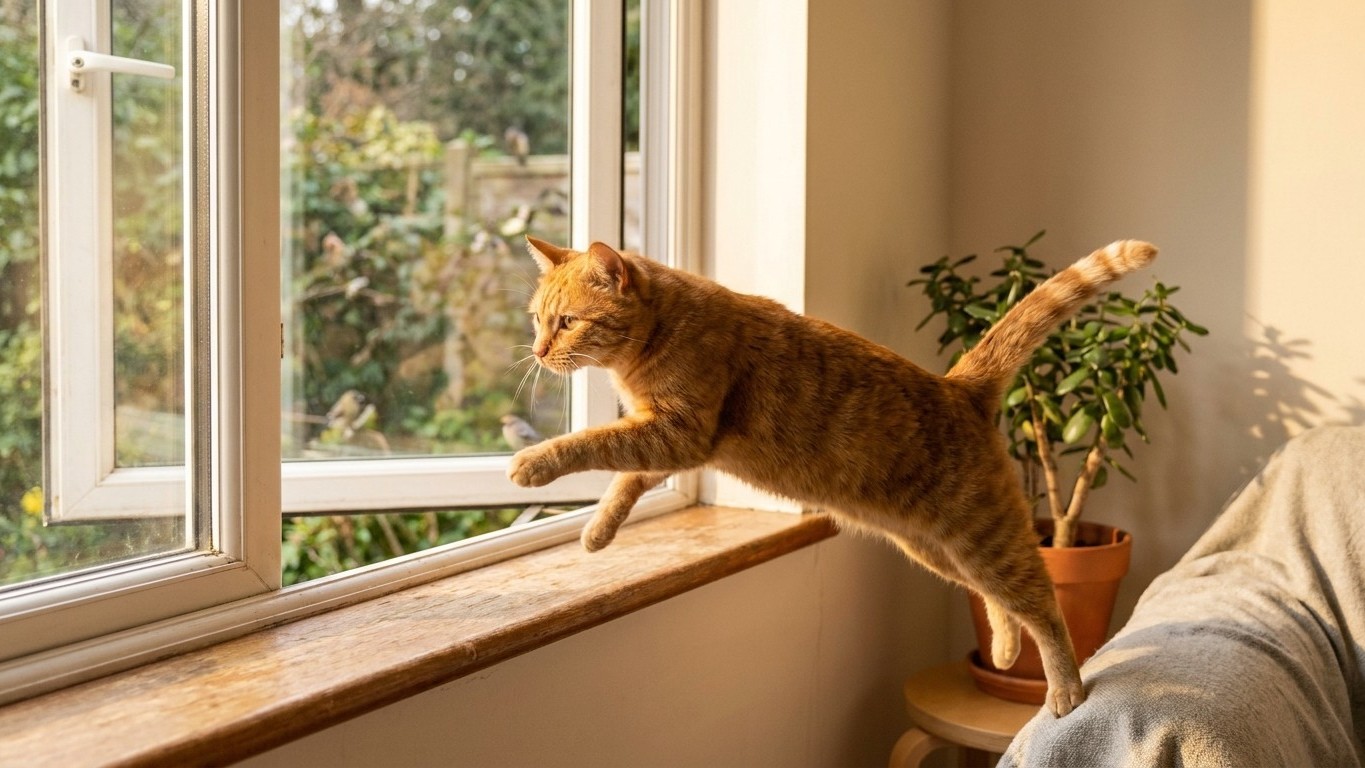
Every spring, indoor cats seem to lose their minds—pacing, yowling, launching themselves off furniture. But it’s not the birds or the breeze. The real culprit is an invisible chemical world: pheromones drifting through your window that your cat’s extraordinary sensory system picks up in vivid, maddening detail.

Why Cats Survive 7-Story Falls Better Than 2-Story Falls: The Counterintuitive Physics Behind High-Rise Syndrome

Why Cats Survive 7-Story Falls Better Than 2-Story Falls: The Counterintuitive Physics Behind High-Rise Syndrome

Veterinarians have long known a paradoxical truth: cats falling from higher floors often survive with fewer injuries than those falling from lower heights. This counterintuitive discovery in feline medicine reveals how physics, terminal velocity, and the cat’s remarkable righting reflex combine to create an unexpected survival advantage—but there’s a dark catch.

Why Cats Eat Grass: Scientists Finally Solve the 12-Year Mystery of Feline Plant Behavior

Why Cats Eat Grass: Scientists Finally Solve the 12-Year Mystery of Feline Plant Behavior

For over a decade, researchers have been studying why cats eat grass, and the answer is far more fascinating than an upset stomach. New evidence suggests cats are performing an ancient, hardwired behavior passed down through millions of years of evolution—one that may serve multiple purposes from parasite control to hairball management.

Why Your Cat Sleeps With Paws Over Their Eyes: What Vets Say It Really Means

Why Your Cat Sleeps With Paws Over Their Eyes: What Vets Say It Really Means

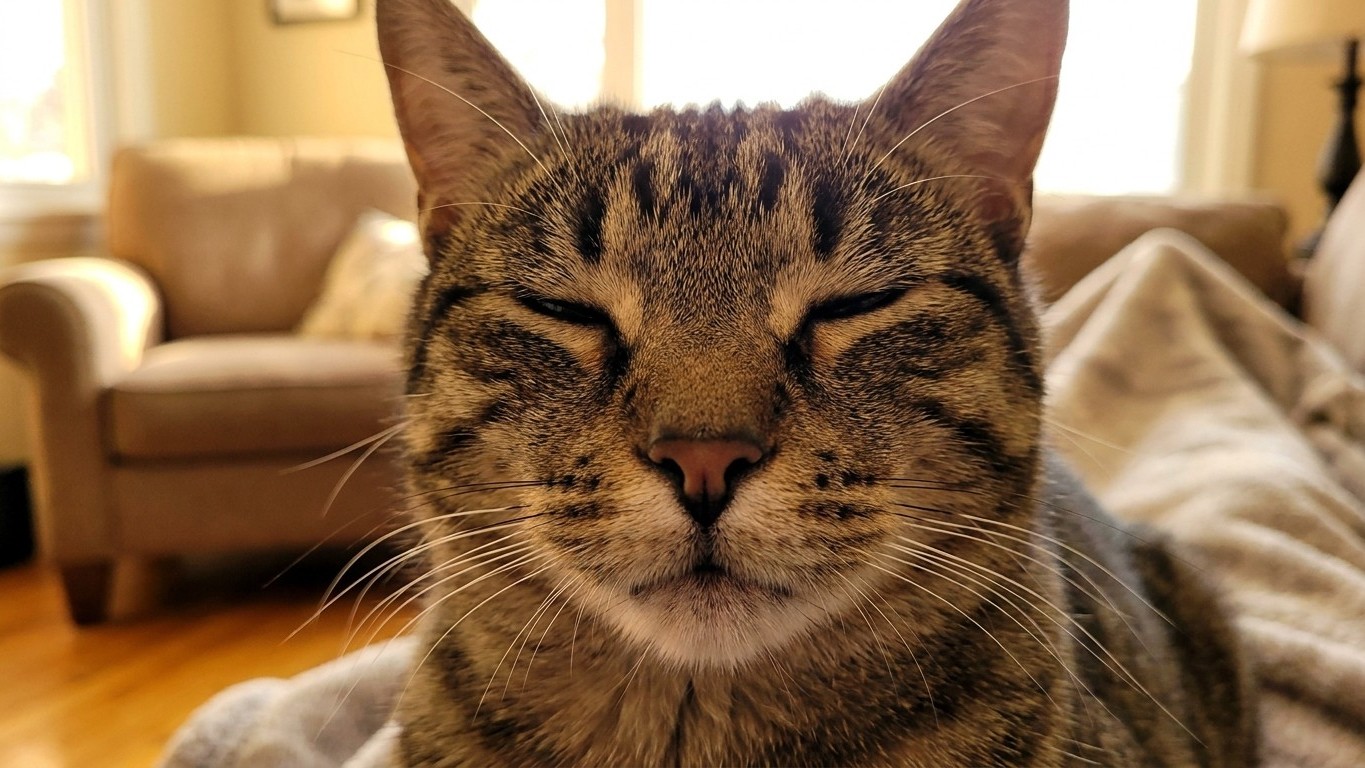
That adorable pose of your cat sleeping with paws pressed over their eyes is more than just cute—it’s a window into their wellbeing. Veterinarians explain the surprising reasons behind this behavior, from temperature regulation to deep sleep cycles, and what it reveals about your feline friend’s comfort and emotional state.

Your Cat’s Trill Is Not a Purr: What That Rolling Sound Really Means

Your Cat's Trill Is Not a Purr: What That Rolling Sound Really Means

That rolling, musical sound your cat makes isn’t a purr—it’s a trill, and it carries a completely different message. Behaviourists reveal that trills are deliberate social communication with remarkably consistent positive meaning, unlike the ambiguous purr. Understanding this distinction unlocks what your cat is really trying to tell you.

Indoor Cats Thrive in Flats: The Best Breeds for Apartment Living Without a Garden

Indoor Cats Thrive in Flats: The Best Breeds for Apartment Living Without a Garden

Living in a flat without a garden doesn’t doom your cat to misery—if you choose the right breed. Certain cats are genetically wired for indoor life, while others will drive you mad pacing at 3am. Learn which breeds truly thrive between four walls and what every indoor cat actually needs.

What Your Cat’s Tail Position Really Means: The Hidden Language You’ve Been Missing

What Your Cat's Tail Position Really Means: The Hidden Language You've Been Missing

Your cat’s tail is constantly communicating, but most owners completely miss the signs. A low tail doesn’t mean contentment—it signals anxiety. A slow sway isn’t relaxation—it’s focused irritation. Once you learn this secret language, your relationship with your cat will transform.