Why Your Cat’s Plastic Chewing Habit Is a Silent Distress Signal You’re Missing

Why Your Cat's Plastic Chewing Habit Is a Silent Distress Signal You're Missing

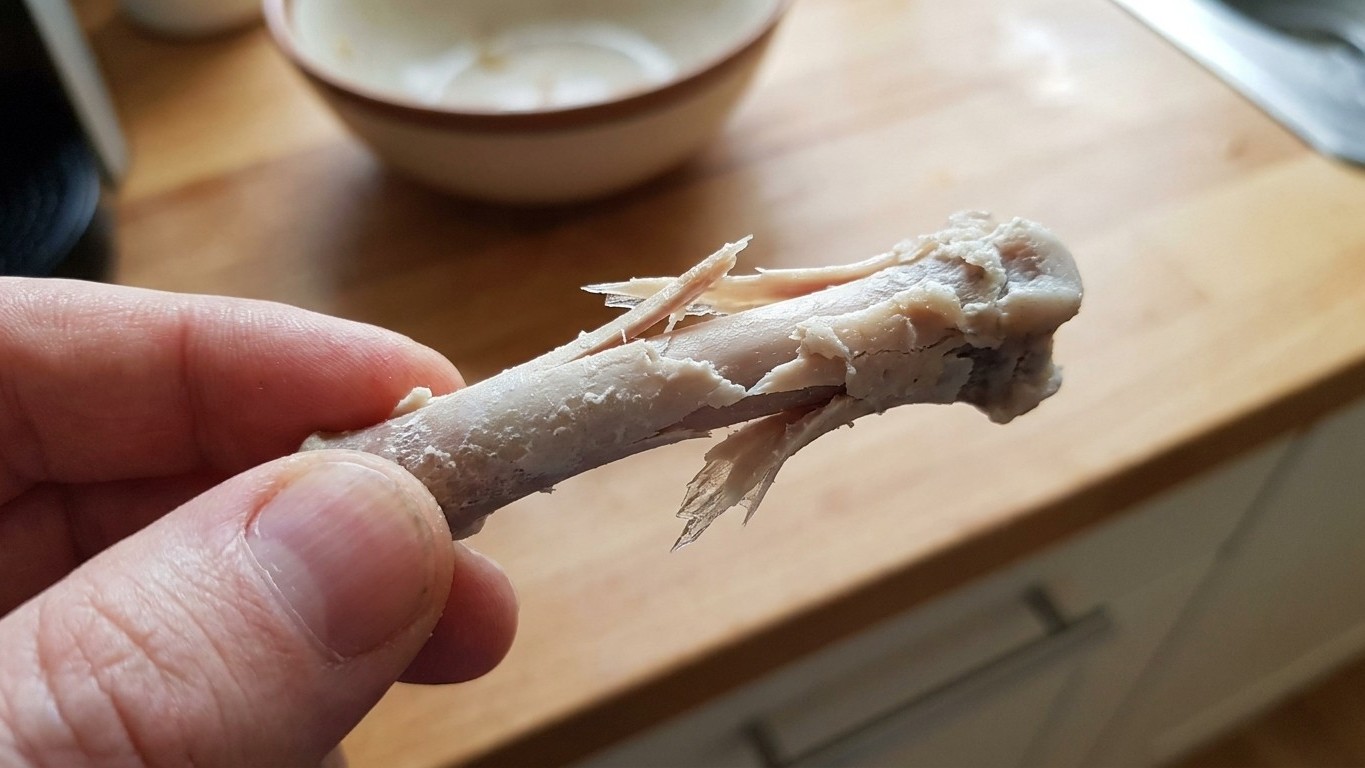
That adorable video of your cat gnawing on a plastic bag might actually be a cry for help. Pica in cats—compulsive chewing of non-food items—can indicate stress, medical conditions, or even breed-specific genetic predispositions. Understanding the difference between quirky behavior and dangerous habits could save your cat’s life.

Stop Mistaking Cat Squinting for Happiness — Vets Say It’s Often a Sign of Serious Pain

Stop Mistaking Cat Squinting for Happiness — Vets Say It's Often a Sign of Serious Pain

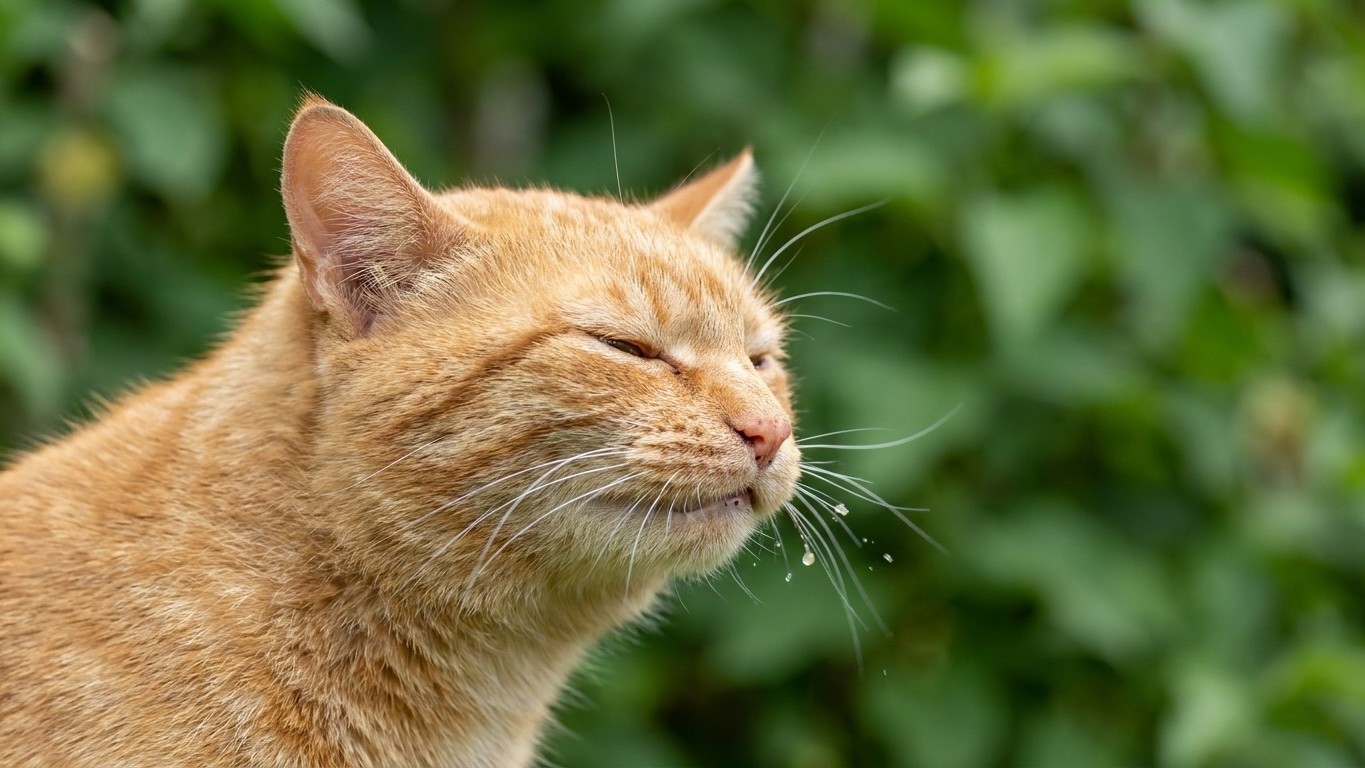
Your cat’s slow blink is affection, but persistent squinting is something entirely different — and veterinarians recognize it as a red flag for pain or disease. From corneal ulcers to feline herpesvirus, squinting signals that your cat needs immediate attention. Understanding the difference could save your cat’s vision.

Why Ammonia Breath in Cats Is a Silent Alarm Vets Say You Must Never Ignore

Why Ammonia Breath in Cats Is a Silent Alarm Vets Say You Must Never Ignore

That sharp, chemical smell on your cat’s breath isn’t just bad dental hygiene—it could be a critical early warning sign of kidney disease that appears long before other symptoms. Vets consistently flag ammonia breath as a symptom that demands immediate attention, especially in senior cats, because by the time you notice it, significant organ damage may already have occurred.

The Critical 3-Day Window: Why Cats Between Two Homes Either Thrive or Shut Down

The Critical 3-Day Window: Why Cats Between Two Homes Either Thrive or Shut Down

When cats split time between two homes, a single number determines their fate: three days. This is the decompression window before stress hormones activate and cats either settle or begin shutting down. Understanding the 3-3-3 rule and territorial biology is key to keeping split-custody cats healthy.

Why Lemon Peels Around Your Kitchen Are Silently Poisoning Your Cat

Why Lemon Peels Around Your Kitchen Are Silently Poisoning Your Cat

That innocent lemon peel you scattered to deter your cat is far more dangerous than you realize. The same citrus compounds that repel cats can cause serious health issues—from digestive upset to neurological damage—because cats lack the enzymes to break them down safely.

Your Cat’s Purr Might Be a Silent Cry for Help: What Every Owner Needs to Know

Your Cat's Purr Might Be a Silent Cry for Help: What Every Owner Needs to Know

Your cat’s purr might sound like contentment, but it could be masking pain or distress. Vets reveal how cats exploit our nurturing instincts with hidden cries embedded in their purrs, and why a purring cat can still be suffering. Learn to decode your cat’s real message.

Why Your Indoor Cat Goes Wild Every April: Vets Reveal the Surprising Science Behind Spring Zoomies

Why Your Indoor Cat Goes Wild Every April: Vets Reveal the Surprising Science Behind Spring Zoomies

Your indoor cat’s frantic April behaviour isn’t random—it’s hardwired biology. As daylight increases, your cat’s internal clock shifts, triggering a hunting instinct that’s been dormant all winter. Learn what’s really happening in their brain and how to reclaim your sleep.

Why Cats Eat Grass: Scientists Finally Solve the 12-Year Mystery of Feline Plant Behavior

Why Cats Eat Grass: Scientists Finally Solve the 12-Year Mystery of Feline Plant Behavior

For over a decade, researchers have been studying why cats eat grass, and the answer is far more fascinating than an upset stomach. New evidence suggests cats are performing an ancient, hardwired behavior passed down through millions of years of evolution—one that may serve multiple purposes from parasite control to hairball management.

The April Mistake That Turns Summer Into a Parasite Nightmare for Your Cat

The April Mistake That Turns Summer Into a Parasite Nightmare for Your Cat

As temperatures rise in April, many cat owners make one critical mistake: stopping parasite prevention. Veterinarians warn this creates the perfect conditions for flea explosions that can last until September, affecting both indoor and outdoor cats alike.

Why Your Cat’s Water Bowl Is Sabotaging Their Health: The Science Vets Have Been Trying to Tell You

Why Your Cat's Water Bowl Is Sabotaging Their Health: The Science Vets Have Been Trying to Tell You

Your cat’s refusal to drink isn’t fussiness—it’s physics. Vets reveal how bowl shape directly interferes with cats’ extraordinary drinking mechanism, potentially leading to chronic dehydration, urinary problems, and kidney disease. A simple change could transform your cat’s health.

Your Cat’s Paw Pads Are Hiding a Health Secret—Here’s What Vets Check For

Your Cat's Paw Pads Are Hiding a Health Secret—Here's What Vets Check For

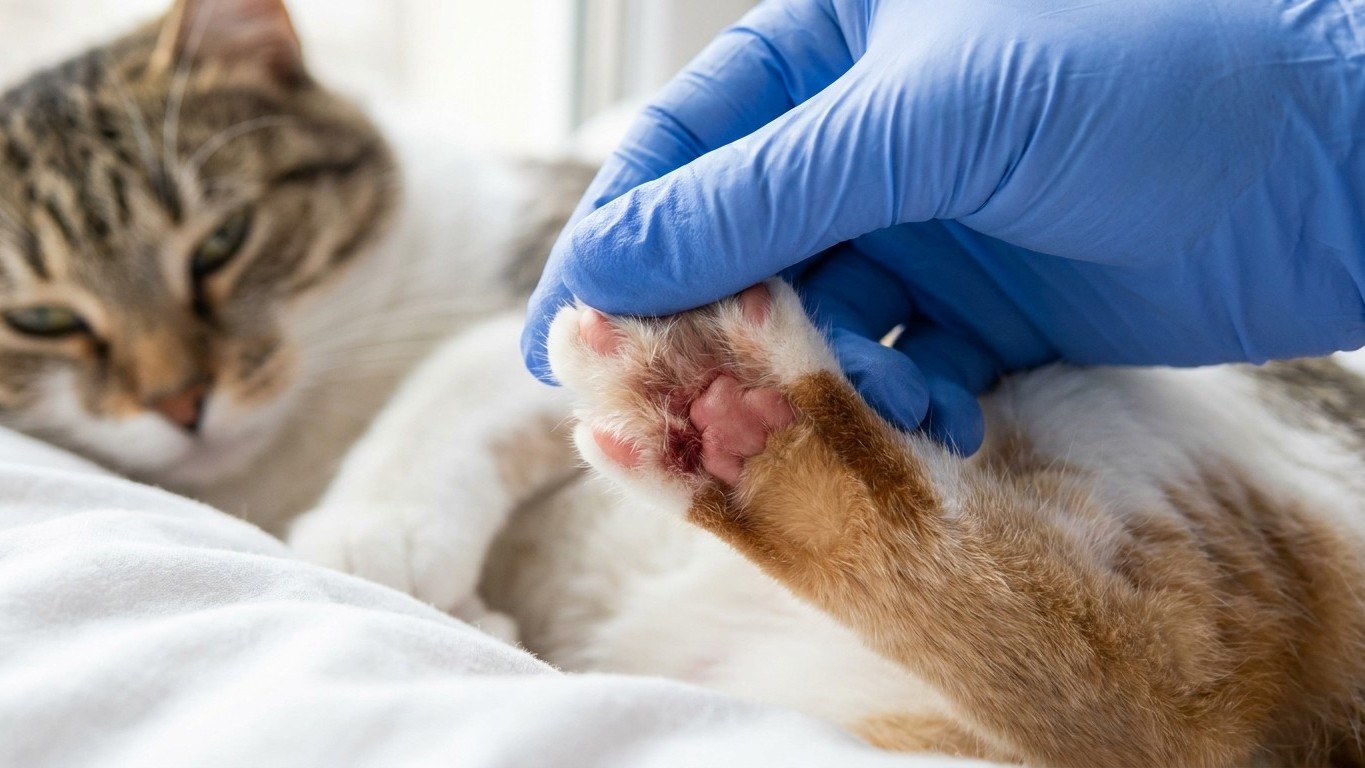
Your cat’s adorable “toe beans” are far more than cute—they’re an early warning system for hidden nutritional deficiencies. Vets are increasingly checking paw pad texture and condition during routine check-ups, as changes here often appear long before any other symptoms. Understanding what healthy paws should look like could catch serious health issues early.

Most Cat Owners Brush Their Cats’ Teeth Wrong—And It’s Damaging Their Gums

Most Cat Owners Brush Their Cats' Teeth Wrong—And It's Damaging Their Gums

Most cat owners who brush their pet’s teeth mean well, but the wrong technique—aggressive scrubbing, incorrect angles, and excessive pressure—can damage your cat’s gums just as much as not brushing at all. By four years old, 50-80% of cats have periodontal disease, yet the small minority of owners who do brush often get the method dangerously wrong. A few simple technique adjustments can transform your cat’s dental health.