
Your Cat’s Purr Might Be a Cry for Help: The Hidden Pain Signal Cat Owners Miss
Your Cat's Purr Might Be a Cry for Help: The Hidden Pain Signal Cat Owners Miss

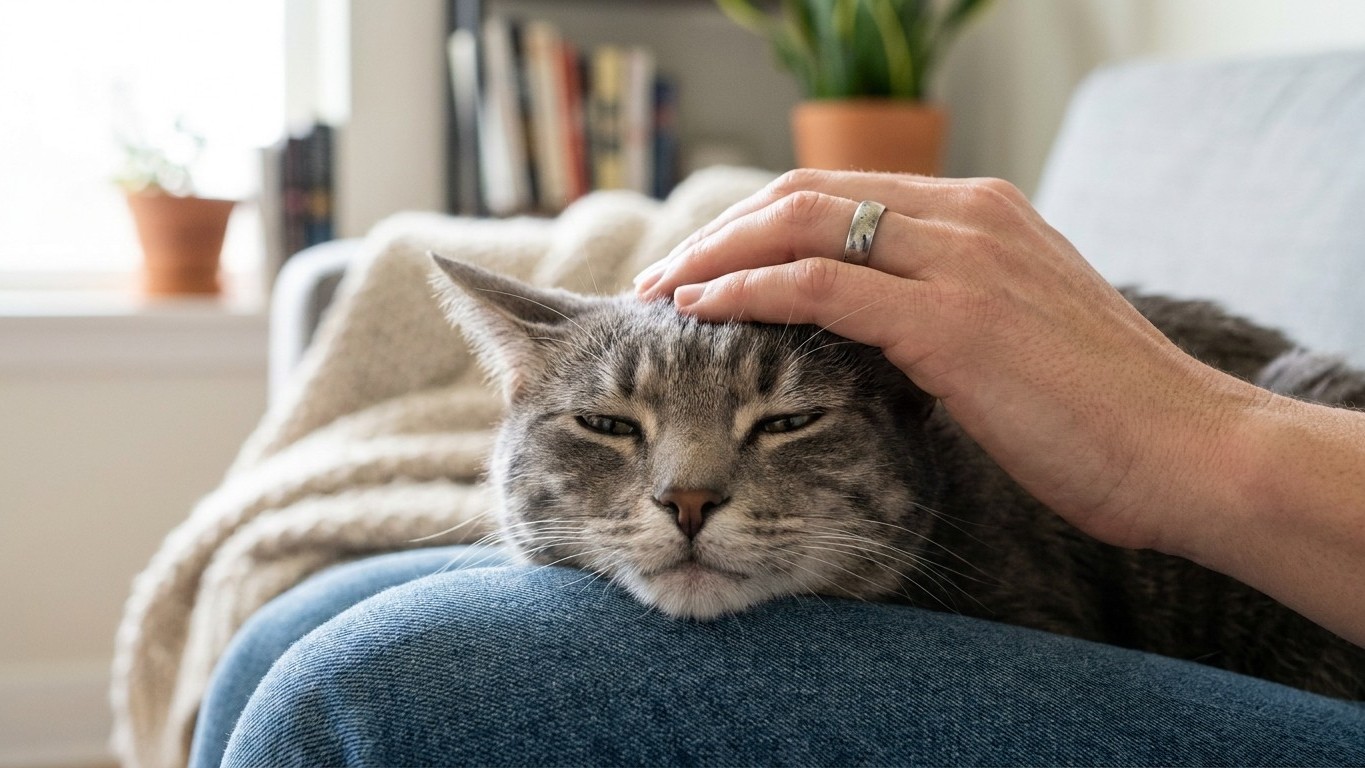
That adorable purr on your lap might not mean what you think it does. Cats purr when content—but also when they’re in severe pain, using the vibrations as a form of self-healing. Most owners have no idea their beloved pet could be suffering in silence.
Why Your Cat’s 3 AM Zoomies Might Be a Warning Sign Vets Say You’re Missing

Why Your Cat's 3 AM Zoomies Might Be a Warning Sign Vets Say You're Missing

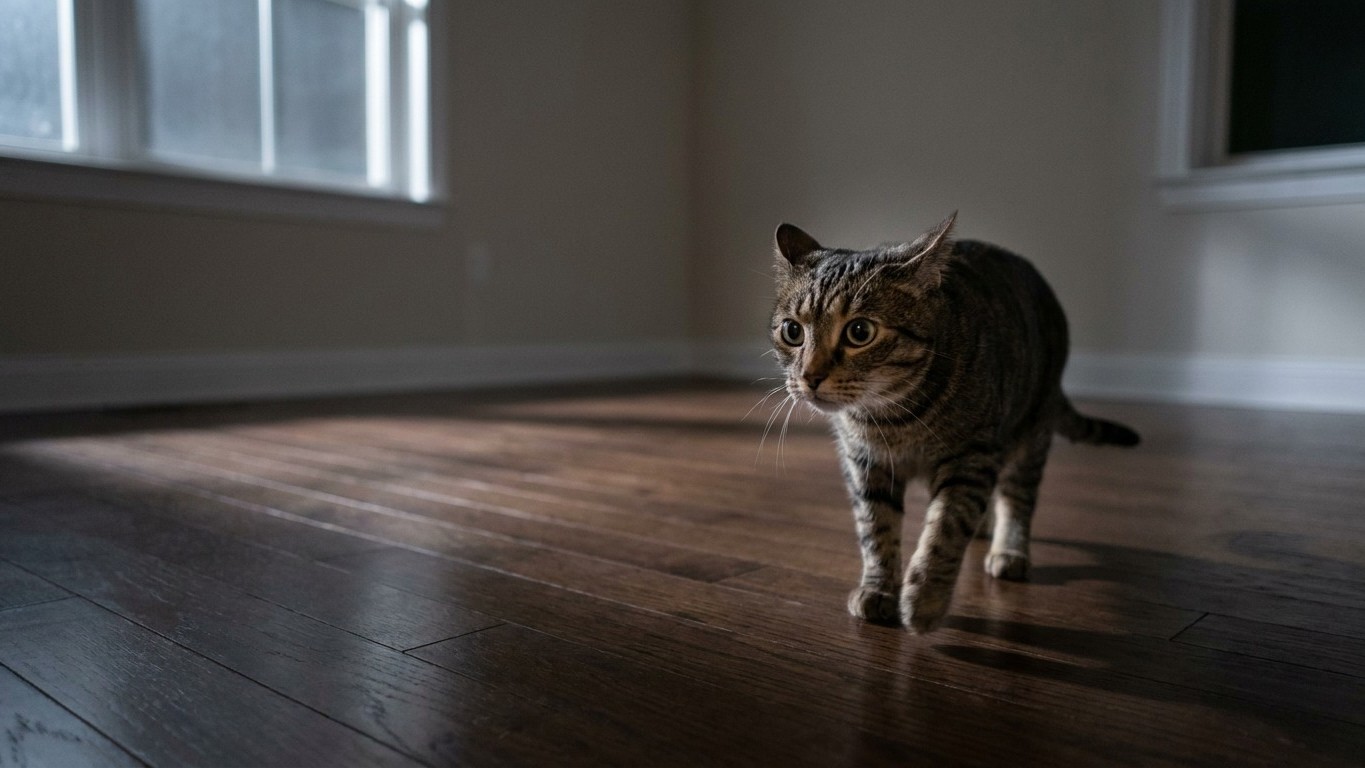
That nightly 3 AM chaos—the racing through hallways, the mysterious wall-yowling, the sudden bursts of energy—might not be playful feline madness after all. Veterinarians warn that sudden changes in nighttime behavior could signal serious health issues like hyperthyroidism, pain, cognitive dysfunction, or hypertension that most cat owners dismiss as normal. Understanding the difference between harmless zoomies and a cry for help could be crucial to your cat’s health.

Hidden in Plain Sight: Why Your Cat’s Silence Could Mean They’re Suffering

Hidden in Plain Sight: Why Your Cat's Silence Could Mean They're Suffering

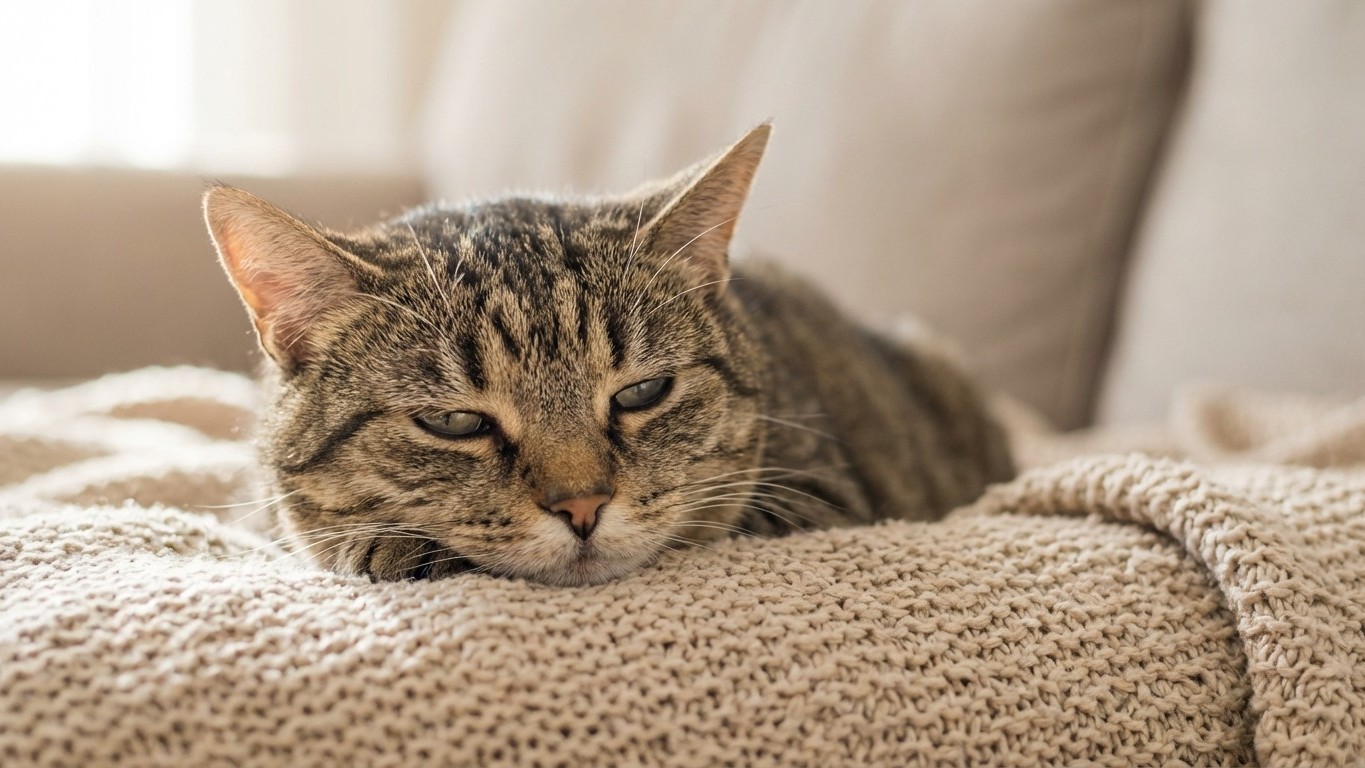
Cats are masters of disguise when it comes to pain, masking serious symptoms until it’s nearly too late. By understanding the subtle behavioral shifts and physical signs your cat displays—from changes in jumping ability to grooming habits and even purring—you can catch chronic pain like arthritis and dental disease before they become emergencies.