Your ‘Lazy’ Indoor Cat Isn’t Lazy—One Daily Habit Is Slowly Breaking Their Health

Your 'Lazy' Indoor Cat Isn't Lazy—One Daily Habit Is Slowly Breaking Their Health

You thought your indoor cat was just naturally lazy, but a vet’s simple question revealed the truth: free feeding is slowly breaking your cat’s health. One overlooked daily habit is behind obesity, kidney disease, and joint problems affecting millions of indoor cats—and it’s entirely fixable.

Why Your Black Cat’s Fur Is Turning Rusty Brown—And When It’s More Than Just Sunshine

Why Your Black Cat's Fur Is Turning Rusty Brown—And When It's More Than Just Sunshine

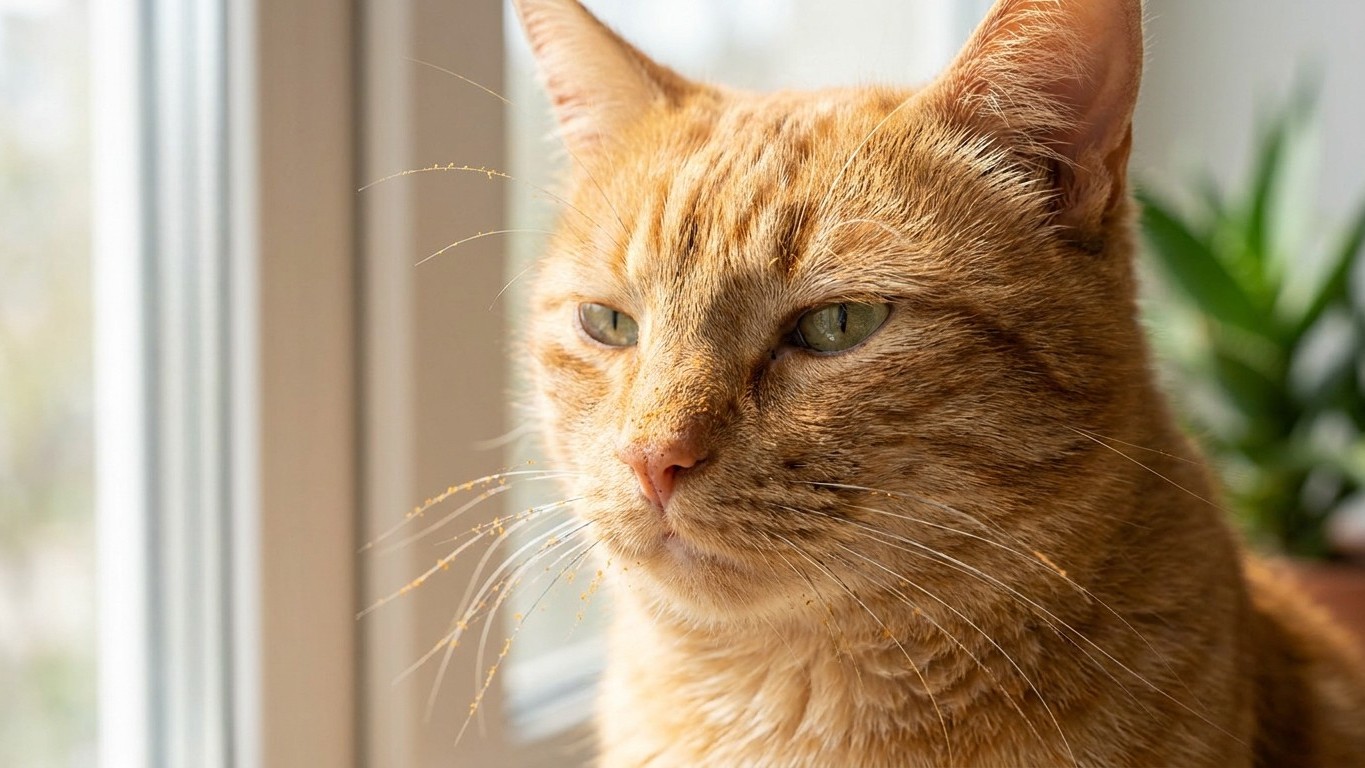
That rusty-brown shimmer on your black cat’s coat might just be harmless photobleaching from sunny windowsills—or it could signal something worth investigating. Veterinarians explain the science behind ‘cat rust’ and reveal when this seemingly cosmetic quirk deserves your attention.

Your Cat’s New April Behavior Could Signal a Serious Health Crisis—Here’s What Vets Want You to Know

Your Cat's New April Behavior Could Signal a Serious Health Crisis—Here's What Vets Want You to Know

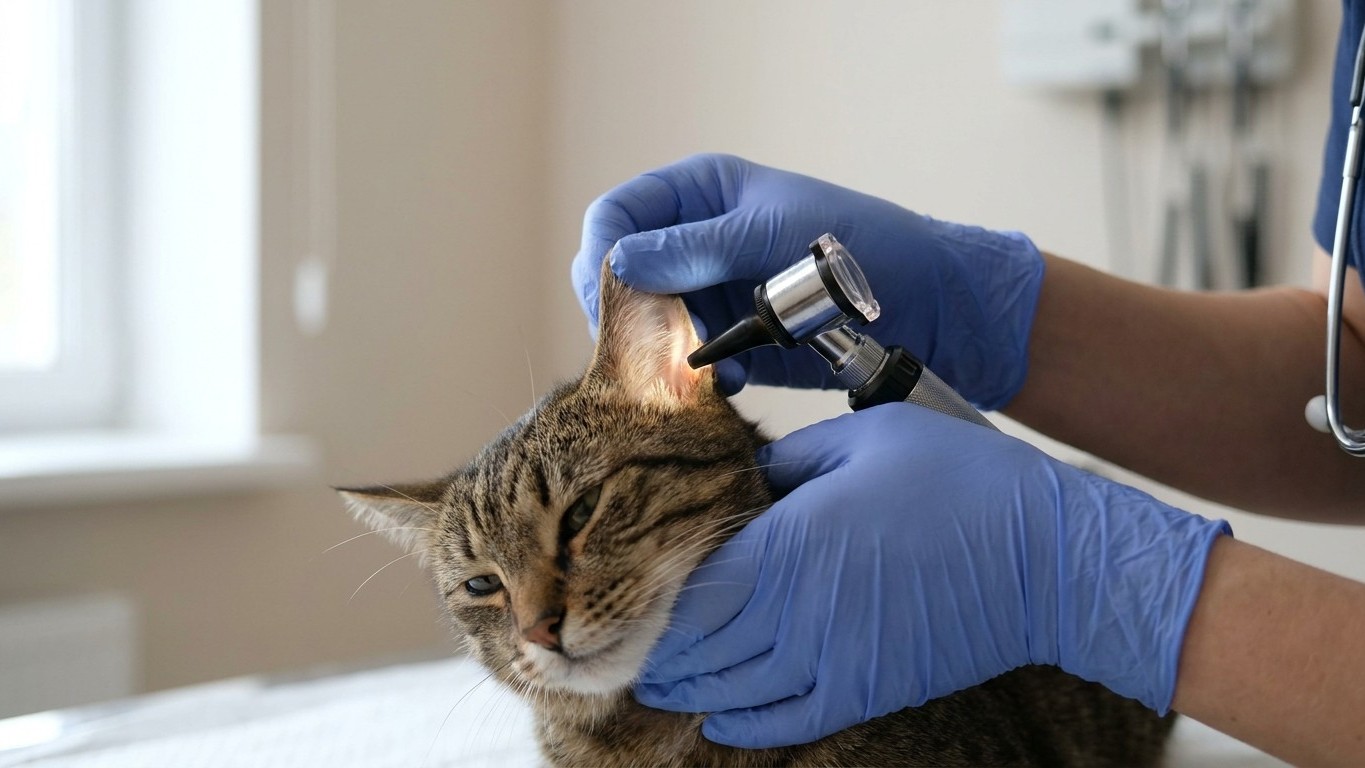
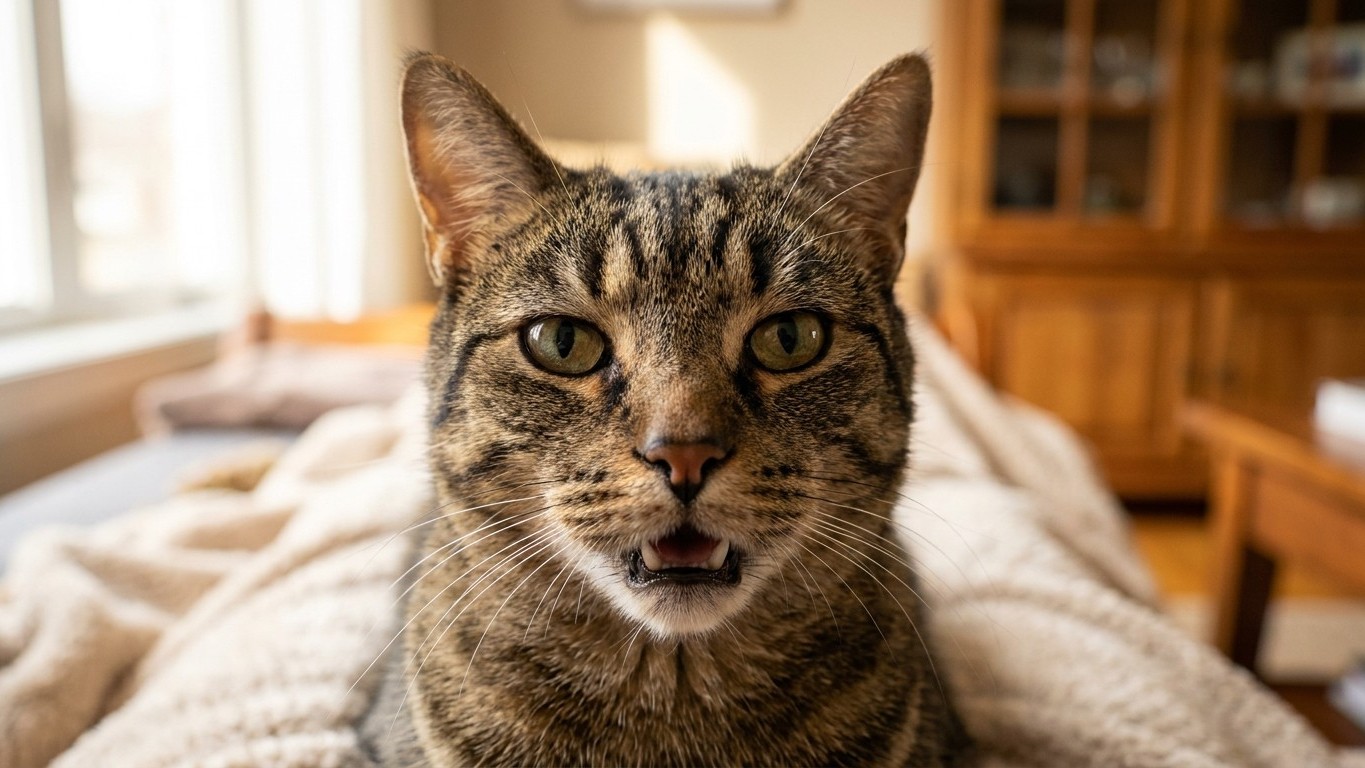
Veterinarians are urgently flagging subtle behavioral shifts in cats this spring as early warning signs of serious, treatable conditions. From increased vocalization to unusual grooming habits, these quiet changes often go dismissed until it’s too late. Understanding what your cat is really trying to tell you could add years to its life.

The Cat Collar Safety Crisis: Why Vets’ Two-Finger Rule Could Be a Death Trap

The Cat Collar Safety Crisis: Why Vets' Two-Finger Rule Could Be a Death Trap

The two-finger rule for fitting cat collars feels safe, but it creates a gap that can hook onto fence posts, branches, and wire—turning a piece of advice meant to protect cats into a potential noose. Hundreds of cats are injured by collars every year, and many owners unknowingly choose designs that increase the risk. The solution exists, but most cat owners have never heard of it.

Why Your Cat Eating Grass in April Could Be Dangerous: What Vets Don’t Want You to Miss

Why Your Cat Eating Grass in April Could Be Dangerous: What Vets Don't Want You to Miss

You’ve always thought your cat munching grass was harmless—until April arrives. When lawns get treated with pesticides, herbicides, and fertilizers, that innocent grass-eating habit becomes a serious health risk. Veterinarians are warning pet owners about the cocktail of chemicals and parasites lurking on every blade.

Why Your Cat Won’t Stop Crying at Night—And What You’re Actually Doing Wrong

Why Your Cat Won't Stop Crying at Night—And What You're Actually Doing Wrong

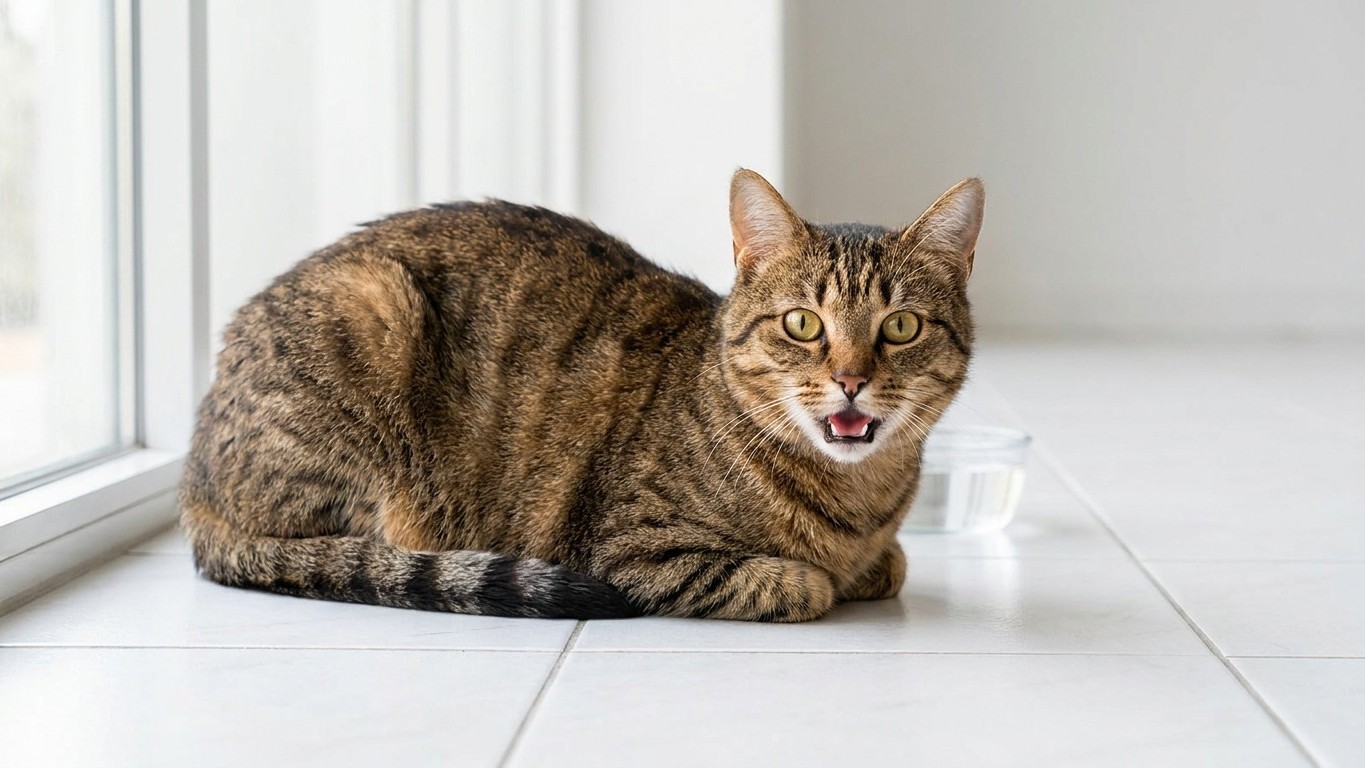
Your cat’s 3am wailing isn’t random—it’s perfectly calculated communication shaped by your responses. Every time you get up to comfort them, you’re inadvertently training them to cry louder and longer. Understanding the science behind nighttime meowing and breaking this behavioral cycle could transform both your nights.

The Hidden Danger in Your Cat’s Water Bowl: What a Vet Told Me After 10 Years

The Hidden Danger in Your Cat's Water Bowl: What a Vet Told Me After 10 Years

After a decade of cat ownership, a veterinarian revealed that my most consistent daily habit was quietly harming my cats. The water bowl I topped up every morning was accumulating dangerous biofilm, putting my cats at risk of dehydration, kidney disease, and urinary tract infections—all preventable with one simple change.

Why Your Cat Refuses Her Water Bowl But Drinks from the Tap: The Science Behind Feline Hydration Habits

Why Your Cat Refuses Her Water Bowl But Drinks from the Tap: The Science Behind Feline Hydration Habits

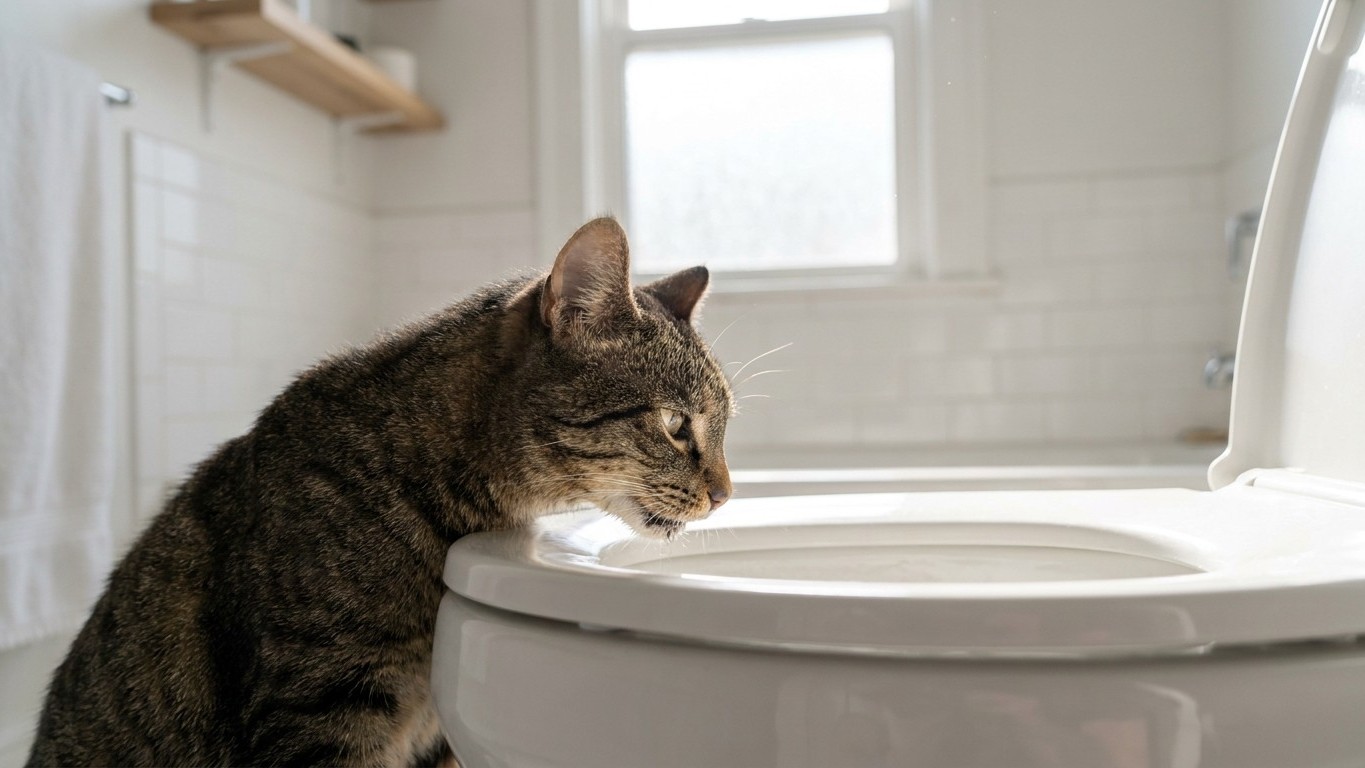
Your cat’s refusal to drink from her bowl isn’t stubbornness—it’s thousands of years of feline evolution at work. From whisker fatigue to ancient survival instincts, discover why running water signals safety to your cat and what you can do about it.

One Kitchen Item Could Be Causing Your Cat’s Chin Acne—And You Probably Have It Right Now

One Kitchen Item Could Be Causing Your Cat's Chin Acne—And You Probably Have It Right Now

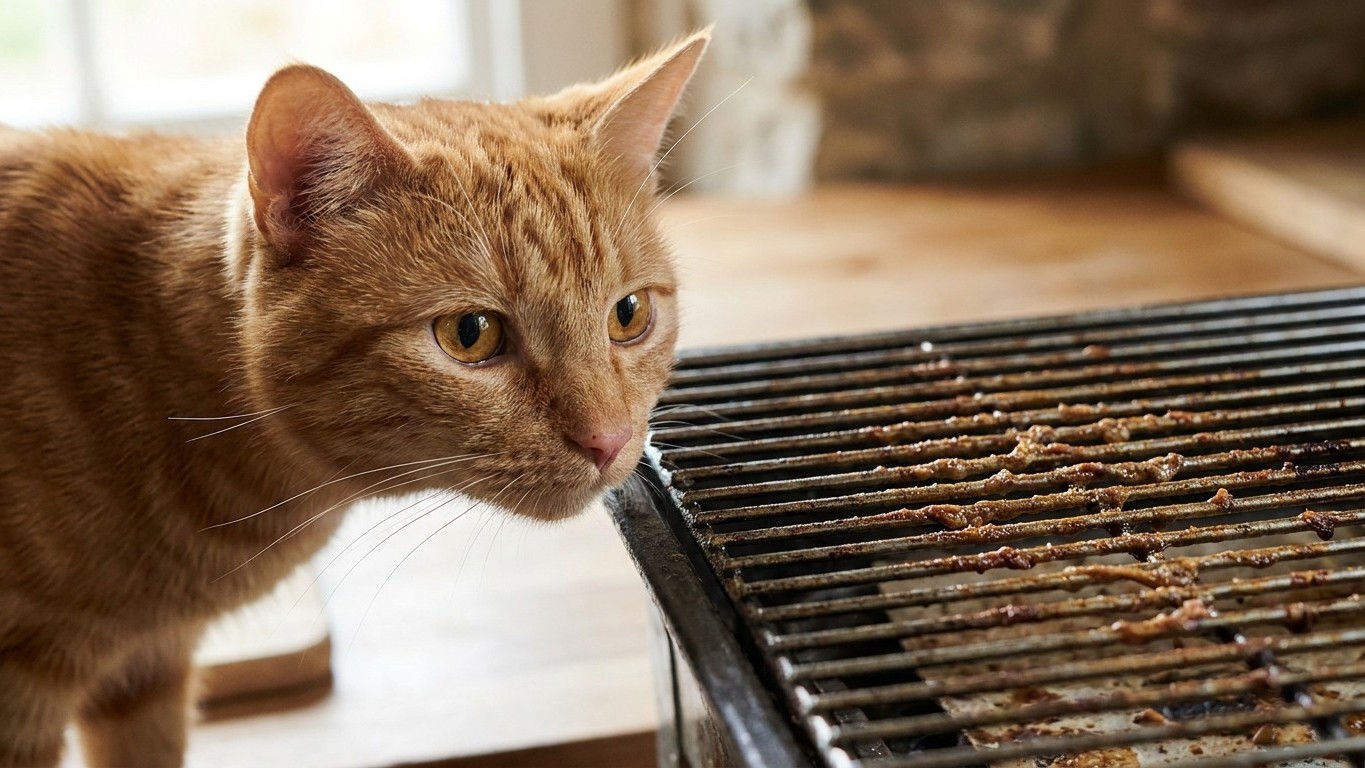
Your cat’s stubborn chin acne might not be a mystery—it could be sitting right next to your kitchen cooker. A vet-recommended swap from plastic to stainless steel bowls has resolved what months of treatments couldn’t, revealing a surprisingly simple solution hidden in plain sight.

Missing the Warning Signs: Why Your ‘Tired’ Cat Might Actually Be Seriously Ill

Missing the Warning Signs: Why Your 'Tired' Cat Might Actually Be Seriously Ill

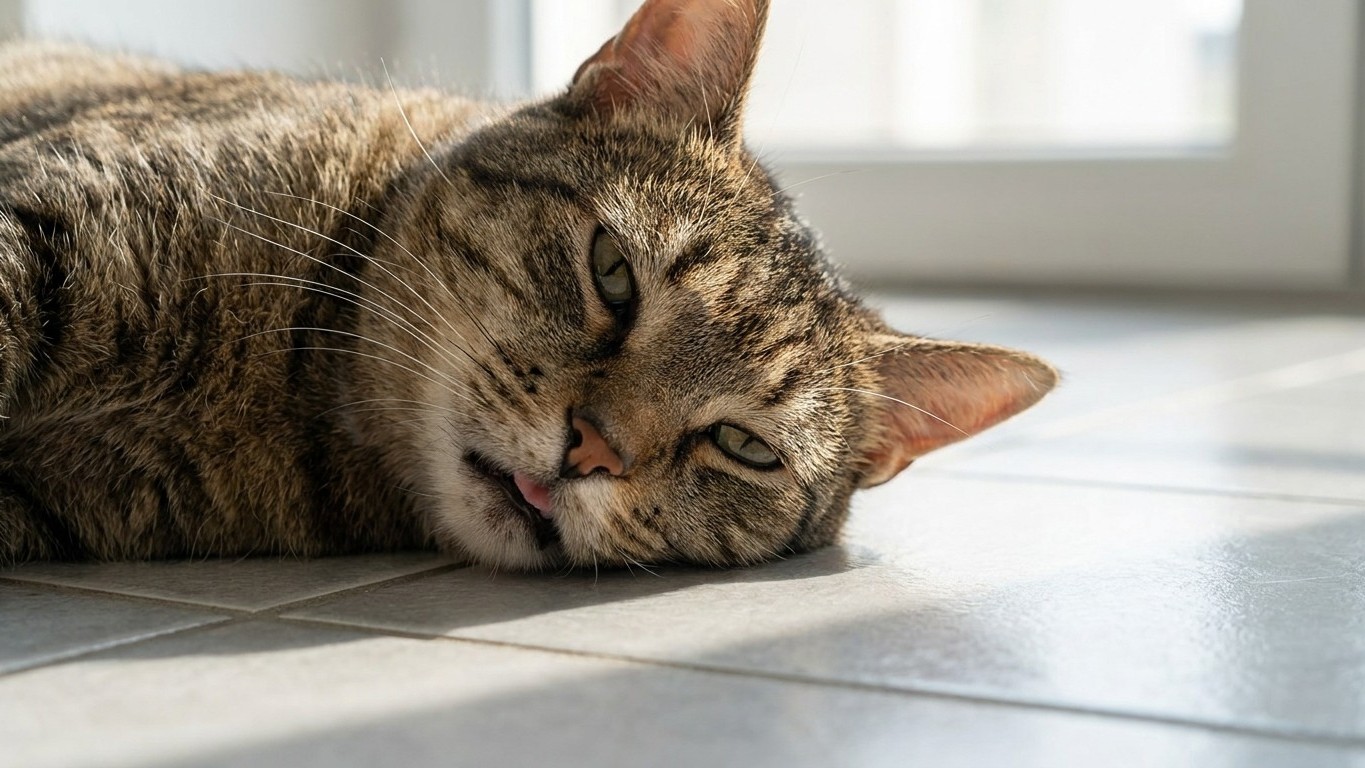
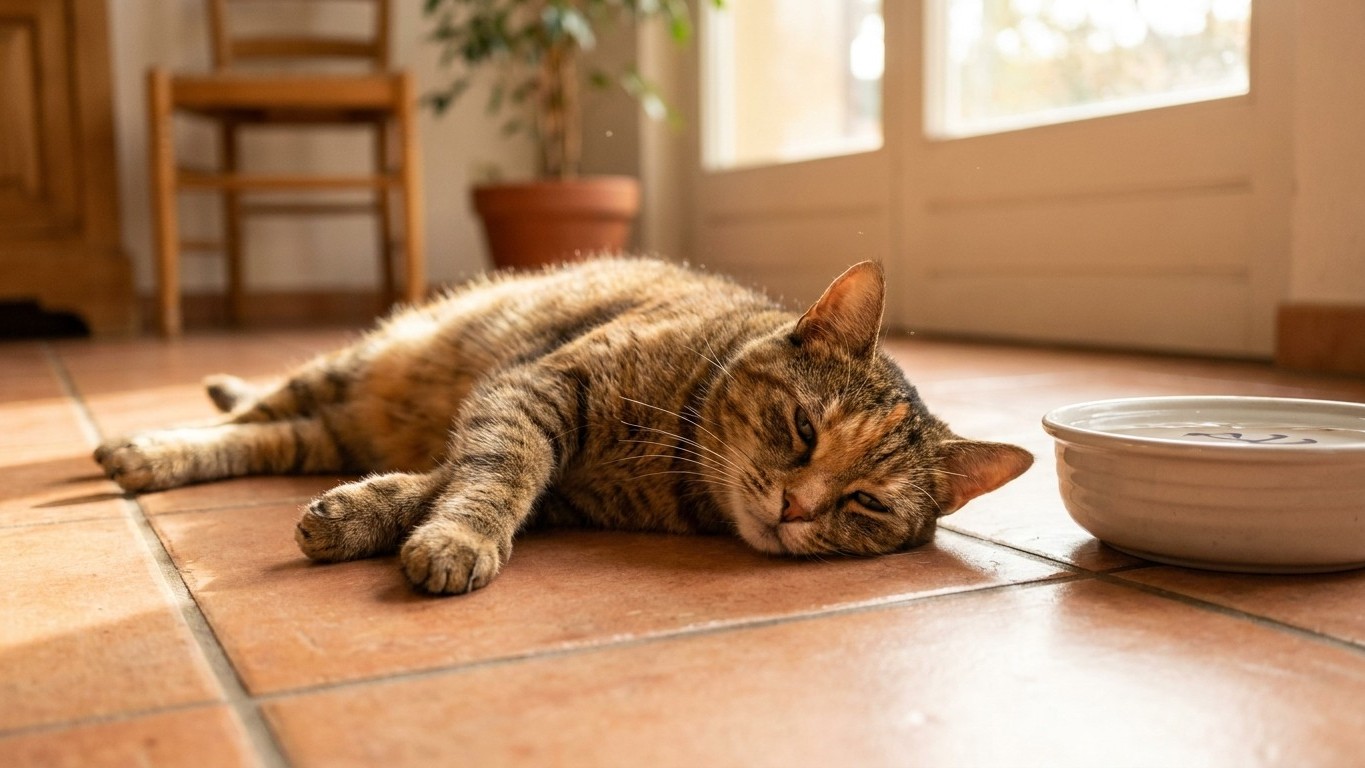
Your cat sleeps more than usual, so you assume they’re just tired. But veterinarians know the difference between normal feline rest and lethargy—and it could signal serious illness hiding in plain sight. The sign most owners misread isn’t how much your cat sleeps, but how they behave when awake.

Your Cat Changed Its Sleeping Spot? Here’s Why Vets Say You Should Never Ignore It

Your Cat Changed Its Sleeping Spot? Here's Why Vets Say You Should Never Ignore It

When your cat suddenly abandons its favorite sleeping spot for a hidden corner, it’s easy to dismiss as feline mood swings. But veterinarians warn this quiet change can be one of the earliest signals of illness or pain—and knowing what to watch for could save your cat’s life.

Why UK Vets Dread April: The Deadly Lily Secret That Kills Cats in 48 Hours

Why UK Vets Dread April: The Deadly Lily Secret That Kills Cats in 48 Hours

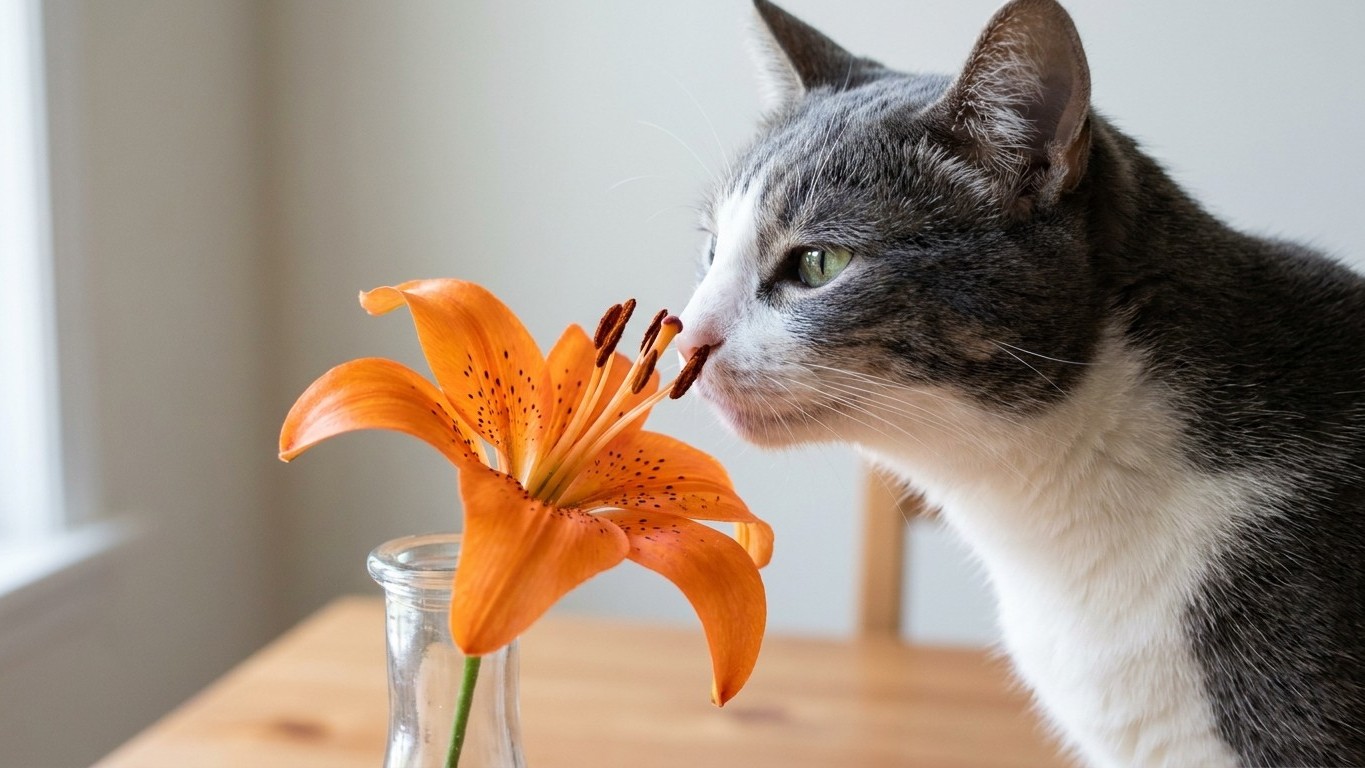
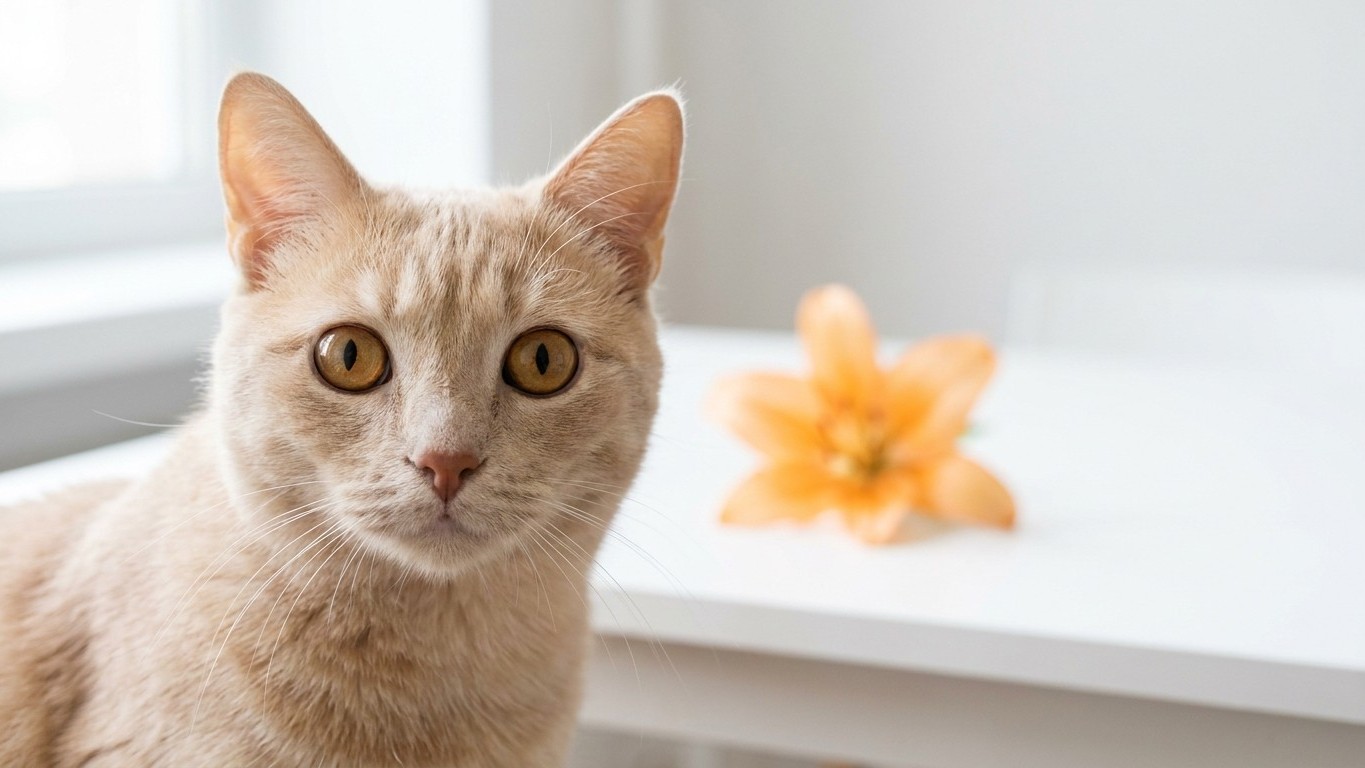
Every April, UK emergency vets brace for an influx of lily poisoning cases—a preventable tragedy that unfolds in less than 48 hours. A single petal, leaf, or grain of pollen can trigger irreversible kidney failure in cats, yet most pet owners remain dangerously unaware. Discover why lilies are the hidden threat in your spring bouquets and what you must do immediately if exposure occurs.