Vets Warn: Stop the Quarterly Deworming Ritual—Your Cat Probably Doesn’t Need It

Vets Warn: Stop the Quarterly Deworming Ritual—Your Cat Probably Doesn't Need It

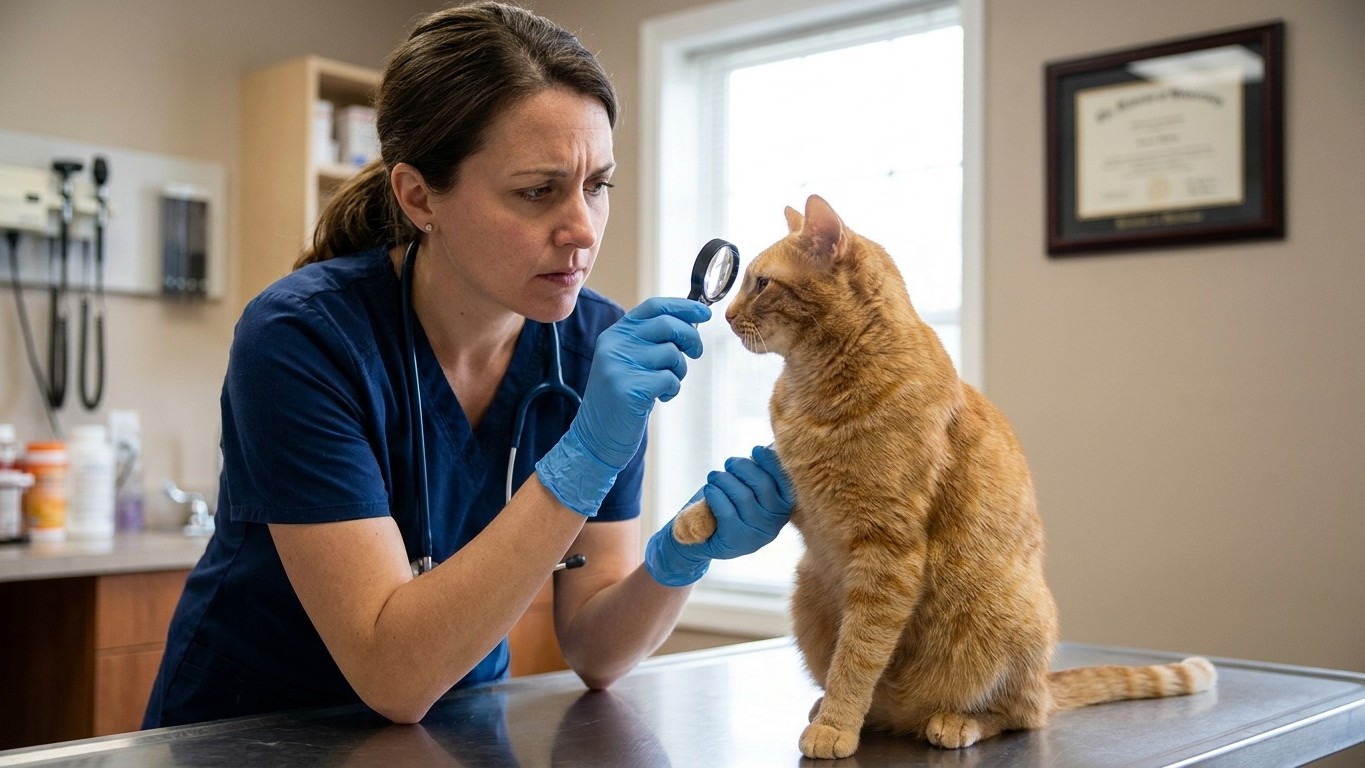
Millions of cat owners deworm their pets every three months like clockwork, but Europe’s leading parasite experts now say this blanket approach is outdated and potentially counterproductive. Updated 2025 ESCCAP guidelines reveal that individual risk assessment—not calendar dates—should determine deworming schedules, with some cats needing more frequent treatment and others needing none at all.

Cat Whiskers: The Extraordinary Sensory Superpower That Transforms Darkness Into Navigation

Cat Whiskers: The Extraordinary Sensory Superpower That Transforms Darkness Into Navigation

Cat whiskers are far more than decorative hairs—they’re sophisticated sensory organs packed with mechanoreceptors that allow cats to navigate total darkness by detecting air currents and vibrations. When whiskers snap or break, it can temporarily disorient your cat, but they’ll regrow within weeks. Understanding whisker function reveals hidden truths about your cat’s behavior and wellbeing.

Spring Cleaning Alert: Why Vets Say Your Favorite Spring Ritual Is Poisoning Your Cat

Spring Cleaning Alert: Why Vets Say Your Favorite Spring Ritual Is Poisoning Your Cat

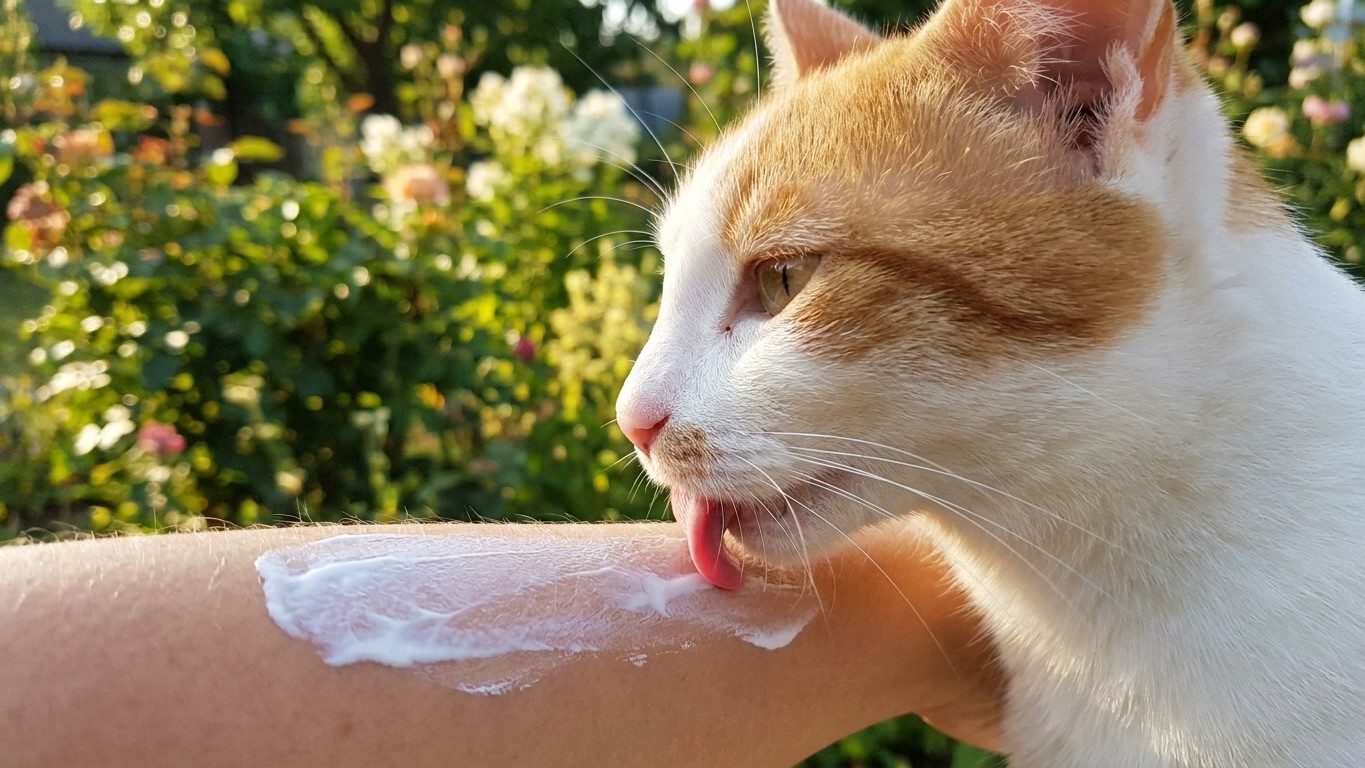
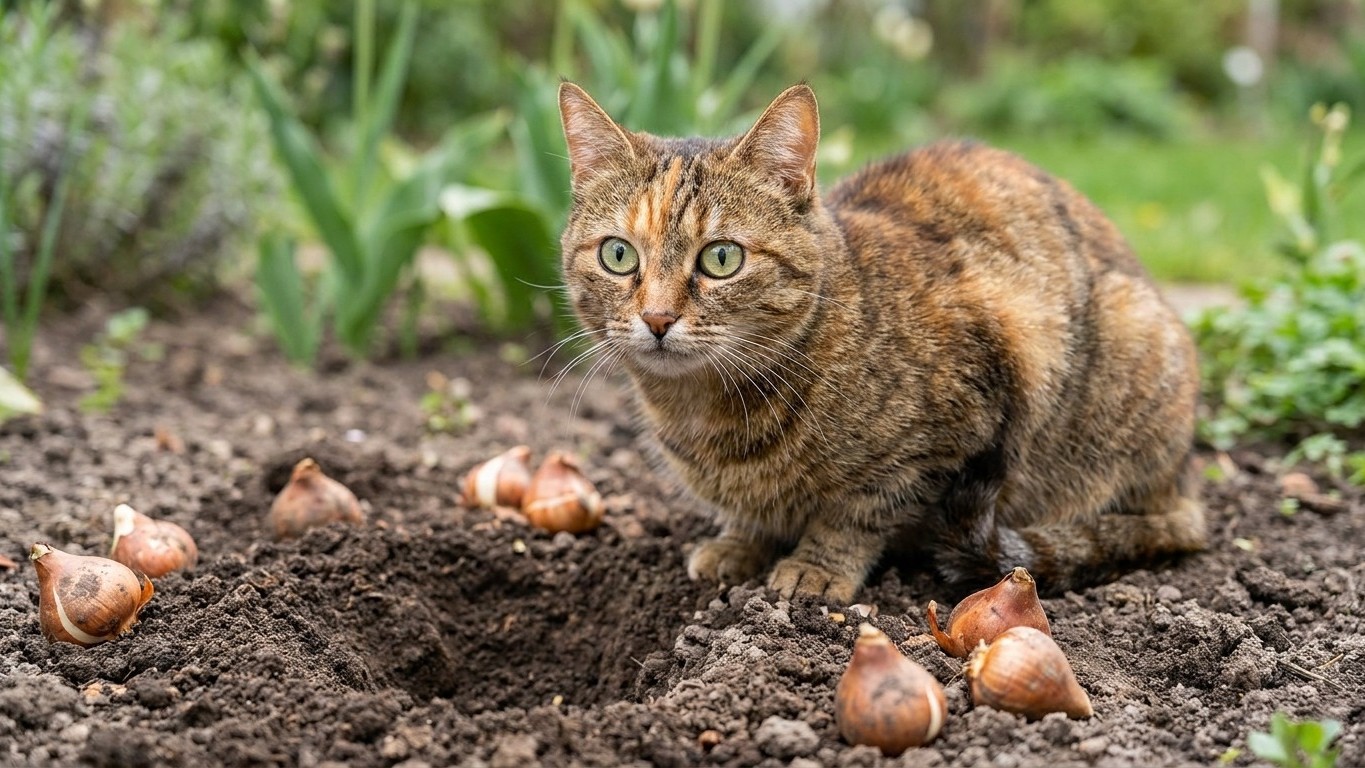
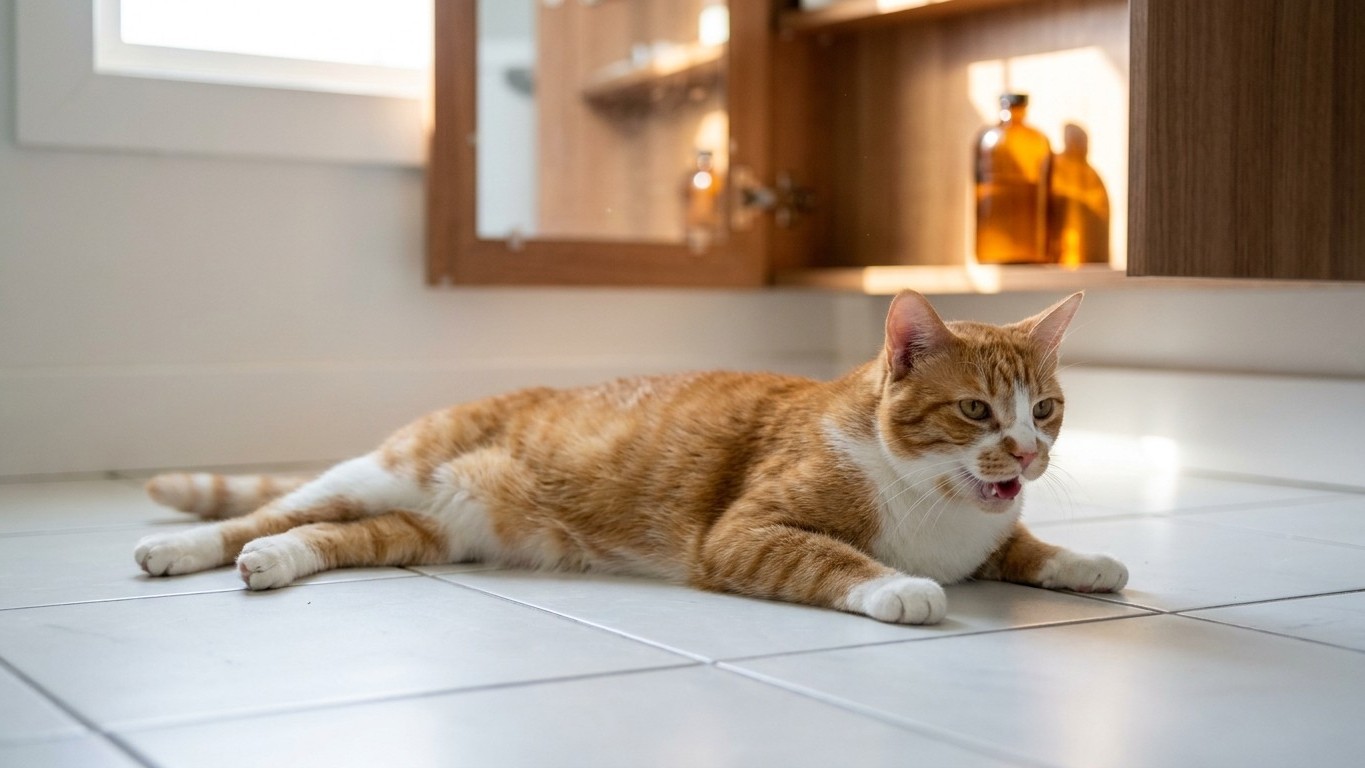
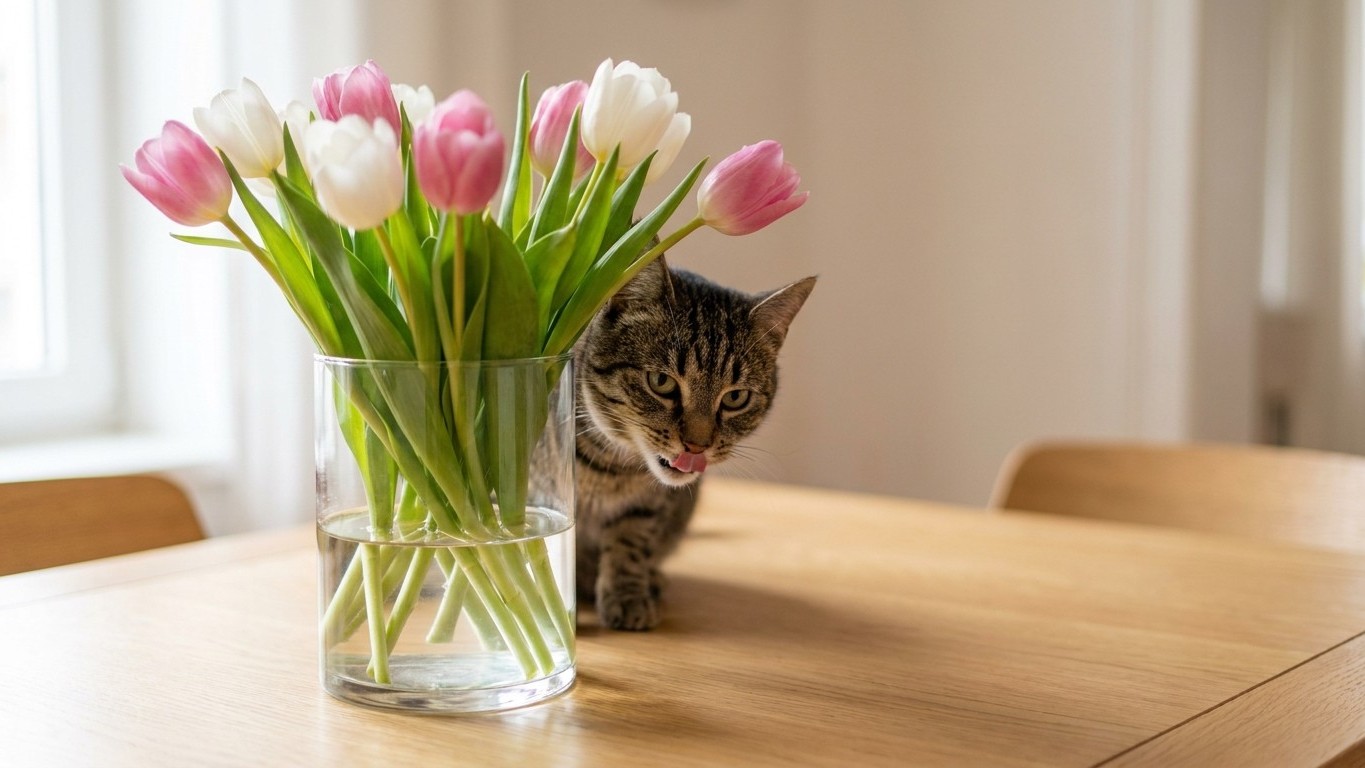
Every spring, cat owners unknowingly put their pets at risk through seasonal flowers, cleaning products, and garden treatments. Lilies alone account for 45% of all cat poisoning claims in the UK, with some toxins causing fatal kidney failure in under 72 hours. Vets reveal the simple swaps that can keep your cat safe.

The Silent Warning Signs: Why Vets Say You Should Never Dismiss Behavior Changes in Cats as Just Aging

The Silent Warning Signs: Why Vets Say You Should Never Dismiss Behavior Changes in Cats as Just Aging

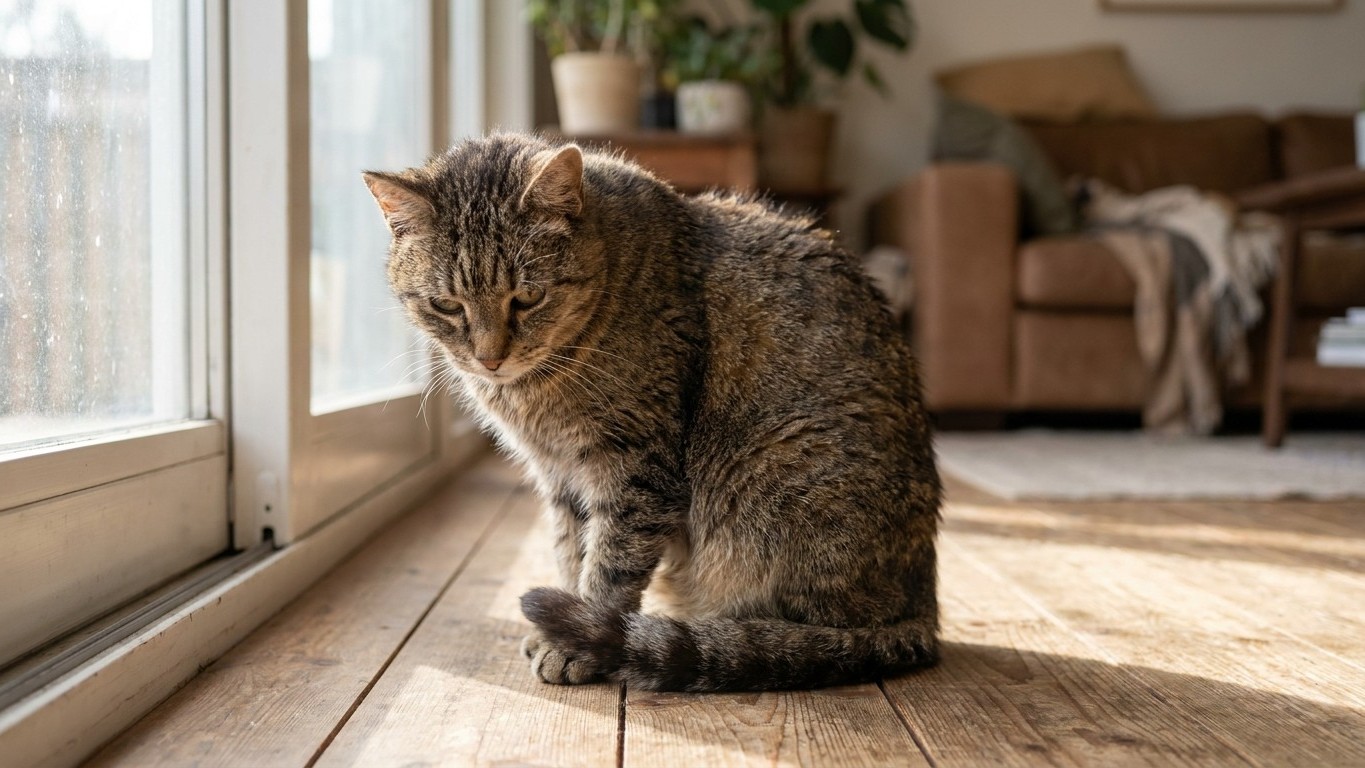
Many cat owners dismiss gradual changes in their pet’s behavior as normal aging, but veterinarians warn this assumption can delay critical treatment. From altered drinking habits to changes in grooming and activity levels, subtle shifts often signal treatable conditions like kidney disease, hyperthyroidism, or arthritis that go unnoticed for months.

Why Your Cat Ignores Water and the One Change Vets Say Actually Works

Why Your Cat Ignores Water and the One Change Vets Say Actually Works

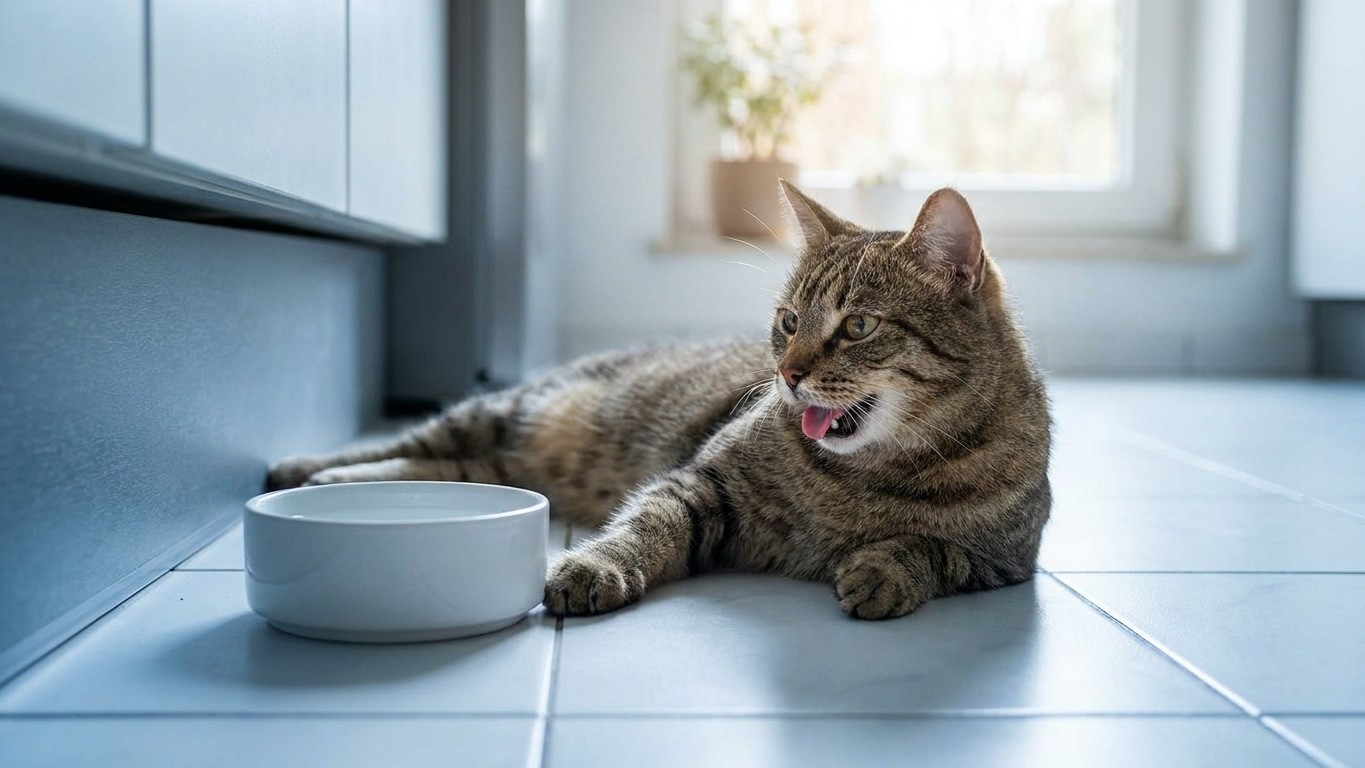
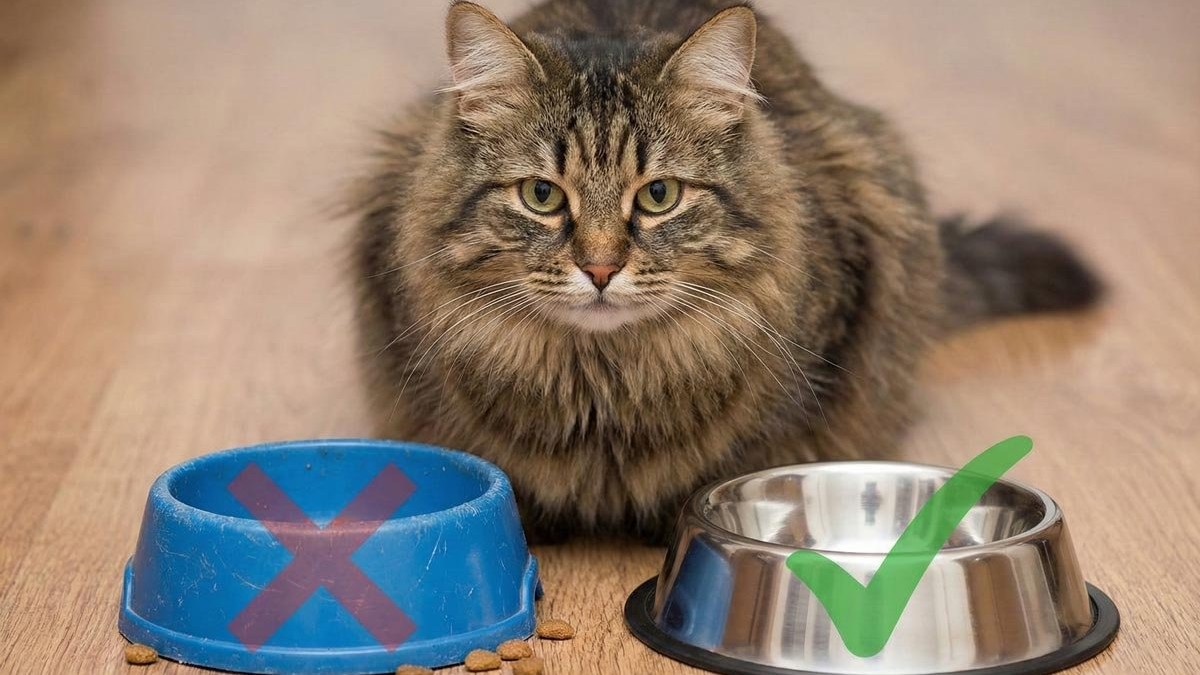
Your cat’s refusal to drink water isn’t stubbornness—it’s evolution. Descended from desert wildcats, cats have a naturally low thirst drive and prefer moisture from food. Vets reveal the surprising reasons cats ignore their bowls and share one game-changing solution that makes all the difference.

Why Your Indoor Cat Suddenly Has Hairballs When Spring Arrives

Why Your Indoor Cat Suddenly Has Hairballs When Spring Arrives

Your indoor cat breezed through winter hairball-free, but spring brought unexpected retching sounds and fur-covered furniture. The culprit isn’t warmth—it’s daylight triggering your cat’s natural shedding cycle. Learn why this happens and what you can actually do about it.

Stop Hiding the Litter Box: Where Behaviourists Say It Actually Belongs

Stop Hiding the Litter Box: Where Behaviourists Say It Actually Belongs

Most cat owners hide litter boxes in utility rooms and basements, but behaviourists say this causes chronic stress and avoidance. The surprising solution involves understanding your cat’s survival instincts and what makes them feel truly safe during vulnerable moments.

Hidden in Plain Sight: Why Your Cat’s Silence Could Mean They’re Suffering

Hidden in Plain Sight: Why Your Cat's Silence Could Mean They're Suffering

Cats are masters of disguise when it comes to pain, masking serious symptoms until it’s nearly too late. By understanding the subtle behavioral shifts and physical signs your cat displays—from changes in jumping ability to grooming habits and even purring—you can catch chronic pain like arthritis and dental disease before they become emergencies.

Your Cat’s Whiskers Are Actually Sophisticated Sensory Superpowers—Here’s What They Really Do

Your Cat's Whiskers Are Actually Sophisticated Sensory Superpowers—Here's What They Really Do

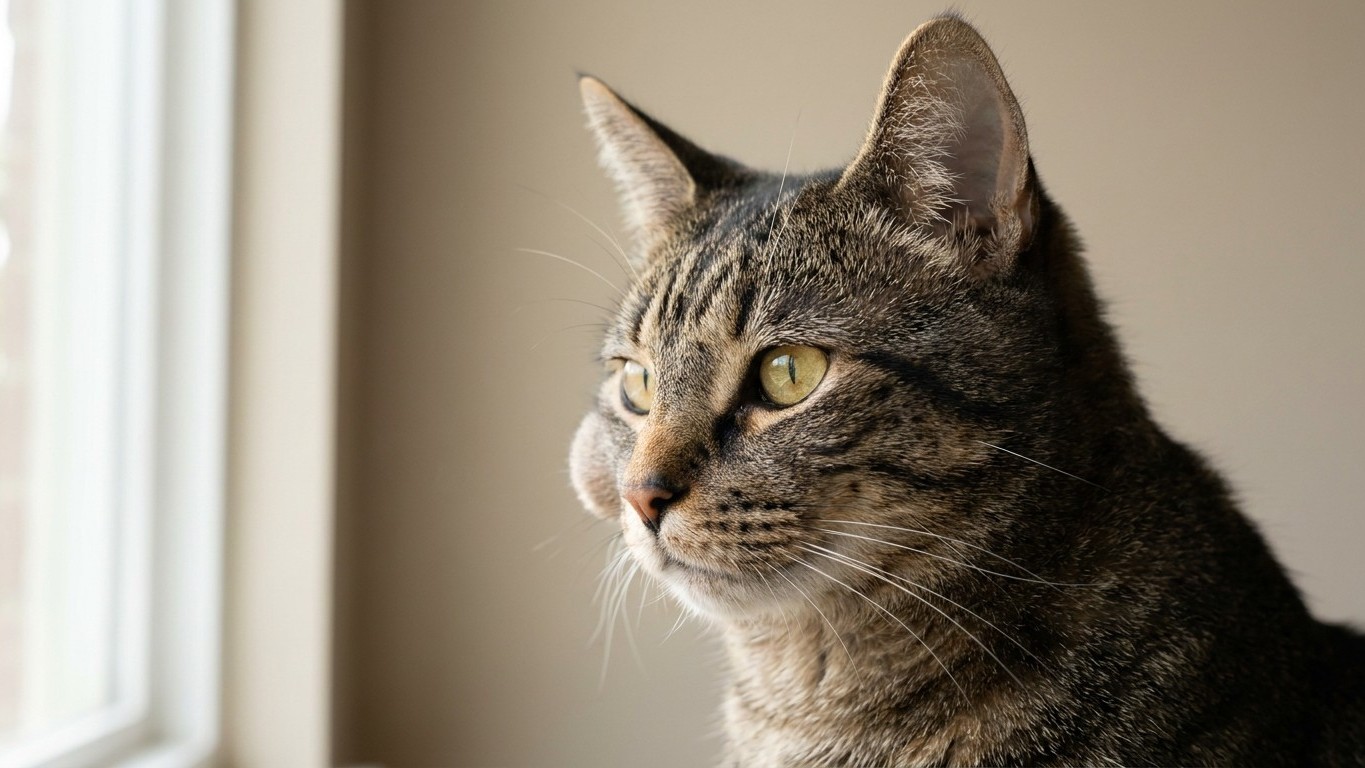
Those delicate hairs on your cat’s face are far more than decorative—they’re sophisticated sensory instruments that function almost like echolocation. Embedded with nerve endings and blood vessels, whiskers help cats navigate in darkness, hunt prey with precision, and communicate their emotional state. Damaging them can genuinely disorient your cat.

Why Your Cat Ignores Her Water Bowl: The Ancient Instinct Vets Wish Owners Understood

Why Your Cat Ignores Her Water Bowl: The Ancient Instinct Vets Wish Owners Understood

Your cat’s refusal to drink from her bowl isn’t stubbornness—it’s hardwired biology. From ancient instincts about contaminated water to whisker sensitivity and location preferences, cats have very real reasons for their drinking habits. Find out what actually gets cats hydrating and when to worry.

The Hidden Diet Mistakes Slowly Destroying Your Cat’s Kidneys: What Vets Wish You Knew

The Hidden Diet Mistakes Slowly Destroying Your Cat's Kidneys: What Vets Wish You Knew

Kidney disease silently threatens countless cats, yet many owners unknowingly accelerate its progression through everyday dietary choices. From dehydration caused by dry kibble to hidden phosphorus in premium foods, the mistakes are often invisible—but easily correctable once you know what to look for.