Why Your Cat Has the 3 AM Zoomies: The Science Behind Feline Frenzy

Why Your Cat Has the 3 AM Zoomies: The Science Behind Feline Frenzy
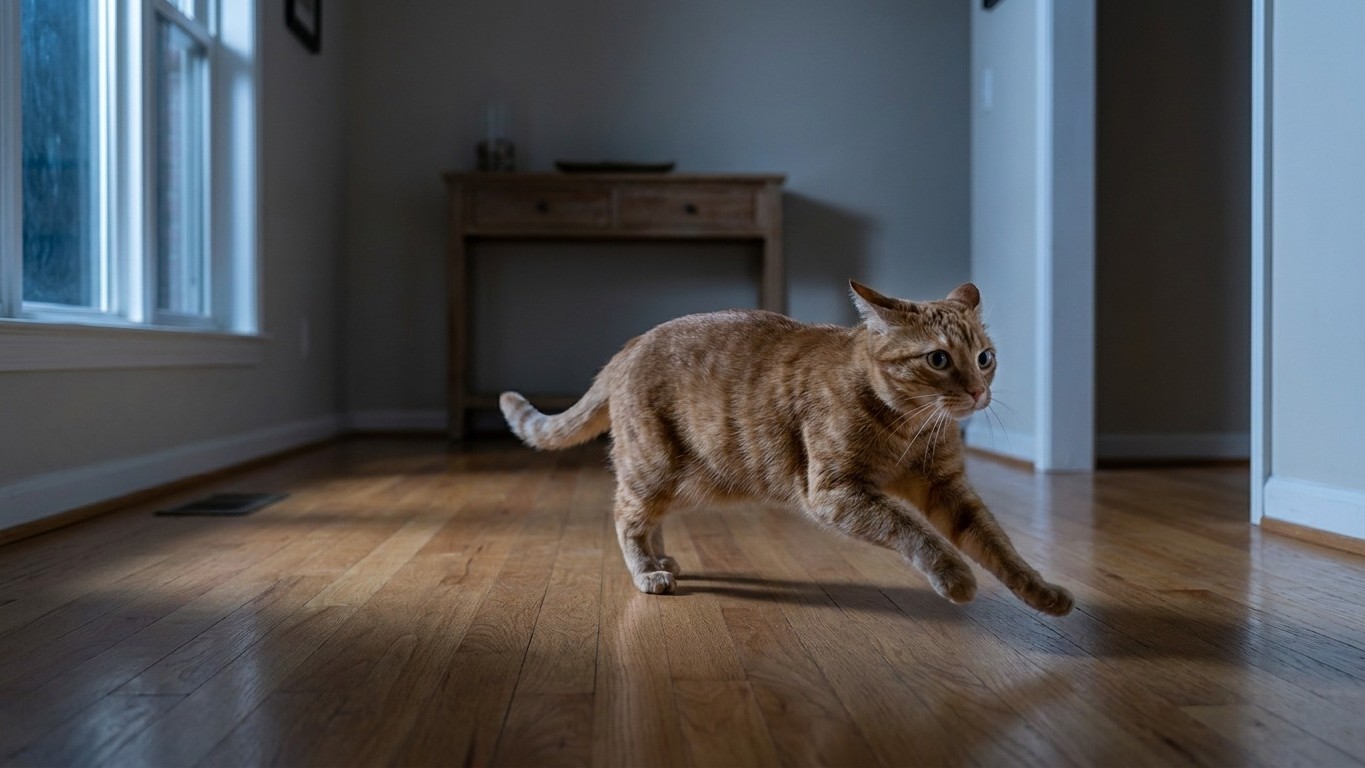
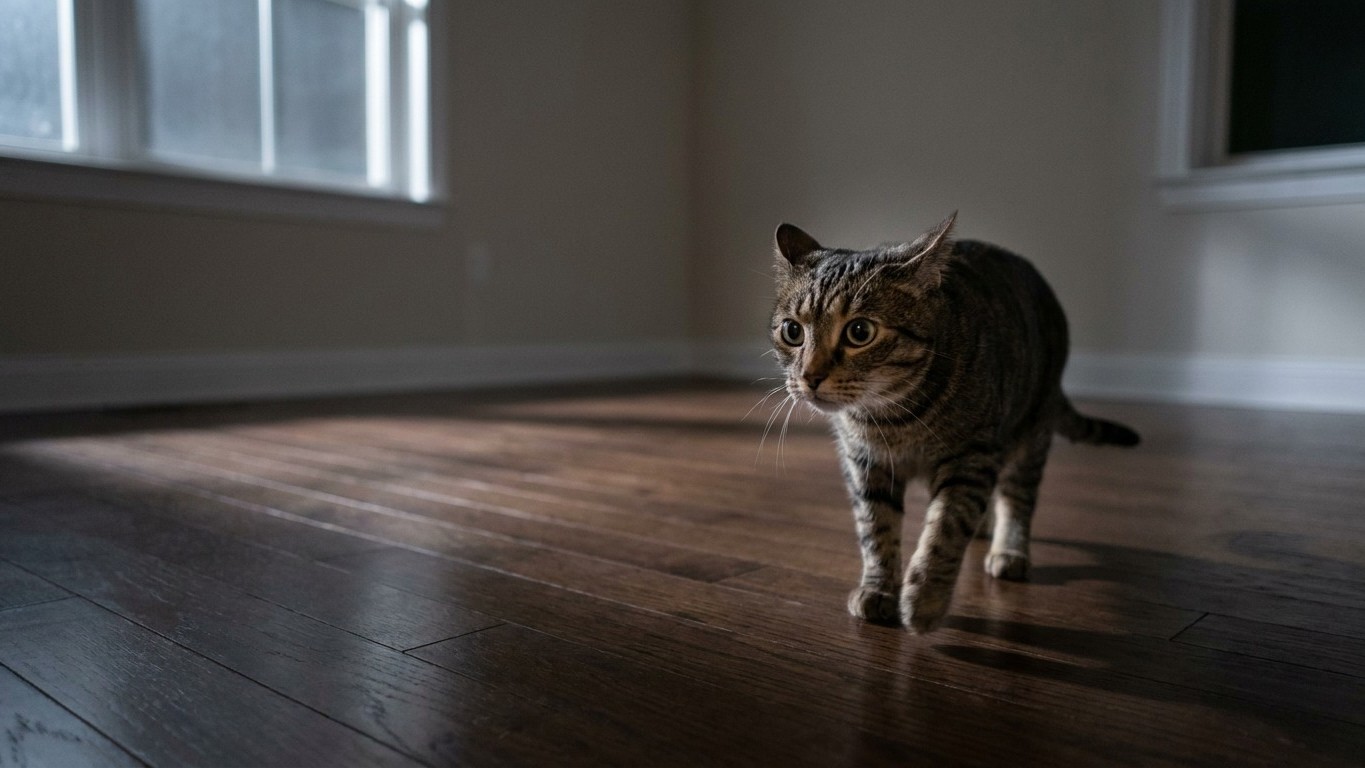
Your cat’s midnight sprint isn’t random chaos—it’s a deeply wired survival instinct playing out in your living room. These bursts of energy, called FRAPs (Frenetic Random Activity Periods), release endorphins and fulfill natural predatory urges. Understanding the biology behind the zoomies can help you manage them and even use them to improve your cat’s health.
The Hidden Danger in Your Recliner: Why Cats Love This Deadly Hiding Spot

The Hidden Danger in Your Recliner: Why Cats Love This Deadly Hiding Spot

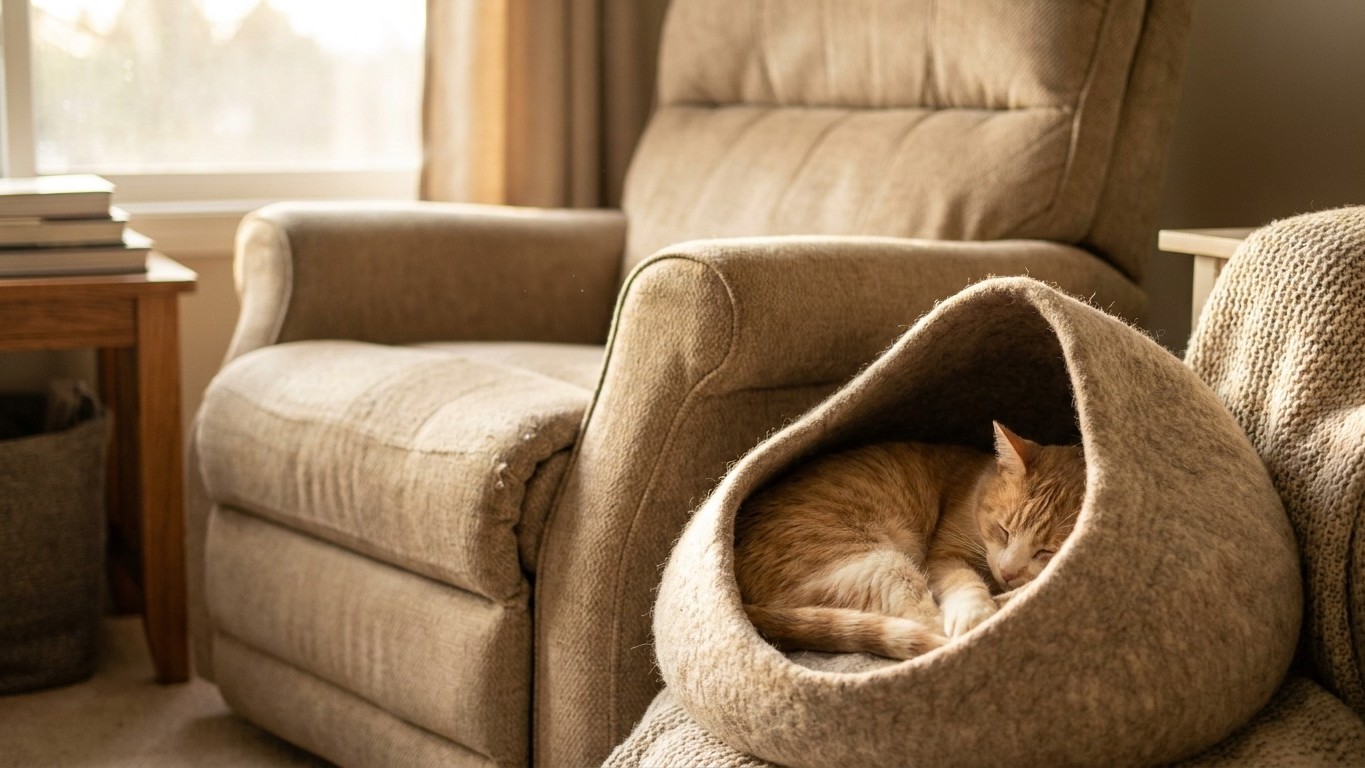
Your cat’s favorite napping spot might be hiding a deadly danger. Recliners and box springs attract cats seeking cozy enclosed spaces, but the mechanical parts can cause crushing injuries or death. Learn why this instinct is hardwired into cats and how to keep your furry friend safe.

Why Your Cat Goes Wild in May: It’s Not Spring Energy—It’s a Hormone Surge

Why Your Cat Goes Wild in May: It's Not Spring Energy—It's a Hormone Surge

Your cat’s wild May behavior isn’t about spring excitement—it’s a hormonal response triggered by increasing daylight that suppresses melatonin and surges sex hormones. Scientists have discovered that even neutered cats experience this seasonal shift, while hidden pollen allergies may compound the chaos. Understanding the biology behind the madness helps you manage it.

Why Your Cat’s 3 AM Zoomies Might Be a Warning Sign Vets Say You’re Missing

Why Your Cat's 3 AM Zoomies Might Be a Warning Sign Vets Say You're Missing

That nightly 3 AM chaos—the racing through hallways, the mysterious wall-yowling, the sudden bursts of energy—might not be playful feline madness after all. Veterinarians warn that sudden changes in nighttime behavior could signal serious health issues like hyperthyroidism, pain, cognitive dysfunction, or hypertension that most cat owners dismiss as normal. Understanding the difference between harmless zoomies and a cry for help could be crucial to your cat’s health.

Where Your Cat Sleeps on You Reveals Their True Trust Level—And What You’re Missing

Where Your Cat Sleeps on You Reveals Their True Trust Level—And What You're Missing

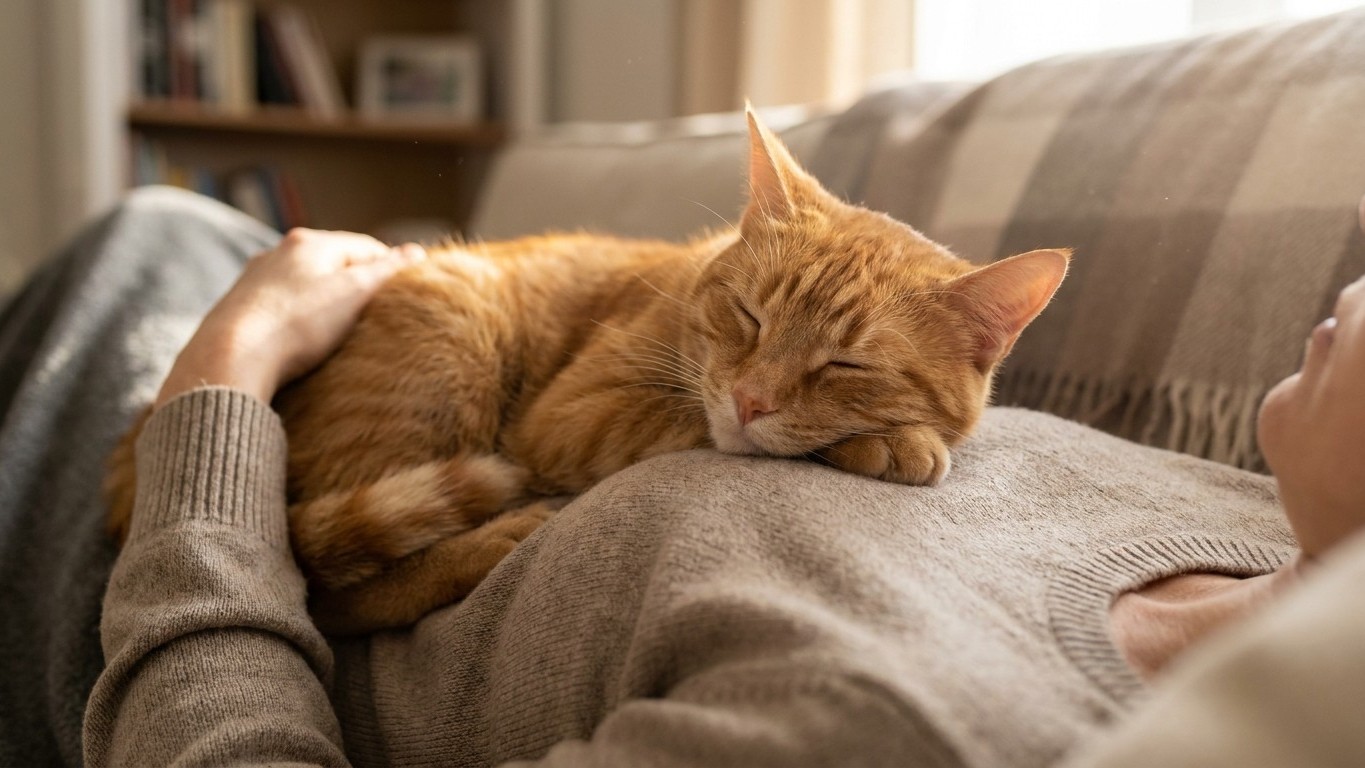
Your cat’s choice of where to sleep on you isn’t random—it’s a deliberate signal of trust, comfort, and emotional attachment. From chest to feet, each position reveals something different about your feline’s feelings, and sudden changes in sleeping habits could indicate stress or health issues worth investigating.

Why Your Cat Won’t Stop Crying at Night—And What You’re Actually Doing Wrong

Why Your Cat Won't Stop Crying at Night—And What You're Actually Doing Wrong

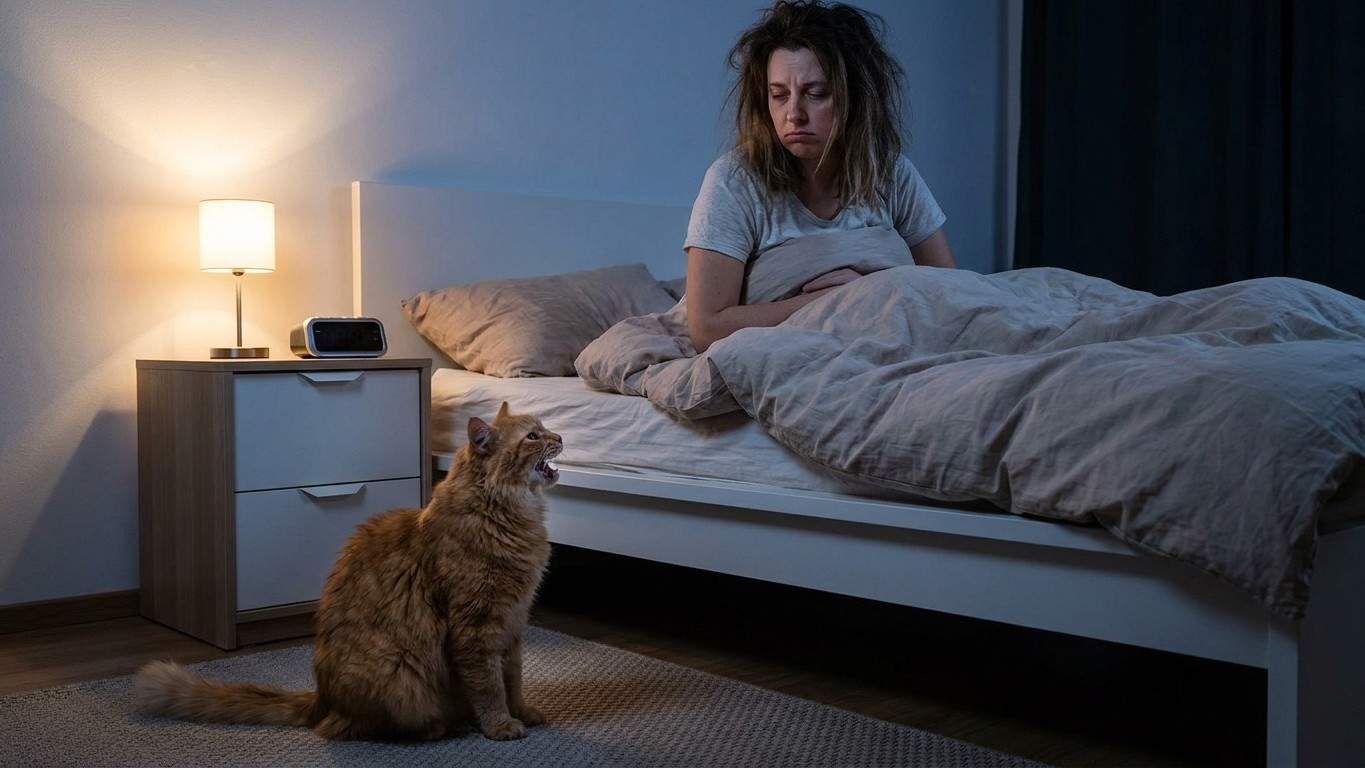
Your cat’s 3am wailing isn’t random—it’s perfectly calculated communication shaped by your responses. Every time you get up to comfort them, you’re inadvertently training them to cry louder and longer. Understanding the science behind nighttime meowing and breaking this behavioral cycle could transform both your nights.

The Belly Trap: Why Your Cat’s Cute Roll-Over Is NOT an Invitation for Rubs

The Belly Trap: Why Your Cat's Cute Roll-Over Is NOT an Invitation for Rubs

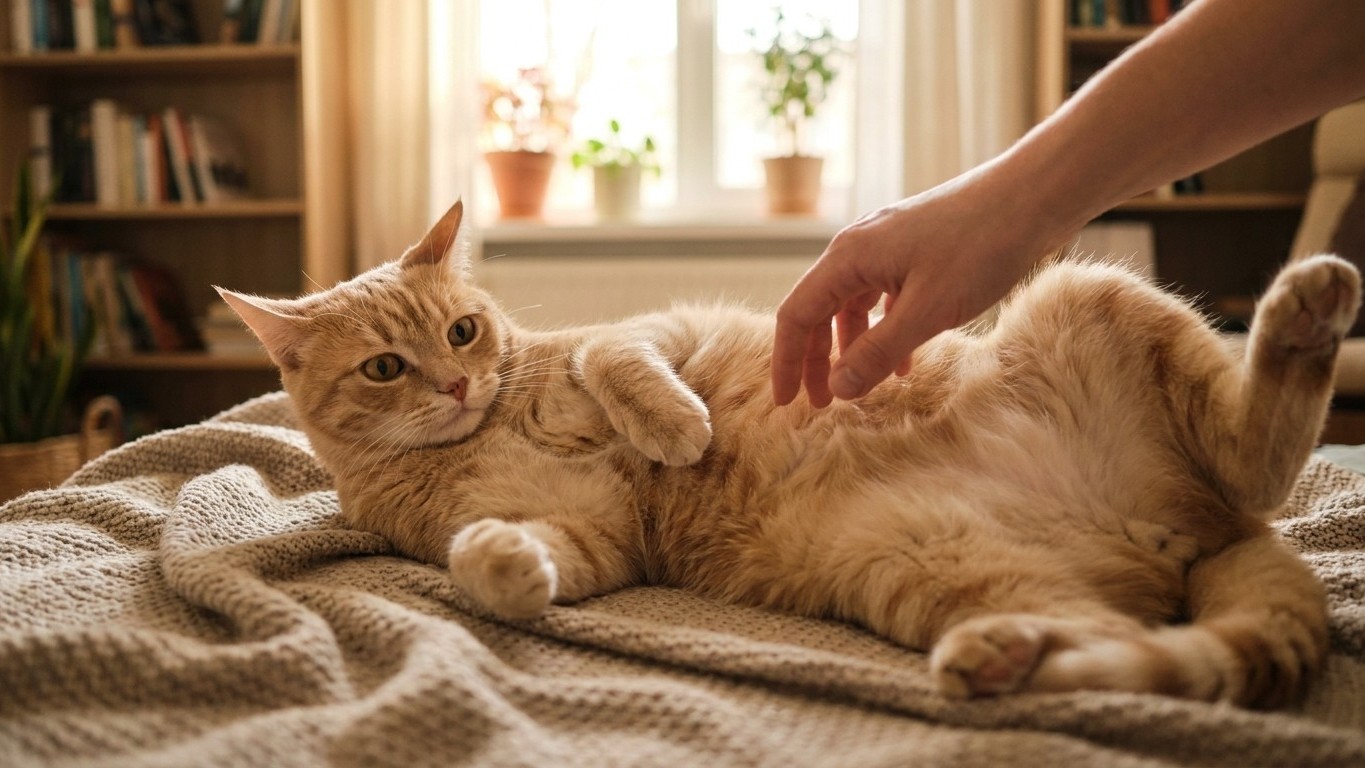
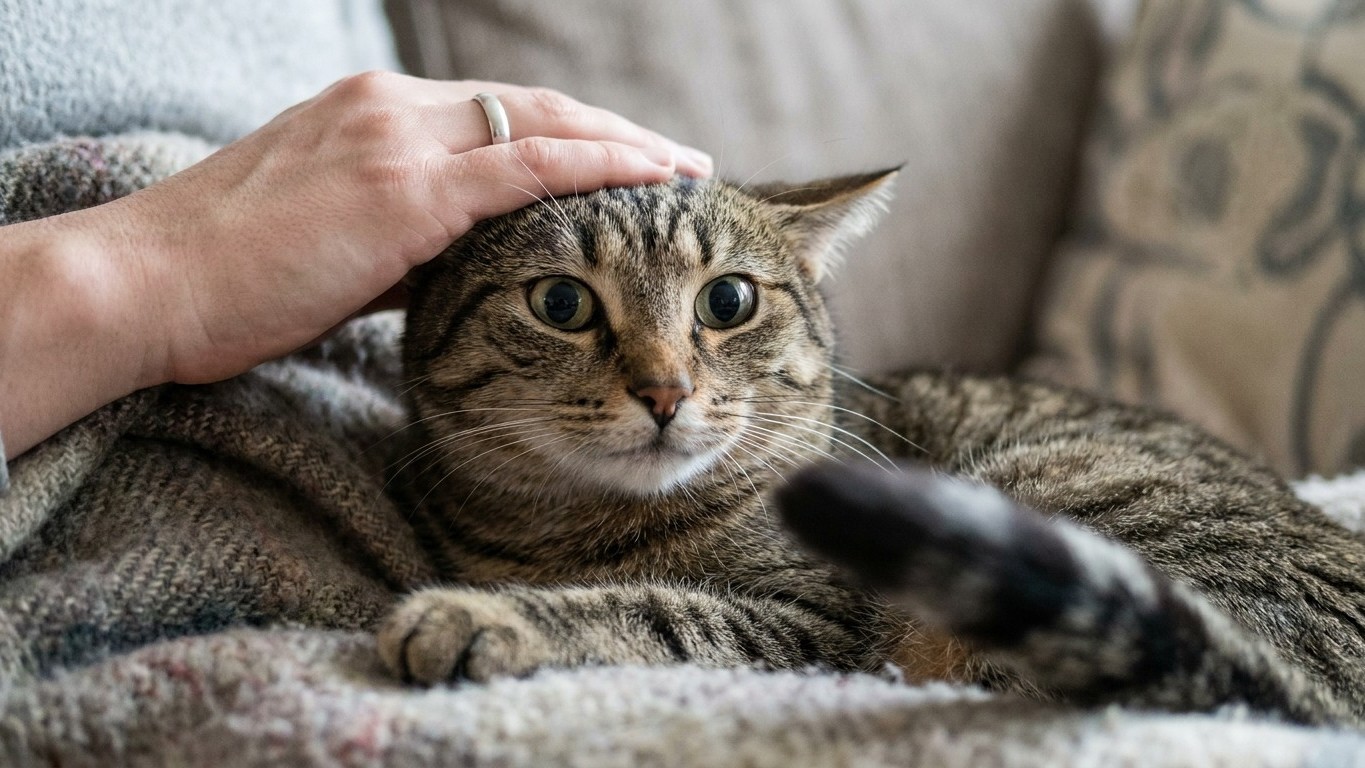
That adorable belly-up roll? It’s a sign of trust, not an invitation to rub. When your cat finally scratches you, she’s exhausted every other way of communicating her discomfort. Understanding what she’s been trying to tell you all along could transform your relationship.

Why Your Cat Refuses Her Water Bowl But Drinks from the Tap: The Science Behind Feline Hydration Habits

Why Your Cat Refuses Her Water Bowl But Drinks from the Tap: The Science Behind Feline Hydration Habits

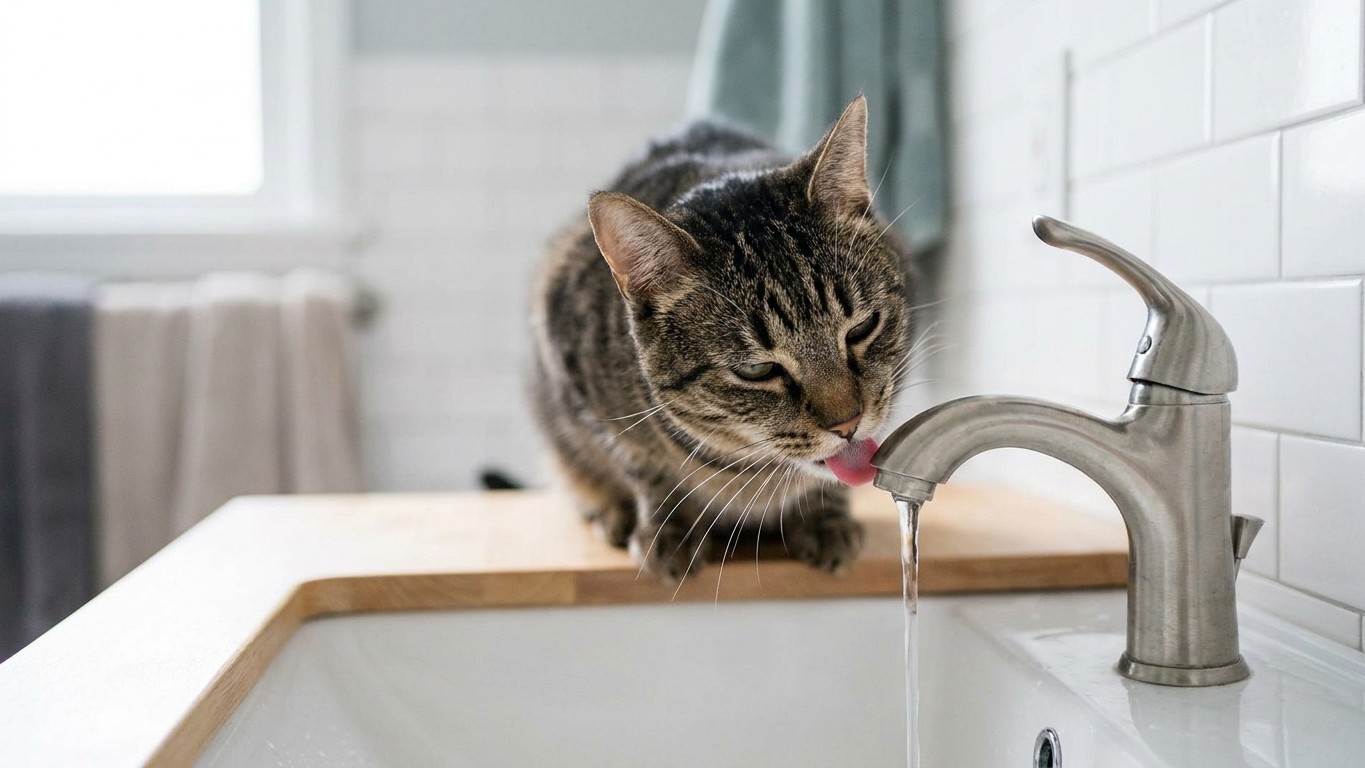
Your cat’s refusal to drink from her bowl isn’t stubbornness—it’s thousands of years of feline evolution at work. From whisker fatigue to ancient survival instincts, discover why running water signals safety to your cat and what you can do about it.

Why Your Cat Stares at You From the Litter Box—And What It Really Means

Why Your Cat Stares at You From the Litter Box—And What It Really Means

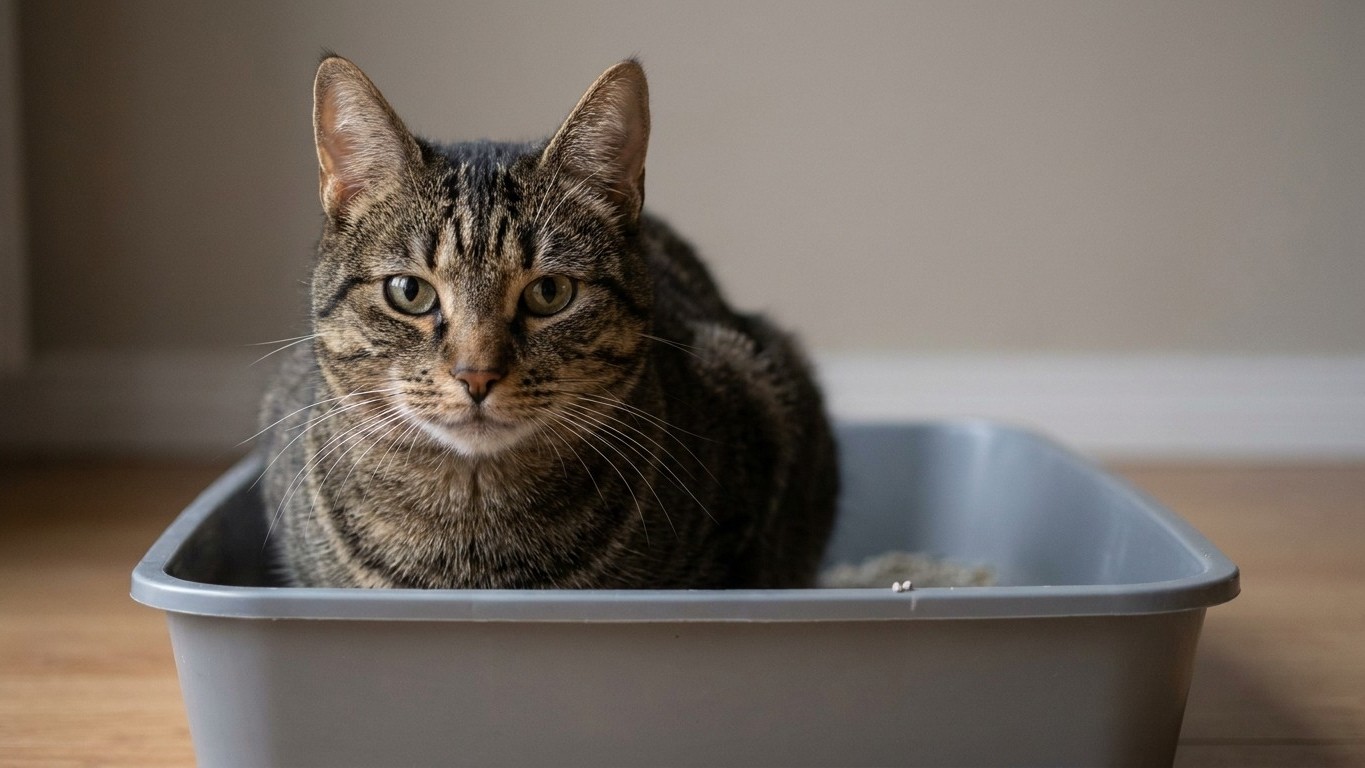
For years, cat owners have been puzzled by their feline’s unflinching gaze from the litter box. Veterinarians now reveal this behavior is a profound act of trust—your cat has appointed you as their lookout during a vulnerable moment. But not all litter box stares are created equal; some can signal serious health issues requiring immediate attention.

Missing the Warning Signs: Why Your ‘Tired’ Cat Might Actually Be Seriously Ill

Missing the Warning Signs: Why Your 'Tired' Cat Might Actually Be Seriously Ill

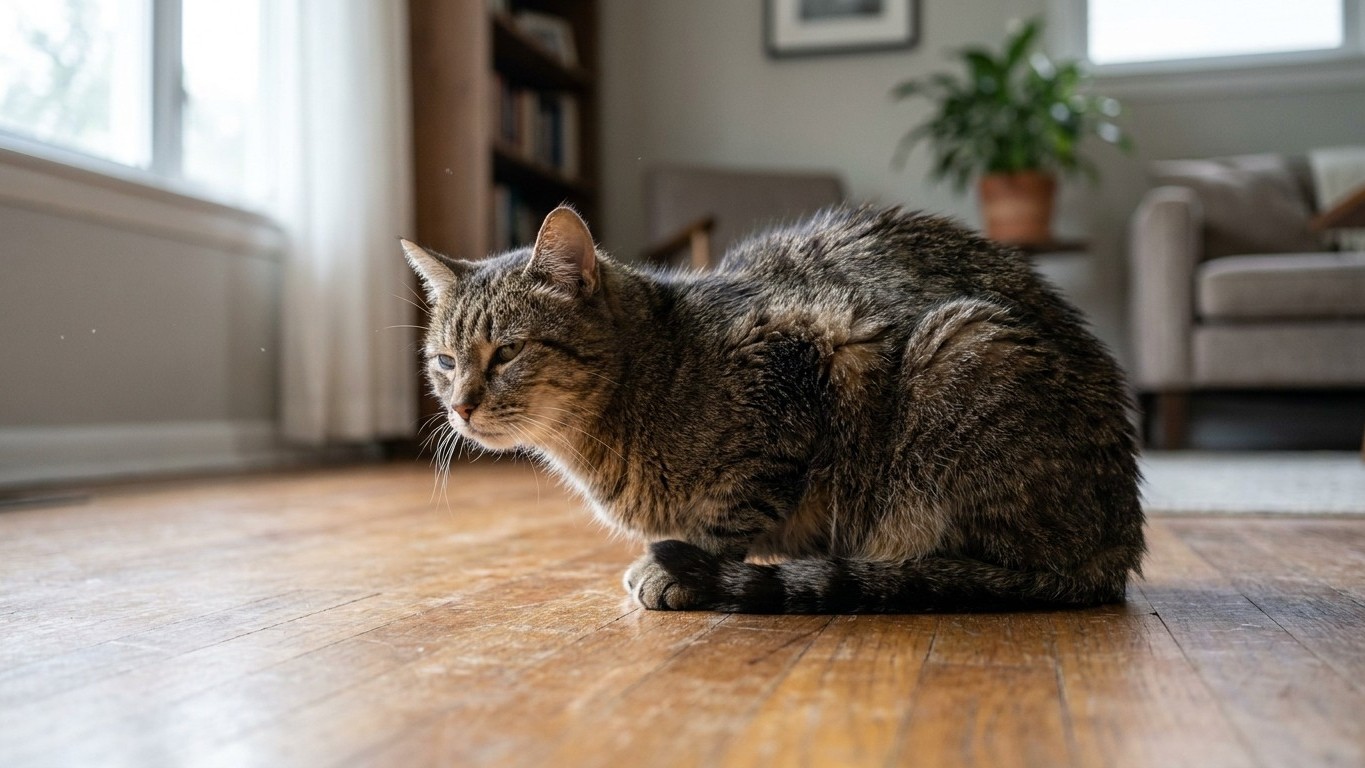
Your cat sleeps more than usual, so you assume they’re just tired. But veterinarians know the difference between normal feline rest and lethargy—and it could signal serious illness hiding in plain sight. The sign most owners misread isn’t how much your cat sleeps, but how they behave when awake.

Why Your Cat Leaves Dead Mice (and Toys) on Your Bed at 3 AM—And What It Really Means

Why Your Cat Leaves Dead Mice (and Toys) on Your Bed at 3 AM—And What It Really Means

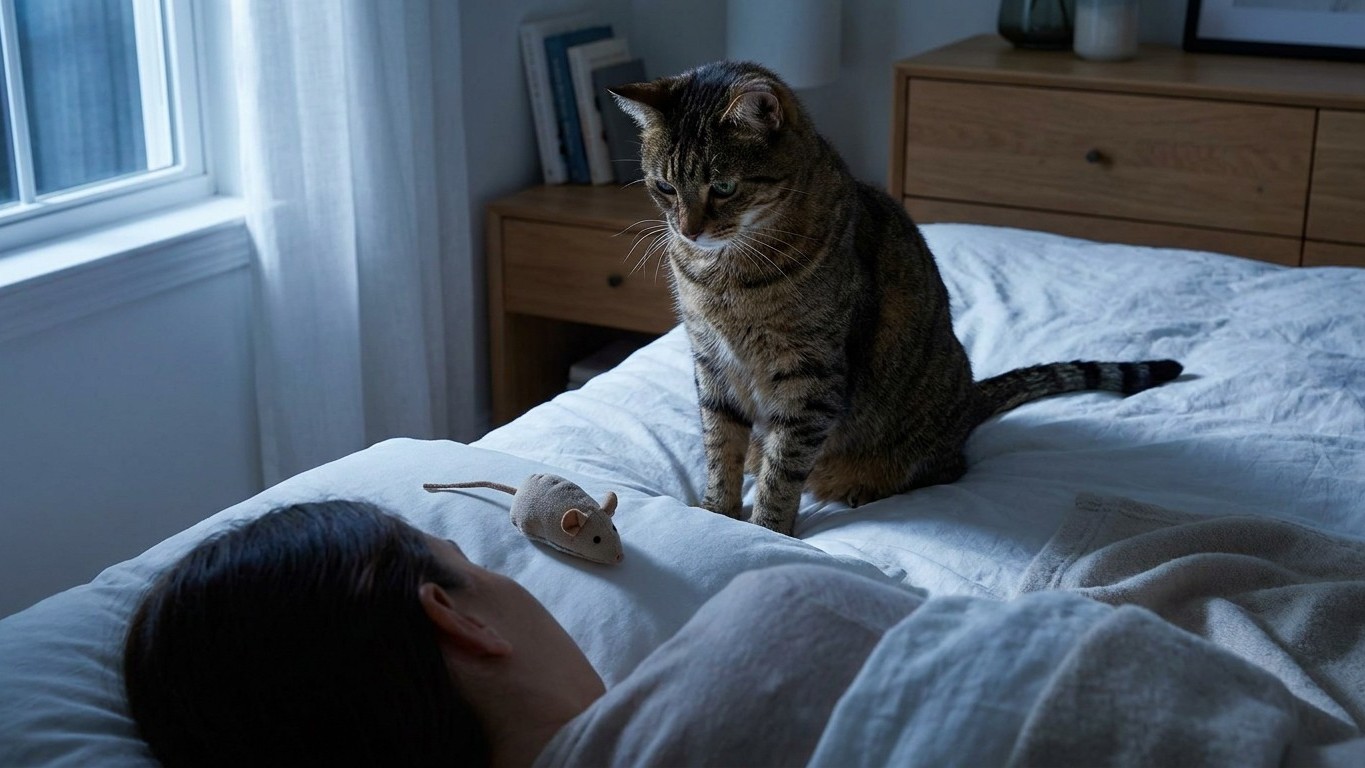
That toy mouse appearing by your pillow at 3 a.m. isn’t random—your cat believes you’re a desperately poor hunter who needs training. Rooted in deep feline instinct and family bonds, this behavior reveals how cats view you as part of their tribe.