Vets never reach for the belly when a cat rolls onto its back: what that pose is really asking for

Vets never reach for the belly when a cat rolls onto its back: what that pose is really asking for
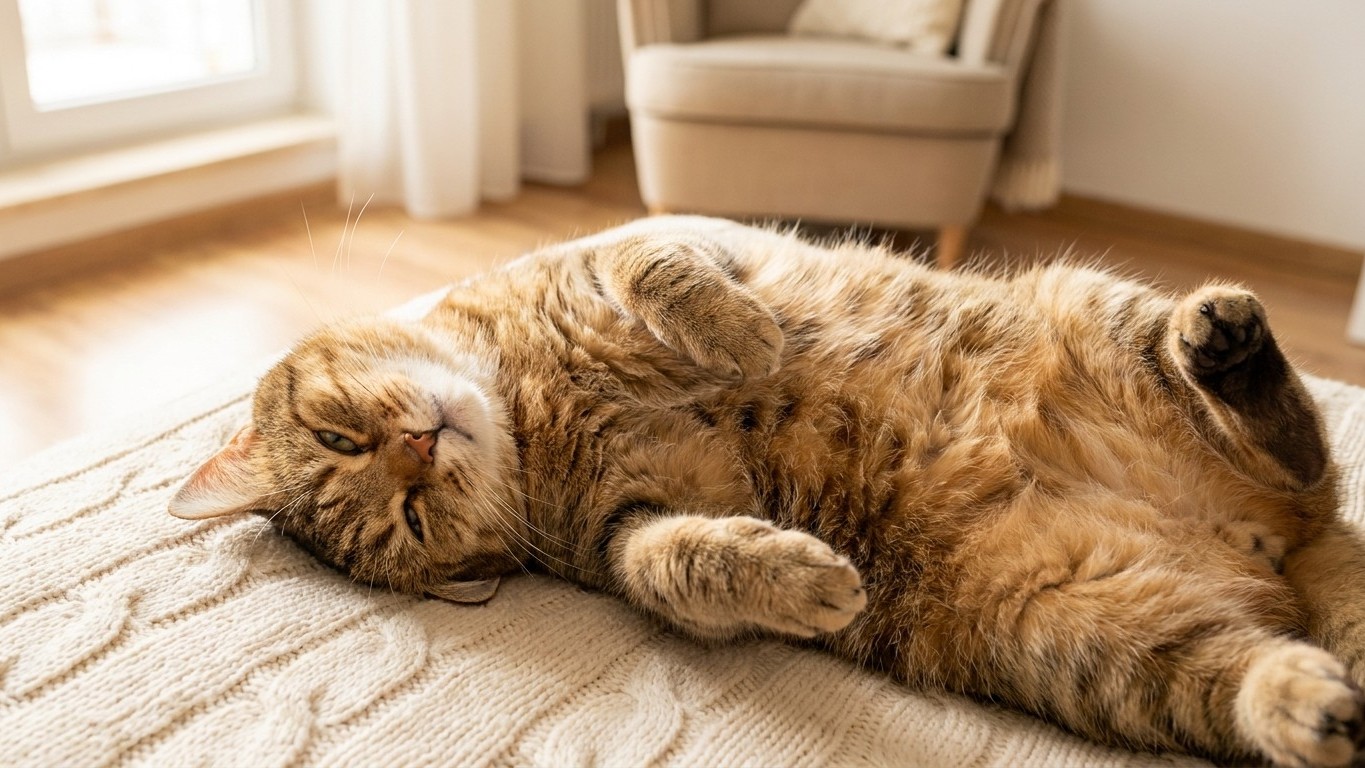
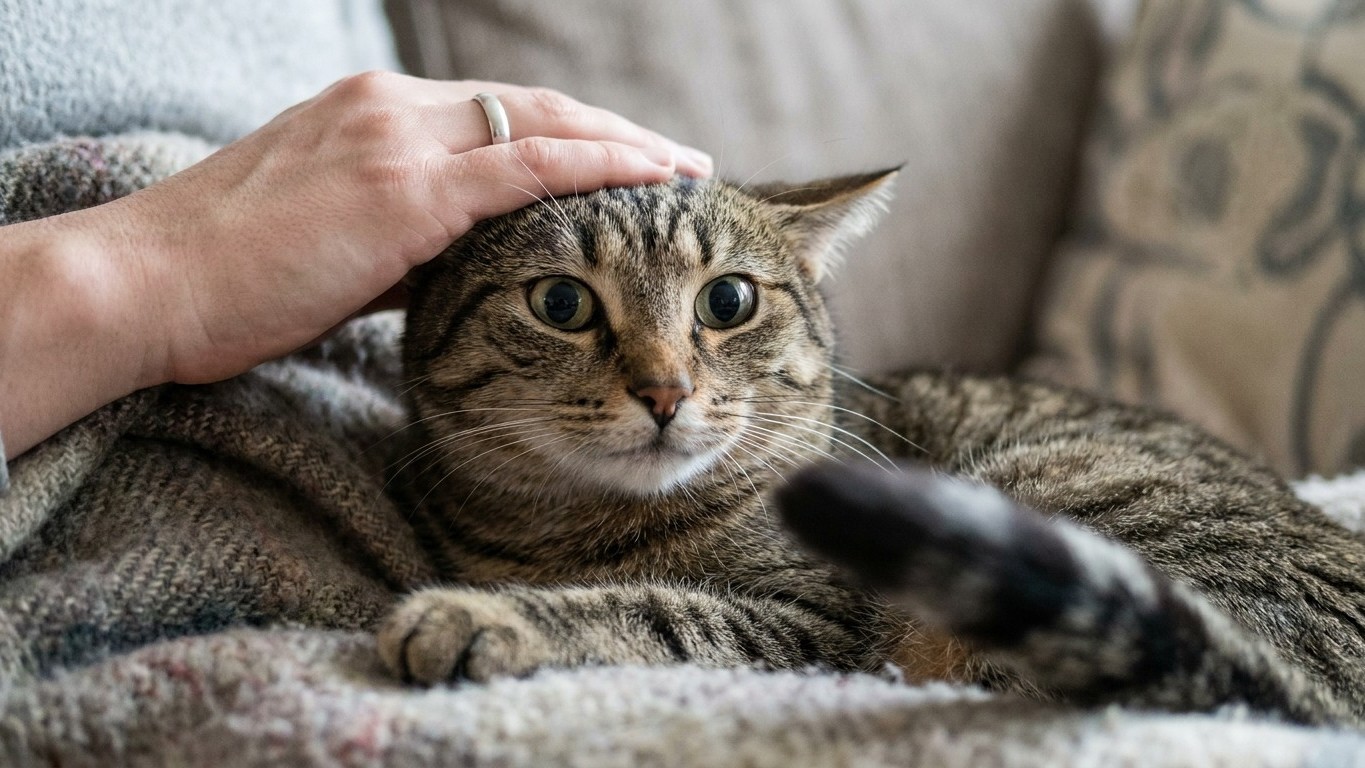
When your cat flops onto its back and shows you that soft, fluffy belly, it’s not actually asking for a rub—despite what it looks like. Vets and feline behaviorists agree this is one of the most misread signals in cat communication, rooted in trust, defense, and sometimes just temperature regulation. Understanding what your cat is actually saying could save your hands from a surprise attack.
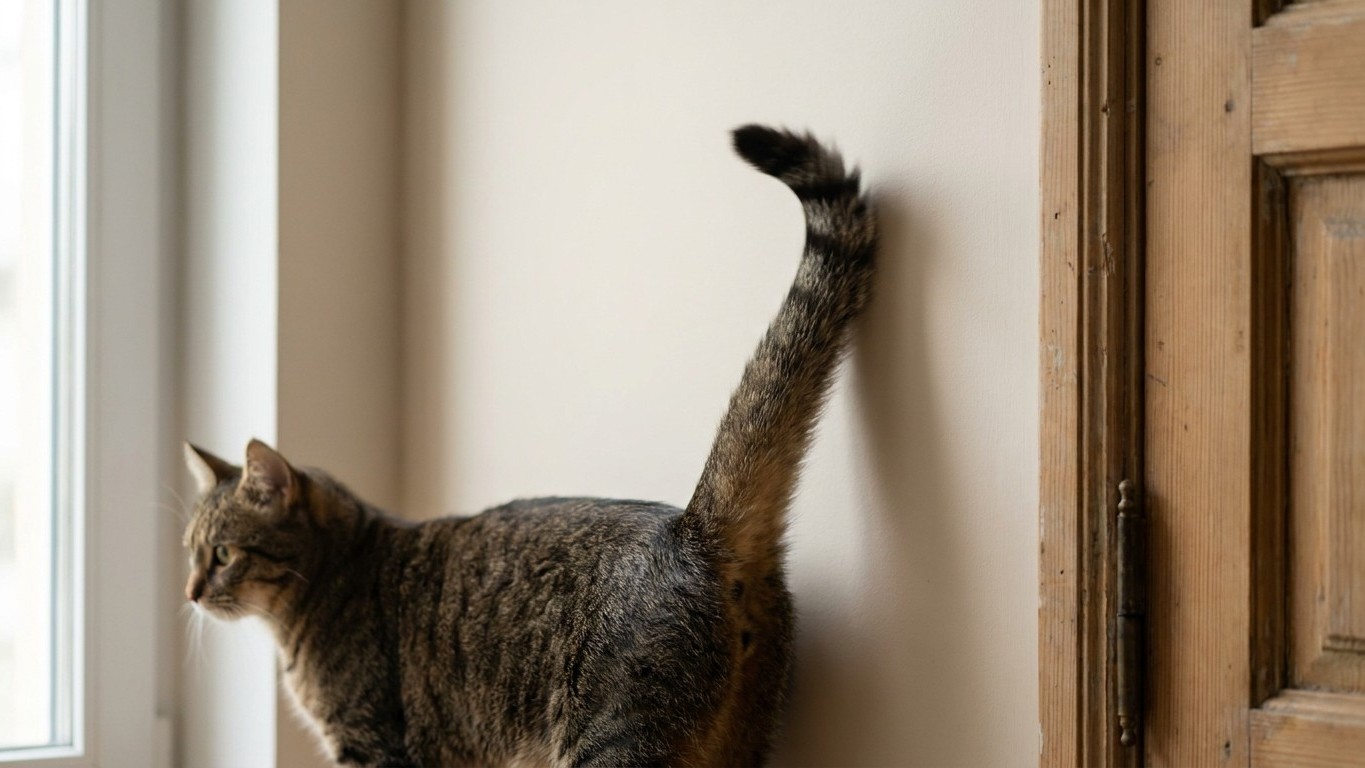
I shouted at my cat every time his tail quivered against the door frame just to stop the mess: three weeks later, the damp marks had nothing to do with bad manners

I shouted at my cat every time his tail quivered against the door frame just to stop the mess: three weeks later, the damp...

That quivering tail against your door frame isn’t defiance—it’s a distress signal. When cats spray urine on vertical surfaces, they’re marking territory due to stress, not poor manners. Shouting only increases anxiety and makes the problem worse.

Where Your Cat Sleeps on You Reveals Their True Trust Level—And What You’re Missing

Where Your Cat Sleeps on You Reveals Their True Trust Level—And What You're Missing

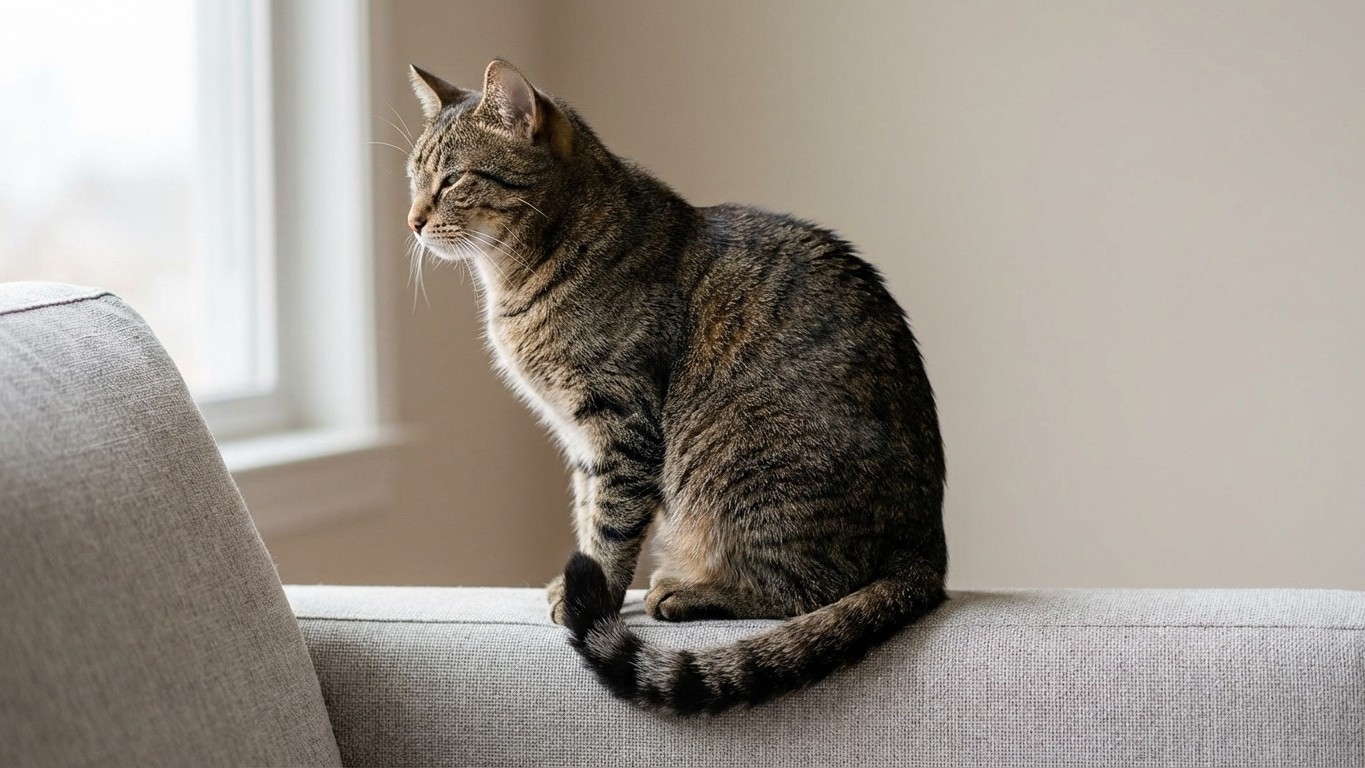
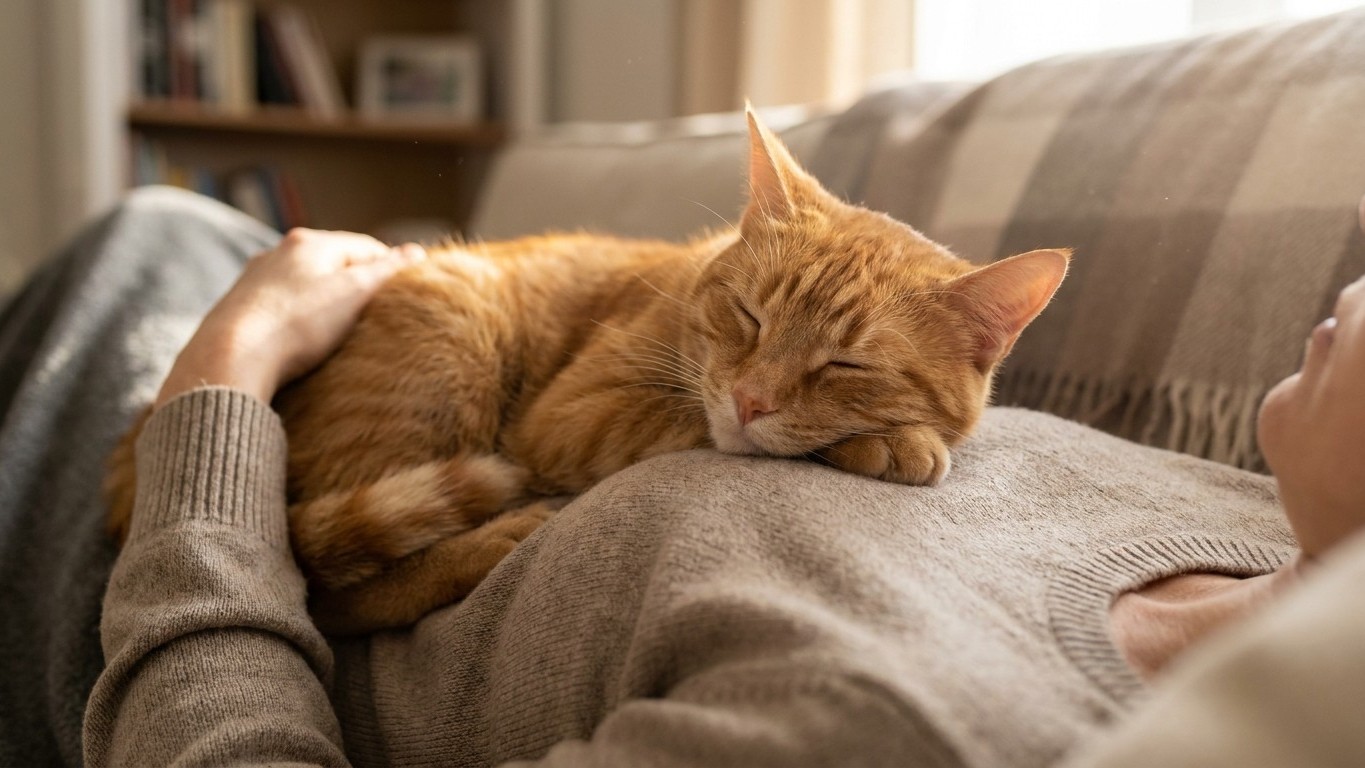
Your cat’s choice of where to sleep on you isn’t random—it’s a deliberate signal of trust, comfort, and emotional attachment. From chest to feet, each position reveals something different about your feline’s feelings, and sudden changes in sleeping habits could indicate stress or health issues worth investigating.

Your Happy Cat Might Actually Be Miserable: What That Tail Position Really Means

Your Happy Cat Might Actually Be Miserable: What That Tail Position Really Means

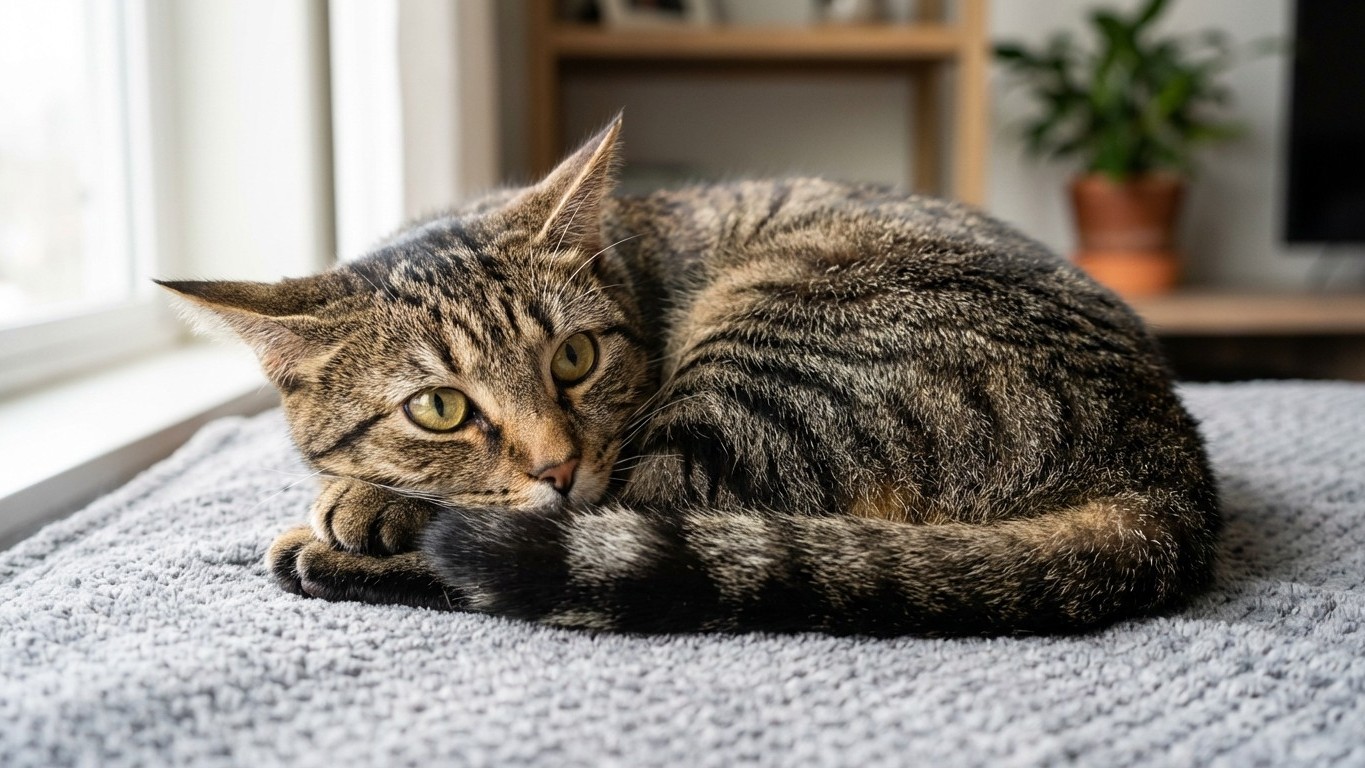
Most cat owners completely misread one specific tail position, mistaking fear and discomfort for contentment. Behaviourists explain why the tucked, wrapped tail is a distress signal—not a sign of a happy, settled cat. Understanding this one signal could transform your relationship with your pet.

What Your Cat’s Tail Position Really Means: The Hidden Language You’ve Been Missing

What Your Cat's Tail Position Really Means: The Hidden Language You've Been Missing

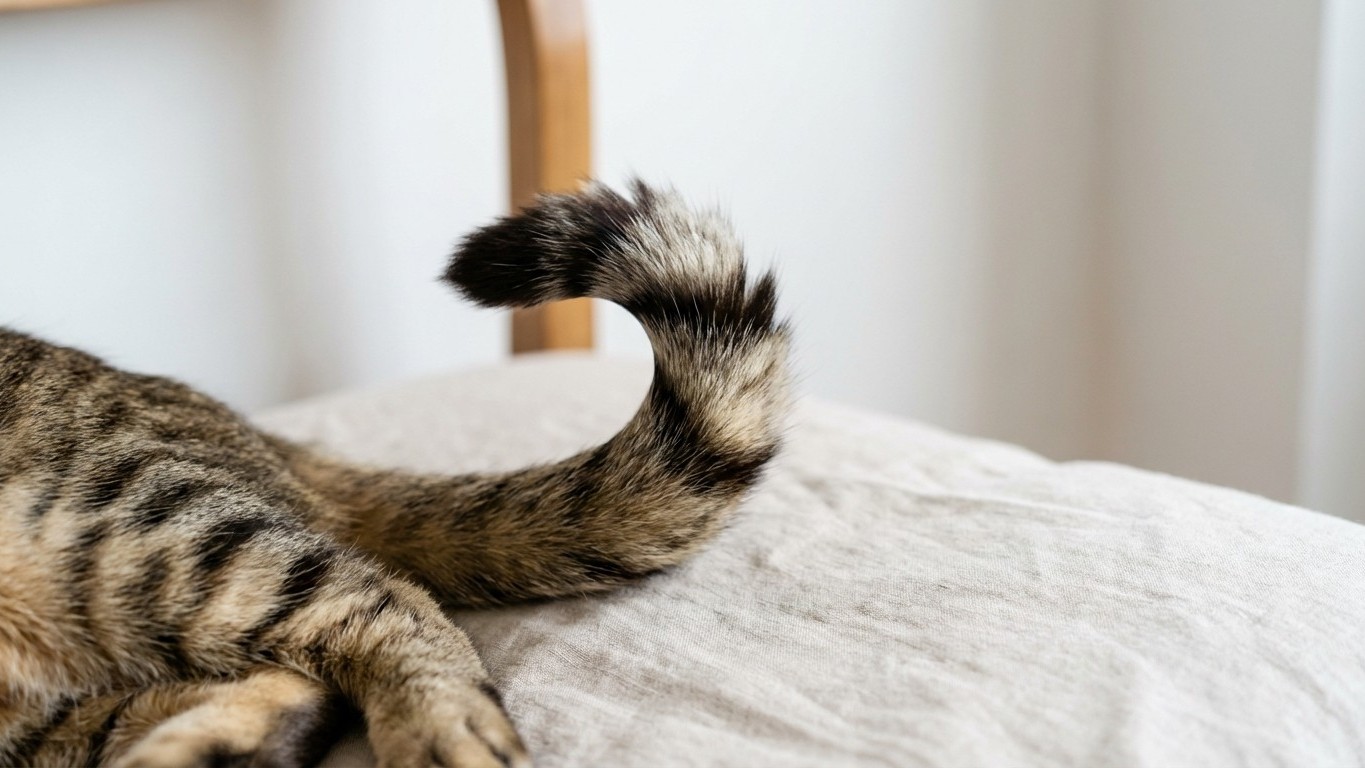
Your cat’s tail is constantly communicating, but most owners completely miss the signs. A low tail doesn’t mean contentment—it signals anxiety. A slow sway isn’t relaxation—it’s focused irritation. Once you learn this secret language, your relationship with your cat will transform.