Why Your Cat Eating Grass in April Could Be Dangerous: What Vets Don’t Want You to Miss
Why Your Cat Eating Grass in April Could Be Dangerous: What Vets Don't Want You to Miss

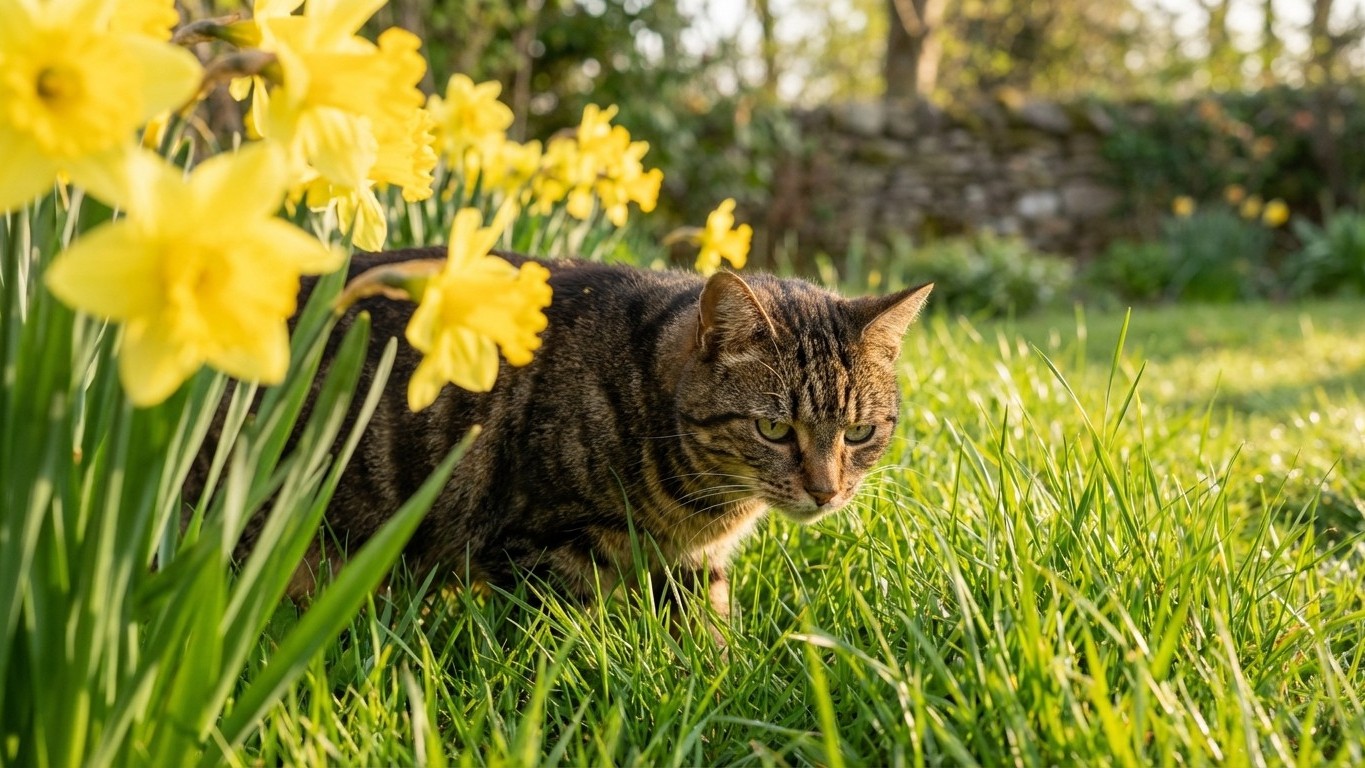
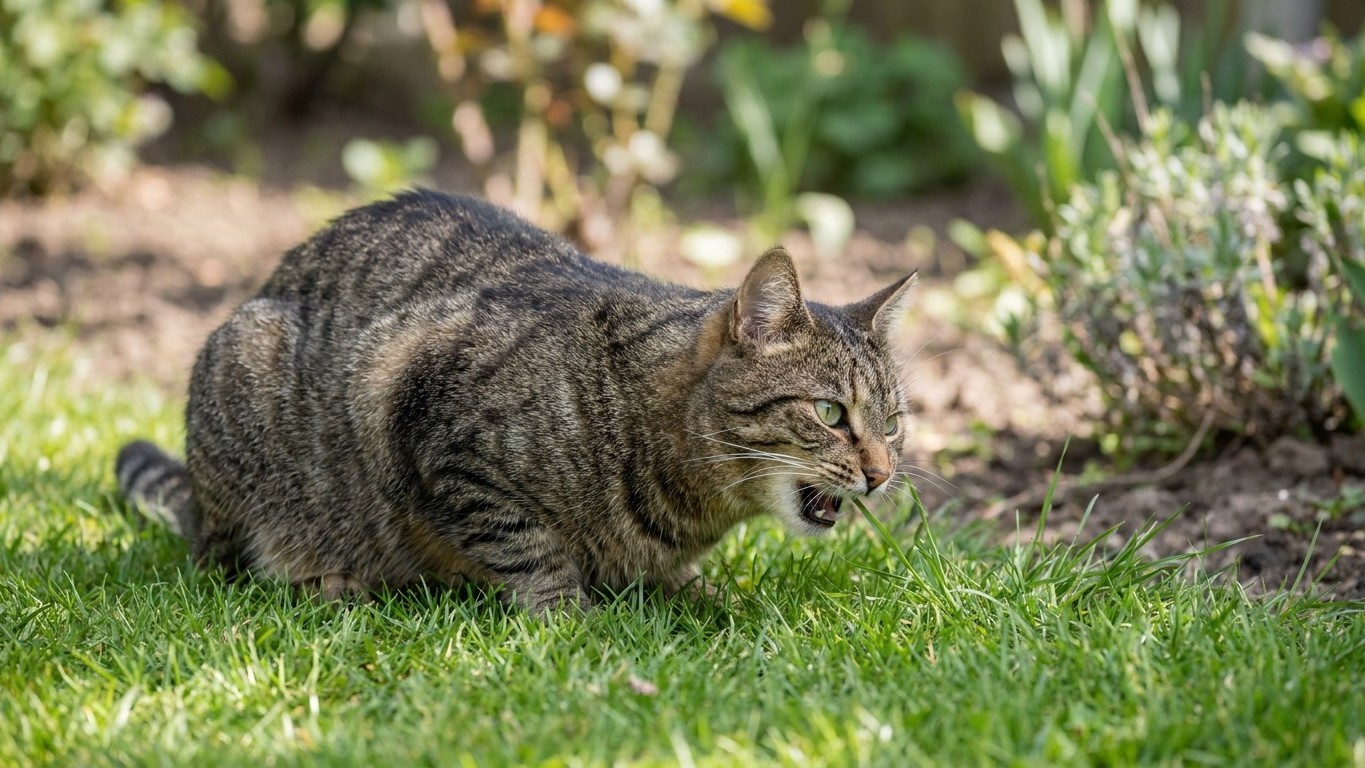
You’ve always thought your cat munching grass was harmless—until April arrives. When lawns get treated with pesticides, herbicides, and fertilizers, that innocent grass-eating habit becomes a serious health risk. Veterinarians are warning pet owners about the cocktail of chemicals and parasites lurking on every blade.
Why UK Vets Dread April: The Deadly Lily Secret That Kills Cats in 48 Hours

Why UK Vets Dread April: The Deadly Lily Secret That Kills Cats in 48 Hours

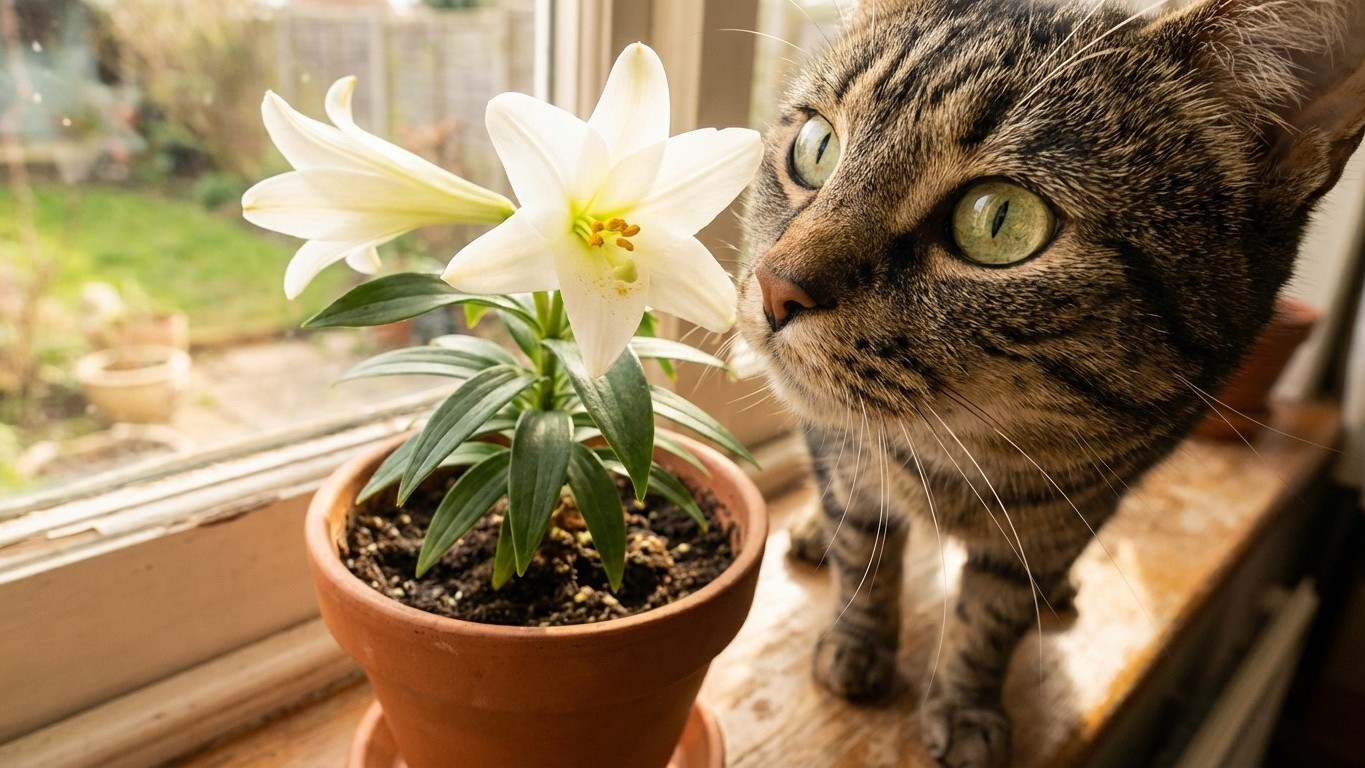
Every April, UK emergency vets brace for an influx of lily poisoning cases—a preventable tragedy that unfolds in less than 48 hours. A single petal, leaf, or grain of pollen can trigger irreversible kidney failure in cats, yet most pet owners remain dangerously unaware. Discover why lilies are the hidden threat in your spring bouquets and what you must do immediately if exposure occurs.

Vets Urge Cat Owners: Update Your Cat’s Microchip Details This April — It Could Save Their Life

Vets Urge Cat Owners: Update Your Cat's Microchip Details This April — It Could Save Their Life

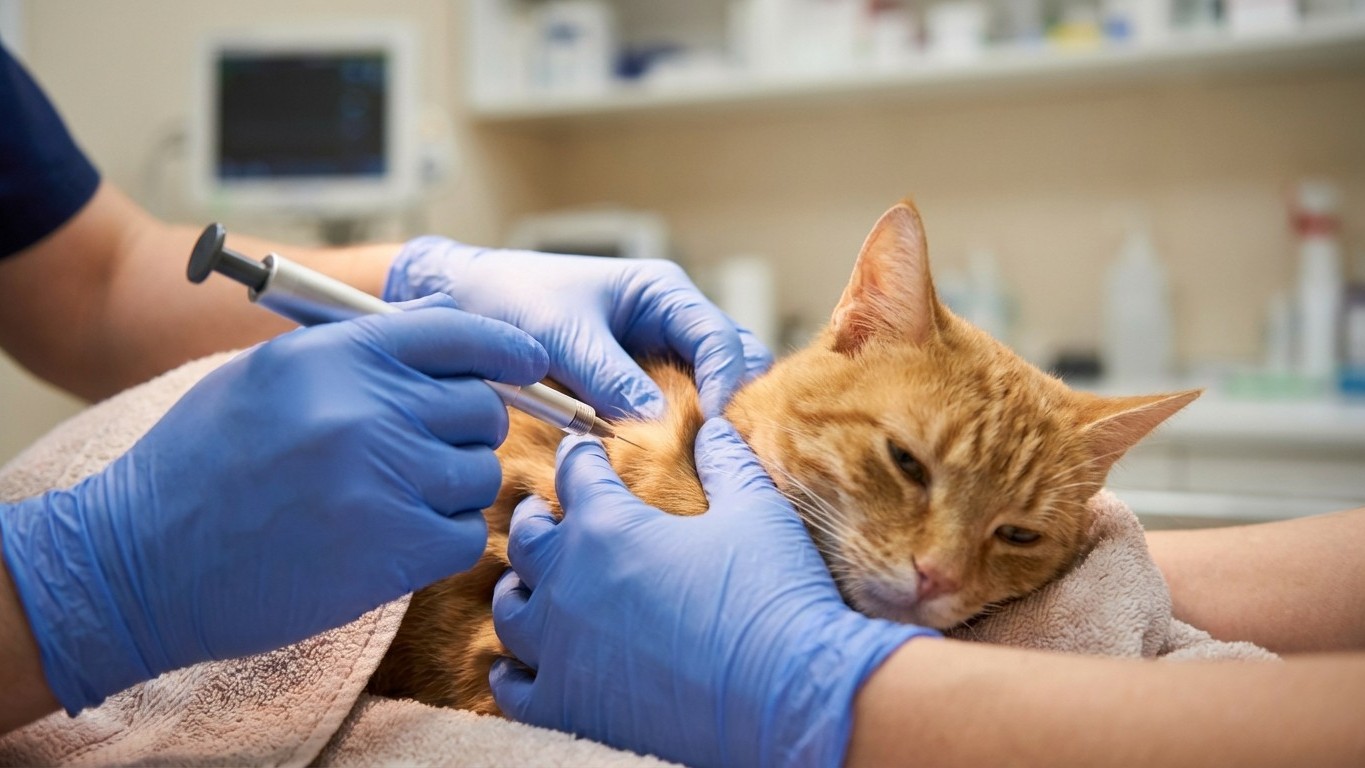
As spring arrives and cats venture outdoors more, UK vets are urging owners to microchip their cats—and critically, to ensure their contact details are current. With only a 2% reunion rate for unchipped strays, this simple step could be the difference between a lost cat and a safe homecoming.

Why Your ‘Natural’ Flea Remedy Is Poisoning Your Cat Instead of Protecting It

Why Your 'Natural' Flea Remedy Is Poisoning Your Cat Instead of Protecting It

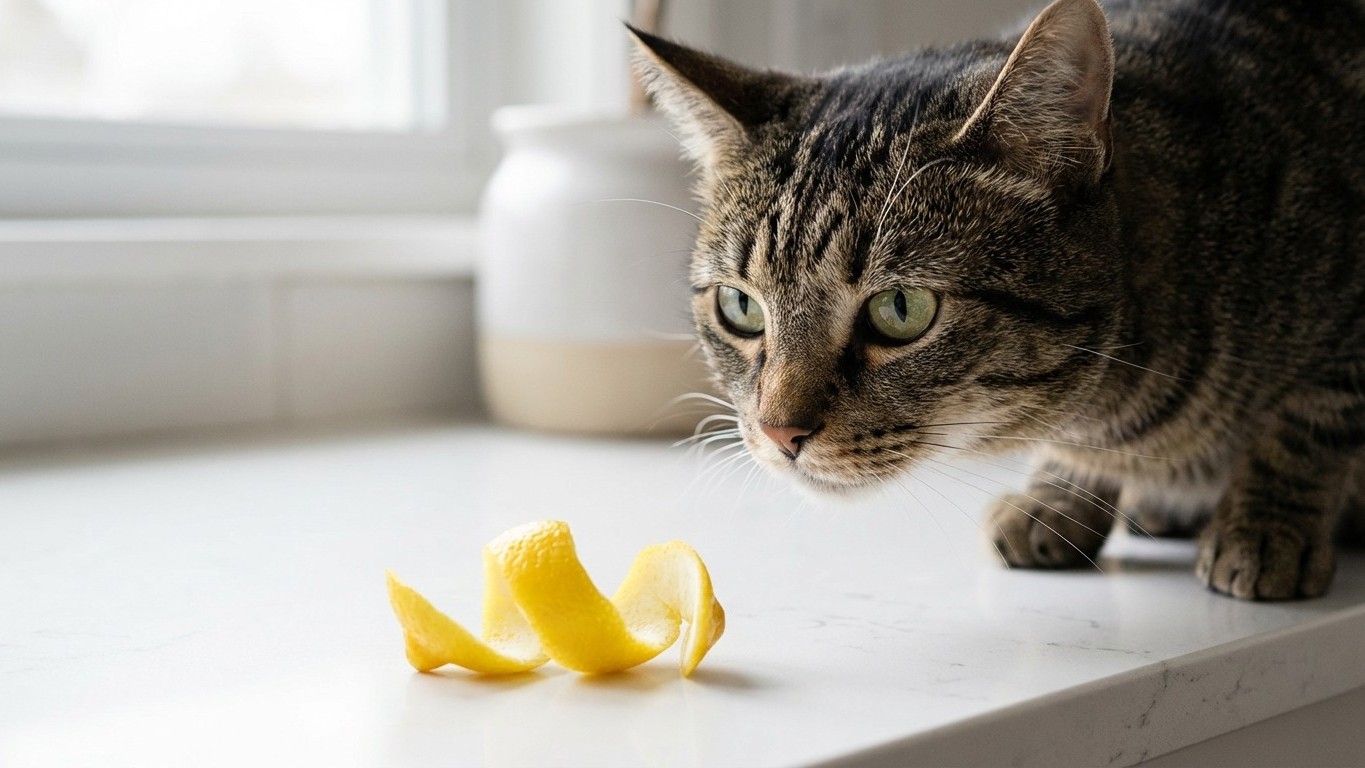
Every spring, cat owners reach for lavender oil, garlic, and lemon sprays believing they’re safe alternatives to chemical flea treatments. But vets warn that many of these popular ‘natural’ remedies are actively poisoning your cat while failing to control fleas. Discover why cats are uniquely vulnerable and what actually works.

Why Your Cat’s Plastic Chewing Habit Is a Silent Distress Signal You’re Missing

Why Your Cat's Plastic Chewing Habit Is a Silent Distress Signal You're Missing

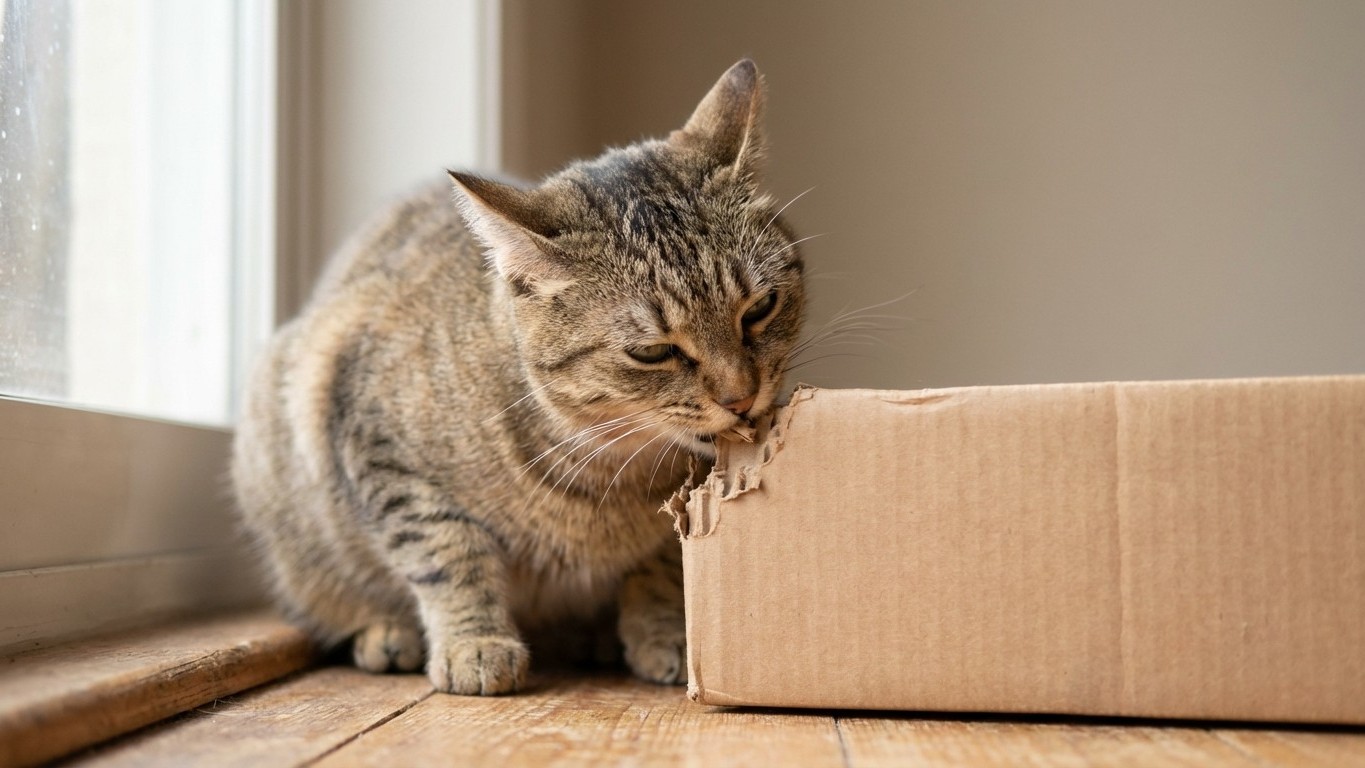
That adorable video of your cat gnawing on a plastic bag might actually be a cry for help. Pica in cats—compulsive chewing of non-food items—can indicate stress, medical conditions, or even breed-specific genetic predispositions. Understanding the difference between quirky behavior and dangerous habits could save your cat’s life.

Why Cats Survive 7-Story Falls Better Than 2-Story Falls: The Counterintuitive Physics Behind High-Rise Syndrome

Why Cats Survive 7-Story Falls Better Than 2-Story Falls: The Counterintuitive Physics Behind High-Rise Syndrome

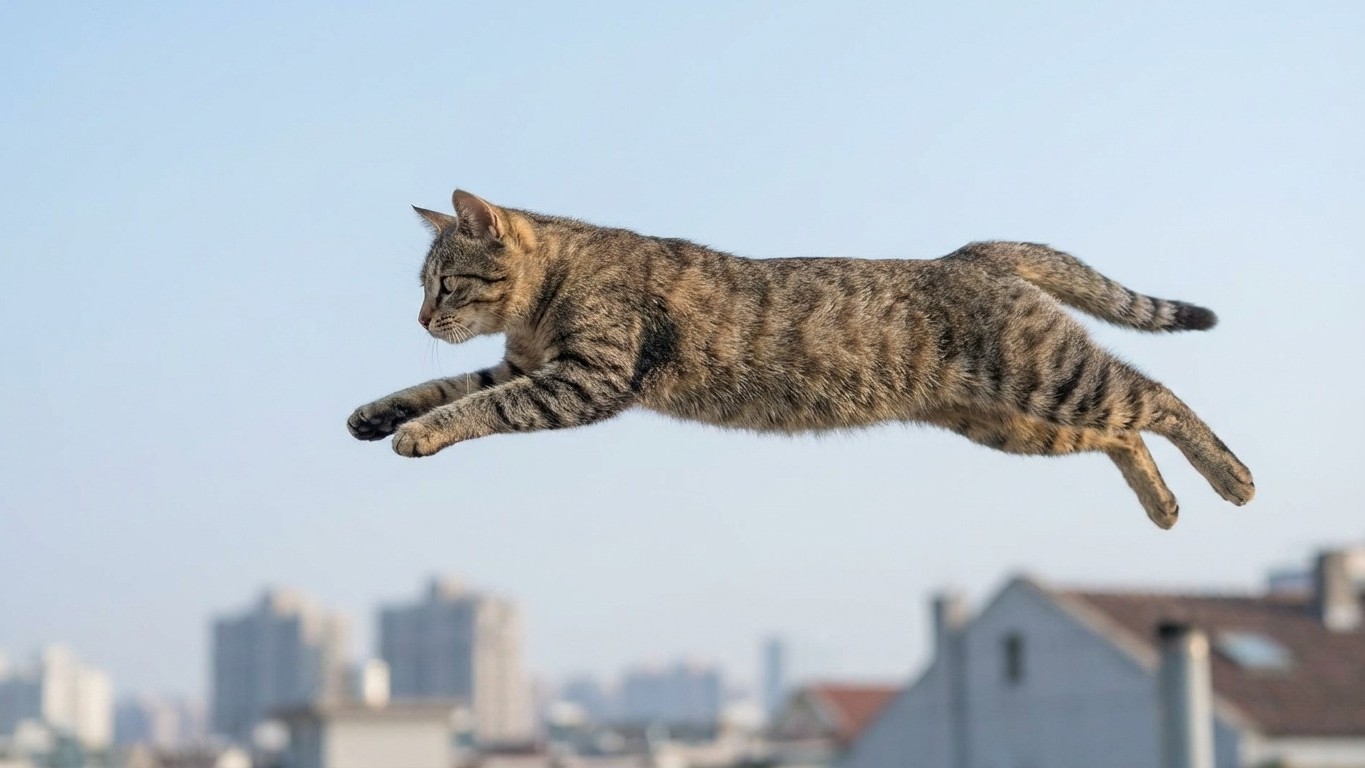
Veterinarians have long known a paradoxical truth: cats falling from higher floors often survive with fewer injuries than those falling from lower heights. This counterintuitive discovery in feline medicine reveals how physics, terminal velocity, and the cat’s remarkable righting reflex combine to create an unexpected survival advantage—but there’s a dark catch.

Spring Cleaning Alert: Why Vets Say Your Favorite Spring Ritual Is Poisoning Your Cat

Spring Cleaning Alert: Why Vets Say Your Favorite Spring Ritual Is Poisoning Your Cat

Every spring, cat owners unknowingly put their pets at risk through seasonal flowers, cleaning products, and garden treatments. Lilies alone account for 45% of all cat poisoning claims in the UK, with some toxins causing fatal kidney failure in under 72 hours. Vets reveal the simple swaps that can keep your cat safe.