Why a cat may eat more wet food in summer and how hydration matters
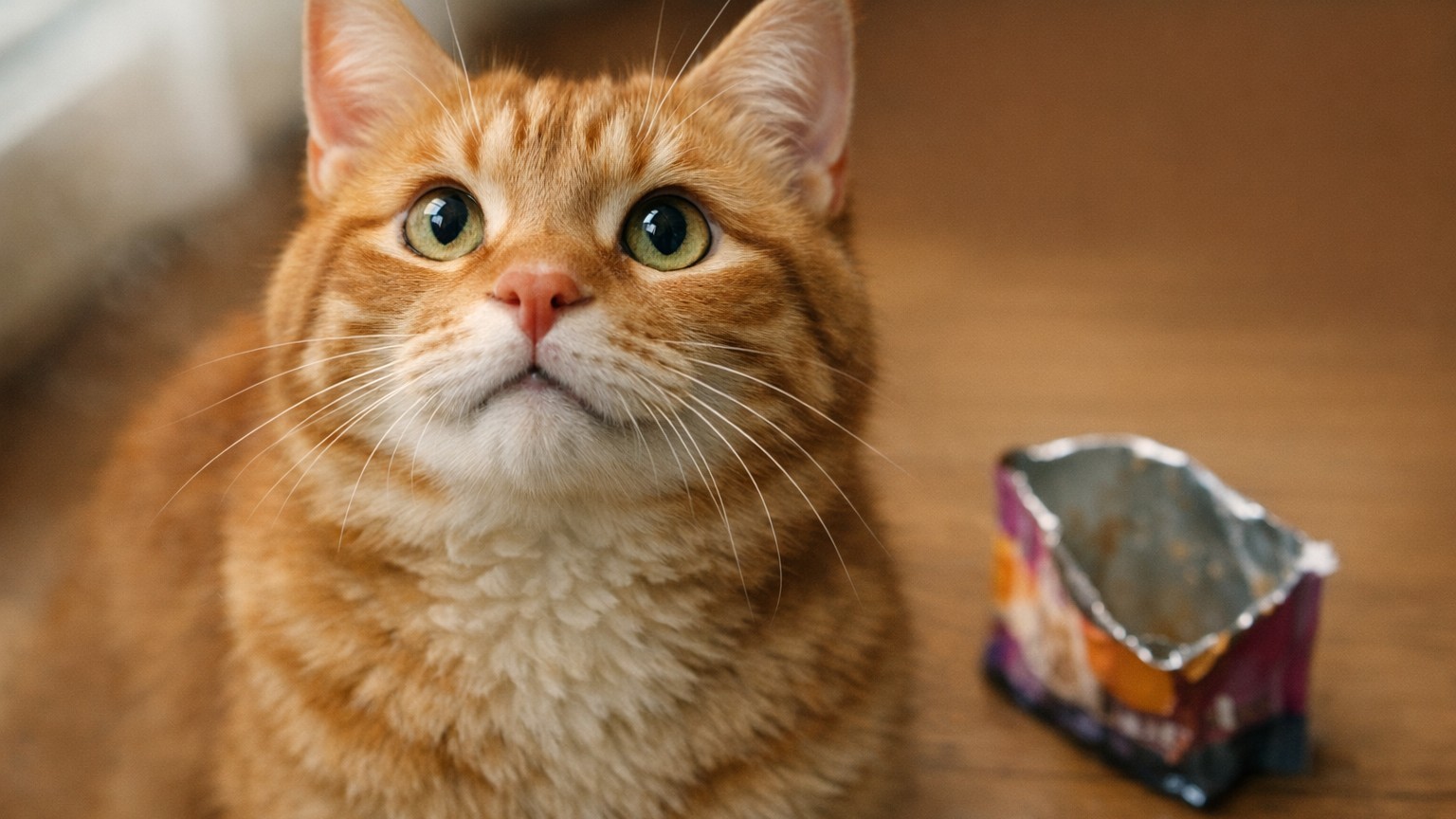
Why Your Cat Eats More in Summer: The Hydration Secret Your Vet Wants You to Know

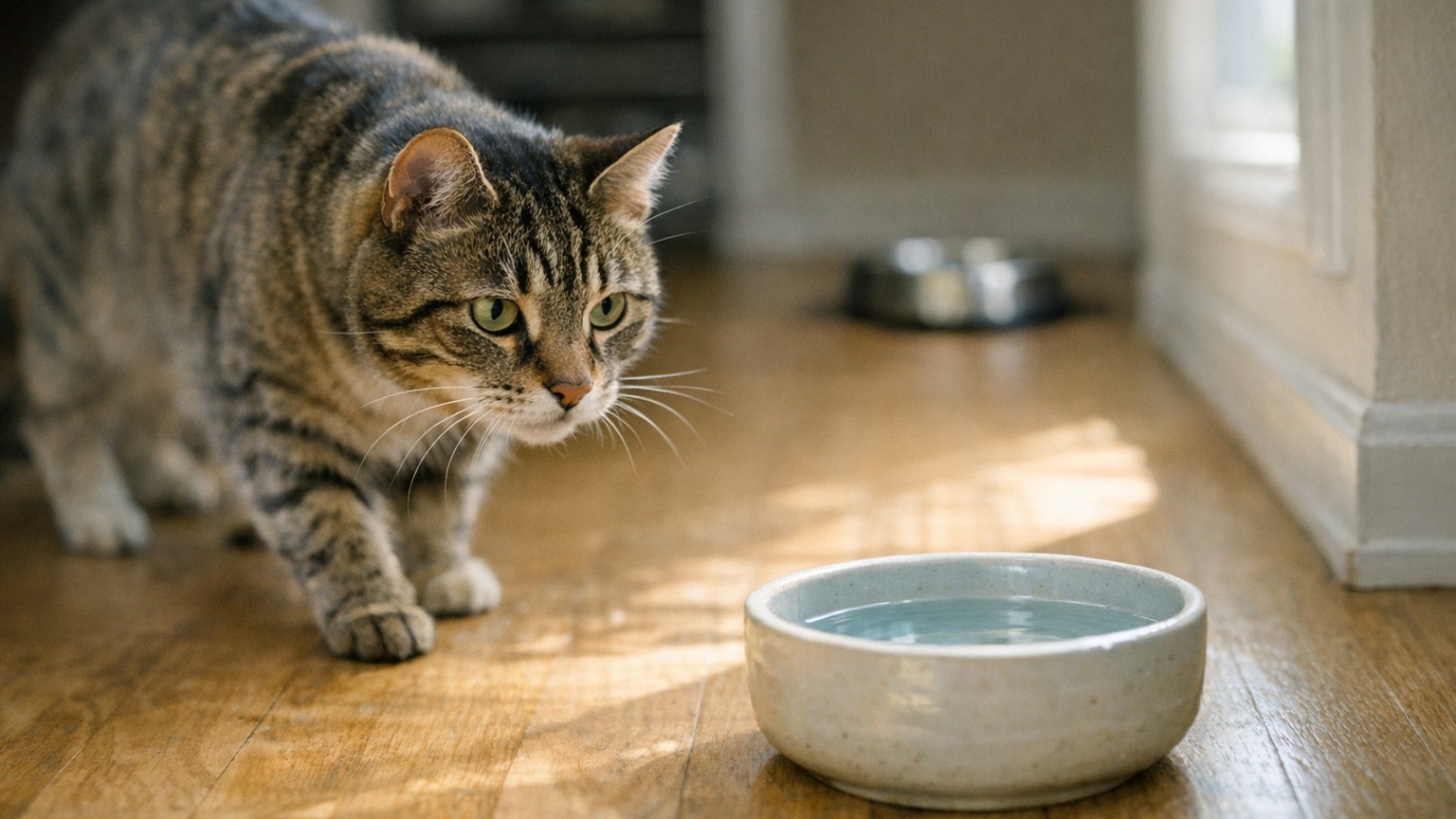
You thought your cat was just greedy in summer, but your vet revealed the truth: she was quietly self-medicating against dehydration. Most cats eat 15% less in summer, so when Mochi ate more, something deeper was happening. Here’s what every cat owner needs to know about summer hydration.
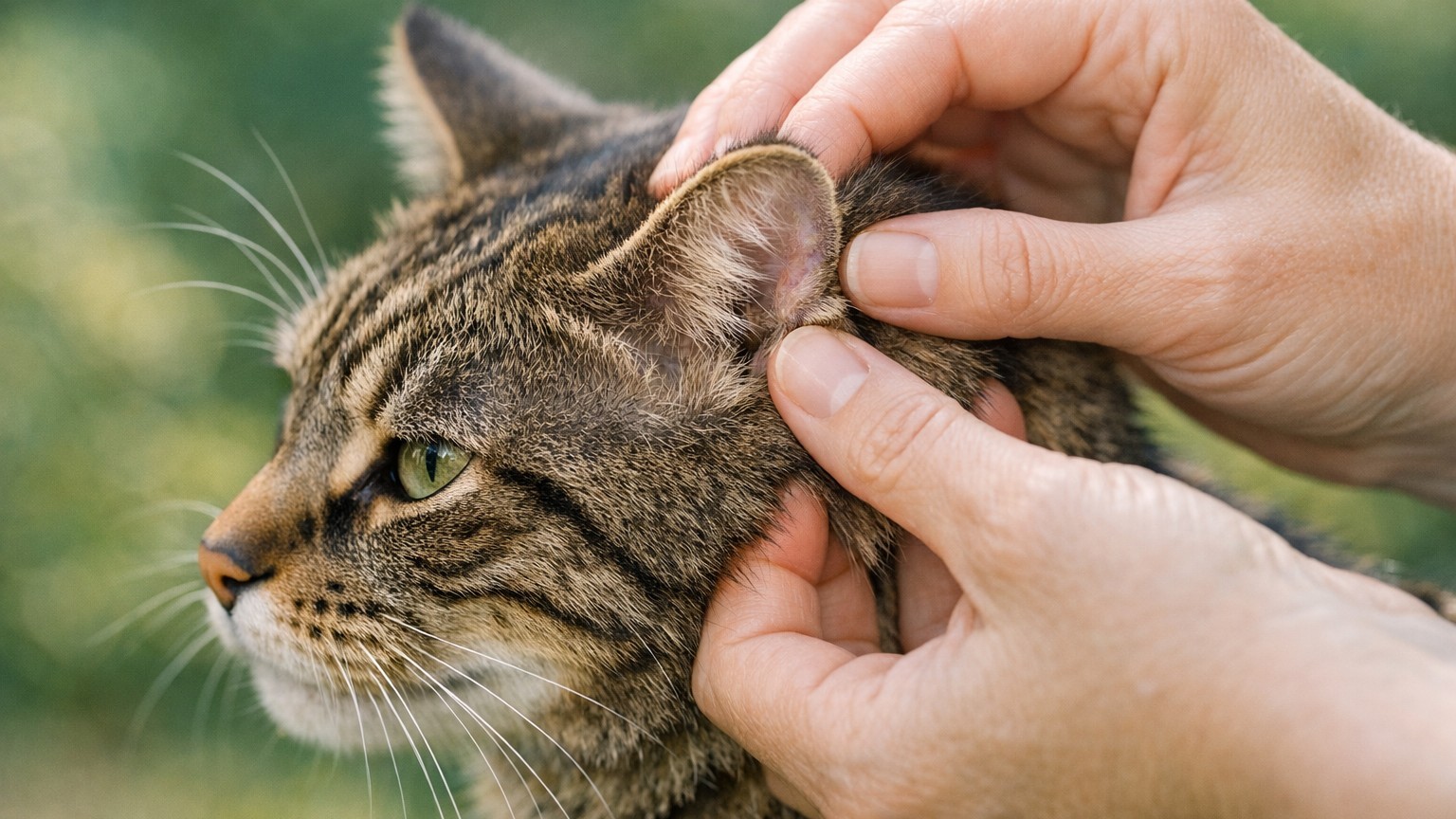
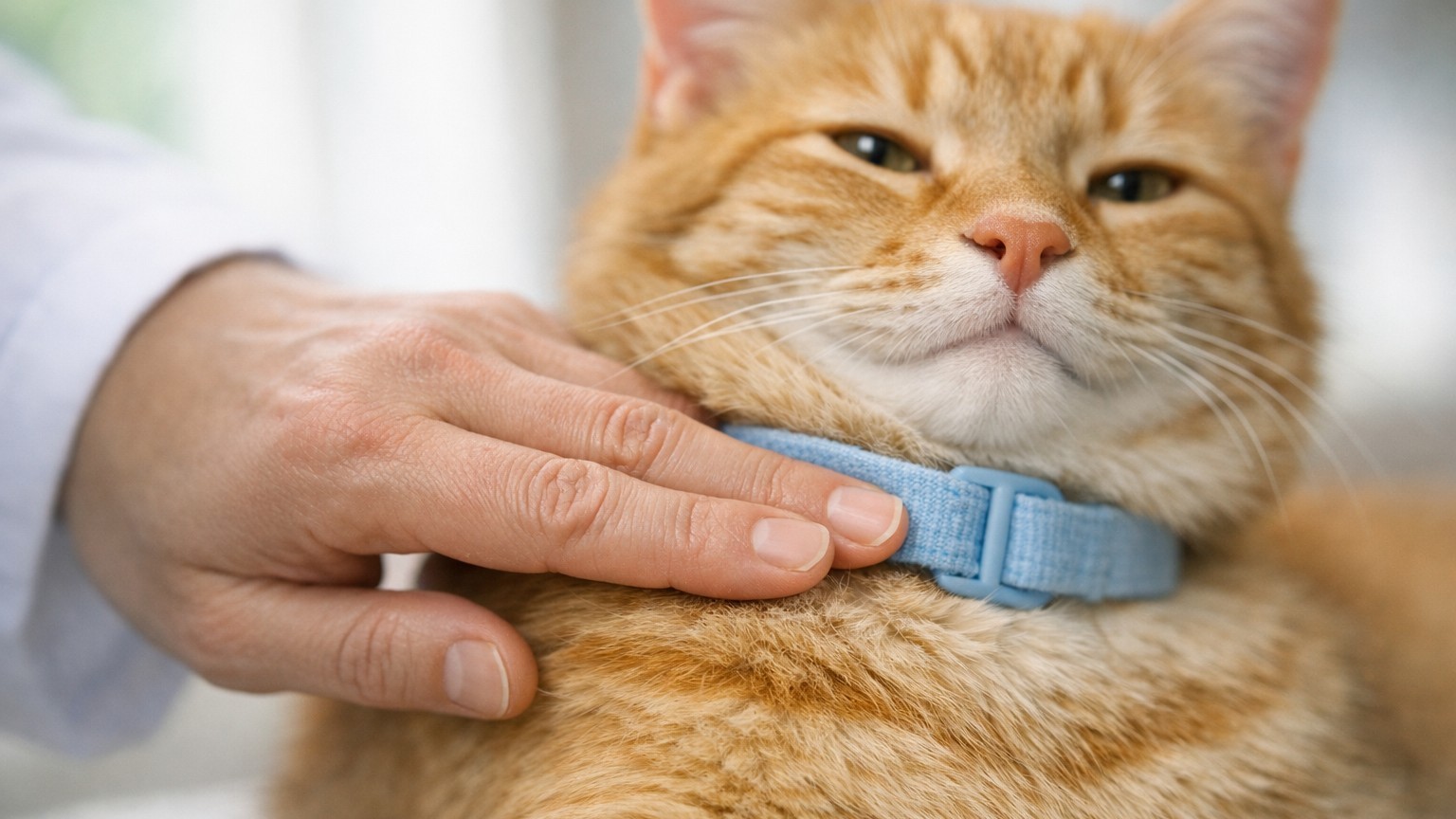
Ticks on Cats in June: Why Vets Are Seeing More Activity

Vets Sound the Alarm: The Parasite Infiltrating Cats Faster Than Expected This June

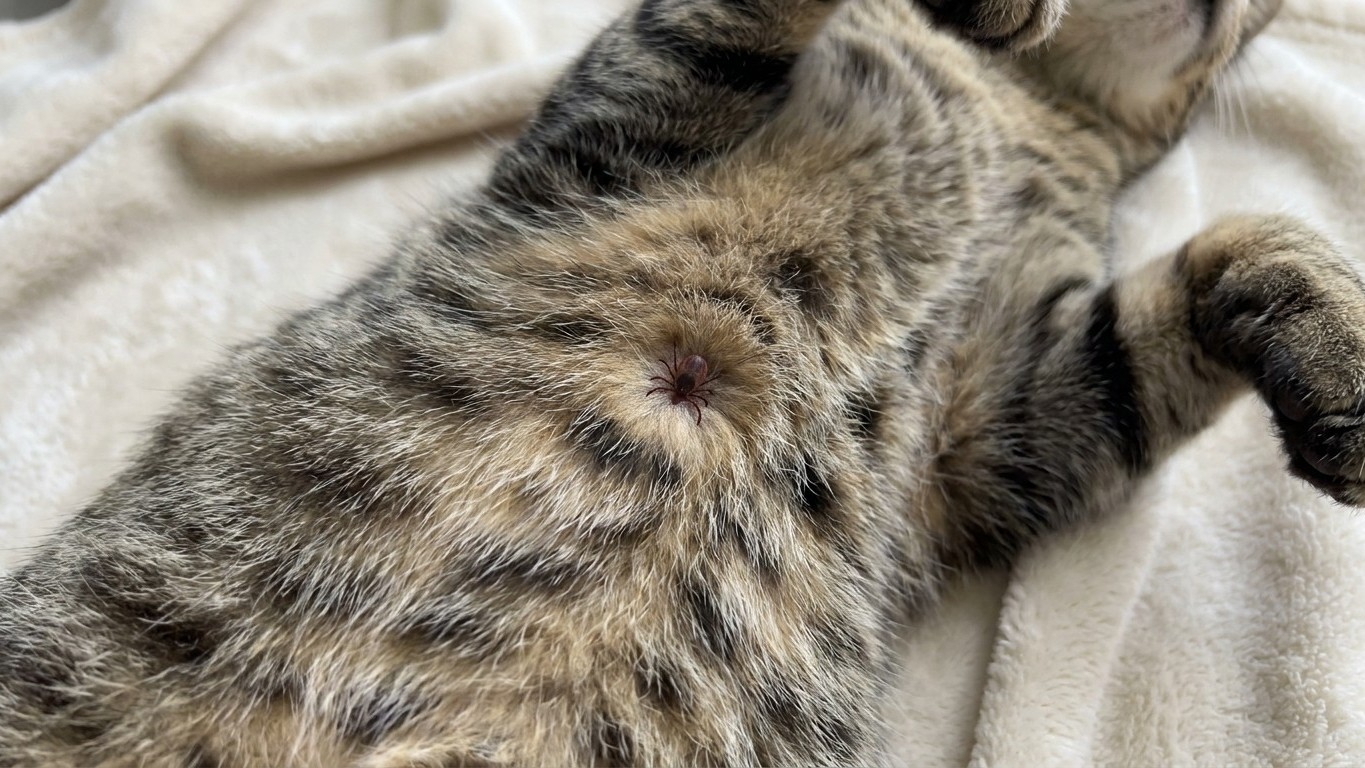
Veterinarians across the UK are raising urgent awareness about ticks on cats as an extended peak season stretches from spring through autumn—with peak exposure happening right now in June. Most cat owners never spot the parasites until they’ve fed, and the 24-hour transmission window for disease means every hour counts. Discover what vets want you to know about prevention and proper removal.

Cat Not Drinking From Water Bowl: What a Vet Wants You to Know

12 Years of Cat Water Mistakes: What Your Vet Wishes You Knew

For twelve years, a cat owner dutifully refilled the same water bowl, unaware that nearly everything about the setup was wrong. A single vet observation revealed a pattern most cat owners repeat: misunderstanding feline hydration instincts and making choices that actively discourage drinking, potentially leading to kidney disease and urinary issues.

Can heat make cat flea pills and spot-on treatments toxic?

Why Your Cat's Summer Pills Could Be Toxic: What Vets Don't Always Tell You About Heat Storage

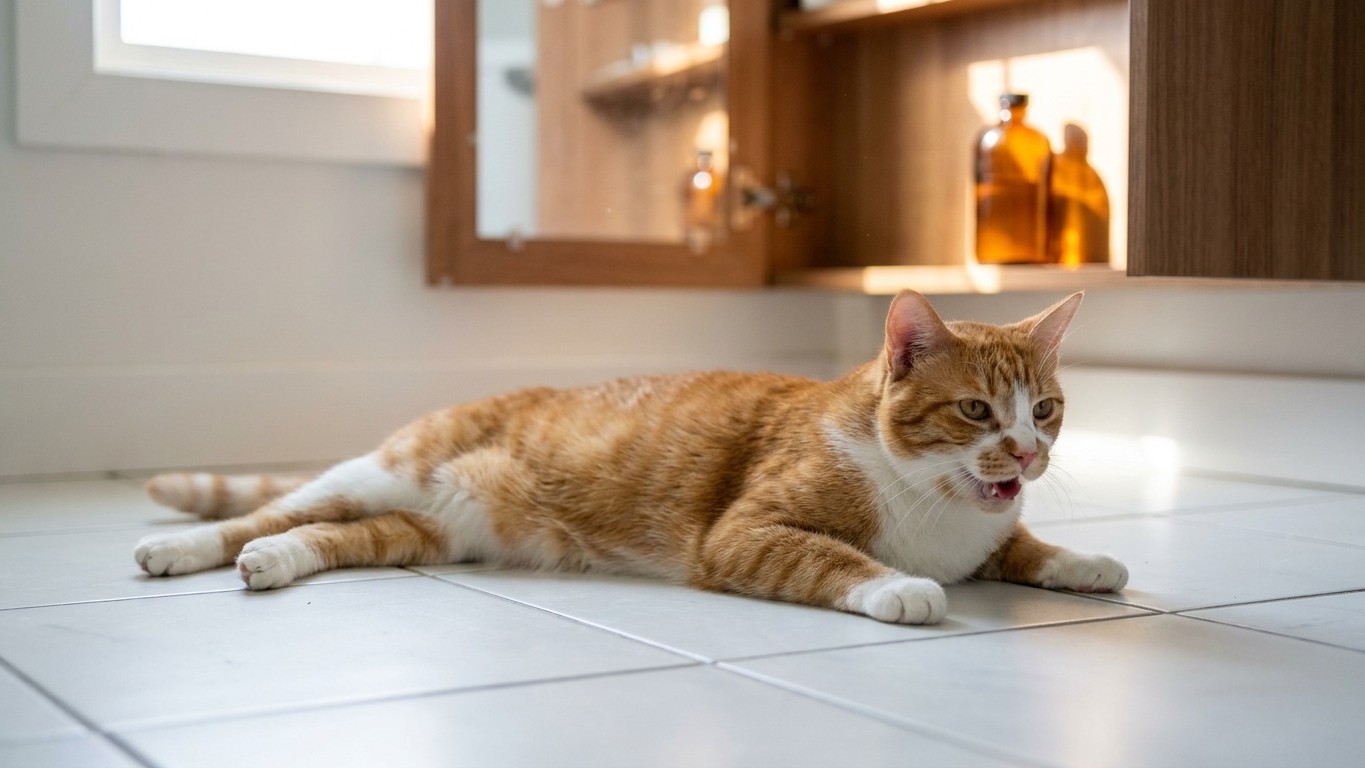
Every summer, pet owners unknowingly store their cat’s antiparasitic medications in ways that cause them to break down in just hours, potentially creating harmful compounds. A vet reveals the shocking science behind temperature excursions and shows you exactly where medications degrade fastest in your home.

Why the Gap Behind a Washing Machine Is Dangerous for Cats

Veterinarians Warn: Why That Gap Behind Your Washing Machine Is a Death Trap for Cats

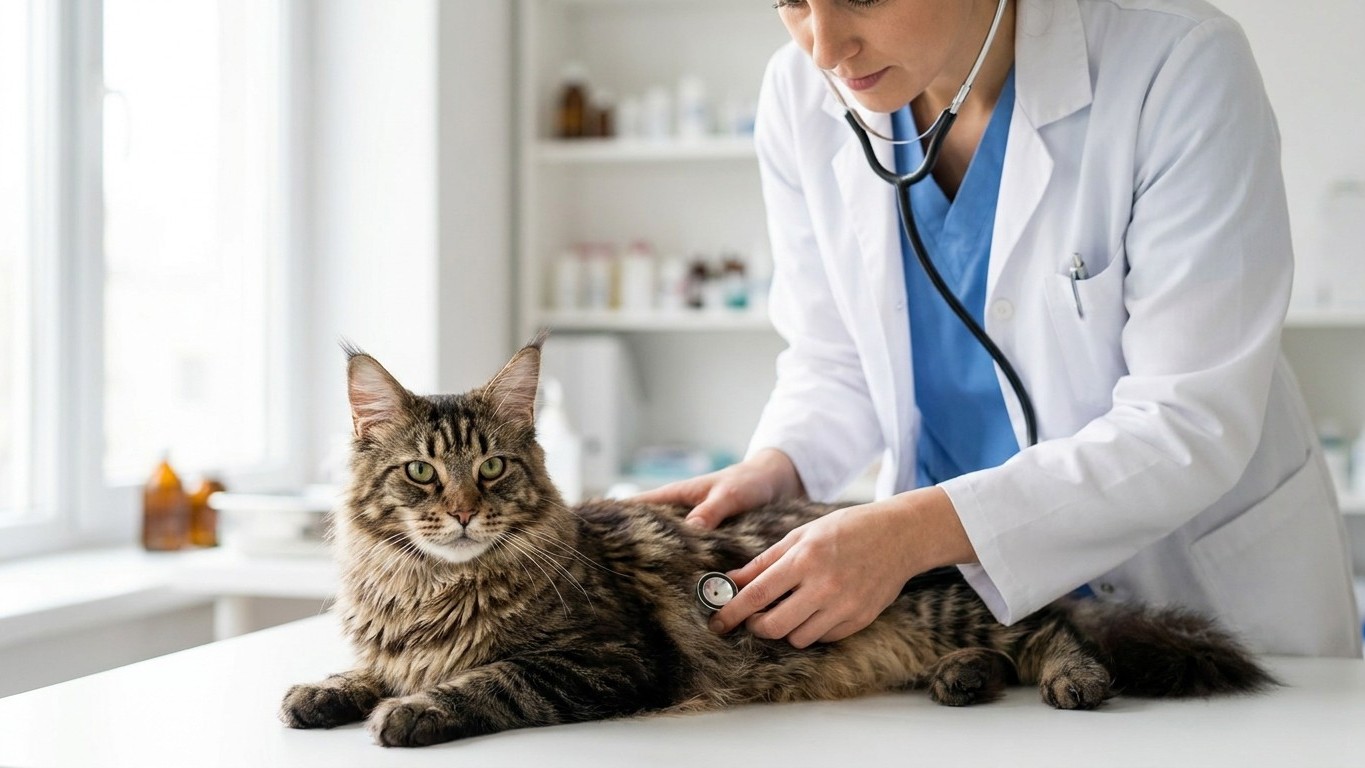
That cozy gap behind your washing machine looks like a perfect hiding spot to your cat—but it’s one of the most dangerous places in your home. From accidental entrapment to chemical exposure, vets are begging owners to block it off. Here’s what you need to know to keep your feline safe.

How to Tell If Your Cat’s Evening Purring Is a Pain Signal

Your Cat's Evening Ritual Might Be a Pain Signal—Vets Reveal the Hidden Warning Signs You're Missing

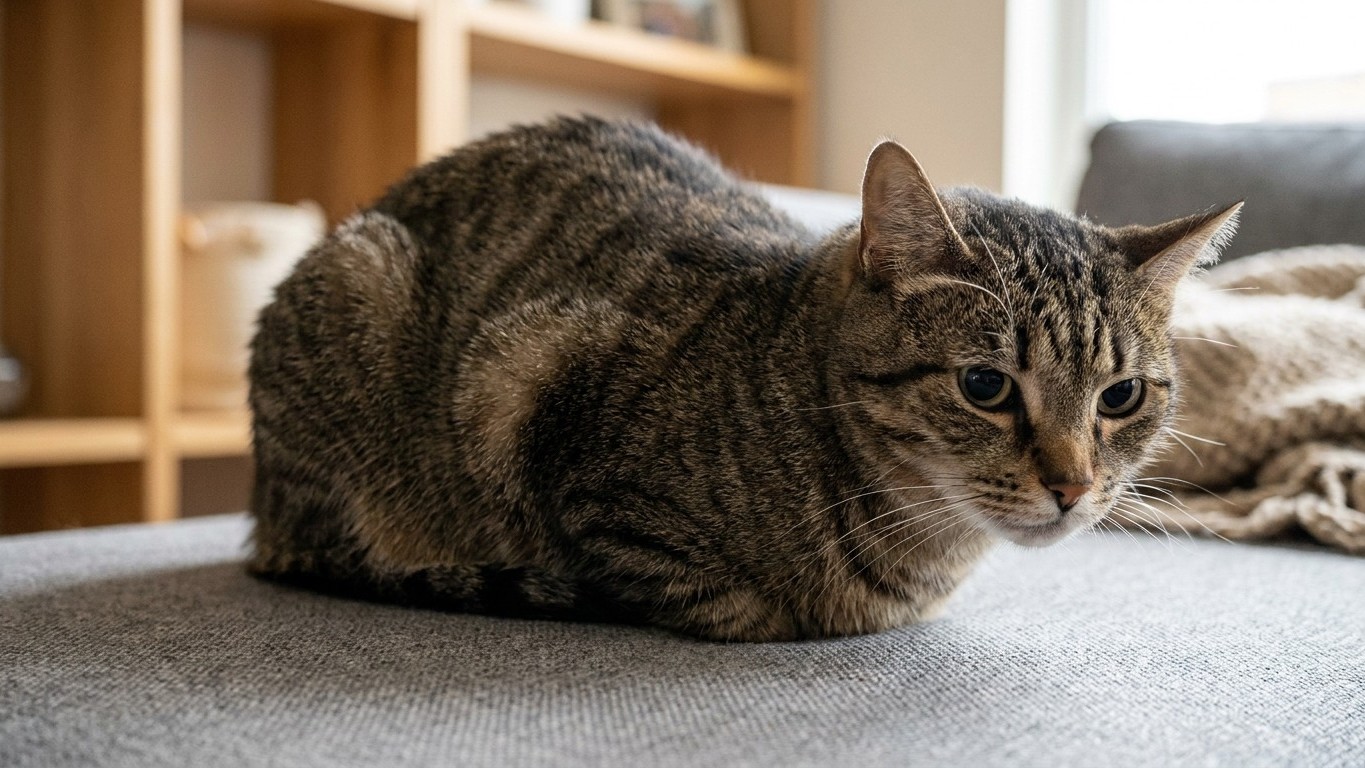
That adorable bread-loaf sitting position and soft purring you think signals contentment may actually indicate your cat is in pain. Veterinarians warn that cats are masters of disguising discomfort due to ancient survival instincts, and by the time obvious symptoms appear, pain may have persisted for weeks or months.

Why Your Cat Stopped Burying Its Waste, According to Vets

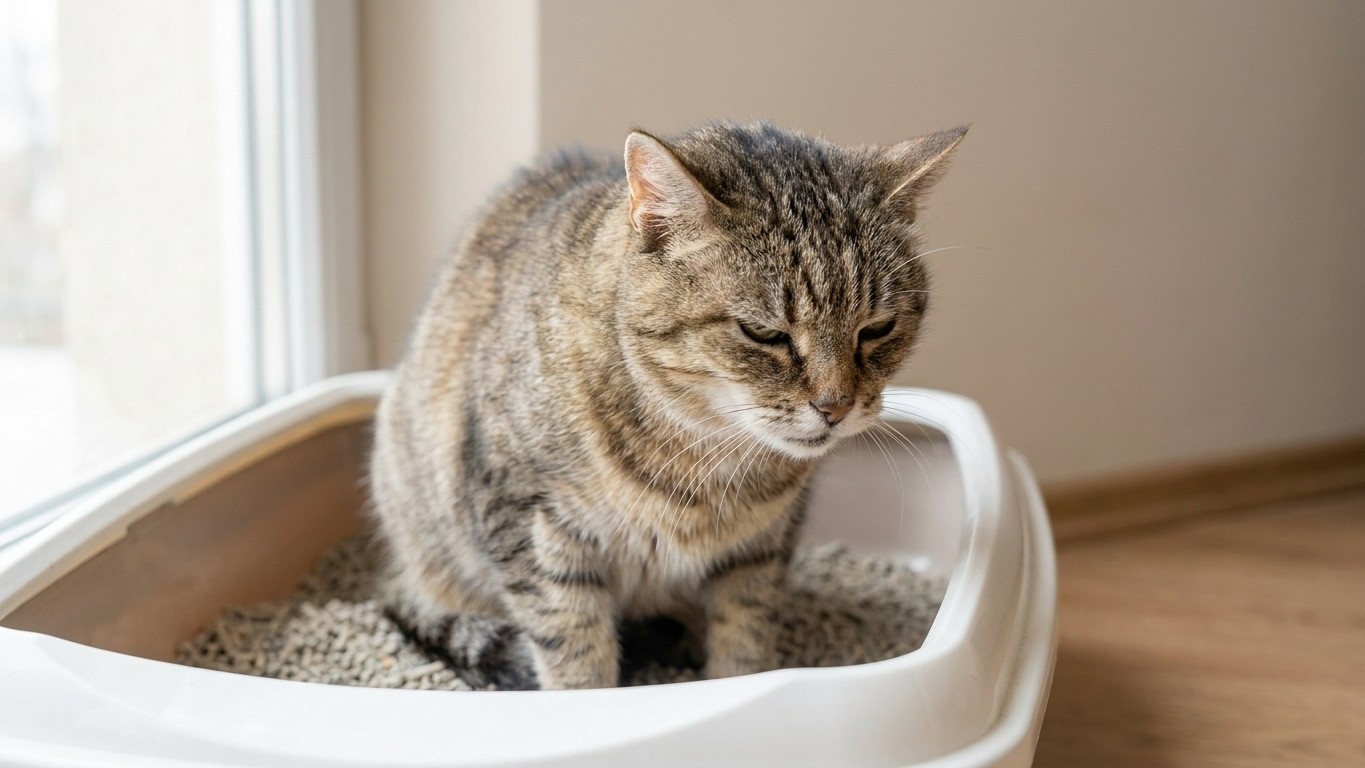
Why Your Cat Stopped Burying Its Waste: What Vets Say It Really Means

You’ve noticed your cat leaving waste uncovered in the litter box, and you assumed stubbornness. But veterinarians and animal behaviorists reveal this sudden change often signals something medically serious—from arthritis to cognitive dysfunction. Understanding what your cat’s litter box habits reveal about their health could be the key to catching hidden illnesses early.

Why Your Cat’s 3 AM Zoomies May Be a Warning Sign

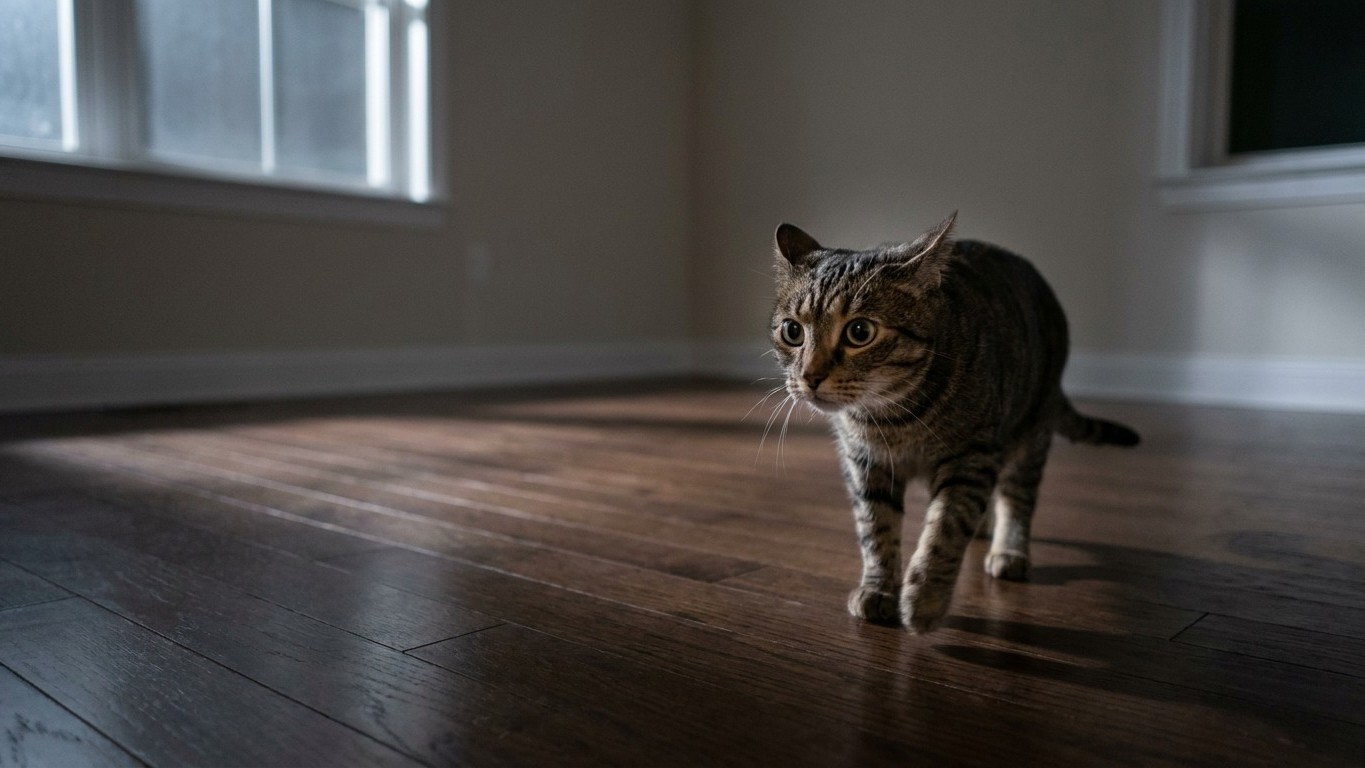
Why Your Cat's 3 AM Zoomies Might Be a Warning Sign Vets Say You're Missing

That nightly 3 AM chaos—the racing through hallways, the mysterious wall-yowling, the sudden bursts of energy—might not be playful feline madness after all. Veterinarians warn that sudden changes in nighttime behavior could signal serious health issues like hyperthyroidism, pain, cognitive dysfunction, or hypertension that most cat owners dismiss as normal. Understanding the difference between harmless zoomies and a cry for help could be crucial to your cat’s health.

What vets want you to know about cats eating grass

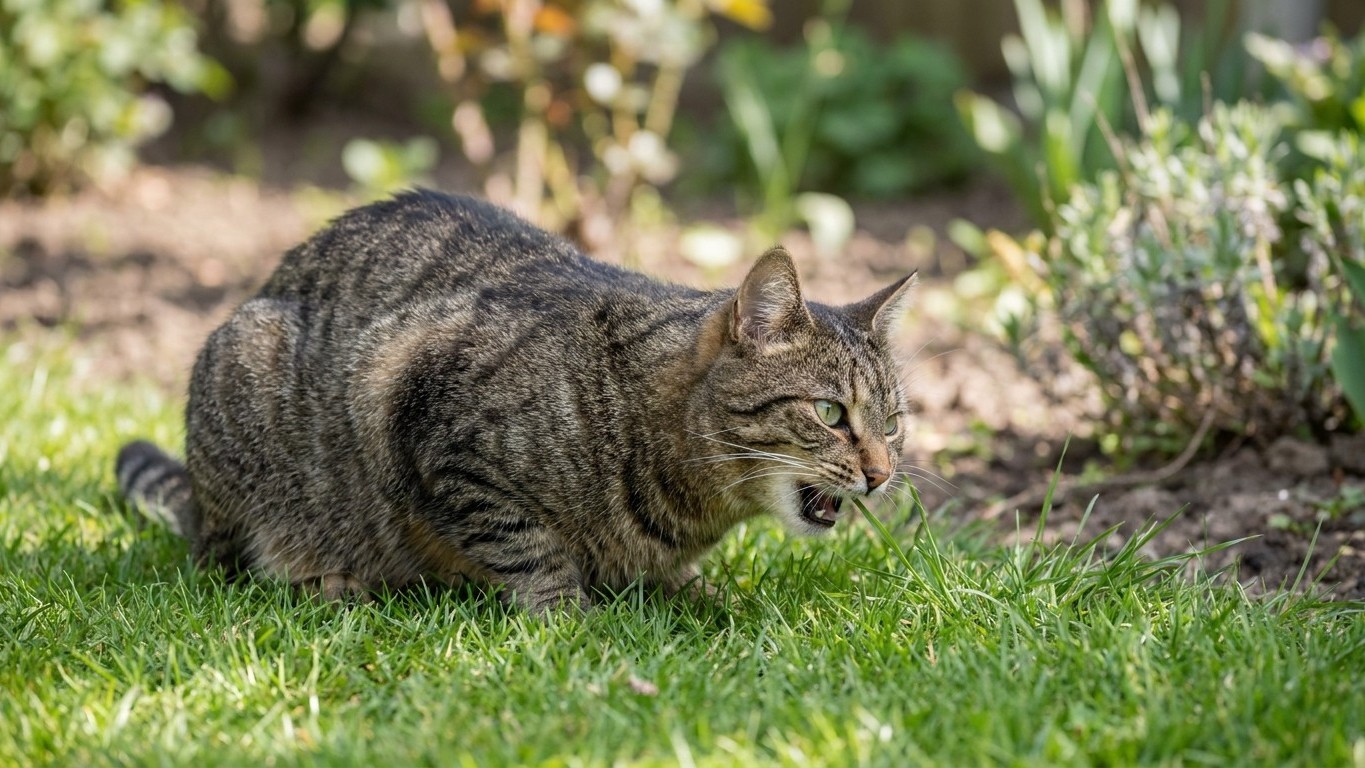
Why Your Cat Eating Grass in April Could Be Dangerous: What Vets Don't Want You to Miss

You’ve always thought your cat munching grass was harmless—until April arrives. When lawns get treated with pesticides, herbicides, and fertilizers, that innocent grass-eating habit becomes a serious health risk. Veterinarians are warning pet owners about the cocktail of chemicals and parasites lurking on every blade.