Your Cat Changed Its Sleeping Spot? Here’s Why Vets Say You Should Never Ignore It

Your Cat Changed Its Sleeping Spot? Here's Why Vets Say You Should Never Ignore It

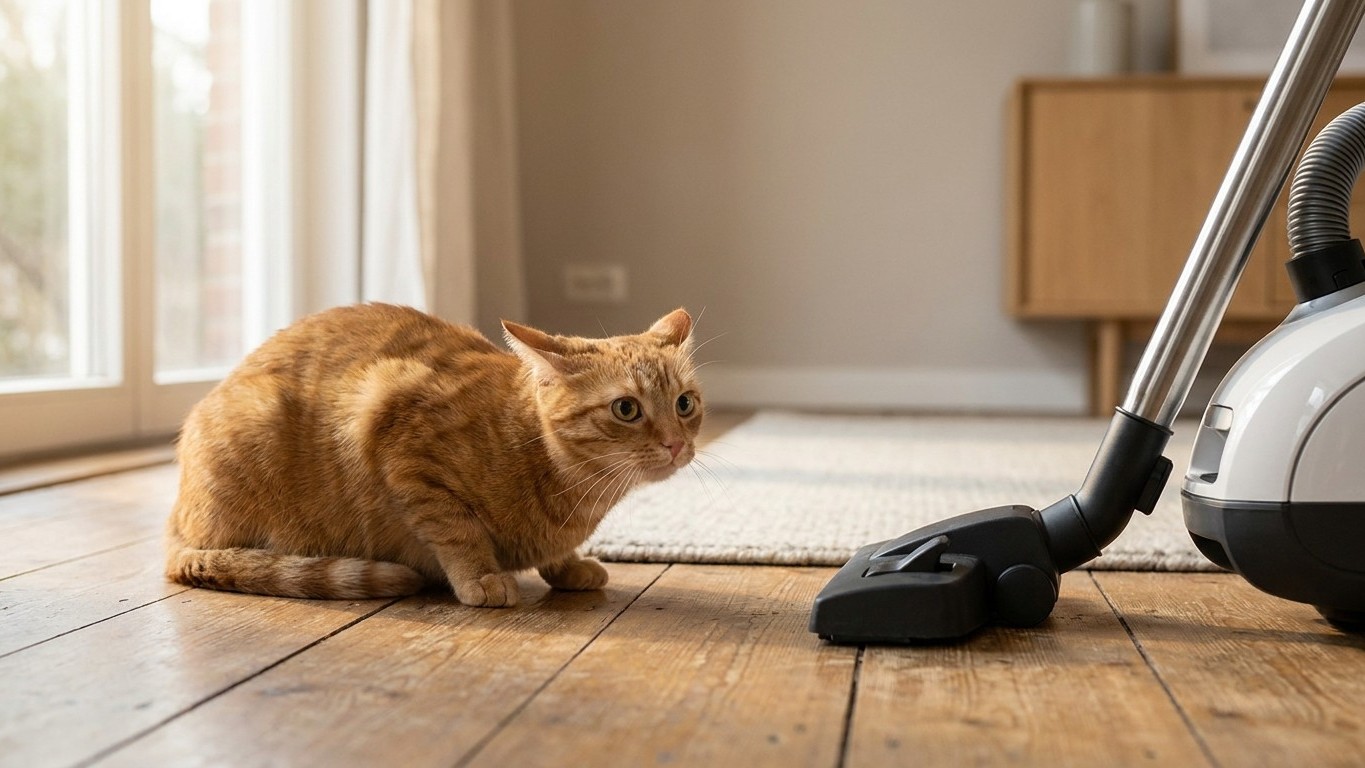
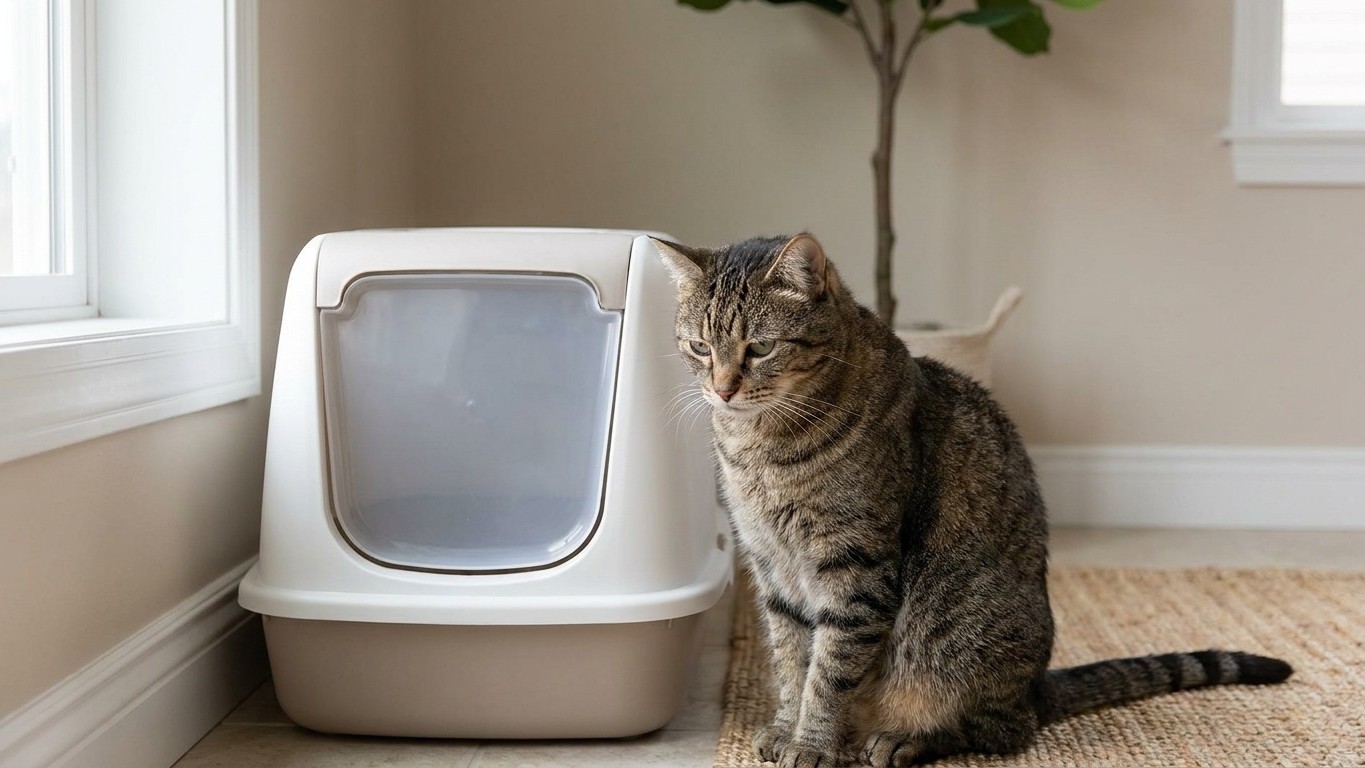
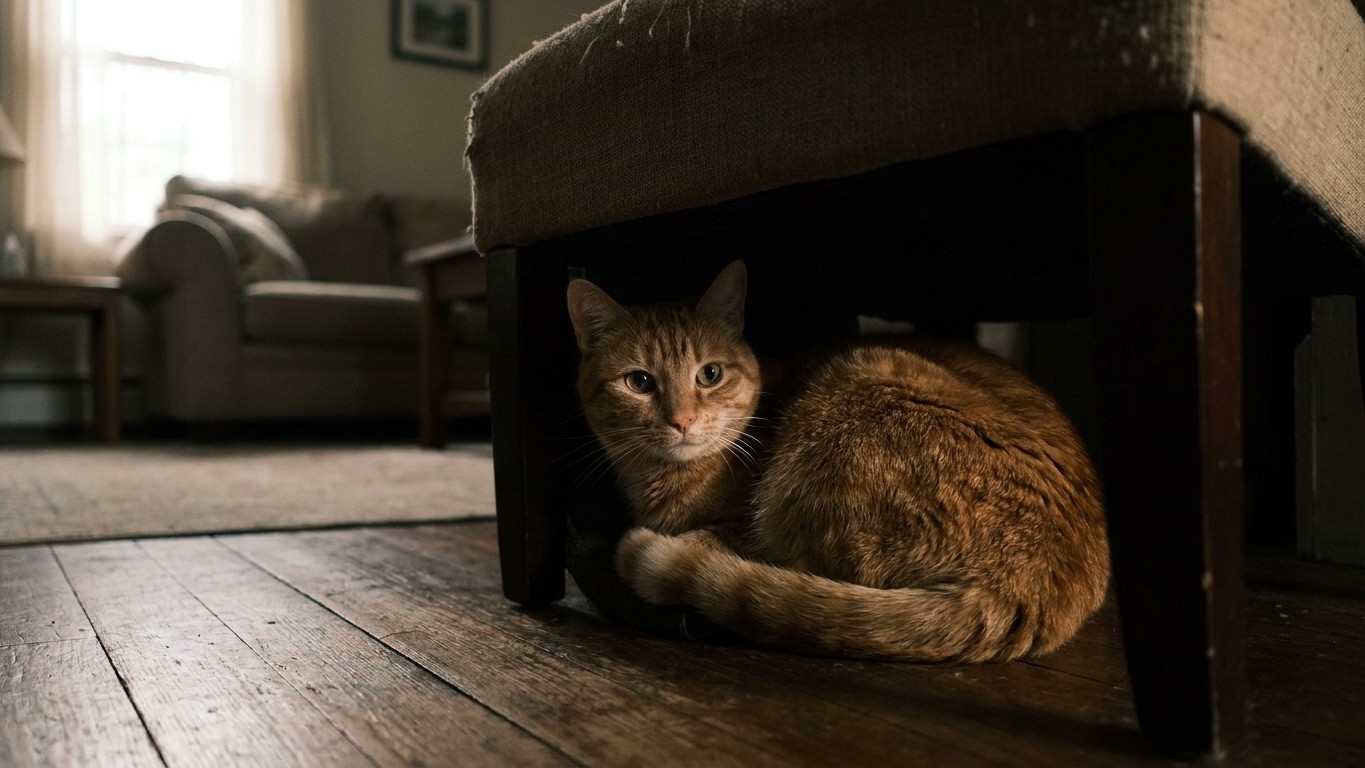
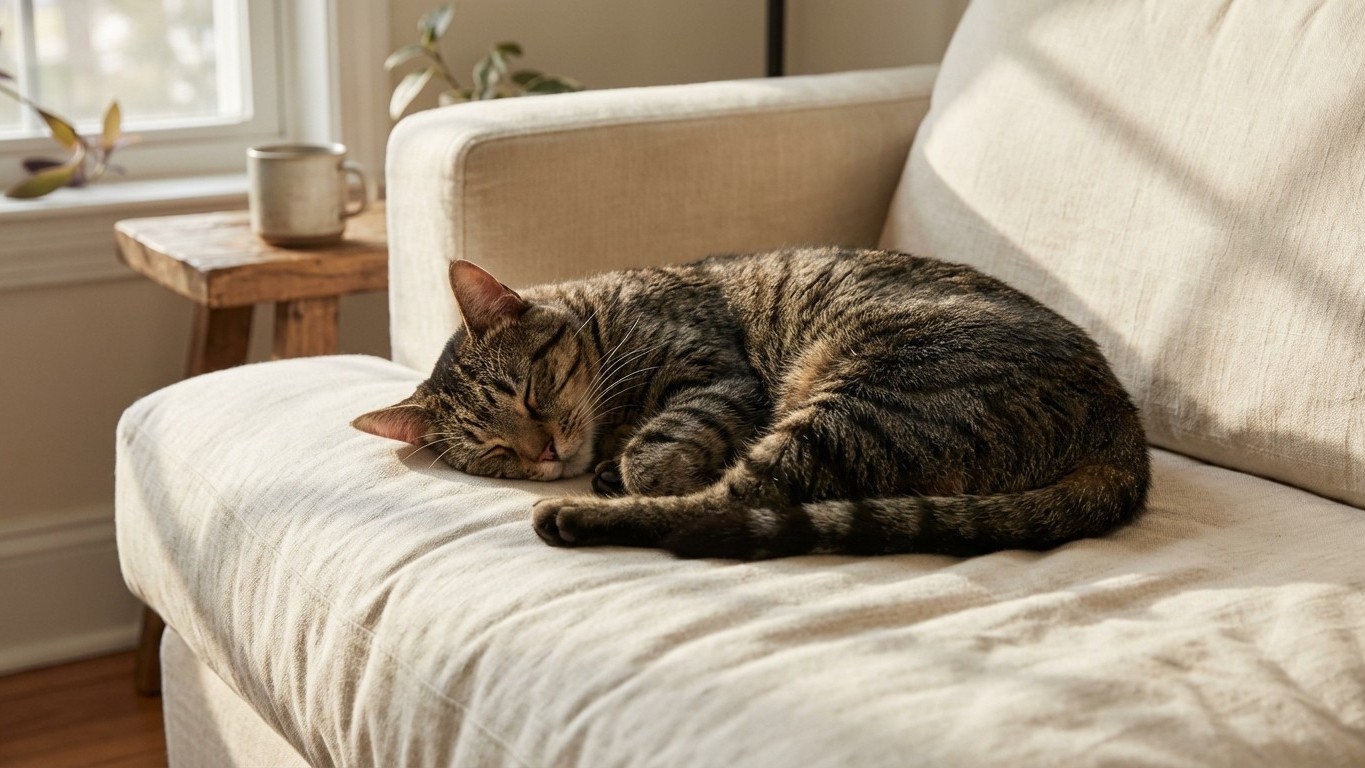
When your cat suddenly abandons its favorite sleeping spot for a hidden corner, it’s easy to dismiss as feline mood swings. But veterinarians warn this quiet change can be one of the earliest signals of illness or pain—and knowing what to watch for could save your cat’s life.

Why Your Cat Stares at the Wall: What Vets Say You Should Never Ignore

Why Your Cat Stares at the Wall: What Vets Say You Should Never Ignore

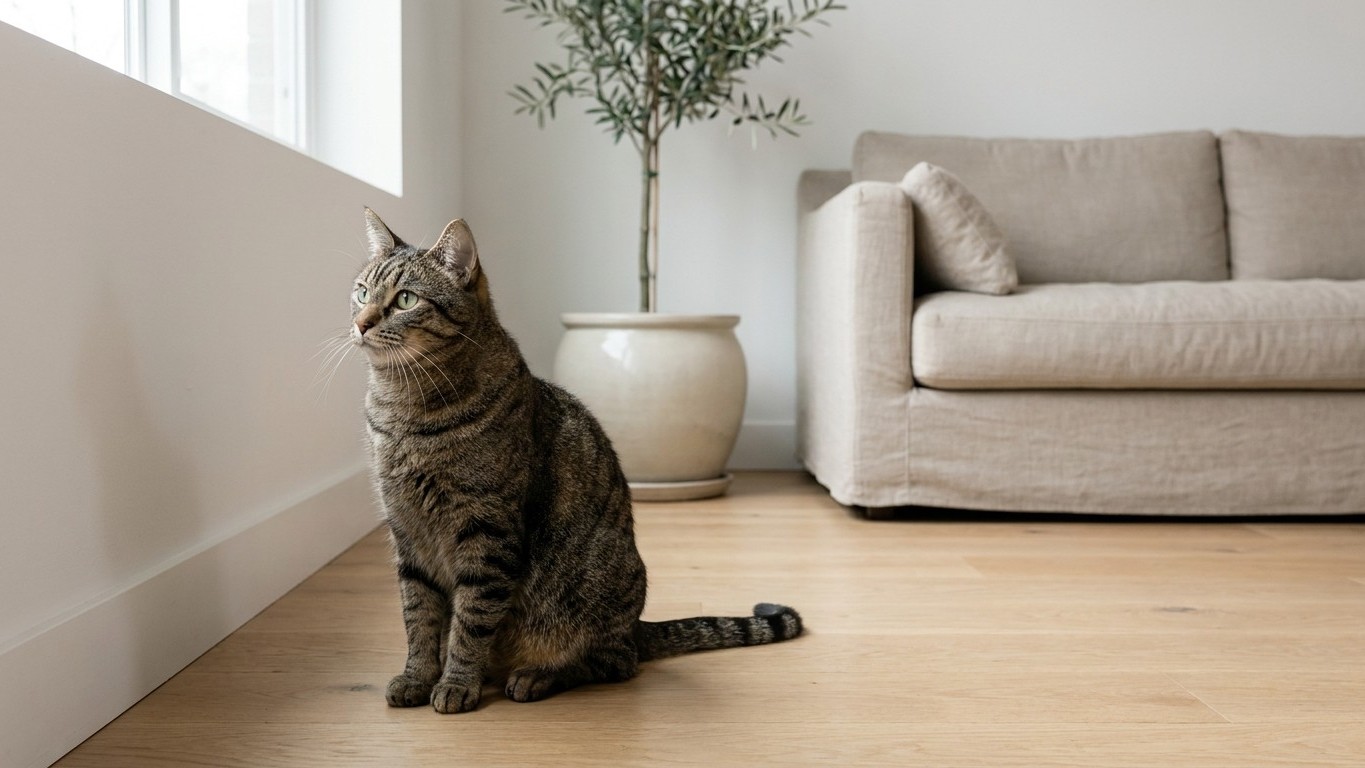
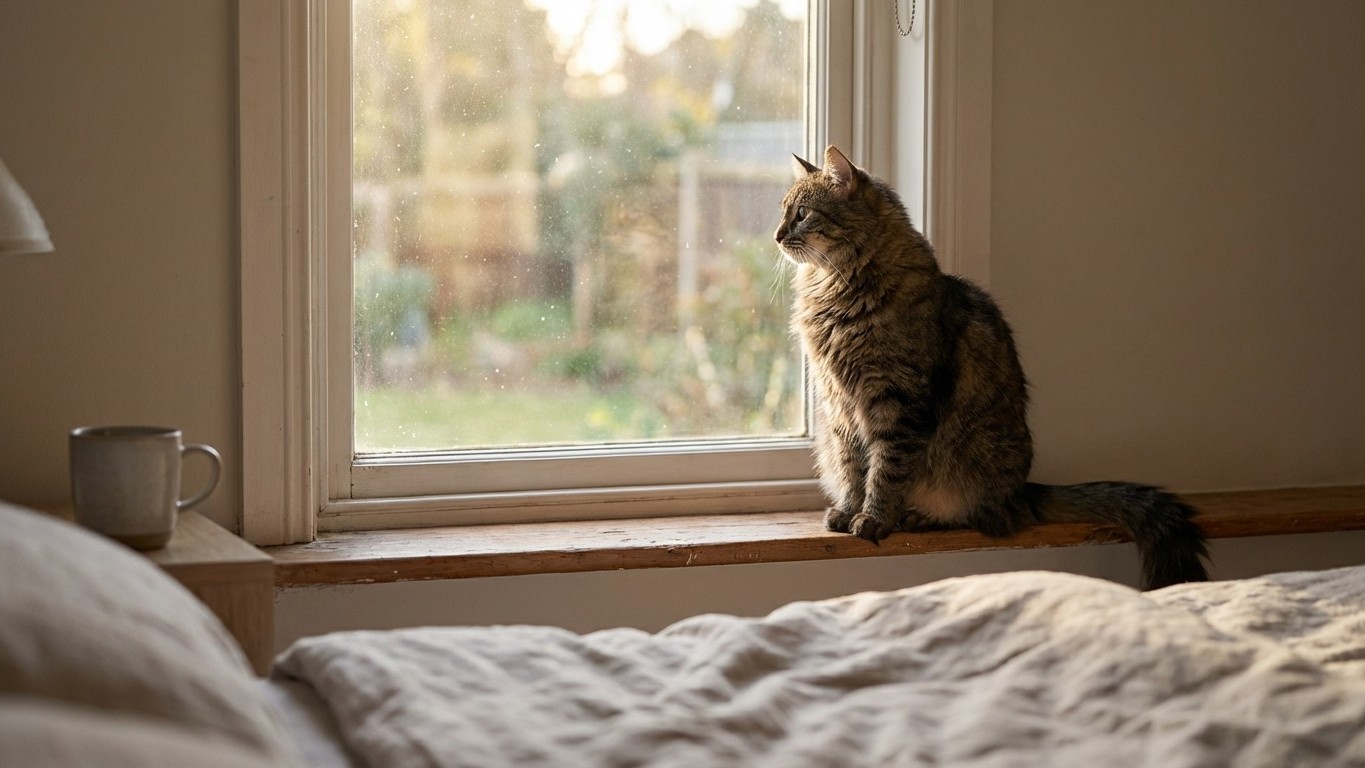
When your cat freezes and stares blankly at a wall, it’s often harmless—they’re likely detecting sounds or movements you can’t perceive. But vets warn that persistent wall-staring can signal serious conditions like seizures, cognitive dysfunction, or neurological disease, especially in older cats. Here’s how to tell the difference and when you need veterinary care.

Why Your Cat’s Plastic Chewing Habit Is a Silent Distress Signal You’re Missing

Why Your Cat's Plastic Chewing Habit Is a Silent Distress Signal You're Missing

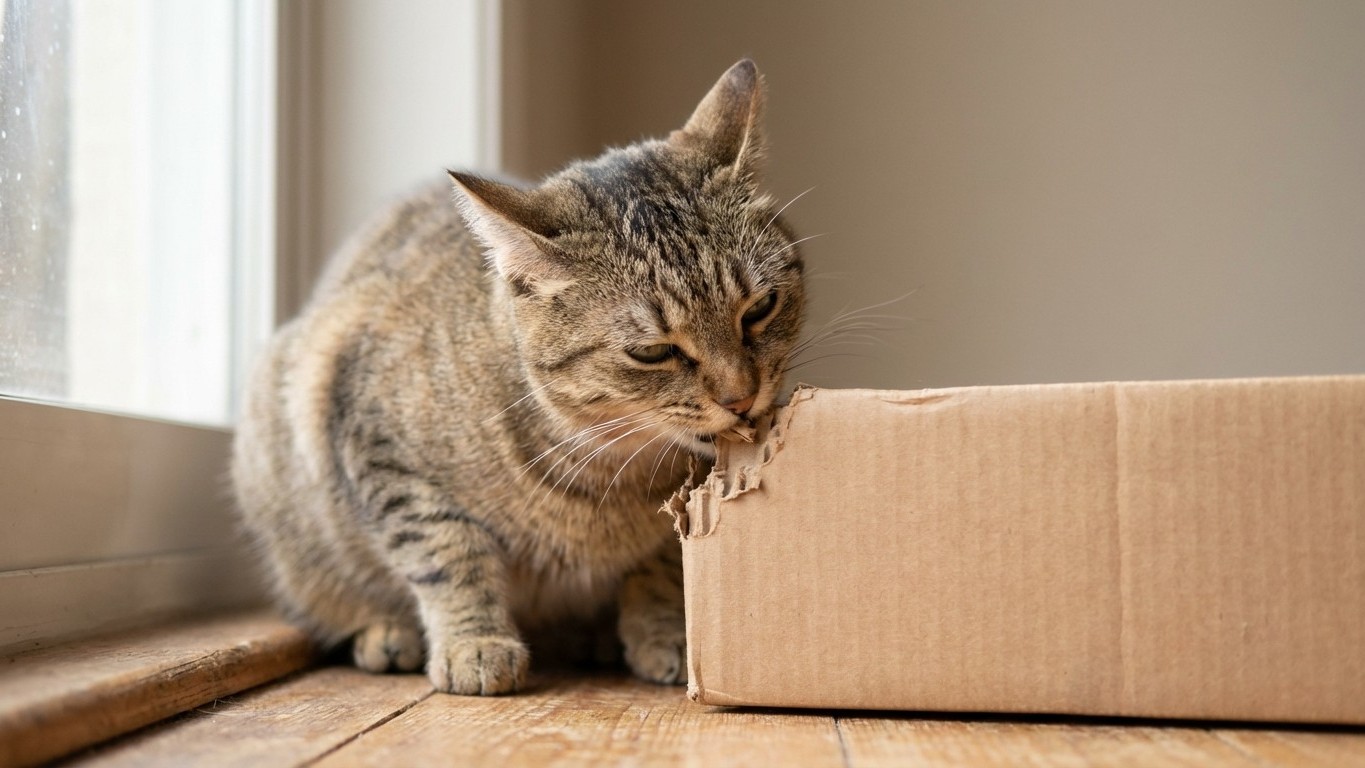
That adorable video of your cat gnawing on a plastic bag might actually be a cry for help. Pica in cats—compulsive chewing of non-food items—can indicate stress, medical conditions, or even breed-specific genetic predispositions. Understanding the difference between quirky behavior and dangerous habits could save your cat’s life.

Why Cats Eat Grass: Scientists Finally Solve the 12-Year Mystery of Feline Plant Behavior

Why Cats Eat Grass: Scientists Finally Solve the 12-Year Mystery of Feline Plant Behavior

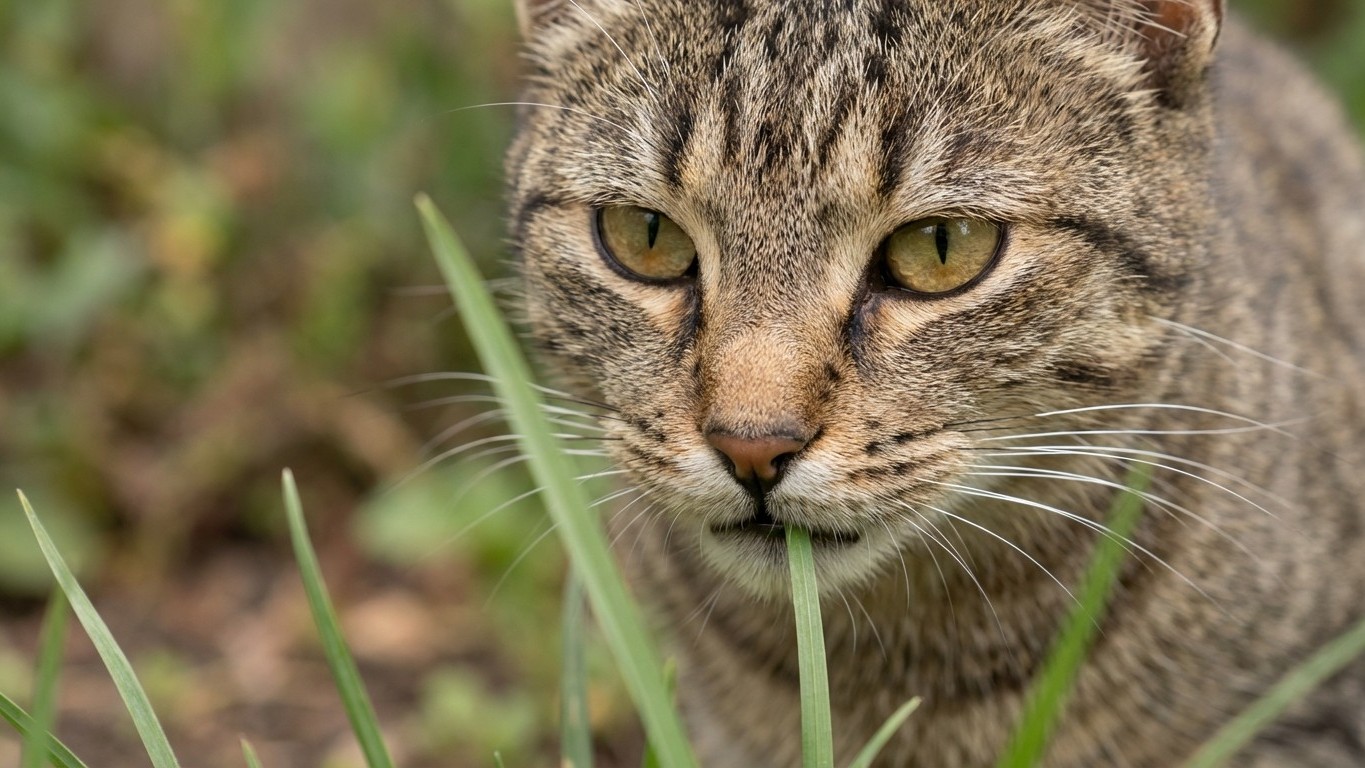
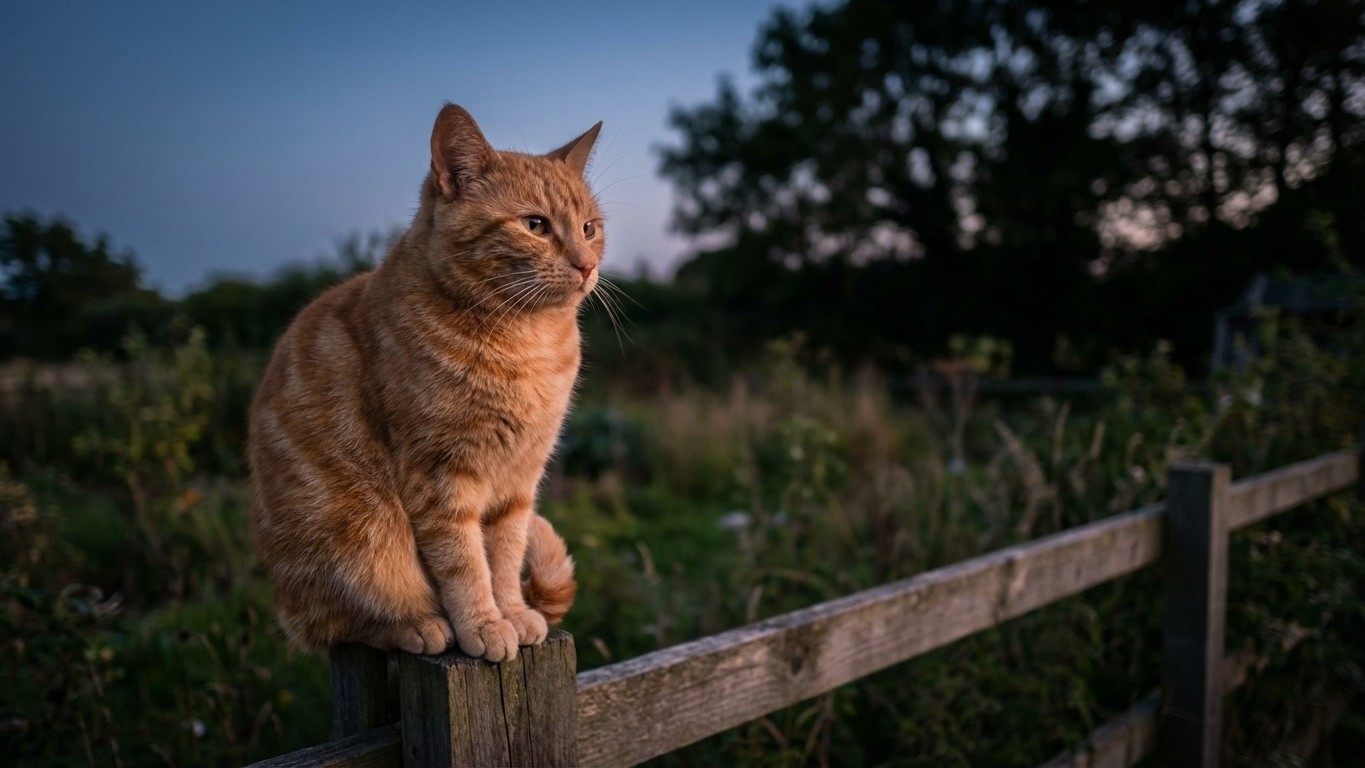
For over a decade, researchers have been studying why cats eat grass, and the answer is far more fascinating than an upset stomach. New evidence suggests cats are performing an ancient, hardwired behavior passed down through millions of years of evolution—one that may serve multiple purposes from parasite control to hairball management.

Your Cat’s Nighttime Behaviour Could Signal a Hidden Health Problem — Vets Explain the Warning Signs

Your Cat's Nighttime Behaviour Could Signal a Hidden Health Problem — Vets Explain the Warning Signs

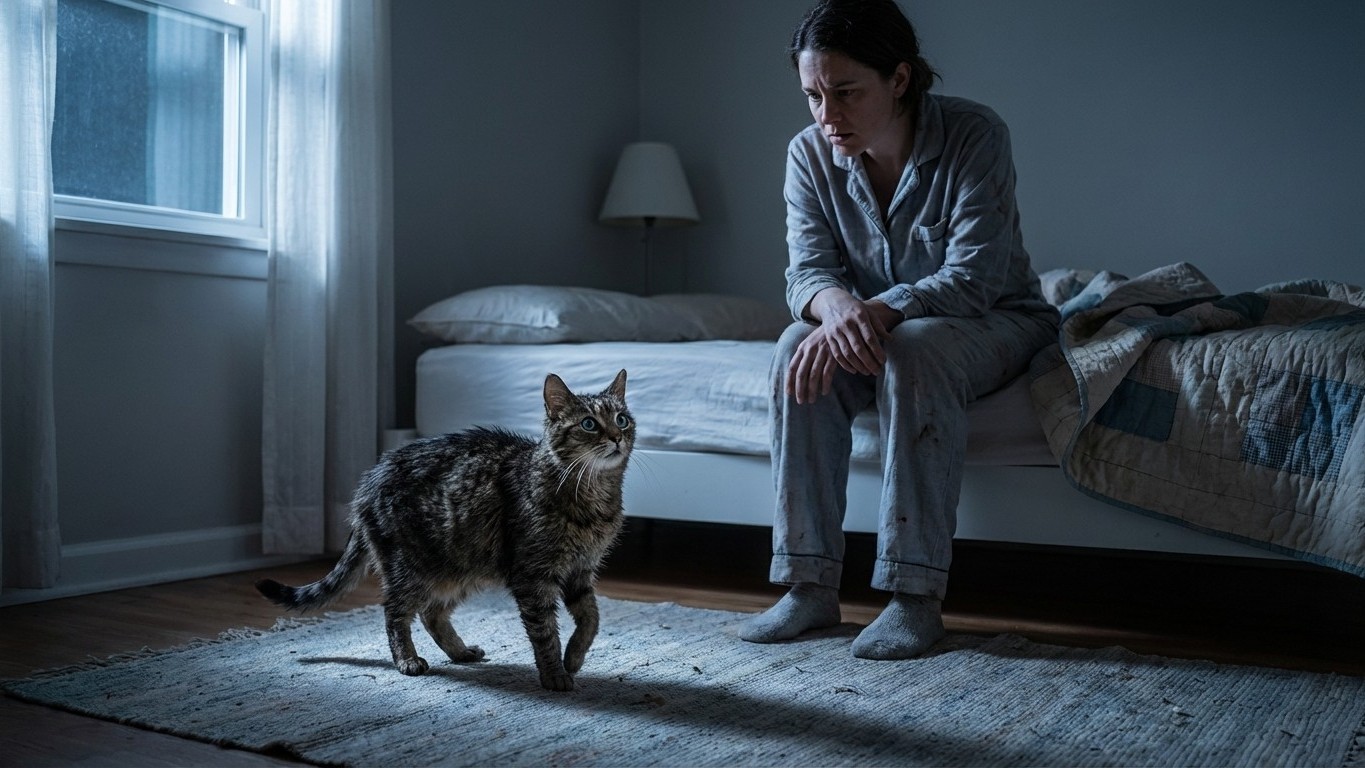
That 3am yowling and frantic pacing might seem like typical feline eccentricity, but veterinarians warn these nighttime behaviors can signal serious health issues ranging from cognitive dysfunction to hyperthyroidism. Understanding the difference between normal cat quirks and genuine distress could be crucial for your pet’s wellbeing.

Stop Waking Your Cat in the Morning — Here’s Why It’s Damaging Their Health

Stop Waking Your Cat in the Morning — Here's Why It's Damaging Their Health

That sweet morning greeting with your sleeping cat might feel like bonding, but it’s actually disrupting their natural sleep patterns in ways that cause lasting stress. Cats need 12-16 hours of uninterrupted sleep daily, and waking them during dawn — their deepest rest window — can trigger behavioral problems you might not connect to sleep deprivation.