Why a cat on a diet may still be eating at a neighbour’s

I weighed my cat's food to the gram for a year just to slim her down: at the check-up, I found out what she was eating thr...

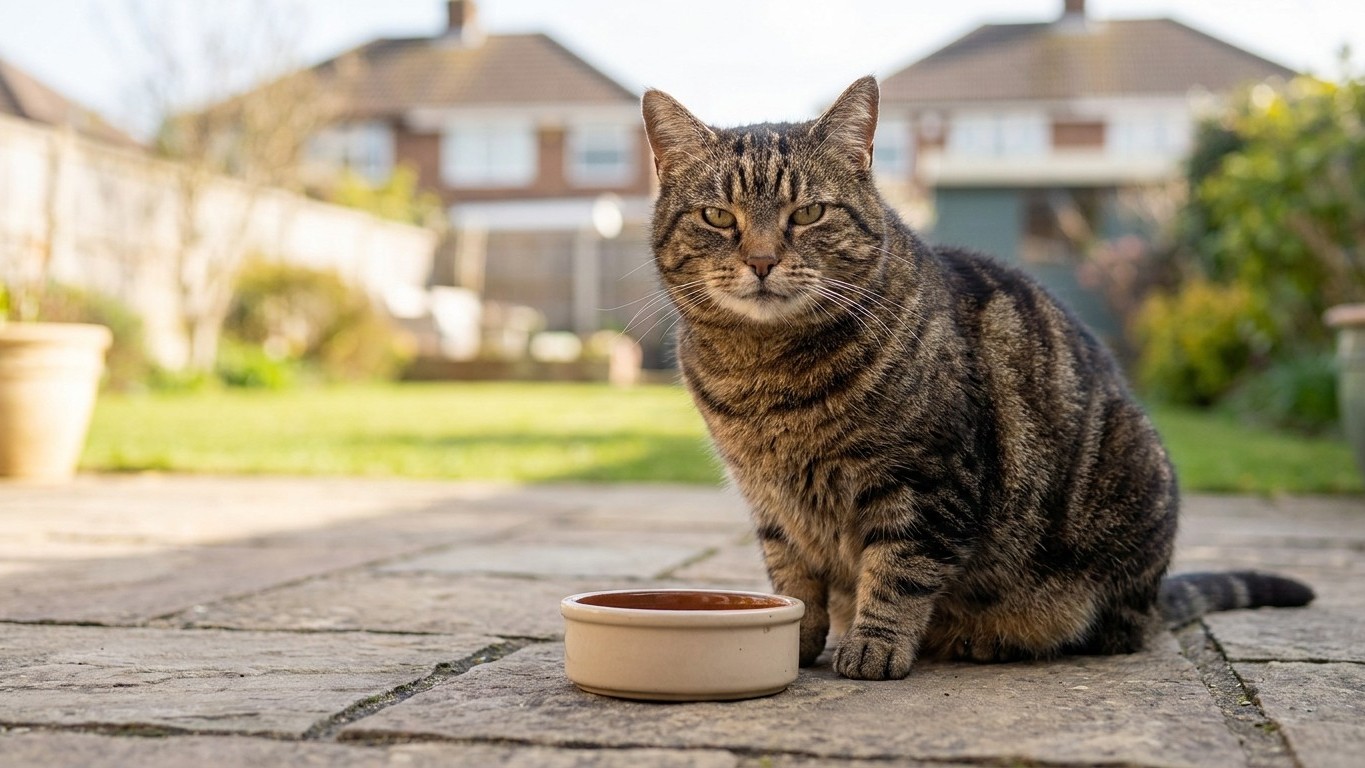
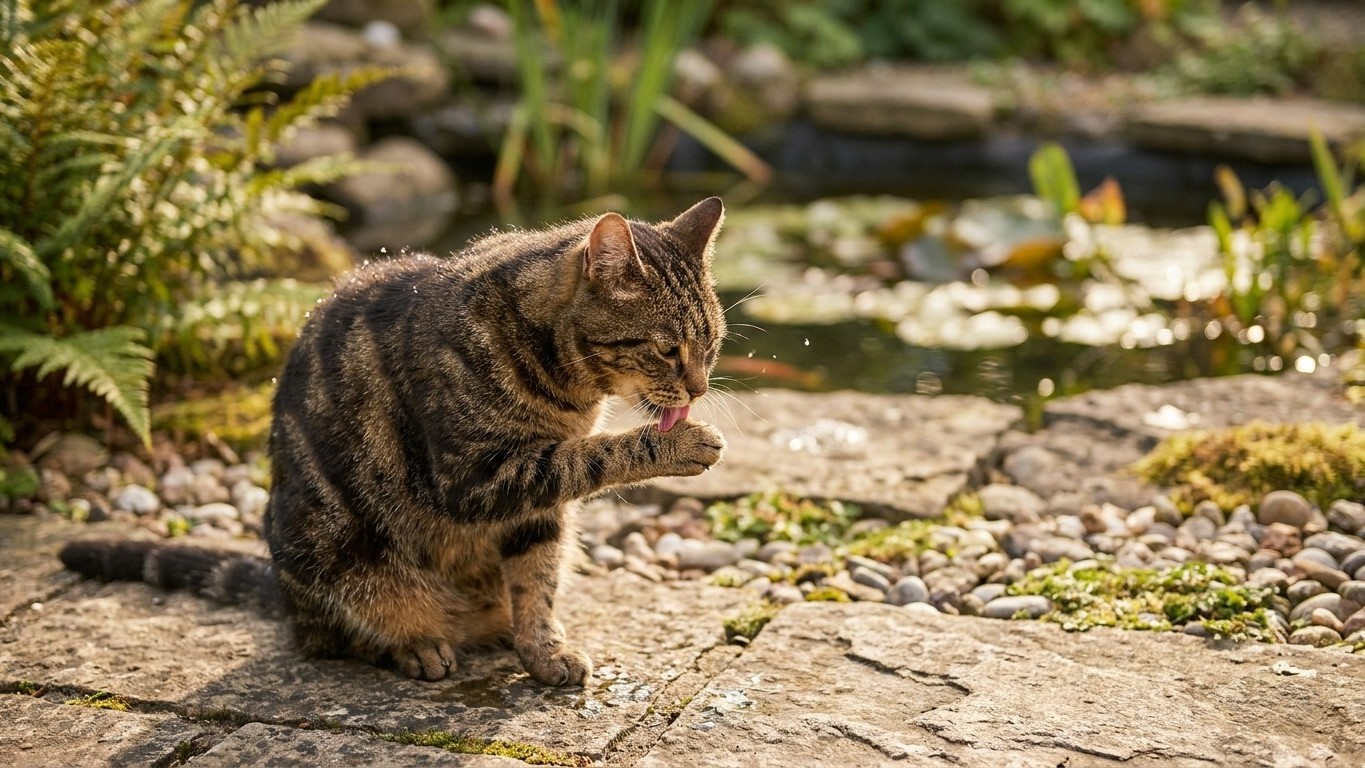
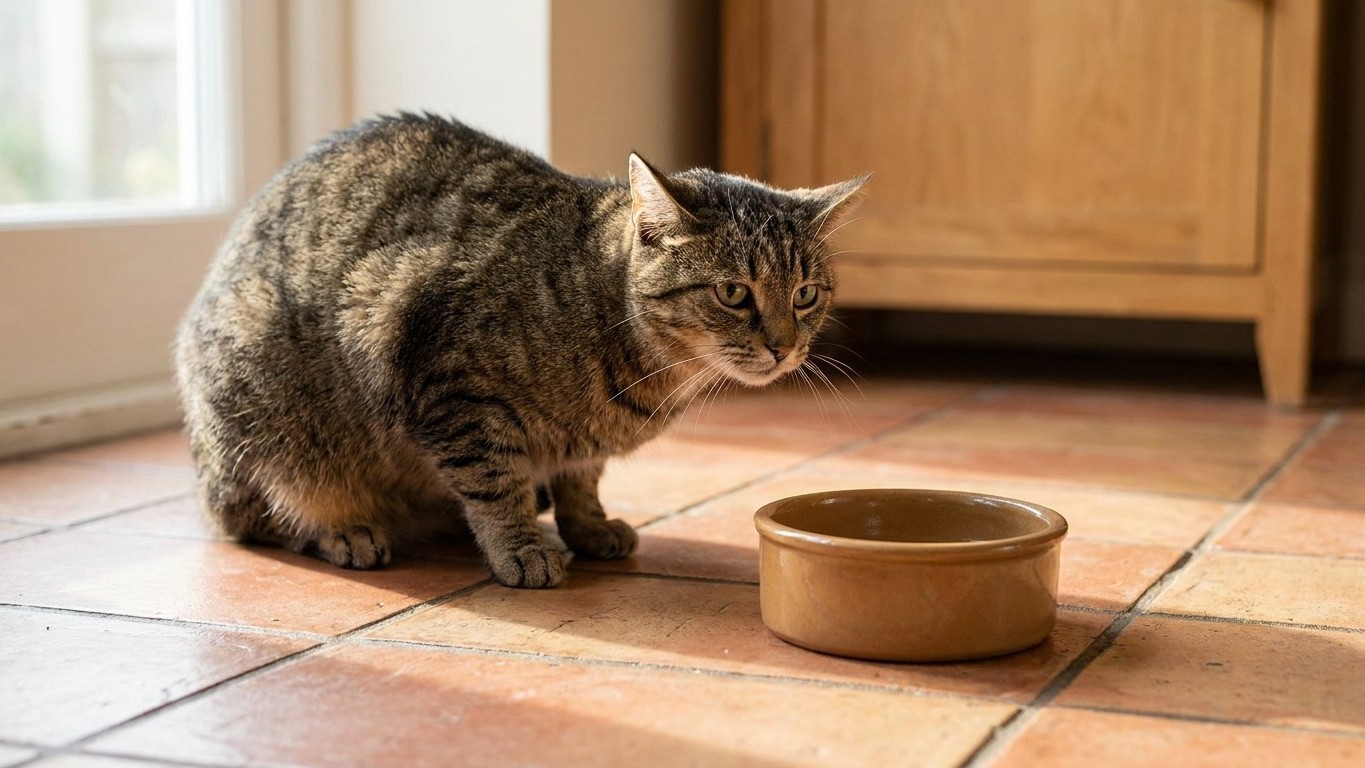
After a year of meticulous food measuring, a vet’s casual comment revealed the real reason her cat couldn’t lose weight: the tabby had been enjoying multiple meals from neighbors’ patios. This discovery exposes why nearly half of UK cats are overweight and how owners often miss the full picture of their pets’ actual calorie intake.

Why leftover kebab meat can cause anaemia in cats

I shared my leftover kebab with my cat all through August just to finish the plate: three days later, the vet showed me wh...

A seemingly harmless shared meal of leftover kebab triggered a life-threatening blood disorder in my cat within days. The culprit wasn’t the meat—it was the onion and garlic in the marinade, ingredients that silently attack red blood cells through oxidative damage. Here’s what every pet owner needs to know before sharing their takeaway.

How to calculate the carbs in cat food from its label

I read the guaranteed analysis on my cat's kibble for years just to check the protein: the day I subtracted the six number...

Pet food labels tell you protein, fat, fiber, moisture and ash—but deliberately hide one crucial number. By subtracting these five guarantees from 100, you’ll uncover the carbohydrate content that bags never print. For cat owners managing weight or diabetes, this hidden arithmetic matters more than you’d think.

How to tell a European wildcat from a tabby cat

I trapped what I thought was a stray tabby at the edge of the Jura forest: when I finally looked at its tail, it was alrea...

A chance encounter with what appears to be an ordinary tabby cat near the Jura forest could spiral into a conservation nightmare. The subtle features that distinguish Europe’s most elusive wildcat from a common domestic cat—especially that distinctive thick, ringed tail—are far easier to miss than wildlife experts would like, and the legal consequences of getting it wrong are severe.

Why letting a cat have one litter can lead to more pregnancies

I let my cat have just one litter so my kids could see the kittens: four months later, her daughters were already pregnant...

A family’s plan for one educational litter quickly becomes a breeding nightmare when kittens reach sexual maturity at just four months old. Vets warn that female cats can conceive during their first heat cycle, meaning the mother’s daughters could already be pregnant by the time they’re ready to leave home. Understanding cat fertility timelines is crucial for preventing accidental population explosions.

Why neutered male cats strain in the litter box on dry kibble

If your neutered male keeps going back to the litter box for nothing, it's not his bladder: it's what 8% moisture kibble l...

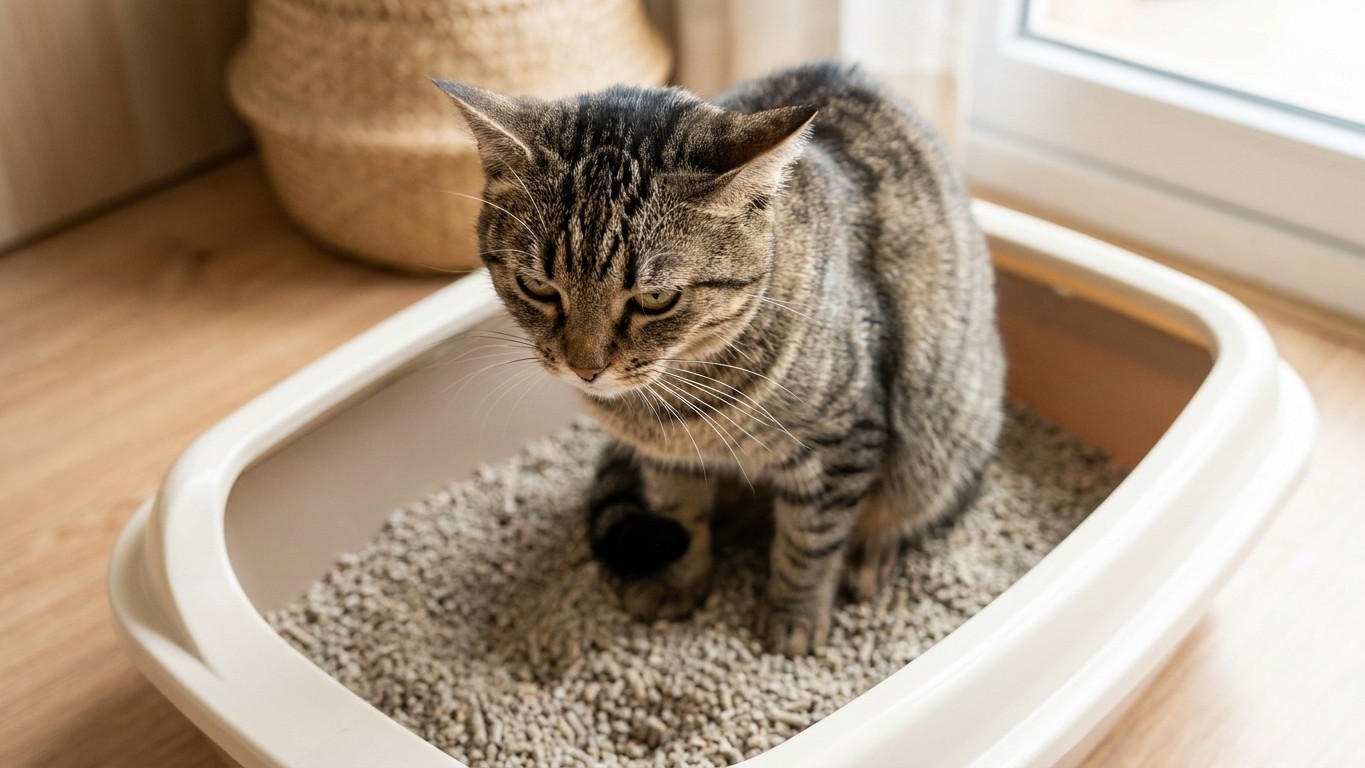
Your neutered tom’s constant trips to the litter box producing almost nothing aren’t a behavioral quirk—they’re a sign of concentrated, mineral-heavy urine caused by the moisture deficit in dry kibble. This seemingly harmless litter box habit masks a serious urinary health issue that can escalate to life-threatening obstruction in male cats.

Why a daily tin of tuna can cause steatitis in cats

I gave my cat a tin of tuna every single day just because he begged for it: the vet finally told me what it had been destr...

Feeding your cat tuna every day seems harmless, but veterinarians regularly diagnose a painful condition called steatitis—where the cat’s own body fat hardens and inflames—caused by unsaturated fats without adequate vitamin E. Mercury accumulation and nutritional deficiencies compound the damage, often going unnoticed for months.