
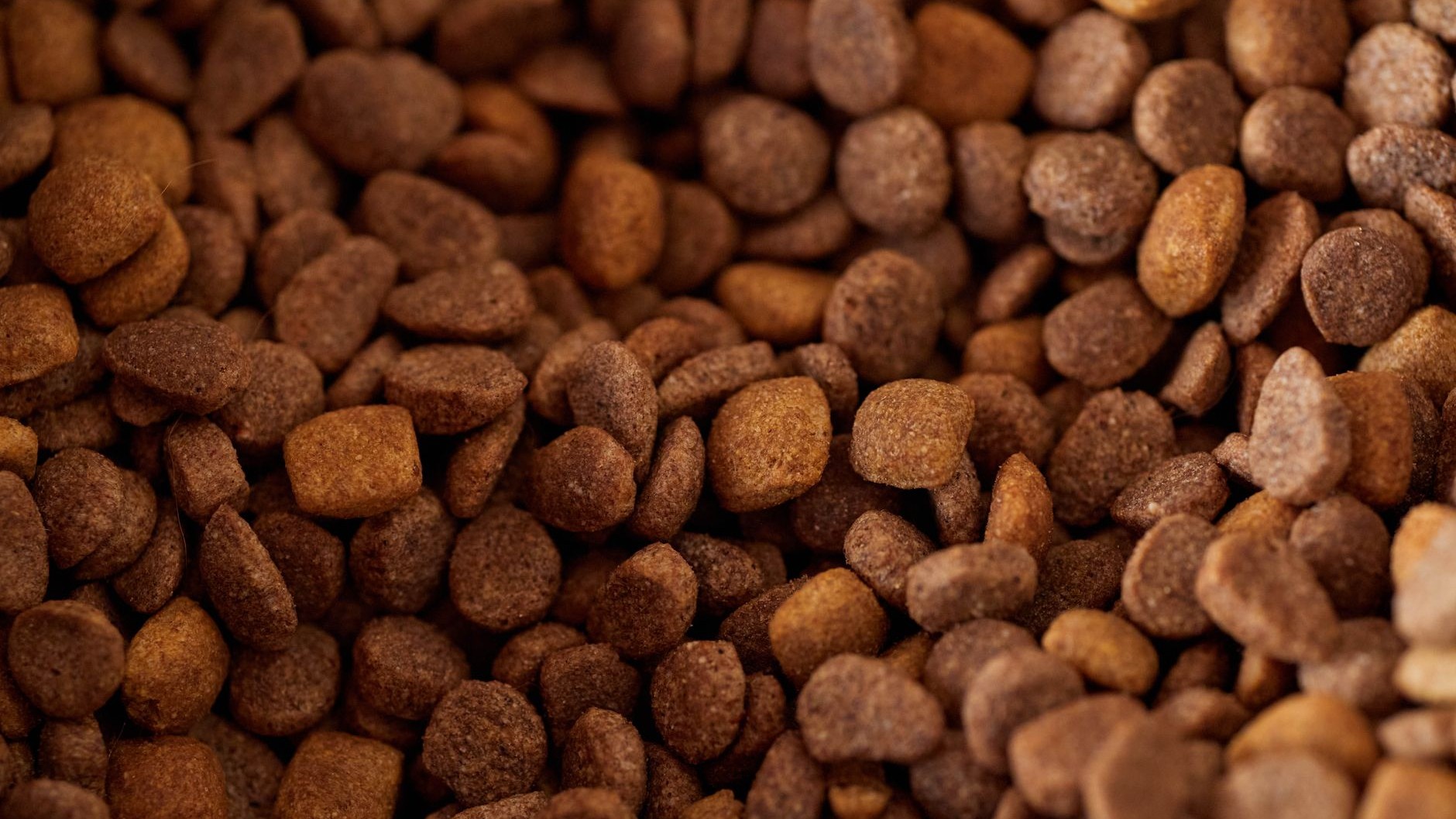
Subtract crude protein, crude fat, crude fibre, moisture, ash and one more mineral guarantee from 100, and what’s left isn’t printed anywhere on the bag. It’s carbohydrate, and no British or American pet food label is required to show you that number. I’d stared at my cat’s kibble packet for years, eyes locked on the protein percentage like it was the only figure that mattered. Then one evening, bored and curious, I added up all six guarantees and subtracted the total from 100. The number staring back at me had nothing to do with meat.
That gap is what nutritionists call nitrogen-free extract, or NFE. The technical term for whatever is left after subtracting out all these other nutrient types is nitrogen free extract or NFE. It’s essentially the food’s starch and sugar content, the bit that turns kibble into kibble in the first place, because dry biscuits need some form of carbohydrate binder to hold their shape during extrusion.
Key takeaways
- A simple math trick reveals the carbohydrate percentage regulators deliberately excluded from pet food labels
- The gap between guaranteed nutrients and 100% hides starch content that directly impacts feline health conditions
- AAFCO actively discouraged carb transparency in 2003—but your vet needs this number for cats with diabetes or weight issues
What the label is legally obliged to tell you (and what it isn’t)
UK and US pet food regulations both work on a minimum disclosure principle. Cat foods must provide the diet’s minimum crude protein percentage, minimum crude fat percentage, maximum crude fiber percentage, and maximum moisture percentage, with no mention of carbohydrates whatsoever. Everything else, including ash, taurine, omega fatty acids or calcium and phosphorus, is added at the manufacturer’s discretion. The only products exempt from protein, fat or fibre guarantees are things like vitamin and mineral supplements, though a moisture guarantee is always required, and guarantees for other nutrients are normally voluntary unless a specific label claim demands them.
There’s a catch that trips up even careful shoppers: fat is listed as a minimum, not a maximum. The listing of fat as a minimum instead of a maximum is especially problematic because fat is cheap and protein is expensive, giving pet food companies free rein to produce high fat, low protein diets that boost their profit margins. So that reassuring 32% protein figure could sit alongside a fat content that’s crept far higher than you’d expect, and the label won’t warn you either way.
Doing the sum that the bag never does for you
The calculation itself is refreshingly simple once you know it exists. Add the percentages of crude protein, crude fat, crude fiber, moisture and ash, and subtract the total from 100, which gives you the percent nitrogen-free extract, the carbohydrate portion. If ash isn’t printed, which is common, an estimate of 3 percent ash for canned food and 6 percent ash for dry is pretty reasonable.
What surprised me most wasn’t just that the number existed, it was discovering that regulators had actively steered away from making it visible. AAFCO has actively discouraged disclosure of carbohydrate levels in pet foods, with the 2003 Official Publication stating that carbohydrate guarantees are no longer considered as necessary or meaningful for purchaser information. That’s a striking position, given how many cat owners specifically look for lower carbohydrate diets to help with weight or diabetes management.
Research backs up why the arithmetic matters. A study comparing dozens of dry cat diets found that mean reported carbohydrate content of grain-free diets was lower than grain-containing diets, at 64 versus 86 grams per 1000 kcal, though there was considerable overlap between groups. Swapping wheat for tapioca or peas doesn’t automatically make a food low carb. It just changes where the starch comes from.
Why this actually matters for a species built to hunt mice
Cats aren’t small dogs with fussier taste buds. Cats are obligate carnivores, meaning they require a diet high in protein for optimal health. Their metabolism evolved around a diet of rodents and birds, creatures that are naturally low in starch and high in animal protein and moisture. A kibble that’s a quarter or more carbohydrate by weight is a genuinely different nutritional environment to anything a cat’s ancestors encountered.
None of this means carbohydrate is poison in a bowl. Properly processed carbs can be utilised by cats as an excellent energy source and are not necessarily bad. The nuance sits with individual cats. If a pet has a health condition, such as a diabetic cat that may benefit from a certain amount or type of carbohydrate, then investigating diet options in much more detail becomes important. For an overweight tabby or a cat already managing diabetes, that hidden NFE figure isn’t trivia, it’s genuinely clinical information your vet will want to discuss with you.
Even the number you calculate yourself has wrinkles worth knowing about. A study has raised doubts about the crude fibre figure in guaranteed analyses, because the analytical methods used to determine crude fibre miss several types of fibre, meaning the carb formula probably overestimates the true carbohydrate content. Similarly, NFE includes digestible carbohydrate. Also, soluble fibre, vitamins, and any errors or variation in the other measurements. Your kitchen-table sum is a genuinely useful estimate, not a laboratory certificate.
What to actually do with this number
Calculate it, but hold it loosely. Compare foods on a dry matter basis rather than as-fed, since moisture content varies wildly between wet and dry diets and skews raw percentages badly. If a brand publishes a “typical analysis” rather than just guarantees, that figure is far more trustworthy, because it reflects the actual average nutrient content over multiple analyses, versus maximum and minimum percentages. And if your cat is diabetic, seriously overweight, or has kidney concerns where phosphorus also matters, don’t rely on bag arithmetic alone. Speak to your vet, who can request full nutrient breakdowns directly from manufacturers that go well beyond anything printed on the packaging.
The detail that still nags at me is this: that missing sixth number isn’t a bureaucratic oversight, it’s a deliberate historical choice by the body that writes pet food rules. Once you know that, you start reading every ingredient list a little differently, and honestly, so should you.
Sources : pubmed.ncbi.nlm.nih.gov | truthaboutpetfood.com