Your Cat’s Evening Ritual Might Be a Pain Signal—Vets Reveal the Hidden Warning Signs You’re Missing

Your Cat's Evening Ritual Might Be a Pain Signal—Vets Reveal the Hidden Warning Signs You're Missing

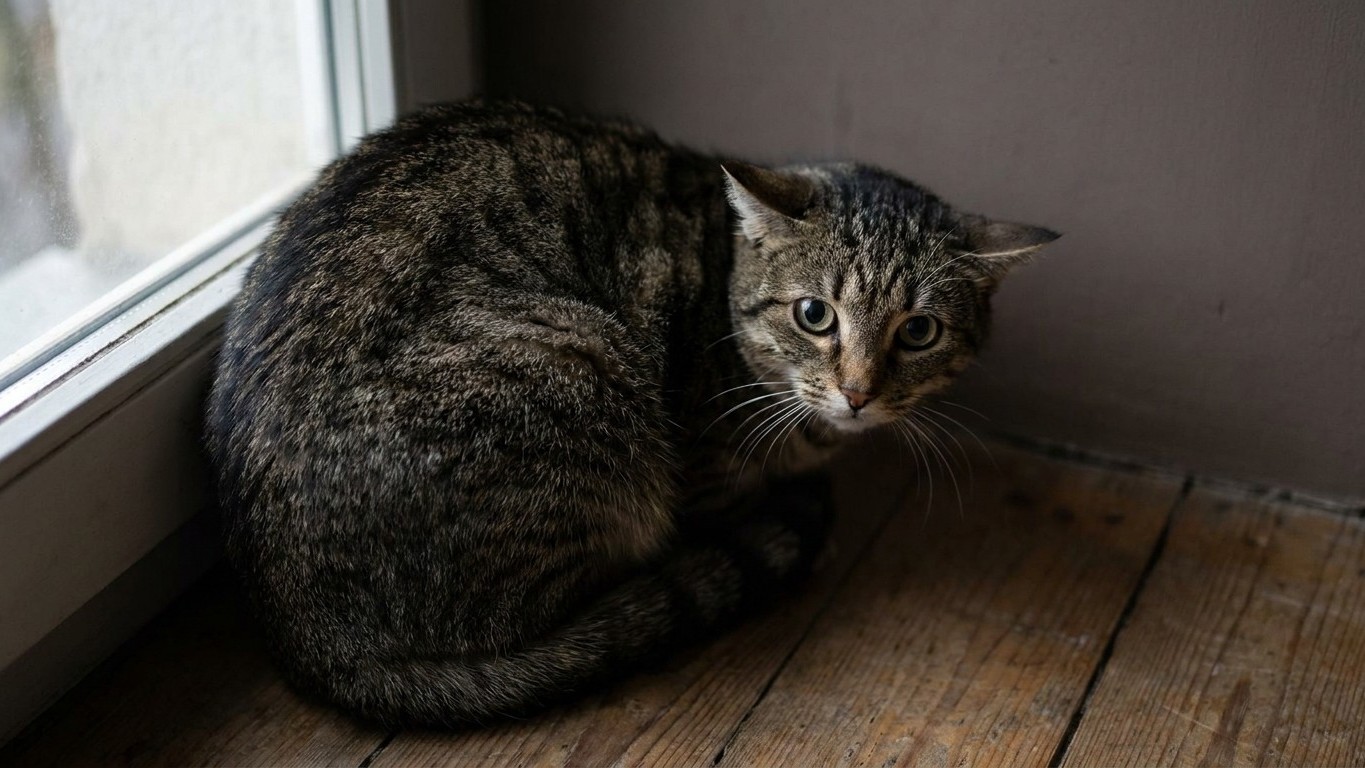
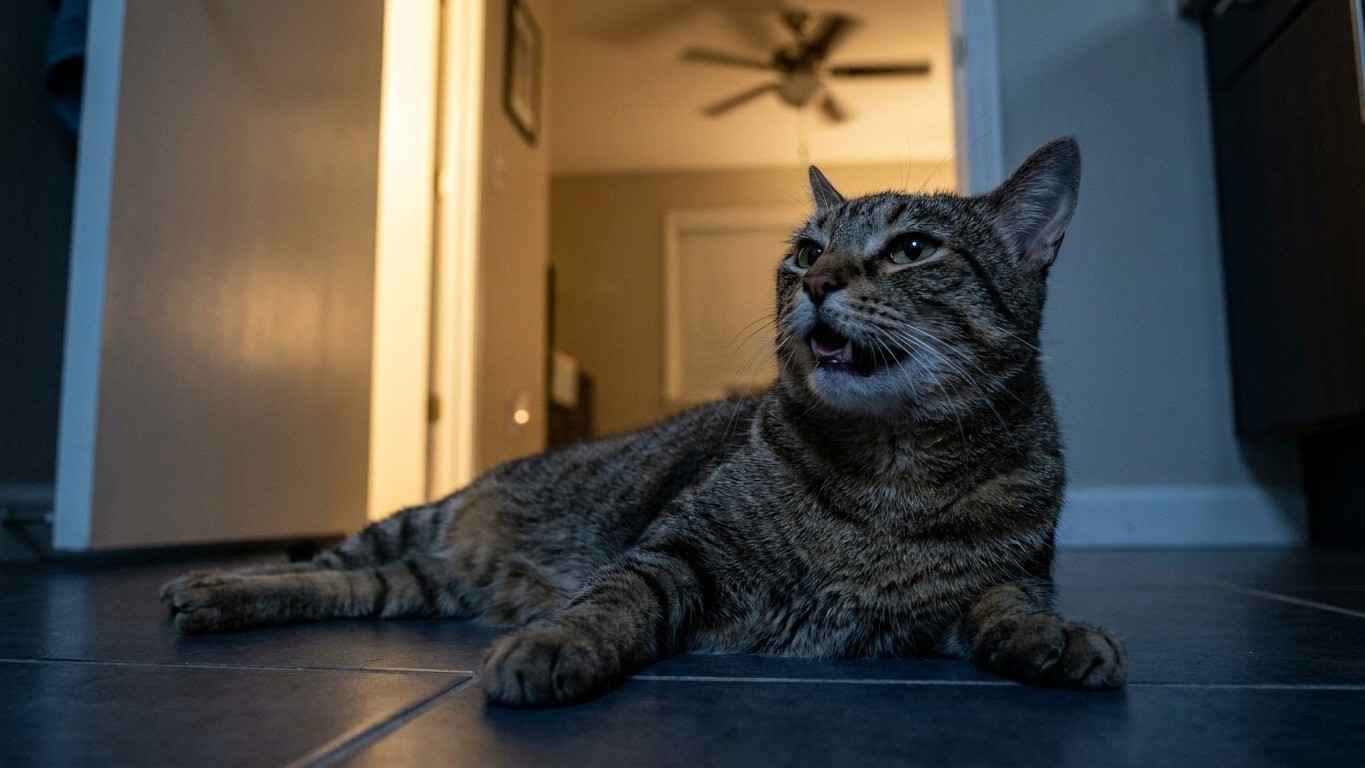
That adorable bread-loaf sitting position and soft purring you think signals contentment may actually indicate your cat is in pain. Veterinarians warn that cats are masters of disguising discomfort due to ancient survival instincts, and by the time obvious symptoms appear, pain may have persisted for weeks or months.

Vets Warn: Stop Pulling Cat Ticks Until You Check This Critical Detail

Vets Warn: Stop Pulling Cat Ticks Until You Check This Critical Detail

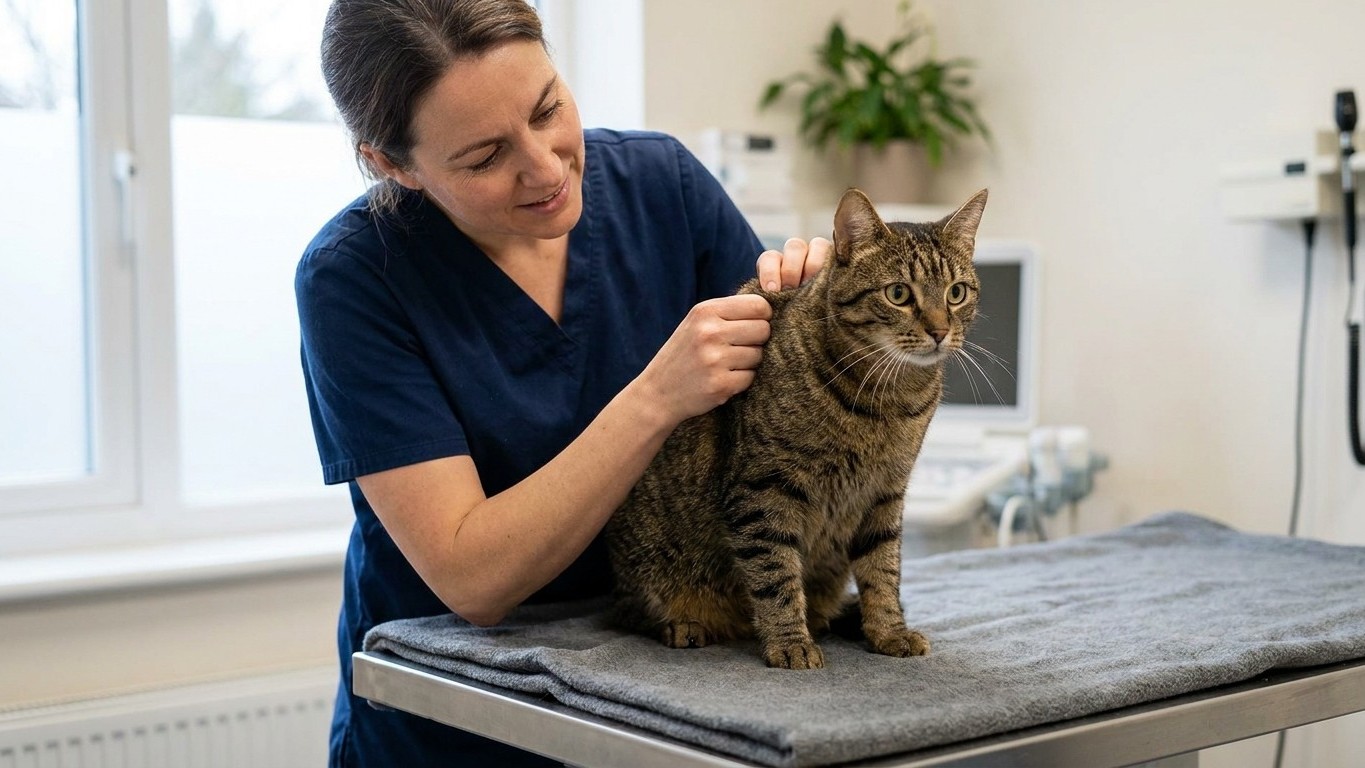
Veterinarians are urging cat owners to pause before removing ticks, warning that a common instinct could cause serious harm. The critical mistake happens because most owners overlook one essential detail on the skin—and it could mean the difference between safe removal and painful injury.

Why Your Cat Vanishes Every May When You Mow the Lawn — And Why You Should Keep Them Inside

Why Your Cat Vanishes Every May When You Mow the Lawn — And Why You Should Keep Them Inside

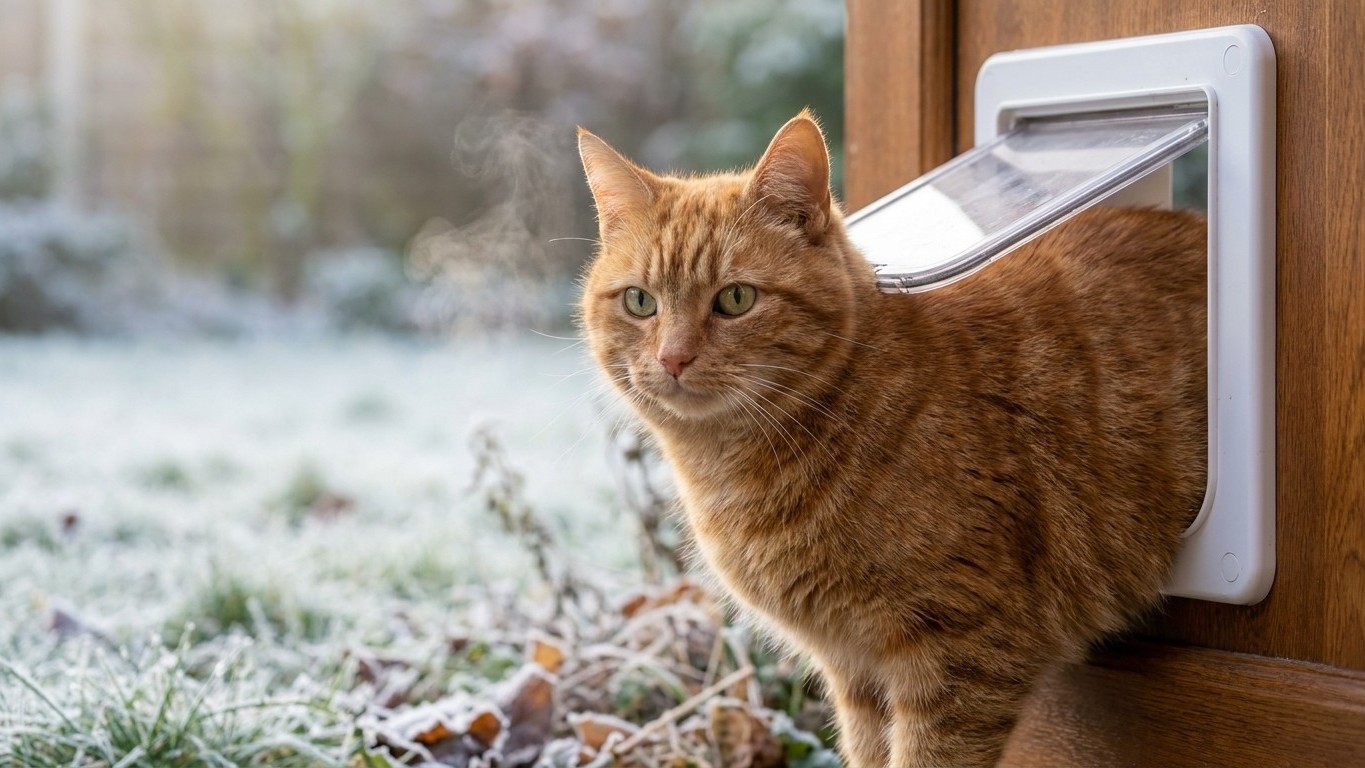
Every May, cats mysteriously vanish when the lawnmower starts — but it’s not random feline weirdness. A cat’s heightened hearing makes the mower sound like an unbearable assault, triggering instant flight. Beyond the noise, freshly mowed lawns hide real dangers: toxic chemicals, sharp grass seeds that burrow into skin, and unpredictable machinery.

The Hidden Danger in Your Recliner: Why Cats Love This Deadly Hiding Spot

The Hidden Danger in Your Recliner: Why Cats Love This Deadly Hiding Spot

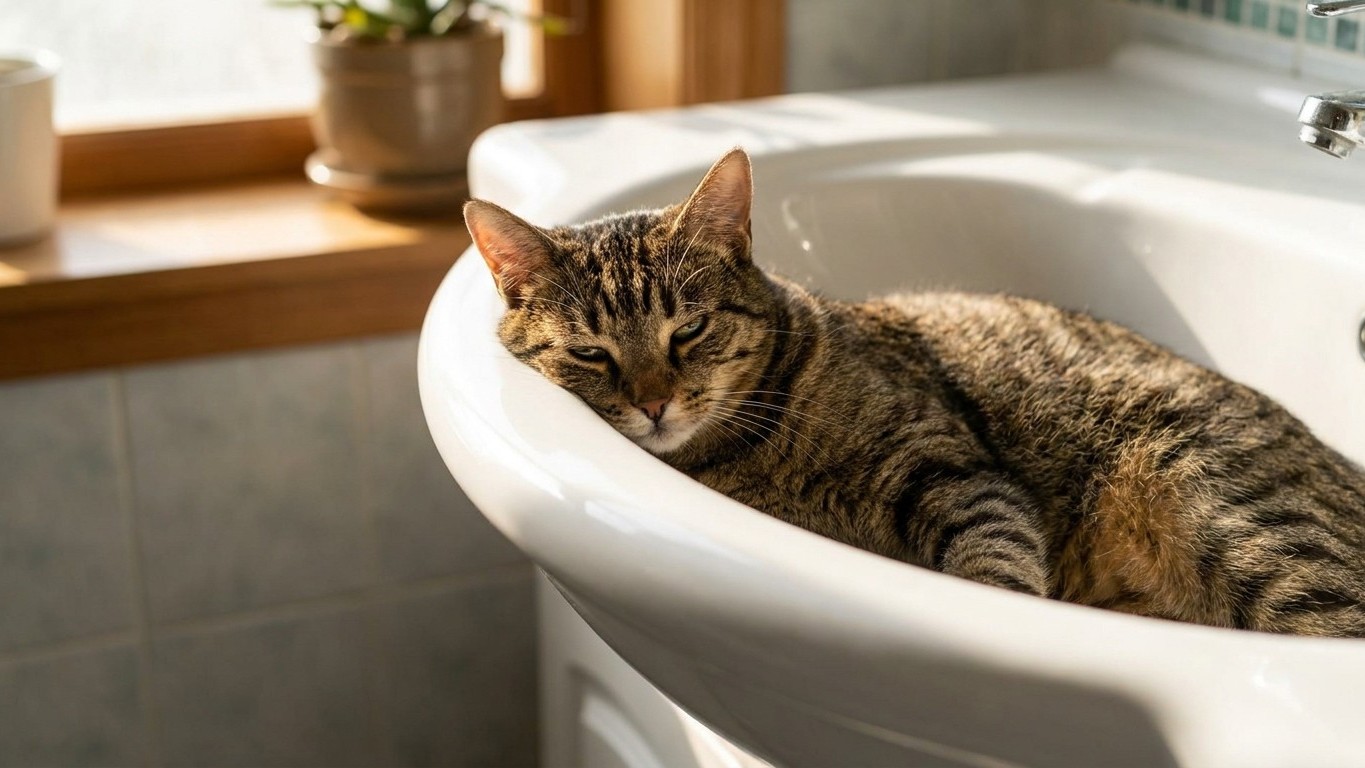
Your cat’s favorite napping spot might be hiding a deadly danger. Recliners and box springs attract cats seeking cozy enclosed spaces, but the mechanical parts can cause crushing injuries or death. Learn why this instinct is hardwired into cats and how to keep your furry friend safe.

Your Cat’s Purr Might Be a Cry for Help: The Hidden Pain Signal Cat Owners Miss

Your Cat's Purr Might Be a Cry for Help: The Hidden Pain Signal Cat Owners Miss

That adorable purr on your lap might not mean what you think it does. Cats purr when content—but also when they’re in severe pain, using the vibrations as a form of self-healing. Most owners have no idea their beloved pet could be suffering in silence.

Why Your Cat Goes Wild in May: It’s Not Spring Energy—It’s a Hormone Surge

Why Your Cat Goes Wild in May: It's Not Spring Energy—It's a Hormone Surge

Your cat’s wild May behavior isn’t about spring excitement—it’s a hormonal response triggered by increasing daylight that suppresses melatonin and surges sex hormones. Scientists have discovered that even neutered cats experience this seasonal shift, while hidden pollen allergies may compound the chaos. Understanding the biology behind the madness helps you manage it.

Your Cat’s Spring Secret: The Hidden Allergen Highway Between Garden and Sofa

Your Cat's Spring Secret: The Hidden Allergen Highway Between Garden and Sofa

Your cat bounds in from the garden and settles on the sofa—but those innocent paws are carrying invisible allergens that could explain your April asthma struggles. Between tracked-in pollen and Fel d 1 protein naturally shed from fur, your couch becomes a double allergen delivery system. Simple daily habits can dramatically reduce your exposure.

Why Your Cat’s 3 AM Zoomies Might Be a Warning Sign Vets Say You’re Missing

Why Your Cat's 3 AM Zoomies Might Be a Warning Sign Vets Say You're Missing

That nightly 3 AM chaos—the racing through hallways, the mysterious wall-yowling, the sudden bursts of energy—might not be playful feline madness after all. Veterinarians warn that sudden changes in nighttime behavior could signal serious health issues like hyperthyroidism, pain, cognitive dysfunction, or hypertension that most cat owners dismiss as normal. Understanding the difference between harmless zoomies and a cry for help could be crucial to your cat’s health.

Why Your Black Cat’s Fur Is Turning Rusty Brown—And When It’s More Than Just Sunshine

Why Your Black Cat's Fur Is Turning Rusty Brown—And When It's More Than Just Sunshine

That rusty-brown shimmer on your black cat’s coat might just be harmless photobleaching from sunny windowsills—or it could signal something worth investigating. Veterinarians explain the science behind ‘cat rust’ and reveal when this seemingly cosmetic quirk deserves your attention.

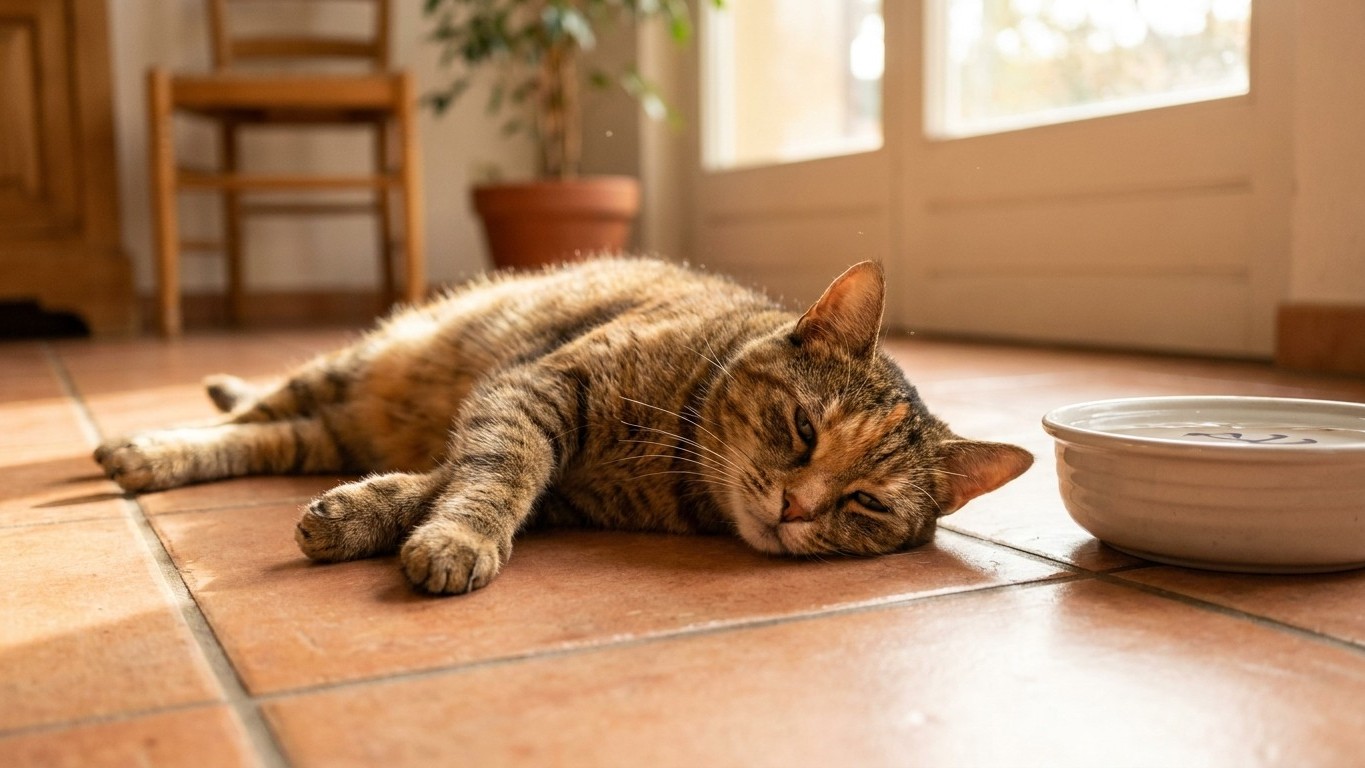
The Hidden Danger in Your Cat’s Water Bowl: What a Vet Told Me After 10 Years

The Hidden Danger in Your Cat's Water Bowl: What a Vet Told Me After 10 Years

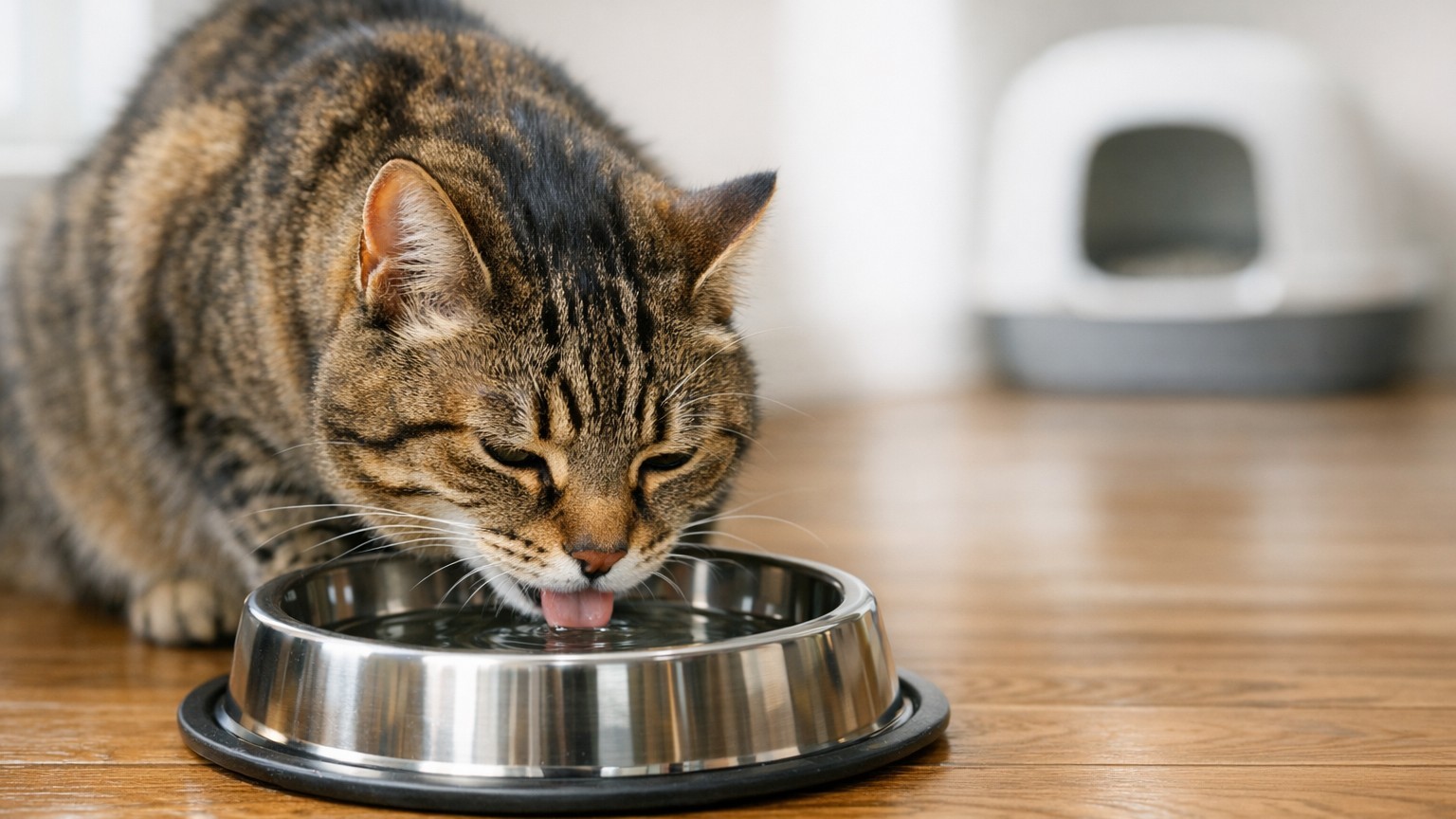
After a decade of cat ownership, a veterinarian revealed that my most consistent daily habit was quietly harming my cats. The water bowl I topped up every morning was accumulating dangerous biofilm, putting my cats at risk of dehydration, kidney disease, and urinary tract infections—all preventable with one simple change.

Why Your Cat Scratches Around Its Bowl After Eating—And What It Really Means About You

Why Your Cat Scratches Around Its Bowl After Eating—And What It Really Means About You

That weird scratching ritual your cat performs after every meal isn’t random—it’s rooted in ancient hunting instincts and may also be a direct commentary on your feeding habits. From ancestral caching behaviors to subtle signs of food dissatisfaction, your cat’s bowl-side antics reveal far more than you think.

Why Your Cat Rubs on Corners: Vets Reveal the Surprising Truth Behind This Common Behavior

Why Your Cat Rubs on Corners: Vets Reveal the Surprising Truth Behind This Common Behavior

Your cat rubbing on corners isn’t a sign of affection—it’s a complex form of chemical communication called bunting. Cats use facial pheromones to mark territory, establish social hierarchies, and manage anxiety in ways we’re only now fully understanding.