Stop Hiding the Litter Box: Where Behaviourists Say It Actually Belongs

Stop Hiding the Litter Box: Where Behaviourists Say It Actually Belongs

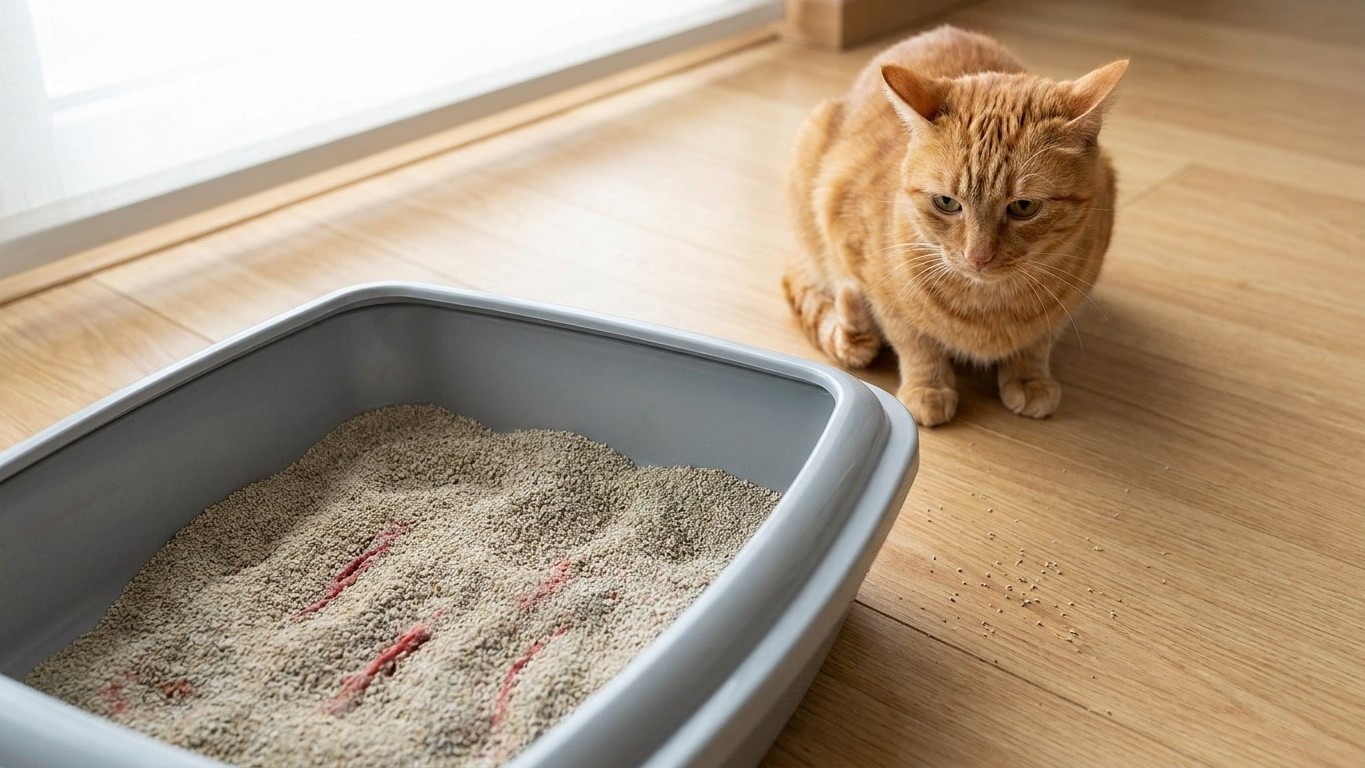
Most cat owners hide litter boxes in utility rooms and basements, but behaviourists say this causes chronic stress and avoidance. The surprising solution involves understanding your cat’s survival instincts and what makes them feel truly safe during vulnerable moments.

Your Happy Cat Might Actually Be Miserable: What That Tail Position Really Means

Your Happy Cat Might Actually Be Miserable: What That Tail Position Really Means

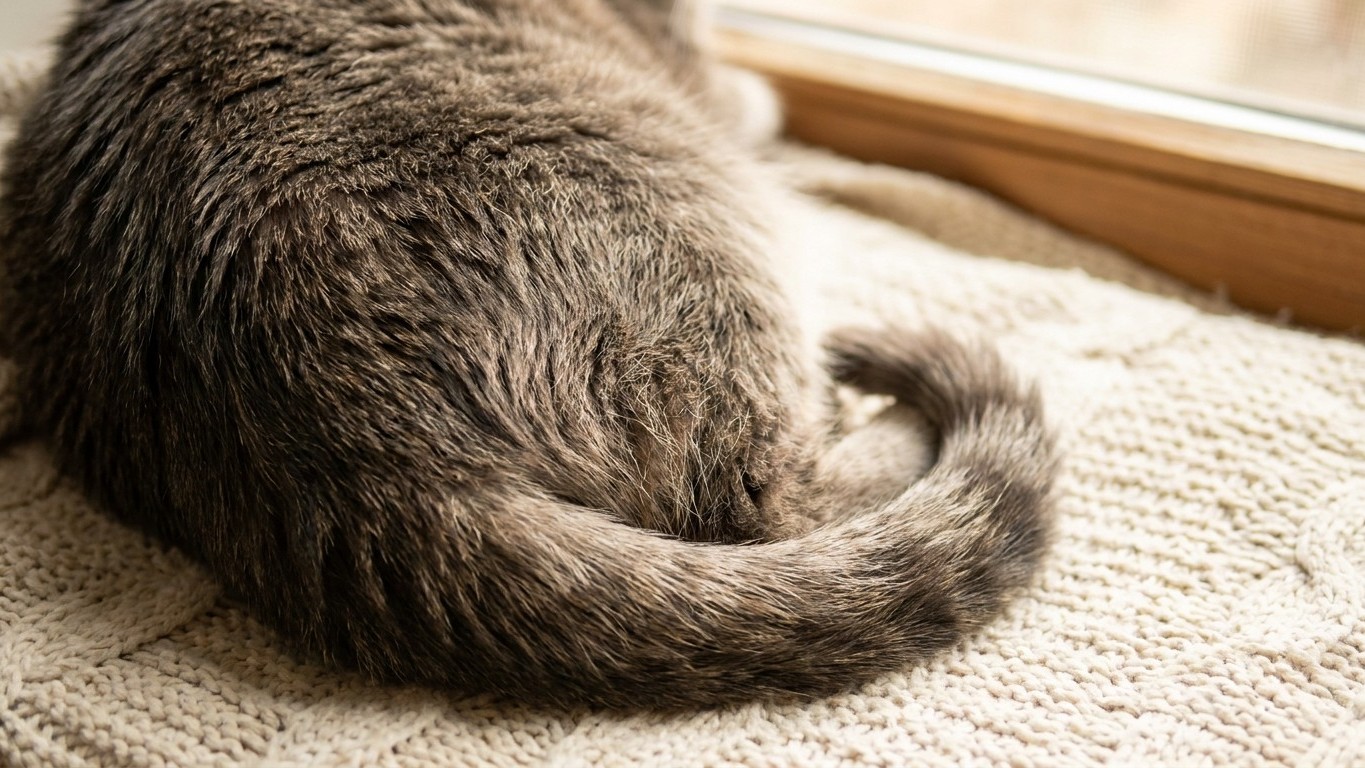
Most cat owners completely misread one specific tail position, mistaking fear and discomfort for contentment. Behaviourists explain why the tucked, wrapped tail is a distress signal—not a sign of a happy, settled cat. Understanding this one signal could transform your relationship with your pet.

Hidden in Plain Sight: Why Your Cat’s Silence Could Mean They’re Suffering

Hidden in Plain Sight: Why Your Cat's Silence Could Mean They're Suffering

Cats are masters of disguise when it comes to pain, masking serious symptoms until it’s nearly too late. By understanding the subtle behavioral shifts and physical signs your cat displays—from changes in jumping ability to grooming habits and even purring—you can catch chronic pain like arthritis and dental disease before they become emergencies.

Why Your Cat Follows You to the Bathroom: The Emotional Truth Behaviourists Have Finally Explained

Why Your Cat Follows You to the Bathroom: The Emotional Truth Behaviourists Have Finally Explained

Your cat’s bathroom obsession isn’t random behavior—it’s a sign of genuine attachment and social bonding. Animal behaviorists have uncovered the emotional complexity behind this quirky habit, revealing that your feline friend may actually be offering you companionship during moments they perceive as vulnerable.

Your Cat’s Whiskers Are Actually Sophisticated Sensory Superpowers—Here’s What They Really Do

Your Cat's Whiskers Are Actually Sophisticated Sensory Superpowers—Here's What They Really Do

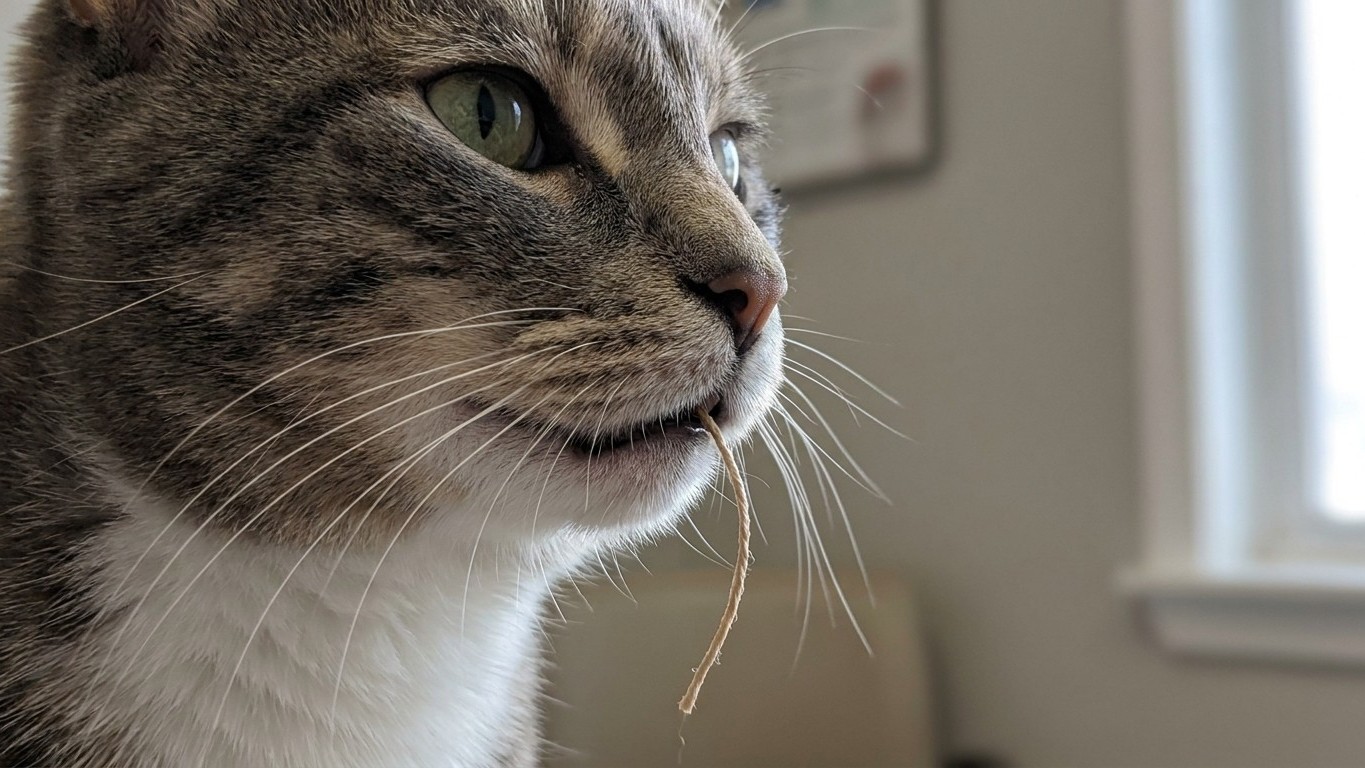
Those delicate hairs on your cat’s face are far more than decorative—they’re sophisticated sensory instruments that function almost like echolocation. Embedded with nerve endings and blood vessels, whiskers help cats navigate in darkness, hunt prey with precision, and communicate their emotional state. Damaging them can genuinely disorient your cat.

Why Your Cat Kneads Before Sleep: The Surprising Emotional Truth Behind This Quirky Behavior

Why Your Cat Kneads Before Sleep: The Surprising Emotional Truth Behind This Quirky Behavior

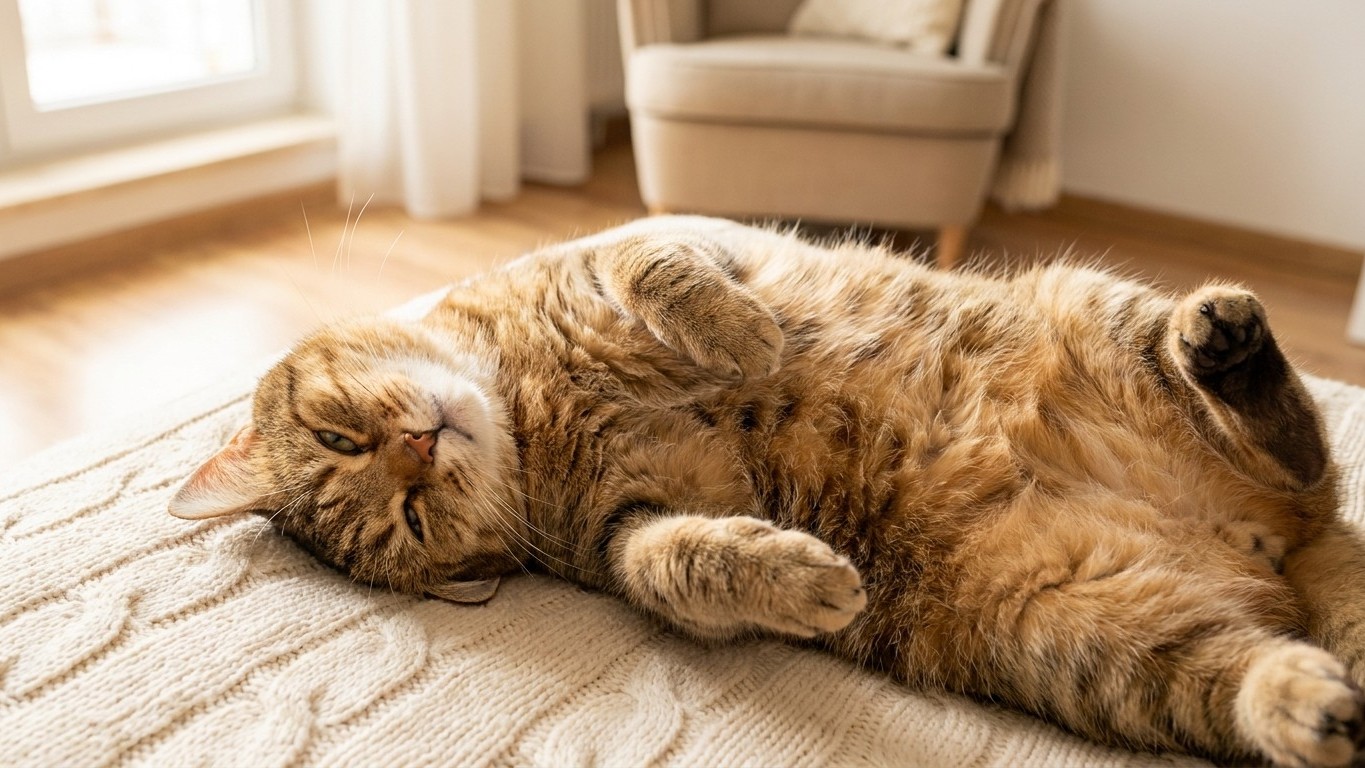
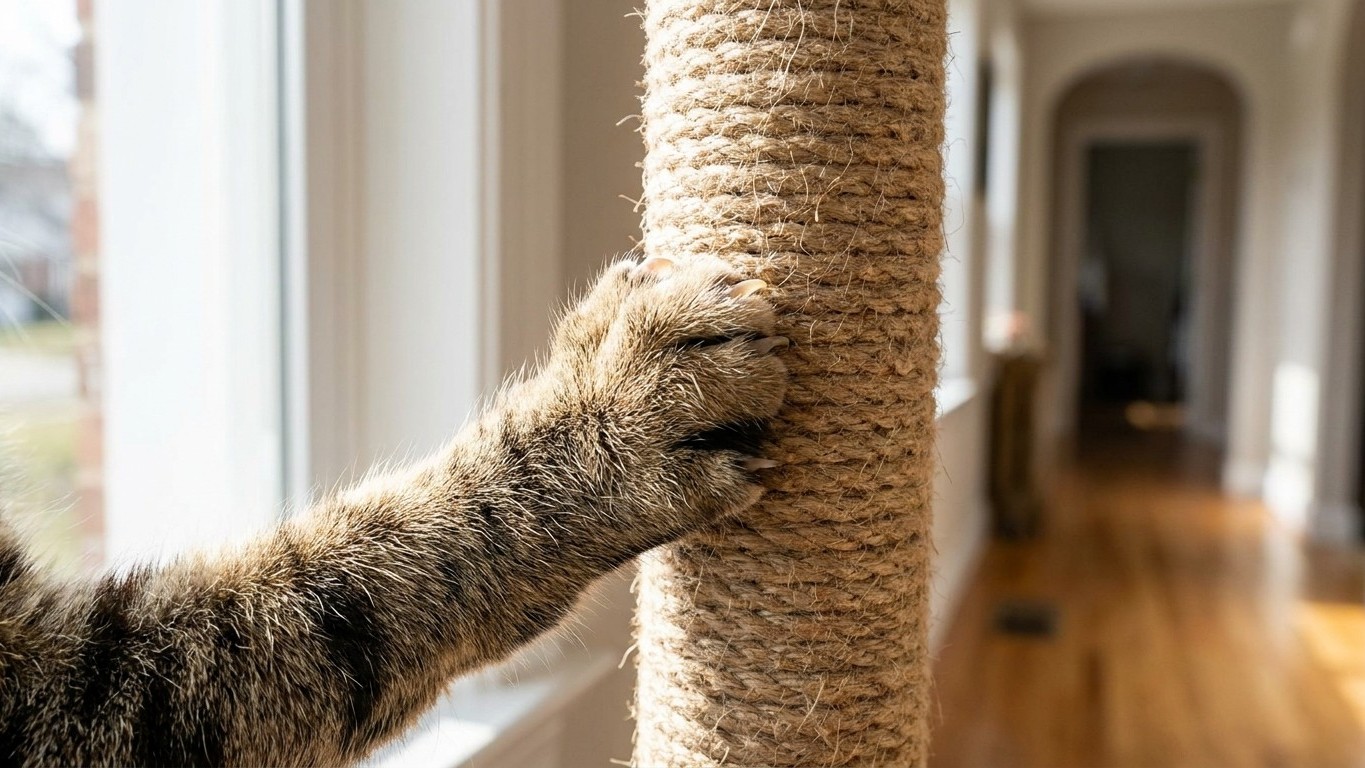
That rhythmic paw-pushing your cat does before sleep isn’t random—it’s a window into their emotional world. Rooted in kitten nursing behavior, kneading in adult cats is a powerful sign of trust, security, and attachment to you. Understanding this quirky habit transforms how you see your feline companion.

Why Your Indoor Cat Turns Aggressive in March: The Spring Hormone Surge Vets Want You to Understand

Why Your Indoor Cat Turns Aggressive in March: The Spring Hormone Surge Vets Want You to Understand

As daylight increases in March, your indoor cat’s body undergoes powerful hormonal shifts that can trigger sudden aggression, redirected attacks, and unpredictable behavior. This isn’t a mystery—it’s biology. Understanding the photoperiod effect on your cat’s reproductive hormones is the first step to managing spring aggression.

Indoor Cats Thrive in Flats: The Best Breeds for Apartment Living Without a Garden

Indoor Cats Thrive in Flats: The Best Breeds for Apartment Living Without a Garden

Living in a flat without a garden doesn’t doom your cat to misery—if you choose the right breed. Certain cats are genetically wired for indoor life, while others will drive you mad pacing at 3am. Learn which breeds truly thrive between four walls and what every indoor cat actually needs.

What Your Cat’s Tail Position Really Means: The Hidden Language You’ve Been Missing

What Your Cat's Tail Position Really Means: The Hidden Language You've Been Missing

Your cat’s tail is constantly communicating, but most owners completely miss the signs. A low tail doesn’t mean contentment—it signals anxiety. A slow sway isn’t relaxation—it’s focused irritation. Once you learn this secret language, your relationship with your cat will transform.

Why Your Cat Attacks When You Try to Comfort Them: The Neuroscience Behind the Bite

Why Your Cat Attacks When You Try to Comfort Them: The Neuroscience Behind the Bite

Your cat isn’t ungrateful—they’re overwhelmed. When you reach out to comfort a distressed cat, you may be triggering their fight-or-flight response instead of soothing them. Discover the surprising ways to actually help your cat during moments of fear or pain.