
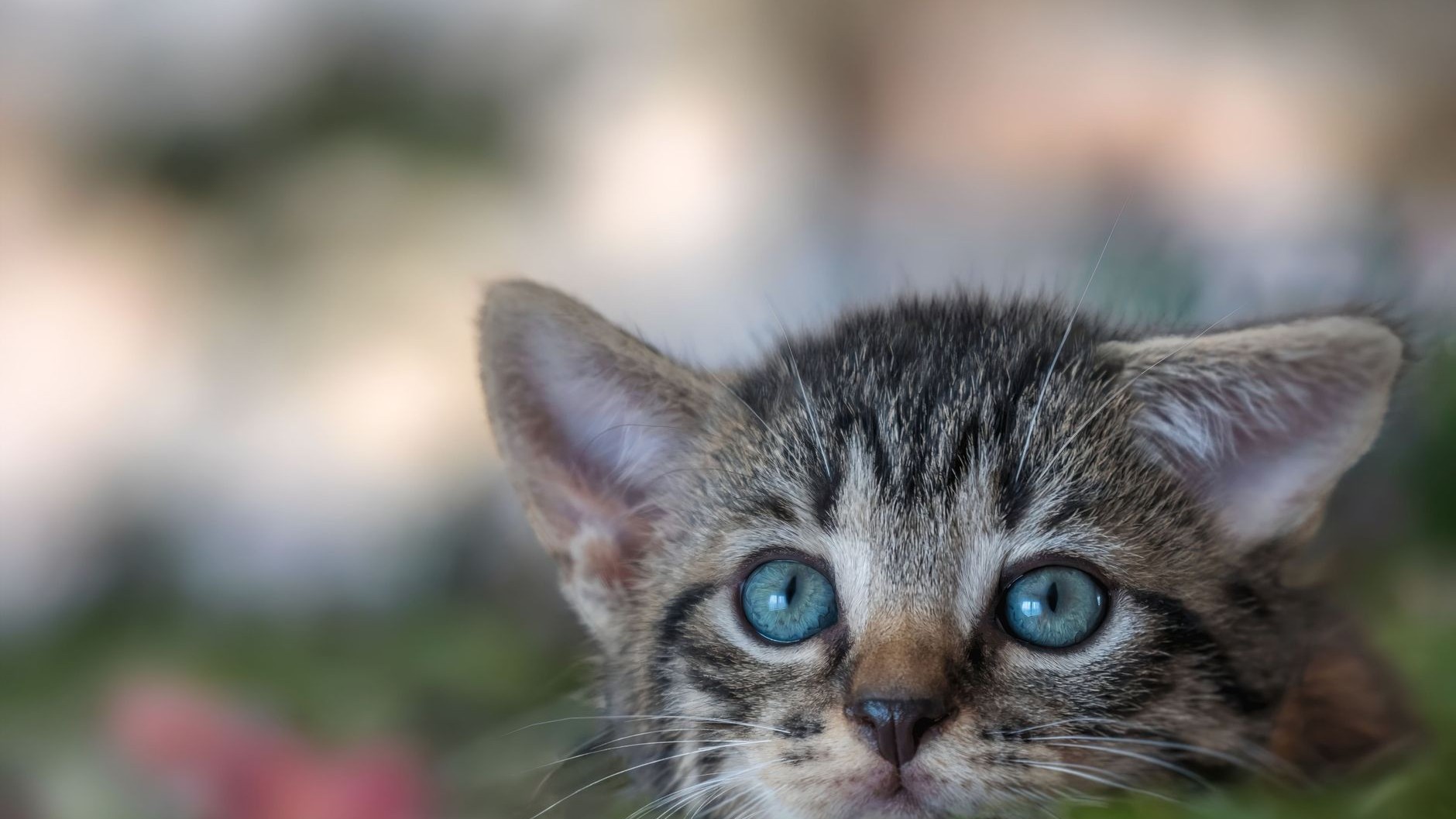
Three weeks. That’s how long it took me to connect a squeaky new gadget on my back door to a mystery that had been driving me mad for months: my cat, Bramble, weeing behind the sofa at seemingly random intervals. I’d fitted a microchip cat flap purely to stop the tabby from two doors down helping himself to Bramble’s biscuits. What I got instead was a crash course in feline stress physiology, and a rather sheepish realisation that I’d been treating the symptom for months while ignoring the actual intruder.
Key takeaways
- A simple microchip cat flap exposed an unseen threat that had been terrorizing one cat for months
- The accidents didn’t stop overnight—but watching them fade revealed something surprising about how cats process stress
- One vet visit ruled out the obvious explanation, leaving only one uncomfortable truth
An uninvited lodger with his own key
Ordinary cat flaps are basically an open invitation to the entire neighbourhood. Any cat bold enough to shove its head through the flap gets in, and plenty are. Microchip versions work differently: they use radio frequency identification to scan for your cat’s specific chip number, staying locked to everyone else. Microchip cat flaps use Radio Frequency Identification technology to scan and read these chips, remaining locked until they detect registered chip numbers, giving you peace of mind that only your cats can get through. I’d assumed the tabby was simply an annoyance, pinching food and occasionally hissing at Bramble in the kitchen. What I hadn’t clocked was how much psychological damage a few minutes of trespassing could do.
Turns out I wasn’t alone in underestimating this. One SurePetCare case study describes a cat owner who’d “put up with a couple of local cats popping in, spraying up the furniture, windows, kitchen cupboards etc., eating our cats’ food and generally worrying them” before finally investing in a microchip flap, after being woken at night by cats fighting in her kitchen. Sound familiar? It certainly did to me, once I stopped and thought about it properly.
The three-week mystery, solved
Here’s the bit that genuinely surprised me: the accidents behind the sofa didn’t stop the day the flap went in. They carried on, tapering off gradually over roughly three weeks, until one day I simply hadn’t cleaned up after Bramble in ages. That lag makes perfect sense once you understand how cats process a threat to their territory. Behaviourist Amanda Campion notes that once a cat has had a negative experience in their safe space, it can take months to reverse the stress caused, so prevention is always the best option. Three weeks, in that context, was Bramble getting off lightly.
Cats aren’t peeing on your furniture out of spite, whatever it might feel like at 2am with a bottle of enzymatic cleaner in hand. It’s a coping mechanism. Vets who deal with this daily point out that cats tend to handle stressful situations by either hiding or urinating inappropriately, and are much more sensitive to subtle changes in their environment than dogs are. A strange cat strolling through your kitchen, eating from your cat’s bowl, potentially squaring up in a hallway, is about as big an environmental violation as it gets from a feline perspective. One vet-run advice page puts it plainly: an unseen boundary dispute or a subtle shift in the pecking order between cats can be enough to set off real changes in urinary habits, as can human factors like a new sofa or a regular visitor. Multiply that by an actual rival cat physically entering the house, and the wonder isn’t that Bramble was weeing behind the sofa. It’s that she waited that long to start.
Ruling out the boring, sensible explanation first
Before anyone gets too smug about solving their own cat’s mystery via detective work and a gadget, I need to say the obvious thing: get your cat checked by a vet. Stress-related periuria and genuine urinary tract disease can look identical from the outside, and only bloods or a urine sample will tell you which you’re dealing with. Cornell’s feline health experts are clear that litter box trouble can stem from any number of causes including medical problems, an aversion to the box, or a preference for toileting elsewhere, and any condition interfering with normal urination can trigger it. Inflammation of the urinary tract in particular can make the litter box itself feel like the enemy, since it can make urinating painful and increase urgency, which causes a cat to associate the box with pain and avoid it. Kidney disease, thyroid problems and diabetes can all masquerade as a “naughty” cat too. I got Bramble checked before I got smug about my flap. She was healthy. The tabby really was the whole problem.
What actually helped, beyond the flap itself
The cat flap solved the root cause, but a few other things sped up Bramble’s recovery, and they’re worth doing whether or not your intruder is four-legged. If you’ve got more than one cat, or even just visiting rivals, the resource competition angle matters more than most owners realise: if you have more than one cat in the house you need enough litter boxes, ideally one per cat plus an extra, because conflict is more likely without enough of them. Even with a single indoor cat, an extra tray away from the main household bustle gives them somewhere to feel unwatched. Vets also note that some cats have surprisingly strict preferences about being observed while toileting, and that location of toileting sites, including not being overlooked by humans, can be absolutely vital for urinary health and social cohesion.
Pheromone diffusers get mentioned constantly in vet advice for good reason, and they’re worth trying alongside, not instead of, sorting the physical access problem. Cleaning thoroughly with an enzymatic product rather than standard household cleaner matters too, since ordinary cleaning products can leave a scent trace that draws a cat right back to the same spot. My own experience says the single biggest lever, though, was removing the actual stressor. No amount of diffuser plug-ins will convince a cat that home is safe if a rival is physically strolling through the kitchen twice a day. Fix the trespassing, and for most cats, the litter box habits sort themselves out within a few weeks, not because the cat has been retrained, but because the reason for the protest has simply gone away.
Sources : petsradar.com | petsradar.com