Why Your Cat Knocked Over That Glass: It’s Not Chaos, It’s Intelligence

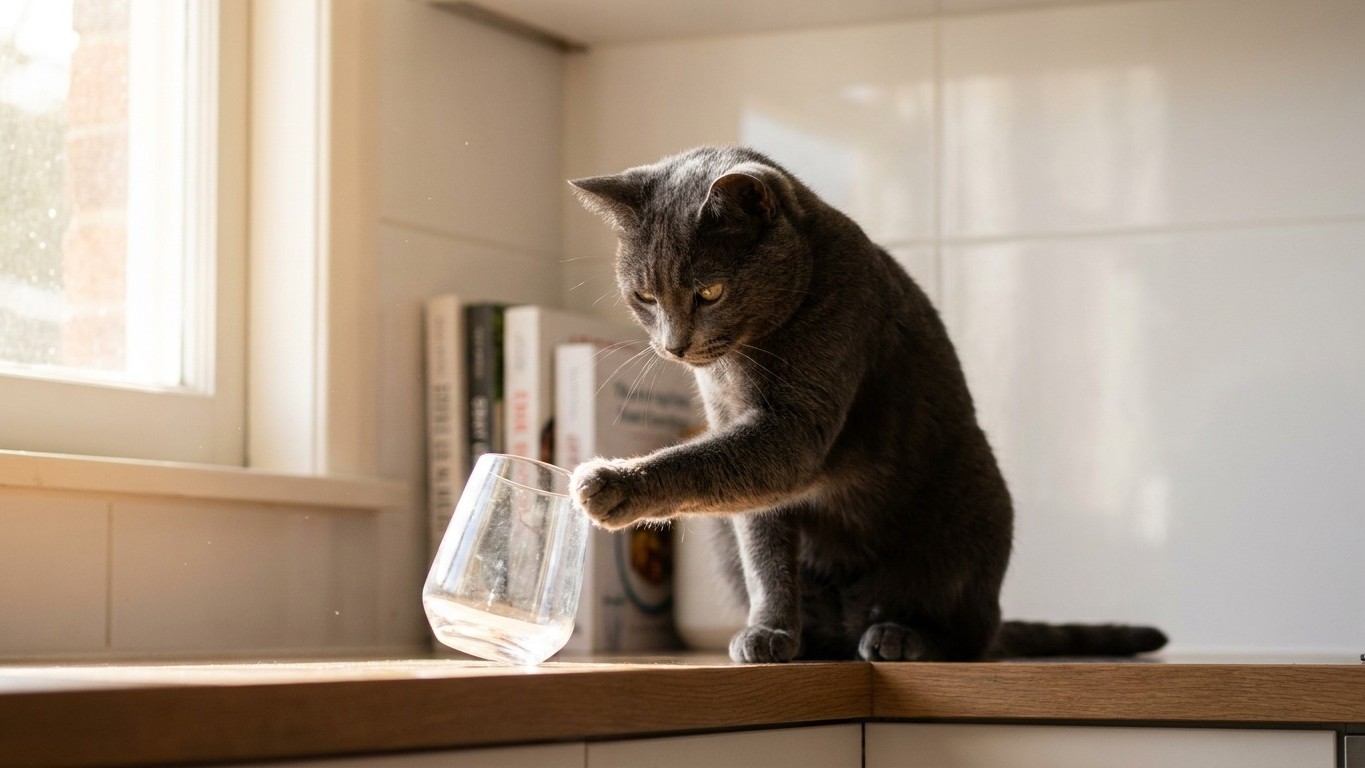
Why Your Cat Knocked Over That Glass: It's Not Chaos, It's Intelligence

That glass your cat just shoved off the counter wasn’t an accident—it was intentional data collection. Behind every seemingly destructive swipe lies millions of years of predatory evolution, sophisticated sensory exploration, and surprisingly clever manipulation tactics designed to get your attention.

Why Cats Eat Grass: Scientists Finally Solve the 12-Year Mystery of Feline Plant Behavior

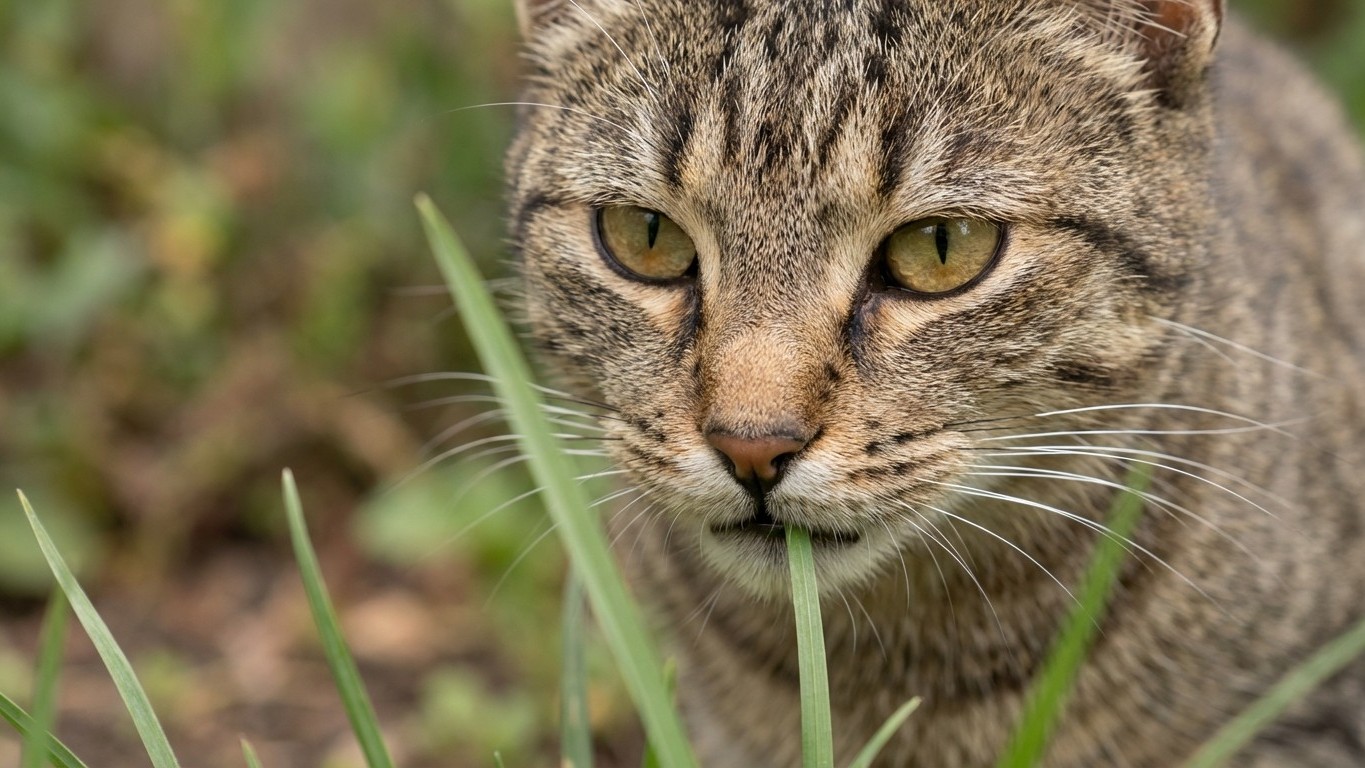
Why Cats Eat Grass: Scientists Finally Solve the 12-Year Mystery of Feline Plant Behavior

For over a decade, researchers have been studying why cats eat grass, and the answer is far more fascinating than an upset stomach. New evidence suggests cats are performing an ancient, hardwired behavior passed down through millions of years of evolution—one that may serve multiple purposes from parasite control to hairball management.

Your Cat’s Whiskers Are Actually Sophisticated Sensory Superpowers—Here’s What They Really Do

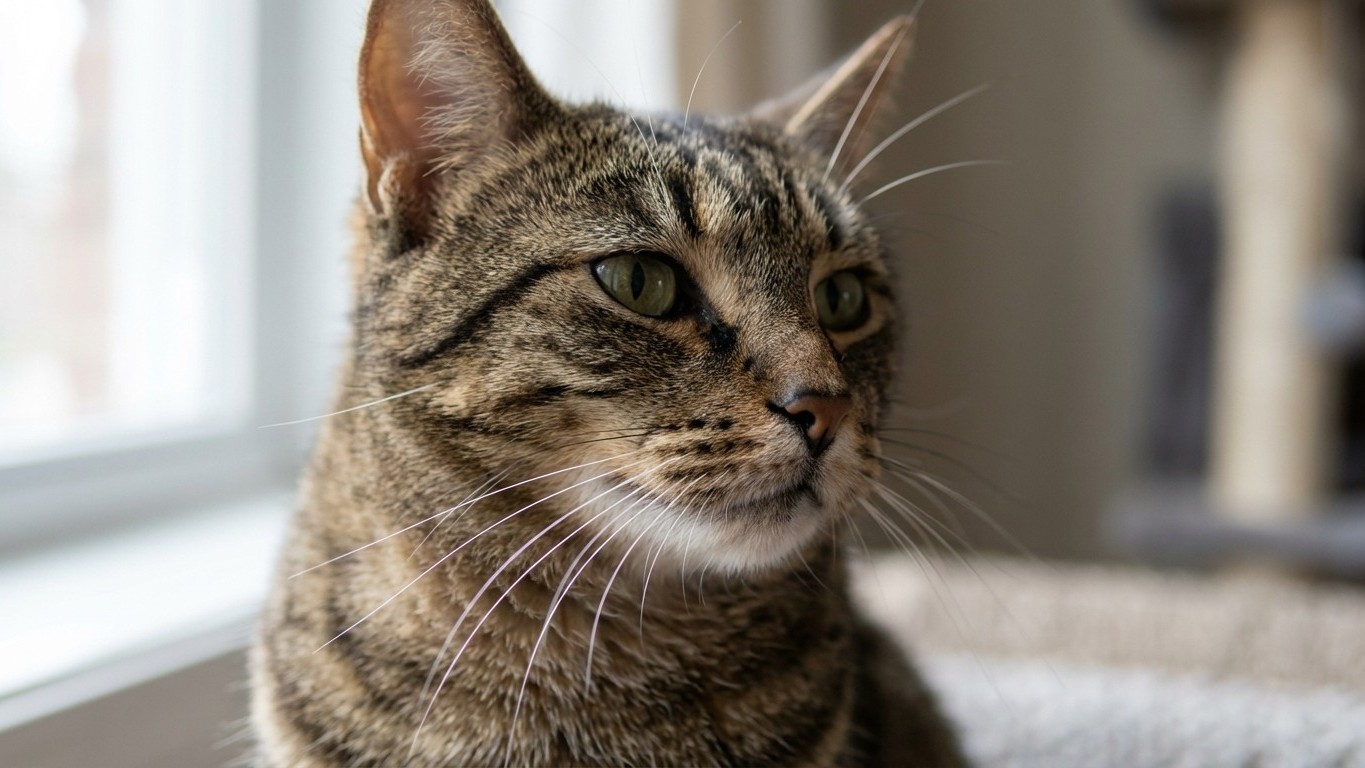
Your Cat's Whiskers Are Actually Sophisticated Sensory Superpowers—Here's What They Really Do

Those delicate hairs on your cat’s face are far more than decorative—they’re sophisticated sensory instruments that function almost like echolocation. Embedded with nerve endings and blood vessels, whiskers help cats navigate in darkness, hunt prey with precision, and communicate their emotional state. Damaging them can genuinely disorient your cat.