I took in a cat pulled from a seizure and put his night screaming down to the move just to give him time: the X-ray of his hips showed something that had healed long before I met him
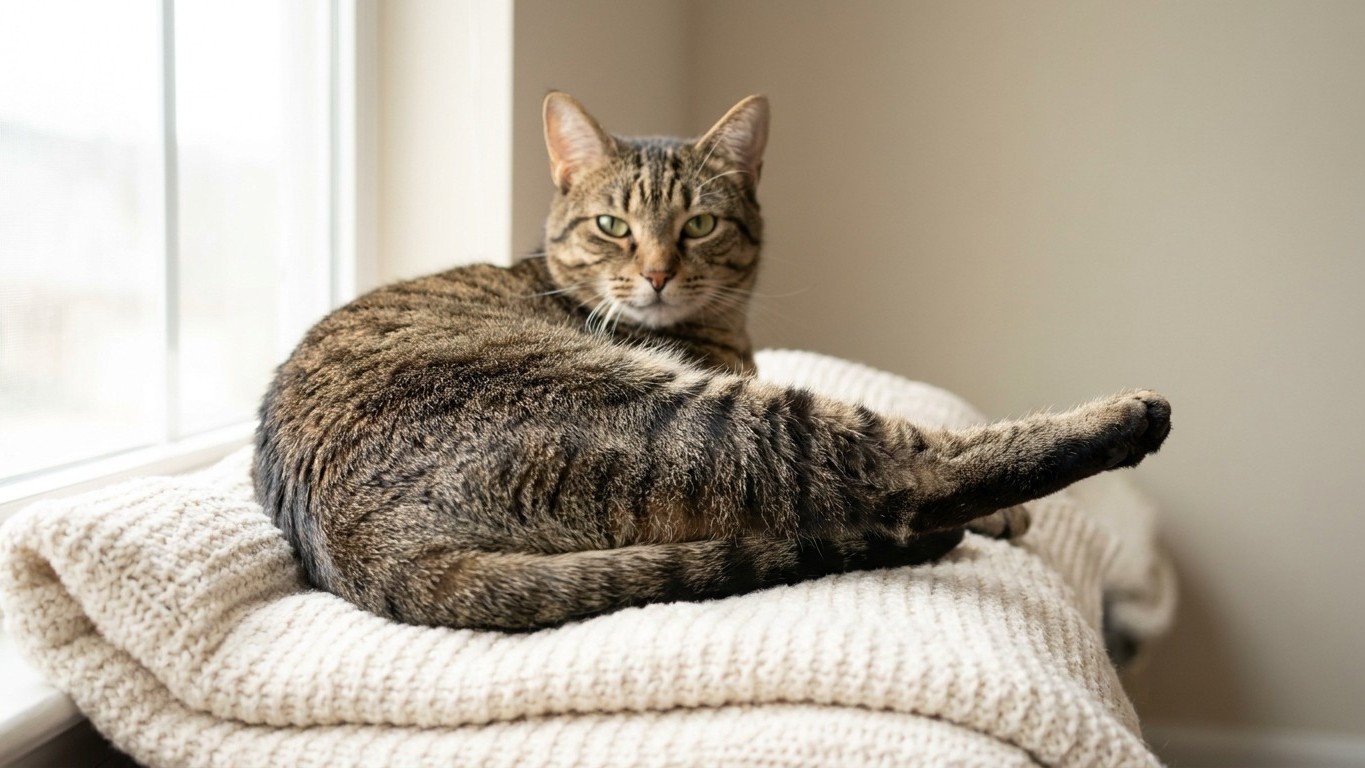
I took in a cat pulled from a seizure and put his night screaming down to the move just to give him time: the X-ray of his...

When a newly rescued cat wouldn’t stop screaming at night, his new owner assumed stress from the move. A routine X-ray revealed the real culprit: an old, untreated hip fracture that had healed crooked years before. This discovery challenges how we read pain signals in rescue cats and highlights the hidden injuries many carry from their past.
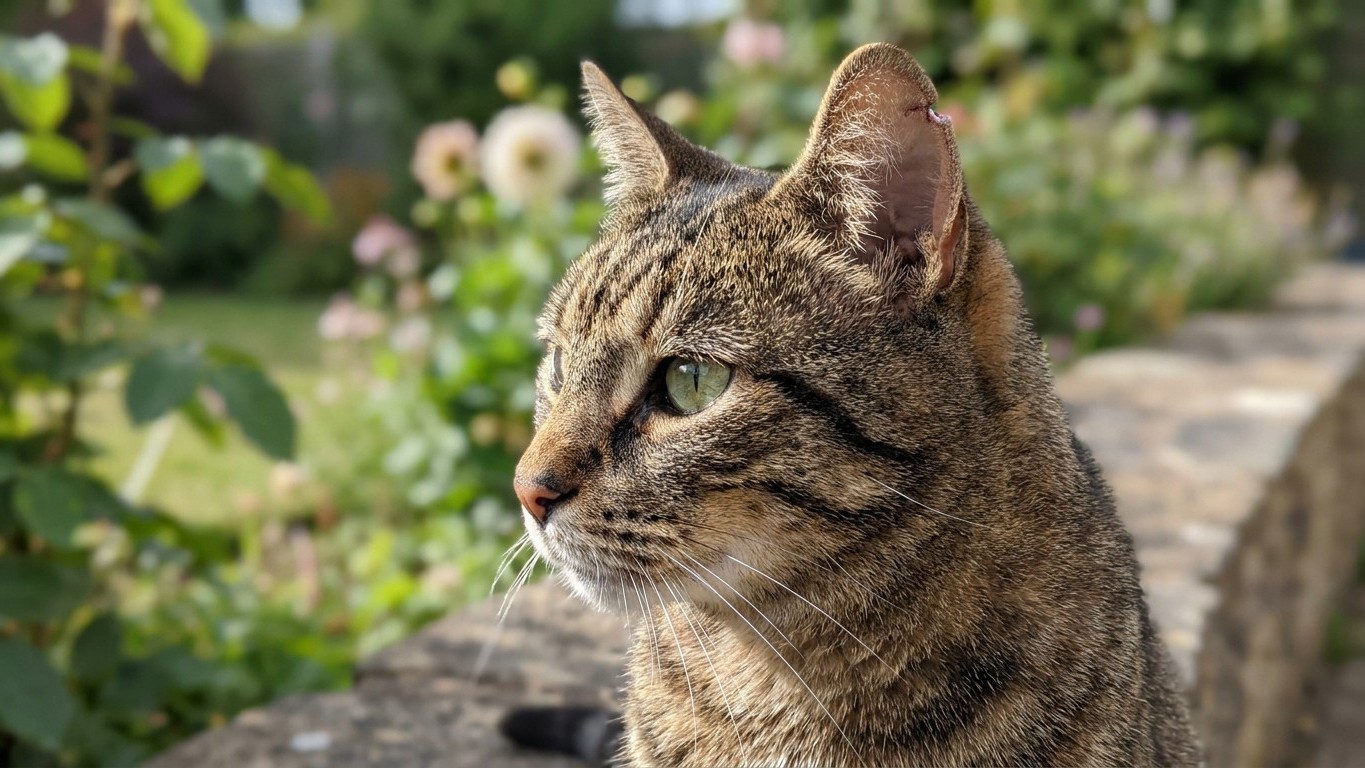
My neighbour brings back every stray he traps with a small notch cut in one ear, and it’s not from an old fight

My neighbour brings back every stray he traps with a small notch cut in one ear, and it's not from an old fight

That small triangular nick in a rescued cat’s ear isn’t a wound—it’s an internationally recognised surgical mark called ear-tipping. It signals that a cat has been neutered, vaccinated, and returned to the streets as part of a Trap-Neuter-Return programme, preventing unnecessary re-trapping and stress.

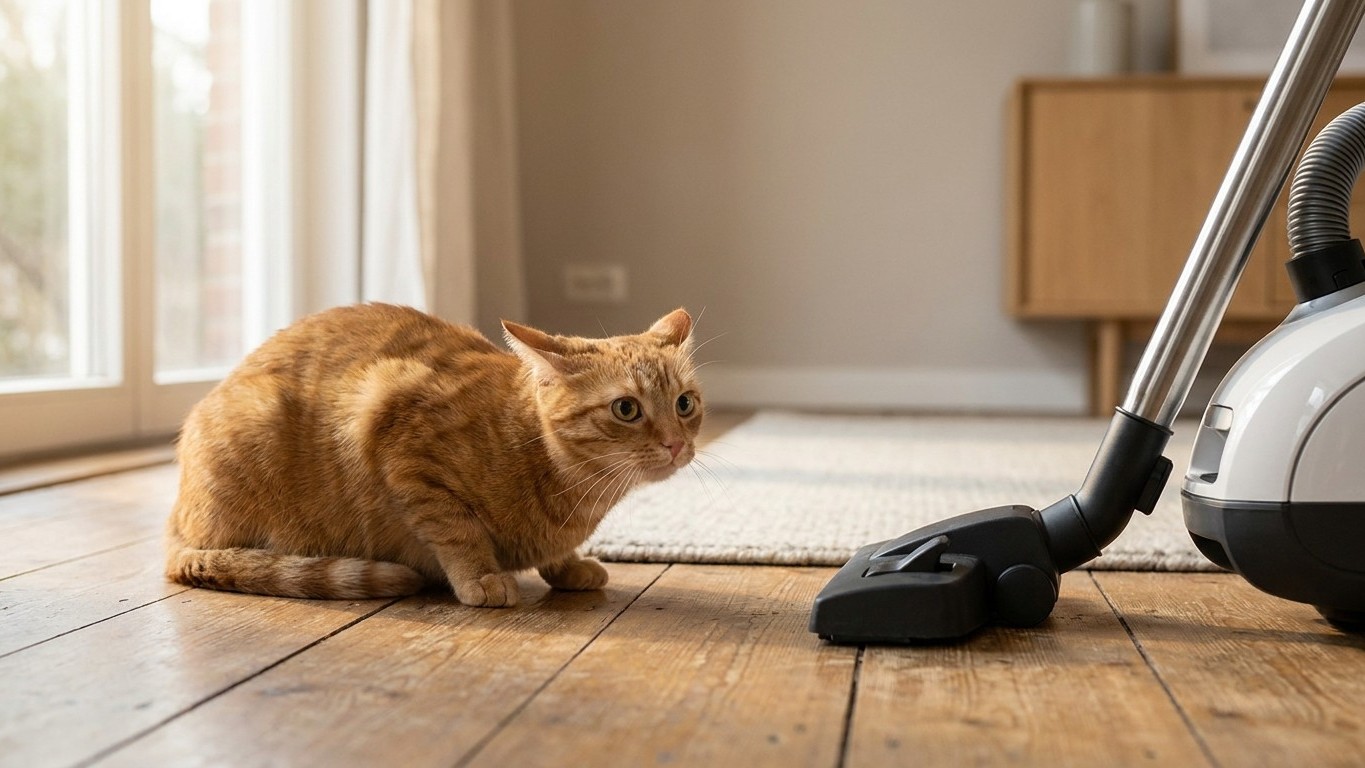
I picked my shelter cat from a photo online just to skip the drive: the day the vacuum came out at home, I understood what a ten-minute visit would have shown me

I picked my shelter cat from a photo online just to skip the drive: the day the vacuum came out at home, I understood what...

Adopting a shelter cat based on photos alone seems efficient—until the vacuum comes out. Meet-and-greet visits expose the sensitivities, fears, and personality quirks that no image can capture, preventing costly mismatches that land cats back in rescues.

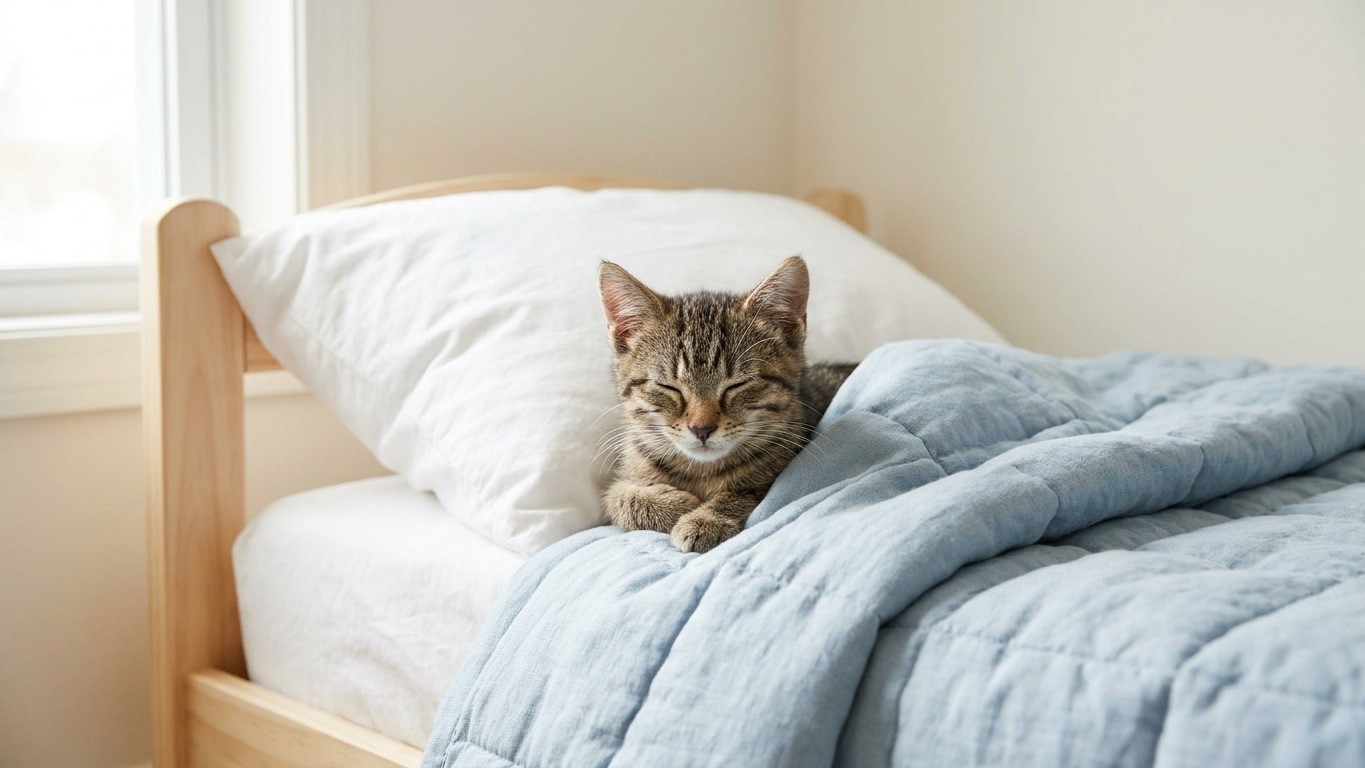
Vets never let a cat from an overcrowded rescue sleep in a child’s bed: the reason stays in the rugs for 18 months

Vets never let a cat from an overcrowded rescue sleep in a child's bed: the reason stays in the rugs for 18 months

Ringworm spores can survive for 18 months in household fabrics, which is why vets insist on strict quarantine periods before rescue cats meet children. This zoonotic fungus thrives in overcrowded shelters and poses real risks—but responsible adoption is still possible with proper precautions.