Why Your Cat Refuses Her Water Bowl But Drinks from the Tap: The Science Behind Feline Hydration Habits

Why Your Cat Refuses Her Water Bowl But Drinks from the Tap: The Science Behind Feline Hydration Habits

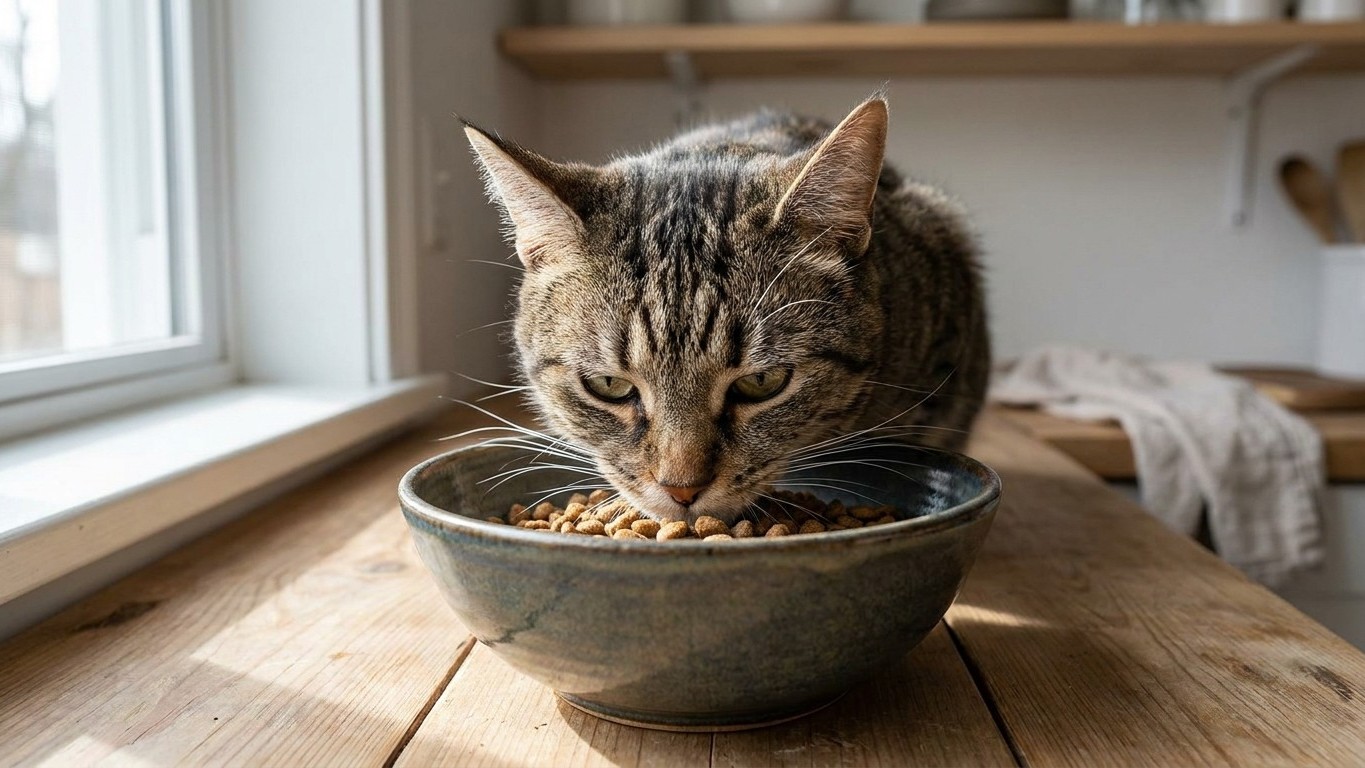
Your cat’s refusal to drink from her bowl isn’t stubbornness—it’s thousands of years of feline evolution at work. From whisker fatigue to ancient survival instincts, discover why running water signals safety to your cat and what you can do about it.

Why Your Cat Stares at You From the Litter Box—And What It Really Means

Why Your Cat Stares at You From the Litter Box—And What It Really Means

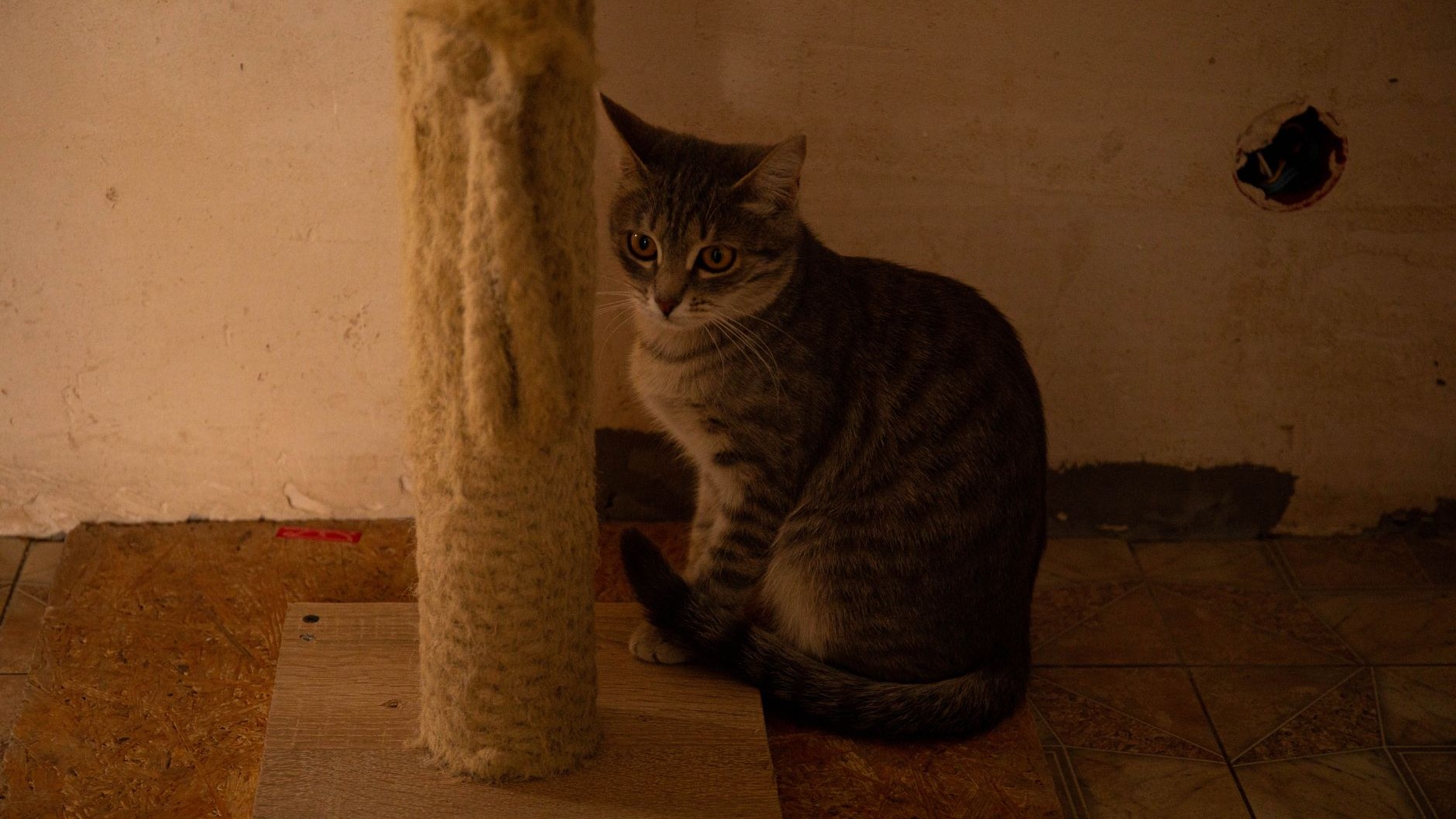
For years, cat owners have been puzzled by their feline’s unflinching gaze from the litter box. Veterinarians now reveal this behavior is a profound act of trust—your cat has appointed you as their lookout during a vulnerable moment. But not all litter box stares are created equal; some can signal serious health issues requiring immediate attention.

Missing the Warning Signs: Why Your ‘Tired’ Cat Might Actually Be Seriously Ill

Missing the Warning Signs: Why Your 'Tired' Cat Might Actually Be Seriously Ill

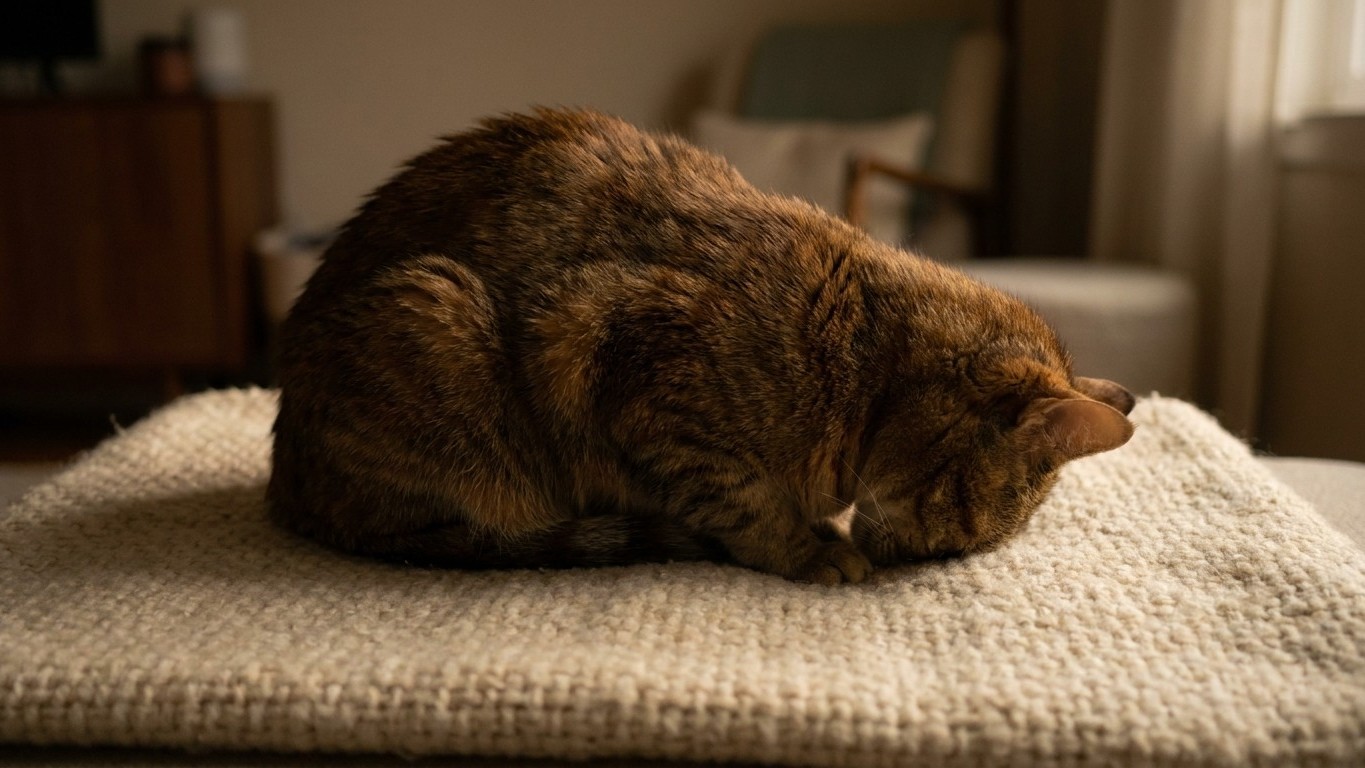
Your cat sleeps more than usual, so you assume they’re just tired. But veterinarians know the difference between normal feline rest and lethargy—and it could signal serious illness hiding in plain sight. The sign most owners misread isn’t how much your cat sleeps, but how they behave when awake.

Why Your Cat Leaves Dead Mice (and Toys) on Your Bed at 3 AM—And What It Really Means

Why Your Cat Leaves Dead Mice (and Toys) on Your Bed at 3 AM—And What It Really Means

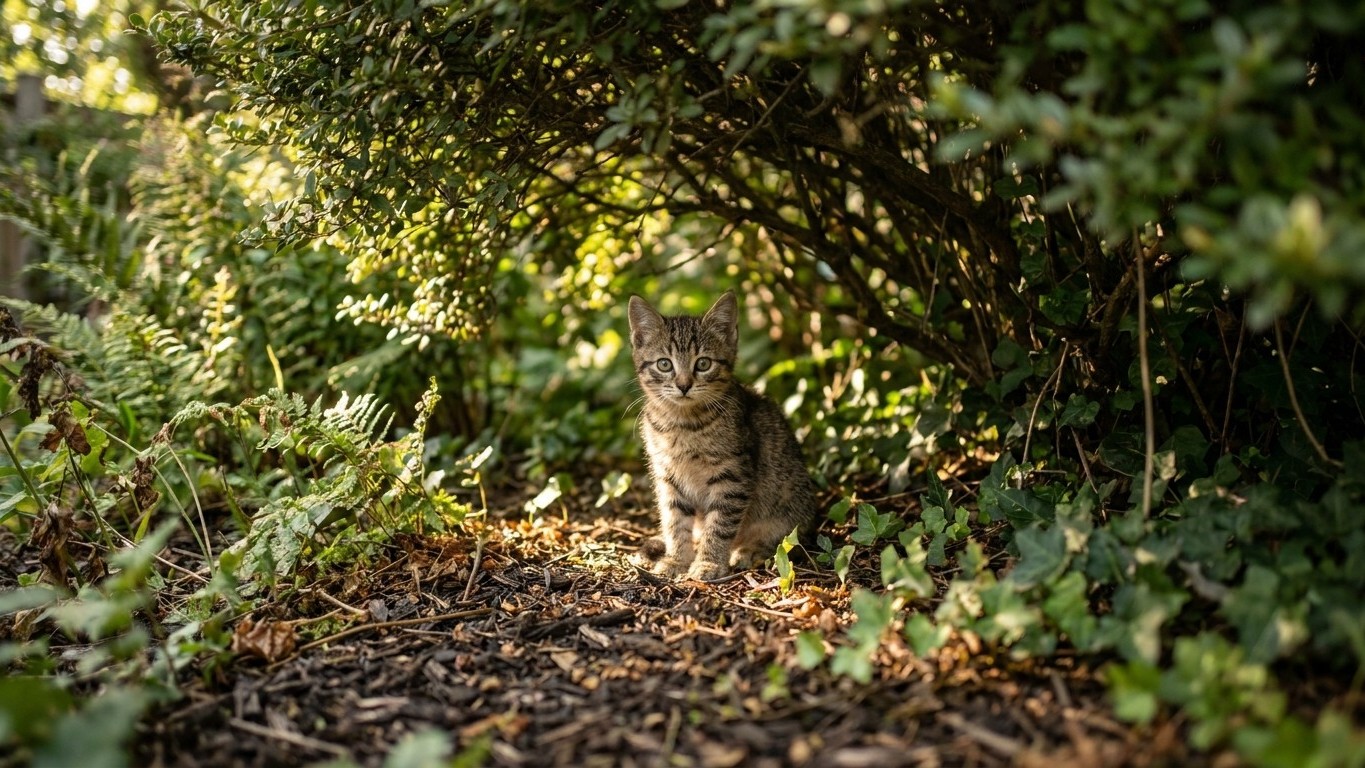
That toy mouse appearing by your pillow at 3 a.m. isn’t random—your cat believes you’re a desperately poor hunter who needs training. Rooted in deep feline instinct and family bonds, this behavior reveals how cats view you as part of their tribe.

Why Your Cat Knocked Over That Glass: It’s Not Chaos, It’s Intelligence

Why Your Cat Knocked Over That Glass: It's Not Chaos, It's Intelligence

That glass your cat just shoved off the counter wasn’t an accident—it was intentional data collection. Behind every seemingly destructive swipe lies millions of years of predatory evolution, sophisticated sensory exploration, and surprisingly clever manipulation tactics designed to get your attention.

The Hidden Spring Secret Driving Your Indoor Cat Wild: It’s Not What You Think

The Hidden Spring Secret Driving Your Indoor Cat Wild: It's Not What You Think

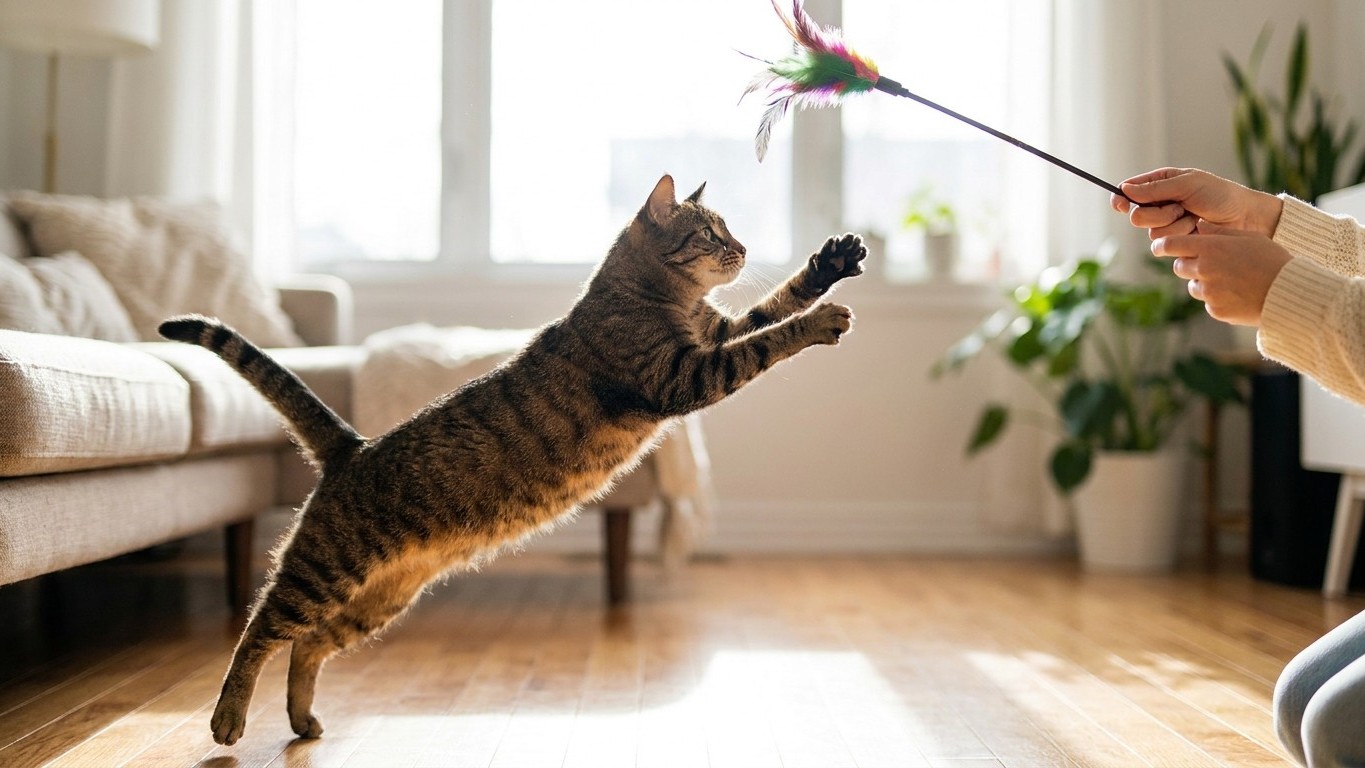
Every spring, indoor cats seem to lose their minds—pacing, yowling, launching themselves off furniture. But it’s not the birds or the breeze. The real culprit is an invisible chemical world: pheromones drifting through your window that your cat’s extraordinary sensory system picks up in vivid, maddening detail.

Why Your Cat Scratches Around Its Bowl After Eating—And What It Really Means About You

Why Your Cat Scratches Around Its Bowl After Eating—And What It Really Means About You

That weird scratching ritual your cat performs after every meal isn’t random—it’s rooted in ancient hunting instincts and may also be a direct commentary on your feeding habits. From ancestral caching behaviors to subtle signs of food dissatisfaction, your cat’s bowl-side antics reveal far more than you think.

Why Your Cat Is Hunting: The Dead Mouse on Your Doormat Reveals a Nutritional Message

Why Your Cat Is Hunting: The Dead Mouse on Your Doormat Reveals a Nutritional Message

That dead mouse your cat proudly presents isn’t just instinct—it’s a message about their diet. Recent research reveals that cats hunting despite full food bowls may be seeking nutrients their kibble is missing, and switching to meat-based foods can reduce prey-hunting by up to 36%.

Why Your Cat Rubs on Corners: Vets Reveal the Surprising Truth Behind This Common Behavior

Why Your Cat Rubs on Corners: Vets Reveal the Surprising Truth Behind This Common Behavior

Your cat rubbing on corners isn’t a sign of affection—it’s a complex form of chemical communication called bunting. Cats use facial pheromones to mark territory, establish social hierarchies, and manage anxiety in ways we’re only now fully understanding.

Stop Mistaking Cat Squinting for Happiness — Vets Say It’s Often a Sign of Serious Pain

Stop Mistaking Cat Squinting for Happiness — Vets Say It's Often a Sign of Serious Pain

Your cat’s slow blink is affection, but persistent squinting is something entirely different — and veterinarians recognize it as a red flag for pain or disease. From corneal ulcers to feline herpesvirus, squinting signals that your cat needs immediate attention. Understanding the difference could save your cat’s vision.

Your Cat’s Purr Might Be a Silent Cry for Help: What Every Owner Needs to Know

Your Cat's Purr Might Be a Silent Cry for Help: What Every Owner Needs to Know

Your cat’s purr might sound like contentment, but it could be masking pain or distress. Vets reveal how cats exploit our nurturing instincts with hidden cries embedded in their purrs, and why a purring cat can still be suffering. Learn to decode your cat’s real message.

Why Your Bathroom Litter Box Is Stressing Your Cat Out (And What to Do Instead)

Why Your Bathroom Litter Box Is Stressing Your Cat Out (And What to Do Instead)

That tidy bathroom litter box arrangement might be quietly driving your cat mad. According to feline behaviorists, cats experience litter box use as a vulnerable moment shaped by predator-avoidance instincts—and bathrooms are the worst possible location. Learn why your cat is avoiding the box and how to fix it.