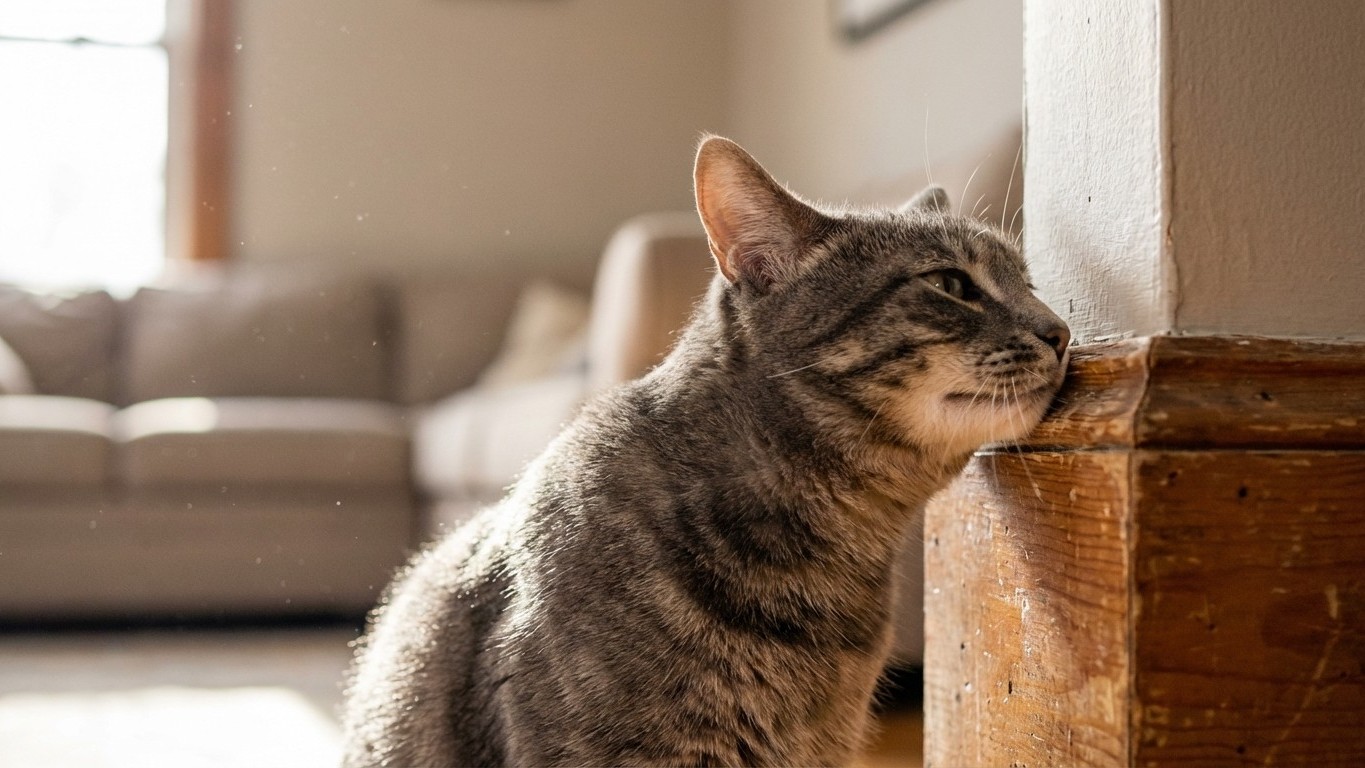
Why cats stare at walls and when it needs a vet check
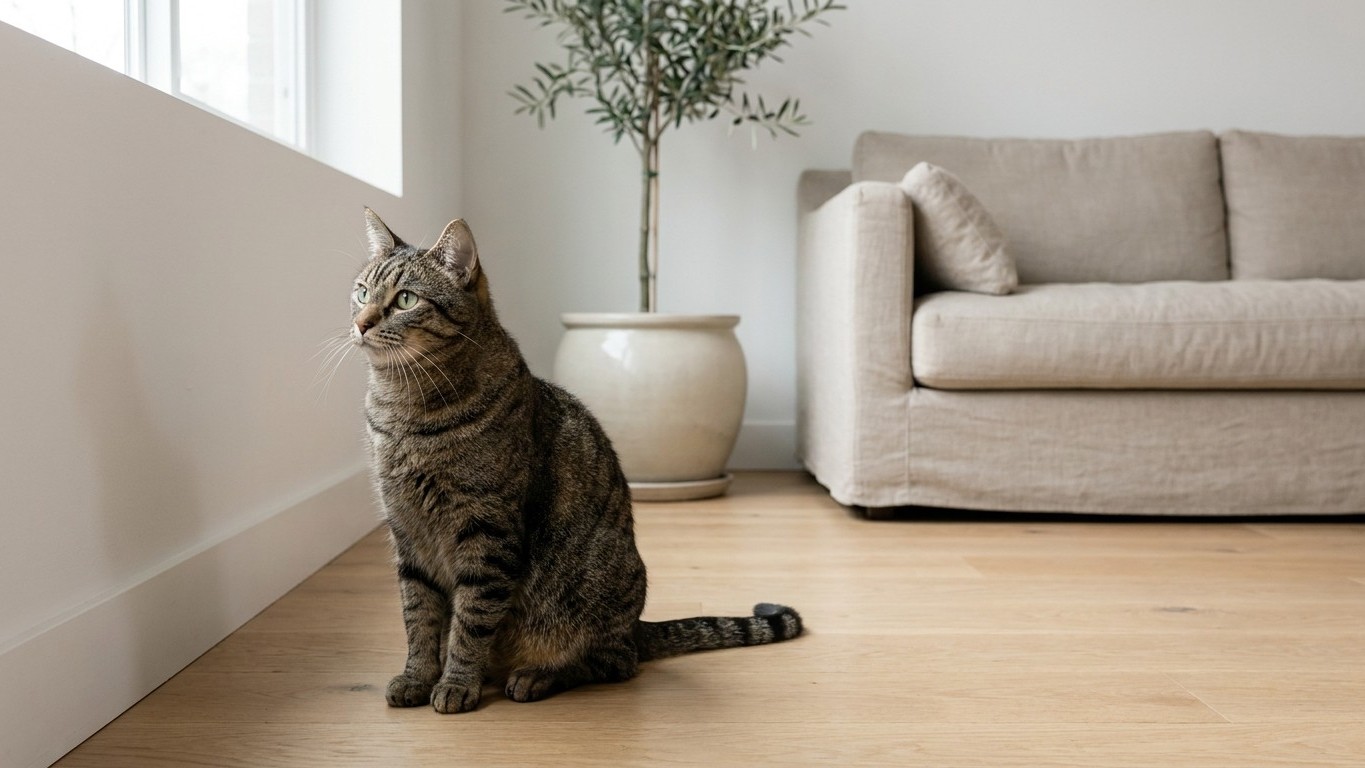
Why Your Cat Stares at the Wall: What Vets Say You Should Never Ignore

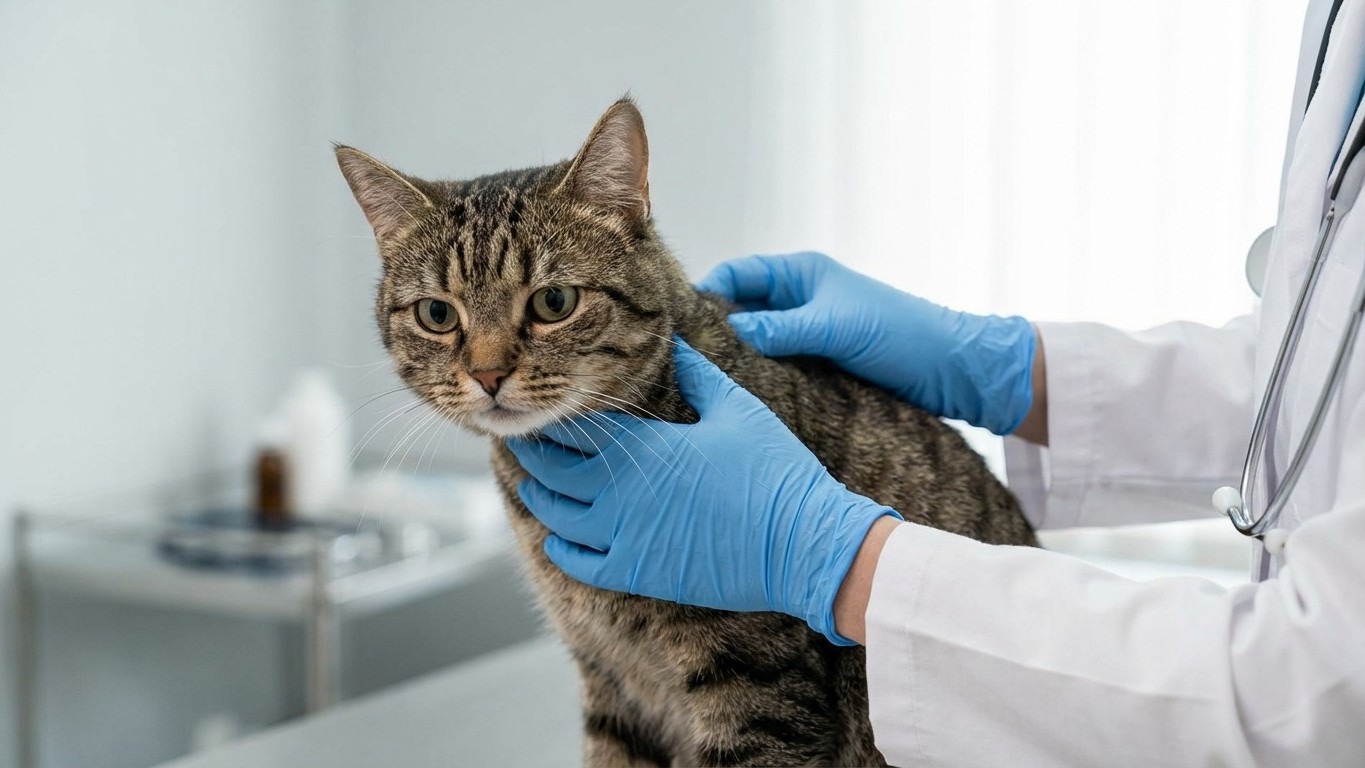
When your cat freezes and stares blankly at a wall, it’s often harmless—they’re likely detecting sounds or movements you can’t perceive. But vets warn that persistent wall-staring can signal serious conditions like seizures, cognitive dysfunction, or neurological disease, especially in older cats. Here’s how to tell the difference and when you need veterinary care.
Why Cats Scratch Around Their Food Bowl After Eating

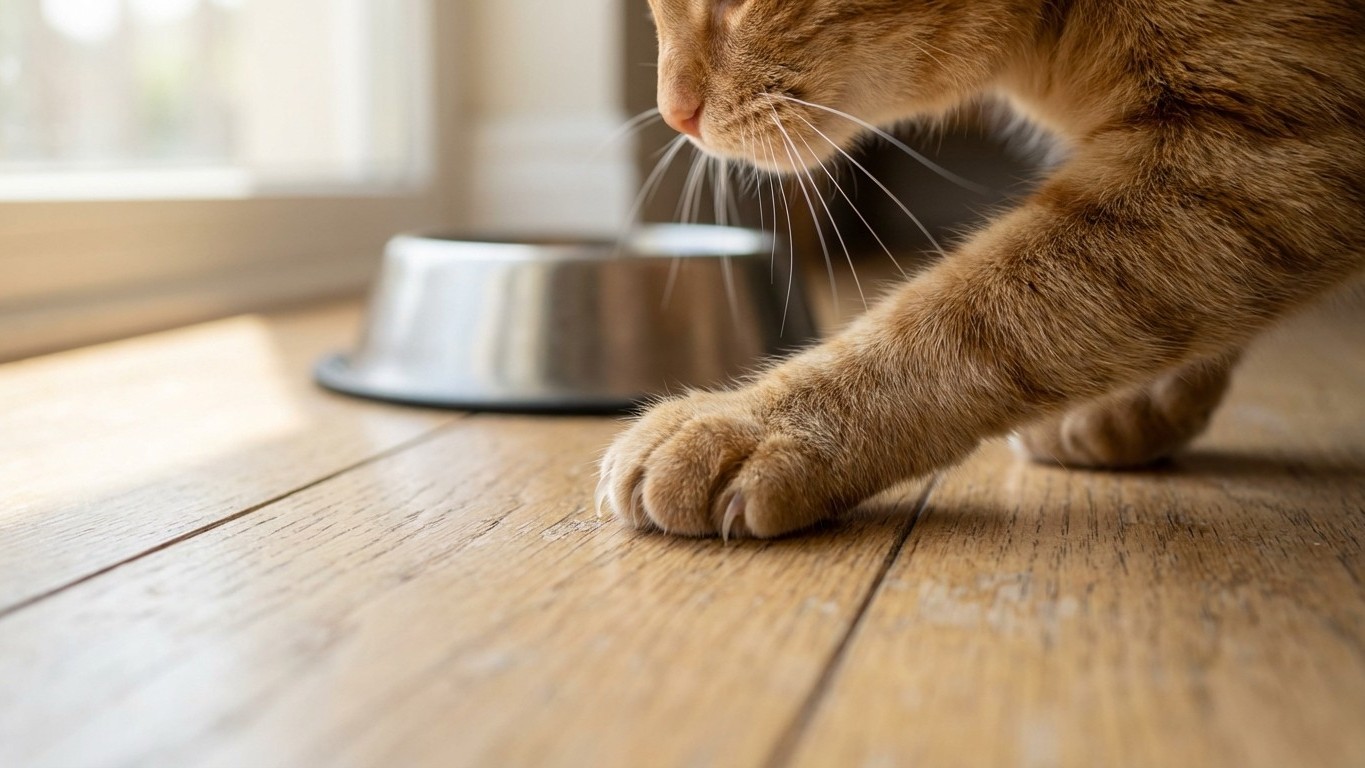
Why Your Cat Scratches Around Its Bowl After Eating—And What It Really Means About You

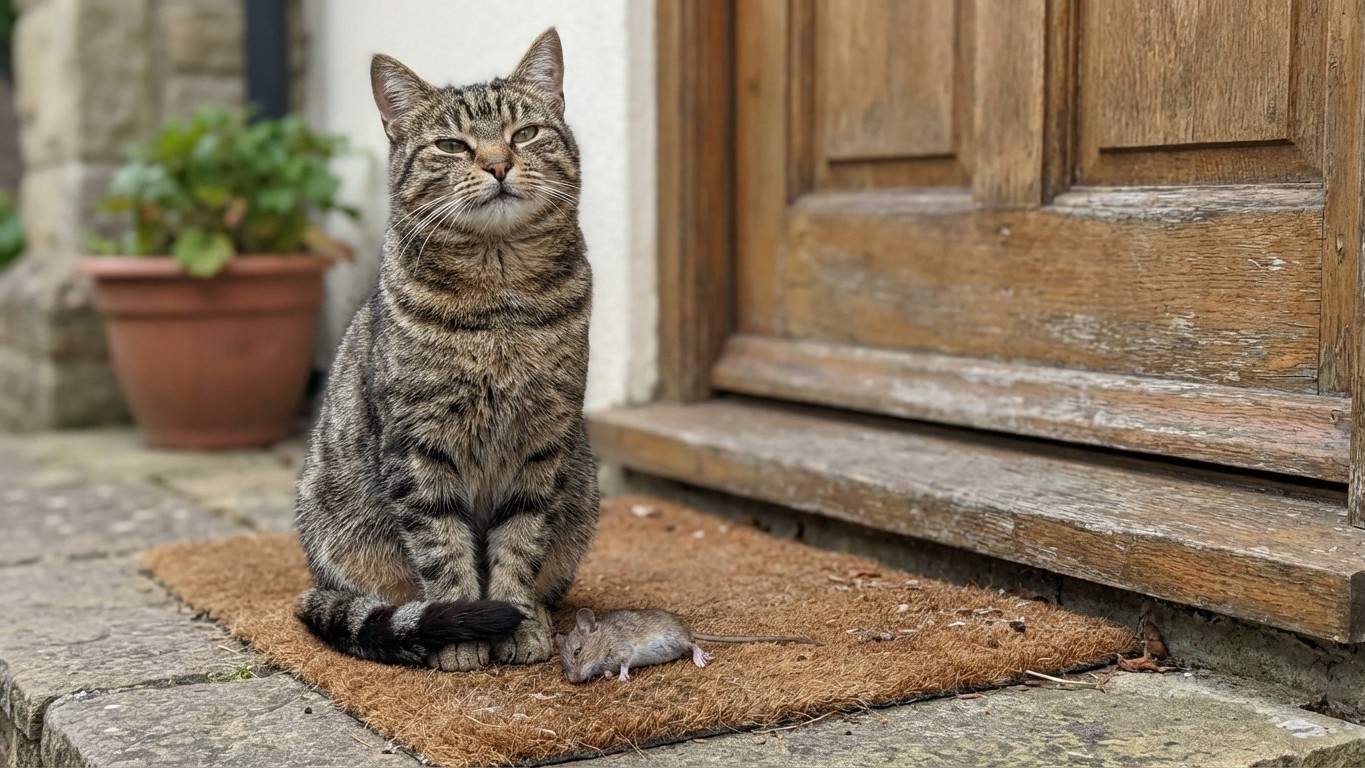
That weird scratching ritual your cat performs after every meal isn’t random—it’s rooted in ancient hunting instincts and may also be a direct commentary on your feeding habits. From ancestral caching behaviors to subtle signs of food dissatisfaction, your cat’s bowl-side antics reveal far more than you think.

Why Drinking More Water in Spring Can Signal Illness in Cats

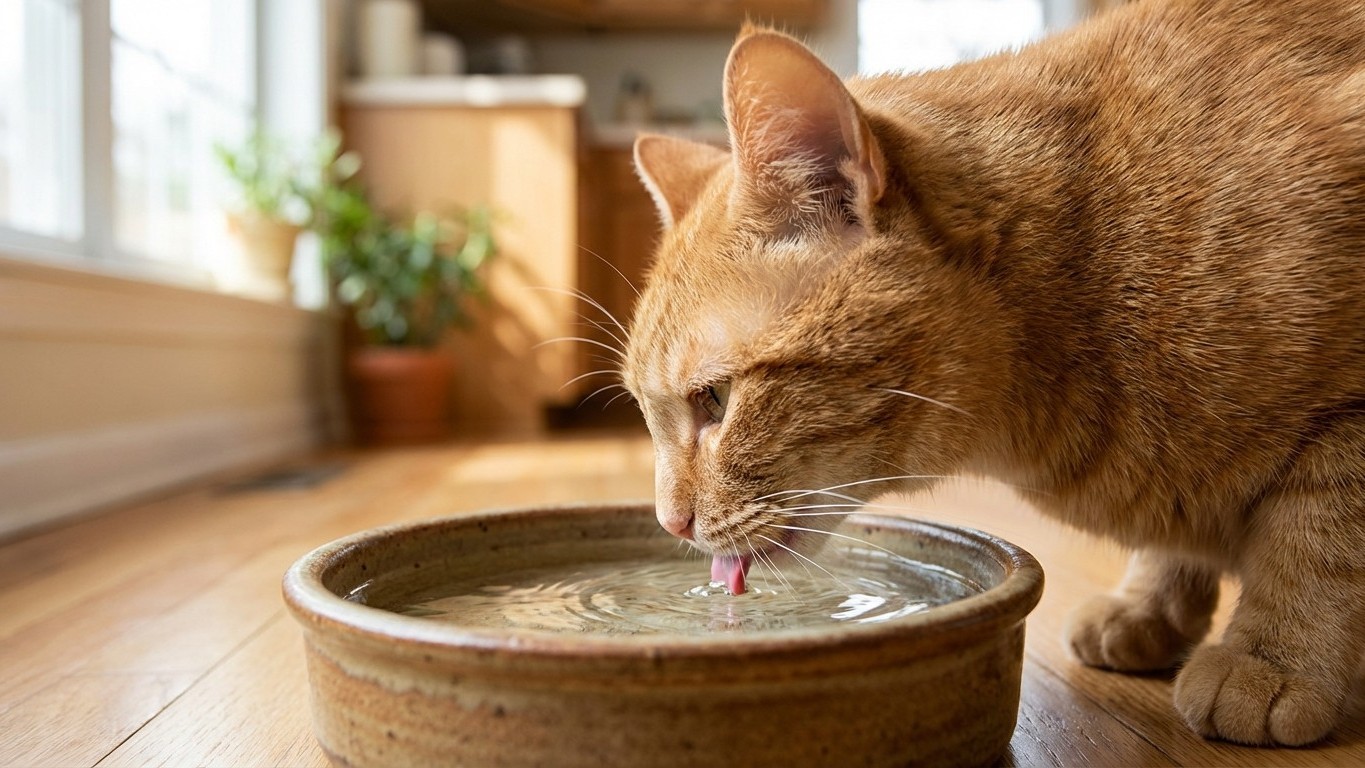
Spring's Silent Warning: Why Your Cat's Extra Water Bowl Visits Could Signal Serious Disease

As spring arrives and temperatures warm, cat owners often dismiss increased water bowl visits as seasonal thirst. But veterinarians warn this could be masking three serious conditions: chronic kidney disease, hyperthyroidism, and diabetes. Understanding the difference between normal seasonal drinking and dangerous symptoms could save your cat’s life.

Why Some Natural Flea Remedies Are Dangerous for Cats

Why Your 'Natural' Flea Remedy Is Poisoning Your Cat Instead of Protecting It

Every spring, cat owners reach for lavender oil, garlic, and lemon sprays believing they’re safe alternatives to chemical flea treatments. But vets warn that many of these popular ‘natural’ remedies are actively poisoning your cat while failing to control fleas. Discover why cats are uniquely vulnerable and what actually works.

Why Cats Chew Plastic and When It Becomes a Problem

Why Your Cat's Plastic Chewing Habit Is a Silent Distress Signal You're Missing

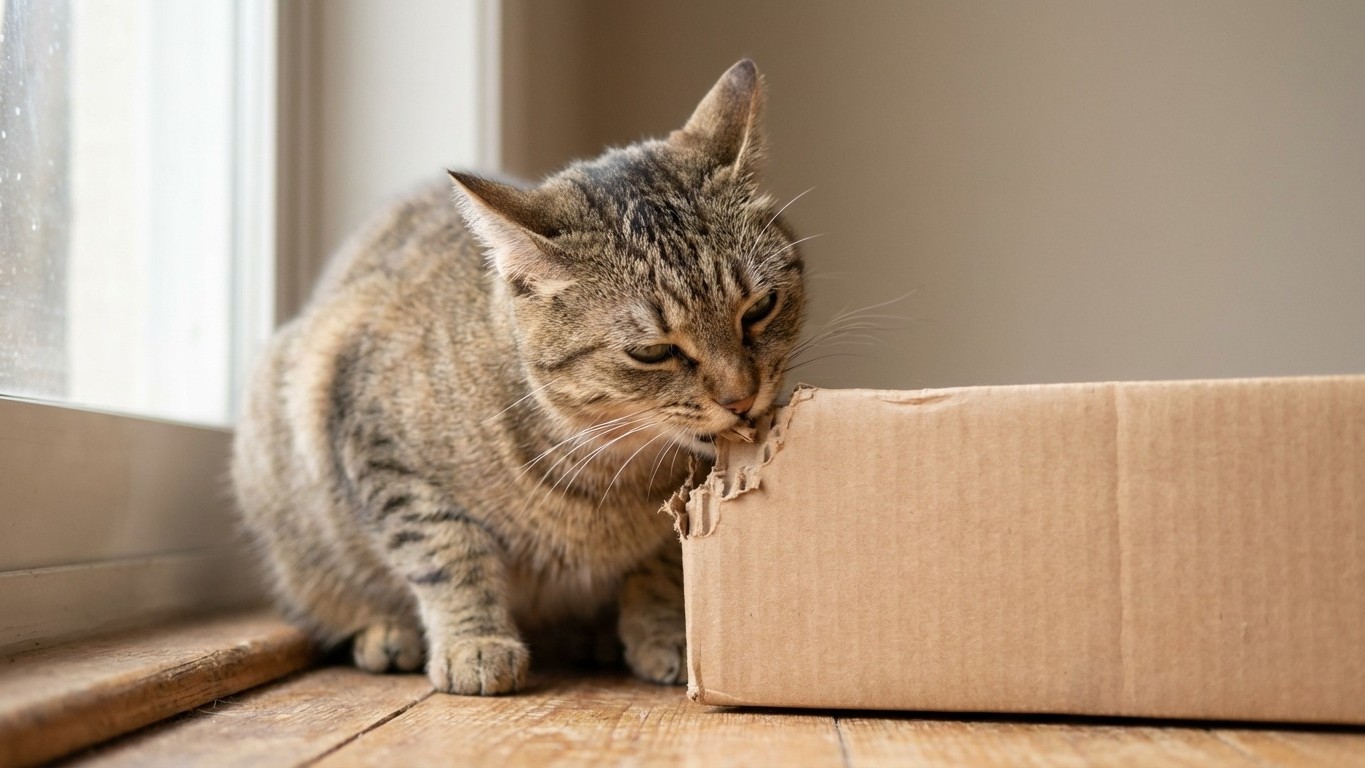
That adorable video of your cat gnawing on a plastic bag might actually be a cry for help. Pica in cats—compulsive chewing of non-food items—can indicate stress, medical conditions, or even breed-specific genetic predispositions. Understanding the difference between quirky behavior and dangerous habits could save your cat’s life.

Common Cat Brushing Mistakes During Spring Shedding Season

Vets Warn: Stop Brushing Your Cat This Way During Spring Shedding Season

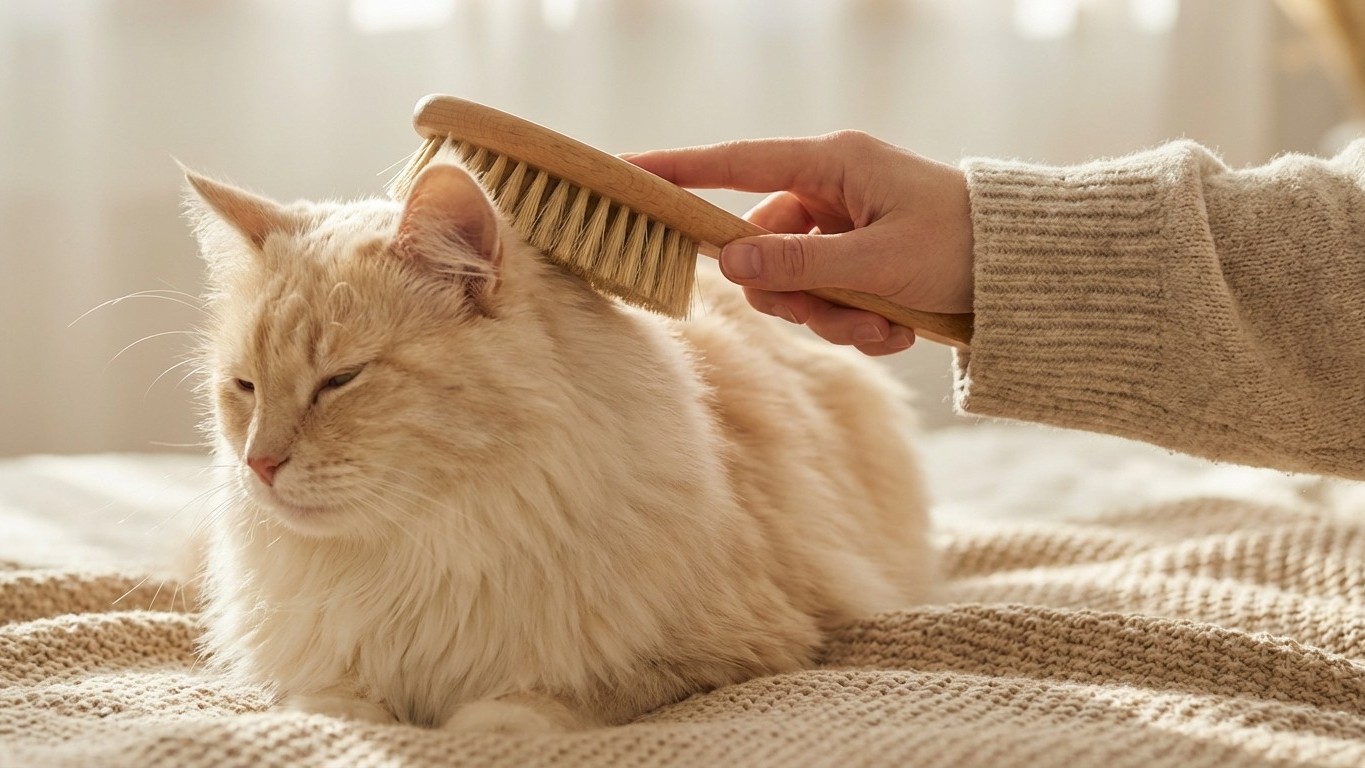
As spring shedding season arrives, vets are raising the alarm about common brushing mistakes that damage cats’ skin and coats. From aggressive over-brushing to using the wrong tools, millions of well-intentioned owners are unknowingly causing harm. The fix is simple: short sessions, light pressure, and the right brush for your cat’s coat type.