
Spring is here, the days are longer, and cats across the UK are spending more time nosing around gardens, slipping through hedges, and generally doing exactly what cats do best: disappearing. This is precisely why vets are urging owners to act on something this April that has nothing to do with a collar, a flea treatment, or any gadget you can pick up at a pet shop. The thing they want you to do, or check you’ve already done, is microchip your cat. And then, just as critically, make sure the contact details on that chip are actually up to date.
Key takeaways
- Spring triggers a 40% spike in missing cats, yet millions remain unchipped or have outdated registrations in the system
- A cat without a working microchip has virtually zero chance of finding its way home, even if scanned by rescuers
- The hidden danger: your chip is useless if the database still has your old phone number or address from years ago
It’s the Law, and Millions of Cats Are Still at Risk
Microchipping of owned cats over the age of 20 weeks in England has been mandatory since 10 June 2024. That law has been in place for almost a year now, yet the scale of non-compliance, and outdated registrations, remains a genuine welfare problem. Prior to the legislation’s introduction, PDSA estimated in its 2024 PAW Report that more than one-fifth (22%, around 2.4 million) of pet cats in England were not yet microchipped. Even today, vets across the country are scanning cats brought in as strays and finding chips with phone numbers that no longer work, addresses from three house moves ago, or no registration at all.
Owners found not to have microchipped their cat will have 21 days to have one implanted, or may face a fine of up to £500. But the financial penalty is honestly the least alarming part. The real cost is this: Cats Protection reports that stray cats without microchips have only a 2% chance of being reunited with their owners. Two per cent. A cat that wanders, gets spooked into a stranger’s garage or hitches an accidental lift in a delivery van has virtually no way home without a working chip and accurate contact details behind it.
This law is only applicable to England at the current time, but the RSPCA recommends that you get your cat microchipped regardless of your location. If you’re in Scotland, Wales, or Northern Ireland, it’s not yet a legal requirement, but the welfare case for doing it is identical.
Why April Specifically? Spring Changes Everything
Cats don’t go missing evenly across the year. Spring triggers a surge. Warmer weather means windows left open, garden doors left ajar, and cats who’ve spent months curled on radiators suddenly rediscovering the outside world with alarming enthusiasm. Cats are agile, curious and can be masters of escape, and it’s easy for family members or visitors to accidentally leave a window or door open. If this does happen, indoor cats are equally at risk of getting lost as other cats, perhaps even more so if they’re unfamiliar with the surroundings.
The numbers back this up. The South East of England saw the most cats go missing since 2023, according to Petlog, the UK’s largest lost and found pet microchipping database, less than a week before the law came into force. The region saw the most cats reported as missing to Petlog since the beginning of 2023 until June 2024. April and May consistently sit among the peak months for missing cat reports. Getting ahead of that now, rather than after your cat has vanished, is the whole point.
Research finds one in five owners say their feline has gone missing from their home, with 70% stating this happens a few times every year for an average of three days. Three days is a long time for both cat and owner. With a chip and accurate details, that story can end very differently. More than 21,000 cats registered with Petlog were reported missing during a recent period, and 62% were found and reunited with their families thanks to their microchip. Without a chip, those reunion odds collapse entirely.
The Part Most People Get Wrong: Keeping Details Current
Here’s the bit that even well-meaning owners overlook. A microchip implanted years ago is only as useful as the contact information attached to it. The chip itself doesn’t expire, microchips are designed to last approximately 25 years, longer than your cat’s lifespan. But your phone number from 2018? Your address before you moved? Those details can make the difference between a reunion and a heartbreak.
Petlog has highlighted that pet microchips will not work if owners do not keep their contact details up to date with their microchipping database. A lot of families move house and change phone numbers without updating these details, making it impossible to reunite their pets in many cases. This is the hidden failure in the system. The chip gets implanted, everyone feels virtuous, and then life happens, new mobile, new address, different email, and the database quietly becomes useless.
In the UK, there are many different microchip database companies, so it’s important to make sure that your cat is registered with one approved by the UK Government. If you’re unsure which database your cat is registered with, you can ask your vet to find out this information by scanning your cat. You’re responsible for keeping your pet’s microchip information up to date, for example if you move house. Contact the database company Your Dog or Cat is registered with to update any of your details. Most databases allow online updates and some charge a small admin fee, but it takes minutes and the peace of mind is incalculable.
What the Procedure Actually Involves
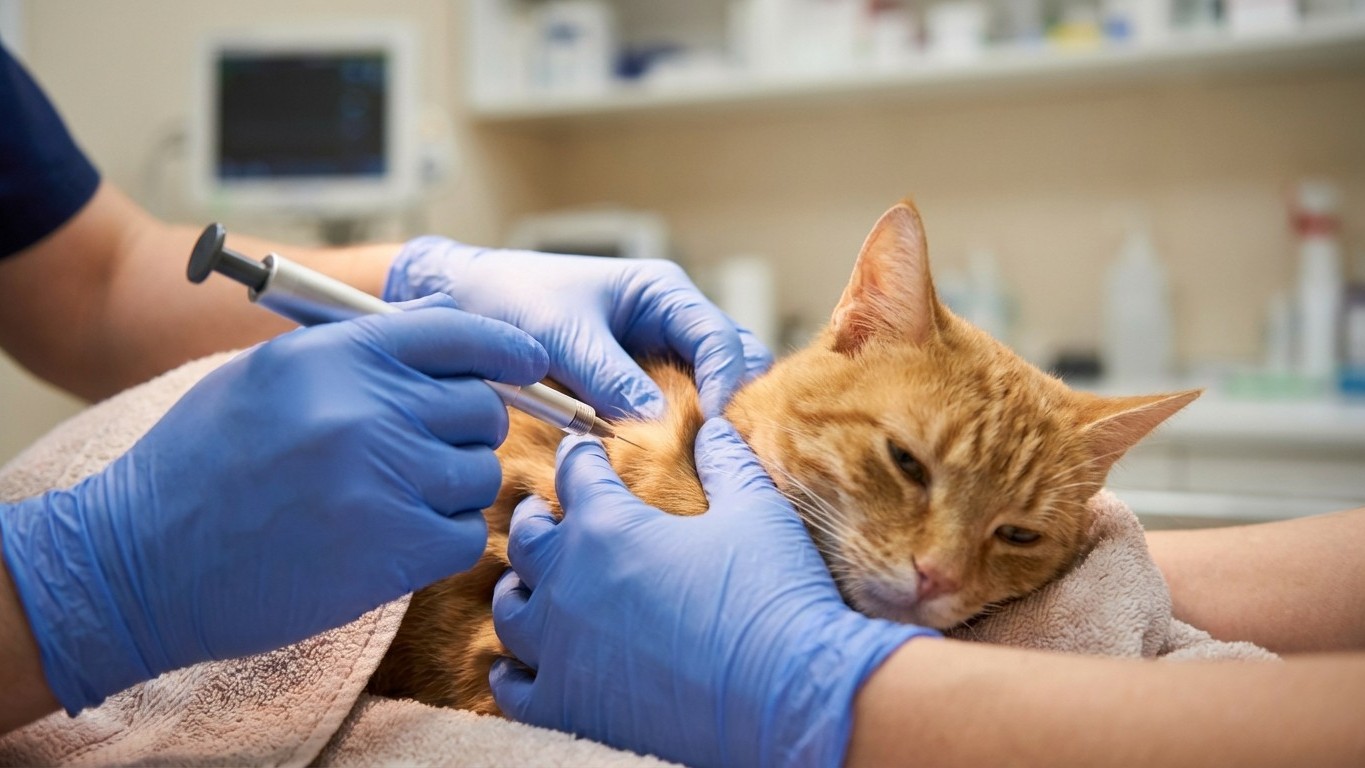
If your cat still isn’t chipped, the procedure itself is far less dramatic than many owners imagine. Cat microchipping involves implanting a tiny electronic chip, approximately the size of a grain of rice (12mm long), beneath your cat’s skin, typically between the shoulder blades. The process of microchipping your cat is quick and is no more painful than an injection. There is no need for ‘recovery’ from the procedure and it won’t cause your cat any discomfort or pain.
Microchips are safe and easy to implant, with an average cost of around £25 for microchipping and registration. Charities and reputable cat rescue organisations may be able to microchip your cat for a reduced rate. For those with multiple cats, booking a single appointment to have them all done together is an option worth considering, many vets offer multi-pet discounts. Always consult your vet before any procedure, particularly for older or unwell cats, so they can assess suitability first.
One thing worth knowing: microchips are not GPS trackers. They cannot show your cat’s location in real-time. They only work when scanned by a compatible reader at veterinary practices, animal shelters, and rescue centres. This is why the chip alone isn’t a silver bullet, the database entry has to be accurate and current. The technology is only as good as the human behind the keyboard who keeps it updated. Some newer chips can even accurately read body temperature, giving vets an additional clinical tool when an unaccompanied cat arrives — an unexpectedly practical bonus that most owners have no idea exists.
Sources : battersea.org.uk | petlog.org.uk