
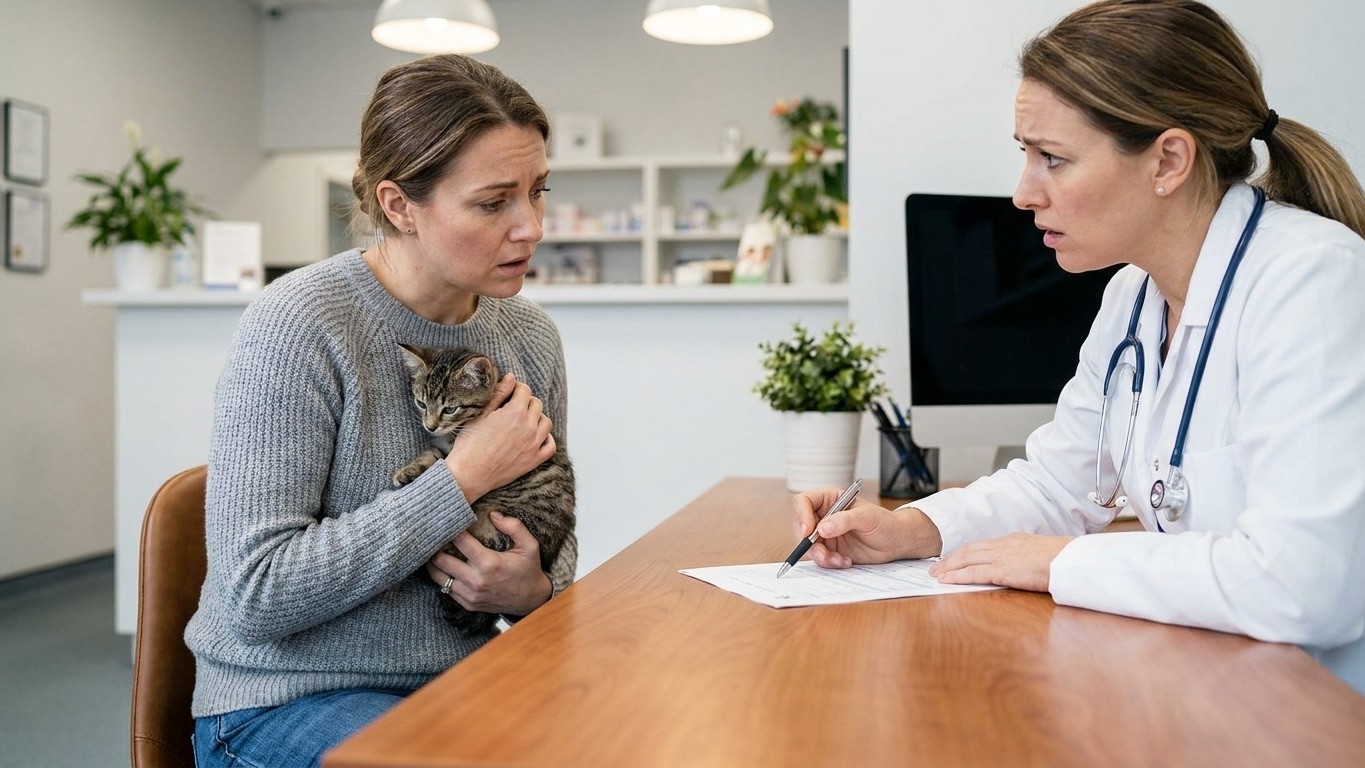
Ten pounds. That’s the difference between what one reader paid for a kitten found in a Facebook advert and what Cats Protection charges to rehome one, fully vaccinated, microchipped, neutered, flea-treated and wormed. The snag? Her £110 bought her a kitten and nothing else. The vet bill that followed told the real story.
Within a week of bringing her new kitten home, she was back at the vet’s with a poorly, sneezing bundle of fur who hadn’t had a single jab, wasn’t chipped, and needed treatment for worms and fleas before anything else could even be considered. The invoice ran into hundreds of pounds. Compare that with what a rescue centre includes in its rehoming fee and the maths becomes uncomfortable reading for anyone tempted by a “quick sale, cash only” kitten advert.
Key takeaways
- A £110 kitten from Facebook arrived without vaccinations, microchip, or health checks—triggering hundreds in emergency vet bills within one week
- Shelters charge nearly the same price but include everything: vaccines, microchipping, neutering, health checks, and insurance
- Since April 2020, Lucy’s Law made it illegal for third-party sellers to trade kittens—yet the black market continues to thrive with devastating consequences
What £110 actually buys at a shelter
On average, you can expect to pay between £80 to £120 to adopt an adult cat and £100 to £120 for a kitten through Cats Protection. That fee isn’t just a price tag on a fluffy face. Every cat in their care is fully health checked and ready to start their new life with you, vaccinated, microchipped, and treated for fleas and worms, and neutered. Kittens too young for the snip leave with a neutering voucher already sorted, so there’s no nasty surprise bill waiting six months down the line.
The RSPCA works along similar lines. Kittens under six months cost £100, with adoption fees including neutering, microchipping, flea treatment and worming, vaccinating up to date, a vet check, and four weeks of free RSPCA pet insurance. One Cats Protection branch in Cambridge puts a number on the whole package too: their cats are rehomed with vaccinations, microchip, neutering, initial flea and worm treatment, and 4 weeks free Petplan insurance, all of which could cost around £250 per cat.
Stack that against a private sale. A £110 kitten from an online advert, however sweet the photos looked, arrived with none of that clinical groundwork done. First vaccinations alone typically run to £50 to £60, a health check adds another £30 to £60, and microchipping tacks on roughly £15 to £20 if it hasn’t already been done. Neutering costs vary by practice and by sex of the animal, but it’s rarely cheap either. Add flea and worm treatment, and a private buyer can easily match or exceed the shelter’s asking price within the first fortnight, minus the peace of mind that comes from knowing the kitten has actually been checked by a vet before it ever set paw in their home.
Why the online kitten trade is riskier than it looks
This isn’t just bad luck striking one unlucky buyer. Since April 2020, Lucy’s Law has made it illegal for kittens to be commercially sold by anyone other than the breeder in England, meaning kittens can no longer be passed on to pet shops or commercial dealers to sell, and buyers must instead deal directly with a breeder or animal rehoming centre. The legislation exists precisely because of stories like this one. Cats Protection’s own head of advocacy has described how kittens sold by third party sellers, individuals who acquire kittens purely for profit, are frequently separated from their mothers far too young and may have been bred in poor conditions which leave them sick, diseased or under-socialised, leaving new owners with hefty veterinary bills or a cat that won’t make a good pet.
The scale of it is genuinely alarming. Government campaigning around the Petfished initiative warned that pet lovers duped into buying sick puppies and kittens by deceitful sellers could be faced with up to £5000 in additional vet bills within the first year of a puppy or kitten’s life if they don’t buy from a responsible breeder. Around the same period, officials flagged a staggering 300% increase of cats involved in the kitten trade bred in low-welfare conditions. This isn’t a fringe problem. Court cases back it up too: one couple was jailed after running a £280,000 scam, buying and breeding kittens to sell from just £50 to in excess of £1,500, with many customers finding their pets malnourished, ill and covered in their own urine or faeces on arrival. That seller had even lied to buyers that she was a vet and that the kittens had been wormed and microchipped, with the health certificates she provided turning out to be fake.
Spotting a responsible seller before you hand over cash
None of this means every online advert is a scam, but it does mean doing homework before falling for the first cute photo. Reputable breeders and rescues will always let you see the kitten interacting with its mother in the place it was actually born, not in a car park or a neutral meeting point. They’ll happily produce vaccination records and veterinary paperwork on request, and won’t rush you into taking the kitten home before eight weeks old. If a seller dodges these basics, refuses a home visit, or has the same kitten listed under several different names or phone numbers, walk away.
- Ask to see the kitten with its mother in her usual living environment
- Request proof of any vaccinations, worming or vet visits so far
- Check the seller isn’t advertising under multiple aliases or phone numbers
My honest opinion after digging through these figures? The £110 price tag on that kitten was never really £110. It was a deposit on a much larger, much less predictable bill, paid to someone with no obligation to have done any of the groundwork a rescue centre does as standard. If you’re set on a kitten this year, ring your nearest Cats Protection branch or RSPCA centre first. You’ll likely pay a near-identical fee, but you’ll walk out with vaccinations, a microchip, neutering already sorted and a kitten who’s been examined by a vet, rather than one who’s about to introduce you to the inside of a consulting room within days of arriving home.
Sources : cats.org.uk | manypets.com