
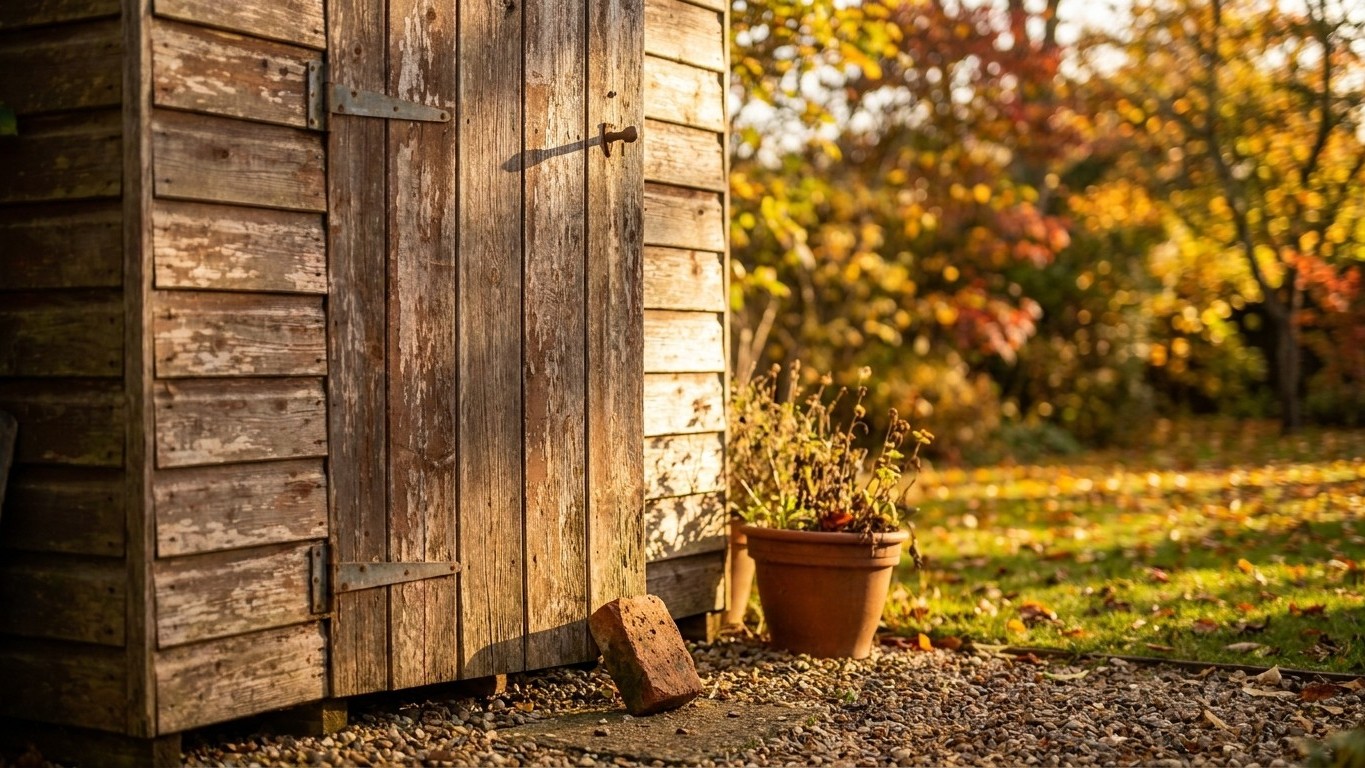
He’s not lazy, and he definitely hasn’t forgotten to lock up. Every year, in the run-up to fireworks season, my neighbour wedges his shed door open with an old brick and leaves it that way until well after the smoke has cleared. It looks careless. It isn’t. He’s leaving a gap for hedgehogs.
The RSPCA specifically advises against closing shed doors if you usually keep them open, because there may be hedgehogs nesting inside. Sheds, log stores and quiet corners of the garden become prime real estate for hedgehogs from autumn onwards, exactly when the bangs and flashes of November start rattling gardens across Britain. My neighbour isn’t protecting a lawnmower. He’s running an unofficial hedgehog hotel with a very generous check-in policy.
Key takeaways
- A simple garden habit is secretly protecting endangered hedgehogs from a population crisis
- Bonfire piles hide deadly dangers that catch even well-meaning gardeners off guard
- Free, effortless changes to your autumn routine could save wildlife this November
Why a garden shed suddenly matters so much
Hedgehogs need somewhere dry, dark and undisturbed to build up fat reserves before they drop their body temperature and slow their heart rate for winter. Before hibernation season, from November to mid-March, you might find them out and about foraging for food and collecting nesting material. A shed with a permanently ajar door offers shelter without the risk of being sealed in, which is exactly the trade-off a hedgehog is looking for as temperatures drop and insect prey becomes scarcer.
The stakes are higher than most people realise. Since 2000, hedgehog populations have plummeted by up to 75% in parts of the countryside, and it is estimated a third of all of Britain’s spikey friends have been lost since the turn of the millennium. Loss of habitat and food sources are the main drivers, which makes every scrap of safe shelter in a suburban garden genuinely count. It’s not sentimental to leave a shed door open. It’s one small, free intervention against a population crash that’s happening in gardens up and down the country.
The bonfire pile problem nobody warns you about
Here’s where things get properly dangerous, and it’s the bit that catches out even well-meaning garden owners. A stack of logs and branches left to sit for a few weeks before the big night looks, to a hedgehog, like the perfect winter home. The British Hedgehog Preservation Society has said hedgehogs looking for hibernation nests see a bonfire pile and think they have found a des res, tending to settle in the centre and bottom two feet of bonfires, which gives them very little time to escape once it is lit.
Worse still, their instinctive reaction works against them. Hedgehogs aren’t helped by their natural defence mechanism of curling into a ball when frightened, and the first sign of a hedgehog once a bonfire is lit is often a hissing noise as it feels threatened. By the time anyone hears that sound, it’s usually too late to help. Every Bonfire Night there is a spike of calls to the RSPCA reporting injured or completely burnt hedgehogs that had been missed by garden owners, which is a grim statistic for what’s meant to be a celebration.
Wildlife charities are unanimous on the fix, and it costs nothing but a bit of patience. Only build a bonfire on the day you plan to light it, moving all collected materials to a new site just before burning in case hedgehogs or other wildlife have decided to hide inside. If that’s not practical, check the entire bonfire pile carefully before lighting from one side only, shining a torch inside and gently lifting each section with a pole or broom, never a spade or fork, as these can cause great harm. Even seasoned gardeners get this wrong by grabbing whatever tool is closest to hand.
Turning your own garden into a hedgehog refuge
My neighbour’s shed trick is just one piece of a much bigger picture that’s surprisingly easy to replicate. If you do find a hedgehog while checking a bonfire or moving logs, the advice is consistent everywhere I’ve looked: find a safe and quiet location, like a shed or garage, away from the bonfire and other festivities such as fireworks. That’s the exact function his propped-open door serves, but on a permanent, low-effort basis rather than a one-off rescue.
A few small habits make a genuine difference beyond just the shed door:
- Leave out meaty cat or dog food and a shallow dish of water on autumn evenings to help hedgehogs bulk up before hibernation.
- Build an alternative leaf or log pile well away from any bonfire site, so hedgehogs have somewhere else to settle first.
- Check strimming and mowing areas before you start, since ground-level accidents are one of the most common causes of injury.
- If fireworks are involved, keep dogs and cats indoors with curtains drawn and some background noise on, as sudden bangs can cause genuine, lasting distress to pets as well as wildlife.
None of this requires expensive kit or a wildlife qualification. It’s mostly about timing, patience and resisting the urge to tidy the garden into submission the week before 5 November.
One detail that surprised me while looking into this: hedgehogs don’t actually hibernate for the whole winter in one unbroken stretch. Many wake periodically to shift nests or forage on milder nights, which means a shed door propped open in November can still be doing useful work well into January. If your neighbour does something similarly odd with his garden this autumn, it’s probably worth asking why before you assume he’s just forgotten how doors work.
Sources : britishhedgehogs.org.uk | realhomes.com