Missing the Warning Signs: Why Your ‘Tired’ Cat Might Actually Be Seriously Ill

Missing the Warning Signs: Why Your 'Tired' Cat Might Actually Be Seriously Ill

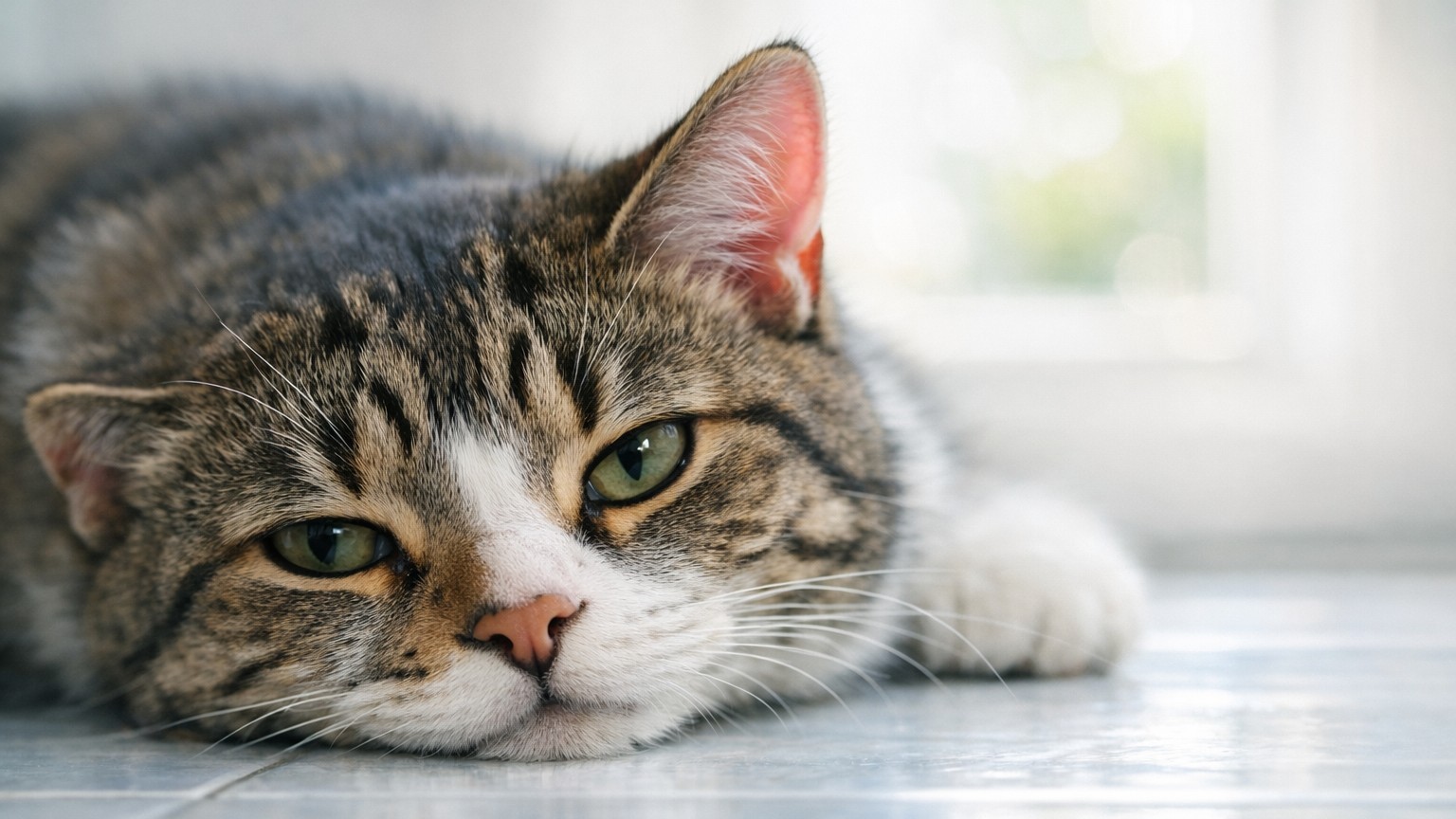
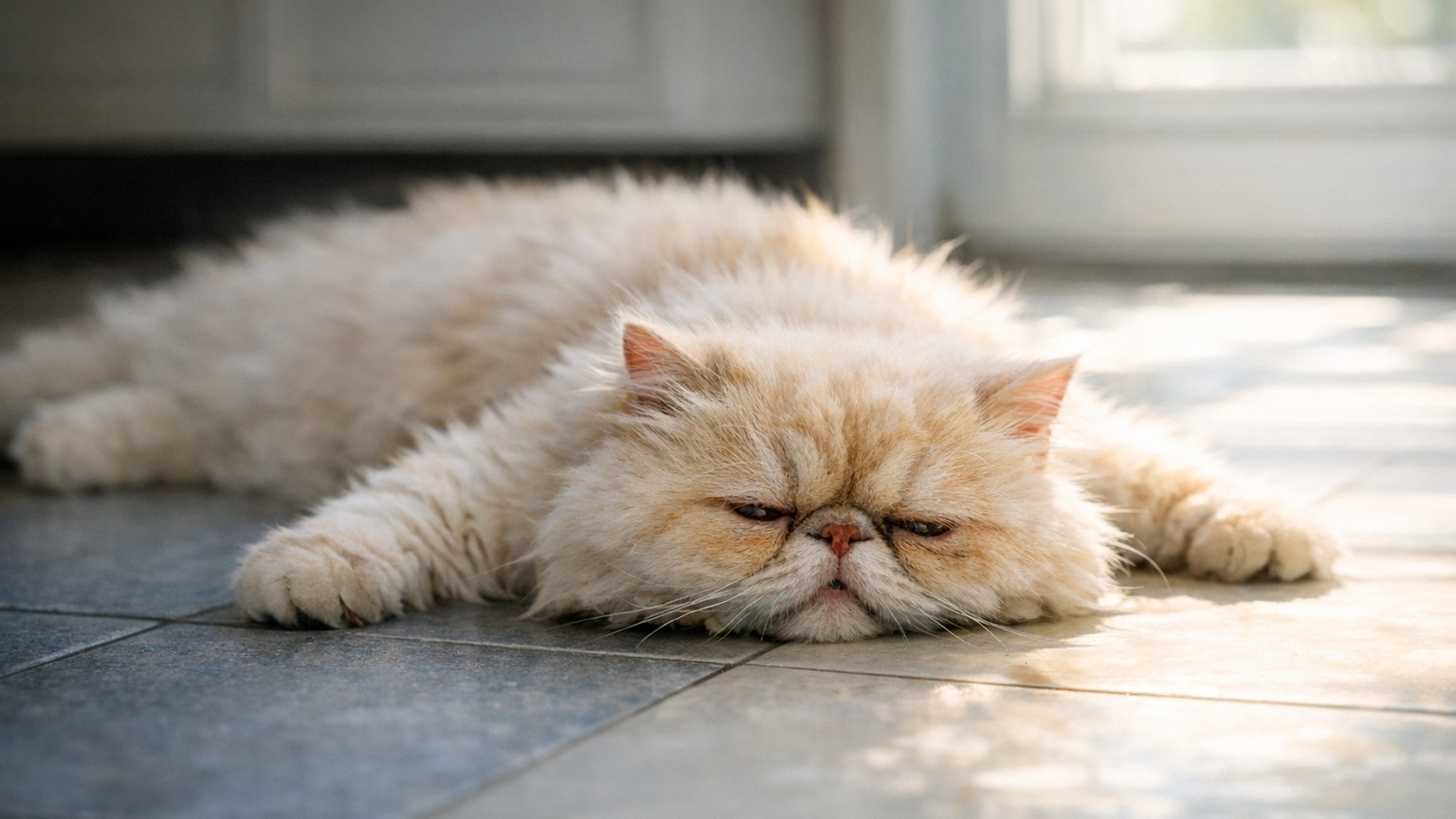
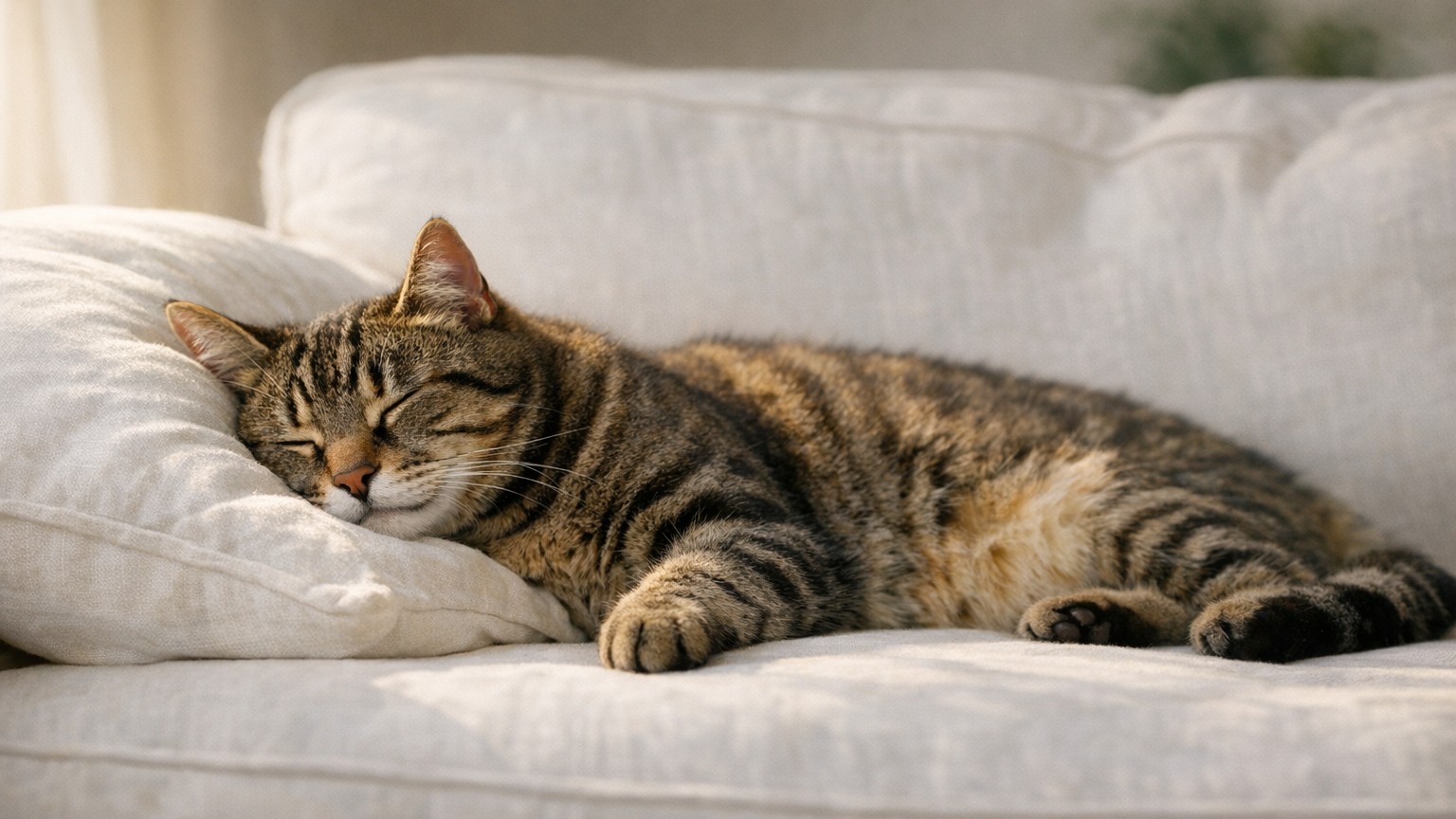
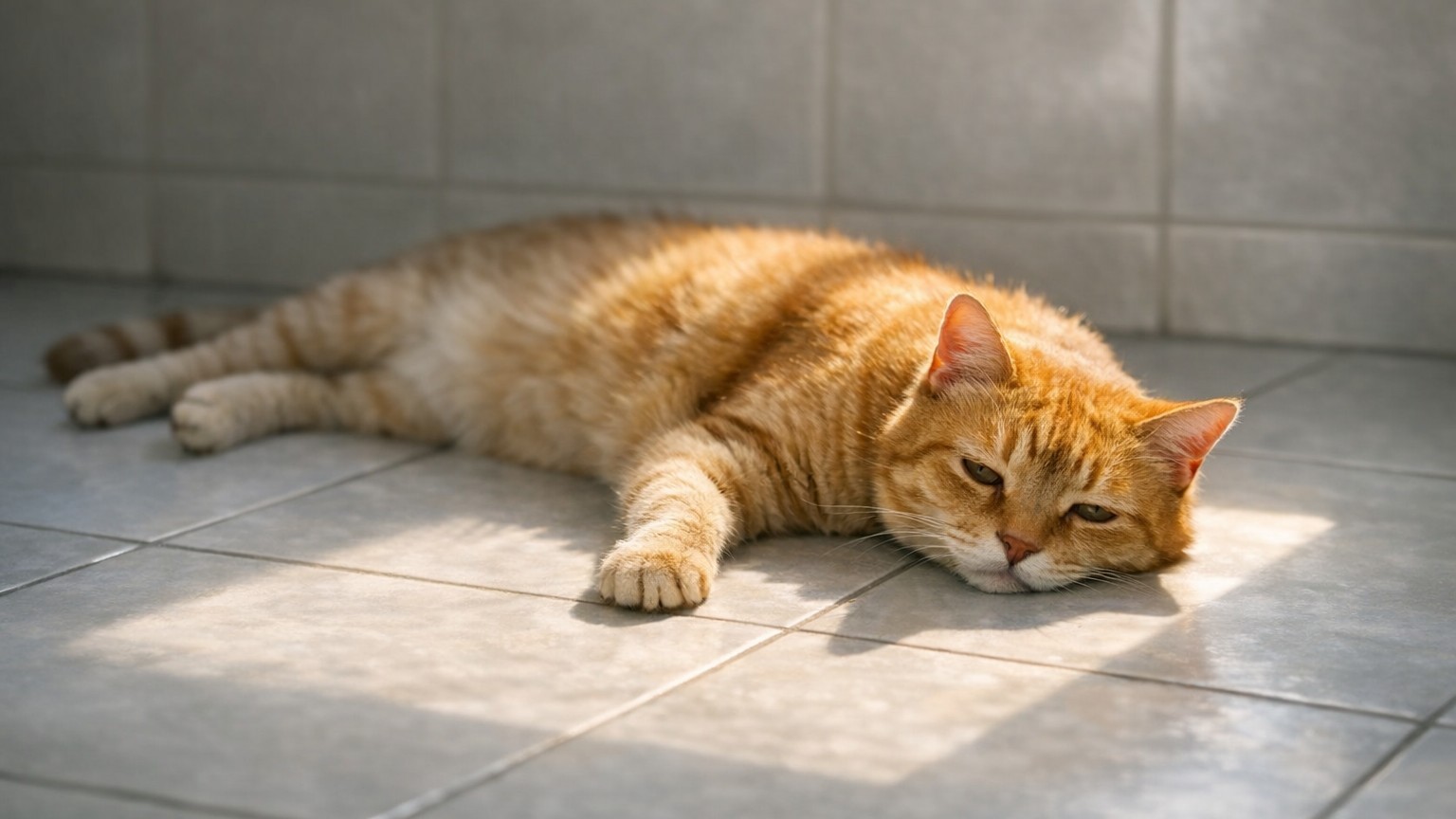
Your cat sleeps more than usual, so you assume they’re just tired. But veterinarians know the difference between normal feline rest and lethargy—and it could signal serious illness hiding in plain sight. The sign most owners misread isn’t how much your cat sleeps, but how they behave when awake.

Your Cat Changed Its Sleeping Spot? Here’s Why Vets Say You Should Never Ignore It

Your Cat Changed Its Sleeping Spot? Here's Why Vets Say You Should Never Ignore It

When your cat suddenly abandons its favorite sleeping spot for a hidden corner, it’s easy to dismiss as feline mood swings. But veterinarians warn this quiet change can be one of the earliest signals of illness or pain—and knowing what to watch for could save your cat’s life.

Why UK Vets Dread April: The Deadly Lily Secret That Kills Cats in 48 Hours

Why UK Vets Dread April: The Deadly Lily Secret That Kills Cats in 48 Hours

Every April, UK emergency vets brace for an influx of lily poisoning cases—a preventable tragedy that unfolds in less than 48 hours. A single petal, leaf, or grain of pollen can trigger irreversible kidney failure in cats, yet most pet owners remain dangerously unaware. Discover why lilies are the hidden threat in your spring bouquets and what you must do immediately if exposure occurs.

Why Your Cat Stares at the Wall: What Vets Say You Should Never Ignore

Why Your Cat Stares at the Wall: What Vets Say You Should Never Ignore

When your cat freezes and stares blankly at a wall, it’s often harmless—they’re likely detecting sounds or movements you can’t perceive. But vets warn that persistent wall-staring can signal serious conditions like seizures, cognitive dysfunction, or neurological disease, especially in older cats. Here’s how to tell the difference and when you need veterinary care.

Spring’s Hidden Danger: Why Your Cat’s Grass-Eating Habit Could Be Life-Threatening

Spring's Hidden Danger: Why Your Cat's Grass-Eating Habit Could Be Life-Threatening

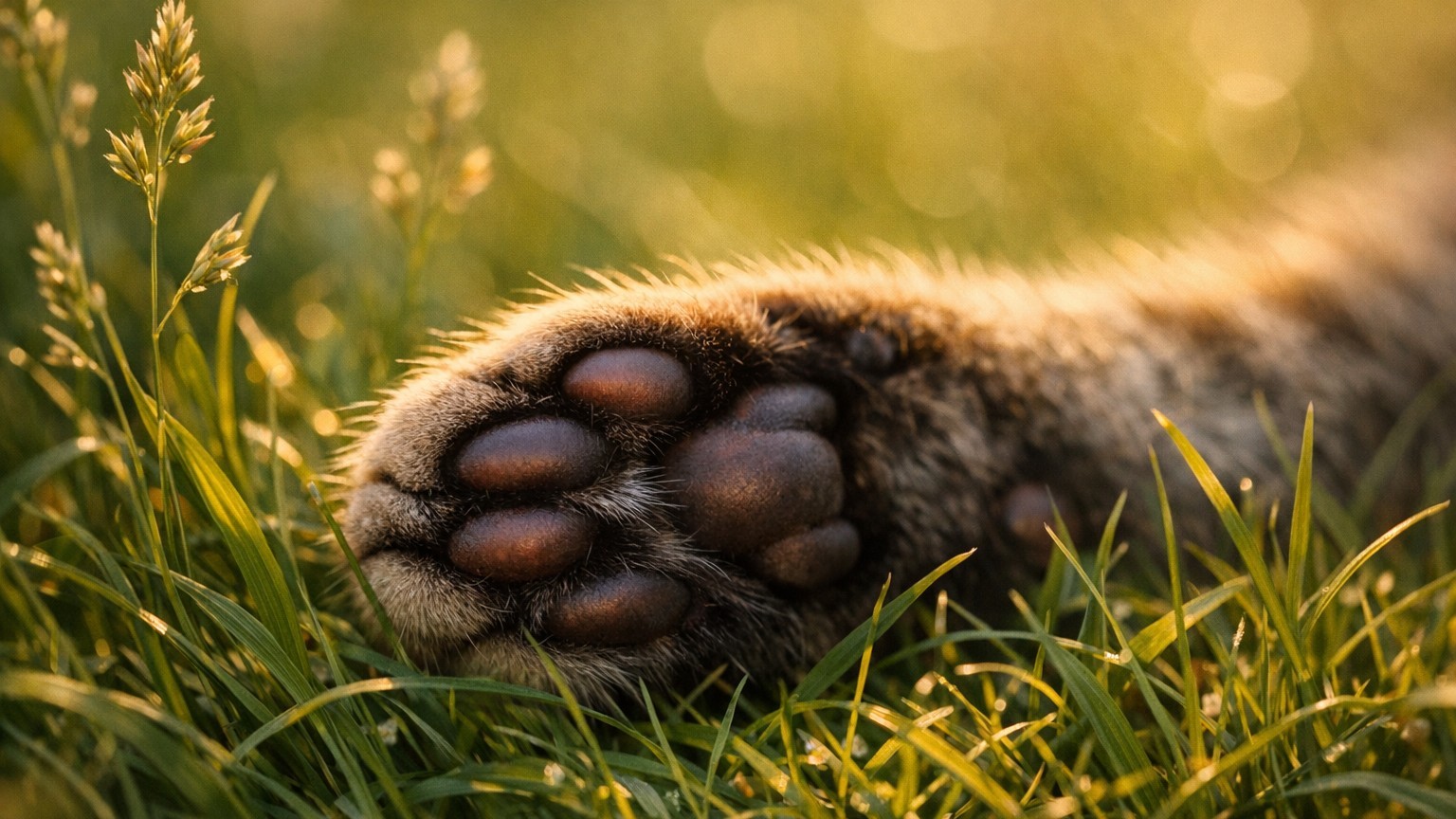
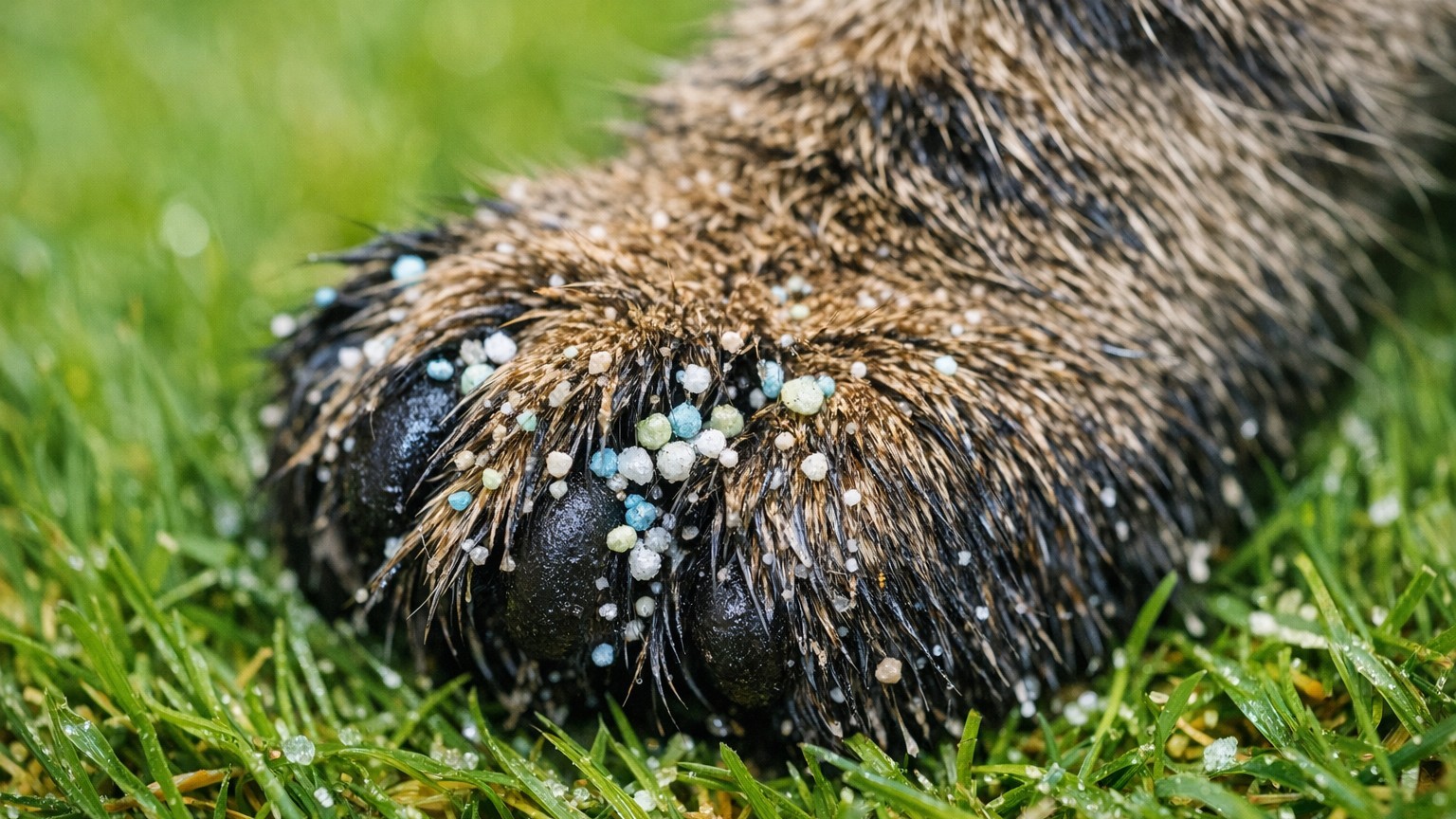
Cats eating grass isn’t about purging themselves—it’s an ancient instinct. But spring transforms gardens into deadly minefields with toxic lilies, daffodils, and freshly sprayed lawns, sending thousands of cats to emergency clinics each year.

Spring’s Silent Warning: Why Your Cat’s Extra Water Bowl Visits Could Signal Serious Disease

Spring's Silent Warning: Why Your Cat's Extra Water Bowl Visits Could Signal Serious Disease

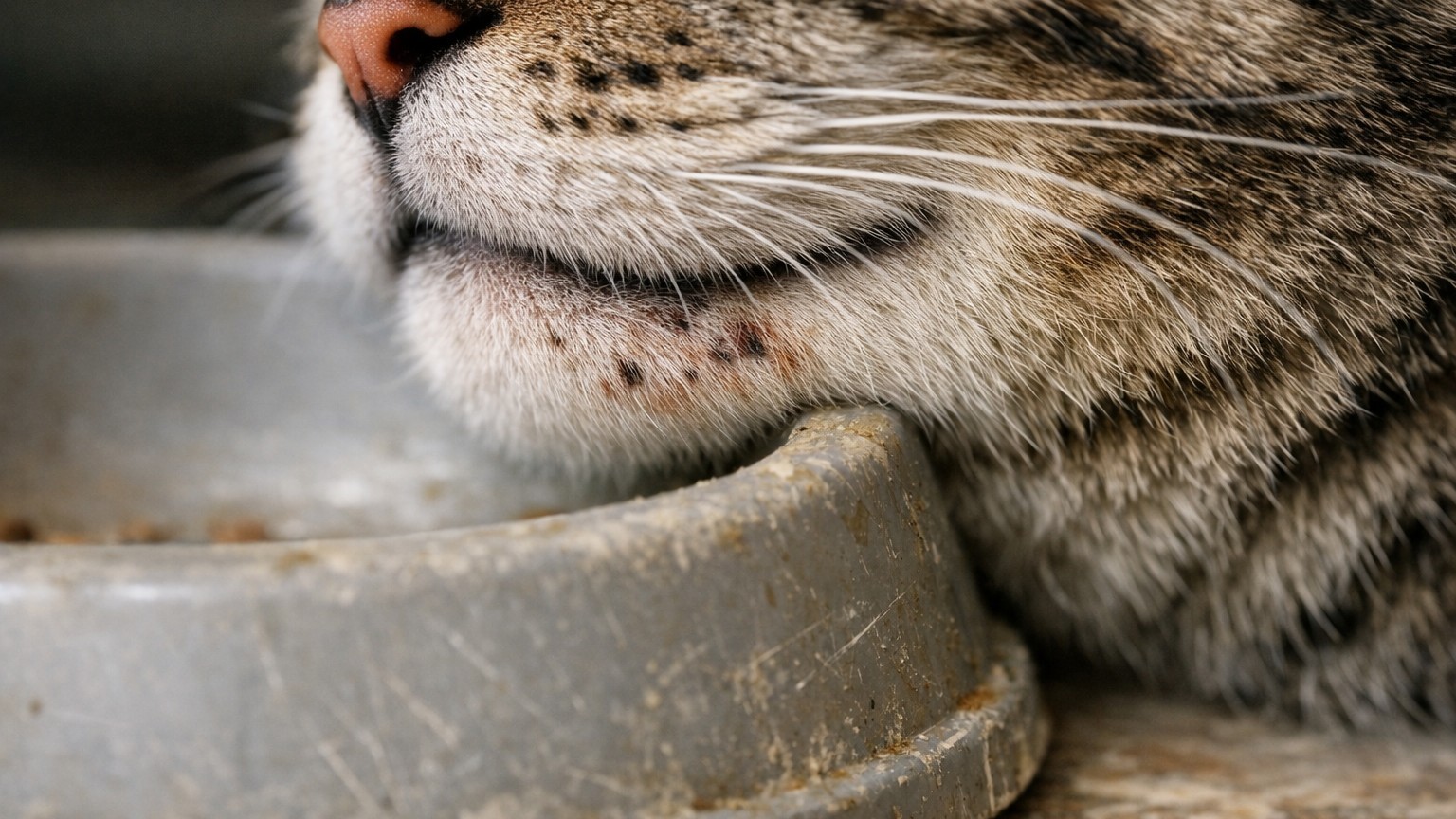
As spring arrives and temperatures warm, cat owners often dismiss increased water bowl visits as seasonal thirst. But veterinarians warn this could be masking three serious conditions: chronic kidney disease, hyperthyroidism, and diabetes. Understanding the difference between normal seasonal drinking and dangerous symptoms could save your cat’s life.

Why Your ‘Natural’ Flea Remedy Is Poisoning Your Cat Instead of Protecting It

Why Your 'Natural' Flea Remedy Is Poisoning Your Cat Instead of Protecting It

Every spring, cat owners reach for lavender oil, garlic, and lemon sprays believing they’re safe alternatives to chemical flea treatments. But vets warn that many of these popular ‘natural’ remedies are actively poisoning your cat while failing to control fleas. Discover why cats are uniquely vulnerable and what actually works.

Why Your Cat’s Plastic Chewing Habit Is a Silent Distress Signal You’re Missing

Why Your Cat's Plastic Chewing Habit Is a Silent Distress Signal You're Missing

That adorable video of your cat gnawing on a plastic bag might actually be a cry for help. Pica in cats—compulsive chewing of non-food items—can indicate stress, medical conditions, or even breed-specific genetic predispositions. Understanding the difference between quirky behavior and dangerous habits could save your cat’s life.

Stop Mistaking Cat Squinting for Happiness — Vets Say It’s Often a Sign of Serious Pain

Stop Mistaking Cat Squinting for Happiness — Vets Say It's Often a Sign of Serious Pain

Your cat’s slow blink is affection, but persistent squinting is something entirely different — and veterinarians recognize it as a red flag for pain or disease. From corneal ulcers to feline herpesvirus, squinting signals that your cat needs immediate attention. Understanding the difference could save your cat’s vision.

Why Ammonia Breath in Cats Is a Silent Alarm Vets Say You Must Never Ignore

Why Ammonia Breath in Cats Is a Silent Alarm Vets Say You Must Never Ignore

That sharp, chemical smell on your cat’s breath isn’t just bad dental hygiene—it could be a critical early warning sign of kidney disease that appears long before other symptoms. Vets consistently flag ammonia breath as a symptom that demands immediate attention, especially in senior cats, because by the time you notice it, significant organ damage may already have occurred.

The Critical 3-Day Window: Why Cats Between Two Homes Either Thrive or Shut Down

The Critical 3-Day Window: Why Cats Between Two Homes Either Thrive or Shut Down

When cats split time between two homes, a single number determines their fate: three days. This is the decompression window before stress hormones activate and cats either settle or begin shutting down. Understanding the 3-3-3 rule and territorial biology is key to keeping split-custody cats healthy.

Why Lemon Peels Around Your Kitchen Are Silently Poisoning Your Cat

Why Lemon Peels Around Your Kitchen Are Silently Poisoning Your Cat

That innocent lemon peel you scattered to deter your cat is far more dangerous than you realize. The same citrus compounds that repel cats can cause serious health issues—from digestive upset to neurological damage—because cats lack the enzymes to break them down safely.