Why tea tree oil diffusers are really toxic to cats
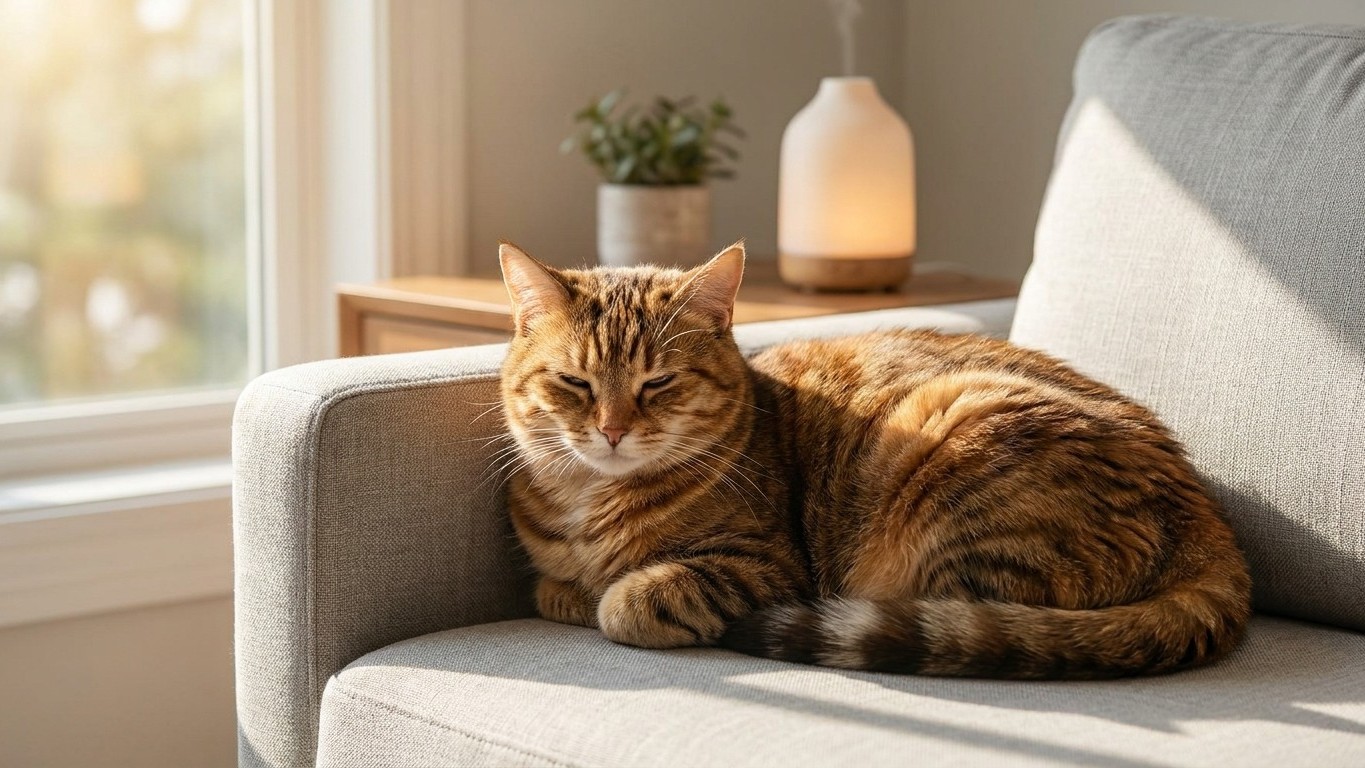
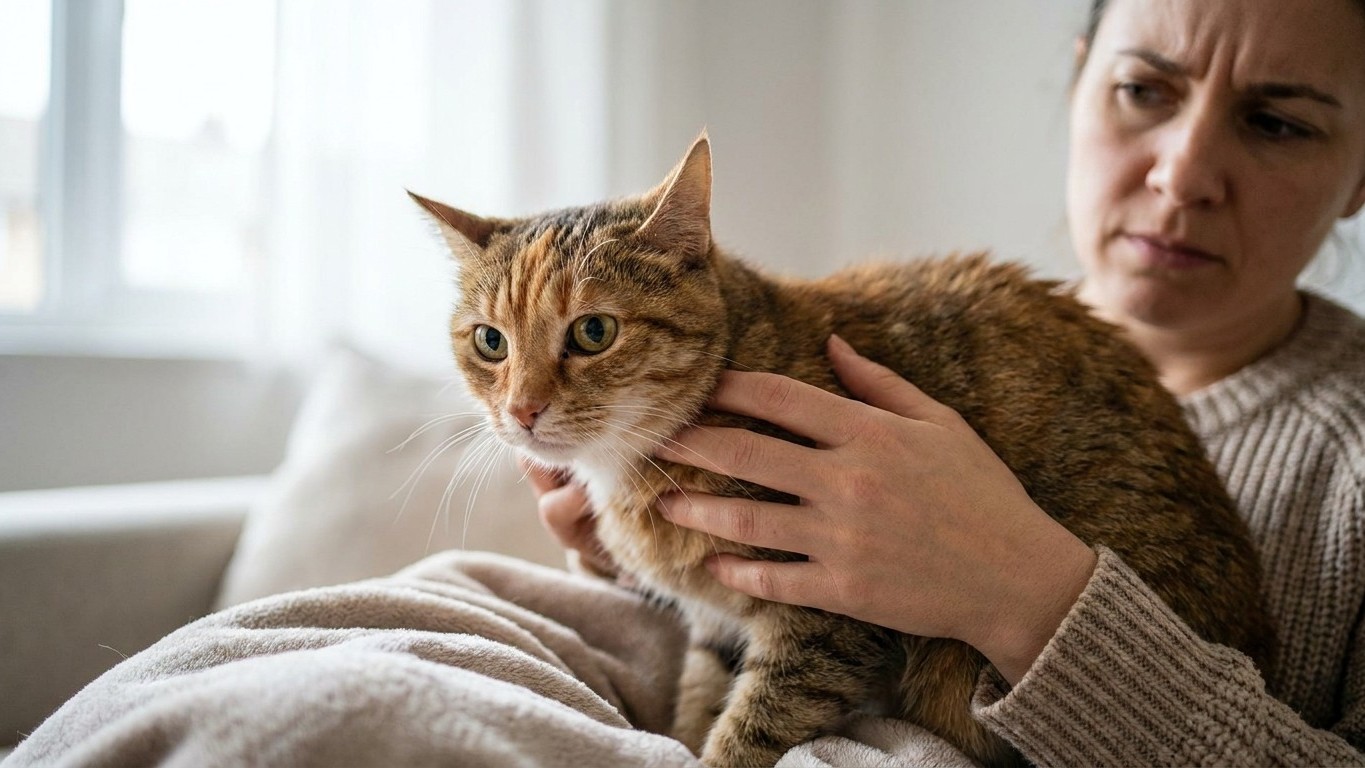
The Hidden Danger in Your Living Room: Why Tea Tree Oil Diffusers Are Toxic to Cats

Tea tree oil feels like a natural, harmless home fragrance choice—until a veterinarian reveals the devastating truth about what it’s doing to your cat’s liver and respiratory system. Cats lack a critical enzyme that allows them to safely process essential oils, making even a nightly diffuser session a cumulative toxin exposure.
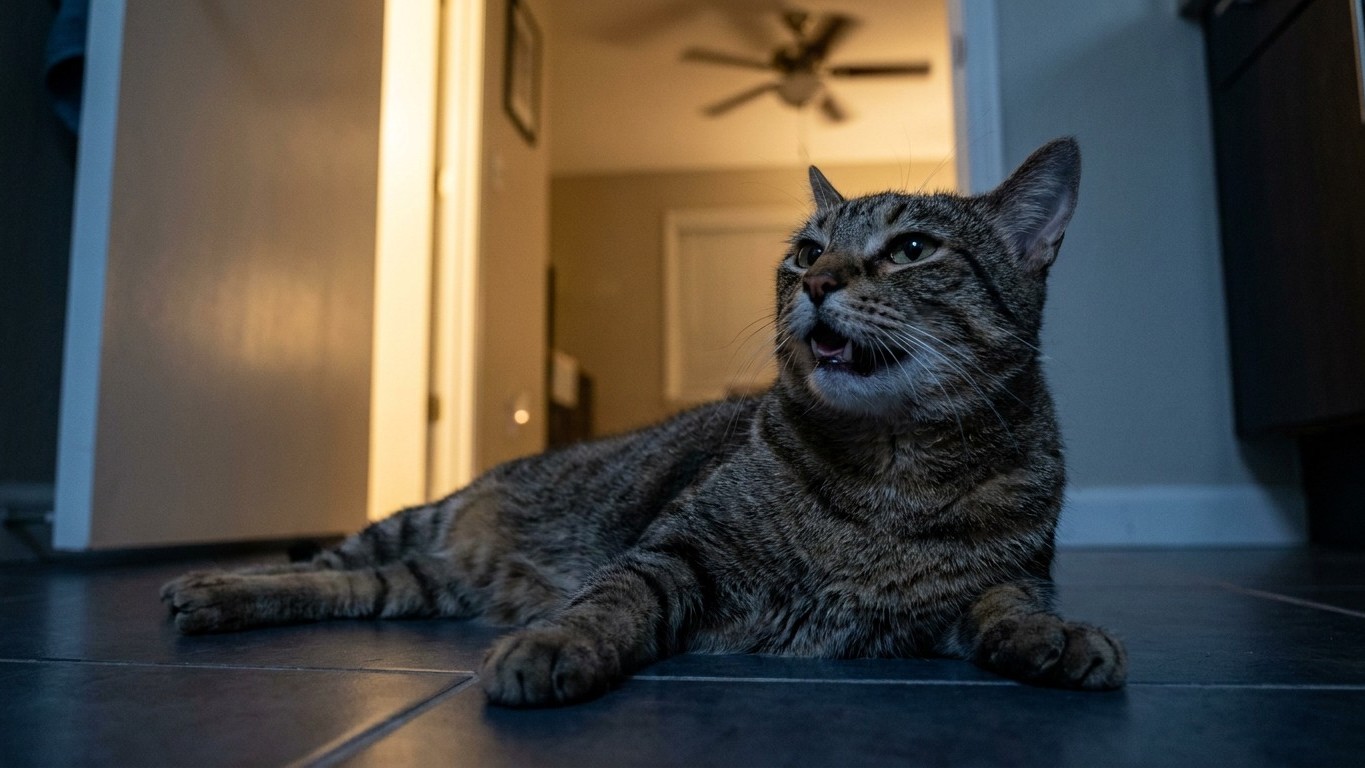
Why cats lie on cold floors and what gum color can reveal

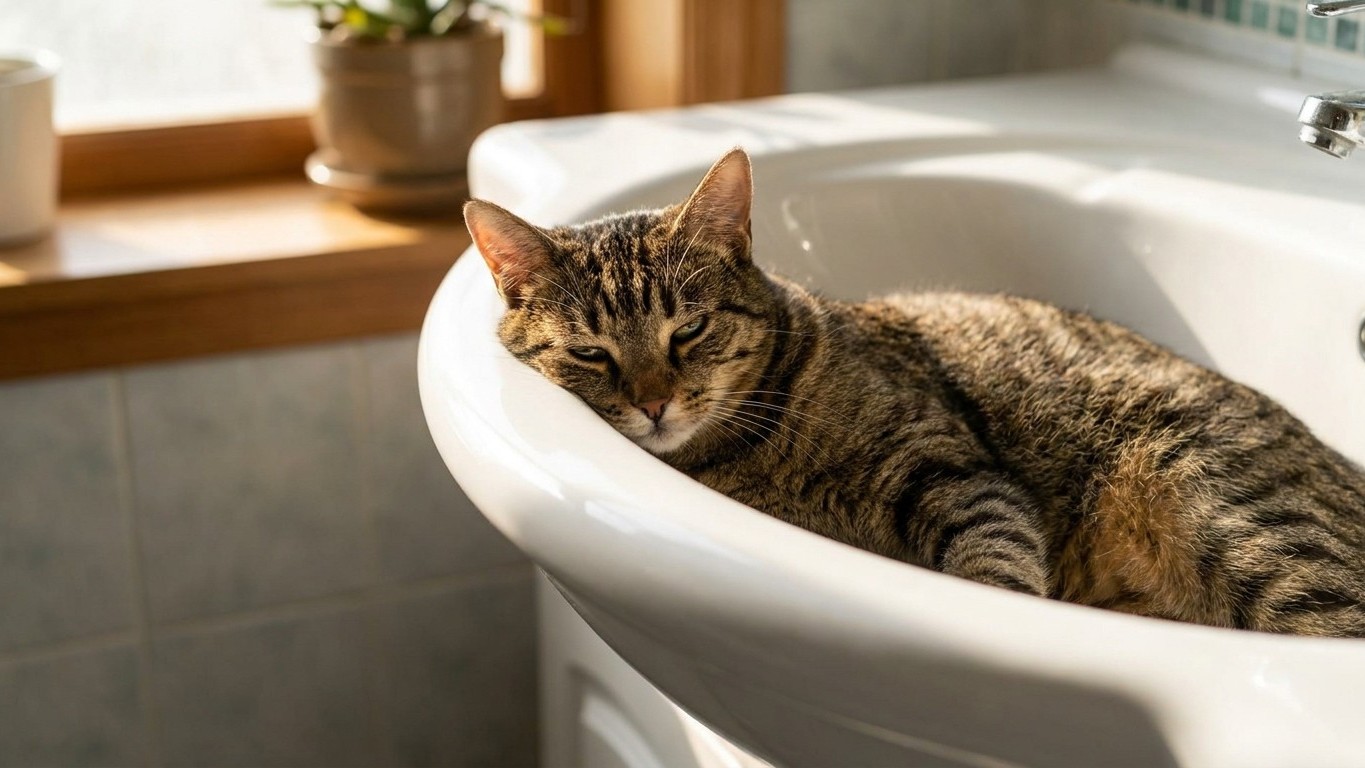
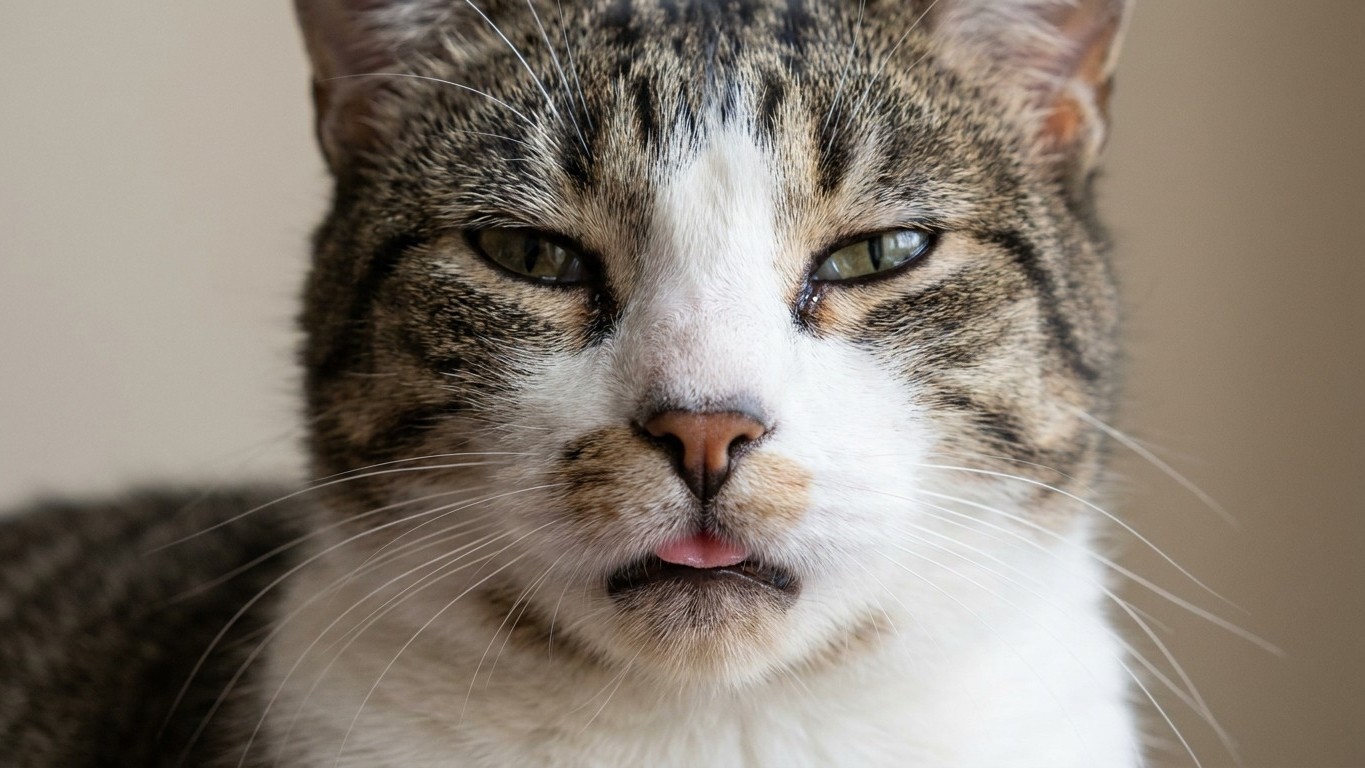
Why Your Cat Won't Leave the Cold Floor: The Gum Color That Reveals Hidden Illness

Cats are masters at hiding illness, and a cat sprawled on cool bathroom tiles might seem fine—until you check the gums. Pale or white gums can signal anemia, kidney disease, or poor circulation, often developing silently over weeks. A simple weekly gum check takes 30 seconds and could catch life-threatening conditions before it’s too late.

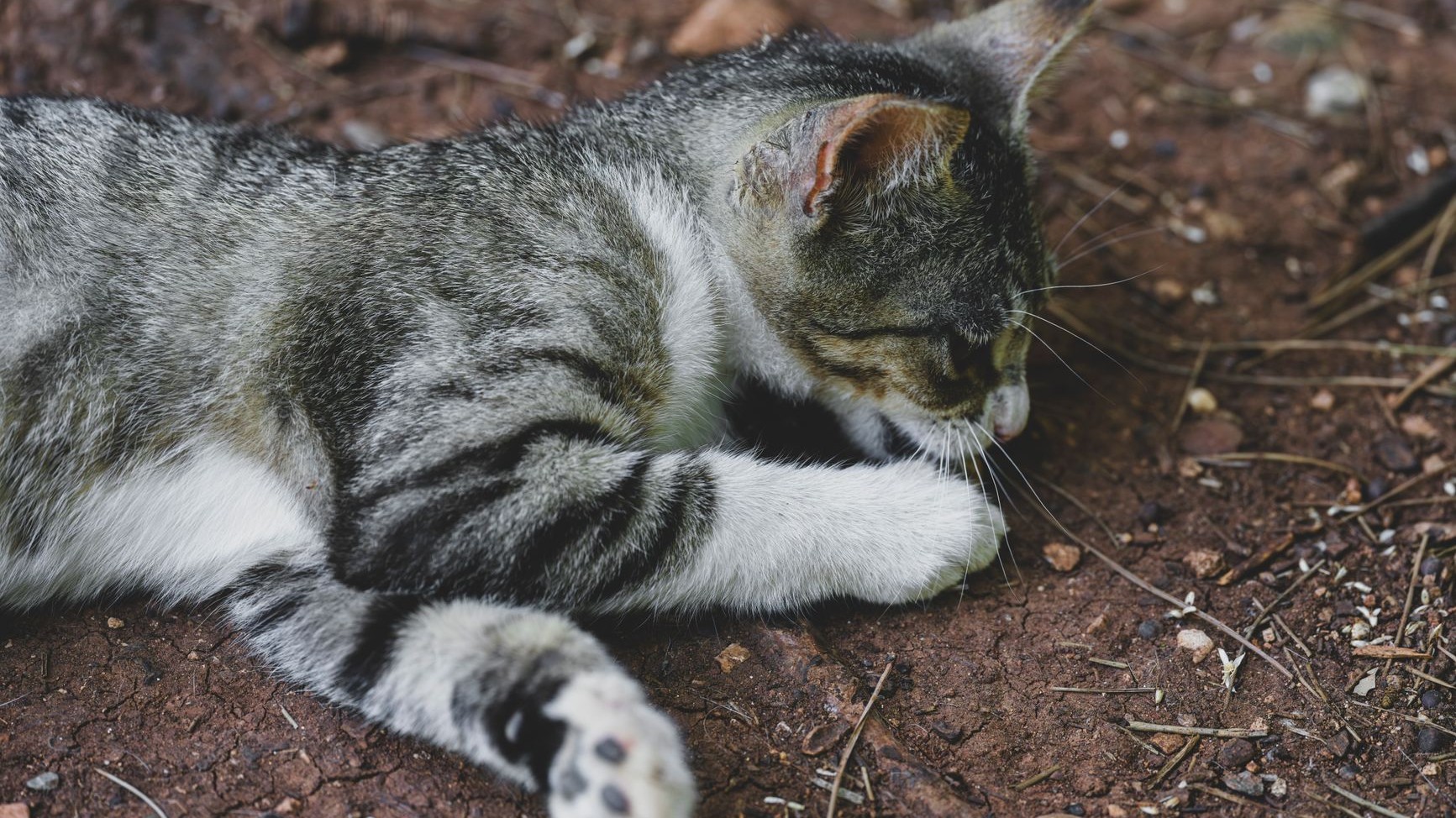
Why bentonite clay cat litter can be dangerous for kittens

The Hidden Danger in Your Kitten's Litter Box: Why Bentonite Clay Could Be Life-Threatening

Clumping bentonite litter is convenient for owners, but for young kittens, it poses a hidden medical emergency. When ingested during grooming, sodium bentonite clay expands in the digestive tract, potentially causing life-threatening intestinal blockages that require emergency surgery. Discover why veterinarians recommend switching to safer alternatives for kittens under three months old.

What happens if you put dog flea treatment on a cat

I Used Dog Flea Treatment on My Cat to Save Money—Here's What the Emergency Vet Told Me

A cost-saving decision turns into an emergency room nightmare when permethrin, a common dog flea treatment, triggers a cascade of neurological symptoms in cats within hours. With no antidote available and treatment costs soaring into the thousands, one owner discovers why veterinarians universally warn against this mistake.

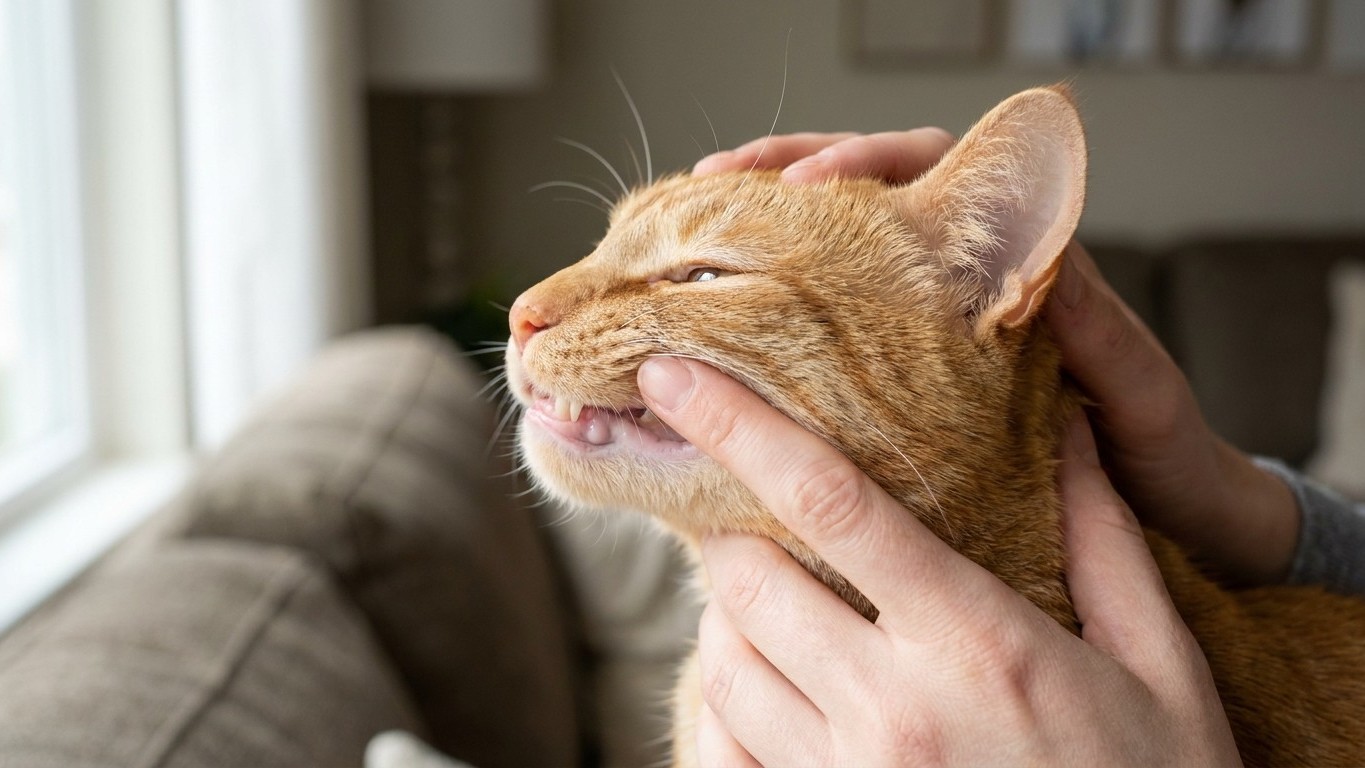
What a cat’s slow blink really means and what science says

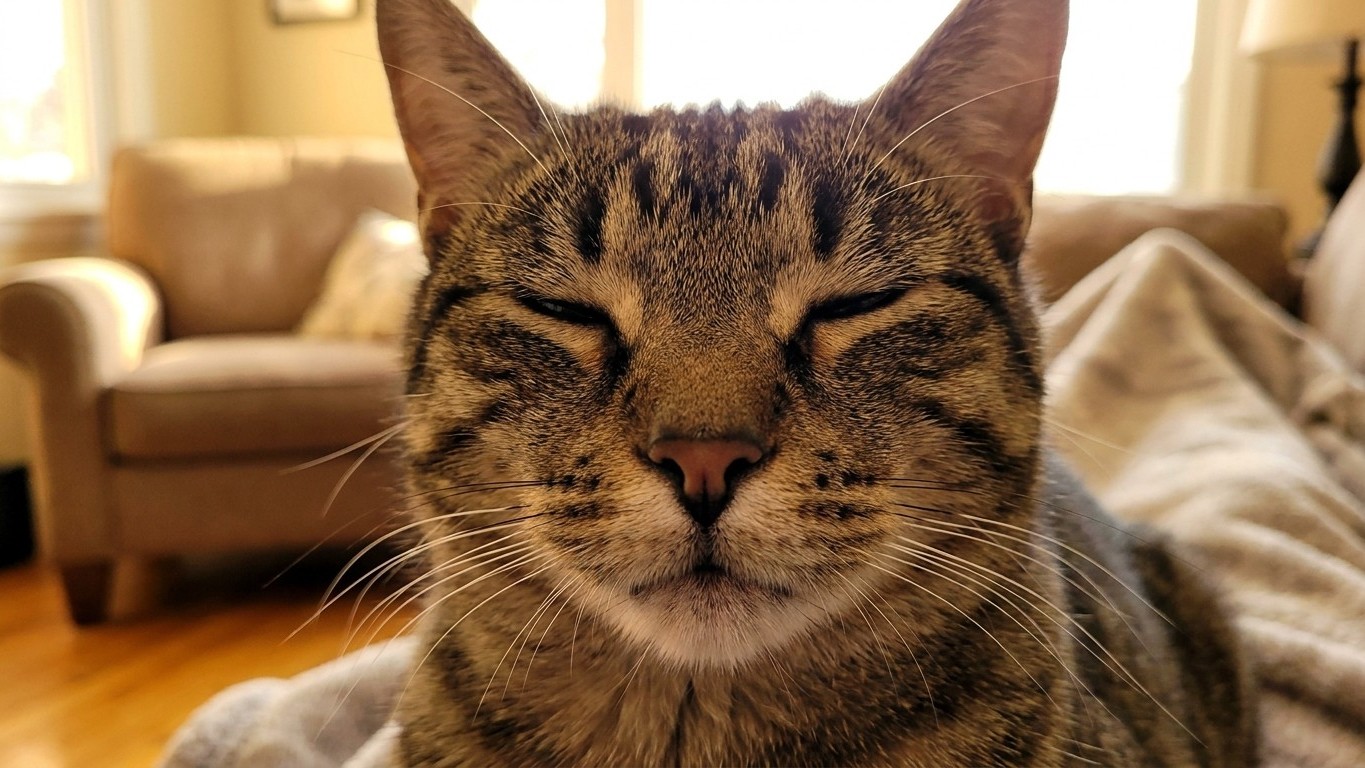
Your Cat's Slow Blink Is Actually a Love Message—Here's What Science Reveals

That slow blink your cat gives you isn’t tiredness—it’s their way of saying “I love you.” According to groundbreaking research from the University of Sussex, cats use slow blinking as a form of nonverbal affection and trust. Learn how to decode this subtle gesture and strengthen your bond with your feline friend.

What temperature is too cold or hot for an outdoor cat

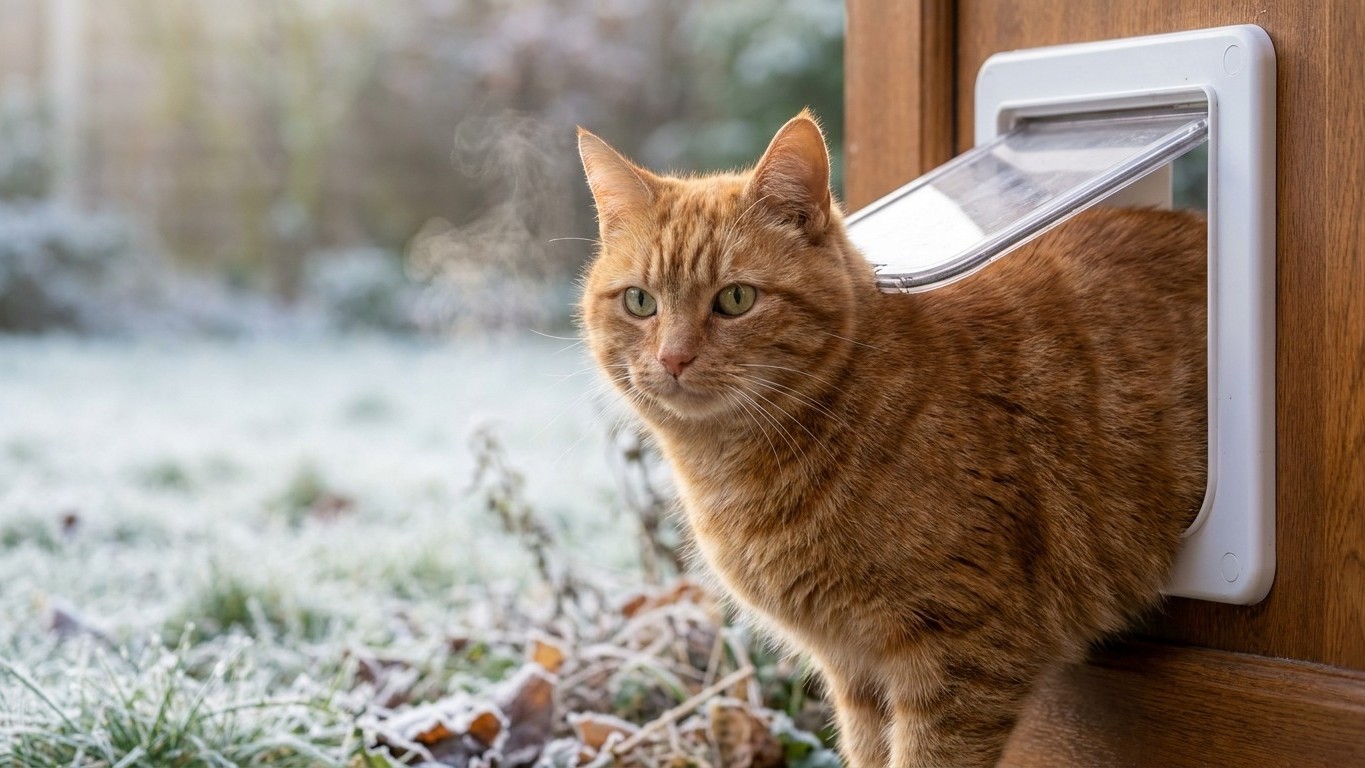
The Critical Temperature Your Outdoor Cat Should Never Face: A Vet's Warning Every Owner Needs to Know

A routine vet visit revealed the specific temperature thresholds that put outdoor cats at genuine risk—numbers that changed how one owner thinks about letting their cat roam in any weather. Below 0°C and above 35°C, your cat’s life is in danger, but the real threat lies in how quickly cats hide their discomfort until it’s too late.

Why fatty barbecue leftovers are dangerous for cats and their pancreas

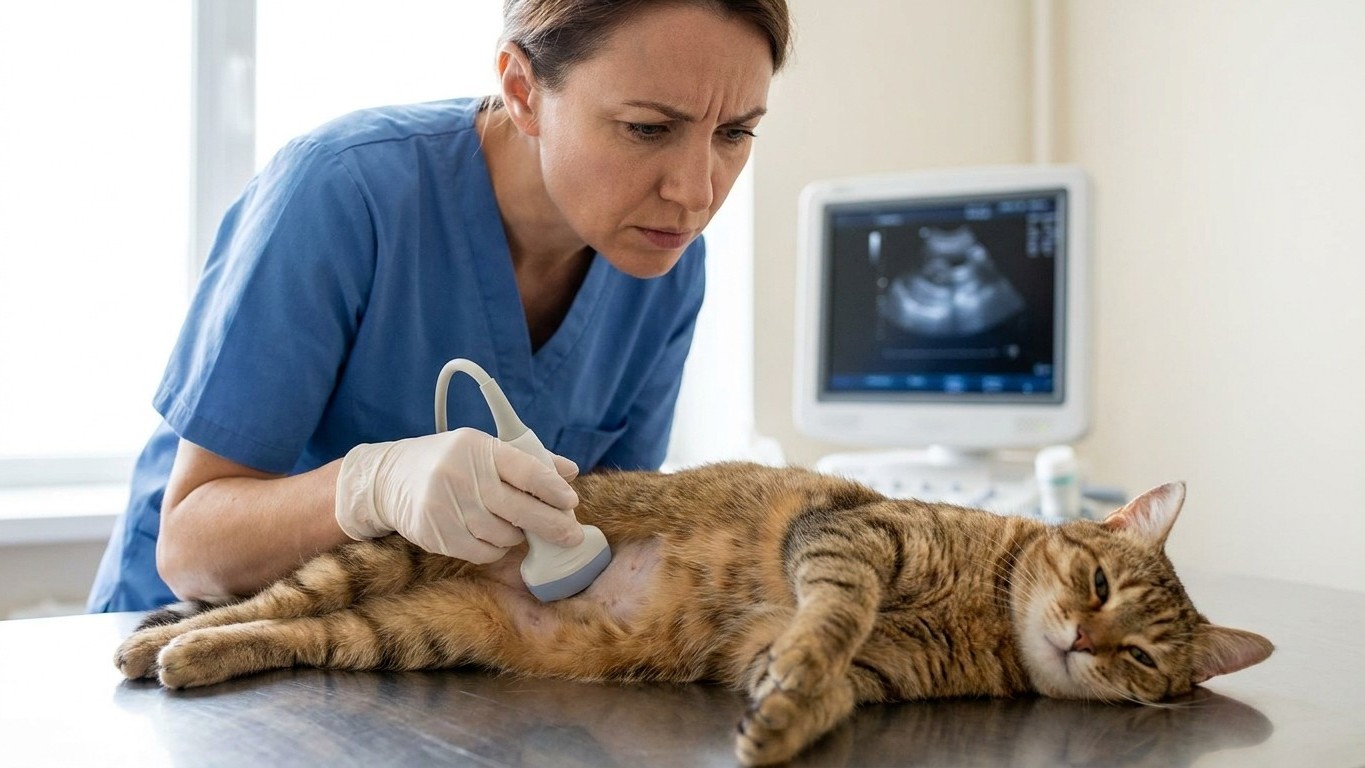
One Barbecue Meal Changed Everything: How Fatty Leftovers Triggered a Silent Crisis in My Cat's Pancreas

A single fatty meal from a summer barbecue can trigger pancreatitis in cats—a condition so subtle that owners often miss the warning signs until an ultrasound reveals the damage. This is the story of what happens inside a cat’s pancreas when table scraps go wrong, and why the vet’s scan reading changes everything.