Your ‘Lazy’ Indoor Cat Isn’t Lazy—One Daily Habit Is Slowly Breaking Their Health

Your 'Lazy' Indoor Cat Isn't Lazy—One Daily Habit Is Slowly Breaking Their Health

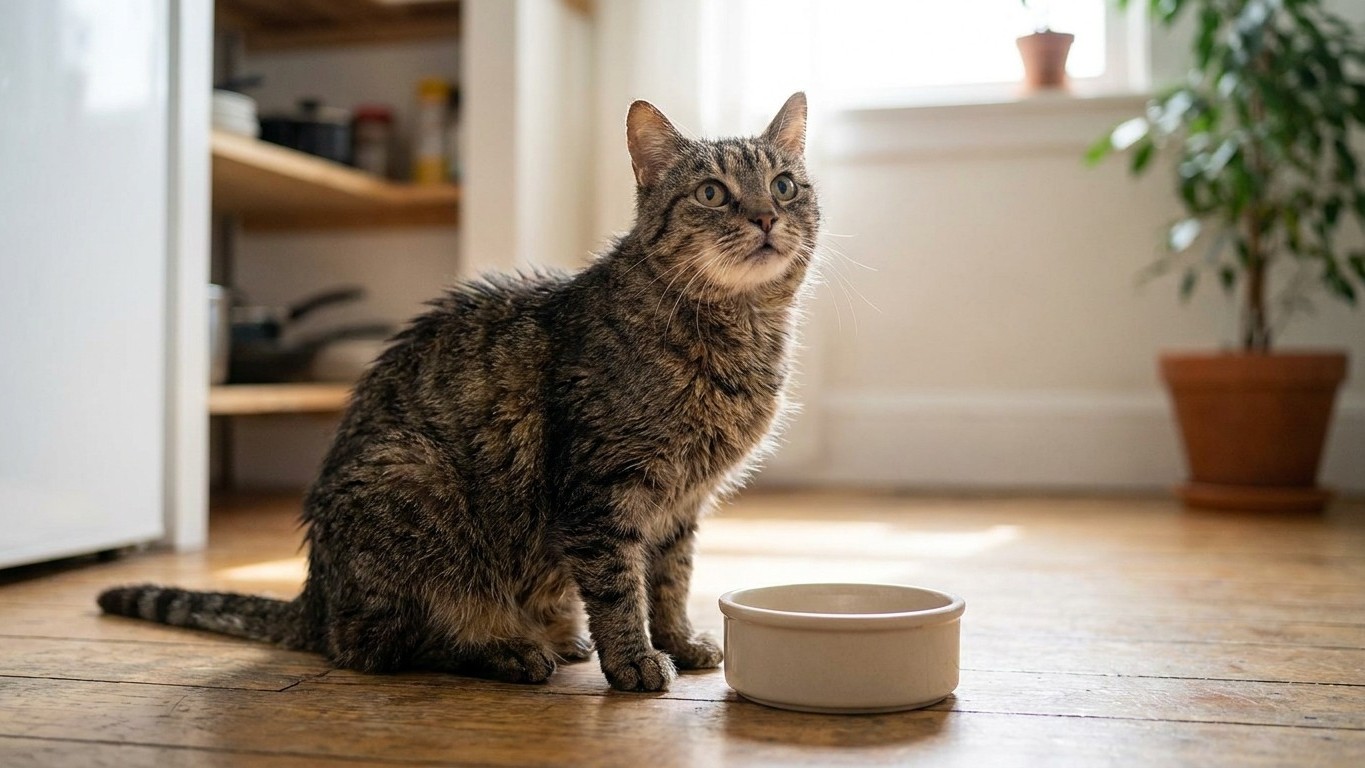
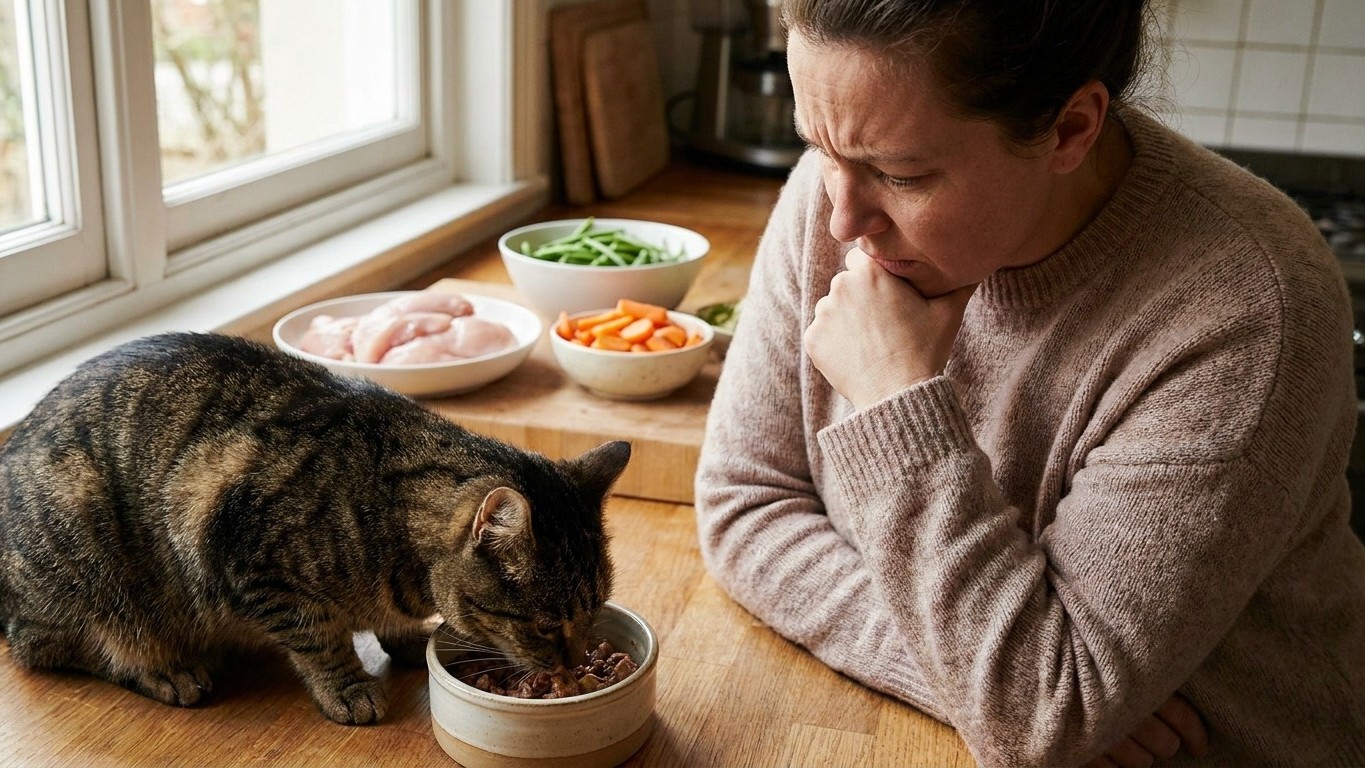
You thought your indoor cat was just naturally lazy, but a vet’s simple question revealed the truth: free feeding is slowly breaking your cat’s health. One overlooked daily habit is behind obesity, kidney disease, and joint problems affecting millions of indoor cats—and it’s entirely fixable.

Why Your Black Cat’s Fur Is Turning Rusty Brown—And When It’s More Than Just Sunshine

Why Your Black Cat's Fur Is Turning Rusty Brown—And When It's More Than Just Sunshine

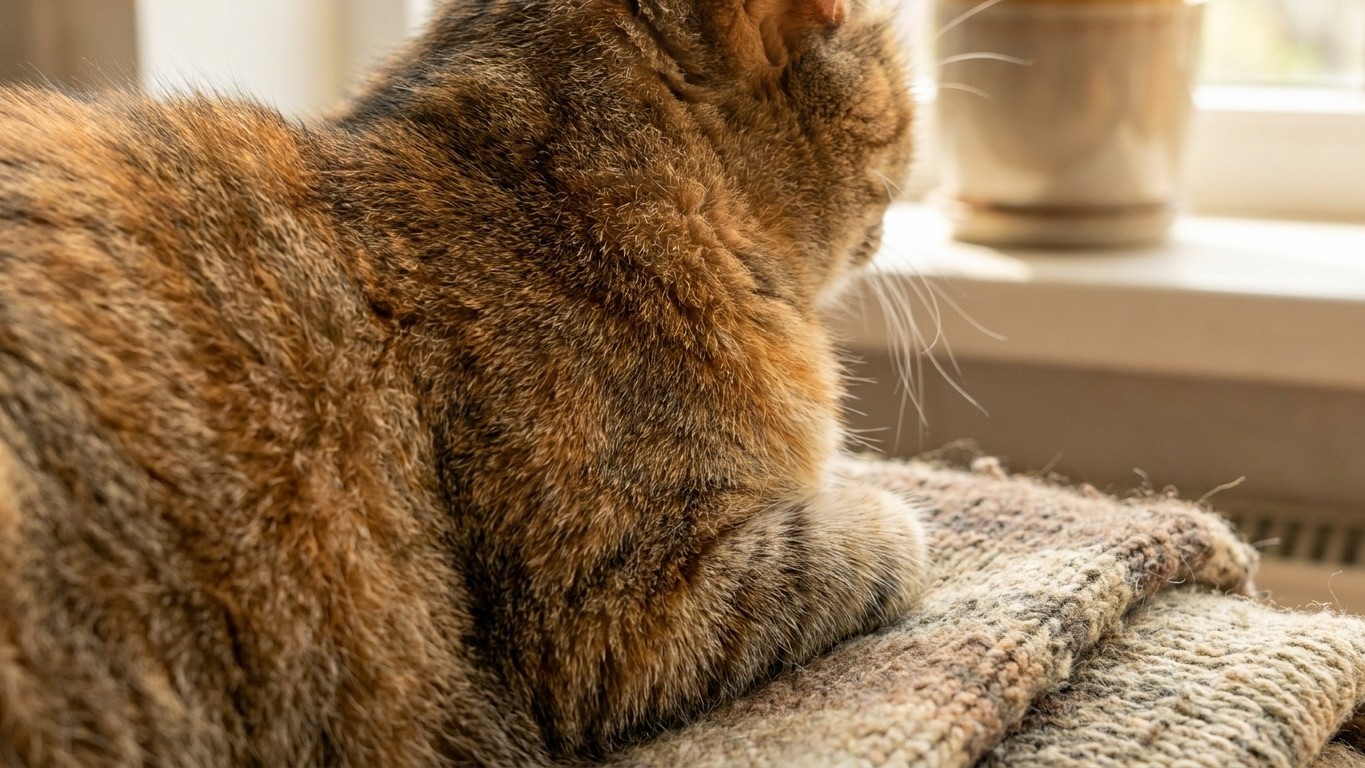
That rusty-brown shimmer on your black cat’s coat might just be harmless photobleaching from sunny windowsills—or it could signal something worth investigating. Veterinarians explain the science behind ‘cat rust’ and reveal when this seemingly cosmetic quirk deserves your attention.

Your Cat’s New April Behavior Could Signal a Serious Health Crisis—Here’s What Vets Want You to Know

Your Cat's New April Behavior Could Signal a Serious Health Crisis—Here's What Vets Want You to Know

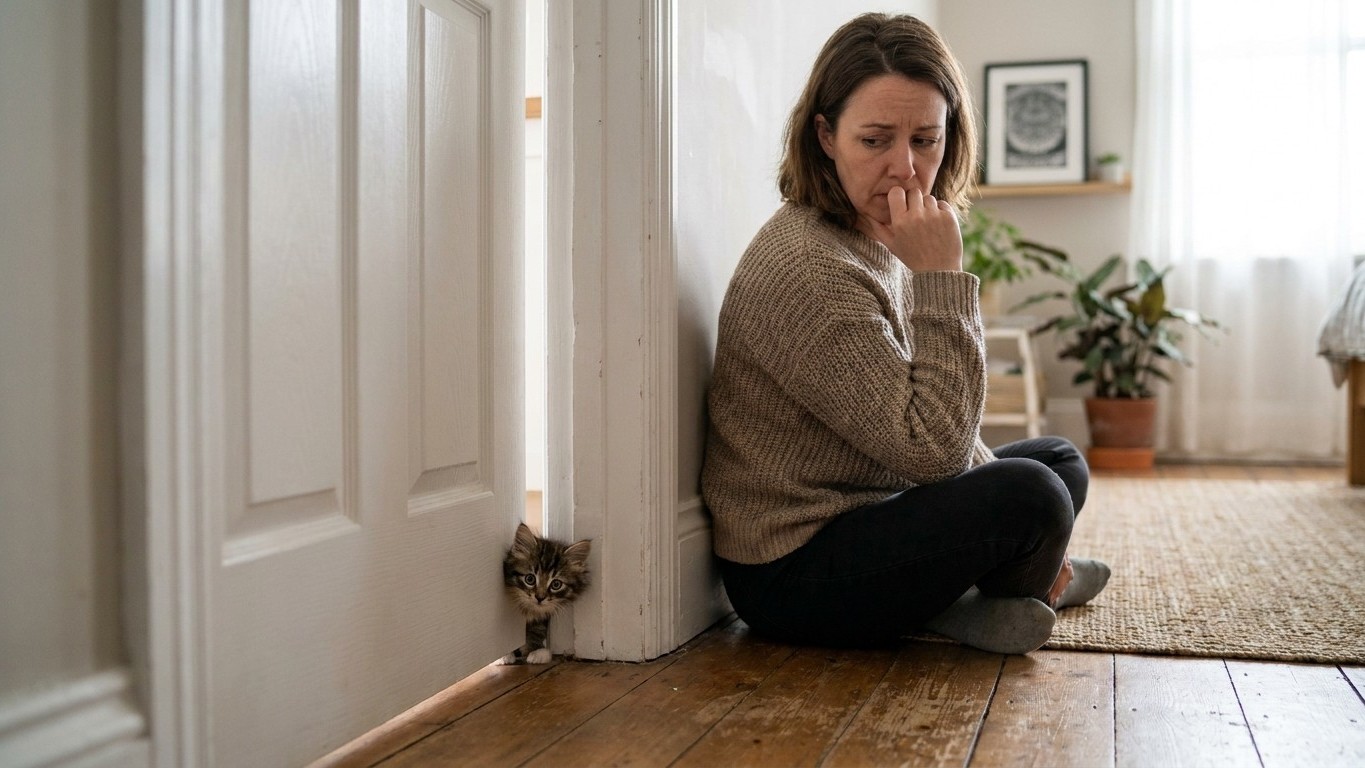
Veterinarians are urgently flagging subtle behavioral shifts in cats this spring as early warning signs of serious, treatable conditions. From increased vocalization to unusual grooming habits, these quiet changes often go dismissed until it’s too late. Understanding what your cat is really trying to tell you could add years to its life.

The Cat Collar Safety Crisis: Why Vets’ Two-Finger Rule Could Be a Death Trap

The Cat Collar Safety Crisis: Why Vets' Two-Finger Rule Could Be a Death Trap

The two-finger rule for fitting cat collars feels safe, but it creates a gap that can hook onto fence posts, branches, and wire—turning a piece of advice meant to protect cats into a potential noose. Hundreds of cats are injured by collars every year, and many owners unknowingly choose designs that increase the risk. The solution exists, but most cat owners have never heard of it.

Where Your Cat Sleeps on You Reveals Their True Trust Level—And What You’re Missing

Where Your Cat Sleeps on You Reveals Their True Trust Level—And What You're Missing

Your cat’s choice of where to sleep on you isn’t random—it’s a deliberate signal of trust, comfort, and emotional attachment. From chest to feet, each position reveals something different about your feline’s feelings, and sudden changes in sleeping habits could indicate stress or health issues worth investigating.

Why Your Cat Eating Grass in April Could Be Dangerous: What Vets Don’t Want You to Miss

Why Your Cat Eating Grass in April Could Be Dangerous: What Vets Don't Want You to Miss

You’ve always thought your cat munching grass was harmless—until April arrives. When lawns get treated with pesticides, herbicides, and fertilizers, that innocent grass-eating habit becomes a serious health risk. Veterinarians are warning pet owners about the cocktail of chemicals and parasites lurking on every blade.

Why Your Cat Won’t Stop Crying at Night—And What You’re Actually Doing Wrong

Why Your Cat Won't Stop Crying at Night—And What You're Actually Doing Wrong

Your cat’s 3am wailing isn’t random—it’s perfectly calculated communication shaped by your responses. Every time you get up to comfort them, you’re inadvertently training them to cry louder and longer. Understanding the science behind nighttime meowing and breaking this behavioral cycle could transform both your nights.

The Belly Trap: Why Your Cat’s Cute Roll-Over Is NOT an Invitation for Rubs

The Belly Trap: Why Your Cat's Cute Roll-Over Is NOT an Invitation for Rubs

That adorable belly-up roll? It’s a sign of trust, not an invitation to rub. When your cat finally scratches you, she’s exhausted every other way of communicating her discomfort. Understanding what she’s been trying to tell you all along could transform your relationship.

Why Your Cat’s Hunting Instinct Is Dangerous This Spring: The Asian Hornet Threat

Why Your Cat's Hunting Instinct Is Dangerous This Spring: The Asian Hornet Threat

Asian hornets are now overwintering in the UK, and cats’ natural hunting instincts make them dangerously vulnerable. A single swat at these aggressive insects can trigger multiple stings that may be life-threatening, especially if directed at the face or mouth.

The Deadly Spring Flower Killing Cats in Hours — and Most Pet Owners Don’t Know

The Deadly Spring Flower Killing Cats in Hours — and Most Pet Owners Don't Know

Lilies are among the most lethal plants on earth for cats, yet over half of UK cat owners are unaware of the danger. A single petal, leaf, or even pollen can trigger fatal kidney failure within 12-24 hours — but there’s a critical window for treatment.

One Dark Square of Easter Chocolate Can Kill Your Cat — Vets Urge Pet Owners to Rethink the Holiday Hunt

One Dark Square of Easter Chocolate Can Kill Your Cat — Vets Urge Pet Owners to Rethink the Holiday Hunt

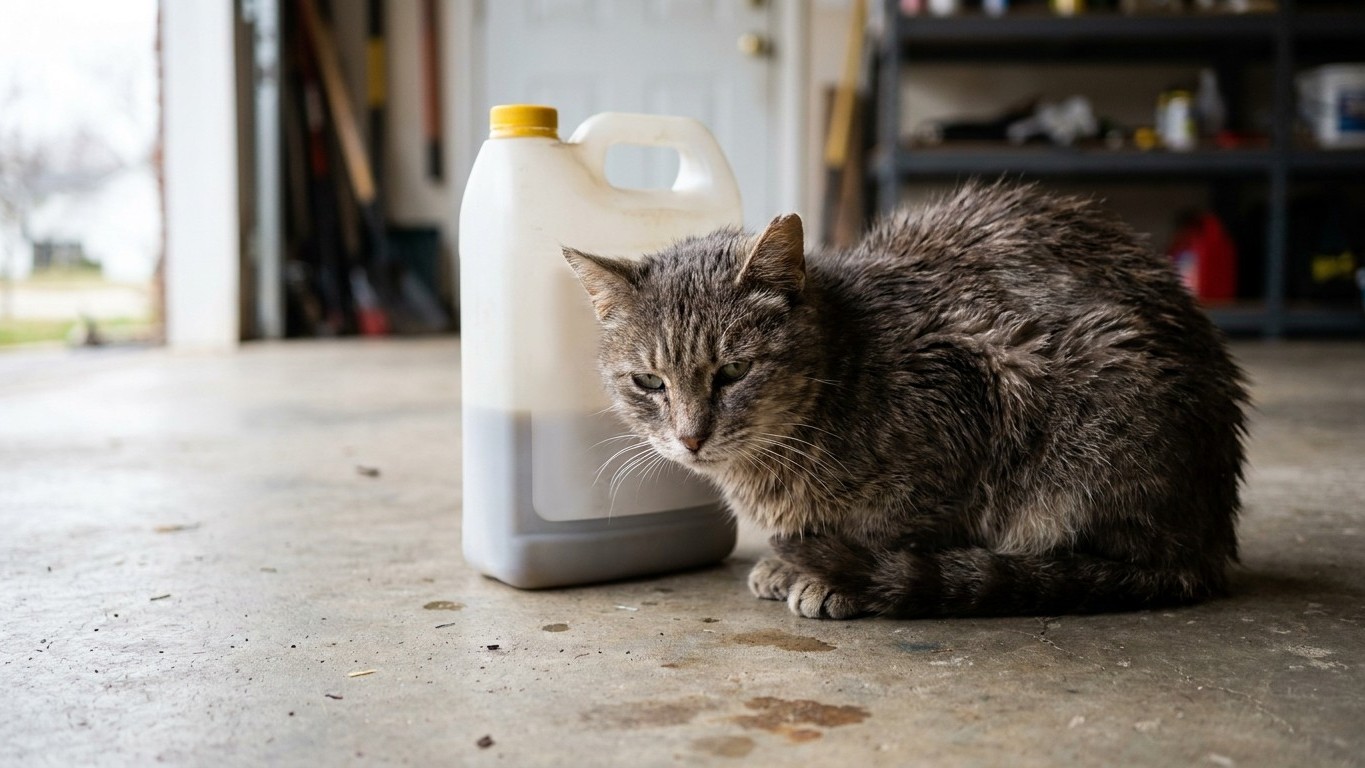
As Easter egg hunts scatter chocolate across homes and gardens, veterinarians warn that even a tiny fragment — just 2 grams — can be lethal to cats. Unlike humans, felines cannot metabolize theobromine and caffeine, toxins found in chocolate, leaving them vulnerable to poisoning within hours. Pet owners must rethink their Easter traditions to keep curious cats safe.