
A cat. That’s what had been sleeping on the engine, curled against the warm metal like it was the world’s oddest heated blanket. The carport had kept the windscreen frost-free all winter, but it had also created the perfect overnight refuge for a stray looking for somewhere dry and warm to hide from the cold. Lifting that bonnet and finding a pair of startled eyes blinking back is one of the most common winter shocks British drivers report, and it’s far More Dangerous Than most people realise.
Key takeaways
- A sleeping cat under your bonnet can be fatally injured the moment you start the engine
- One cat survived five days trapped under an engine—but not all stories end this way
- A simple knock-and-check routine takes less time than sending a text message
Why engines are basically five-star cat hotels
Car engines retain heat for hours after a journey ends, which makes them irresistible to any cat trying to survive a frosty night outdoors. As the temperature drops, cats have a habit of crawling under car bonnets and wheel arches to soak up the warmth from car engines and tyres, which can stay warm for hours after a journey. The gap between the engine block and the underside of the bonnet forms a snug, enclosed pocket, exactly the kind of den-like space a cat instinctively seeks out when the wind picks up.
It isn’t only solo strays taking advantage either. Mother cats will often stow their newborns in this location, treating it as a safe break from harsh weather. Rescue groups across the country have reported the same pattern, with mother cats often intentionally carrying their entire litters into engine bays, viewing it as a secure, elevated den to protect their kittens from rival animals. Tyres offer similar appeal for a different reason: rubber is a surprisingly good insulator, and wheel arches shield against rain and snow while keeping paws off freezing tarmac.
The danger, obviously, arrives the moment the key turns. A stationary engine bay is cosy. A running one is a death trap of moving belts, spinning fans and metal that heats rapidly once the ignition catches. Injuries range from burns and fractures to far worse, and the RSPCA has made checking under the bonnet a standard piece of winter advice for exactly this reason: cats may take shelter under your car, including crawling under the bonnet and wheel arches, so before starting the engine and driving off, tap the bonnet and check around the wheels and tyres, as cats may be in there to escape the rain or snow.
The Runcorn cat who survived five days under the bonnet
Some cases sound almost impossible until you read the details. In Cheshire, a cat named Spider climbed into the gap above a wheel arch during a cold snap and ended up going unnoticed for an extraordinary length of time. A cat that became trapped under the engine of a car has been rescued after the driver unwittingly drove around for five days with the moggy on board. He was only discovered when the driver stopped at a garage to check her tyre pressure, and the vet who treated him summed up the ordeal simply: “he was dehydrated, so he needed to be put on a drip at the RSPCA hospital for 48 hours, but other than that he only received a few minor burns, so it was a lucky escape.”
Firefighters, too, get called out for this more often than you’d expect. After freeing a tiny newborn kitten from a car engine in south-east London, a London Fire Brigade spokesperson made the seasonal warning explicit: “as we enter the winter months, we urge all vehicle owners to check their cars for animals before turning on their engines.” The kitten in that rescue, later named Polo, was about the size of an orange when he was freed, and the team believed he had climbed into the car for warmth.
The three-second check that actually works
None of this requires elaborate equipment or a change to your morning routine. It takes about as long as sending a text message. Vets and rescue charities consistently recommend the same simple sequence:
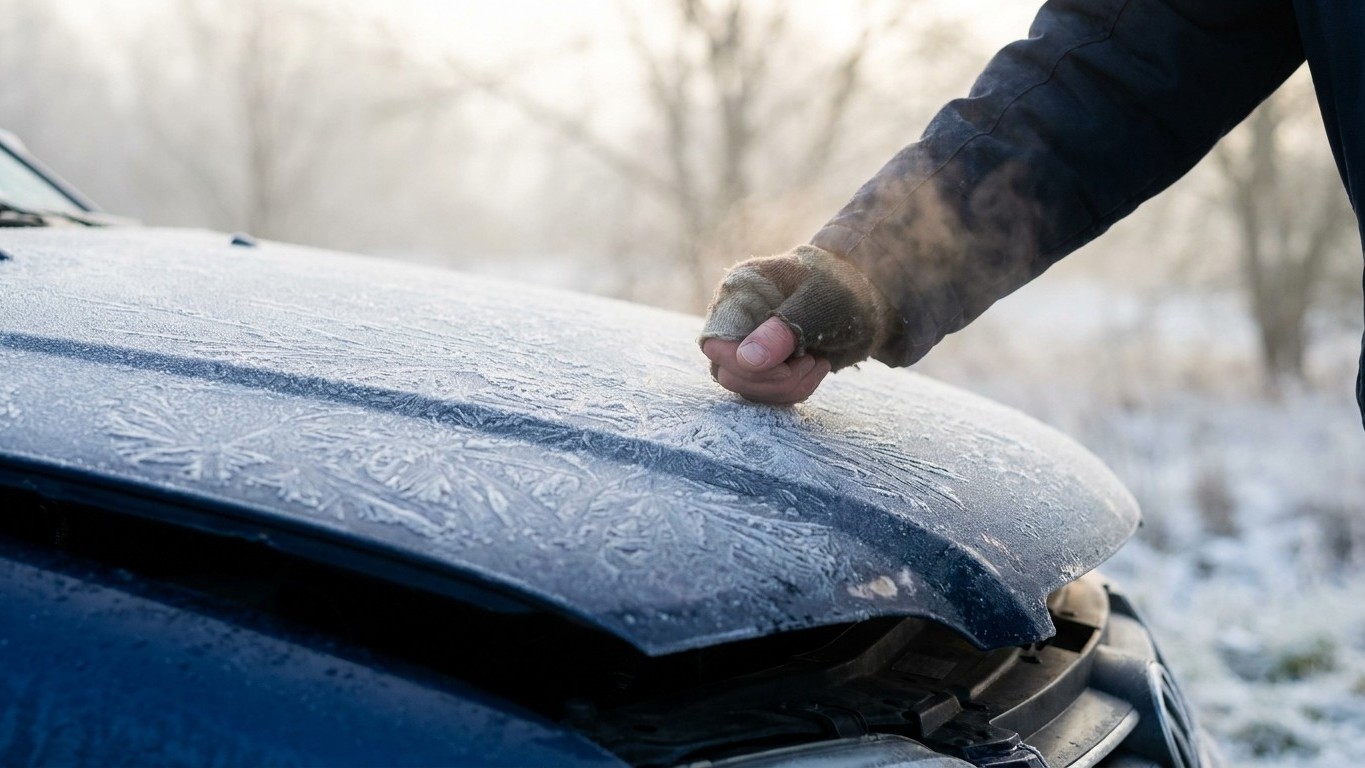
- Knock firmly on the bonnet a few times, or slam the car door loudly, before you get in
- Peer under the car and check the wheel arches and tops of the tyres
- Give a light beep of the horn once you’re inside, before turning the key
- Pause for a moment afterwards, since a startled cat needs a few seconds to scramble free
The knocking matters more than people assume, because a cat deep in sleep won’t necessarily register the sound of an engine bay’s usual creaks and clicks. Firmly knocking on the hood of your car before starting the engine creates noise and vibration, alerting any cat that might be inside. If you do find a cat tucked up under there, resist the urge to grab it. Try not to frighten them with any sudden movements or noises, and instead give them a clear, calm route out. A nervous cat that feels cornered may bolt further into the engine rather than away from it.
Beyond the bonnet: other cold-weather car hazards
Engines aren’t the only motoring risk cats face once temperatures drop. Antifreeze is a particular menace, since ethylene glycol has a naturally sweet taste that cats find appealing despite being lethal in tiny amounts. Stray cats may be hiding in cars for warmth, and gradually warming the temperature around a cold or unresponsive cat, without heating them too quickly, is essential; unfortunately antifreeze poisoning is usually fatal, but getting the cat to the vet immediately can increase their chance of survival. Wiping spills off driveways and garage floors straight away is a small habit that genuinely saves lives.
If you’ve got a regular feline visitor who seems drawn to your car specifically, a proper insulated outdoor shelter filled with blankets gives them somewhere warm that doesn’t come with moving parts. Parking in a closed garage overnight, where a cat can’t get near the engine at all, is the single most effective fix if you have the option. Failing that, keep the bonnet latched securely, since a determined cat can sometimes nudge it open if it’s not properly closed. And if you ever find a cat that seems genuinely stuck, distressed or injured rather than simply startled, ring the RSPCA or your vet rather than trying to extract it yourself. Whatever’s sheltering under your bonnet on a frosty morning, it’s counting on that one knock more than you might think.
Sources : thecozypaws.co.uk | feeds.bbci.co.uk