
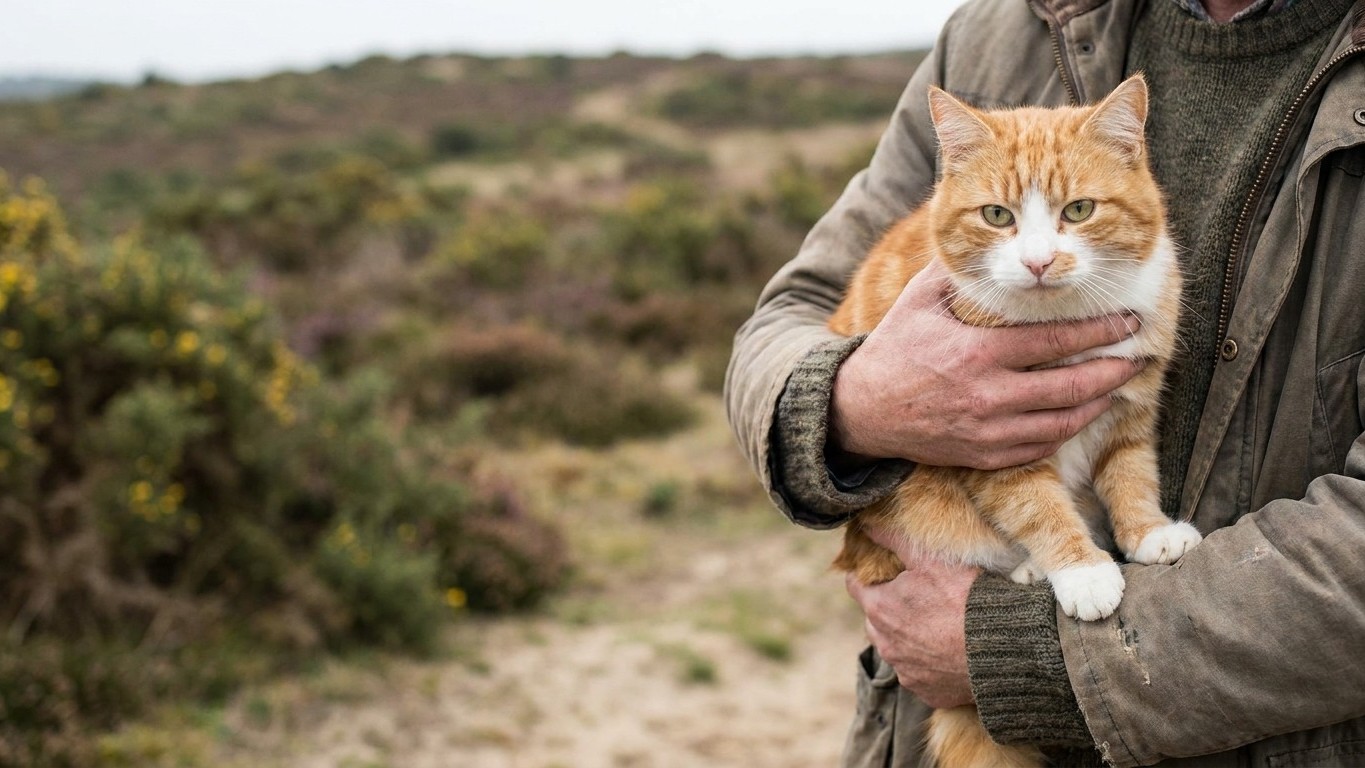
Carrying a cat those last few hundred metres instead of letting her walk could have made all the difference. When adder venom enters the bloodstream, it’s not the puncture wounds that do the worst damage, it’s what happens afterwards. Venom from poisonous snakes spreads rapidly through the lymphatic system, sometimes within minutes of the bite, and the faster venom circulates, the more systemic damage it can cause to organs, blood clotting mechanisms, and nervous system function. A cat trotting home on her own four paws is essentially pumping poison towards her heart with every step.
This is why vets across the country keep repeating the same instruction, even though it sounds counterintuitive when your instinct is to get moving fast: pick the animal up. If possible, carry your animal back to the car, to avoid their movement encouraging the spread of the venom. The same guidance applies whether it’s a Labrador or a moggy who’s had a run-in with a snake on the heath. Cats can also suffer from adder bites, although it’s less common, and the same first aid advice should apply.
Key takeaways
- Movement after a snake bite accelerates venom spread through the lymphatic system in ways most pet owners don’t expect
- A vet revealed how a few hundred metres of walking caused more organ damage than the actual bite puncture
- The right response contradicts your panic instinct—and it could mean the difference between recovery and collapse
Why movement is the real enemy
Venom doesn’t travel through the bloodstream the way most people assume. It moves largely via the lymphatic system, a slow-draining network that relies heavily on muscle contraction to shift fluid around the body. Stay still, and that fluid barely moves. Start walking, running or even limping in panic, and you turn every muscle contraction into a tiny pump, dragging toxins deeper into the body far quicker than nature intended. Movement increases lymphatic flow, and the lymphatic system is an important route for venom distribution.
Adder venom itself is nasty stuff. Adder venom is a cocktail of proteins designed to destroy tissue and prevent blood clotting. Left to spread unchecked, it can trigger a cascade well beyond the bite site itself. If the venom is absorbed into the rest of the body it can cause a widespread inflammatory reaction leading to symptoms such as lethargy, fever, increased heart and respiratory rates, drooling, vomiting and a wobbly gait, and in severe cases animals may collapse, have blood clotting problems, organ failure, tremors or convulsions. That’s the grim reality behind a vet telling an owner that the walk home did more harm than the bite.
Spotting an adder bite before it’s too late
The adder is Britain’s only venomous snake, and heathland is precisely where it likes to bask. Adders can be found throughout mainland Britain, most commonly on dry sandy heaths, sand dunes, rocky hillsides, moorland and woodland edges. Cats, being naturally curious hunters who poke about in long grass and heather, are exactly the sort of animal that can accidentally corner one. They become active in the warmer months, following a winter of hibernation, so you should be most alert on spring and summertime walks, and pets are usually bitten on the legs, head or neck after disturbing an unsuspecting adder.
Bites tend to cluster in a fairly narrow window. Generally, most bites happen between the months of April to September, but they are especially common between June and August. The telltale sign is fast, localised swelling. Their bites can result in rapid, painful swelling and bruising, and you may also be able to identify two small puncture holes in the centre of the swelling. A cat suddenly favouring one paw, or with a face swelling up like a balloon after disappearing into the gorse for twenty minutes, deserves an immediate check.
Not every bite is venomous, incidentally. Bites can be ‘dry’ (no venom injected) or venomous. That’s a small mercy, but never one to gamble on. A dry bite looks identical to a venomous one in the first few minutes, and the only safe assumption is the worst-case scenario.
What to actually do if it happens
Panic is understandable, but it’s the one thing to fight against. Cats pick up on stress instantly, and a frightened cat Struggling in your arms works against the very stillness you’re trying to achieve. First of all, seek veterinary attention, and it’s important to remember not to panic, as your pet is highly likely to fully recover if treatment is given promptly.
The practical steps are straightforward, even if they go against every panicked instinct to run:
- Carry your pet rather than allow them to walk, to try and reduce the spread of venom around the body, and bathe the wound in cold water to help control the swelling while keeping them quiet and warm as you travel to the vet practice.
- Do not interfere with the bite or apply a tourniquet, and don’t try to catch or harm the snake.
- Ring your vets to let them know that you are on the way and provide an expected time of arrival.
Never elevate the bitten limb thinking it will help, and resist the urge to bandage it tightly. Leave the bite alone, don’t apply a bandage or tourniquet. A tight wrap can cut off circulation and cause tissue damage of its own, on top of whatever the venom is already doing.
Recovery odds are genuinely good once a cat reaches proper care. Most animals treated promptly will recover following an adder bite. The catch is that “promptly” means minutes, not the time it takes to stroll home across a heath while venom quietly works its way through the lymphatic system.
A cost worth planning for
One detail that catches owners off guard afterwards is the bill. Adder bite treatment can involve overnight monitoring, intravenous fluids and sometimes antivenom, none of which comes cheap. Treating an adder bite can be very expensive, especially if a pet needs intensive care in a veterinary hospital, so it’s important to speak openly to your vet about your finances, the cost of treatment, as well as what you think is right for your pet. Pet insurance taken out well before any heathland adventures is the one piece of paperwork that turns a financial shock into a manageable decision, made with a clear head rather than a racing heart in a waiting room.
Sources : slobberychops.com | vets-now.com