Can heat make cat flea pills and spot-on treatments toxic?
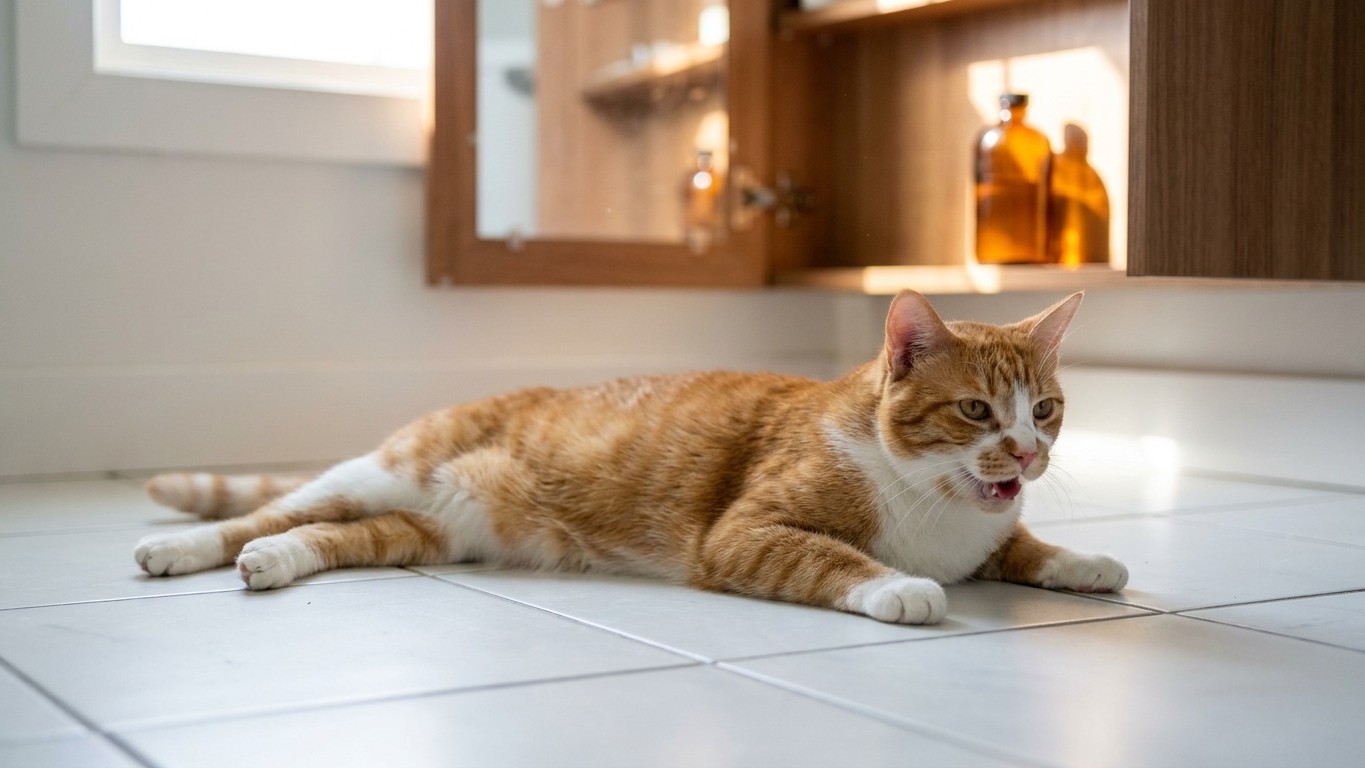
Why Your Cat's Summer Pills Could Be Toxic: What Vets Don't Always Tell You About Heat Storage

Every summer, pet owners unknowingly store their cat’s antiparasitic medications in ways that cause them to break down in just hours, potentially creating harmful compounds. A vet reveals the shocking science behind temperature excursions and shows you exactly where medications degrade fastest in your home.
Is tulip vase water dangerous for cats to drink?

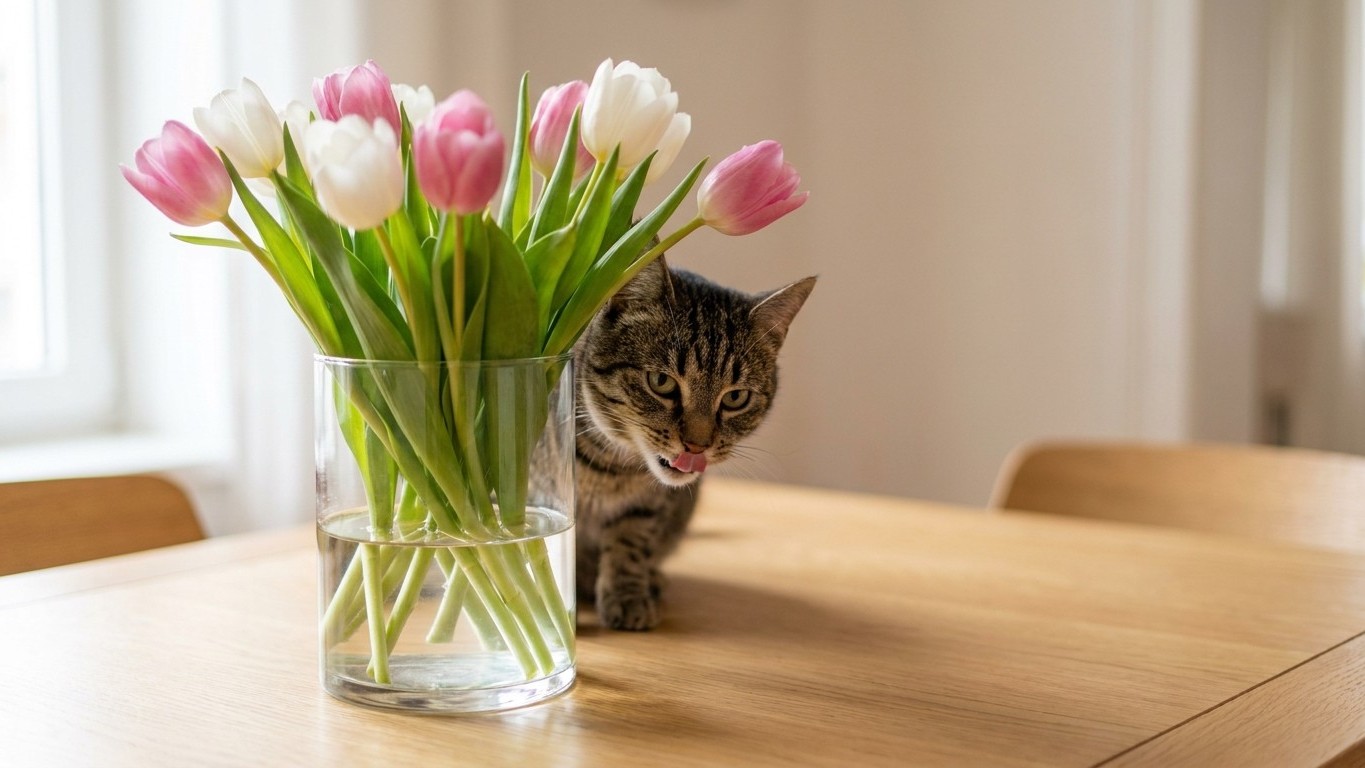
The Silent Danger in Your May Bouquet: Why Your Cat's Sip from the Tulip Vase Could Be Toxic

You’ve left a cheerful bunch of tulips on the dining table, and your cat has been quietly sipping from the vase all week—but the water has absorbed compounds that can trigger serious symptoms. While severe poisoning is rare, mild exposure often goes unnoticed as lethargy or vomiting. Discover the hidden risks and pet-safe alternatives.

Why a cat’s face can swell after a garden visit

Cat's Swollen Face After Garden Visit: What the Vet Revealed About the Hidden Danger in May Undergrowth

A puffy-faced cat stumbling through the cat flap is a pet owner’s nightmare. May brings peak season for bee and wasp activity, and your cat’s curious nature puts them directly in harm’s way. Discover why facial swelling from insect stings can become a medical emergency in less than two hours, and what every cat owner needs to do right now.

Is foxglove poisonous to cats and how dangerous is it?

The Beautiful Foxglove That Could Stop Your Cat's Heart: What Every Pet Owner Must Know

The elegant purple foxglove gracing British gardens this May is the same plant that revolutionized cardiology—but it’s also acutely poisonous to cats. Even brushing against the plant or drinking vase water poses genuine risk. Discover why cats are so vulnerable, what symptoms to watch for, and which stunning alternatives keep your garden beautiful and safe.

Are spring pesticides on floors dangerous for cats?

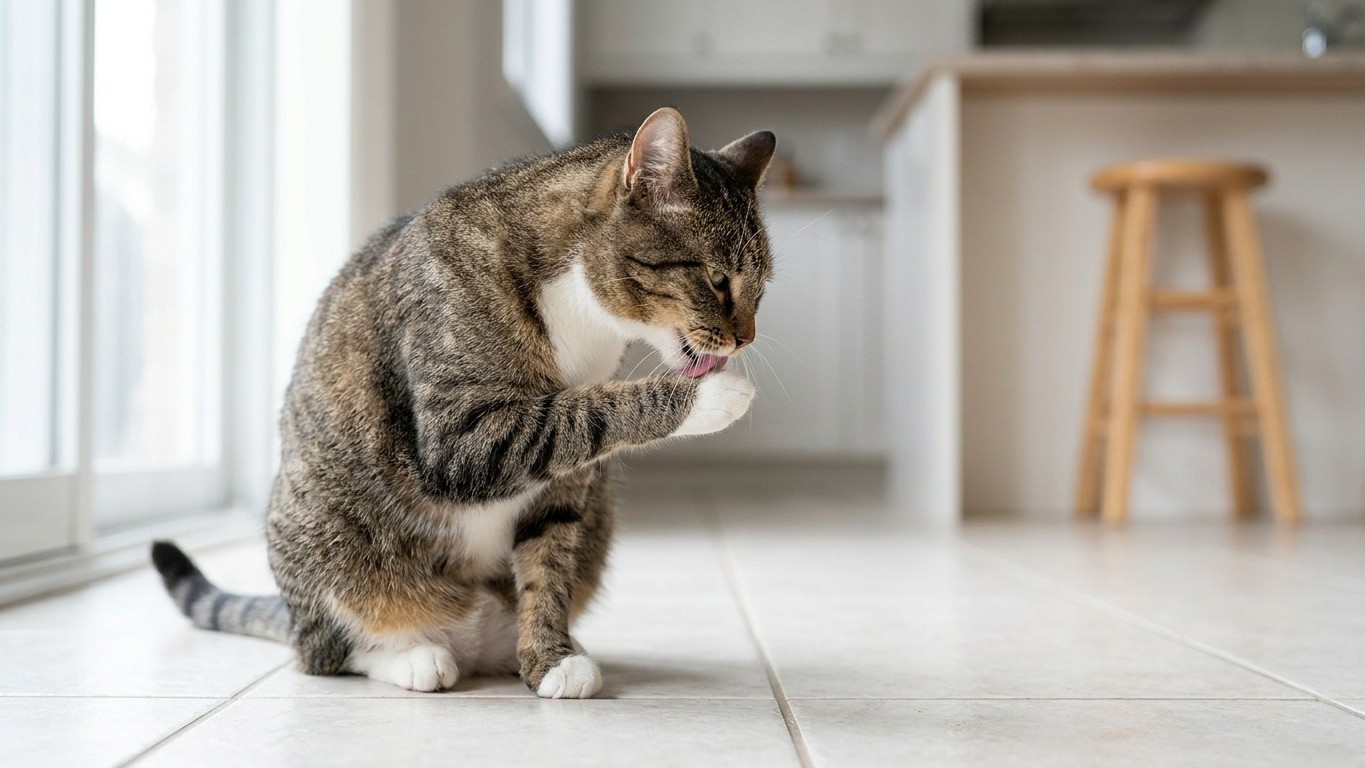
The Hidden Spring Threat: Why Your Cat's Grooming Habits Make Pesticide-Tracked Floors Deadly

Every spring, pesticide residues from treated lawns are tracked indoors on shoes and pet paws—but the real danger isn’t what you step on, it’s what your cat licks off the floor. Your cat’s grooming habits transform floor particles into ingested toxins, and their specialized liver makes them uniquely vulnerable to poisoning.

Why Cats Drag Their Water Bowl Across the Floor: Whisker Science

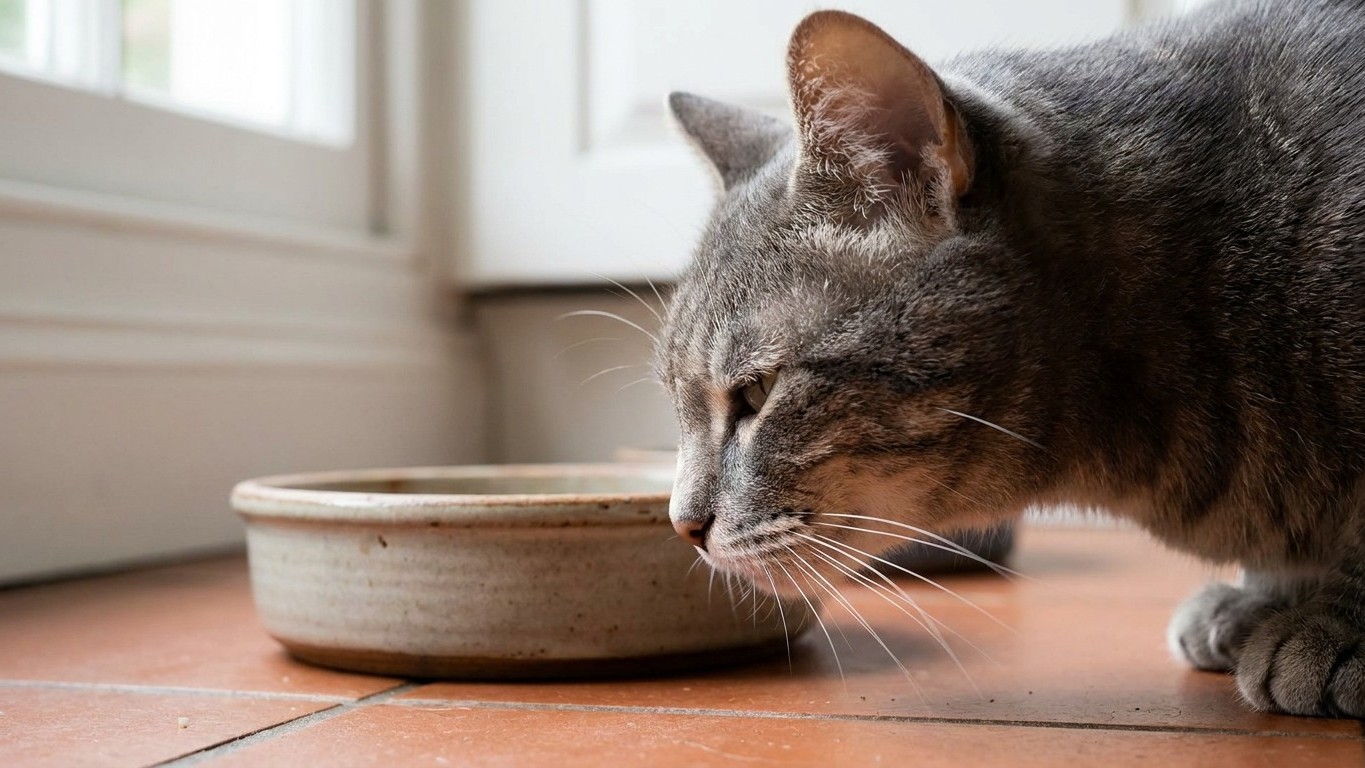
Why Your Cat Drags Its Water Bowl Across the Floor: The Whisker Mystery Explained

Your cat’s infuriating habit of dragging the water bowl across the kitchen floor isn’t stubbornness—it’s likely a response to whisker overstimulation. Whiskers are extraordinary sensory organs, deeply rooted in nerve-filled follicles, and narrow food bowls may cause genuine discomfort. Learn why and how to help.

Why a Rubber Band Can Be Deadly to Cats: What Owners Should Know

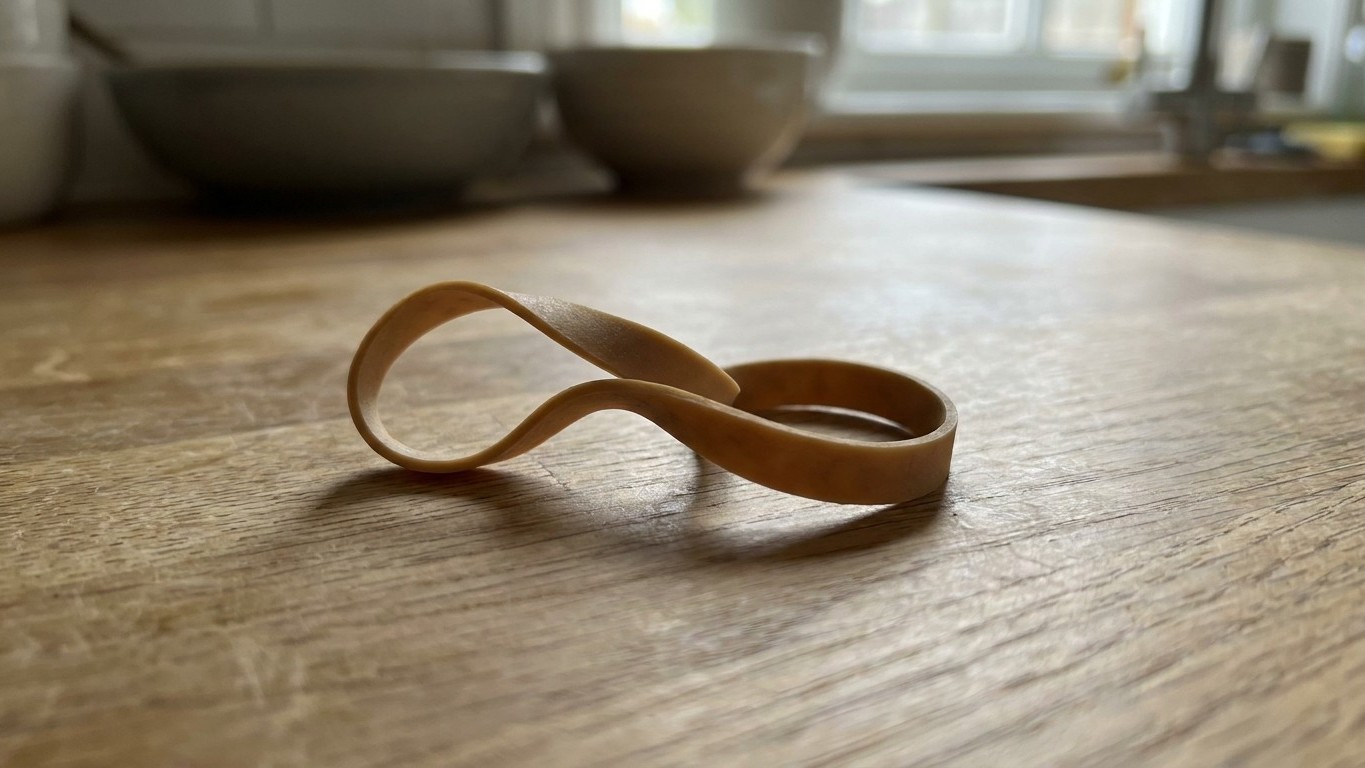
How a Single Rubber Band Nearly Killed My Cat: What Every Owner Must Know

A forgotten rubber band on the kitchen counter became a life-threatening emergency within six hours, requiring urgent surgery. Discover why cats are fatally attracted to rubber bands, what warning signs demand immediate veterinary care, and the practical steps that could save your cat’s life.

Why Indoor Cats Can Hide Serious Illness, Especially in May

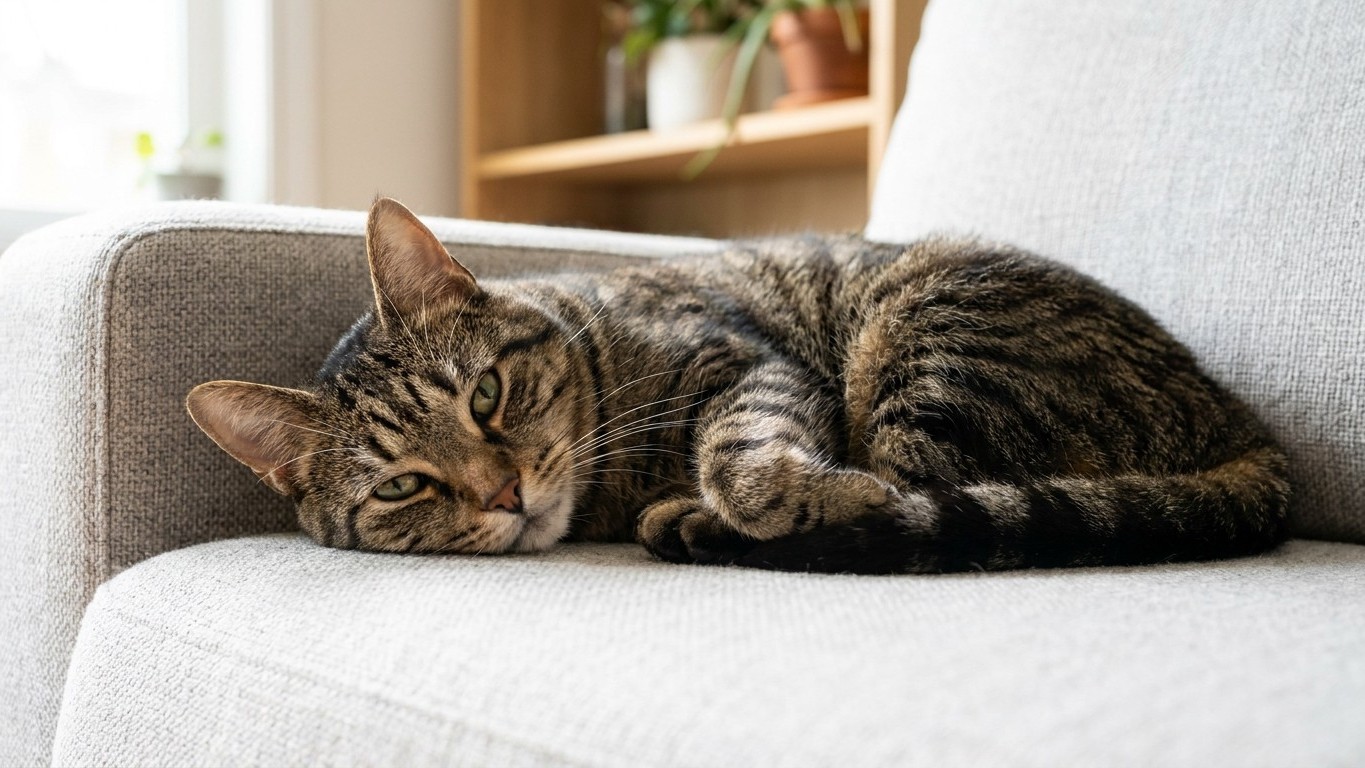
Indoor Cats Are Hiding Serious Illness—Here's What Vets See Every May

Every May, UK vet waiting rooms fill with indoor cat owners shocked to learn their sheltered pets are sick. Cats are evolutionary masters at hiding illness—by the time symptoms appear, conditions like dental disease, kidney failure, and diabetes may already be advanced. Here’s what every indoor cat owner needs to watch for.