Why Your Cat’s Favorite Curled-Up Spot May Be a Hidden Cry for Help

Why Your Cat's Favorite Curled-Up Spot May Be a Hidden Cry for Help

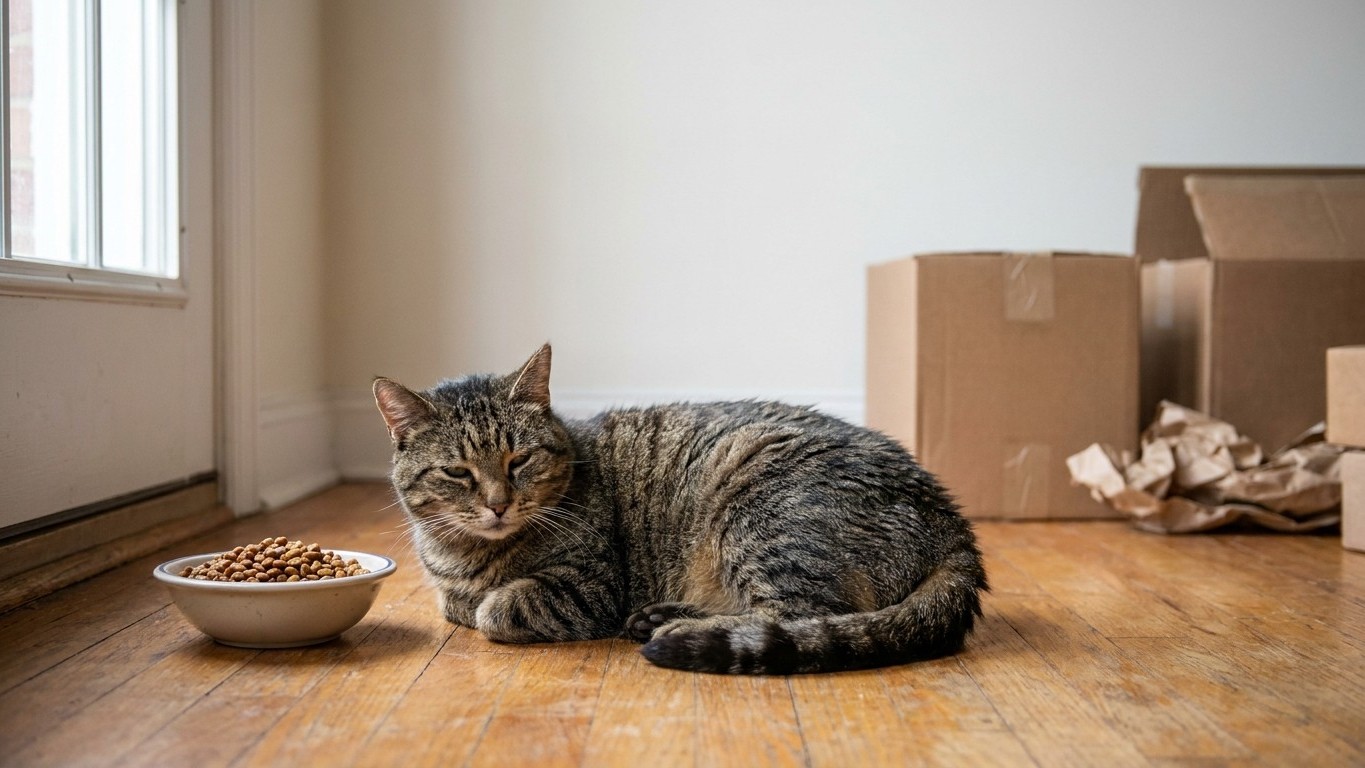
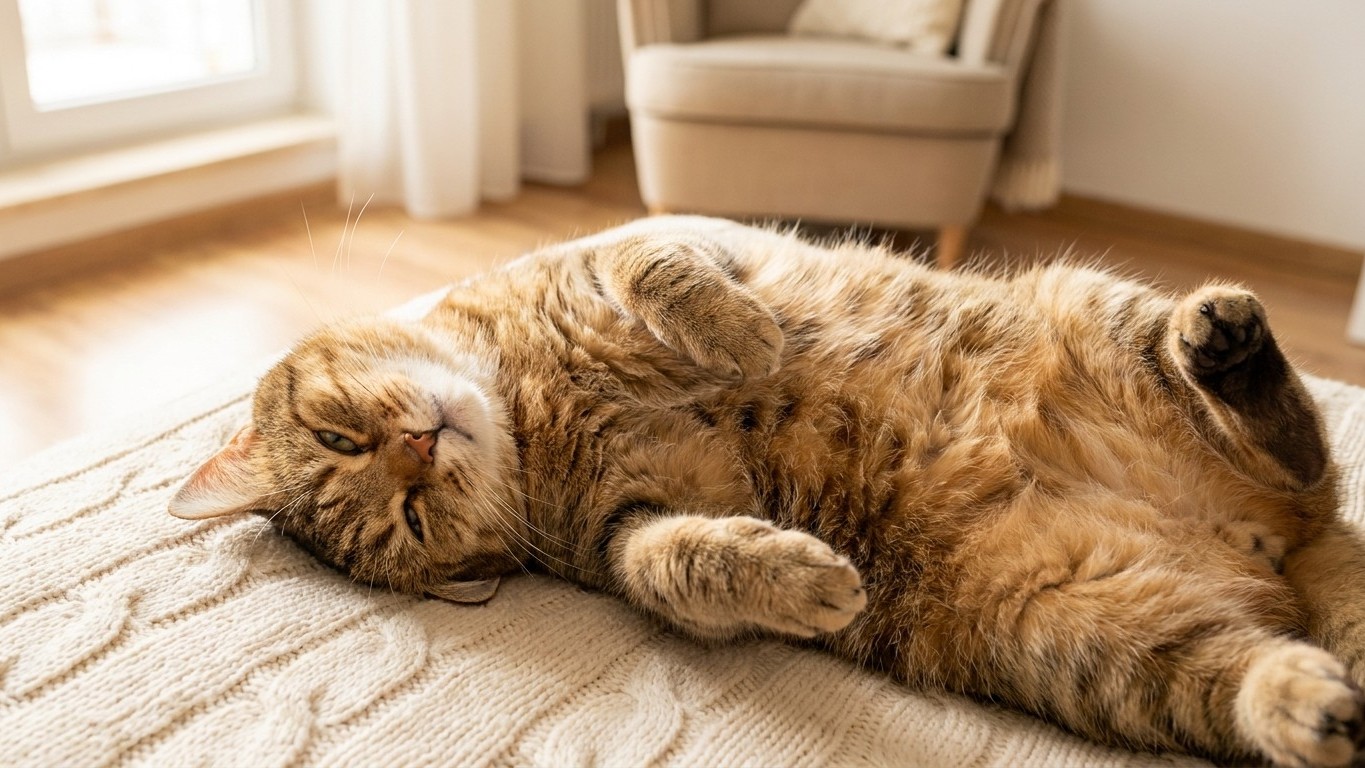
Your cat’s favorite curled-up spot might not be comfort at all — it could be a subtle sign of chronic pain or illness that vets see far too late. Cats are masters at hiding discomfort, and what owners interpret as aging or contentment is often the early stage of serious conditions like arthritis. Understanding the difference between a relaxed cat and one in pain could save your pet’s life.

One Petal Can Kill: Why Lilies Are a Cat Owner’s Hidden Nightmare

One Petal Can Kill: Why Lilies Are a Cat Owner's Hidden Nightmare

A single petal from a lily bouquet can trigger acute kidney failure in cats, with an 18-hour window for life-saving treatment. Yet many cat owners remain dangerously unaware that the beautiful flowers on their kitchen table pose one of the most serious veterinary emergencies in the UK—and science still doesn’t know why.

Veterinarians Warn: Loop Pile Carpet Could Be Silently Injuring Your Cat’s Claws

Veterinarians Warn: Loop Pile Carpet Could Be Silently Injuring Your Cat's Claws

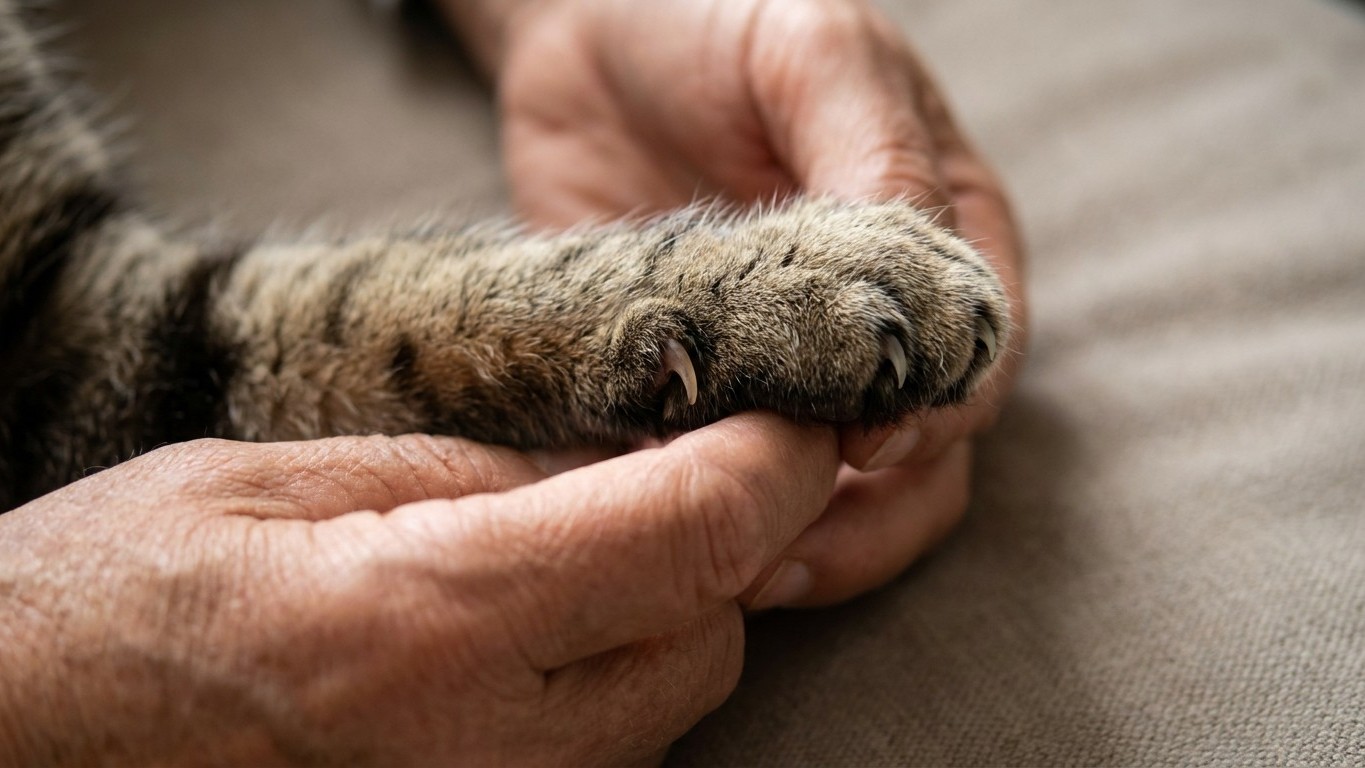
Veterinarians are sounding the alarm about loop pile carpet, a popular flooring choice that mimics scratching posts and poses serious risks to cats. When feline claws catch in carpet loops, infections can develop silently before owners notice any signs of injury, potentially requiring veterinary surgery.

The Silent Killer in Your Home: How Tilted Windows Suffocate Cats in Minutes

The Silent Killer in Your Home: How Tilted Windows Suffocate Cats in Minutes

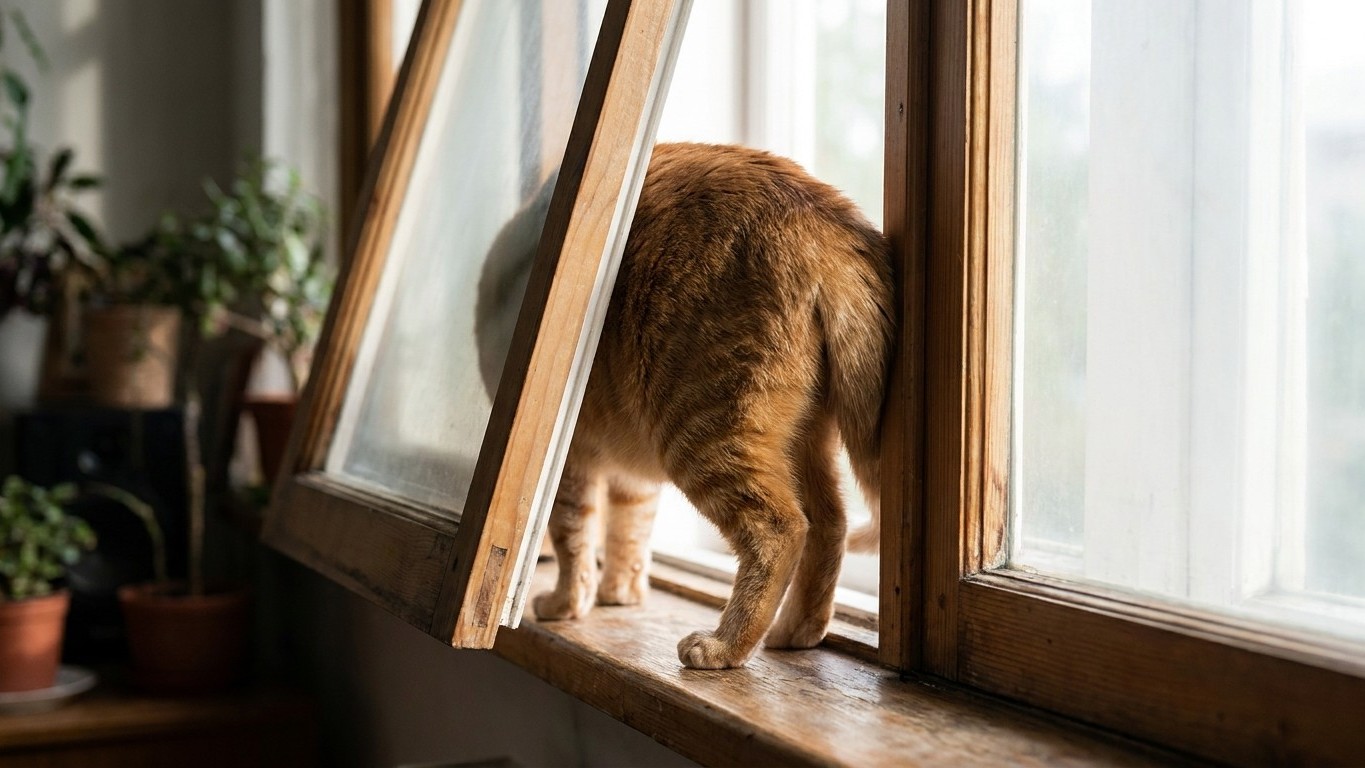
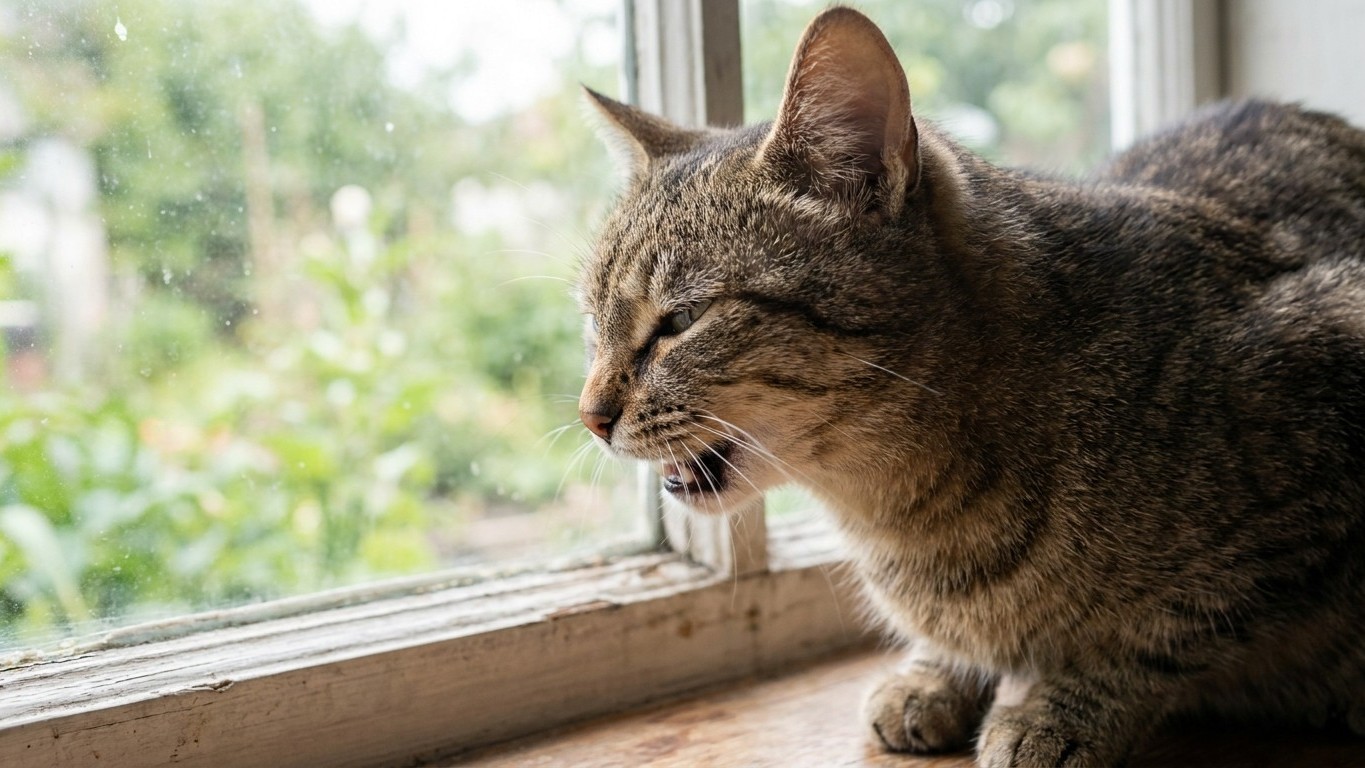
Every May, veterinary surgeries across the UK brace for a preventable emergency: cats becoming fatally trapped in tilted windows. The seemingly innocent gap that provides ventilation can compress a cat’s chest, causing asphyxiation or internal injuries within minutes. Understanding this hidden danger could save your cat’s life.

Why Your Cat’s Litter Box Becomes a Health Hazard in Summer: The Ammonia Problem Nobody Talks About

Why Your Cat's Litter Box Becomes a Health Hazard in Summer: The Ammonia Problem Nobody Talks About

Between May and September, heat transforms cat litter boxes into sources of dangerous ammonia gas that can trigger respiratory problems in both cats and humans. A once-daily scooping routine that works fine in winter becomes dangerously insufficient when temperatures rise above 24°C, accelerating bacterial enzyme activity that converts urine into harmful ammonia concentrations.

Why Your Cat Goes Wild in May: It’s Not Spring Energy—It’s a Hormone Surge

Why Your Cat Goes Wild in May: It's Not Spring Energy—It's a Hormone Surge

Your cat’s wild May behavior isn’t about spring excitement—it’s a hormonal response triggered by increasing daylight that suppresses melatonin and surges sex hormones. Scientists have discovered that even neutered cats experience this seasonal shift, while hidden pollen allergies may compound the chaos. Understanding the biology behind the madness helps you manage it.

Why Your Cat Stopped Burying Its Waste: What Vets Say It Really Means

Why Your Cat Stopped Burying Its Waste: What Vets Say It Really Means

You’ve noticed your cat leaving waste uncovered in the litter box, and you assumed stubbornness. But veterinarians and animal behaviorists reveal this sudden change often signals something medically serious—from arthritis to cognitive dysfunction. Understanding what your cat’s litter box habits reveal about their health could be the key to catching hidden illnesses early.

The 72-Hour Killer: How Easter Lily Pollen Can Cause Fatal Kidney Failure in Cats

The 72-Hour Killer: How Easter Lily Pollen Can Cause Fatal Kidney Failure in Cats

A cat brushes past an Easter bouquet, grooms away a few pollen grains, and sets in motion a cascade that can cause fatal kidney failure within three days. Despite being a common springtime gift, lilies are among the most potent feline toxins, and the danger is shockingly easy to underestimate.