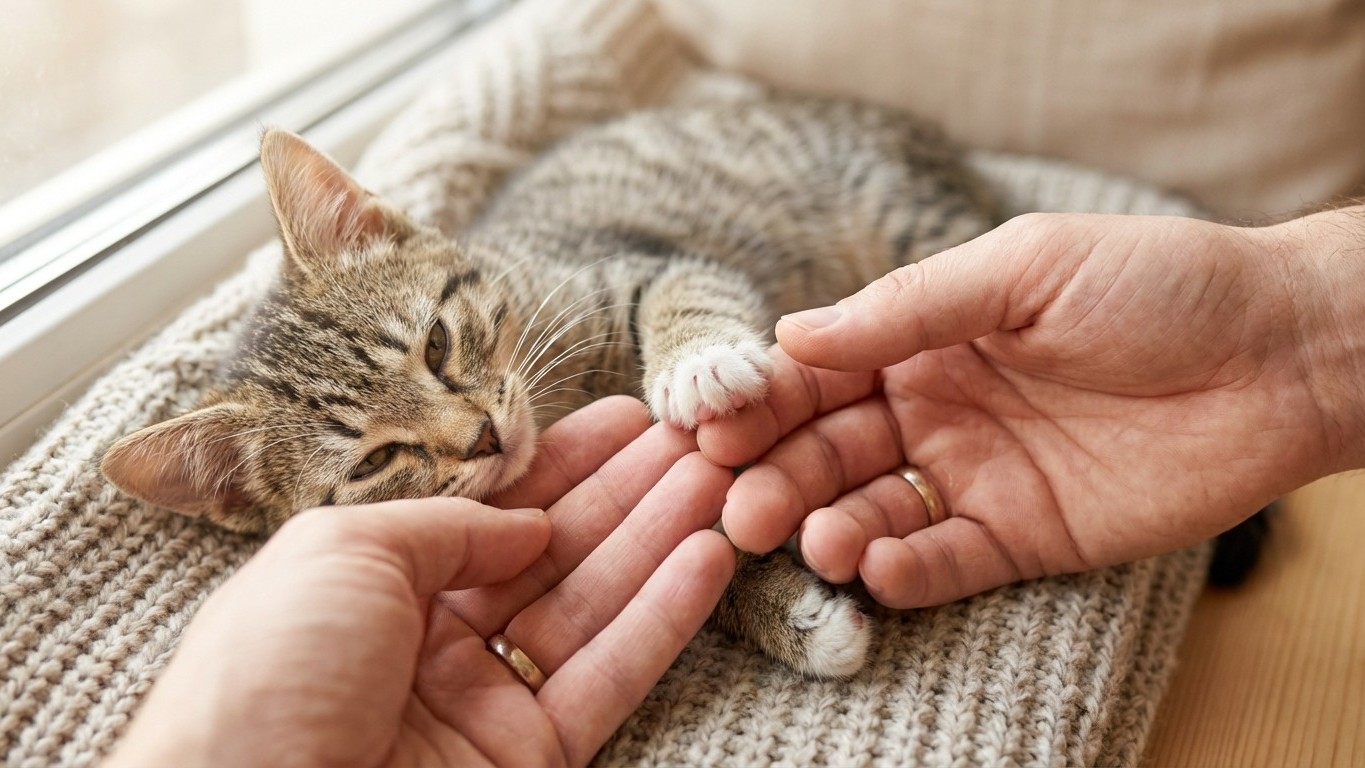
Why Squinting in Cats Can Be a Sign of Pain or Illness
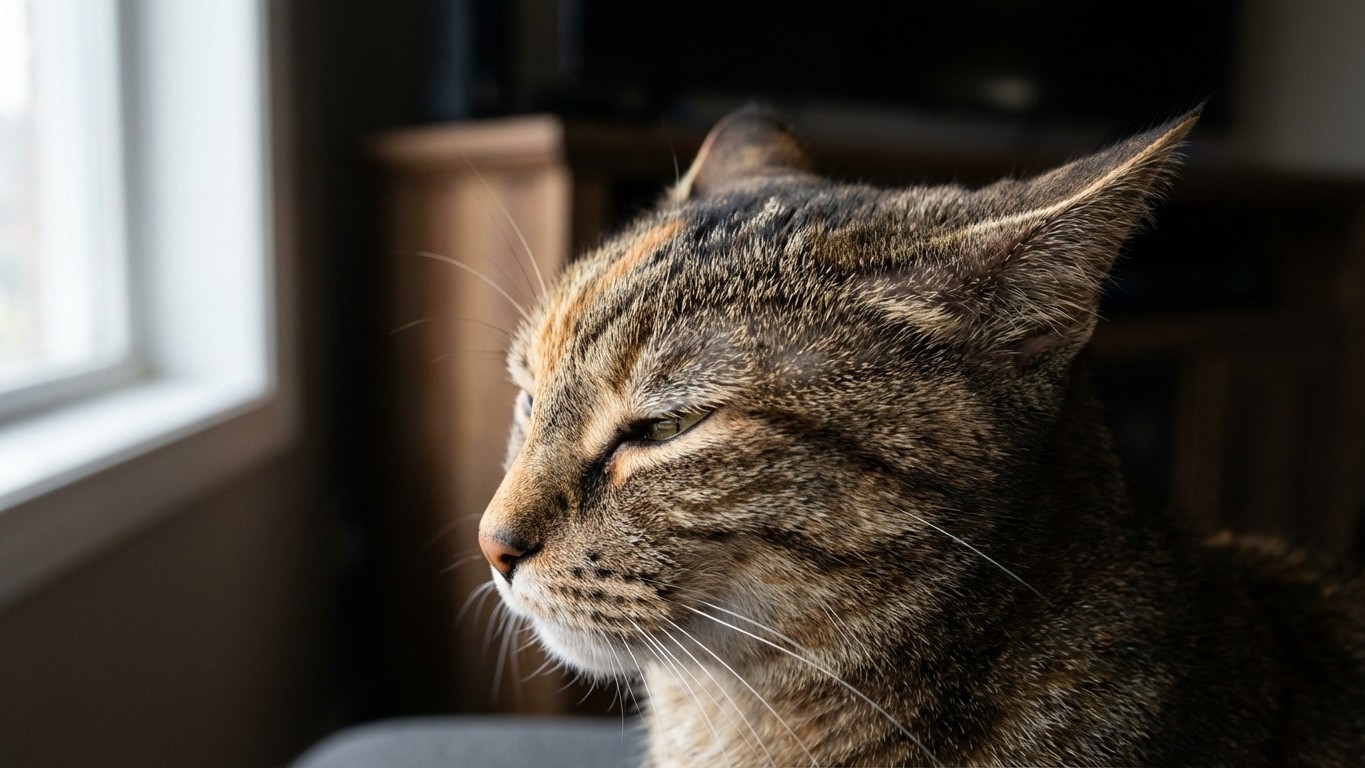
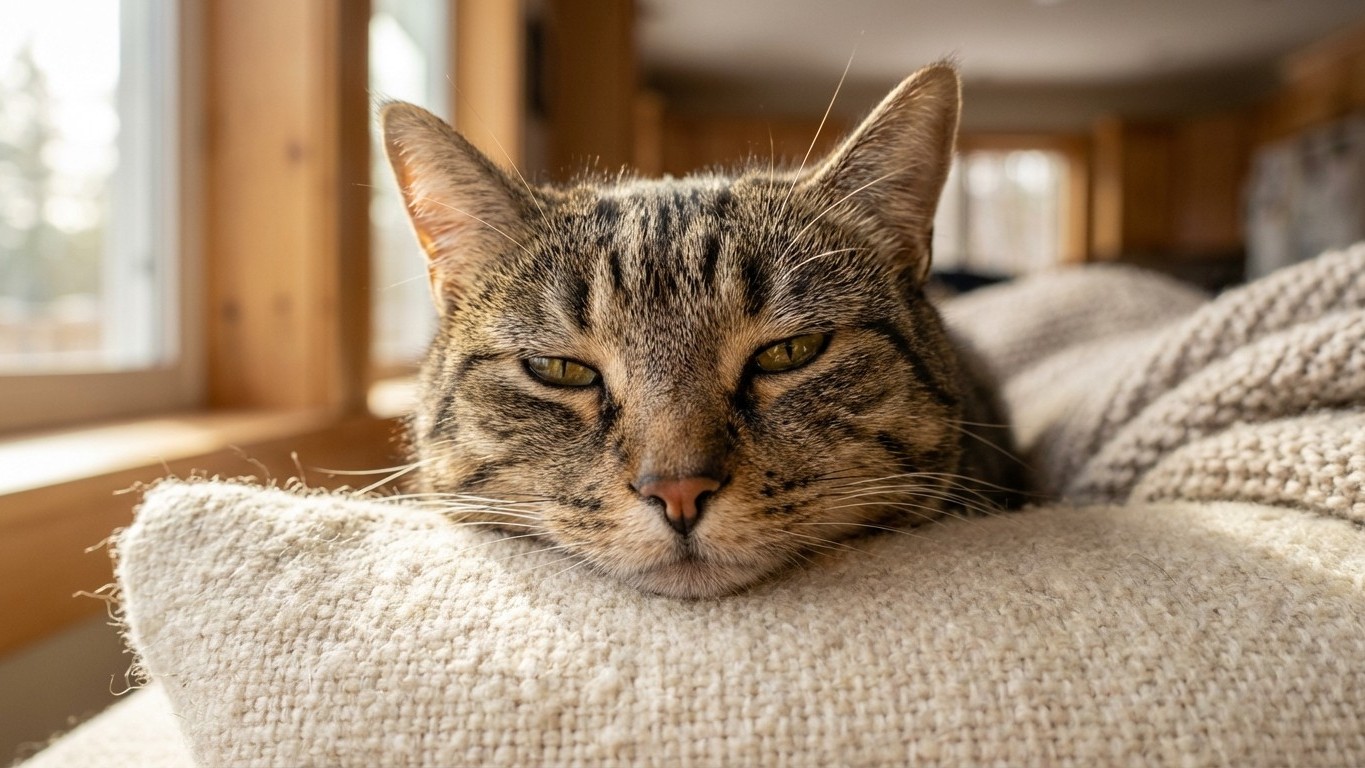
Stop Mistaking Cat Squinting for Happiness — Vets Say It's Often a Sign of Serious Pain

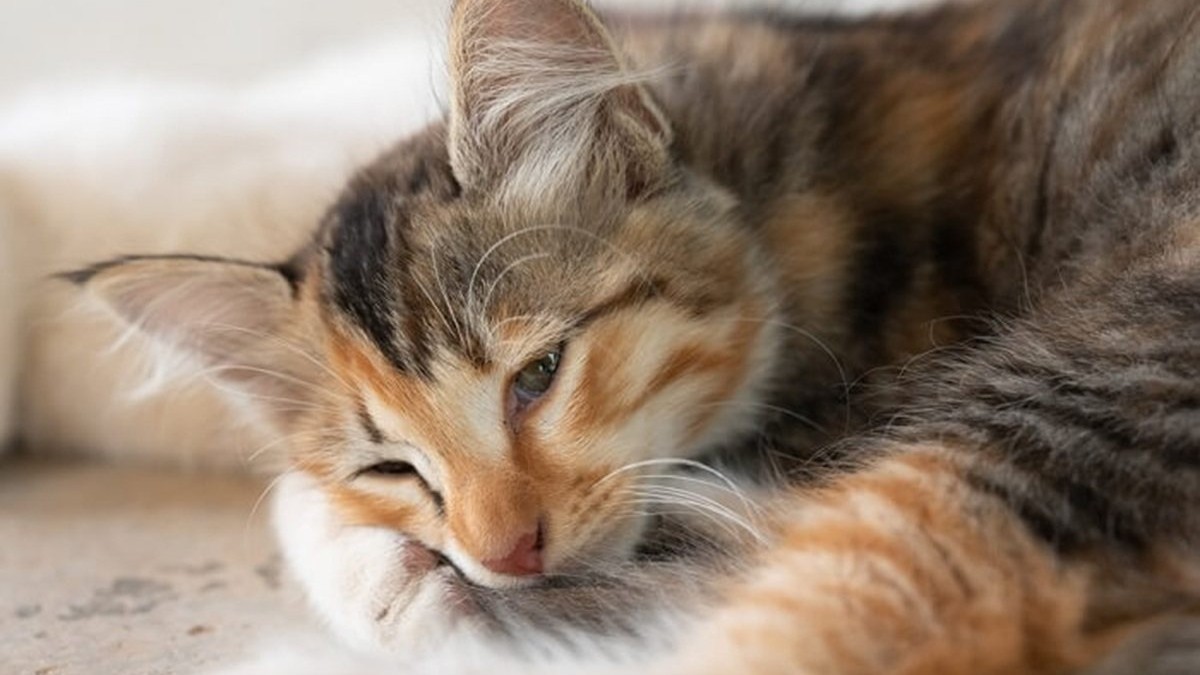
Your cat’s slow blink is affection, but persistent squinting is something entirely different — and veterinarians recognize it as a red flag for pain or disease. From corneal ulcers to feline herpesvirus, squinting signals that your cat needs immediate attention. Understanding the difference could save your cat’s vision.
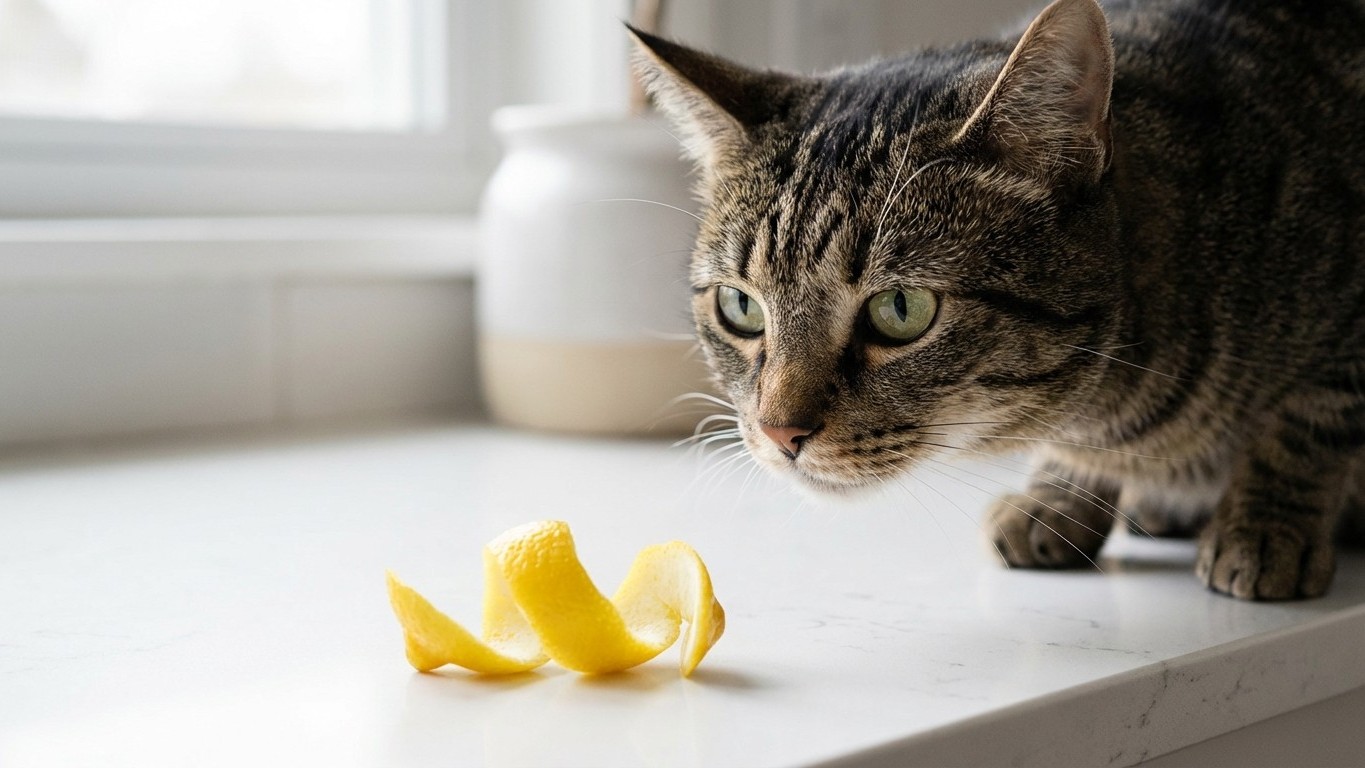
What Ammonia Breath in Cats Can Mean and Why It Needs a Vet

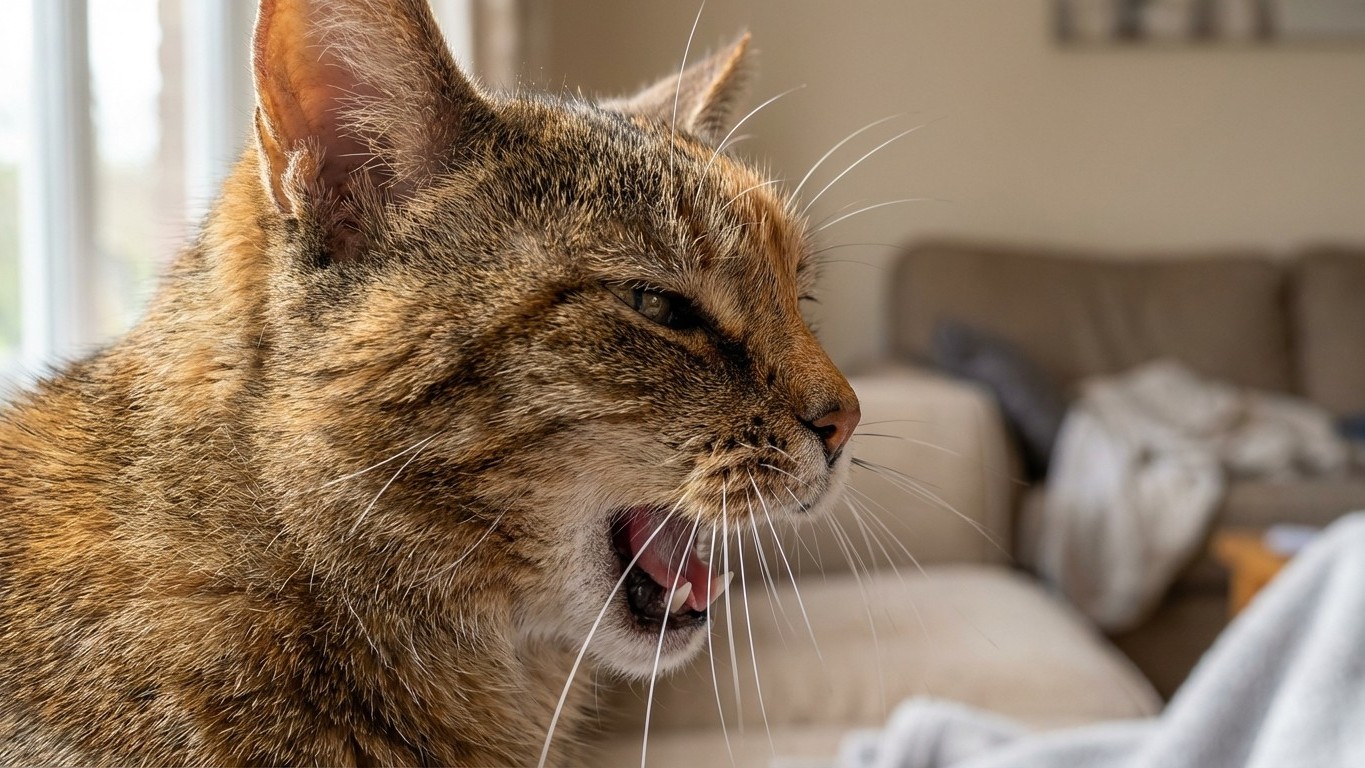
Why Ammonia Breath in Cats Is a Silent Alarm Vets Say You Must Never Ignore

That sharp, chemical smell on your cat’s breath isn’t just bad dental hygiene—it could be a critical early warning sign of kidney disease that appears long before other symptoms. Vets consistently flag ammonia breath as a symptom that demands immediate attention, especially in senior cats, because by the time you notice it, significant organ damage may already have occurred.

Why Cats Can Survive High Falls Better Than Low Falls

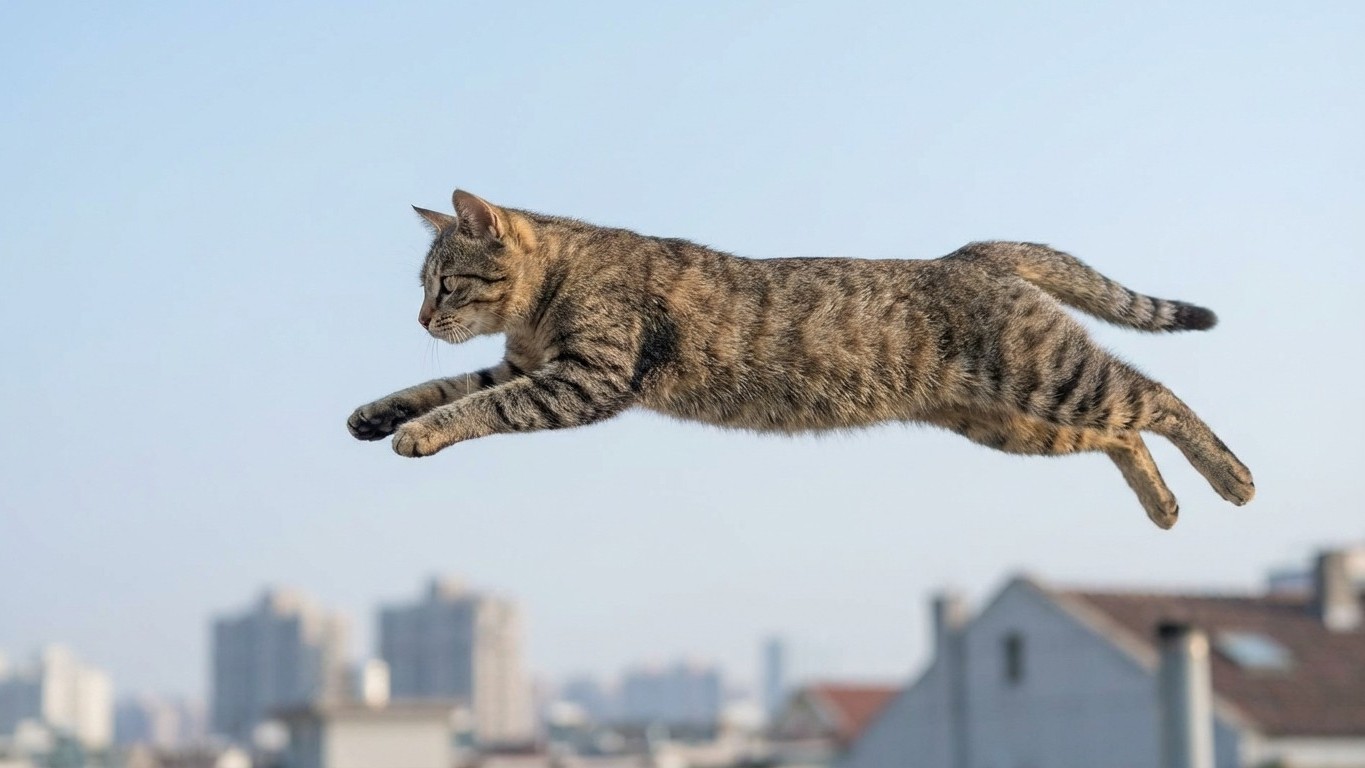
Why Cats Survive 7-Story Falls Better Than 2-Story Falls: The Counterintuitive Physics Behind High-Rise Syndrome

Veterinarians have long known a paradoxical truth: cats falling from higher floors often survive with fewer injuries than those falling from lower heights. This counterintuitive discovery in feline medicine reveals how physics, terminal velocity, and the cat’s remarkable righting reflex combine to create an unexpected survival advantage—but there’s a dark catch.

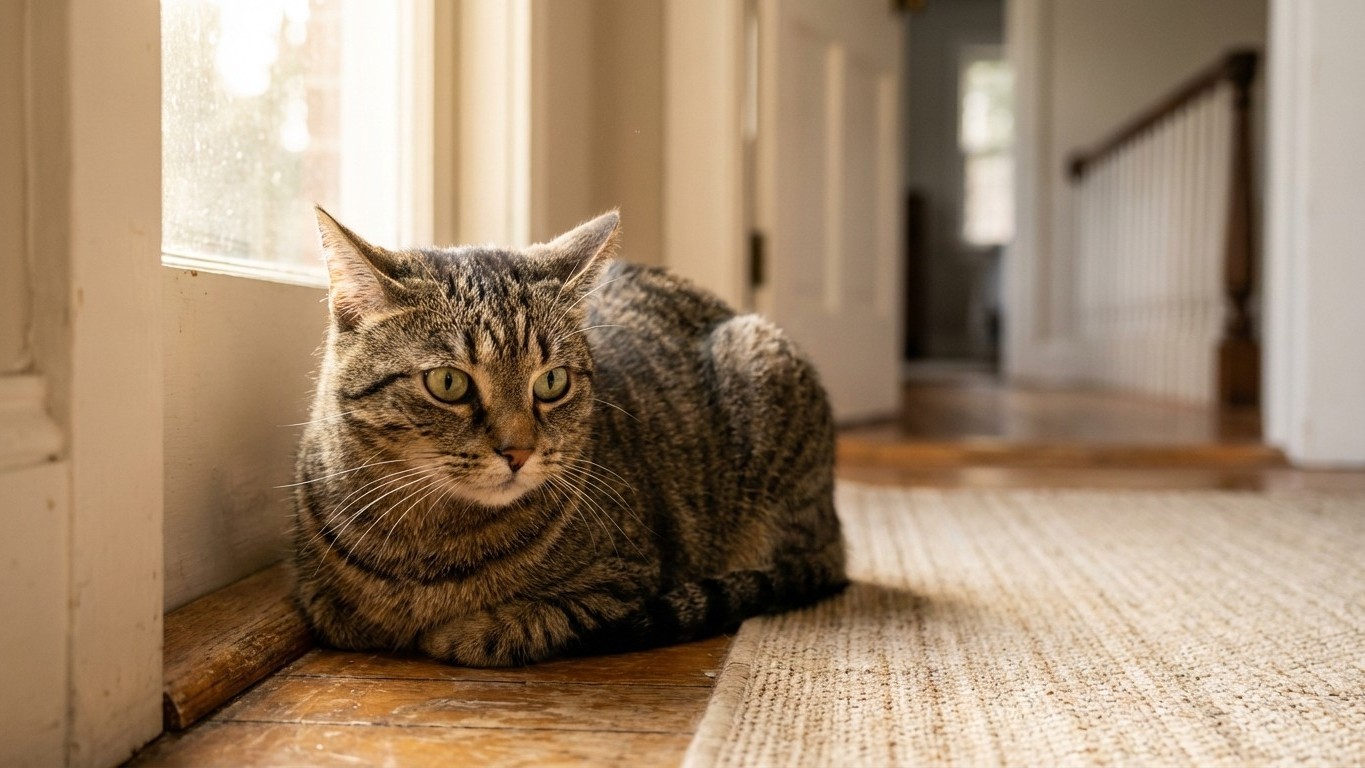
Why the First Three Days Matter When a Cat Moves Between Homes

The Critical 3-Day Window: Why Cats Between Two Homes Either Thrive or Shut Down

When cats split time between two homes, a single number determines their fate: three days. This is the decompression window before stress hormones activate and cats either settle or begin shutting down. Understanding the 3-3-3 rule and territorial biology is key to keeping split-custody cats healthy.

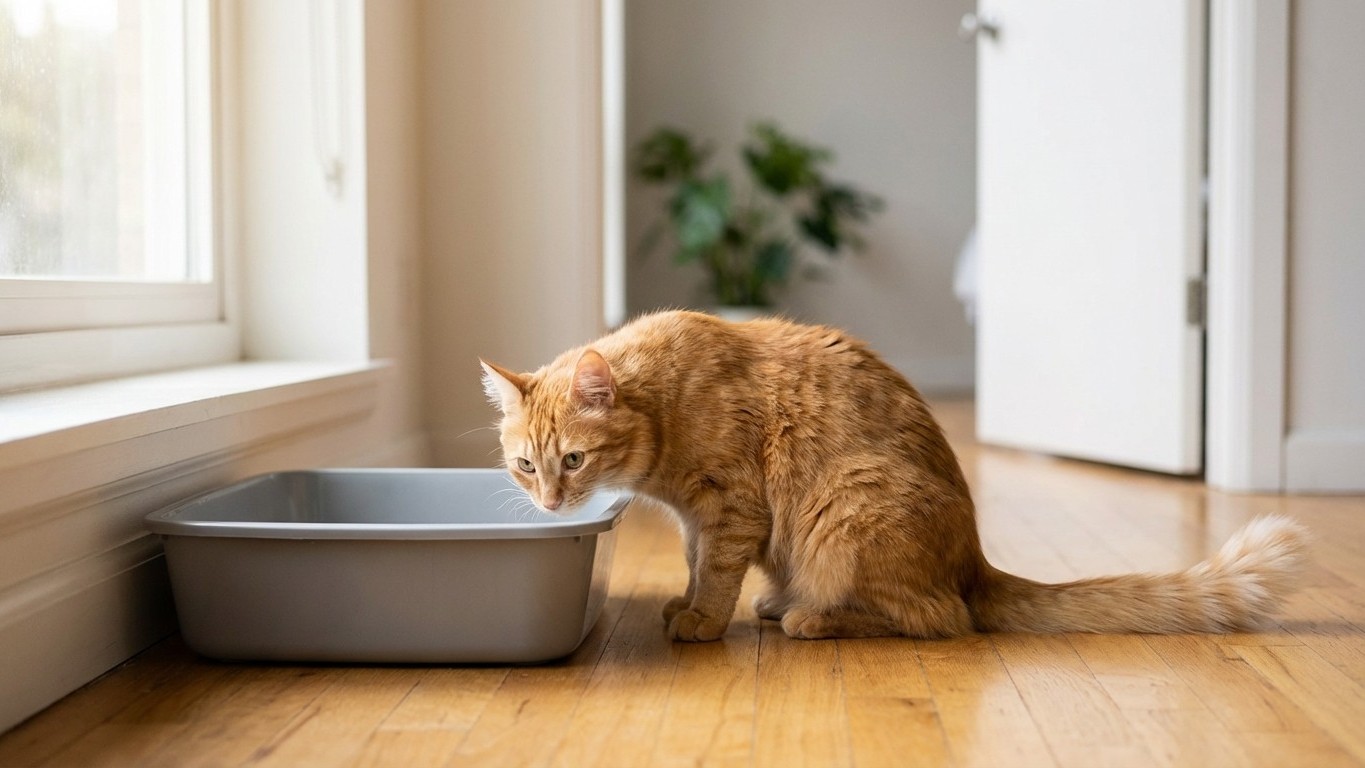
Why Your Bathroom Litter Box Is Stressing Your Cat Out (And What to Do Instead)

Why Your Bathroom Litter Box Is Stressing Your Cat Out (And What to Do Instead)

That tidy bathroom litter box arrangement might be quietly driving your cat mad. According to feline behaviorists, cats experience litter box use as a vulnerable moment shaped by predator-avoidance instincts—and bathrooms are the worst possible location. Learn why your cat is avoiding the box and how to fix it.

Why Cats Eat Grass and What Scientists Have Learned About It

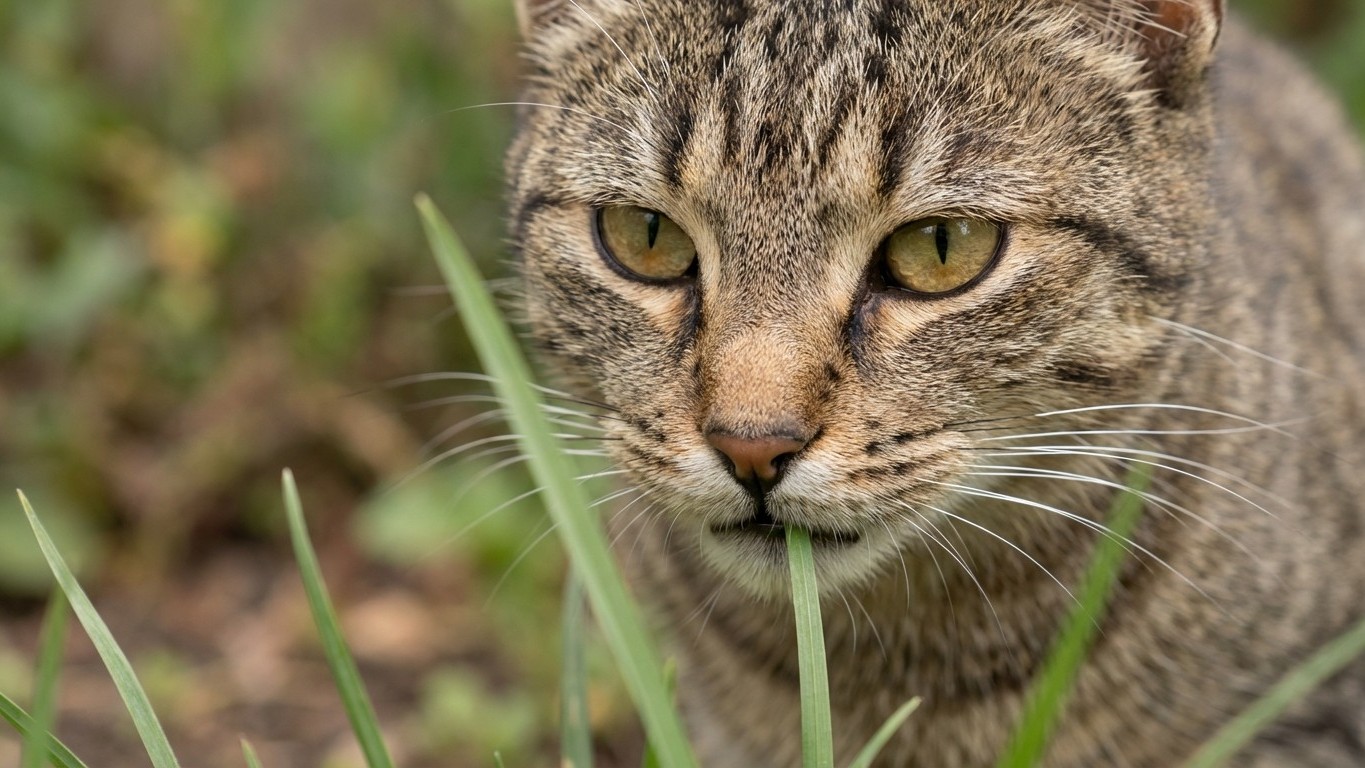
Why Cats Eat Grass: Scientists Finally Solve the 12-Year Mystery of Feline Plant Behavior

For over a decade, researchers have been studying why cats eat grass, and the answer is far more fascinating than an upset stomach. New evidence suggests cats are performing an ancient, hardwired behavior passed down through millions of years of evolution—one that may serve multiple purposes from parasite control to hairball management.