Why cats stare at walls and when it needs a vet check
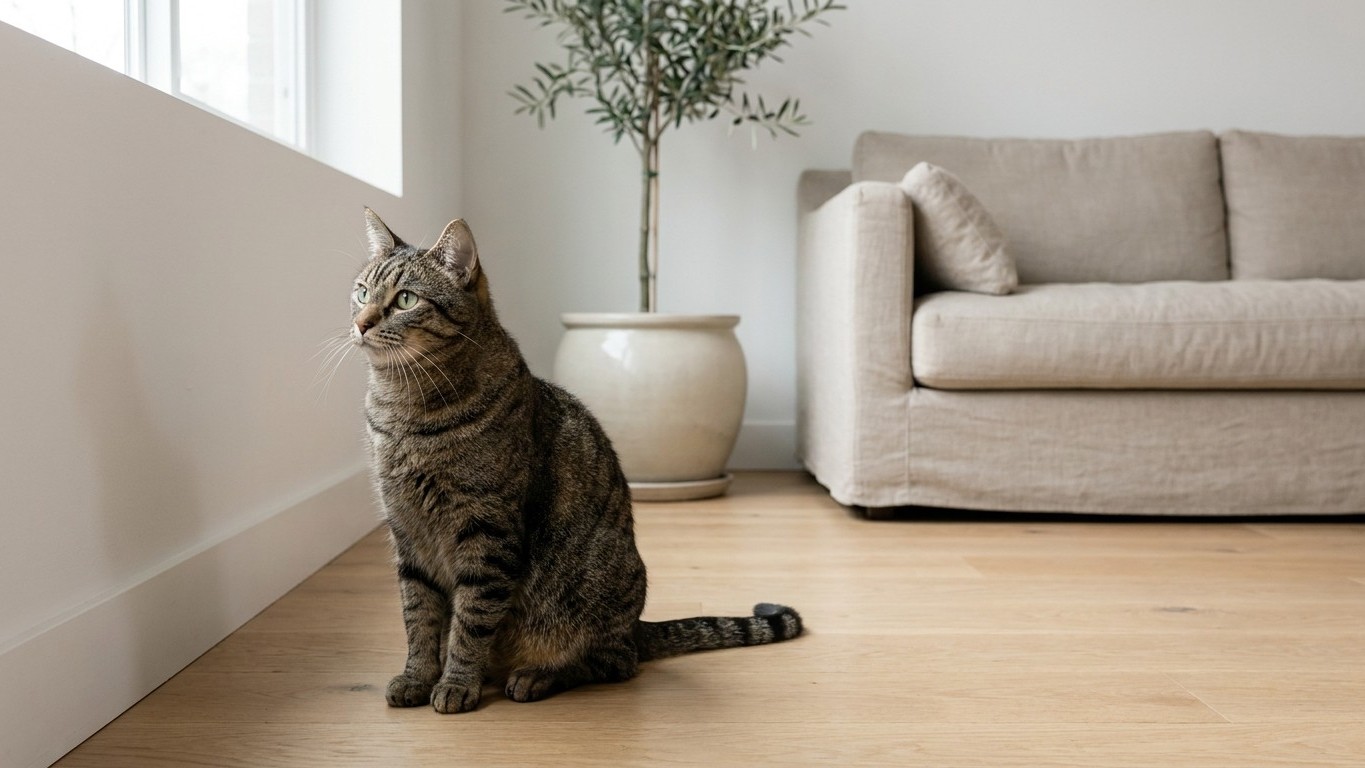
Why Your Cat Stares at the Wall: What Vets Say You Should Never Ignore

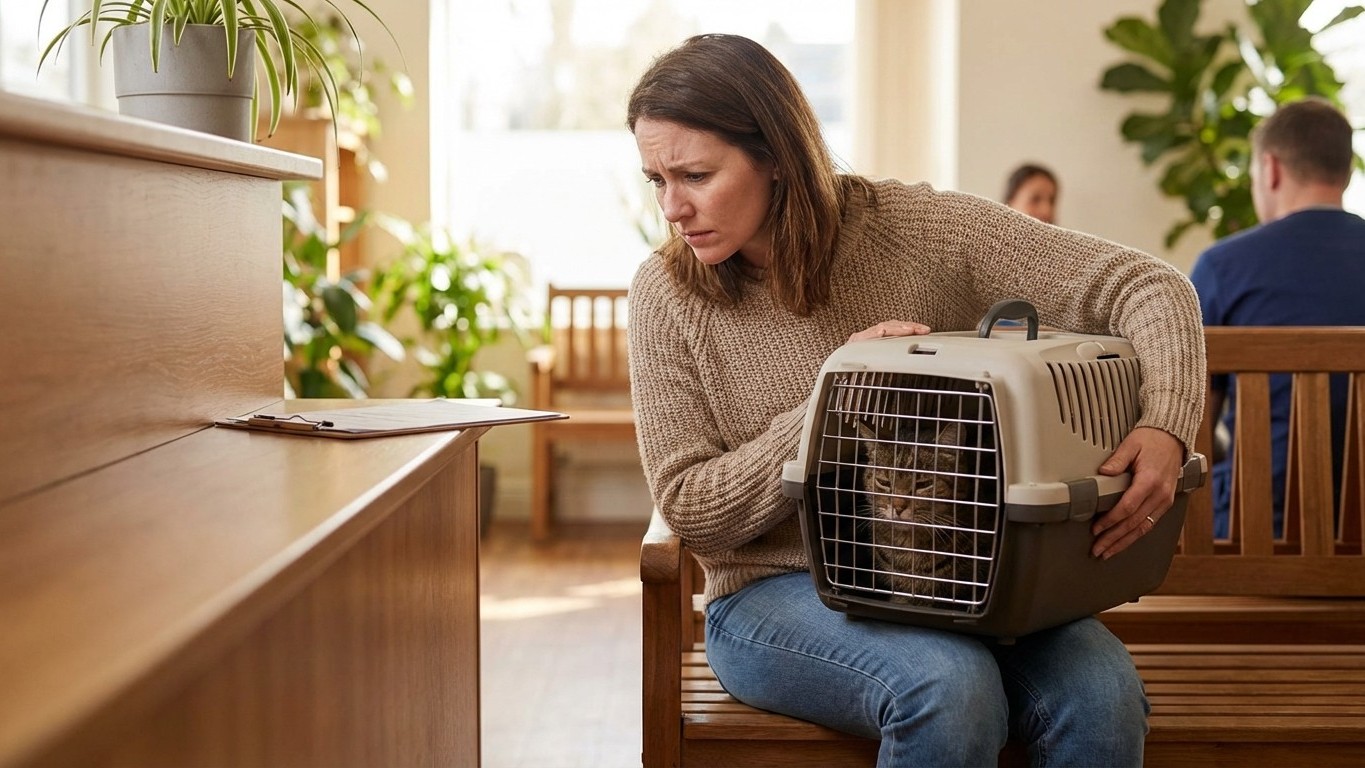
When your cat freezes and stares blankly at a wall, it’s often harmless—they’re likely detecting sounds or movements you can’t perceive. But vets warn that persistent wall-staring can signal serious conditions like seizures, cognitive dysfunction, or neurological disease, especially in older cats. Here’s how to tell the difference and when you need veterinary care.
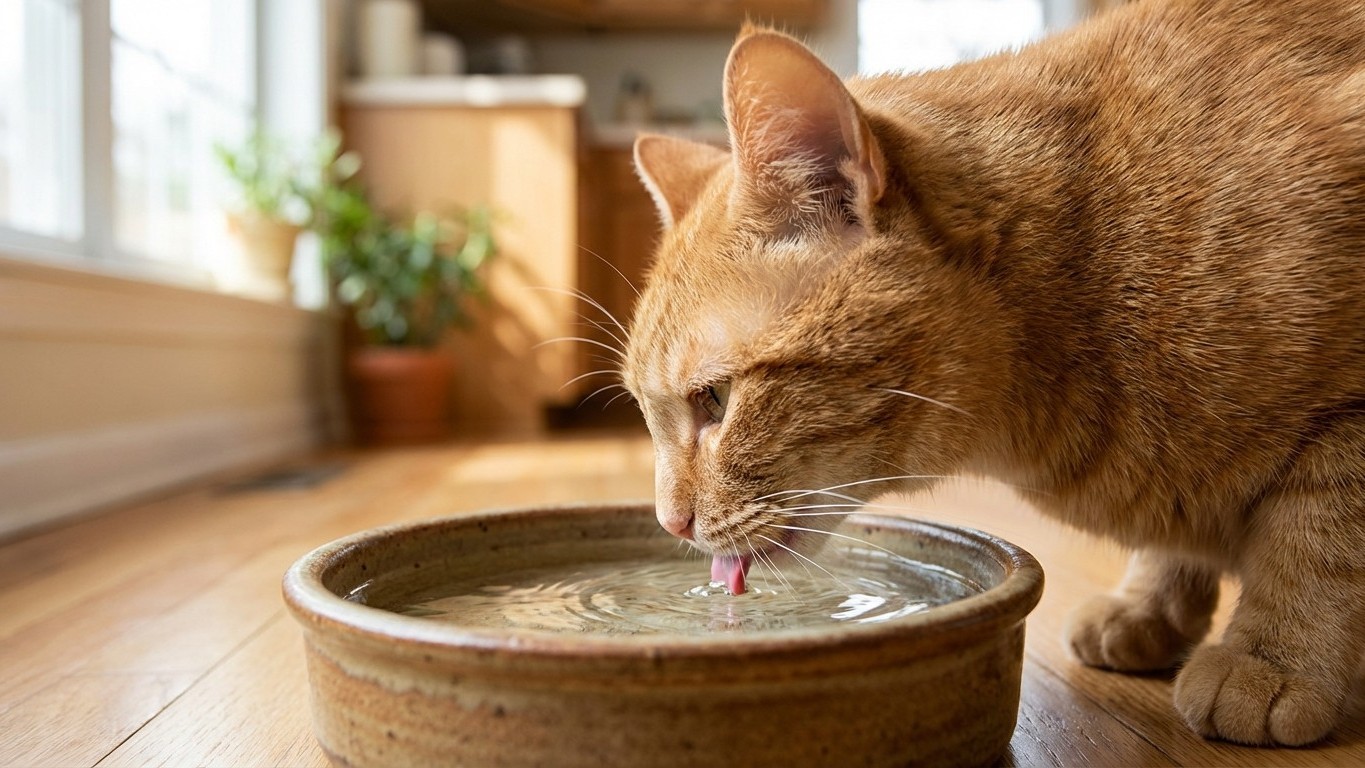
Why Drinking More Water in Spring Can Signal Illness in Cats

Spring's Silent Warning: Why Your Cat's Extra Water Bowl Visits Could Signal Serious Disease

As spring arrives and temperatures warm, cat owners often dismiss increased water bowl visits as seasonal thirst. But veterinarians warn this could be masking three serious conditions: chronic kidney disease, hyperthyroidism, and diabetes. Understanding the difference between normal seasonal drinking and dangerous symptoms could save your cat’s life.

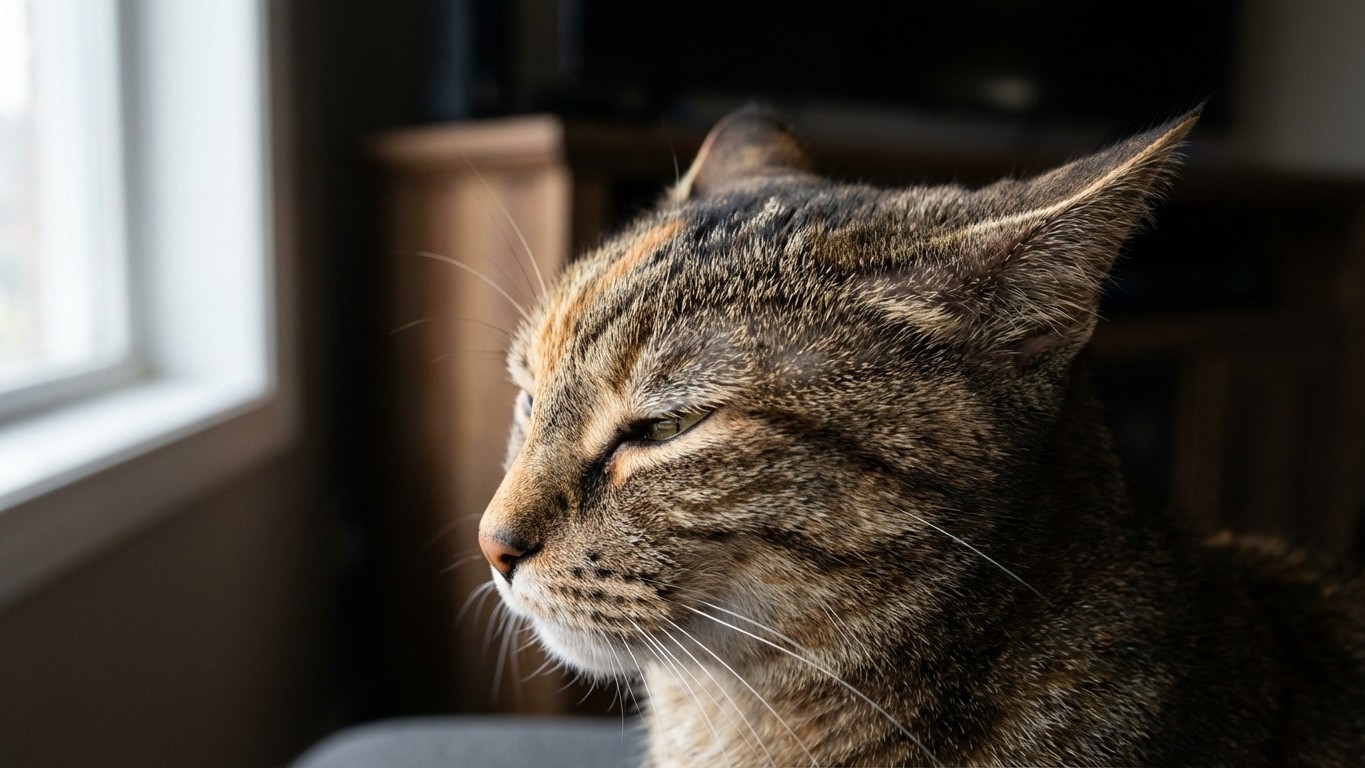
Why Squinting in Cats Can Be a Sign of Pain or Illness

Stop Mistaking Cat Squinting for Happiness — Vets Say It's Often a Sign of Serious Pain

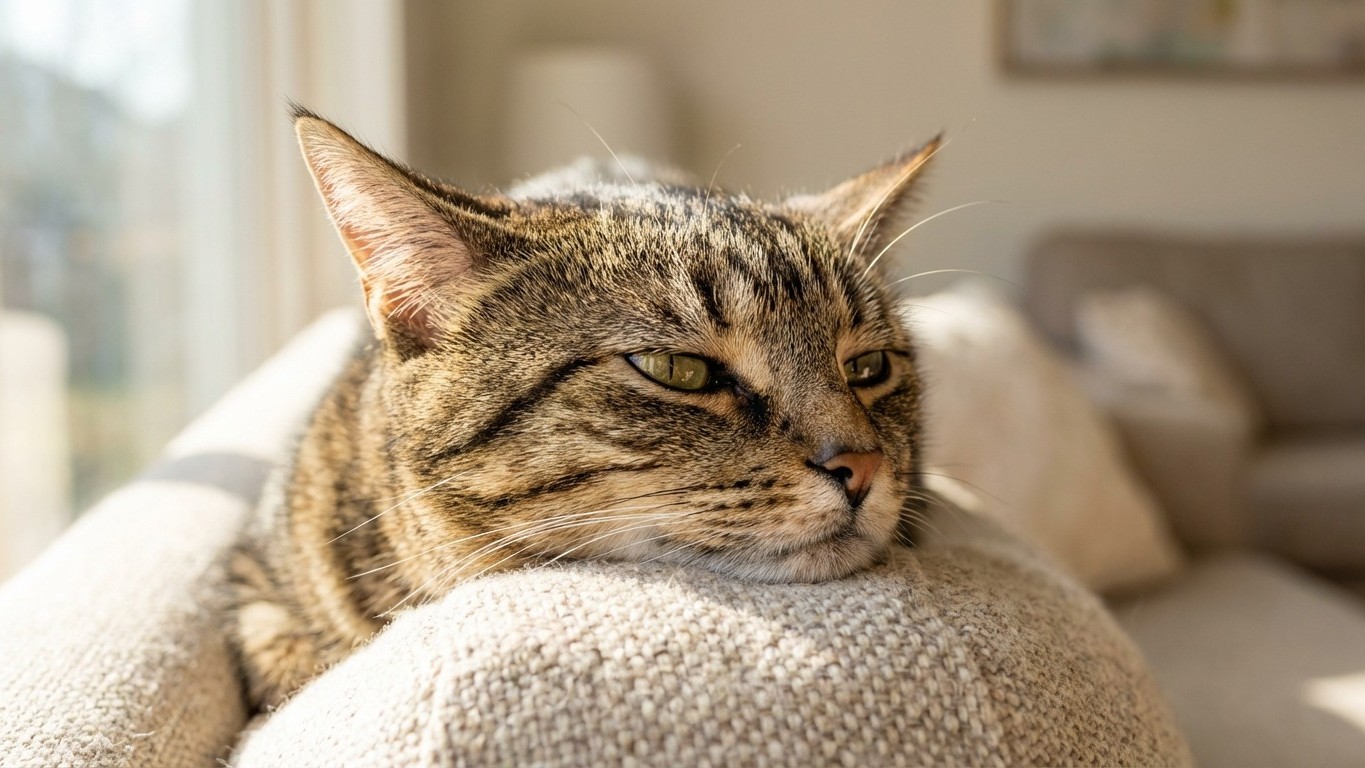
Your cat’s slow blink is affection, but persistent squinting is something entirely different — and veterinarians recognize it as a red flag for pain or disease. From corneal ulcers to feline herpesvirus, squinting signals that your cat needs immediate attention. Understanding the difference could save your cat’s vision.

What Ammonia Breath in Cats Can Mean and Why It Needs a Vet

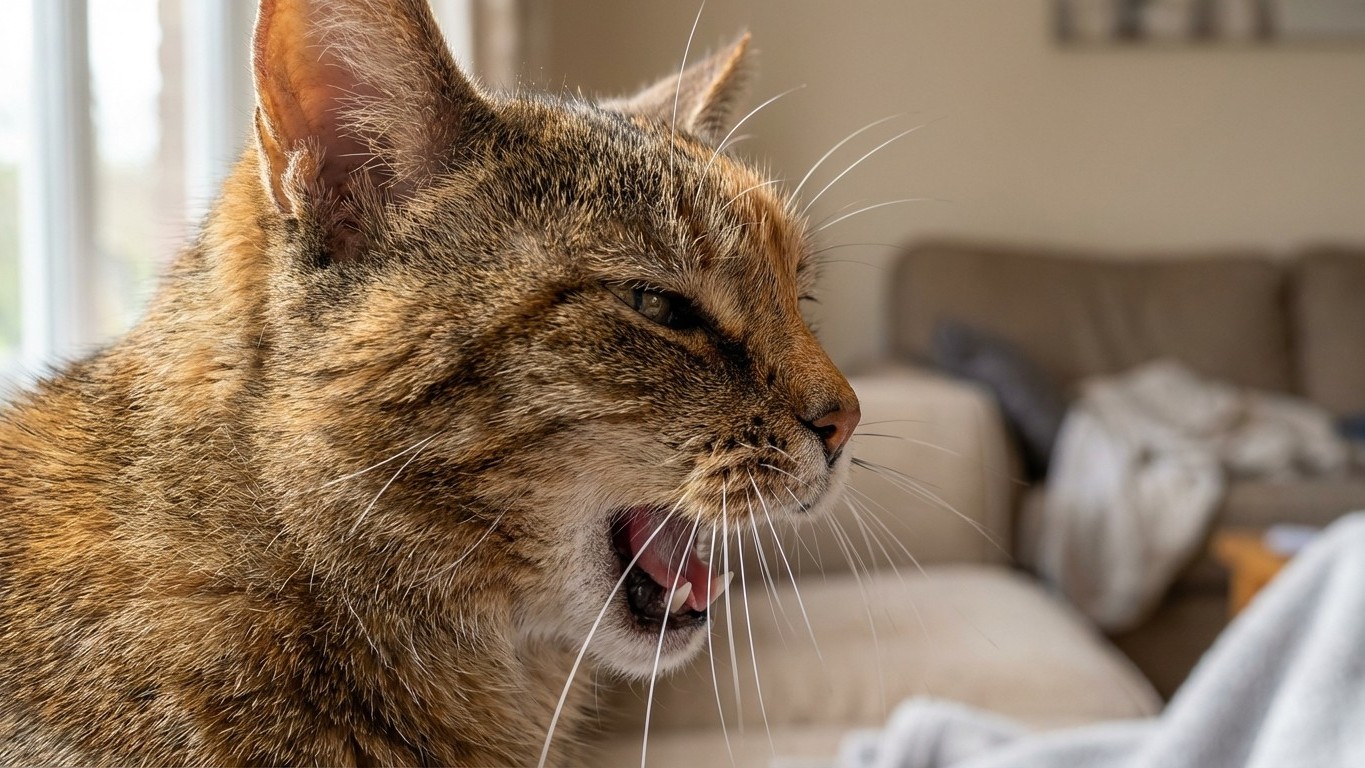
Why Ammonia Breath in Cats Is a Silent Alarm Vets Say You Must Never Ignore

That sharp, chemical smell on your cat’s breath isn’t just bad dental hygiene—it could be a critical early warning sign of kidney disease that appears long before other symptoms. Vets consistently flag ammonia breath as a symptom that demands immediate attention, especially in senior cats, because by the time you notice it, significant organ damage may already have occurred.

Why behavior changes in older cats should not be dismissed as aging

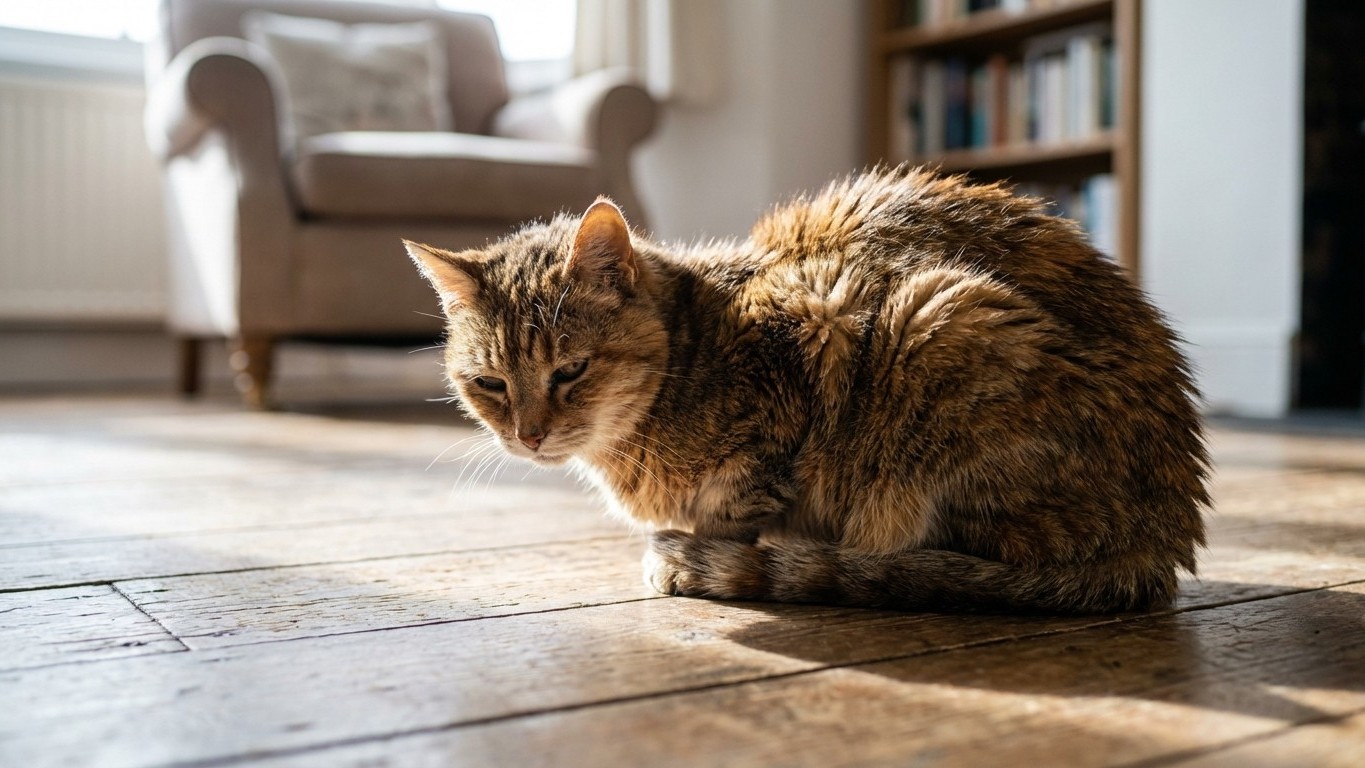
The Silent Warning Signs: Why Vets Say You Should Never Dismiss Behavior Changes in Cats as Just Aging

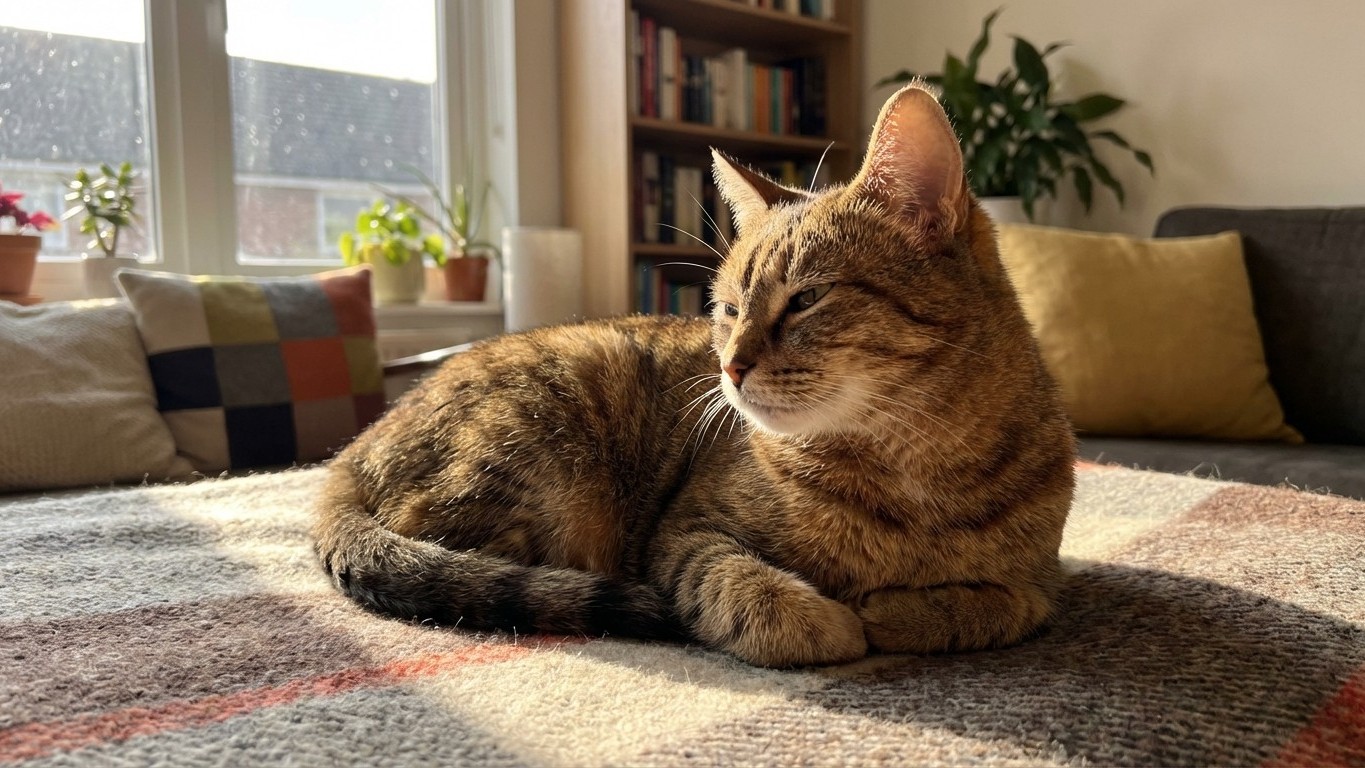
Many cat owners dismiss gradual changes in their pet’s behavior as normal aging, but veterinarians warn this assumption can delay critical treatment. From altered drinking habits to changes in grooming and activity levels, subtle shifts often signal treatable conditions like kidney disease, hyperthyroidism, or arthritis that go unnoticed for months.

Diet Mistakes That Can Damage Your Cat’s Kidneys

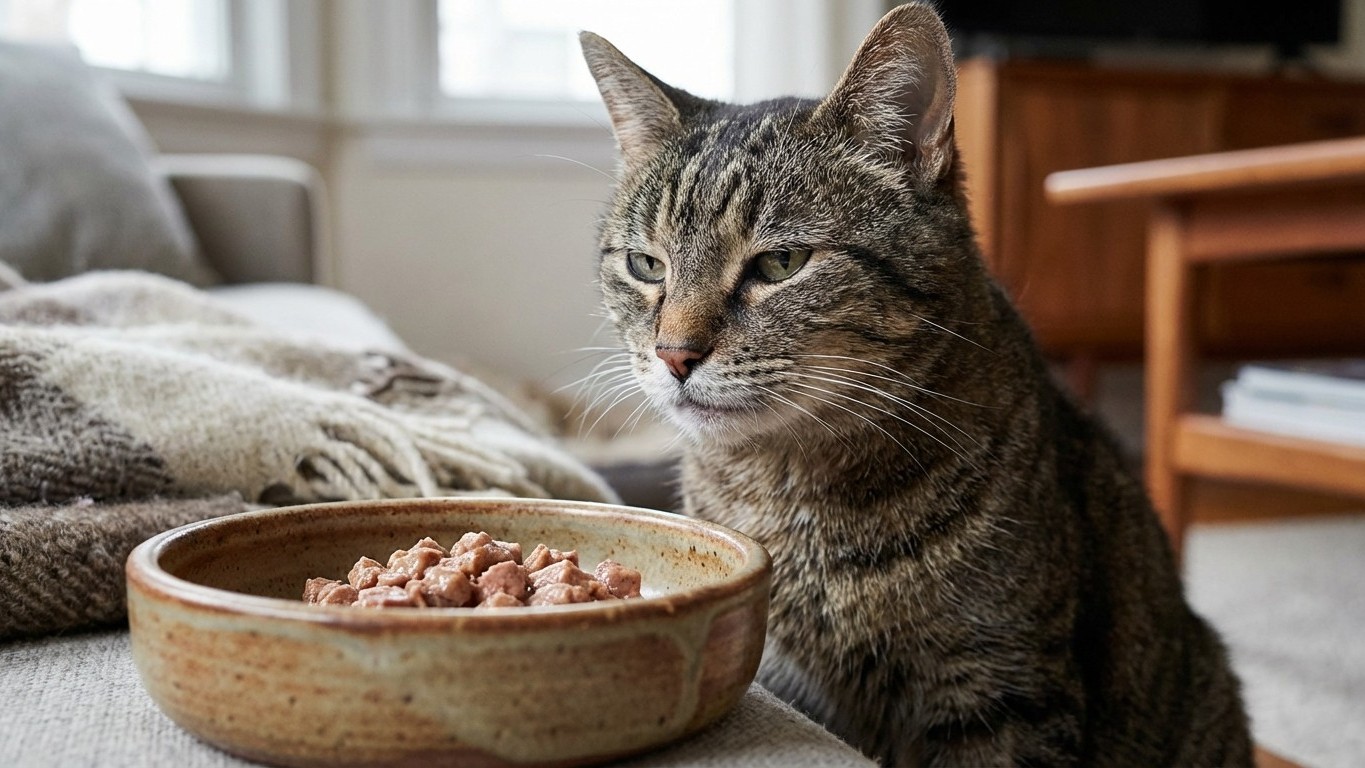
The Hidden Diet Mistakes Slowly Destroying Your Cat's Kidneys: What Vets Wish You Knew

Kidney disease silently threatens countless cats, yet many owners unknowingly accelerate its progression through everyday dietary choices. From dehydration caused by dry kibble to hidden phosphorus in premium foods, the mistakes are often invisible—but easily correctable once you know what to look for.

Common Spring Foods and Flowers That Send Cats to the Vet

Spring's Hidden Killers: The Common Foods and Flowers Sending Cats to Emergency Vets

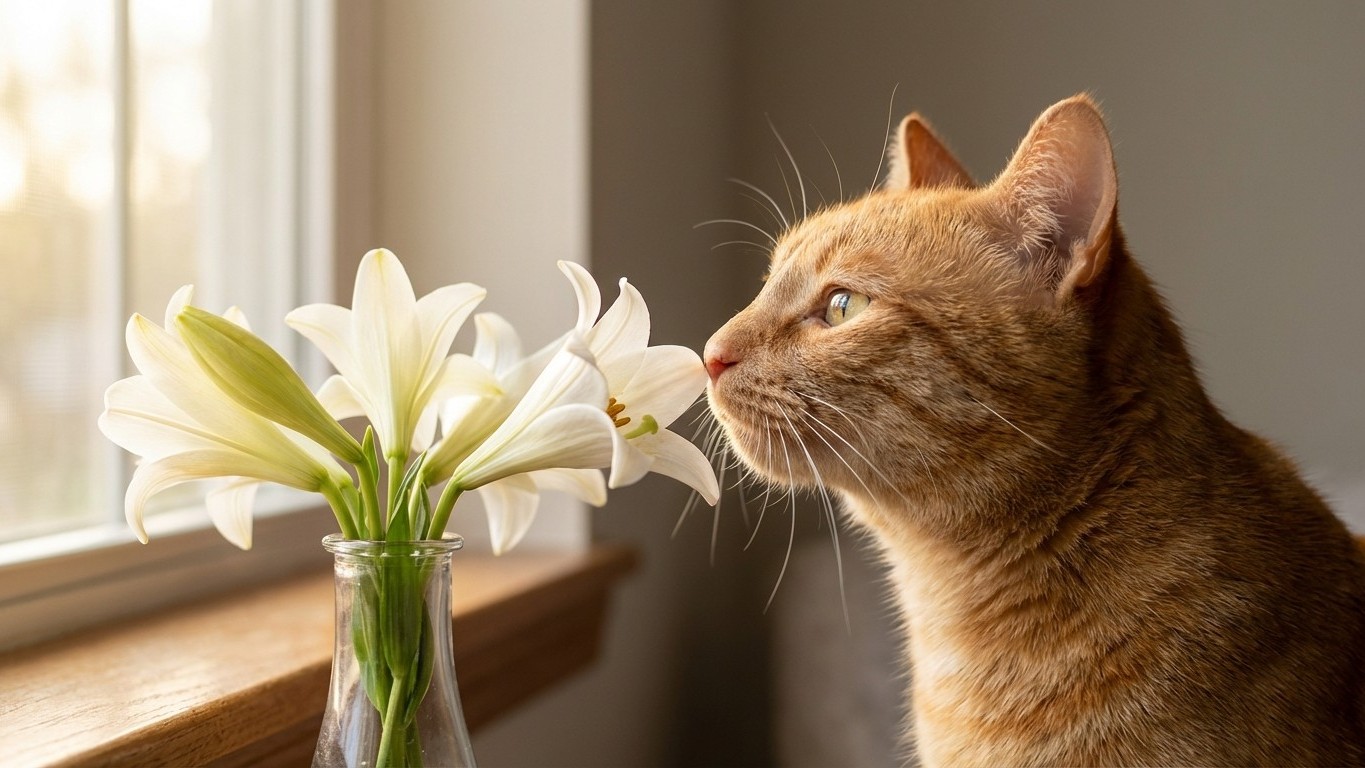
Every spring, UK emergency vets see a surge of cat poisonings from seemingly innocent household items. Lilies are the deadliest threat, causing kidney failure within days, but Easter chocolates, onions in gravy, and raisins in hot cross buns pose equally serious risks. The difference between a thriving cat and a medical emergency often comes down to one moment of awareness.

What Your Cat’s Nighttime Behaviour Can Reveal About Their Health

Your Cat's Nighttime Behaviour Could Signal a Hidden Health Problem — Vets Explain the Warning Signs

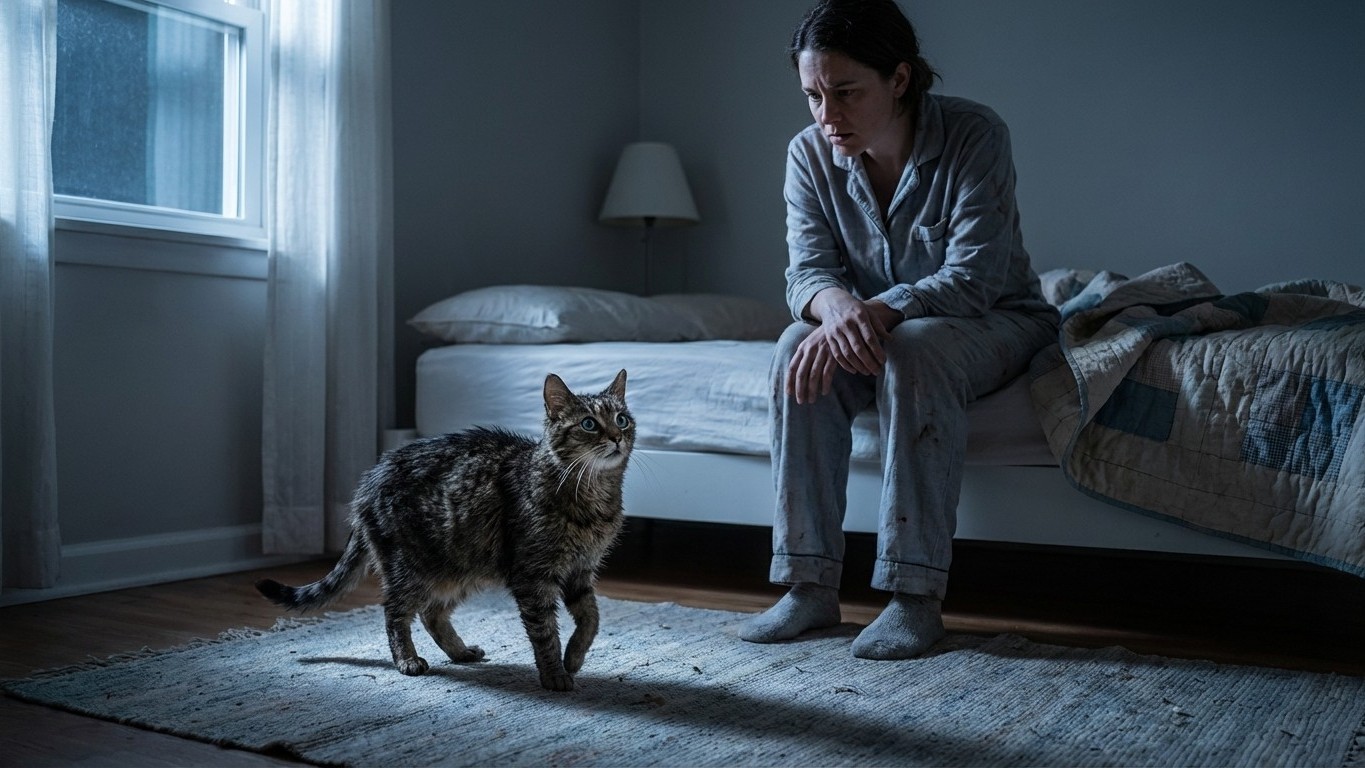
That 3am yowling and frantic pacing might seem like typical feline eccentricity, but veterinarians warn these nighttime behaviors can signal serious health issues ranging from cognitive dysfunction to hyperthyroidism. Understanding the difference between normal cat quirks and genuine distress could be crucial for your pet’s wellbeing.