Can garden soil and watering expose cats to poison?
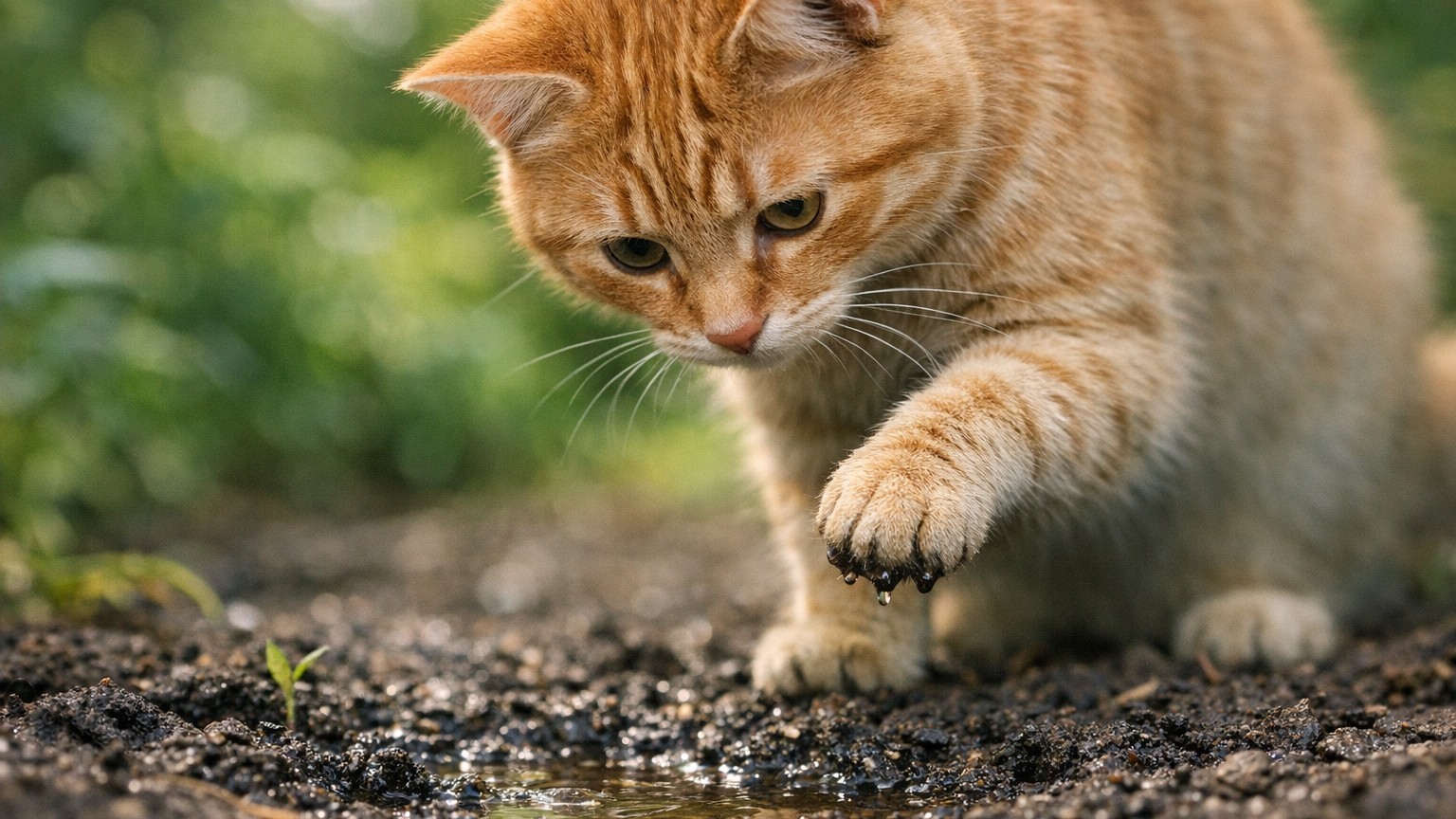
What Your Vet Wishes You Knew: Why Watering Your Garden Could Be Poisoning Your Cat

Many cat owners let their pets roam the garden without realizing that freshly watered soil can expose them to dangerous pesticides and chemicals. A cat’s grooming habits and specialized liver make them uniquely vulnerable to toxins that might harm other animals less severely. Simple changes to your garden routine and product choices can dramatically reduce these hidden risks.
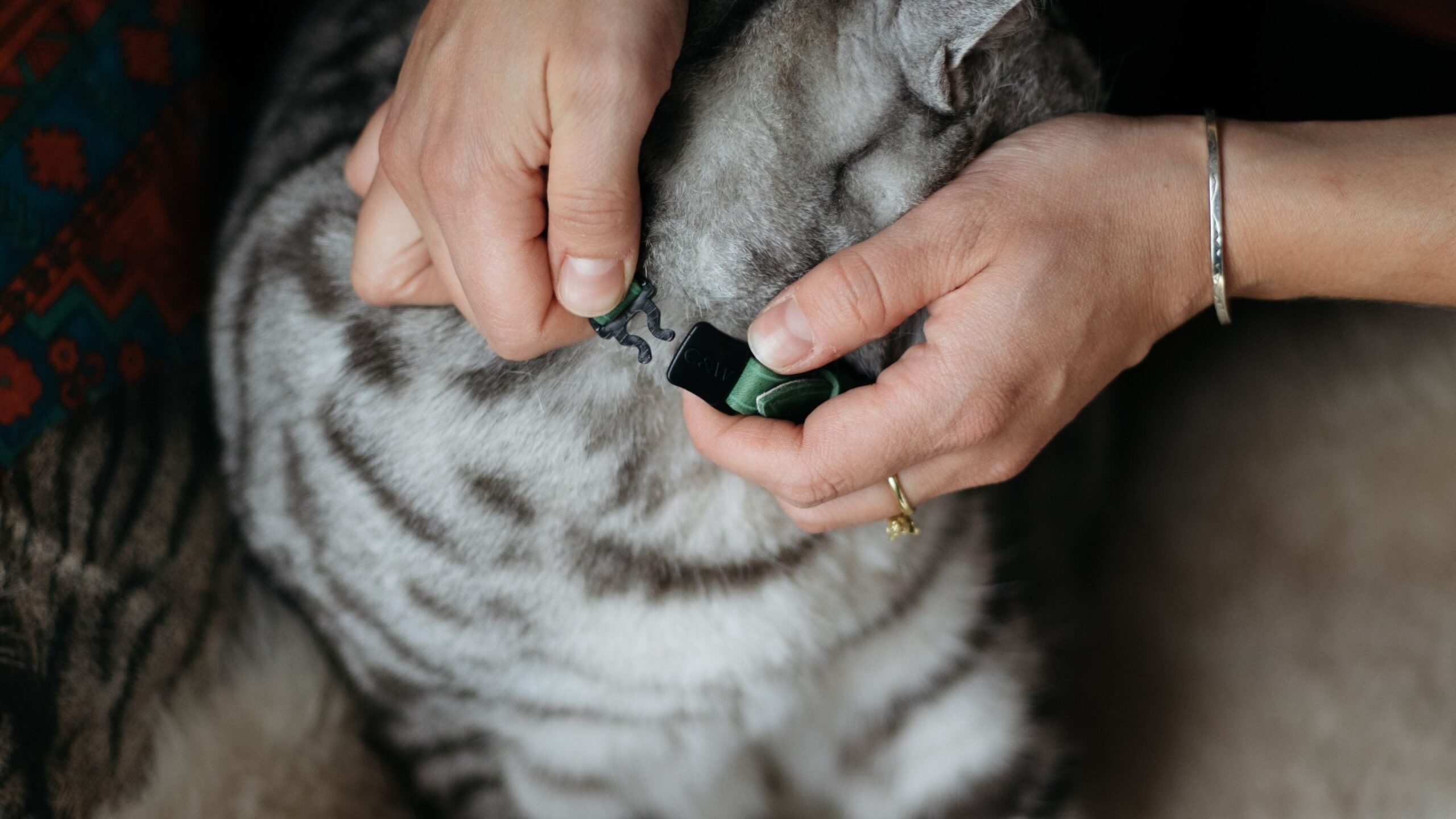

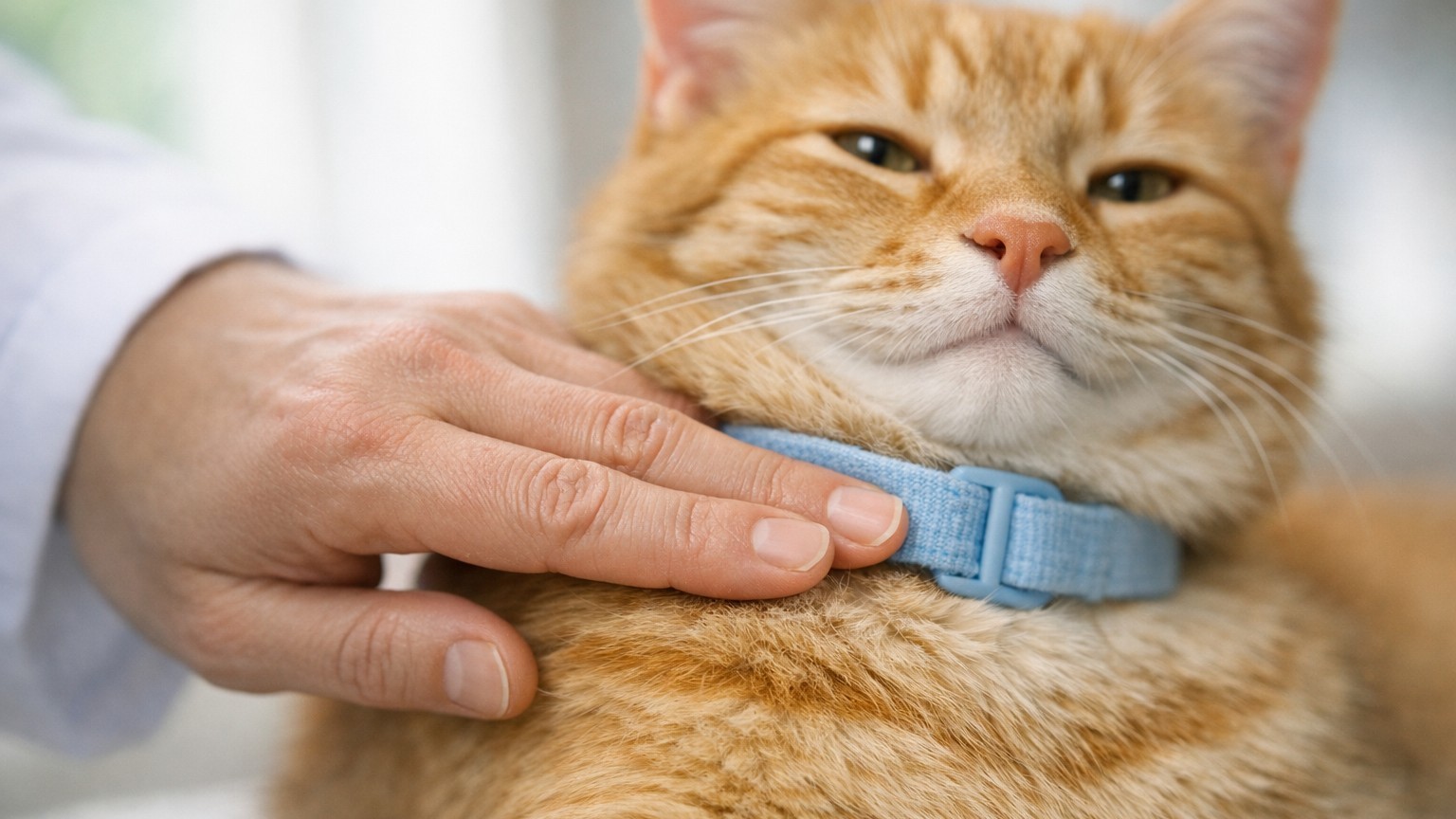
Why breakaway collars are safer for cats than standard clips

The Tiny Clip That Saves Lives: Why Your Cat's Breakaway Collar Is So Much More Than a Fancy Clasp

That small plastic clip on your cat’s breakaway collar isn’t just a fancier version of a standard buckle—it’s a lifesaving device that automatically releases under pressure. Unlike regular collars that require human intervention to open, breakaway buckles pop open instantly when your cat gets caught, preventing strangulation and serious injuries that affect hundreds of cats yearly.

Why storing dog kibble on a hot balcony is unsafe

Why Your Dog's Kibble on the Balcony May Already Be Toxic: A Vet's Warning About Summer Storage

That bag of kibble left on your sunny balcony in June isn’t just going stale—it’s silently breaking down into harmful compounds your nose can’t detect. A veterinarian reveals how rancid fats, destroyed vitamins, and hidden mould toxins put your dog at risk, and exactly how to store pet food safely.

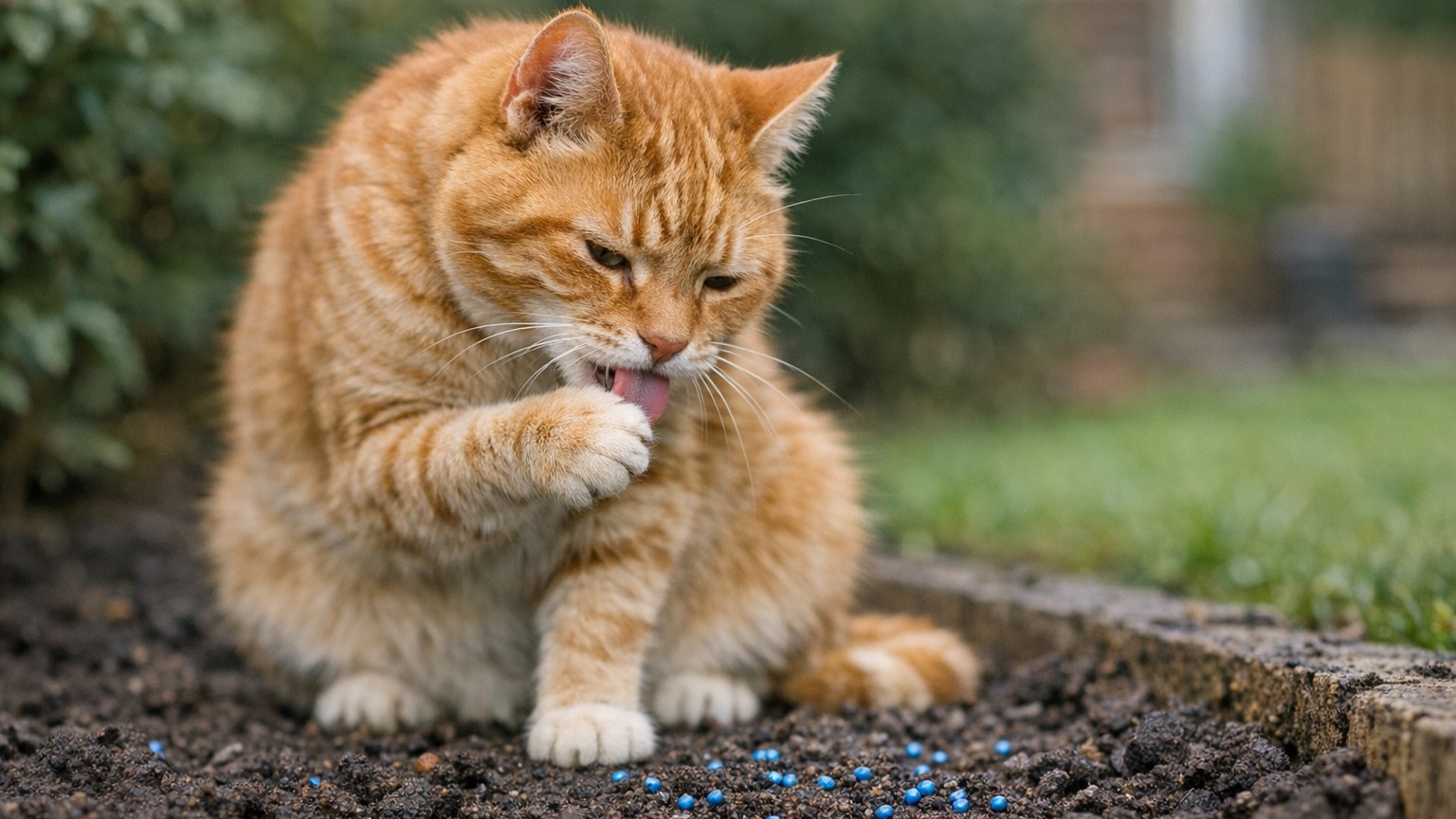
Blue Slug Pellets and Cats: How They Cause Seizures

The Hidden Garden Danger Killing UK Cats: How Blue Slug Pellets Cause Seizures in Minutes

Those innocent-looking blue pellets in your garden border can trigger seizures in your cat within 30 minutes. Metaldehyde slug pellets are extremely toxic to cats, particularly through grooming contaminated paws, and require immediate emergency veterinary treatment. Discover what happens, why the ban isn’t enough, and safer alternatives for slug control.

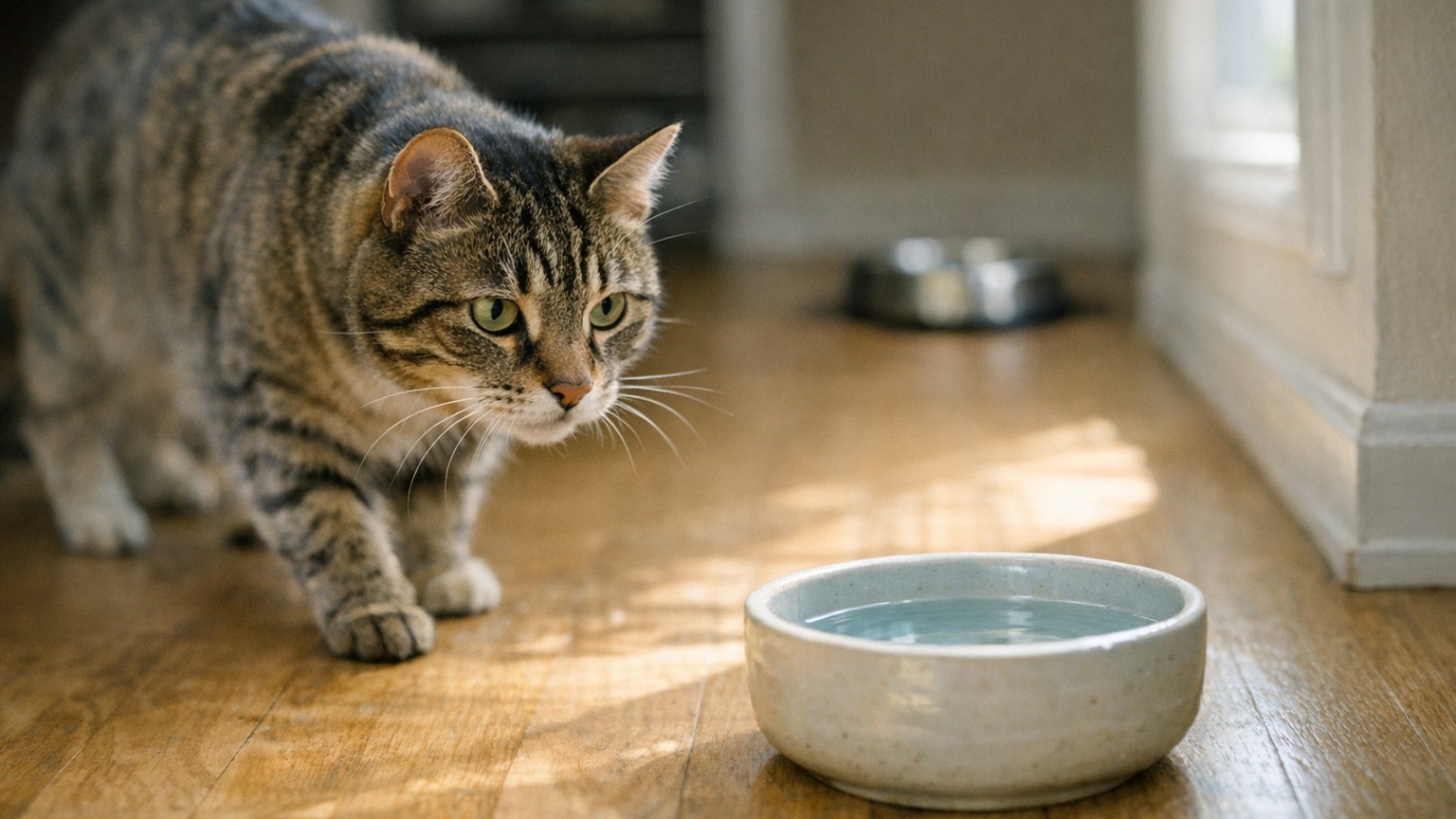
Cat Not Drinking From Water Bowl: What a Vet Wants You to Know

12 Years of Cat Water Mistakes: What Your Vet Wishes You Knew

For twelve years, a cat owner dutifully refilled the same water bowl, unaware that nearly everything about the setup was wrong. A single vet observation revealed a pattern most cat owners repeat: misunderstanding feline hydration instincts and making choices that actively discourage drinking, potentially leading to kidney disease and urinary issues.

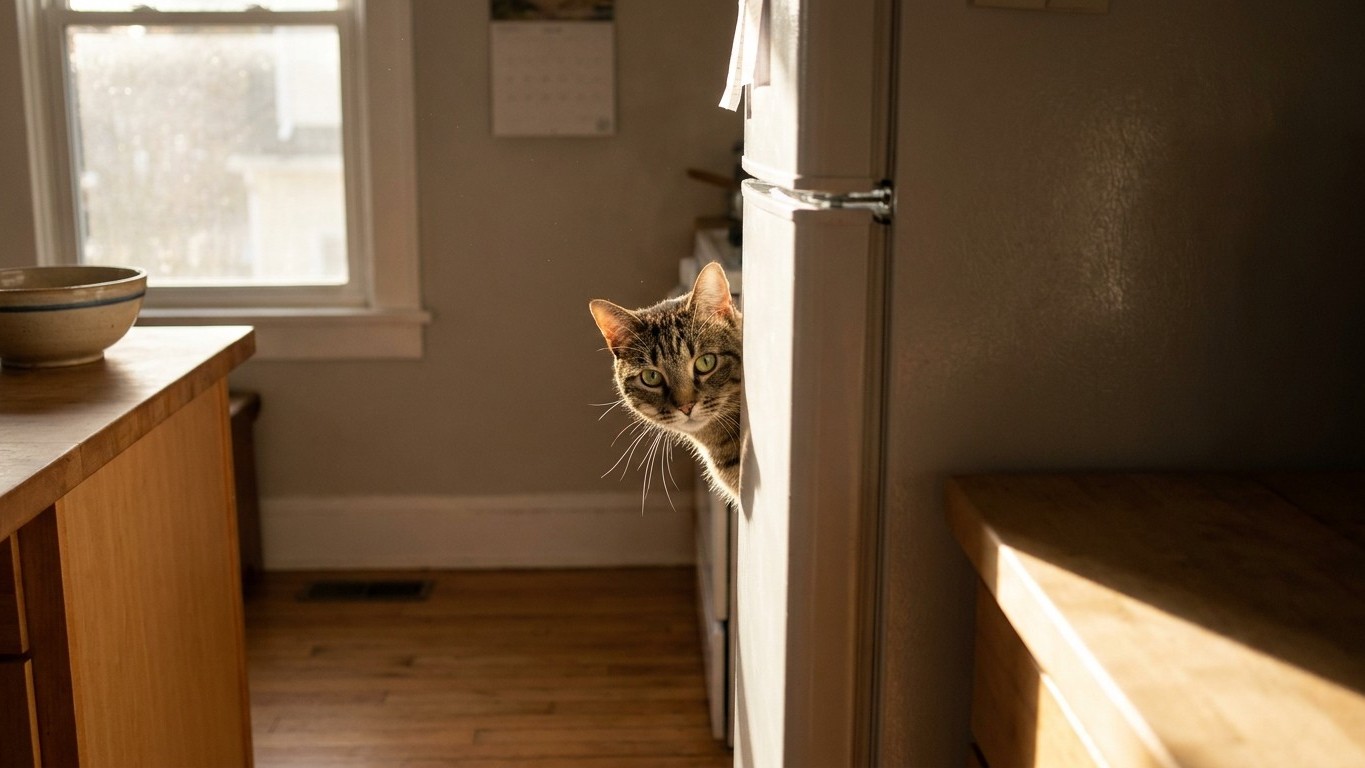
Why Your Cat Hides Behind the Fridge—And When You Should Worry

Why Your Cat Hides Behind the Fridge—And When You Should Worry

Your cat isn’t just being quirky—she’s discovered the perfect microclimate. But when warmth-seeking becomes excessive hiding, it could signal something more serious. Learn what the temperature behind your fridge reveals about both your appliance and your cat’s health.

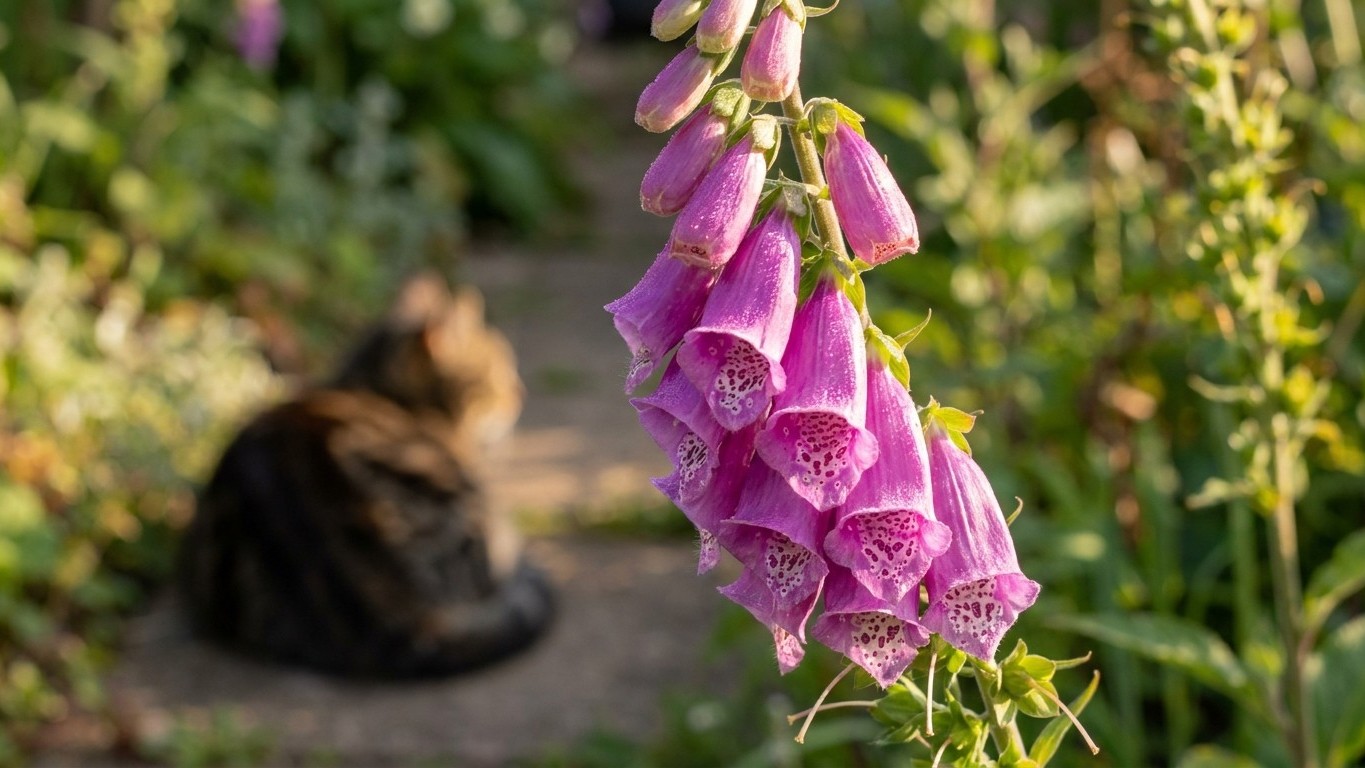
Is foxglove poisonous to cats and how dangerous is it?

The Beautiful Foxglove That Could Stop Your Cat's Heart: What Every Pet Owner Must Know

The elegant purple foxglove gracing British gardens this May is the same plant that revolutionized cardiology—but it’s also acutely poisonous to cats. Even brushing against the plant or drinking vase water poses genuine risk. Discover why cats are so vulnerable, what symptoms to watch for, and which stunning alternatives keep your garden beautiful and safe.

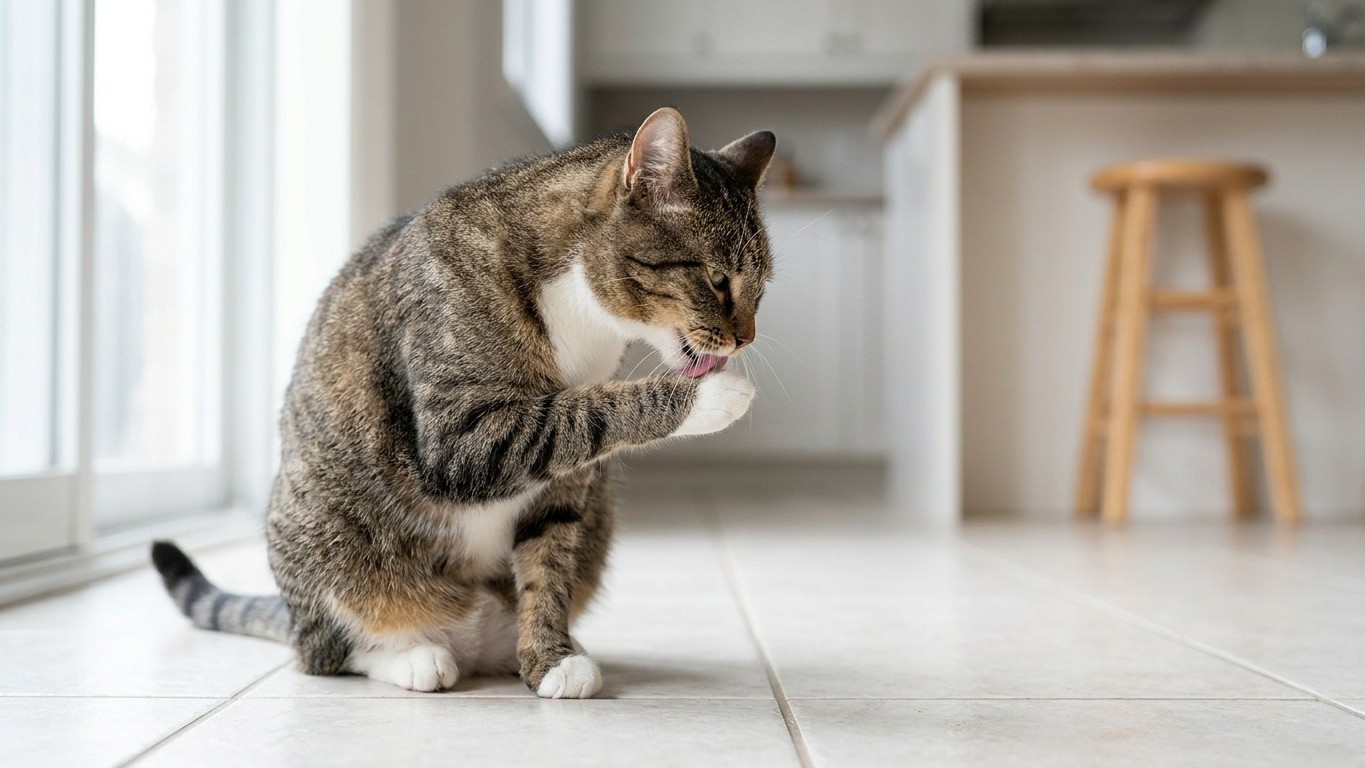
Are spring pesticides on floors dangerous for cats?

The Hidden Spring Threat: Why Your Cat's Grooming Habits Make Pesticide-Tracked Floors Deadly

Every spring, pesticide residues from treated lawns are tracked indoors on shoes and pet paws—but the real danger isn’t what you step on, it’s what your cat licks off the floor. Your cat’s grooming habits transform floor particles into ingested toxins, and their specialized liver makes them uniquely vulnerable to poisoning.