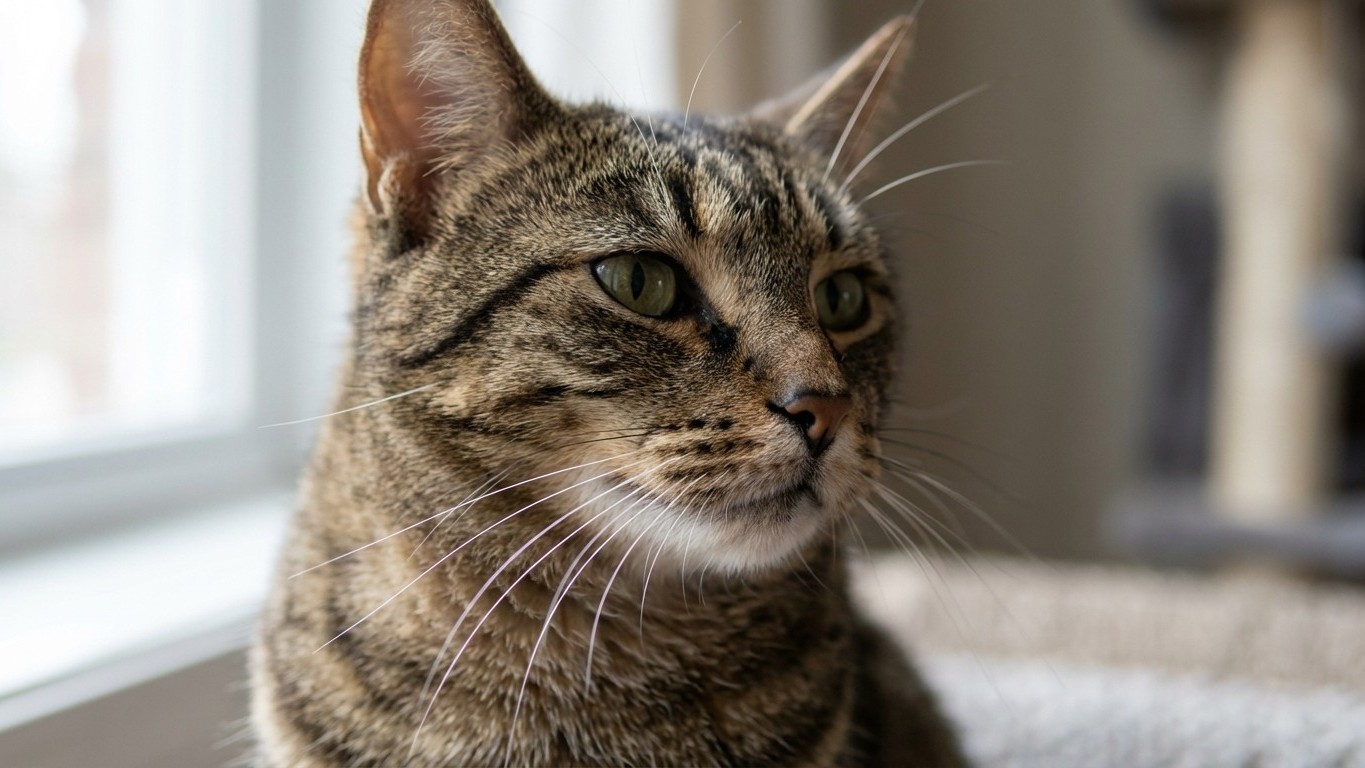
Your Cat’s Cute Loaf Pose Might Be Hiding Pain: What Vets Want You to Know
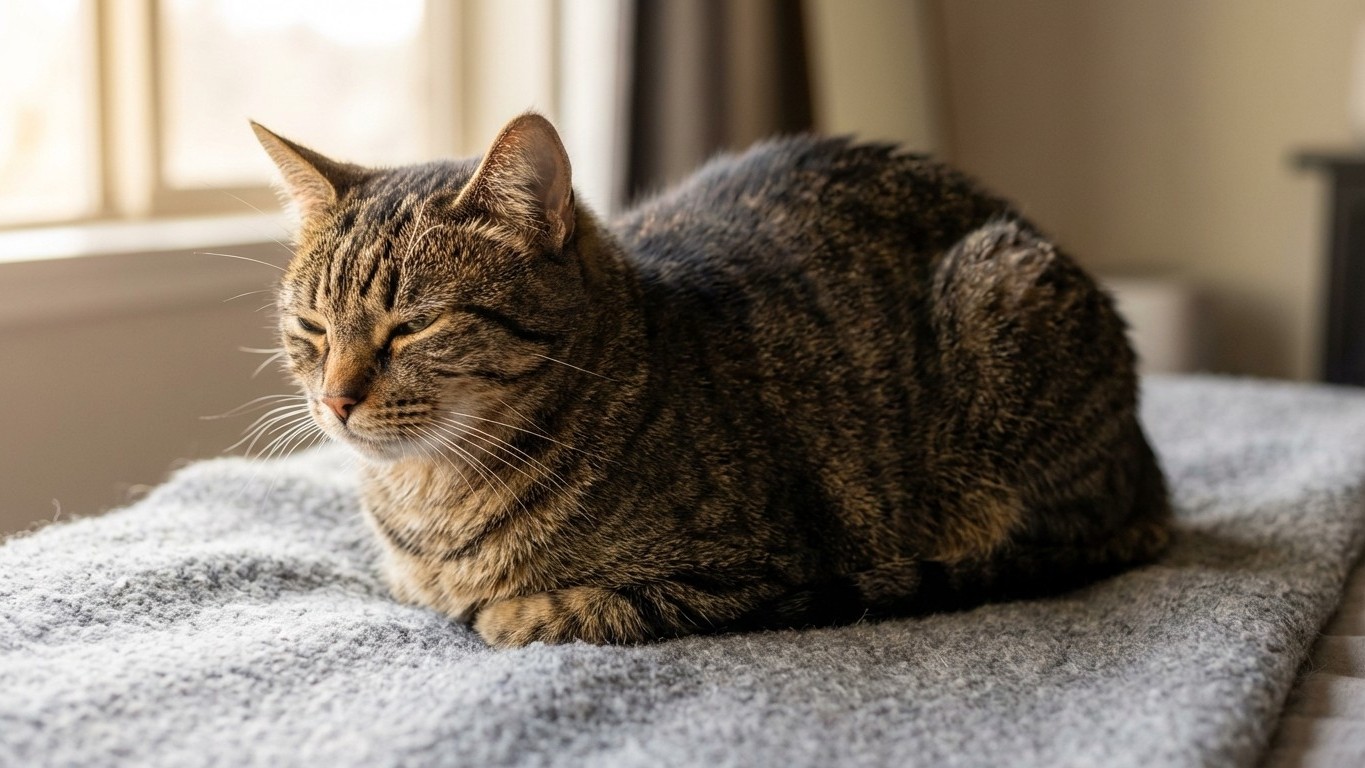
Your Cat's Cute Loaf Pose Might Be Hiding Pain: What Vets Want You to Know

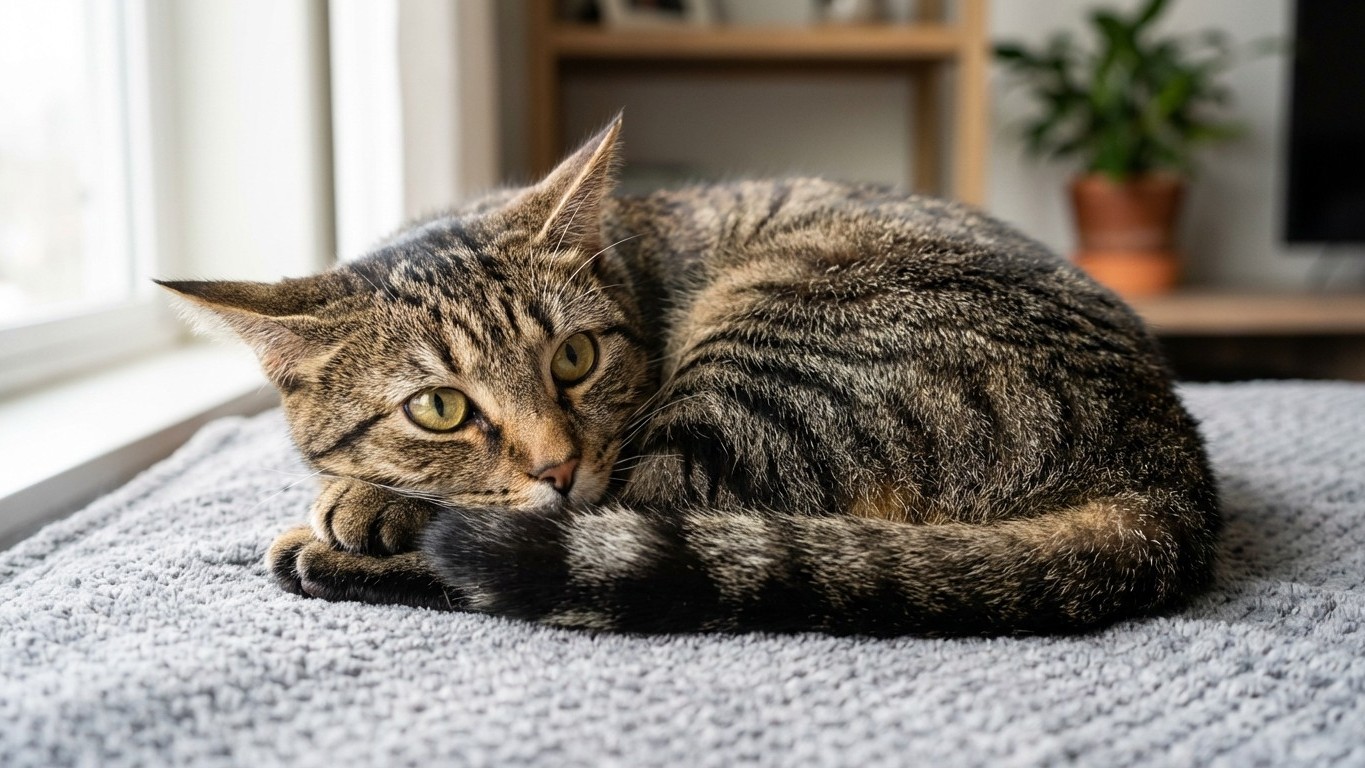
That precious loaf pose your cat strikes might look cute on Instagram, but veterinarians warn it could be masking serious pain or illness. Cats are evolutionary masters at hiding discomfort, making it crucial for pet owners to understand the subtle differences between a relaxed loaf and a painful one. Discover how to read your cat’s body language and facial expressions to catch hidden health issues before they become serious.
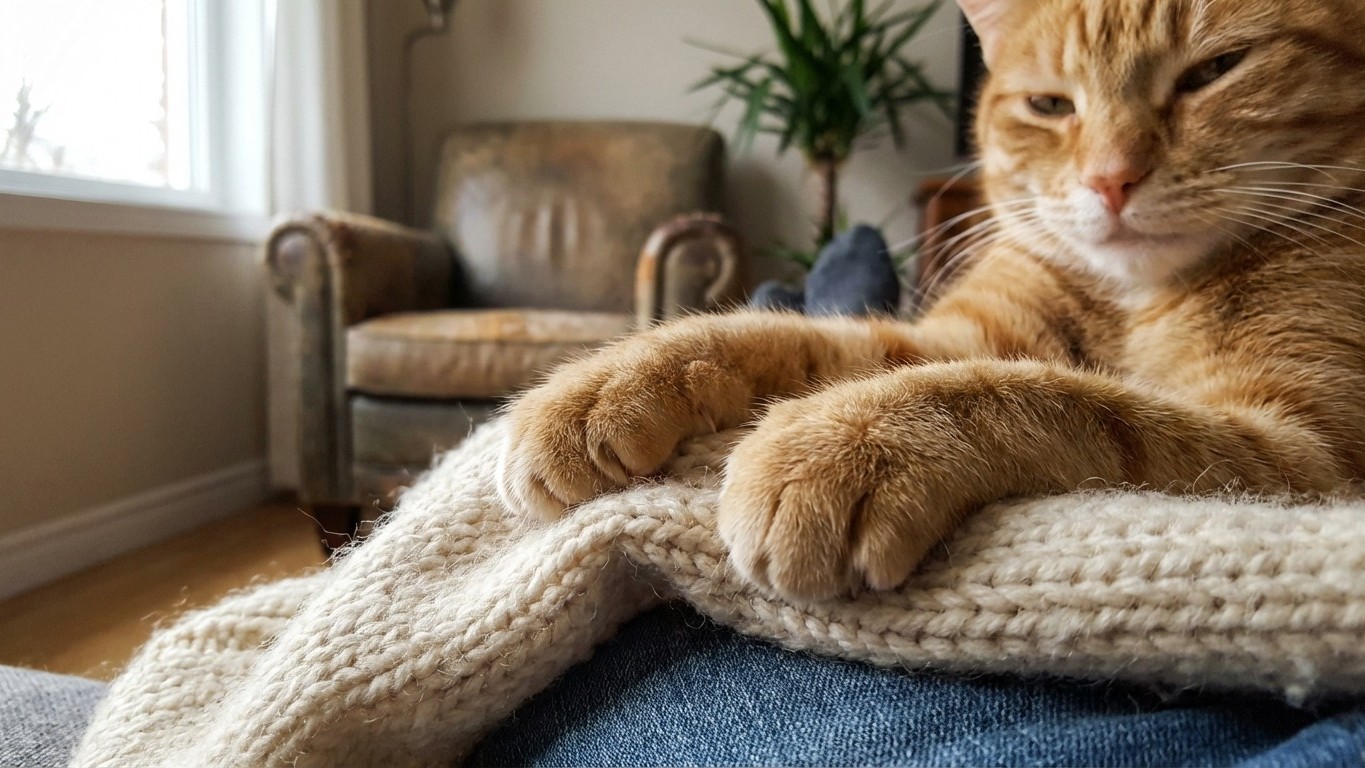
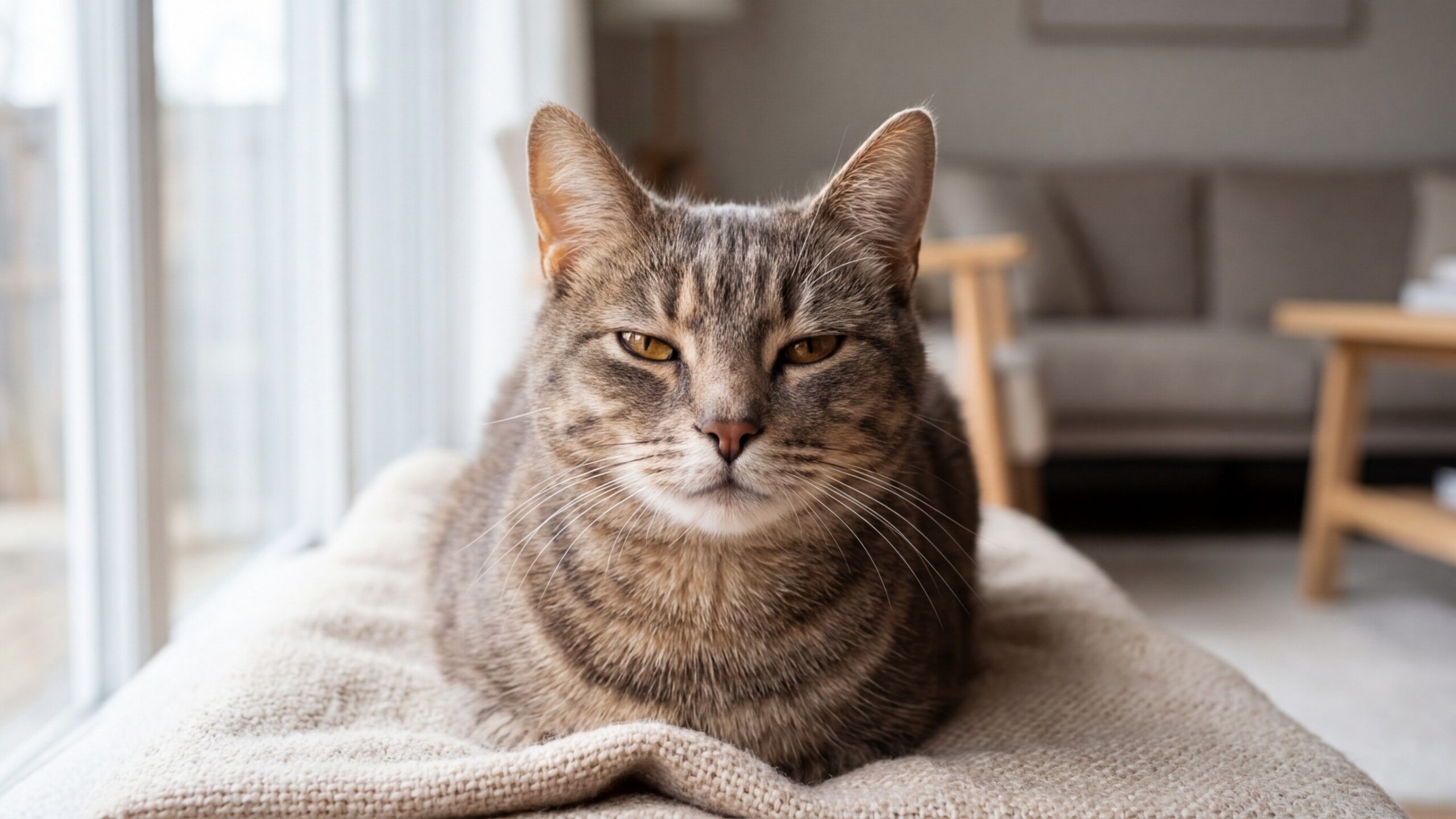
Why Your Cat Kneads Your Lap Every Evening: What Vets Reveal About Their Health

Why Your Cat Kneads Your Lap Every Evening: What Vets Reveal About Their Health

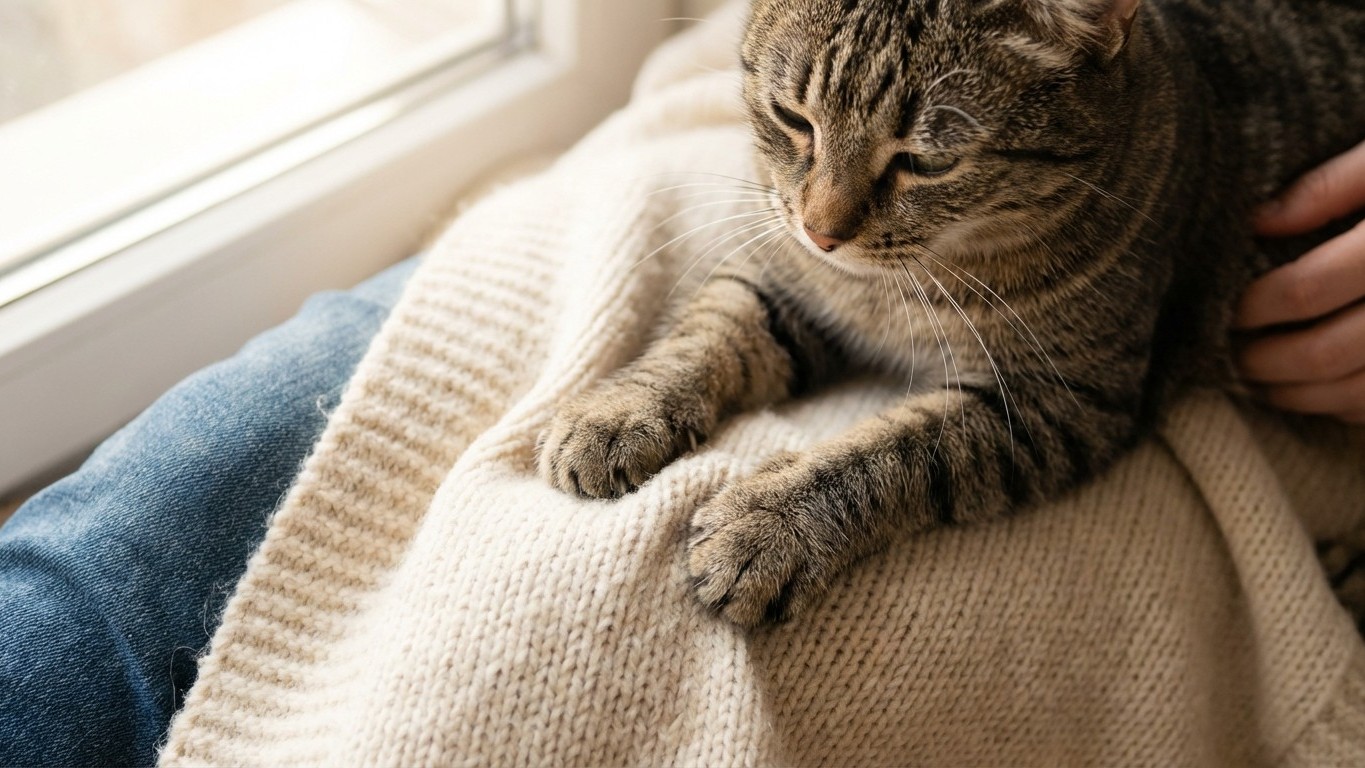
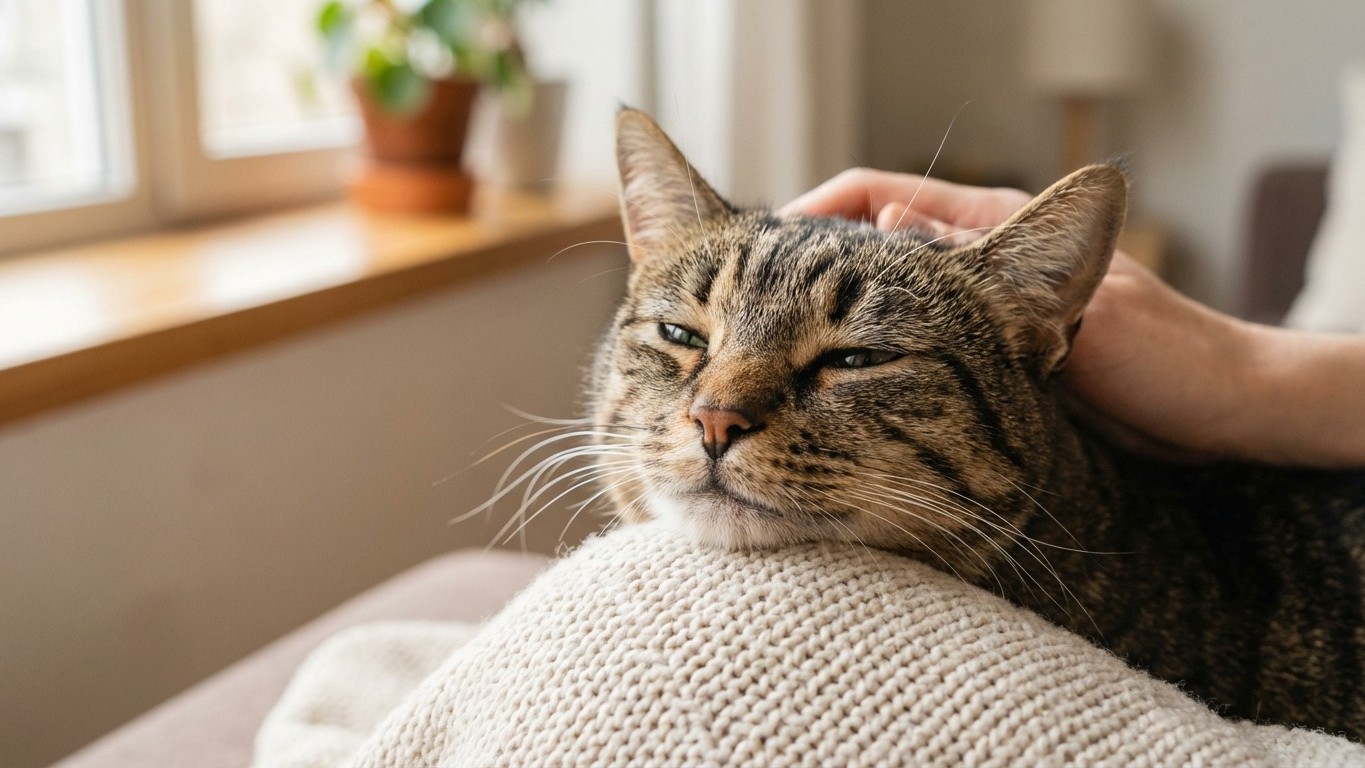
That rhythmic paw-pressing your cat does on your lap isn’t random—it’s a sophisticated form of communication rooted in their earliest memories. Vets explain what this beloved behavior reveals about your cat’s emotional bond with you, when it signals wellness, and the surprising health warning signs you shouldn’t ignore.

Cat Whiskers: The Extraordinary Sensory Superpower That Transforms Darkness Into Navigation

Cat Whiskers: The Extraordinary Sensory Superpower That Transforms Darkness Into Navigation

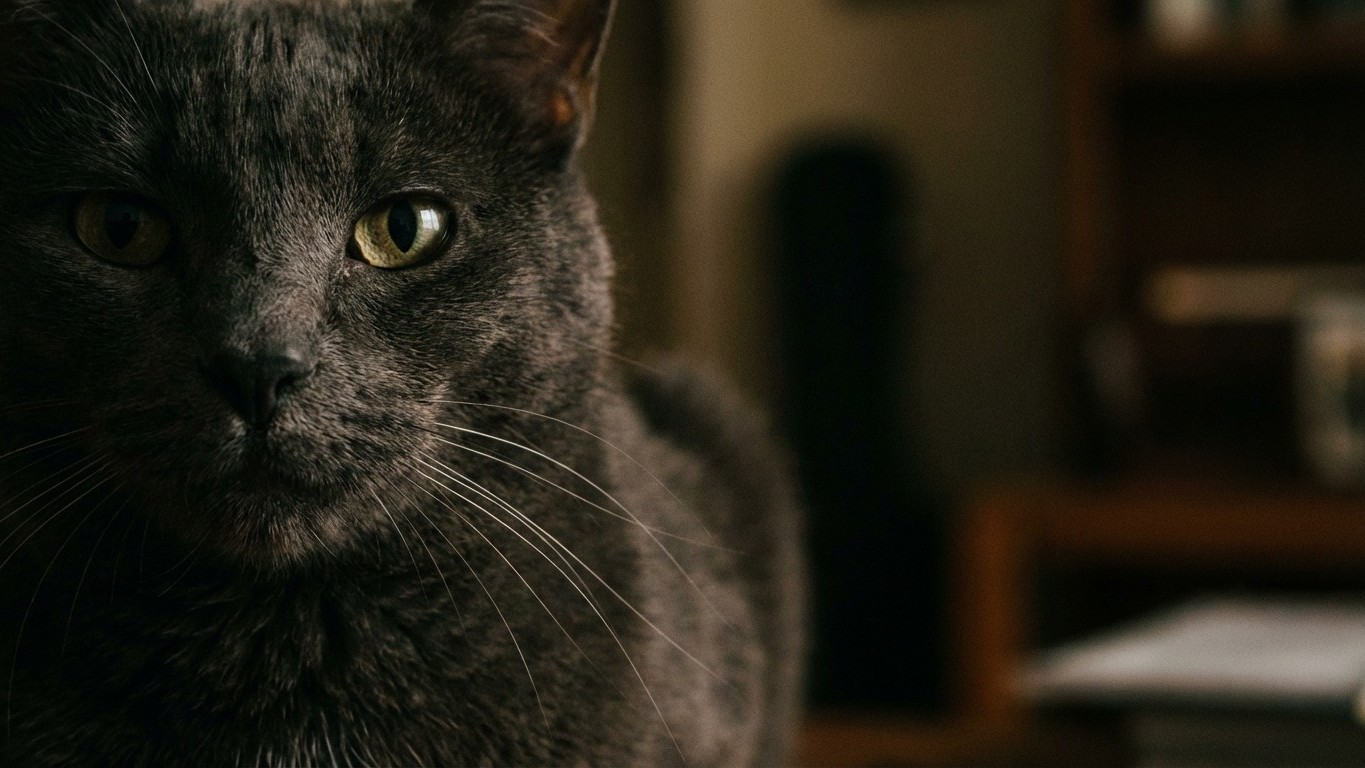
Cat whiskers are far more than decorative hairs—they’re sophisticated sensory organs packed with mechanoreceptors that allow cats to navigate total darkness by detecting air currents and vibrations. When whiskers snap or break, it can temporarily disorient your cat, but they’ll regrow within weeks. Understanding whisker function reveals hidden truths about your cat’s behavior and wellbeing.

Why Your Indoor Cat Goes Wild in Spring: The Brain Science Behind the Chaos

Why Your Indoor Cat Goes Wild in Spring: The Brain Science Behind the Chaos

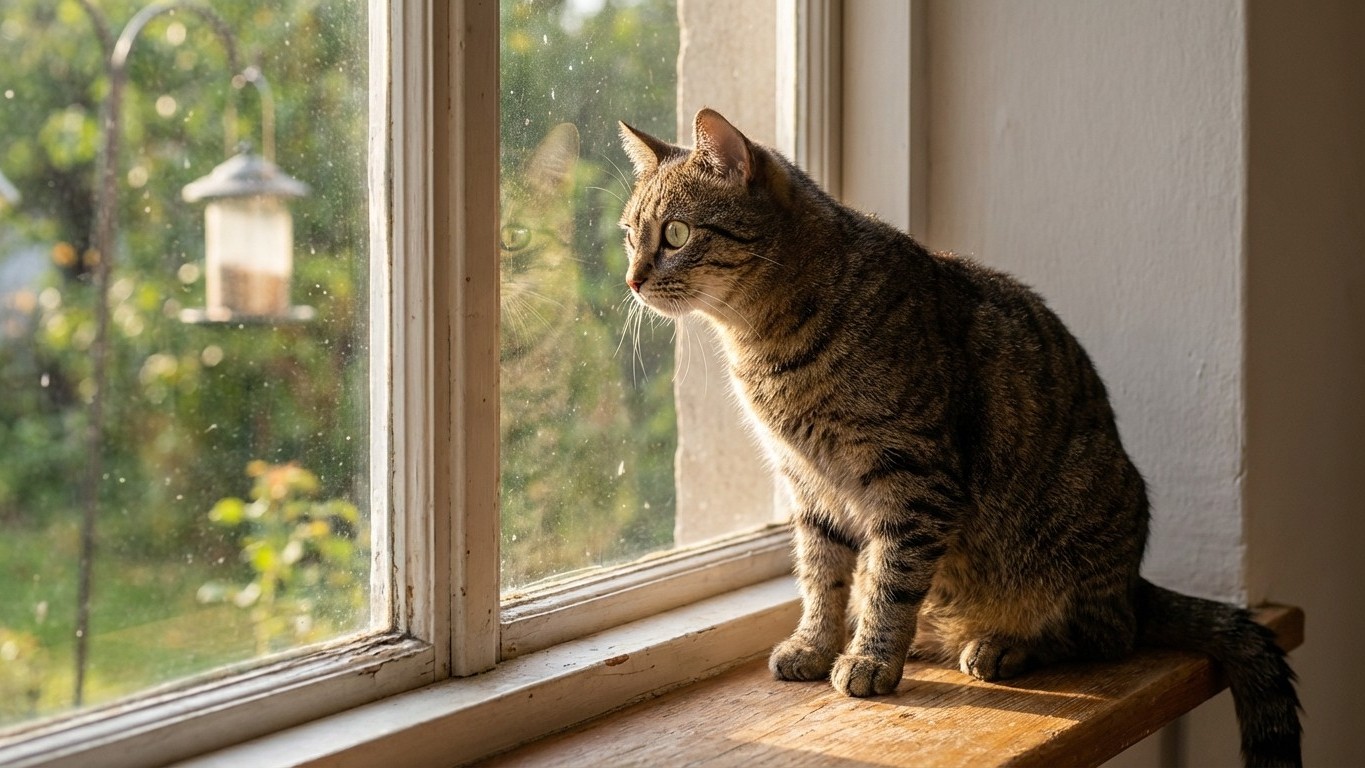
Your calm, composed indoor cat suddenly transforms into a hyperactive, yowling ball of energy when spring arrives. It’s not random behavior—it’s neuroscience. Discover how lengthening daylight literally rewires your cat’s brain, triggering hormonal cascades and primal instincts that have nothing to do with the temperature and everything to do with melatonin levels and circadian rhythms.

Why Your Cat Ignores Water and the One Change Vets Say Actually Works

Why Your Cat Ignores Water and the One Change Vets Say Actually Works

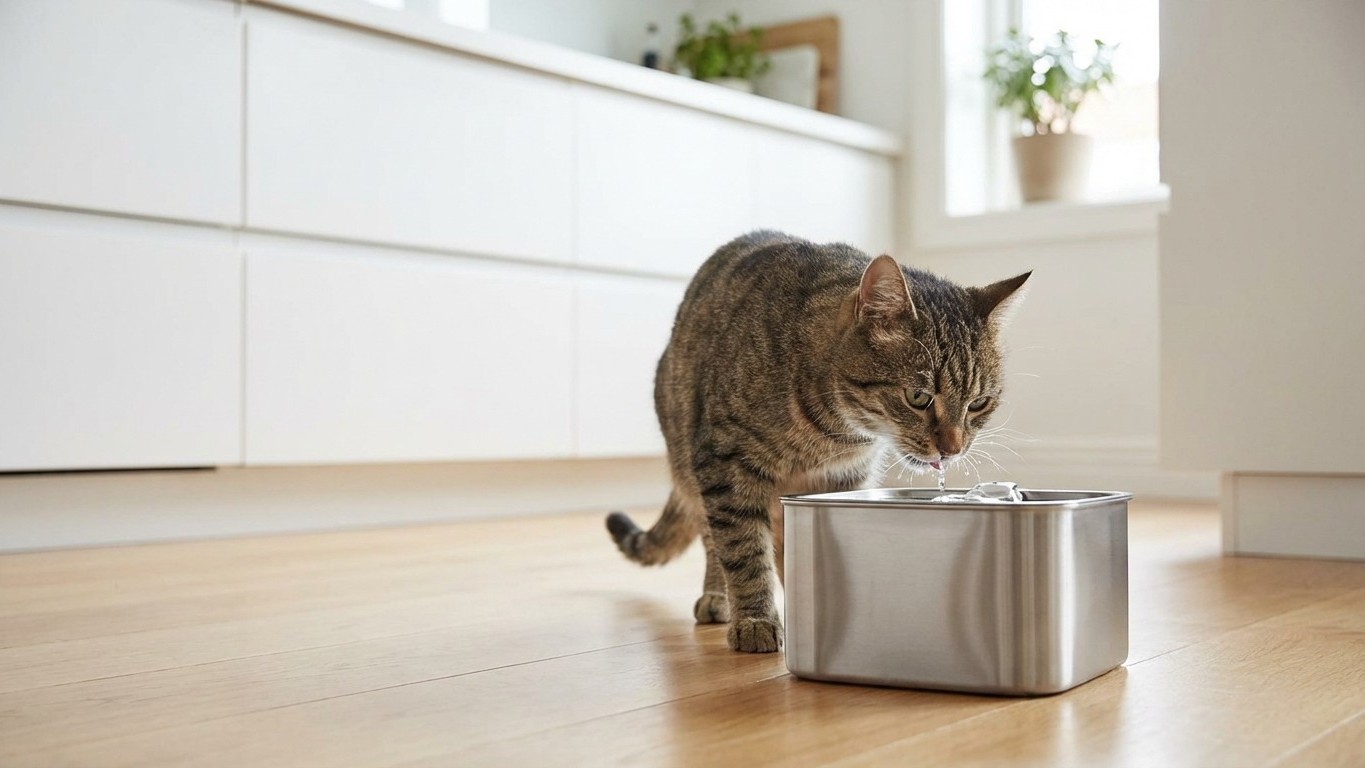
Your cat’s refusal to drink water isn’t stubbornness—it’s evolution. Descended from desert wildcats, cats have a naturally low thirst drive and prefer moisture from food. Vets reveal the surprising reasons cats ignore their bowls and share one game-changing solution that makes all the difference.

Why Your Cat Kneads You: The Ancient Instinct Behind Your Pet’s Most Affectionate Gesture

Why Your Cat Kneads You: The Ancient Instinct Behind Your Pet's Most Affectionate Gesture

That rhythmic paw-pushing your cat does isn’t just about comfort—it’s a complex behavior rooted in ancient survival instincts, neurochemistry, and scent communication. When your cat kneads you, they’re marking you as family, releasing dopamine, and reconnecting with their wild ancestry all at once.

Your Happy Cat Might Actually Be Miserable: What That Tail Position Really Means

Your Happy Cat Might Actually Be Miserable: What That Tail Position Really Means

Most cat owners completely misread one specific tail position, mistaking fear and discomfort for contentment. Behaviourists explain why the tucked, wrapped tail is a distress signal—not a sign of a happy, settled cat. Understanding this one signal could transform your relationship with your pet.

Hidden in Plain Sight: Why Your Cat’s Silence Could Mean They’re Suffering

Hidden in Plain Sight: Why Your Cat's Silence Could Mean They're Suffering

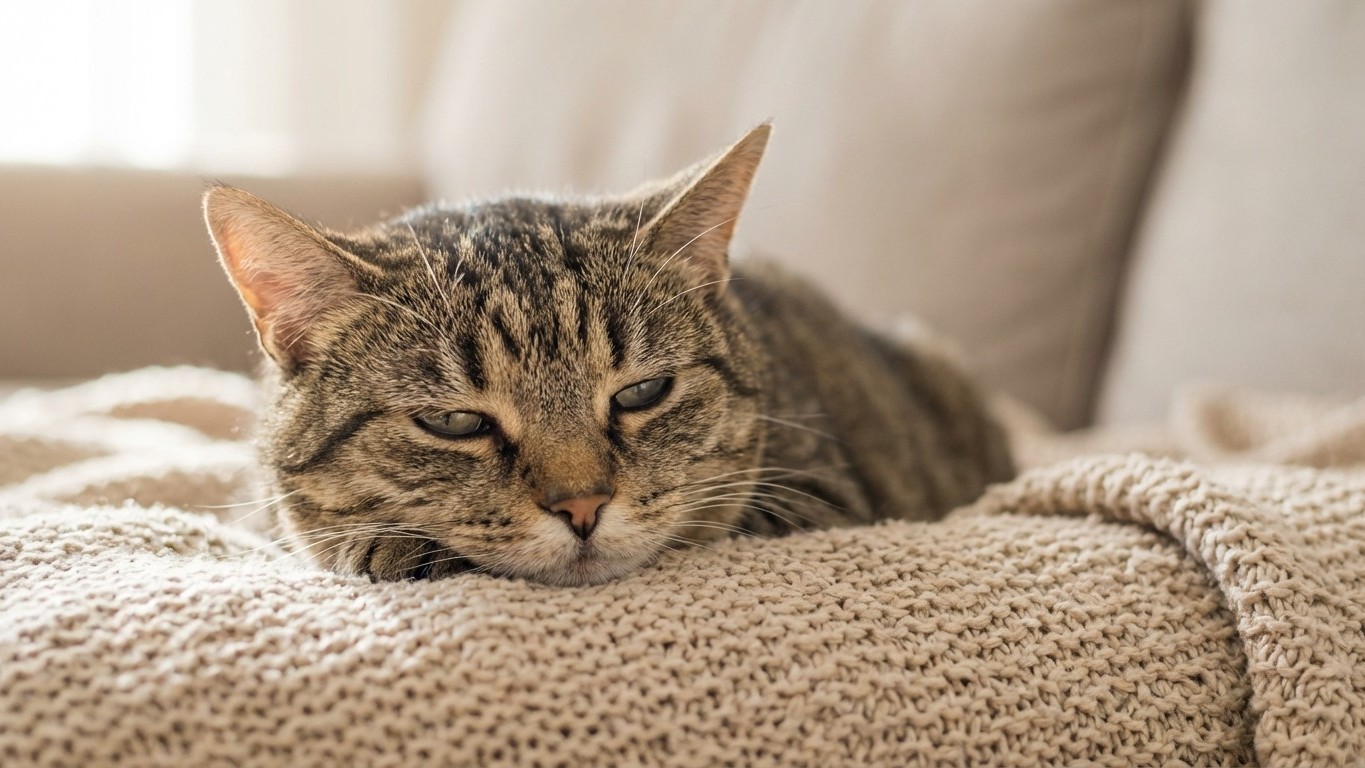
Cats are masters of disguise when it comes to pain, masking serious symptoms until it’s nearly too late. By understanding the subtle behavioral shifts and physical signs your cat displays—from changes in jumping ability to grooming habits and even purring—you can catch chronic pain like arthritis and dental disease before they become emergencies.

Why Your Cat Follows You to the Bathroom: The Emotional Truth Behaviourists Have Finally Explained

Why Your Cat Follows You to the Bathroom: The Emotional Truth Behaviourists Have Finally Explained

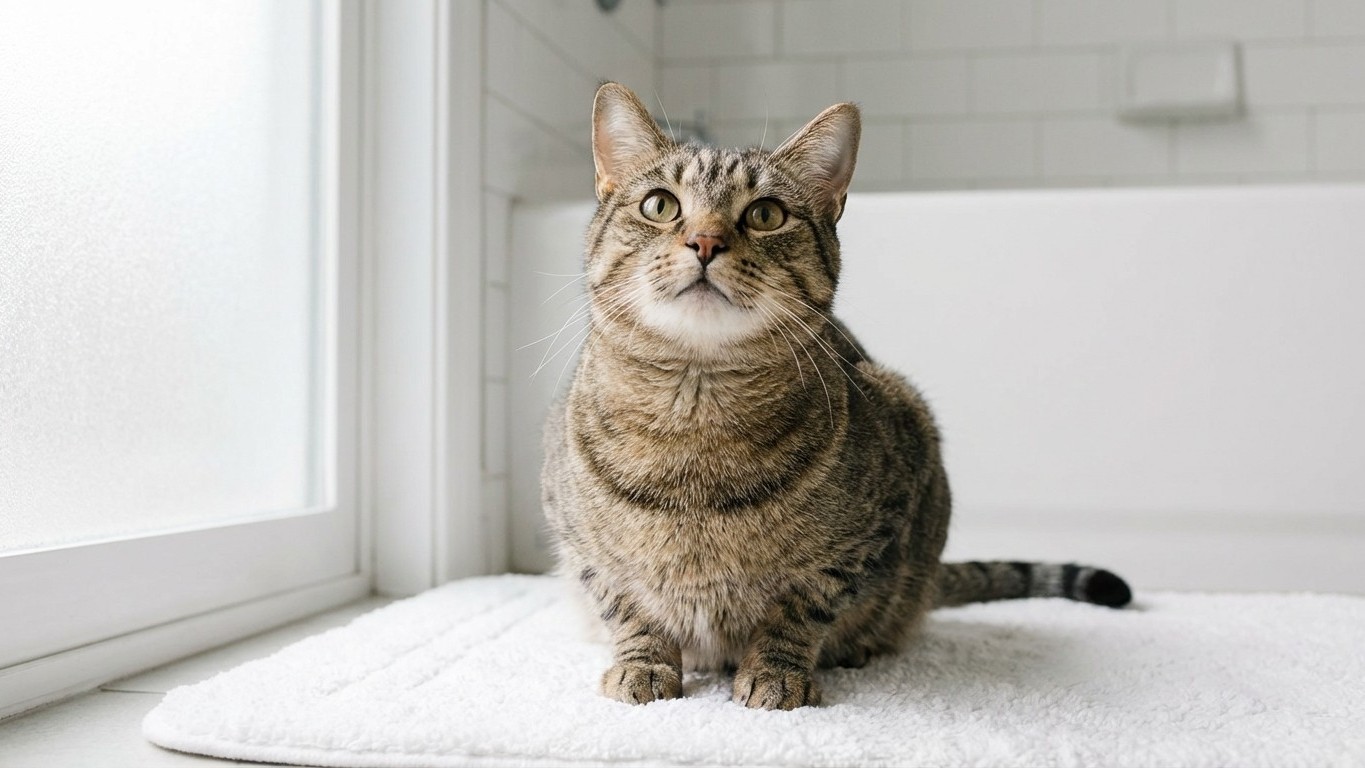
Your cat’s bathroom obsession isn’t random behavior—it’s a sign of genuine attachment and social bonding. Animal behaviorists have uncovered the emotional complexity behind this quirky habit, revealing that your feline friend may actually be offering you companionship during moments they perceive as vulnerable.

Your Cat’s Whiskers Are Actually Sophisticated Sensory Superpowers—Here’s What They Really Do

Your Cat's Whiskers Are Actually Sophisticated Sensory Superpowers—Here's What They Really Do

Those delicate hairs on your cat’s face are far more than decorative—they’re sophisticated sensory instruments that function almost like echolocation. Embedded with nerve endings and blood vessels, whiskers help cats navigate in darkness, hunt prey with precision, and communicate their emotional state. Damaging them can genuinely disorient your cat.