
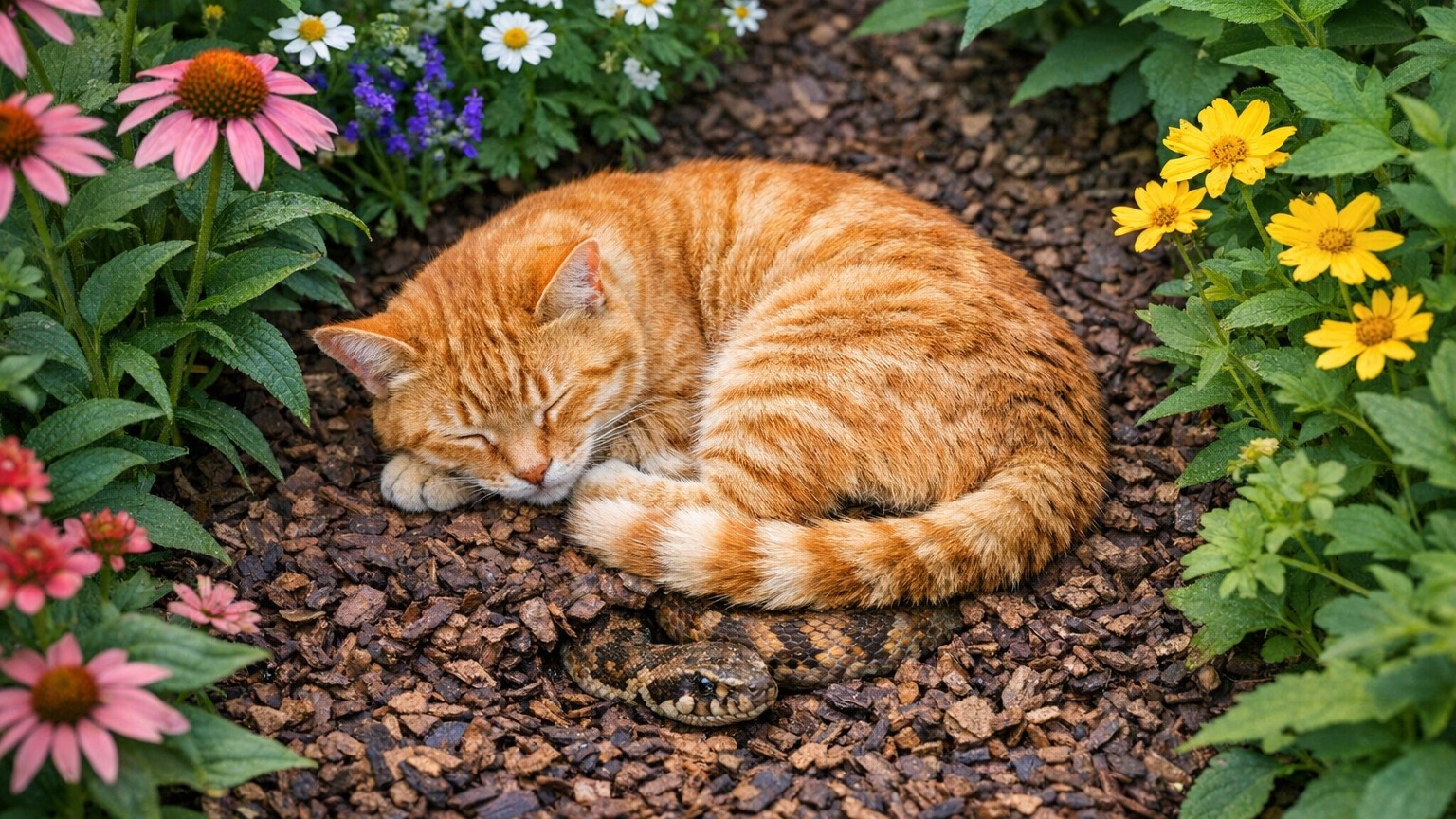
Cocoa shell mulch smells divine. That rich, chocolatey scent wafting across a summer border is genuinely one of the more pleasant sensory experiences gardening has to offer. It retains moisture beautifully, suppresses weeds, and has a warm brown colour that deepens rather than fades. The problem is it carries exactly the same compound that makes a chocolate bar lethal to your cat: theobromine.
Key takeaways
- A seemingly innocent gardening choice could already be poisoning your cat before you notice symptoms
- Theobromine toxicity escalates dangerously fast—from looking sleepy to critical condition within hours
- Garden centres sell this product without warning labels, leaving pet owners unknowingly laying traps in their borders
Why cocoa shell mulch is a hidden danger in plain sight
Cocoa shell mulch, sometimes labelled as cocoa bean mulch, is made from the discarded shells of cocoa beans after chocolate production, which means it carries the same natural compounds found in chocolate, most theobromine and caffeine. Theobromine is harmless to humans, but toxic to cats and other pets because they struggle to metabolise it. That inability to break it down efficiently is the crux of everything. The compound simply accumulates in a cat’s bloodstream until it reaches a dangerous concentration.
The chocolate aroma of the mulch makes it a popular choice for gardeners and also highly attractive to pets as something to eat. And here is the part that genuinely unsettles me: there are generally no label warnings about the potential toxicity to pets on the packaging of cocoa mulch, so owners may not be aware of the serious risk these products pose to their pets. You can buy this product at garden centres right now, spread it around your herbaceous border on a sunny June afternoon, and have absolutely no idea that you’ve just laid a trap for the animal sleeping in the flowerbed behind you.
Cats can be exposed through ingestion, grooming contaminated paws, or even licking residue after walking through the mulch. A cat doesn’t need to eat a mouthful of the stuff. A bit of grooming after a stroll through the border is enough to begin the process. It is also common for this mulch to develop a coating of mould as it decomposes, which may represent a further risk of mould toxicity to pets. So as the summer progresses, a bag of cocoa shell mulch laid in spring actually becomes more dangerous over time, not less.
What theobromine does to a cat’s body, and fast
Theobromine is a similar substance to caffeine and if ingested at a toxic dose, it can cause the nervous system, guts, and muscles to go into overdrive. It affects the nervous system and cardiovascular system, which is why symptoms can escalate quickly and unpredictably. The speed of that escalation is what catches owners off guard. A cat lying near the border, looking a little off, can deteriorate to something much more alarming within hours.
Symptoms of chocolate poisoning usually appear within two to four hours but can take up to 12 hours and last for days. The initial signs, vomiting, diarrhoea and increased urination, can look like an ordinary stomach upset, which is precisely why owners often wait to see if things improve. More serious signs include agitation and hyperactivity, trembling, twitching and seizures, muscle tremors, rapid breathing, increased heart rate with abnormal heart rhythms, and ultimately death in severe cases. The most severe cases of chocolate poisoning can lead to heart failure, coma and even death.
The dose matters, of course. The symptoms of theobromine ingestion vary with the dose consumed; at lower doses, the pet may develop gastrointestinal signs such as vomiting or diarrhoea but should recover with supportive veterinary care. But cats are small animals, and toxic doses of theobromine are 20 mg per kg of a cat’s body weight, and a severely toxic dose is twice this amount. You’re not dealing with enormous quantities here. Cocoa bean shells may contain relatively high levels of theobromine, making the mulch, gram for gram, a more concentrated source of the toxin than many people realise.
What to do if your cat has been near cocoa mulch
Act first, observe later, that is the only sensible approach. If you suspect your cat may have eaten chocolate, don’t wait for symptoms to appear, and avoid using gardening mulches that contain cocoa shell. You should immediately call your veterinary practice or the Animal Poison Line for advice. You will need to tell them the type of substance involved, how much was ingested, the weight of your pet, and when it happened.
In the UK, Animal PoisonLine is run by the Veterinary Poisons Information Service (VPIS) and is the only 24-hour specialised emergency telephone service in the UK dedicated to helping pet owners who are worried their pet may have been exposed to something harmful or poisonous. That number is worth saving in your phone before you ever need it. If possible, bring the mulch packaging with you to the vet so they can confirm the substance and ingredients. Do not attempt home remedies or induce vomiting unless instructed by a professional.
Treatment at the clinic depends on how quickly you get there and how much was absorbed. The stomach should ideally be emptied within the first one to two hours after ingestion; this can be difficult to achieve in cats but is usually done with an injection or by pumping the stomach under anaesthesia. The next step is to give activated charcoal, which sticks to the toxic compound in the gut and prevents it from being digested. Large amounts are needed, so a high-strength veterinary product is used, and this may be required for up to three days. Cases with symptoms will need to be hospitalised and put on a drip to help eliminate the toxins from the body, and the heart function will need to be monitored with an ECG. Medication to stabilise the heart may be required.
Treatment for chocolate poisoning can cost hundreds of pounds depending on the treatment needed. Pet insurance that covers emergency poisoning cases is, in this context, not a luxury, but that is a conversation for another day.
Safer alternatives for the cat-friendly garden
The good news is that a gorgeous summer border does not require cocoa shell mulch. Plain bark chippings, wood chip mulch, or composted straw all do a perfectly respectable job of retaining moisture and suppressing weeds without any risk to your pets. When in doubt, choose plain wood-based mulches with no added scents or treatments. The PDSA explicitly advises owners to avoid using gardening mulches that contain cocoa shell.
There’s a broader lesson here about the garden in June. Borders are buzzing with activity and so are curious cats. Slug pellets, certain fertilisers, and a Surprising number of ornamental plants all carry risks we rarely think about when we’re kneeling in the dirt with a trowel. Most cats are expected to make a full recovery once the toxin is out of their system, and will be back to normal after a few days, but only when treatment starts early enough. The cat lying quietly near a freshly mulched bed may simply be enjoying the afternoon warmth, or she may already be metabolising something that needs urgent attention. The scent of chocolate in the garden is the one you should trust least.
Sources : kb.rspca.org.au | sierravetclinic.com