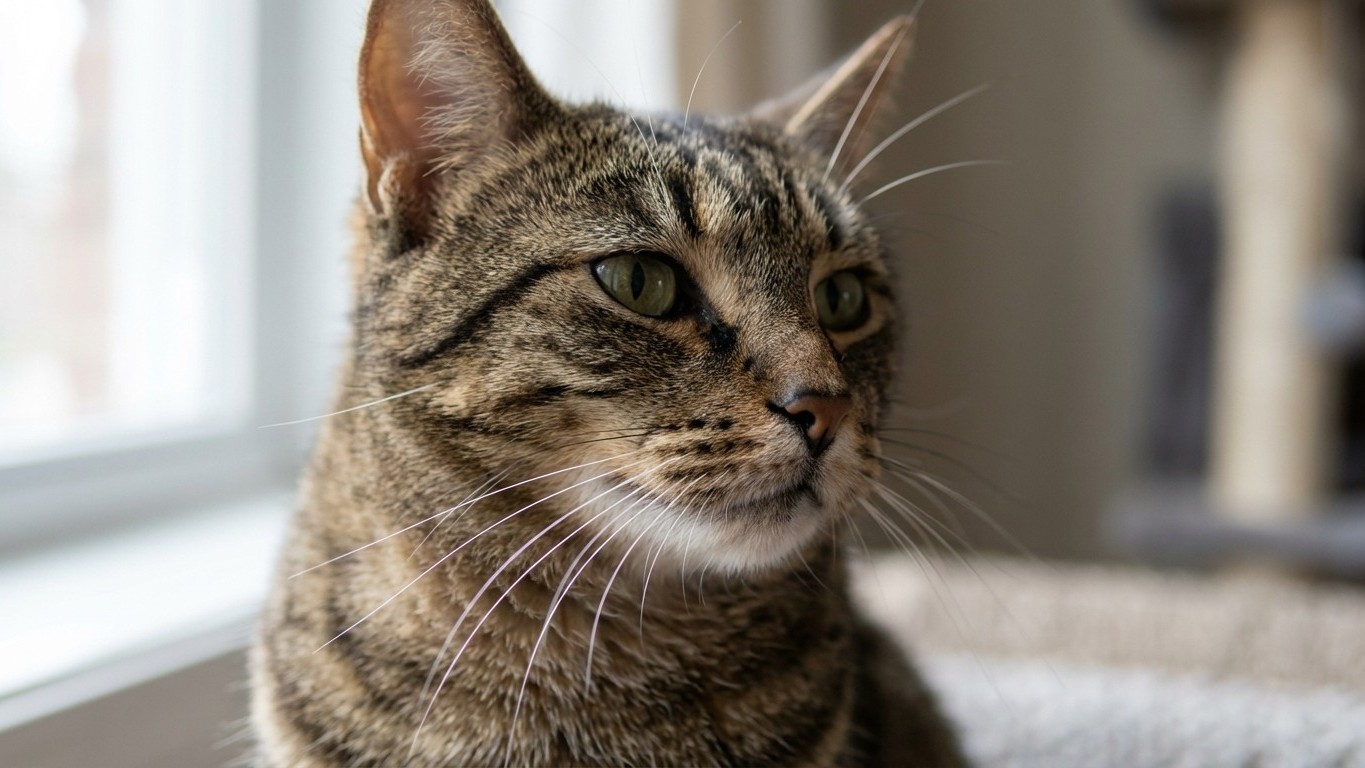
Vets Ditched the 7-Year Rule: Here’s the New Cat Age Chart That Changes Everything
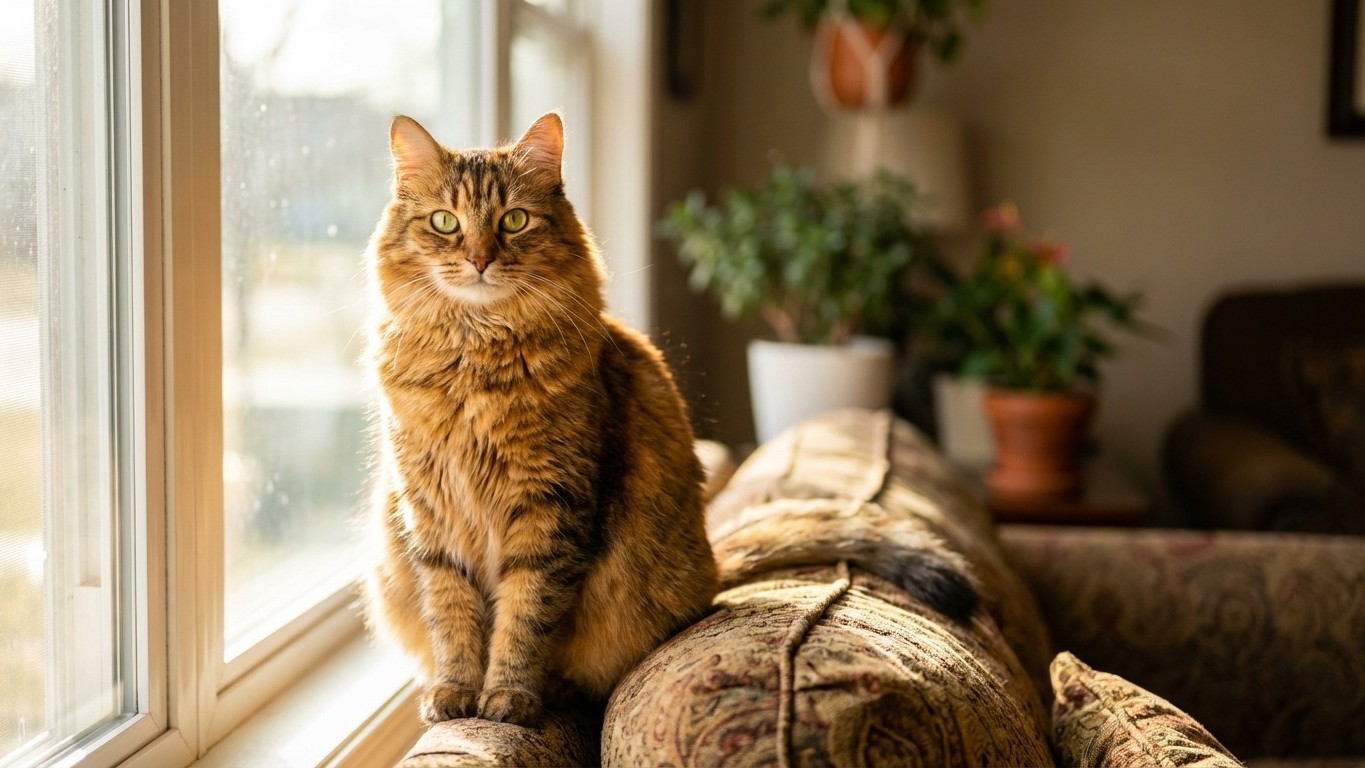
Vets Ditched the 7-Year Rule: Here's the New Cat Age Chart That Changes Everything

The ‘one cat year equals seven human years’ myth has been quietly retired by veterinary science. Modern feline medicine now uses a life-stage framework that tells you not just how old your cat is, but what their body actually needs right now—and it could change everything about how you care for them.
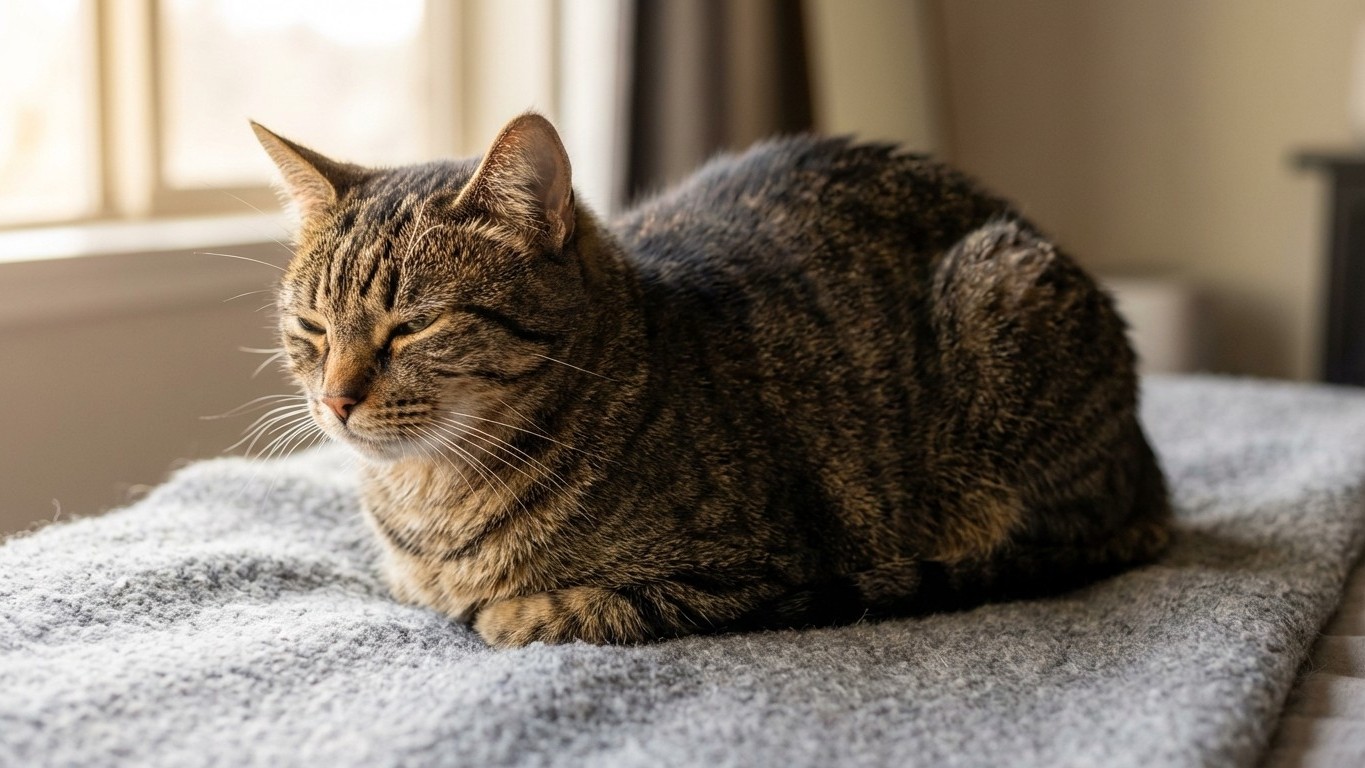
Your Cat’s Cute Loaf Pose Might Be Hiding Pain: What Vets Want You to Know

Your Cat's Cute Loaf Pose Might Be Hiding Pain: What Vets Want You to Know

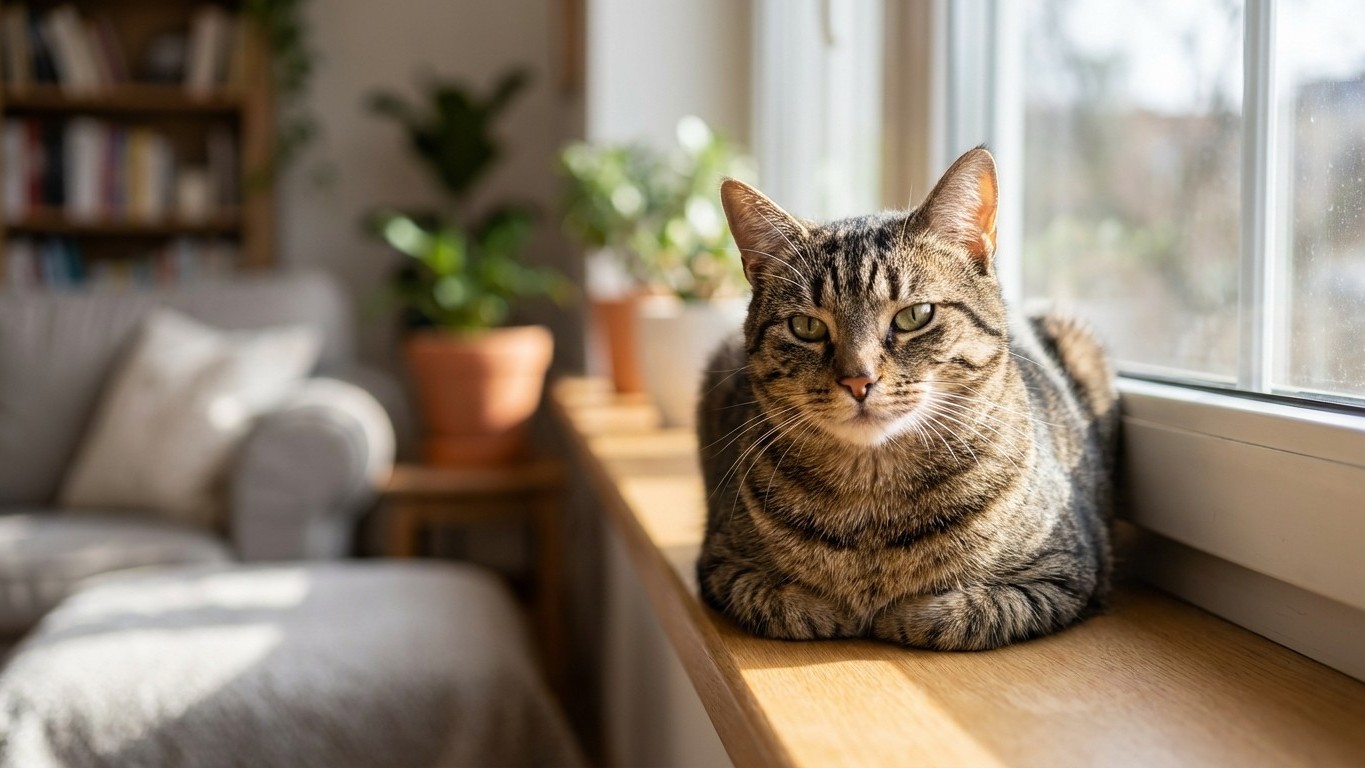
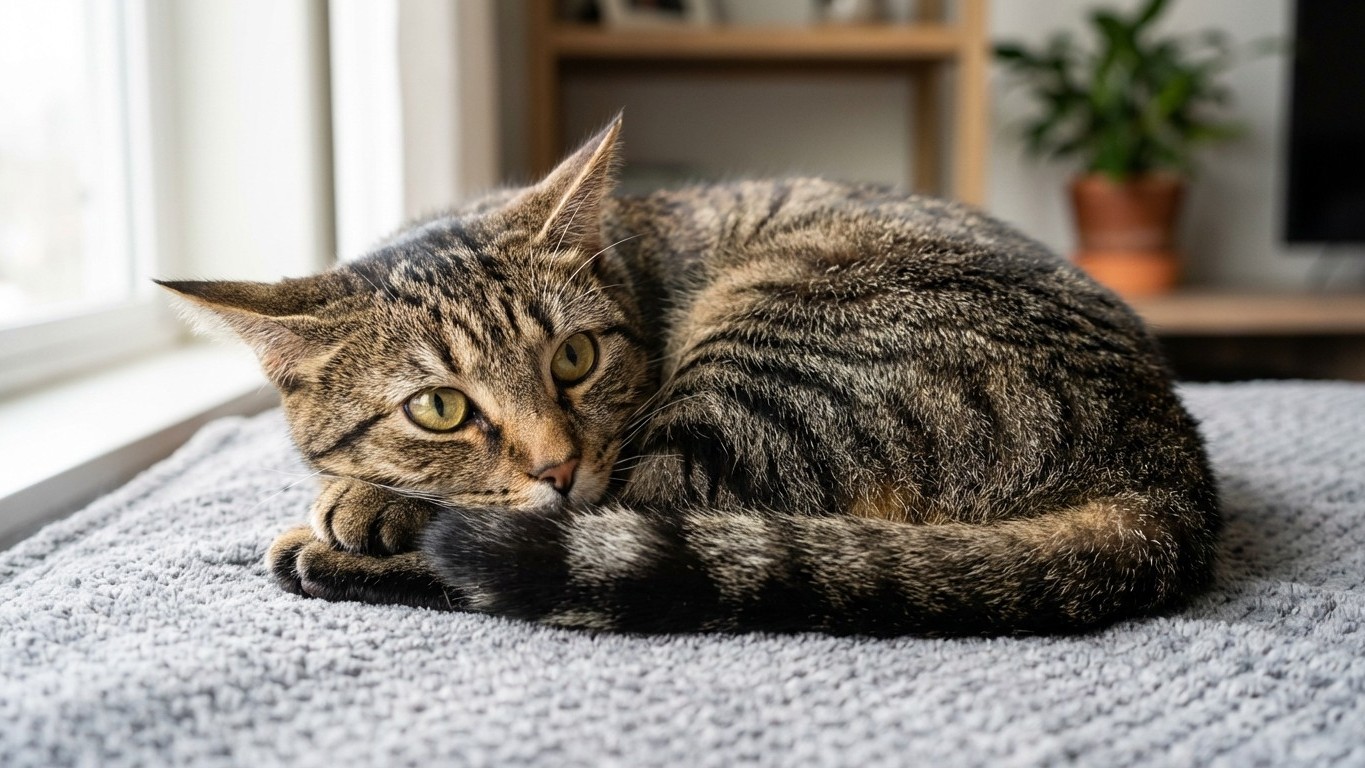
That precious loaf pose your cat strikes might look cute on Instagram, but veterinarians warn it could be masking serious pain or illness. Cats are evolutionary masters at hiding discomfort, making it crucial for pet owners to understand the subtle differences between a relaxed loaf and a painful one. Discover how to read your cat’s body language and facial expressions to catch hidden health issues before they become serious.

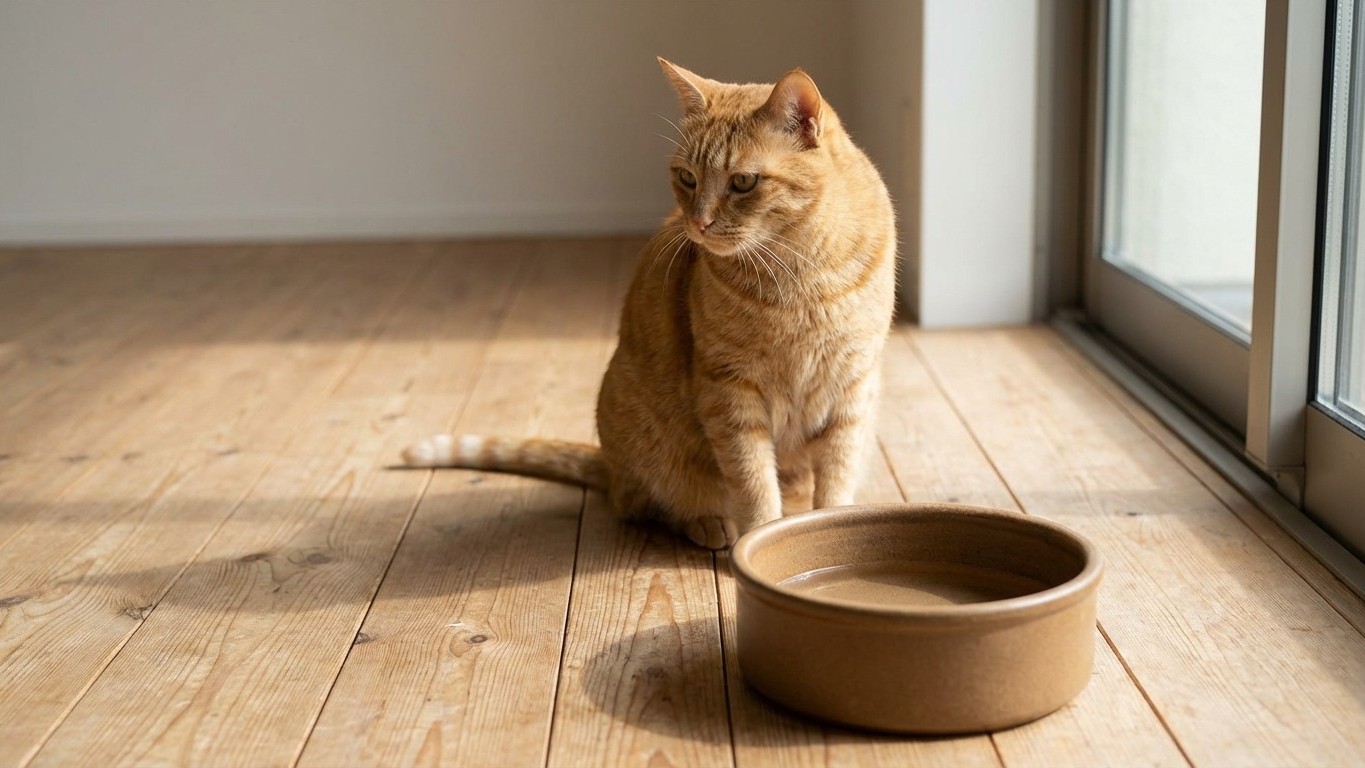
Your Cat Won’t Drink Water? This 30-Second Vet Trick Could Save Their Kidneys

Your Cat Won't Drink Water? This 30-Second Vet Trick Could Save Their Kidneys

Your cat ignoring their water bowl could be silently damaging their kidneys. Learn the simple 30-second skin test veterinarians use to check for dehydration, understand why cats resist drinking, and discover practical strategies that actually work to increase water intake.

Vets Warn: Stop the Quarterly Deworming Ritual—Your Cat Probably Doesn’t Need It

Vets Warn: Stop the Quarterly Deworming Ritual—Your Cat Probably Doesn't Need It

Millions of cat owners deworm their pets every three months like clockwork, but Europe’s leading parasite experts now say this blanket approach is outdated and potentially counterproductive. Updated 2025 ESCCAP guidelines reveal that individual risk assessment—not calendar dates—should determine deworming schedules, with some cats needing more frequent treatment and others needing none at all.

Why Your Indoor Cat Goes Wild in Spring: The Brain Science Behind the Chaos

Why Your Indoor Cat Goes Wild in Spring: The Brain Science Behind the Chaos

Your calm, composed indoor cat suddenly transforms into a hyperactive, yowling ball of energy when spring arrives. It’s not random behavior—it’s neuroscience. Discover how lengthening daylight literally rewires your cat’s brain, triggering hormonal cascades and primal instincts that have nothing to do with the temperature and everything to do with melatonin levels and circadian rhythms.

Stop Hiding the Litter Box: Where Behaviourists Say It Actually Belongs

Stop Hiding the Litter Box: Where Behaviourists Say It Actually Belongs

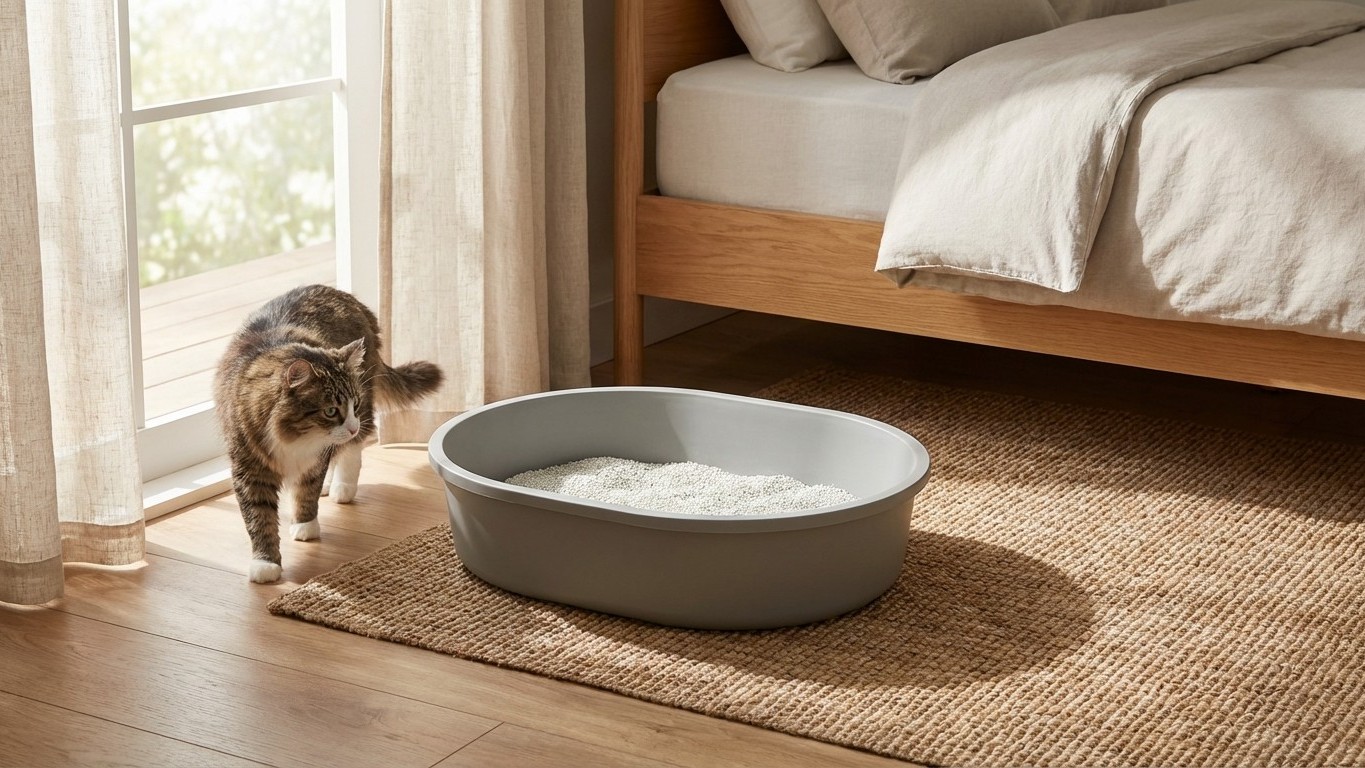
Most cat owners hide litter boxes in utility rooms and basements, but behaviourists say this causes chronic stress and avoidance. The surprising solution involves understanding your cat’s survival instincts and what makes them feel truly safe during vulnerable moments.

Your Happy Cat Might Actually Be Miserable: What That Tail Position Really Means

Your Happy Cat Might Actually Be Miserable: What That Tail Position Really Means

Most cat owners completely misread one specific tail position, mistaking fear and discomfort for contentment. Behaviourists explain why the tucked, wrapped tail is a distress signal—not a sign of a happy, settled cat. Understanding this one signal could transform your relationship with your pet.

Hidden in Plain Sight: Why Your Cat’s Silence Could Mean They’re Suffering

Hidden in Plain Sight: Why Your Cat's Silence Could Mean They're Suffering

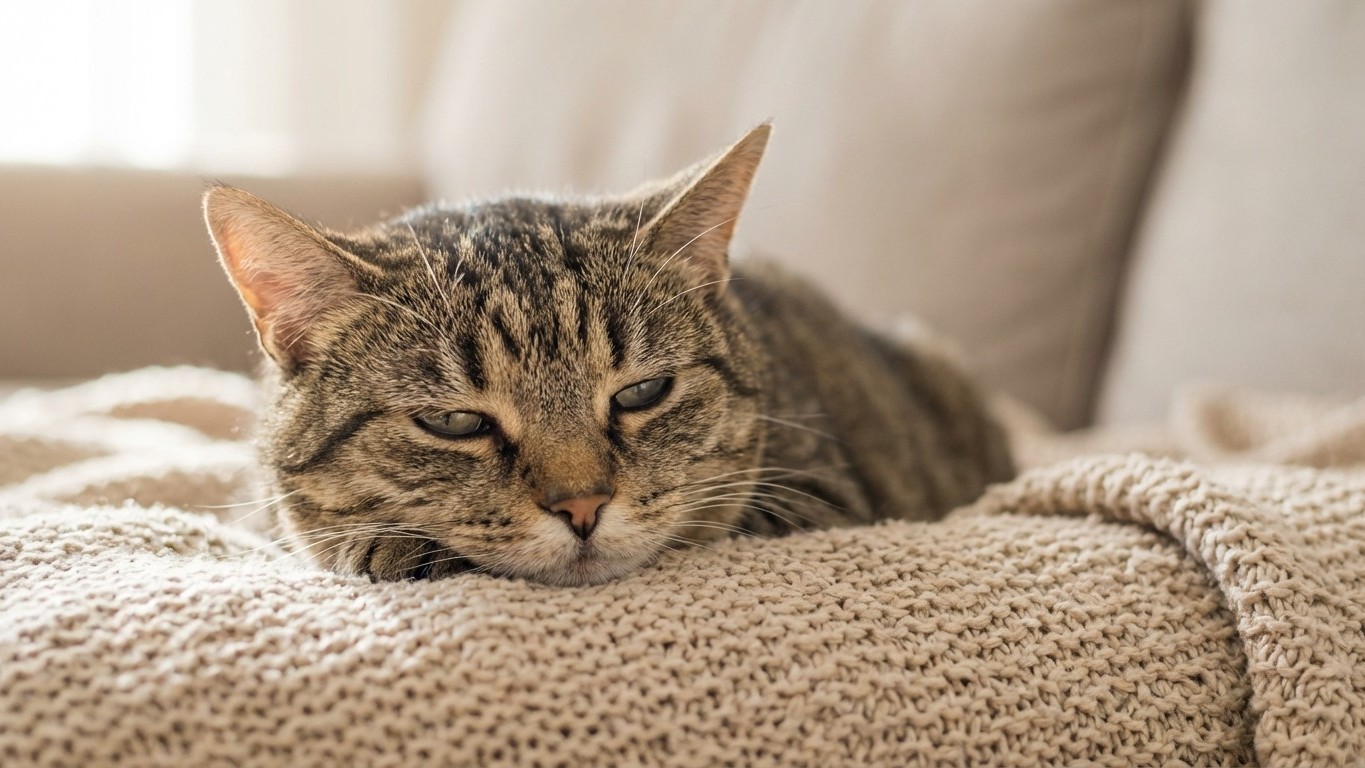
Cats are masters of disguise when it comes to pain, masking serious symptoms until it’s nearly too late. By understanding the subtle behavioral shifts and physical signs your cat displays—from changes in jumping ability to grooming habits and even purring—you can catch chronic pain like arthritis and dental disease before they become emergencies.

Why Your Cat Follows You to the Bathroom: The Emotional Truth Behaviourists Have Finally Explained

Why Your Cat Follows You to the Bathroom: The Emotional Truth Behaviourists Have Finally Explained

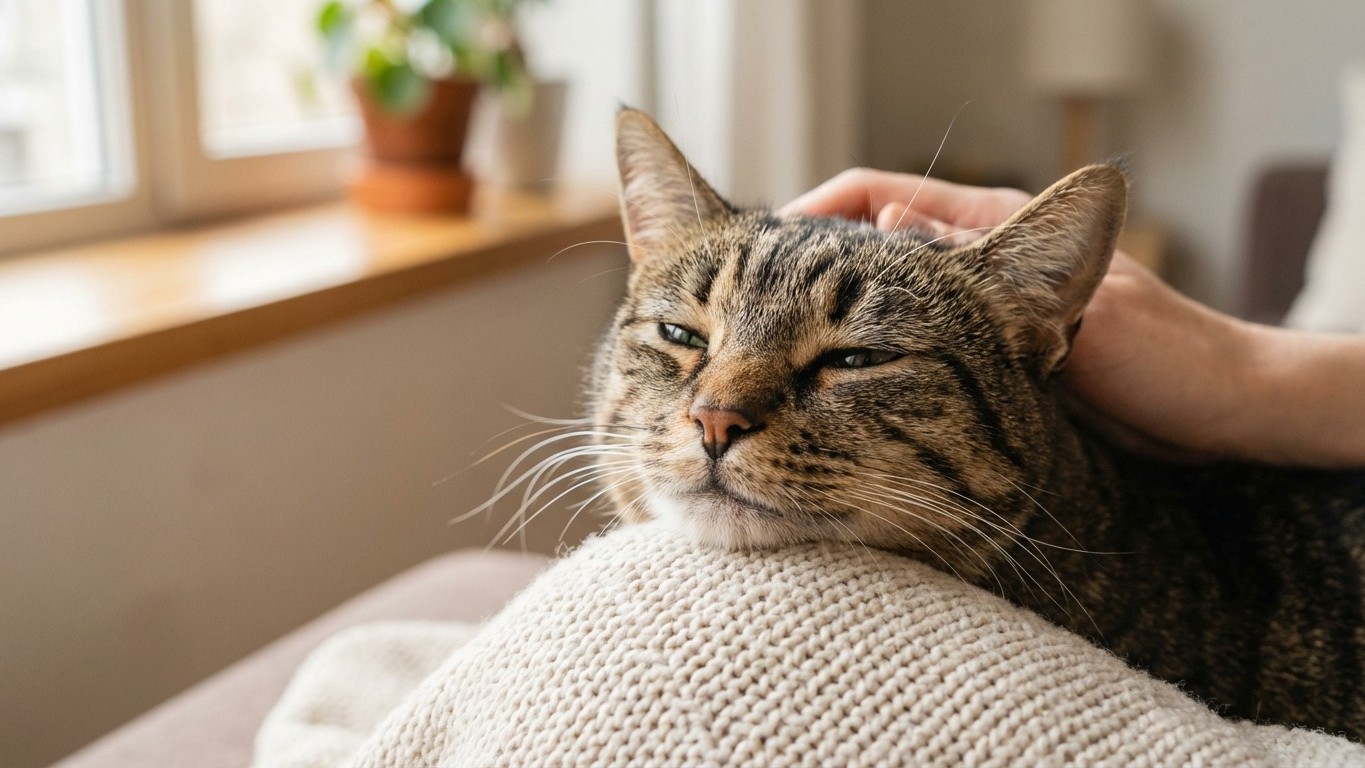
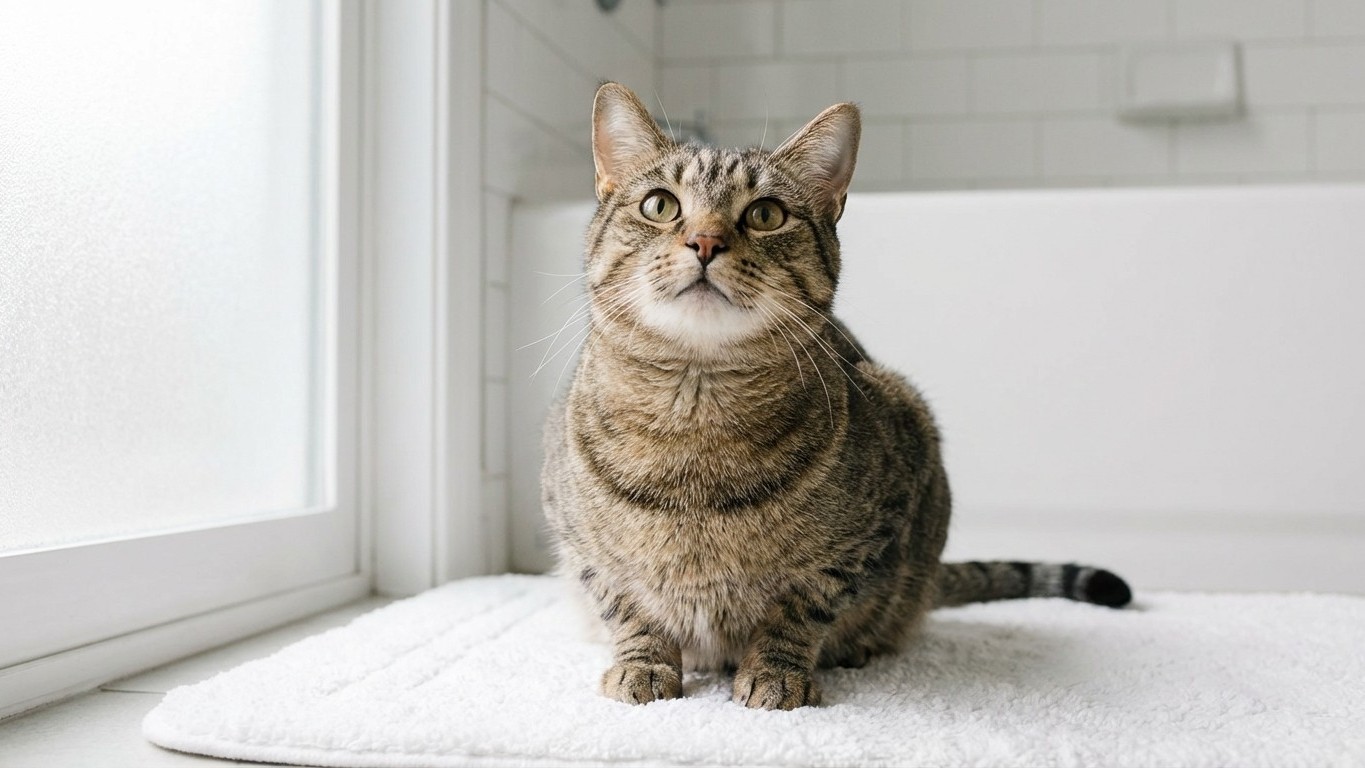
Your cat’s bathroom obsession isn’t random behavior—it’s a sign of genuine attachment and social bonding. Animal behaviorists have uncovered the emotional complexity behind this quirky habit, revealing that your feline friend may actually be offering you companionship during moments they perceive as vulnerable.

Your Cat’s Whiskers Are Actually Sophisticated Sensory Superpowers—Here’s What They Really Do

Your Cat's Whiskers Are Actually Sophisticated Sensory Superpowers—Here's What They Really Do

Those delicate hairs on your cat’s face are far more than decorative—they’re sophisticated sensory instruments that function almost like echolocation. Embedded with nerve endings and blood vessels, whiskers help cats navigate in darkness, hunt prey with precision, and communicate their emotional state. Damaging them can genuinely disorient your cat.