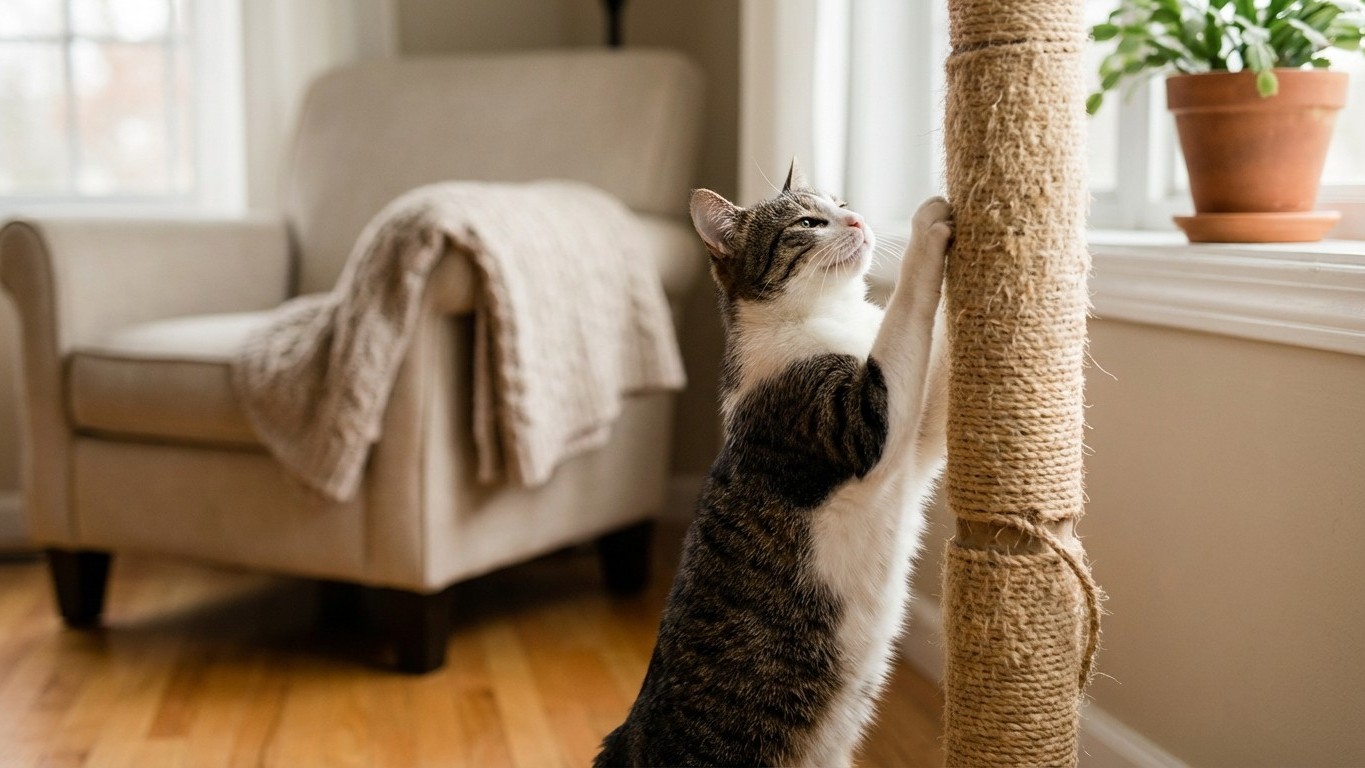
Why Your Cat Kneads Your Lap: A Vet Reveals the Secret Meaning Behind This Adorable Behavior

Why Your Cat Kneads Your Lap: A Vet Reveals the Secret Meaning Behind This Adorable Behavior
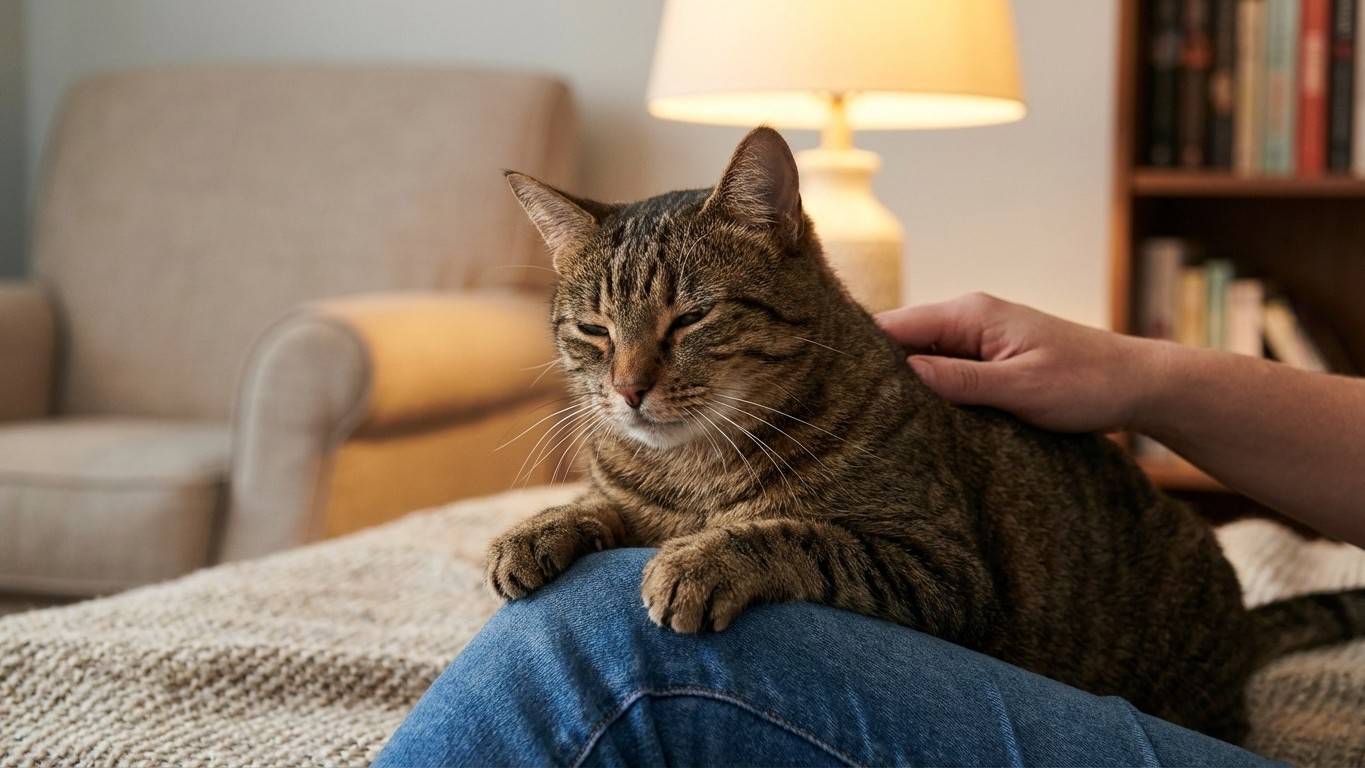
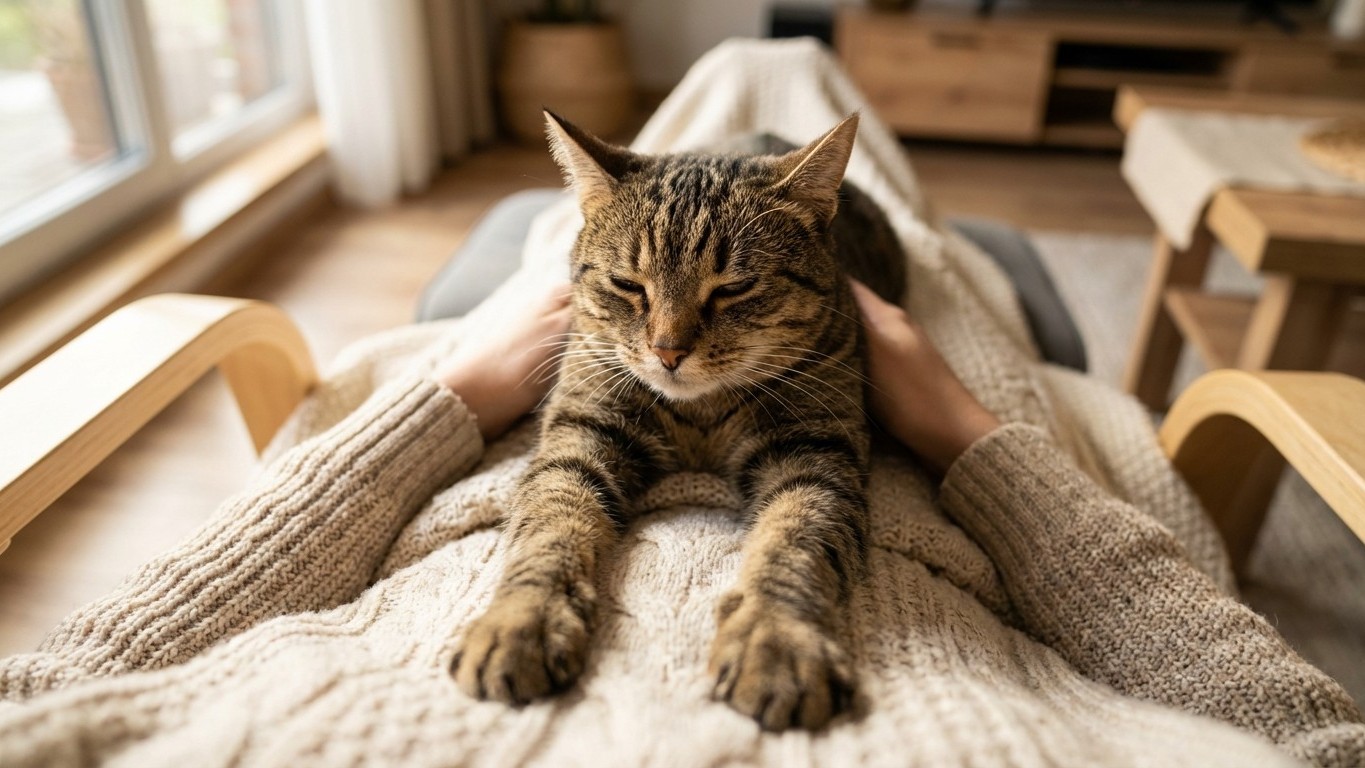
That rhythmic pushing of paws against your lap isn’t random—it’s your cat’s way of showing deep trust and affection. A veterinarian explains the fascinating origins of kneading behavior, what your cat is actually communicating through those alternating paw pushes, and why managing the claw situation doesn’t mean disrupting this precious bonding ritual.
The Daily Gesture That Stresses Your Cat Without You Knowing — Revelations From a Feline Behaviourist

The Daily Gesture That Stresses Your Cat Without You Knowing — Revelations From a Feline Behaviourist

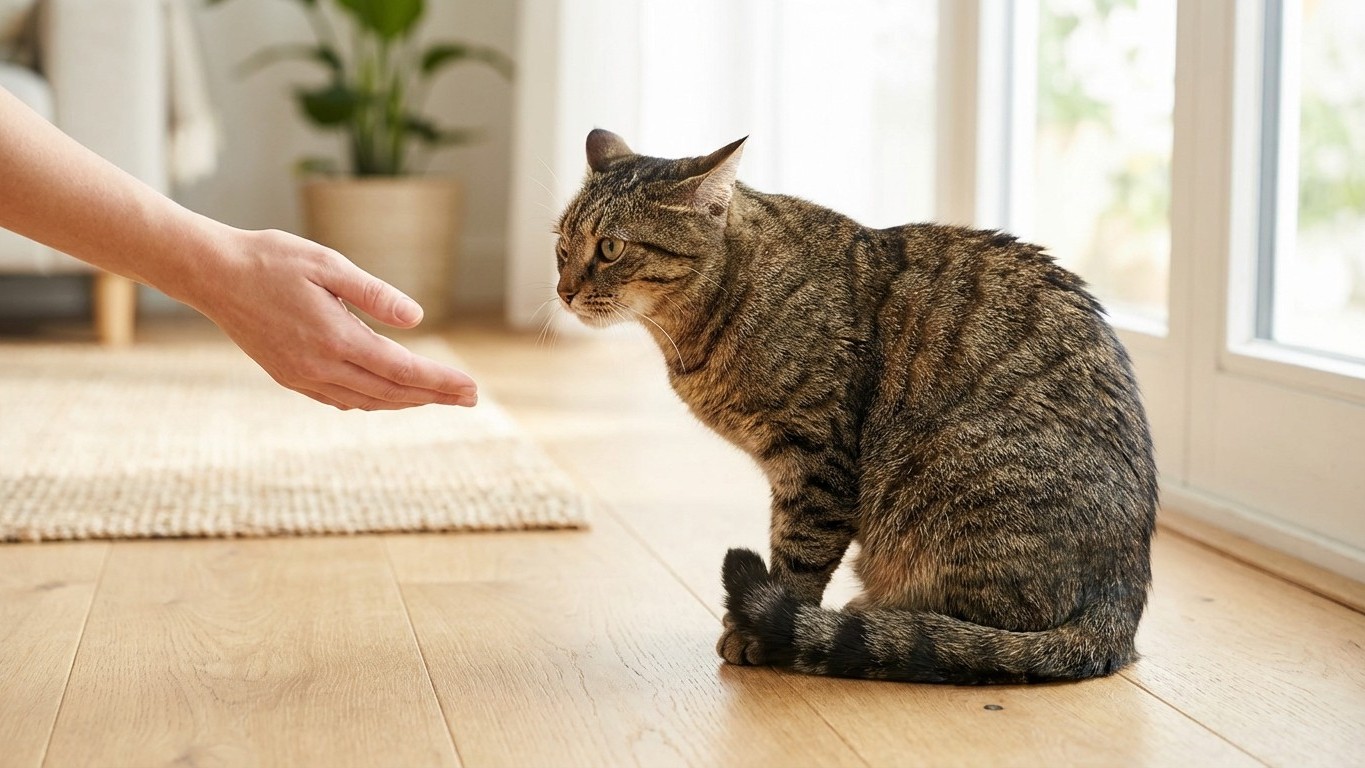
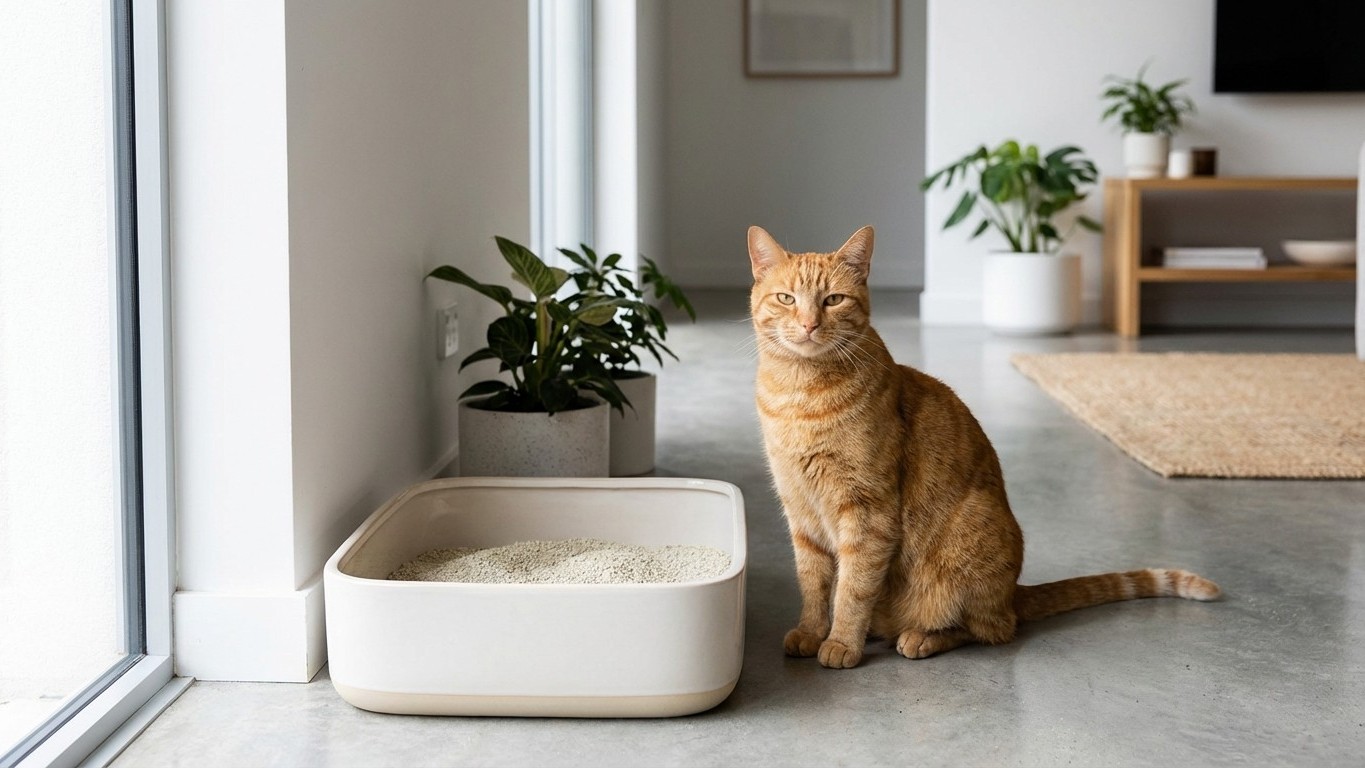
Your cat’s rigid body and sudden escape under the sofa might reveal more than you think. A feline behaviourist reveals the everyday gestures silently stressing your pet—and how to fix them with surprisingly simple changes.

5 Behavioral Signs Your Cat Needs Deworming This March — Vets Say Most Owners Miss #3

5 Behavioral Signs Your Cat Needs Deworming This March — Vets Say Most Owners Miss #3

As spring arrives and cats venture outdoors again, parasite risk climbs—but the signs are easy to miss. From appetite changes to tail-base scooting, learn the five behavioral red flags that suggest your cat needs deworming, and why one sign catches almost every owner off guard.

Why Your Cat Ignores Her Water Bowl: The Ancient Instinct That Changes Everything

Why Your Cat Ignores Her Water Bowl: The Ancient Instinct That Changes Everything

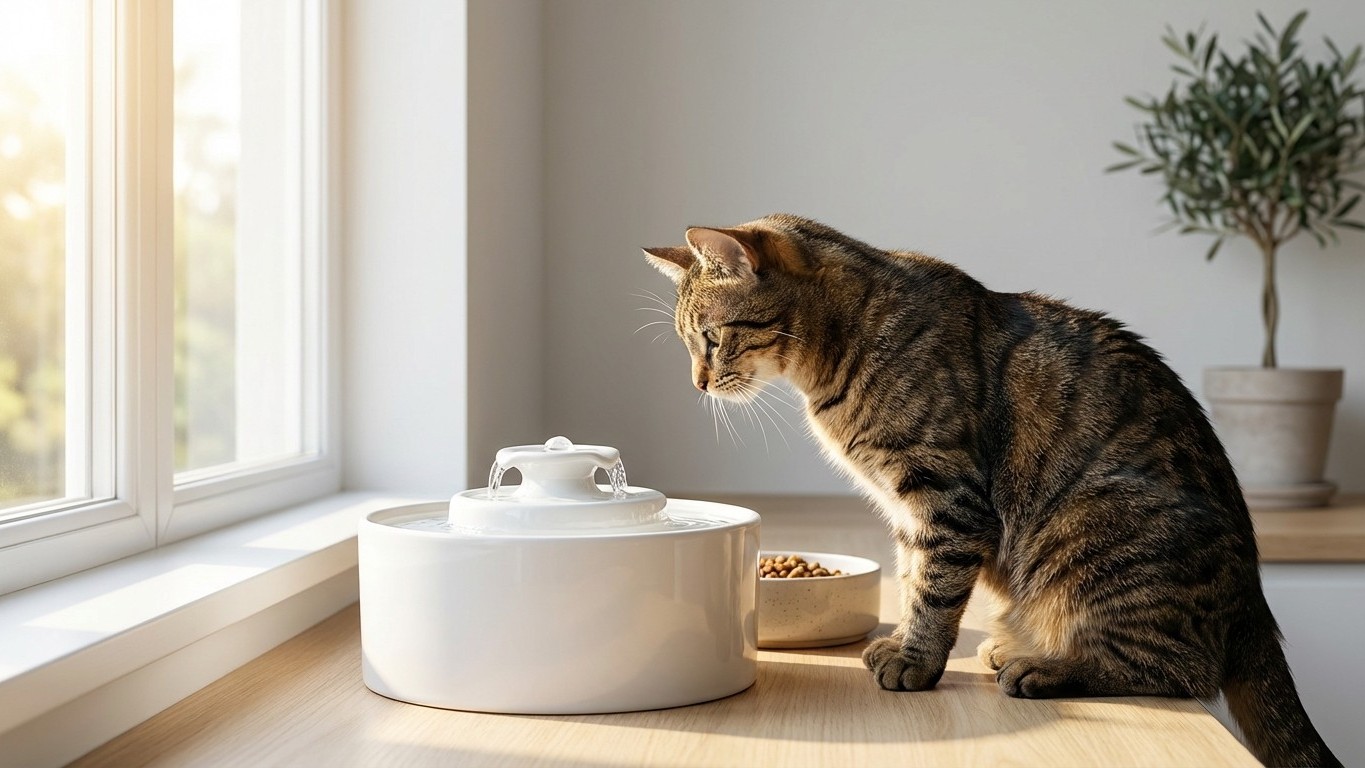
Your cat’s refusal to drink from her bowl isn’t stubbornness—it’s thousands of years of evolutionary instinct warning her that stagnant water is dangerous. Understanding this shift transforms how you approach feline hydration and prevents serious health issues.

How Long Can You Actually Leave Your Cat Home Alone? Veterinary Guidelines for 2026

How Long Can You Actually Leave Your Cat Home Alone? Veterinary Guidelines for 2026

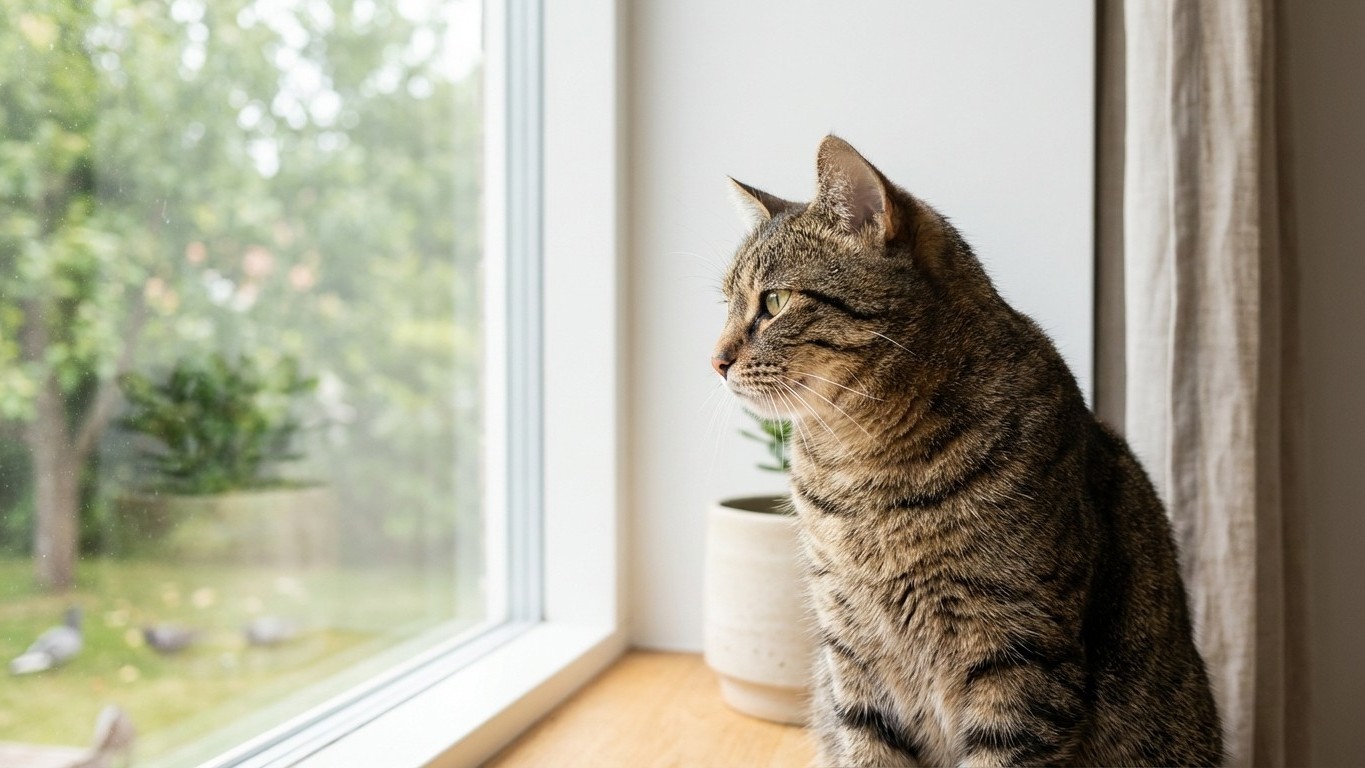
Leaving your cat home alone comes with guilt—but how long is actually safe? Veterinary experts reveal that healthy adult cats can manage 12-24 hours alone, but age, breed, personality, and environment dramatically shift this baseline. Learn what your cat really needs to thrive.

Why Your Cat Kneads: The Hidden Emotions Behind This Adorable Behavior

Why Your Cat Kneads: The Hidden Emotions Behind This Adorable Behavior

That rhythmic kneading motion isn’t just cute—it’s a window into your cat’s emotional world. Rooted in kittenhood nursing instincts, adult cats use kneading as a self-soothing mechanism that releases endorphins and marks territory, revealing deep trust and contentment toward their owners.