What your cat’s paw pads can reveal about their health
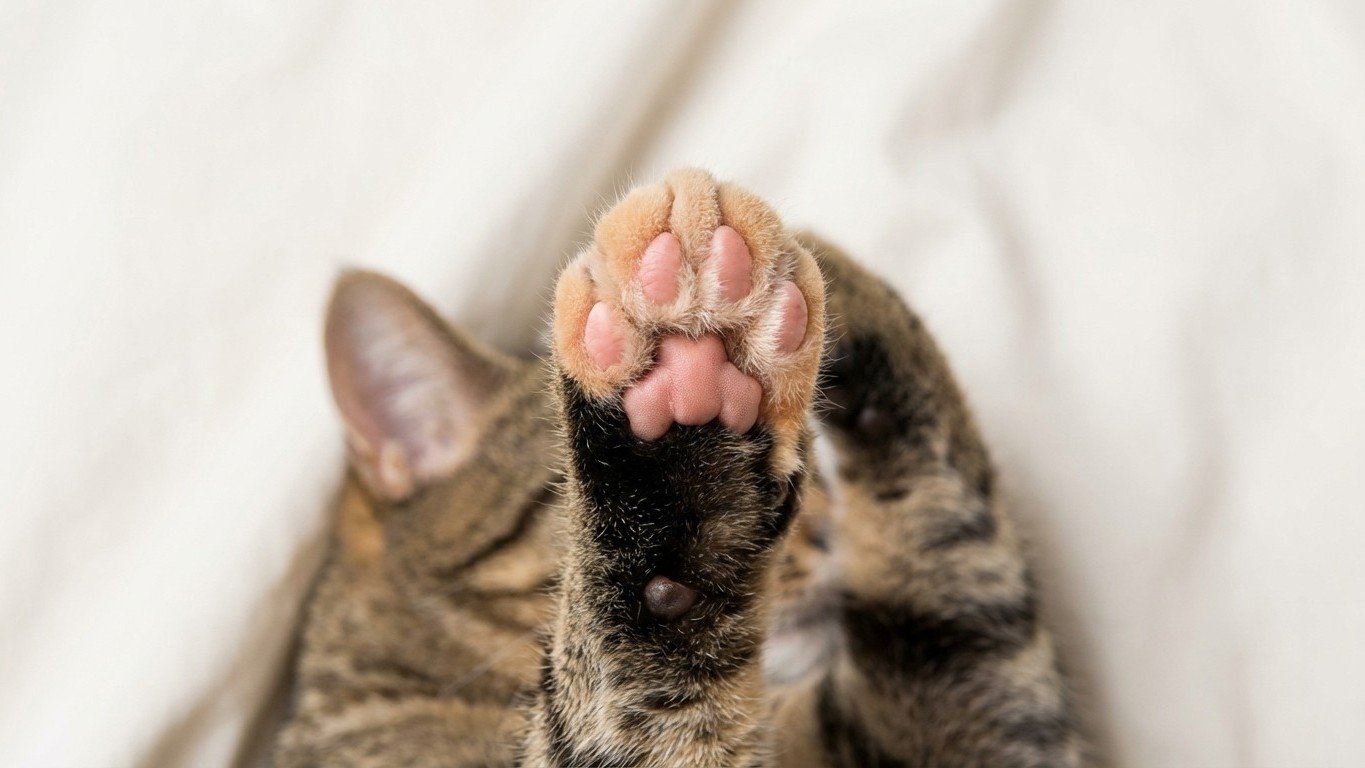
Your Cat's Paw Pads Are Hiding a Health Secret—Here's What Vets Check For

Your cat’s adorable “toe beans” are far more than cute—they’re an early warning system for hidden nutritional deficiencies. Vets are increasingly checking paw pad texture and condition during routine check-ups, as changes here often appear long before any other symptoms. Understanding what healthy paws should look like could catch serious health issues early.
How to brush your cat’s teeth without damaging their gums

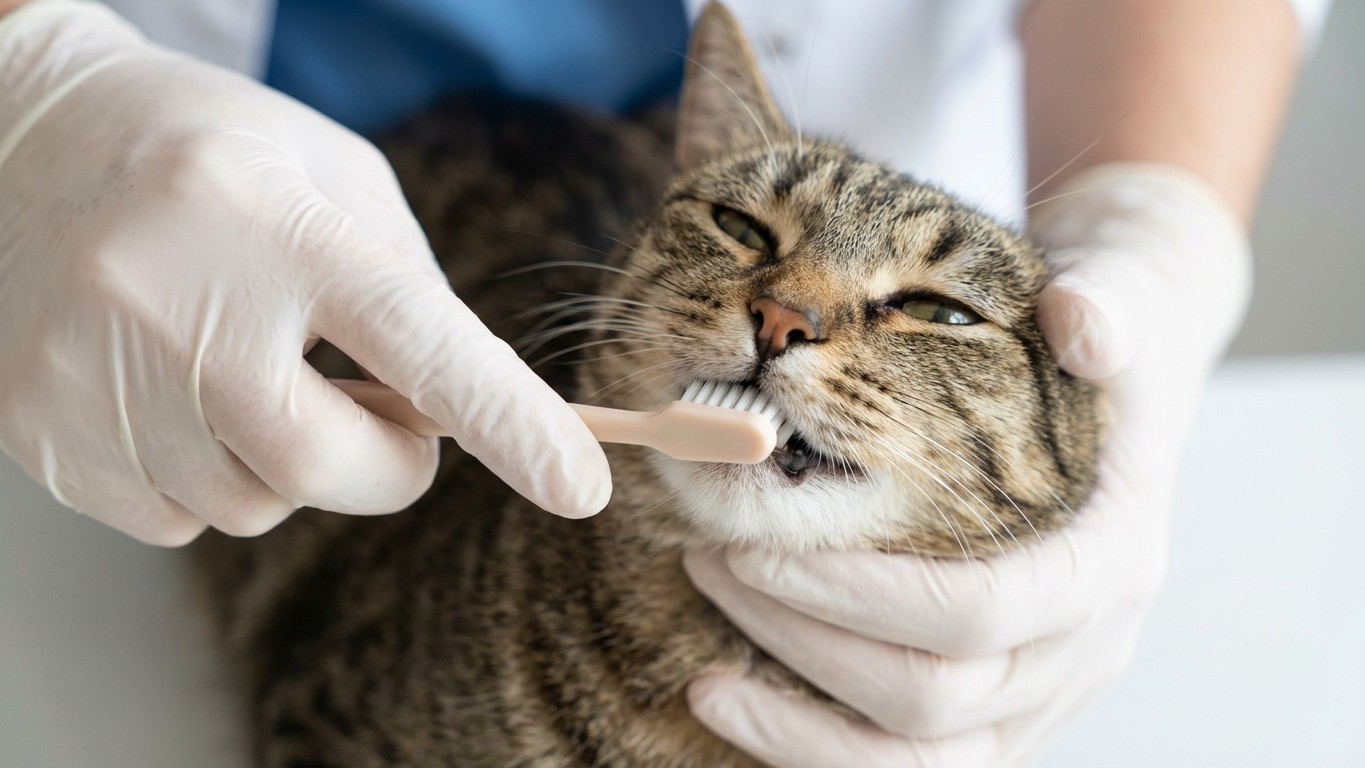
Most Cat Owners Brush Their Cats' Teeth Wrong—And It's Damaging Their Gums

Most cat owners who brush their pet’s teeth mean well, but the wrong technique—aggressive scrubbing, incorrect angles, and excessive pressure—can damage your cat’s gums just as much as not brushing at all. By four years old, 50-80% of cats have periodontal disease, yet the small minority of owners who do brush often get the method dangerously wrong. A few simple technique adjustments can transform your cat’s dental health.

Why daffodils, tulips and other spring bulbs are toxic to cats

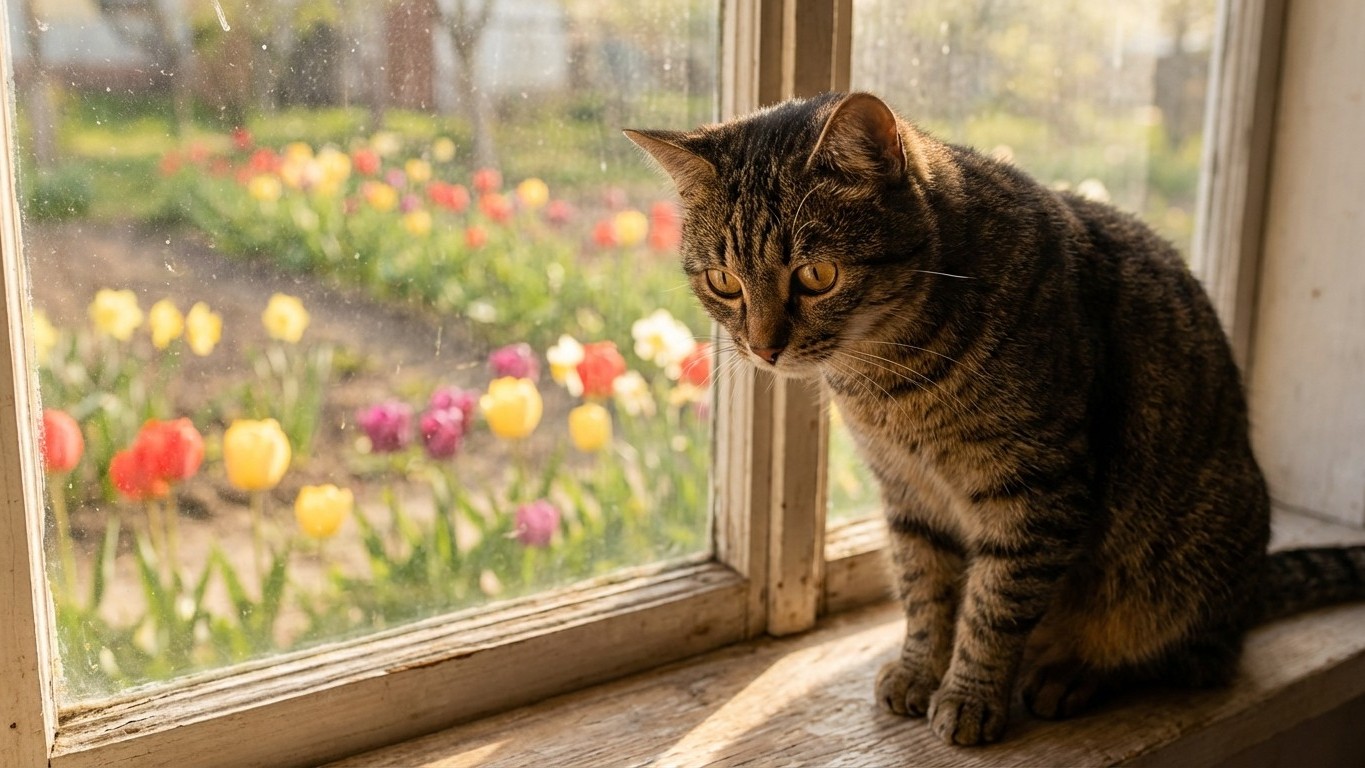
Your Cat's Window Warning: Why Spring Bulbs Are a Hidden Garden Danger

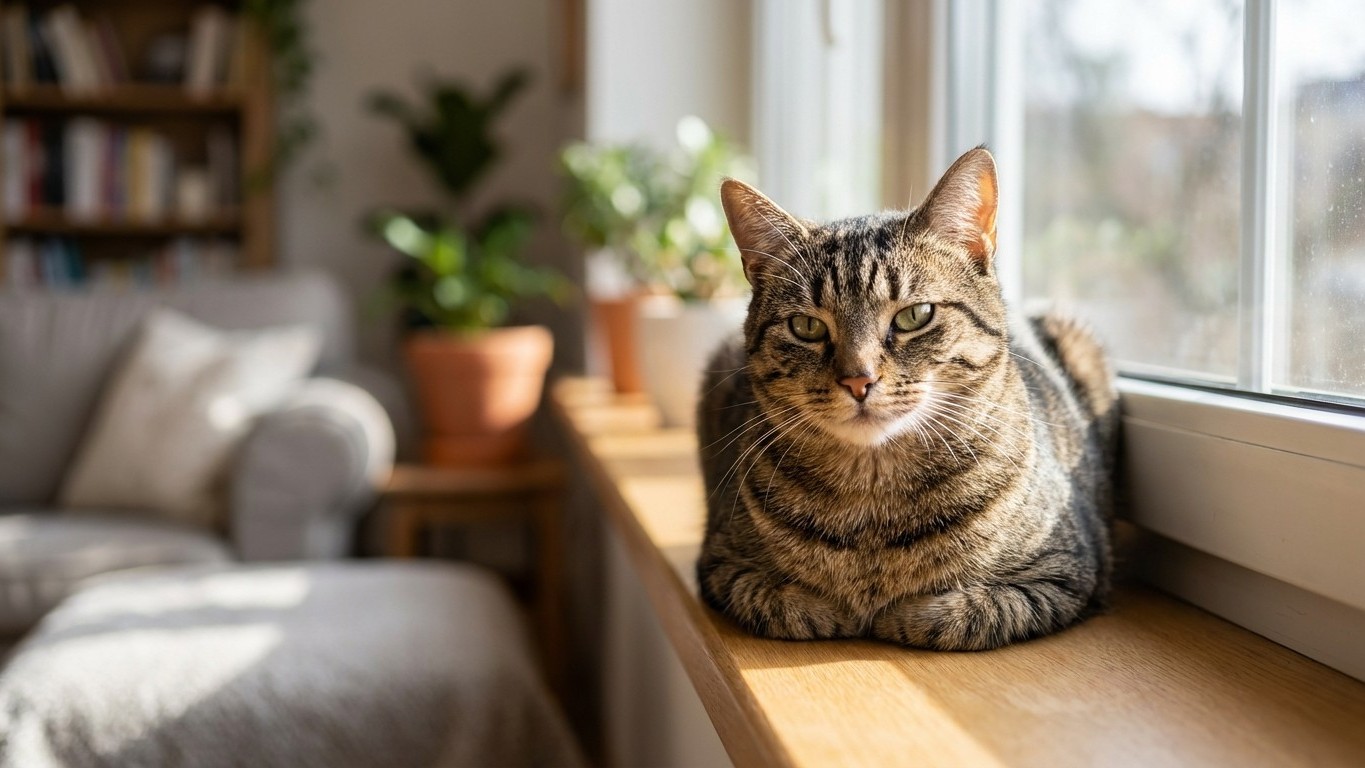
Every spring, millions of British gardeners plant bulbs—but few realize that daffodils, tulips, and hyacinths are highly toxic to cats. From vomiting and diarrhea to seizures and organ failure, the risks range from mild to life-threatening. Your cat’s intensity at the window might be more than curiosity.

Why cats sleep with paws over their eyes and what it means

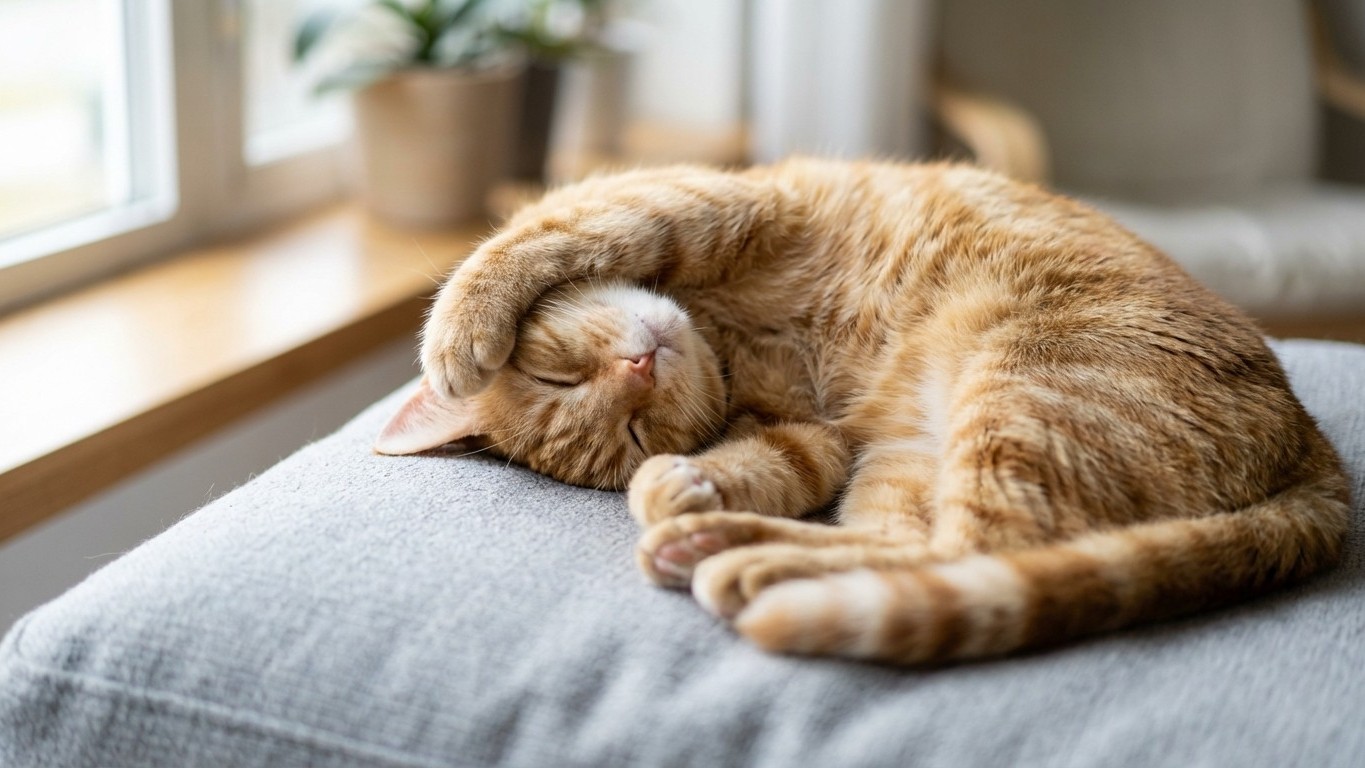
Why Your Cat Sleeps With Paws Over Their Eyes: What Vets Say It Really Means

That adorable pose of your cat sleeping with paws pressed over their eyes is more than just cute—it’s a window into their wellbeing. Veterinarians explain the surprising reasons behind this behavior, from temperature regulation to deep sleep cycles, and what it reveals about your feline friend’s comfort and emotional state.

What a cat’s loaf pose means and when it can signal pain

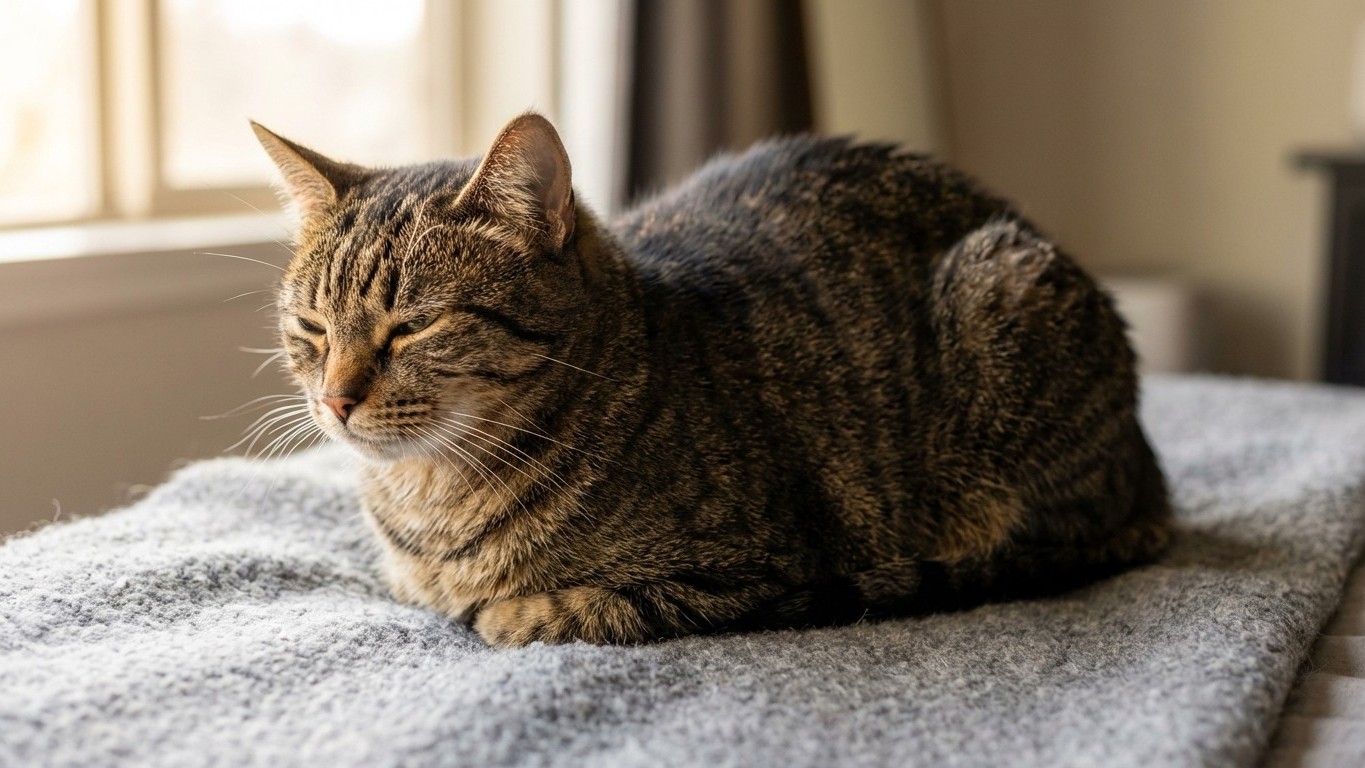
Your Cat's Cute Loaf Pose Might Be Hiding Pain: What Vets Want You to Know

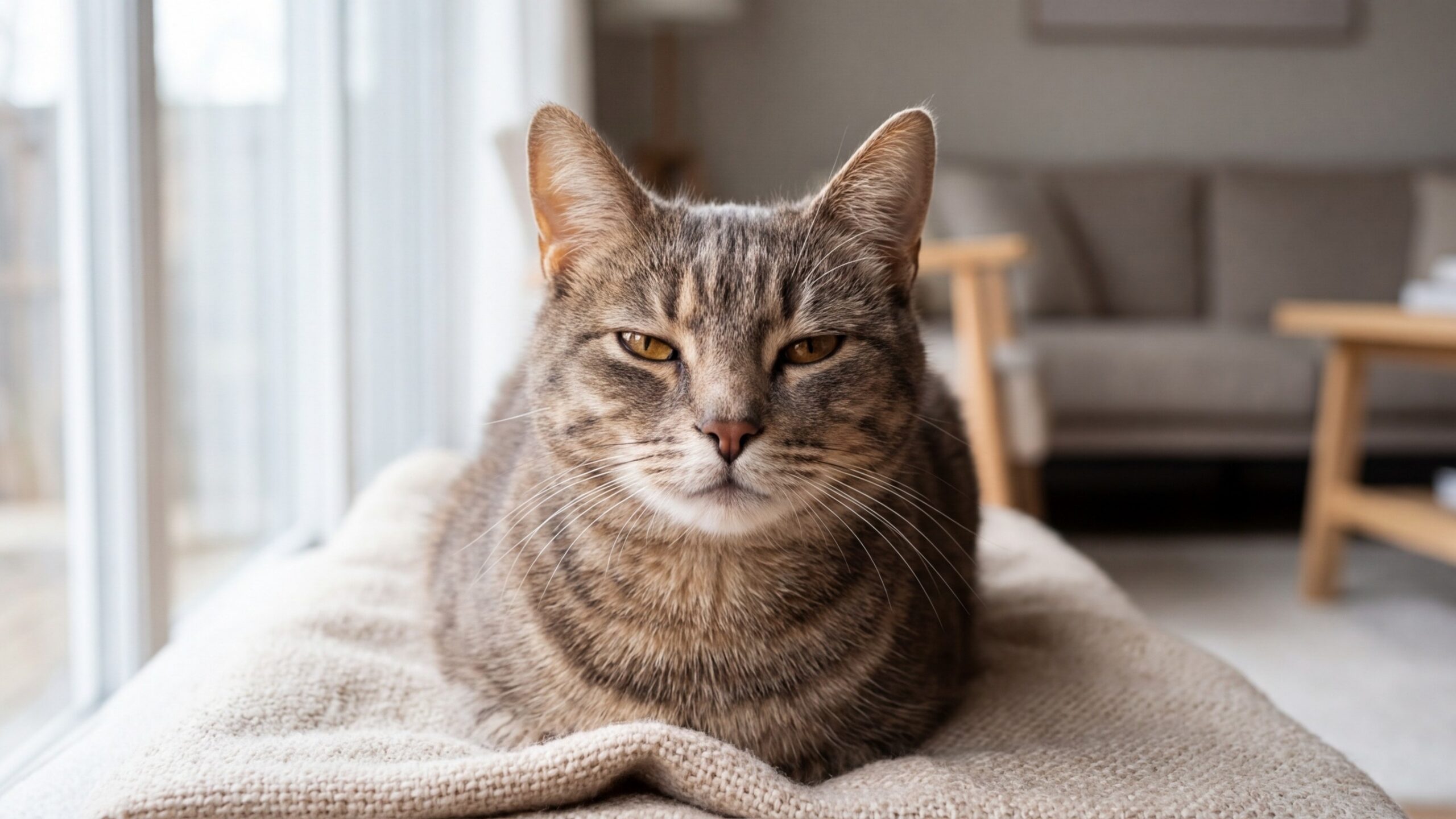
That precious loaf pose your cat strikes might look cute on Instagram, but veterinarians warn it could be masking serious pain or illness. Cats are evolutionary masters at hiding discomfort, making it crucial for pet owners to understand the subtle differences between a relaxed loaf and a painful one. Discover how to read your cat’s body language and facial expressions to catch hidden health issues before they become serious.

Why cats knead your lap and what it says about their health

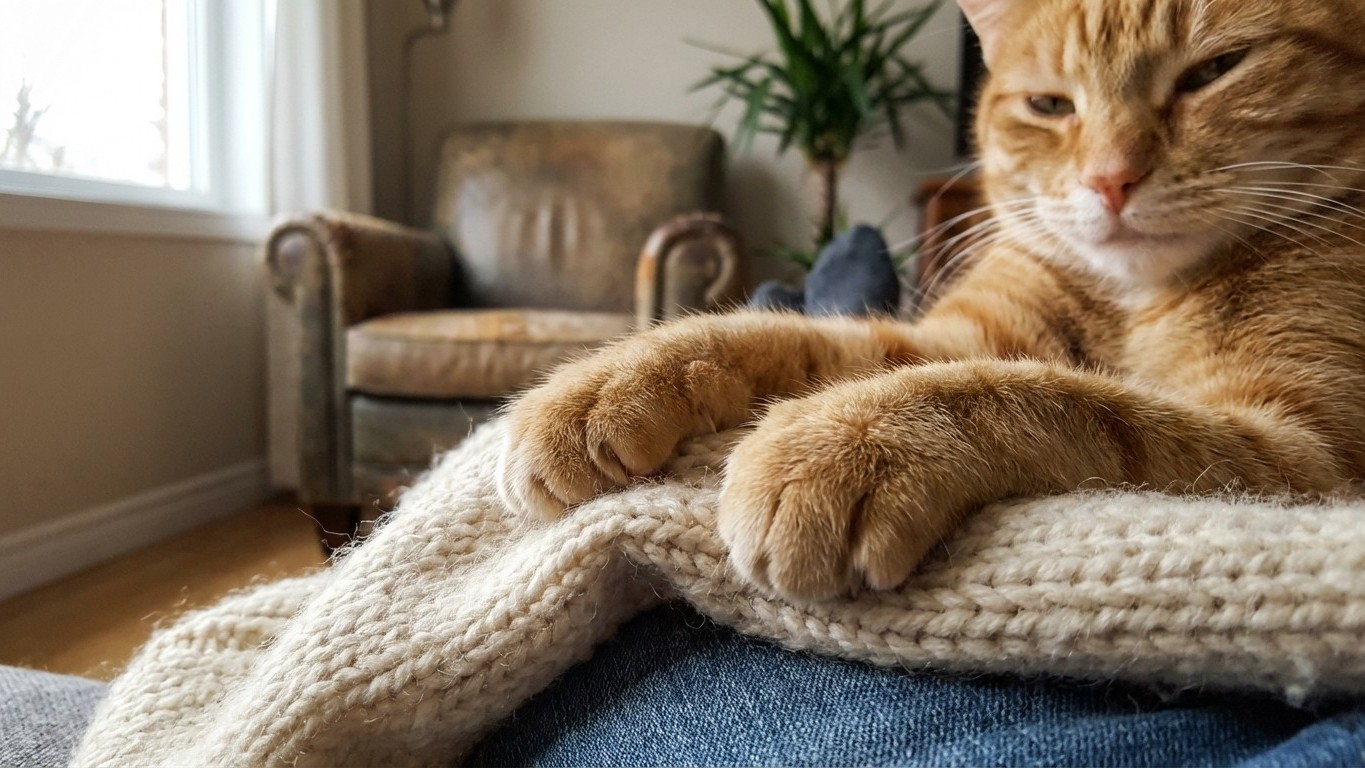
Why Your Cat Kneads Your Lap Every Evening: What Vets Reveal About Their Health

That rhythmic paw-pressing your cat does on your lap isn’t random—it’s a sophisticated form of communication rooted in their earliest memories. Vets explain what this beloved behavior reveals about your cat’s emotional bond with you, when it signals wellness, and the surprising health warning signs you shouldn’t ignore.

Do cats need quarterly deworming? What vets now say

Vets Warn: Stop the Quarterly Deworming Ritual—Your Cat Probably Doesn't Need It

Millions of cat owners deworm their pets every three months like clockwork, but Europe’s leading parasite experts now say this blanket approach is outdated and potentially counterproductive. Updated 2025 ESCCAP guidelines reveal that individual risk assessment—not calendar dates—should determine deworming schedules, with some cats needing more frequent treatment and others needing none at all.

How cat whiskers help them navigate in the dark

Cat Whiskers: The Extraordinary Sensory Superpower That Transforms Darkness Into Navigation

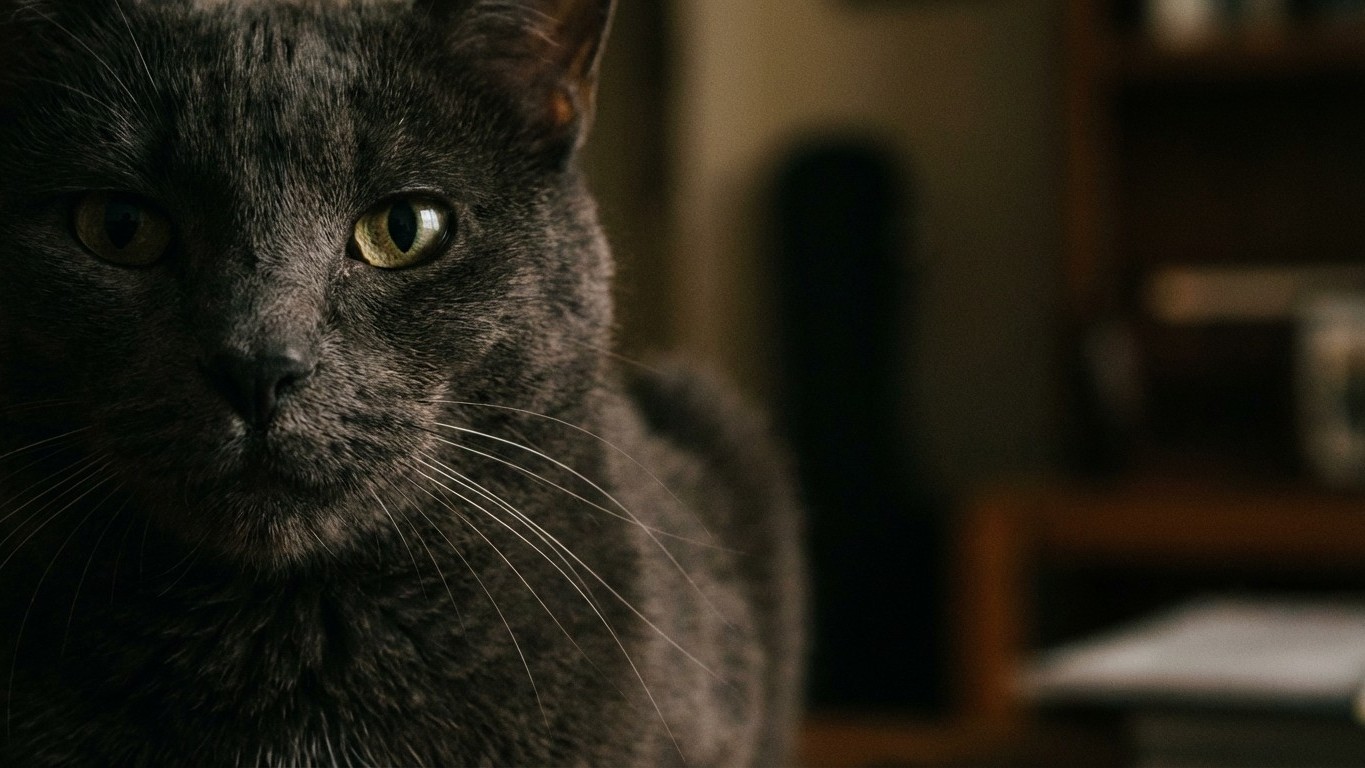
Cat whiskers are far more than decorative hairs—they’re sophisticated sensory organs packed with mechanoreceptors that allow cats to navigate total darkness by detecting air currents and vibrations. When whiskers snap or break, it can temporarily disorient your cat, but they’ll regrow within weeks. Understanding whisker function reveals hidden truths about your cat’s behavior and wellbeing.