
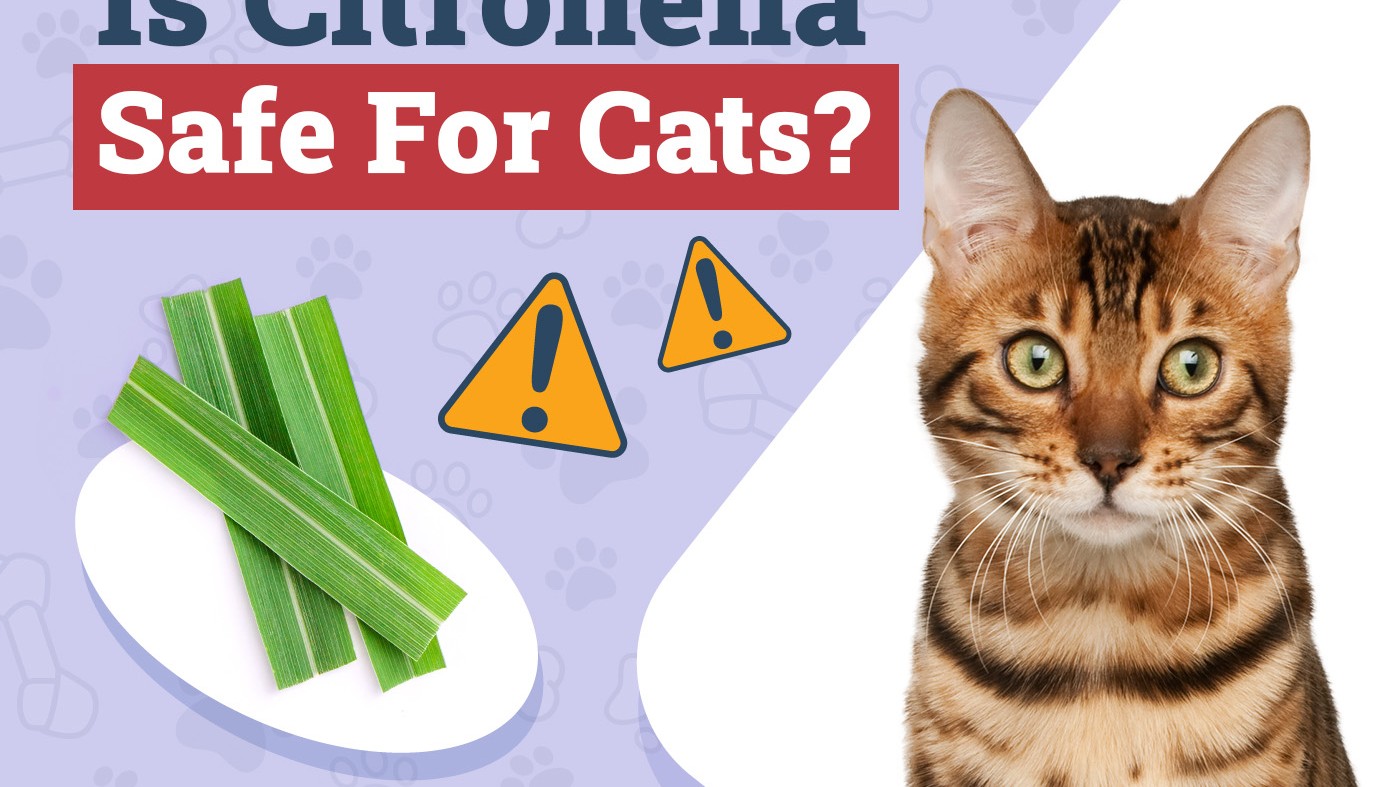
The plant sold at garden centres as a “mosquito plant” or “citronella plant” almost never contains a drop of real citronella. What you’ve actually bought home is Pelargonium citrosum, better known as a scented geranium, and it sits on toxic plant lists for both cats and dogs. Which explains, rather neatly, why a curious tabby sniffing around the pot can end up dribbling like a leaky tap within the hour.
Key takeaways
- The popular ‘mosquito plant’ has a hidden identity that most pet owners don’t realize
- There’s a specific reason why cats are in far greater danger than dogs from this plant
- One early warning sign appears so fast it usually catches owners off guard
The mix-up that catches out thousands of pet owners
Garden centres love a good bit of marketing, and few plants have been rebranded as cleverly as this one. The plant most commonly sold as a mosquito deterrent, labelled “Citronella Plant,” “Mosquito Plant,” or “Skeeter Plant” at garden centres, is Pelargonium cv. Citrosa, a scented geranium, and the ASPCA classifies it as toxic to both dogs and cats. The confusion is understandable, because there genuinely is a plant called true citronella (Cymbopogon nardus and Cymbopogon winterianus), and the citronella plant isn’t directly harmful to cats based on currently available info, but it’s best to keep cats well away from it and its products, such as essential oils or candles. The pot-grown geranium version, however, is a different species entirely dressed up in the same lemony-scented marketing.
It’s not even particularly effective at its actual job. The plant releases negligible geraniol unless the leaves are physically crushed, meaning sitting near one on the patio provides minimal protection and maximum toxicity risk. So you get the worst of both worlds: a pot that barely dents the mosquito population, sitting right where a bored cat will inevitably have a nibble. And it’s not the only imposter lurking in the “natural repellent” section. Lemongrass is also ASPCA-listed as toxic if ingested, so swapping one lemony-scented plant for another doesn’t necessarily solve the problem.
Why cats, specifically, come off worse
Dogs can nibble certain plants and shrug it off in a way that leaves cats seriously unwell. The reason is a quirk of feline liver chemistry rather than bad luck. Cats are particularly sensitive to essential oils like citronella, peppermint, and lemongrass, commonly found in natural insect repellents, because they lack certain liver enzymes necessary to metabolise some compounds present in essential oils. Put plainly: a cat’s body simply can’t break down and clear these plant compounds the way ours, or a dog’s, can, so the toxins build up rather than flushing through.
Once ingested, the plant tends to announce itself fast. Clinical signs include gastrointestinal upset, ataxia, muscle weakness, depression, and hypothermia, with cats particularly Vulnerable to the neurological effects. That drooling that sends people into a panic and straight to the emergency vet is usually one of the earliest warning signs, not the worst of it. Ingesting citronella-type plants can cause vomiting, drooling, or diarrhoea in cats, and if left unchecked, wobbliness and lethargy tend to follow within a few hours. I’d argue the drooling is actually a small mercy: it’s an obvious, hard-to-miss symptom that usually gets owners moving before things escalate.
What actually happens at the emergency vet
Treatment for this kind of plant poisoning is rarely dramatic, but it does need prompt attention. Vets typically want to know how much was eaten and when, because if it was only in the cat’s body for a short period, at most an hour, this is likely to cause GI upset such as nausea, vomiting, and diarrhoea, whereas a longer exposure window raises the chances of the more worrying neurological signs. Supportive care, fluids, anti-nausea medication and monitoring, is the standard approach while the cat’s own system clears the toxin, since there’s no specific antidote for scented geranium ingestion.
If your cat has had contact with any citronella product, whether it’s the plant, a candle, or a torch, keep an eye out for skin reactions too. Skin reactions such as redness, swelling, or itchiness, particularly around the mouth, indicate that citronella has come into contact with the cat. Don’t wait for a full collapse before ringing someone. If you’re ever unsure whether what your cat has eaten is a genuine emergency, the ASPCA Animal Poison Control Centre can be reached on (888) 426-4435, and any UK-based vet practice will have an out-of-hours emergency line for exactly this kind of scare.
What to grow on the balcony instead
None of this means giving up on a mosquito-free summer evening outdoors. It just means being pickier about what goes in the pot. Genuinely cat-safe options that still make a dent in the midge and mosquito population include:
- Basil, which is classified as non-toxic to both dogs and cats by the ASPCA
- Garden marigold (Calendula), also ASPCA-confirmed non-toxic to dogs and cats
- Catnip, which most cats will actively enjoy rather than merely tolerate
None of these are miracle cures, mind. No potted plant replaces proper parasite prevention, and this matters more than most people realise: since there’s no treatment for heartworm disease in cats, it’s very important to keep your cat on heartworm prevention and implement environmental controls to repel mosquitoes. Tipping out standing water, saucers under plant pots included, does more for mosquito control than any single plant ever will, and it costs precisely nothing.
One last thing worth knowing before your next trip to the garden centre: even genuinely non-toxic geraniums can carry the same lace-leafed, lemon-scented look as the dangerous Citrosa variety, so a quick photo search of the Latin name on the plant label, rather than trusting whatever catchy name is printed on the pot, is the safest five minutes you’ll spend all summer.
Sources : bloomingexpert.com | hardypaw.com